
In the Mood for Love
Directed by Wong Kar-wai
2000
Longing has never been filmed better than this: Wong Kar-wai gets more out of a stairwell and one repeated waltz than most directors manage with an entire script.
★ 9.3
 skopia
Longing has never been filmed better than this: Wong Kar-wai gets more out of a stairwell and one repeated waltz than most directors manage with an entire script.

Nothing else captures an ordinary family like this: Yang holds three generations of a Taipei household in one frame, and the small boy photographing people's backs explains the whole method.

Nolan told it backwards and the trick is not a trick: the reverse order strands you exactly where its amnesiac protagonist lives, knowing only the last five minutes.

It won four Academy Awards and remains the highest grossing foreign language film ever released in America: wire work so graceful that gravity stops being a consideration.
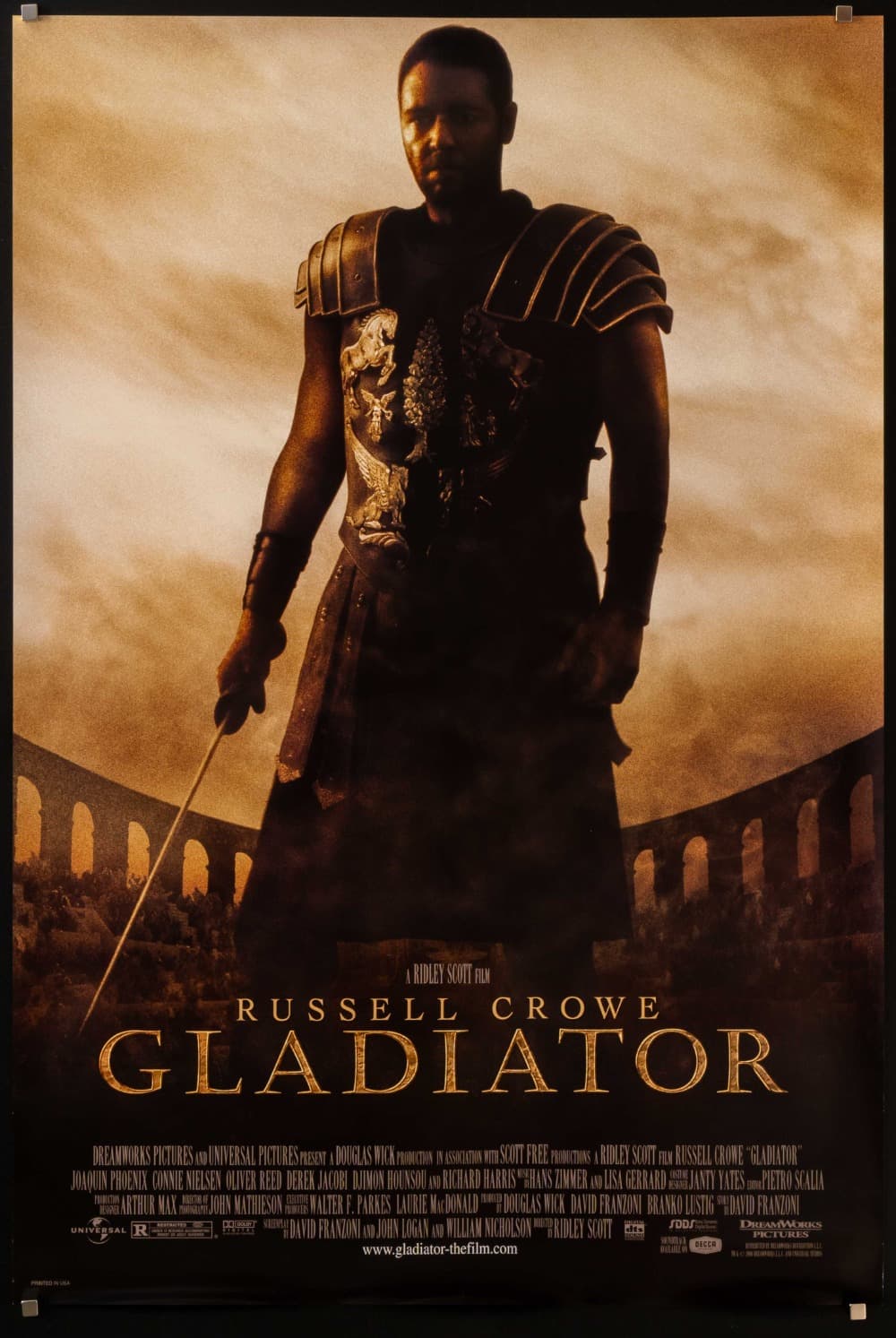
It dragged the Roman epic back after thirty-five years of dormancy: Russell Crowe's fury is the whole engine, and the arena sequences still deliver everything they promise.
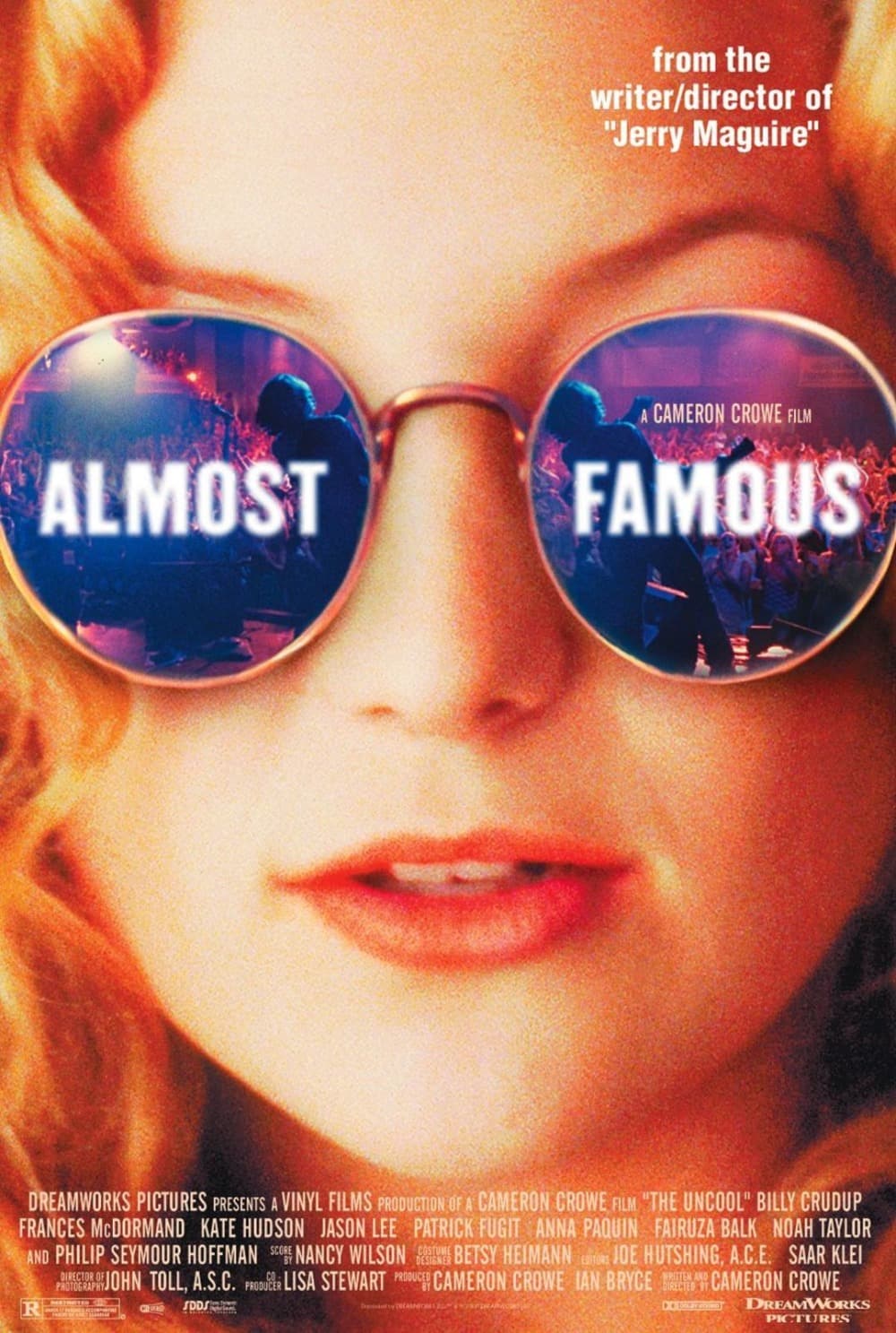
Cameron Crowe was writing for Rolling Stone at fifteen and on the road with the Allman Brothers at sixteen: the film gets every detail right, including the boredom.
Soderbergh color-codes three separate drug-war stories so you always know which one you are in, then declines to let any of them resolve into a tidy lesson.
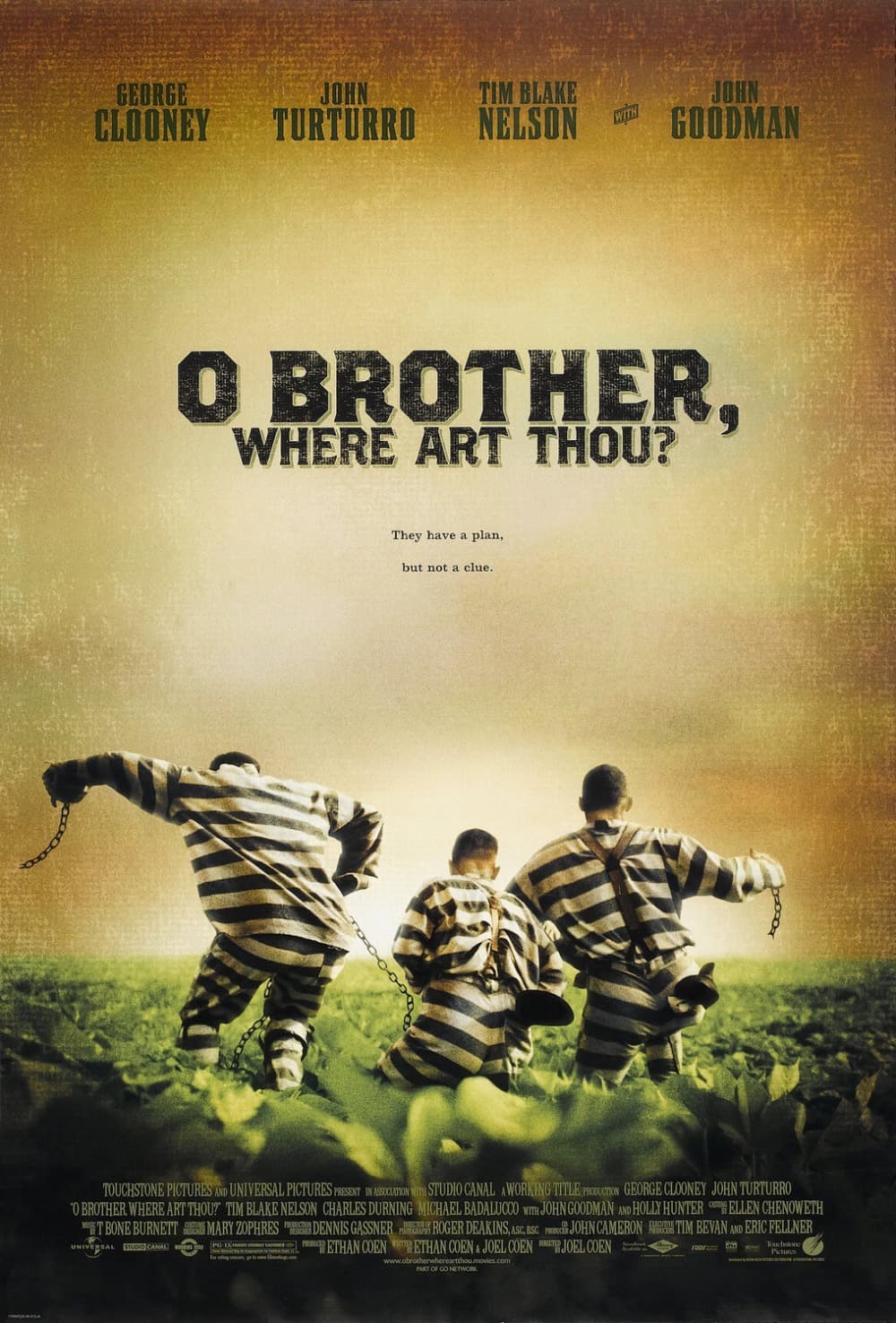
Homer's Odyssey rerouted through Depression-era Mississippi: the soundtrack of gospel and bluegrass sold eight million copies and sent a mass audience back to music first recorded in the 1920s.
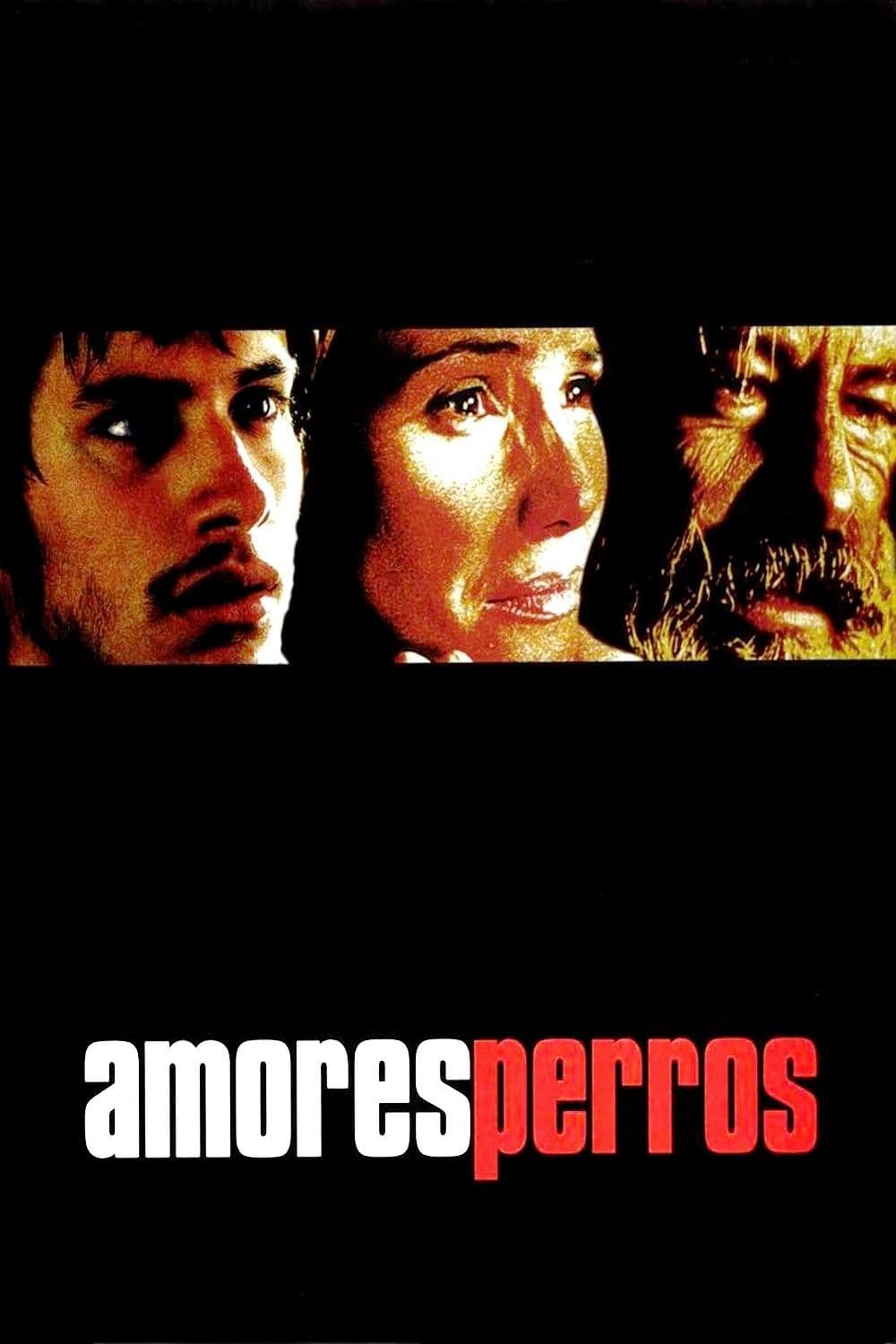
Mexican cinema arrived on the world stage with this: Inarritu's first film braids three Mexico City lives around a single car crash and refuses to soften any of them.
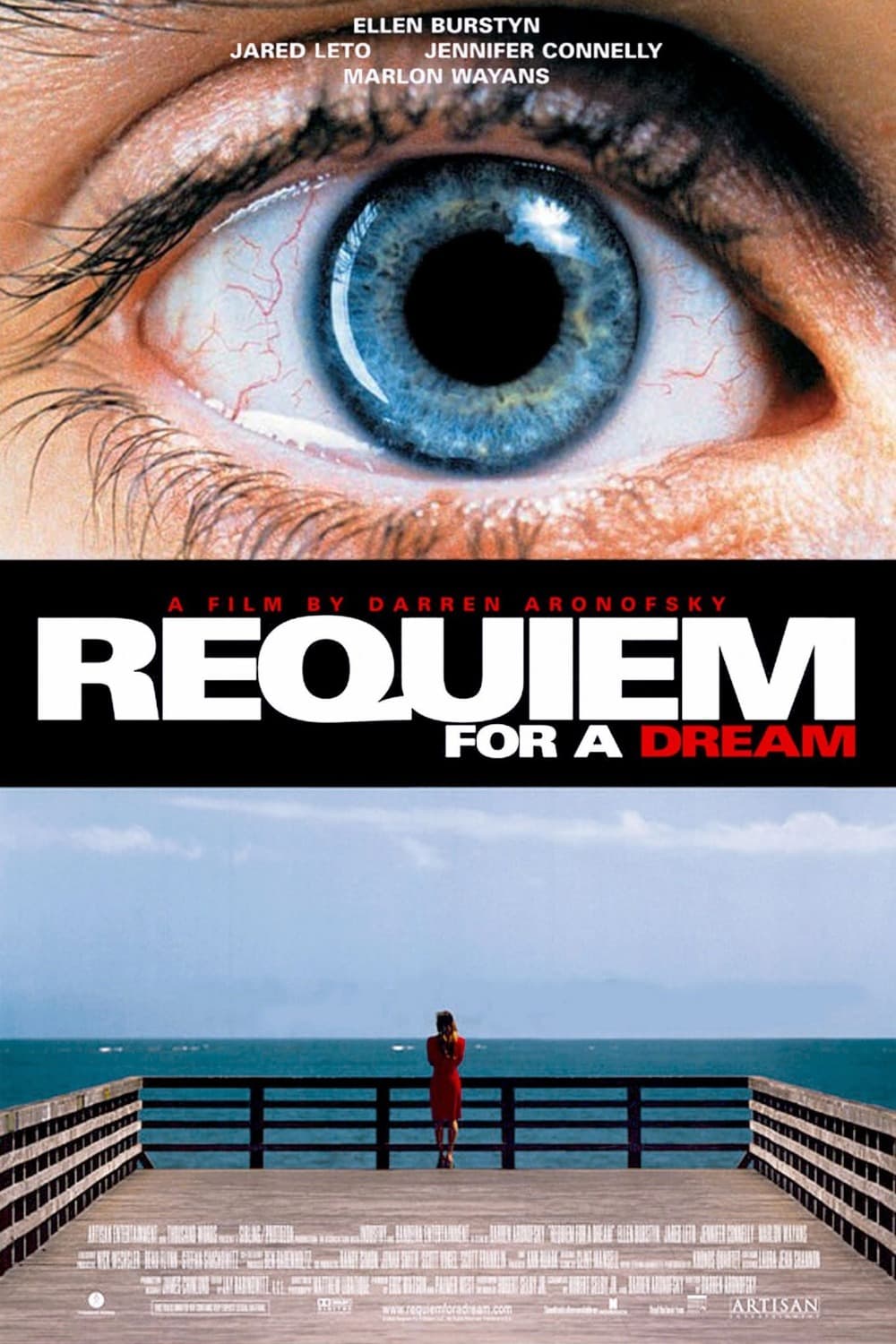
Nobody who has seen the last twenty minutes forgets them: Aronofsky films four people chasing different highs around Coney Island in split screen and body-mounted cameras, with Clint Mansell's string theme underneath.

The mockumentary found its permanent subject here, the American hobbyist: five sets of owners take their dogs to a national championship, and each of them reveals far more than intended.

Production shut down a year so Tom Hanks could lose fifty pounds: for an hour there is barely a word spoken, and a volleyball becomes a genuinely moving character.
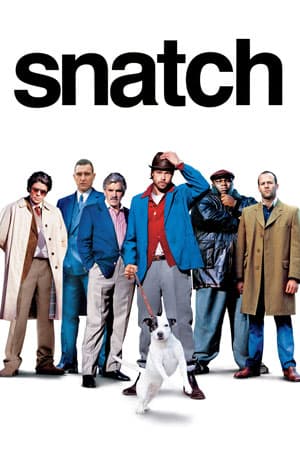
Brad Pitt asked for a part and got one nobody can understand a word of: an unlicensed boxing promoter, a stolen diamond and several sets of London criminals converge at considerable speed.
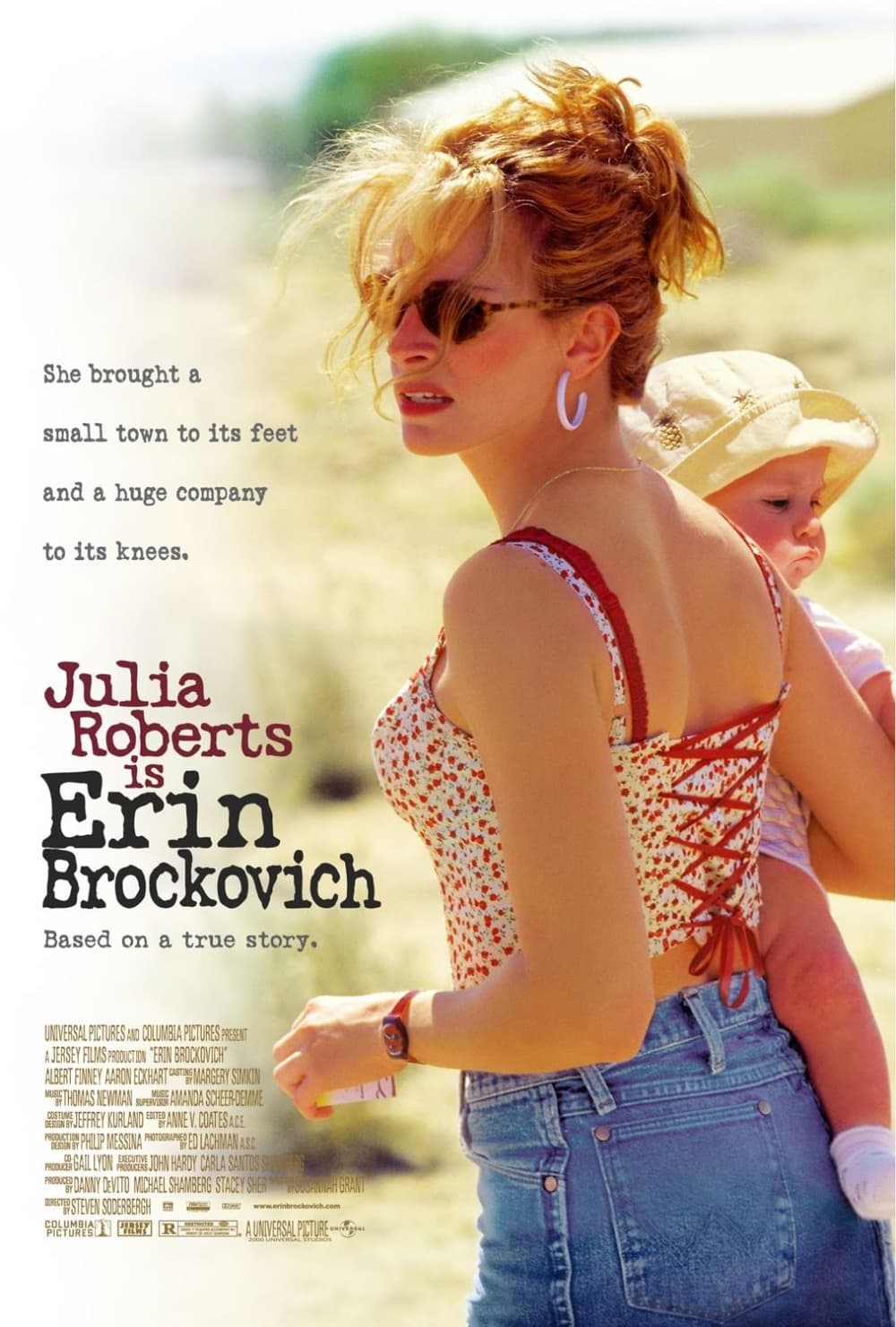
Julia Roberts took the Oscar playing someone still alive and still angry about it: a legal clerk with no training assembles the case against a utility poisoning a California town.
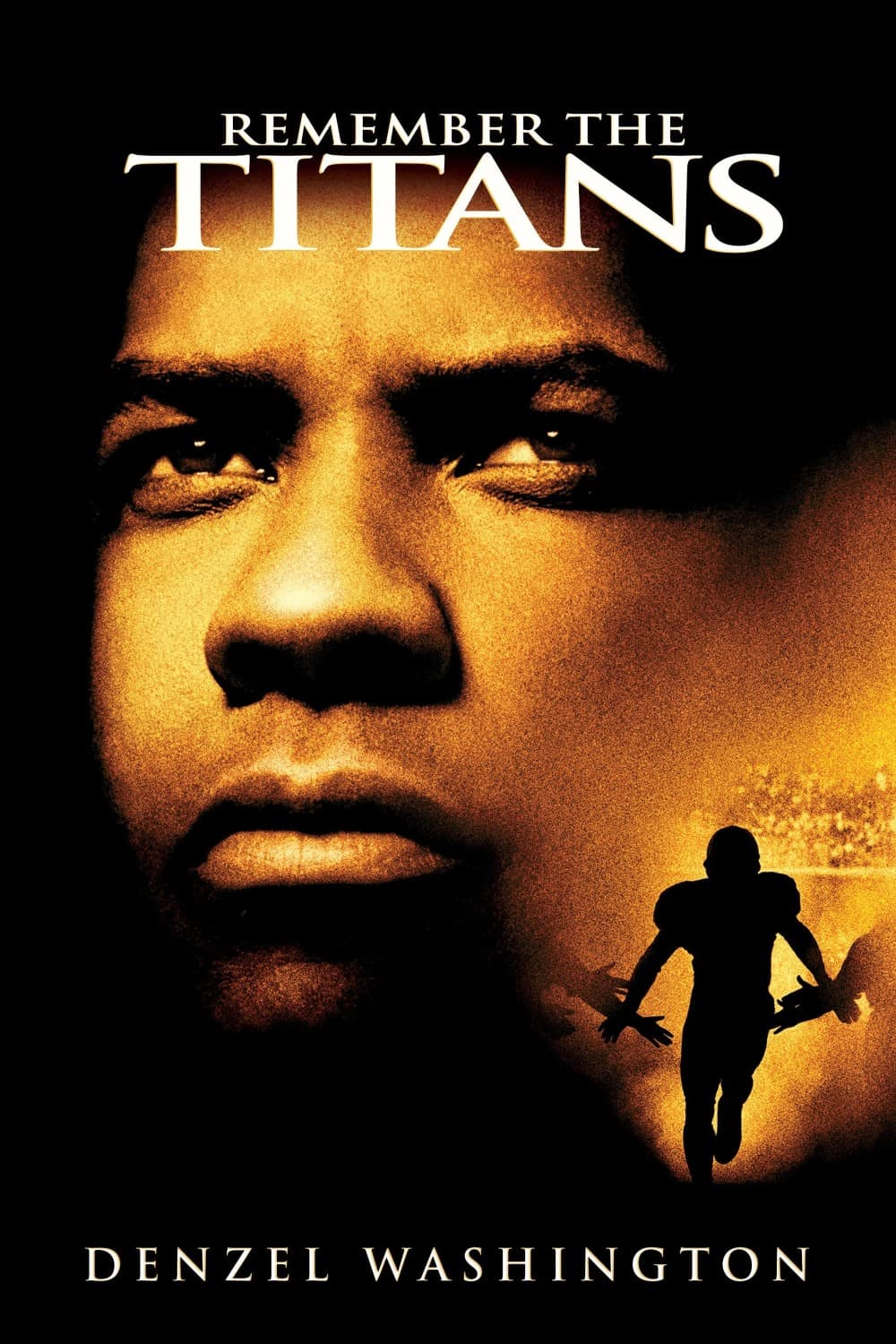
Denzel Washington coaches the first integrated team at a Virginia high school in 1971: the history is tidied up considerably, and it still gets a room every single time.
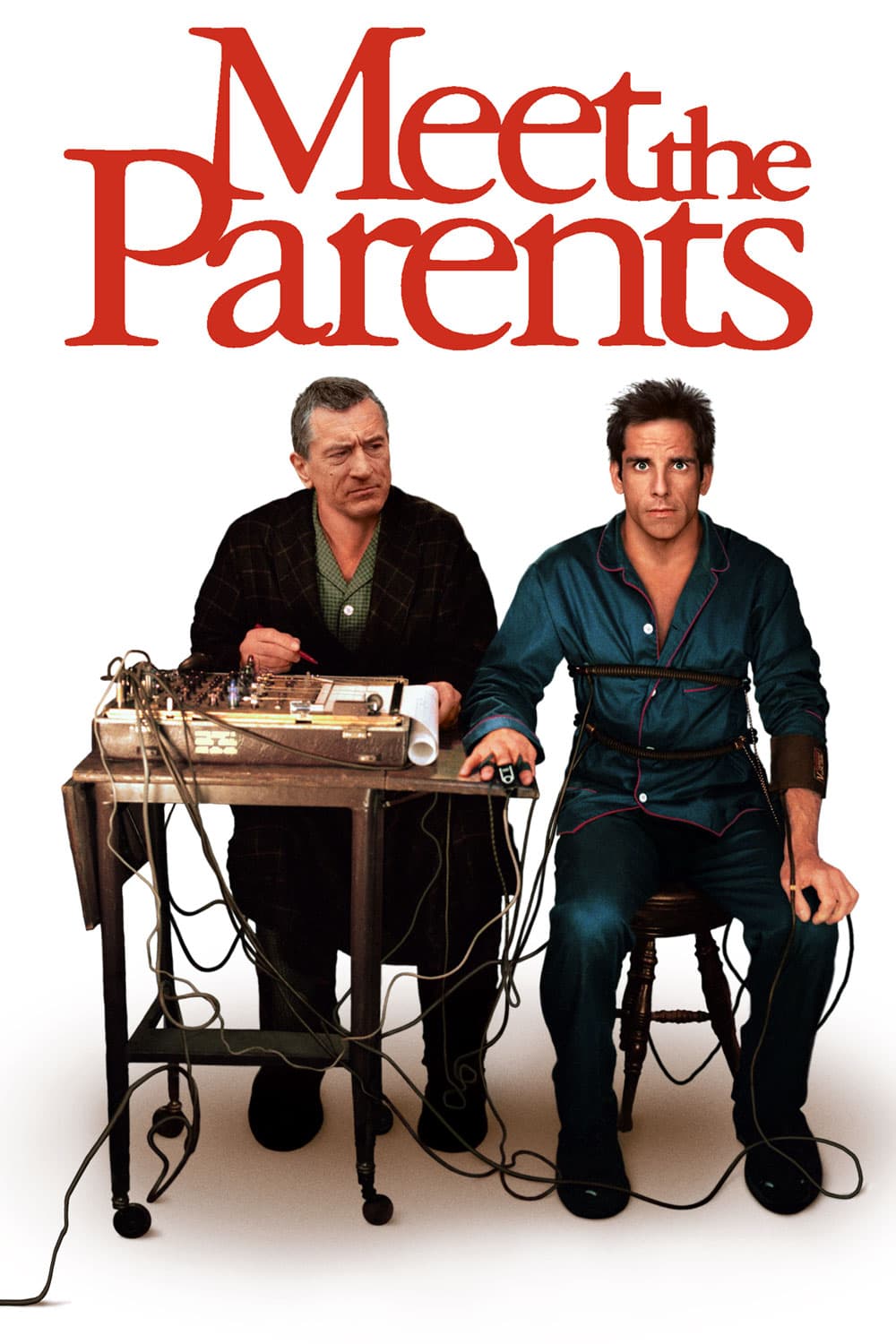
De Niro spent thirty years teaching audiences to fear him and then rented that out to a comedy: a man meets his girlfriend's father, and every single thing he does makes it worse.