
Inglourious Basterds
Directed by Quentin Tarantino
2009
Christoph Waltz plays four languages and makes every one of them frightening: Tarantino builds his scenes as long conversations where somebody at the table already knows too much.
★ 7.9
 skopia
Christoph Waltz plays four languages and makes every one of them frightening: Tarantino builds his scenes as long conversations where somebody at the table already knows too much.
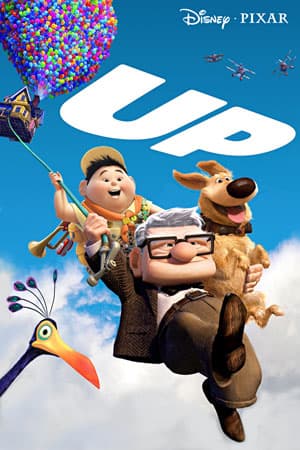
The four-minute marriage montage is the most devastating thing Pixar has ever done, and it is wordless: after that, an old man flies his house away on balloons.
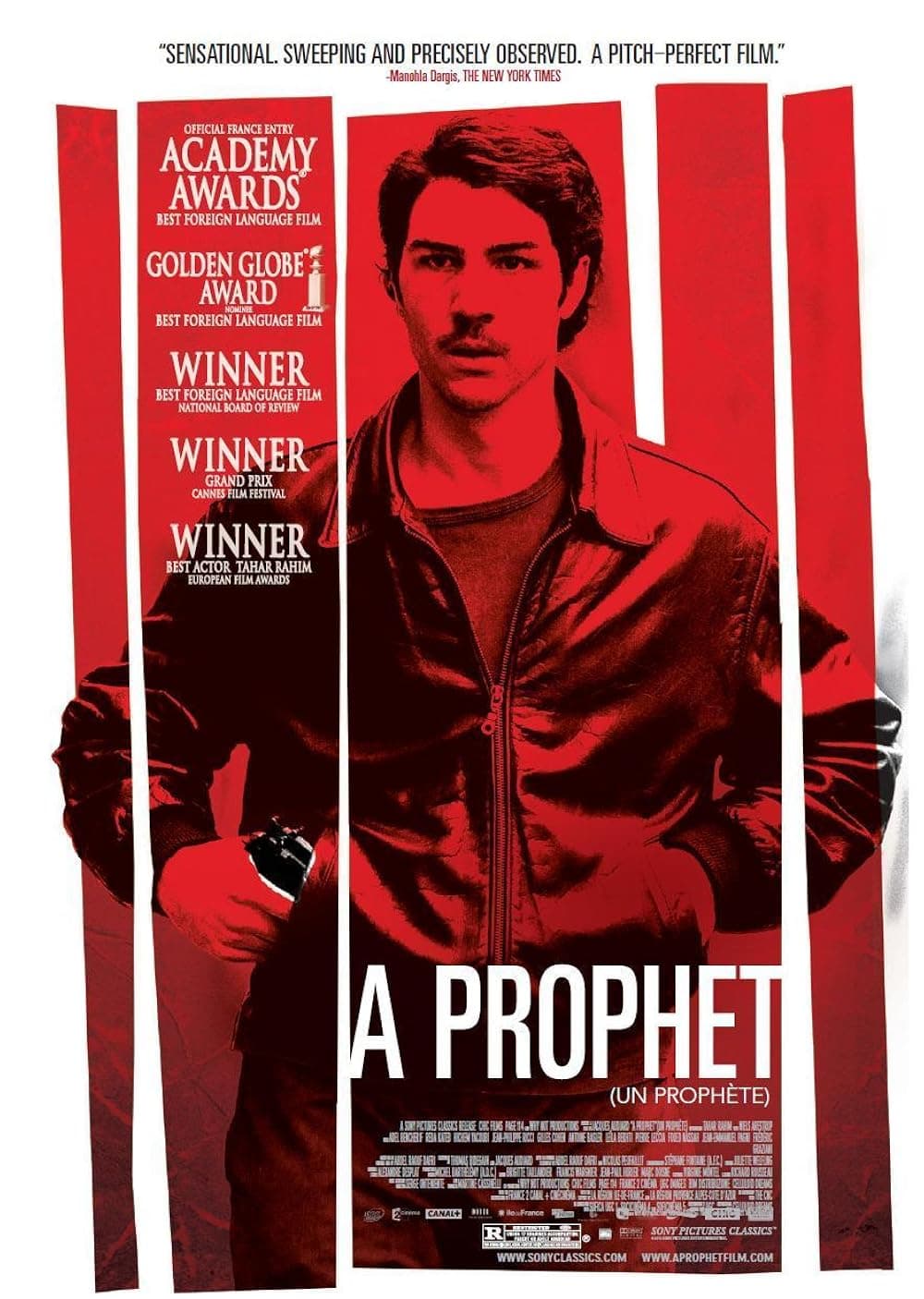
The best prison film of this century, and it works like a business education: an illiterate nineteen-year-old walks into a French jail and starts learning very fast.
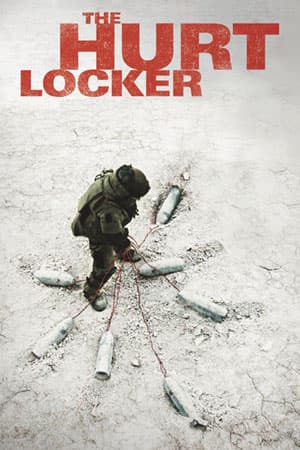
Bigelow made war feel like an addiction rather than a duty: a bomb disposal sergeant works without much fear, and every defusal is stretched until the room turns physical.
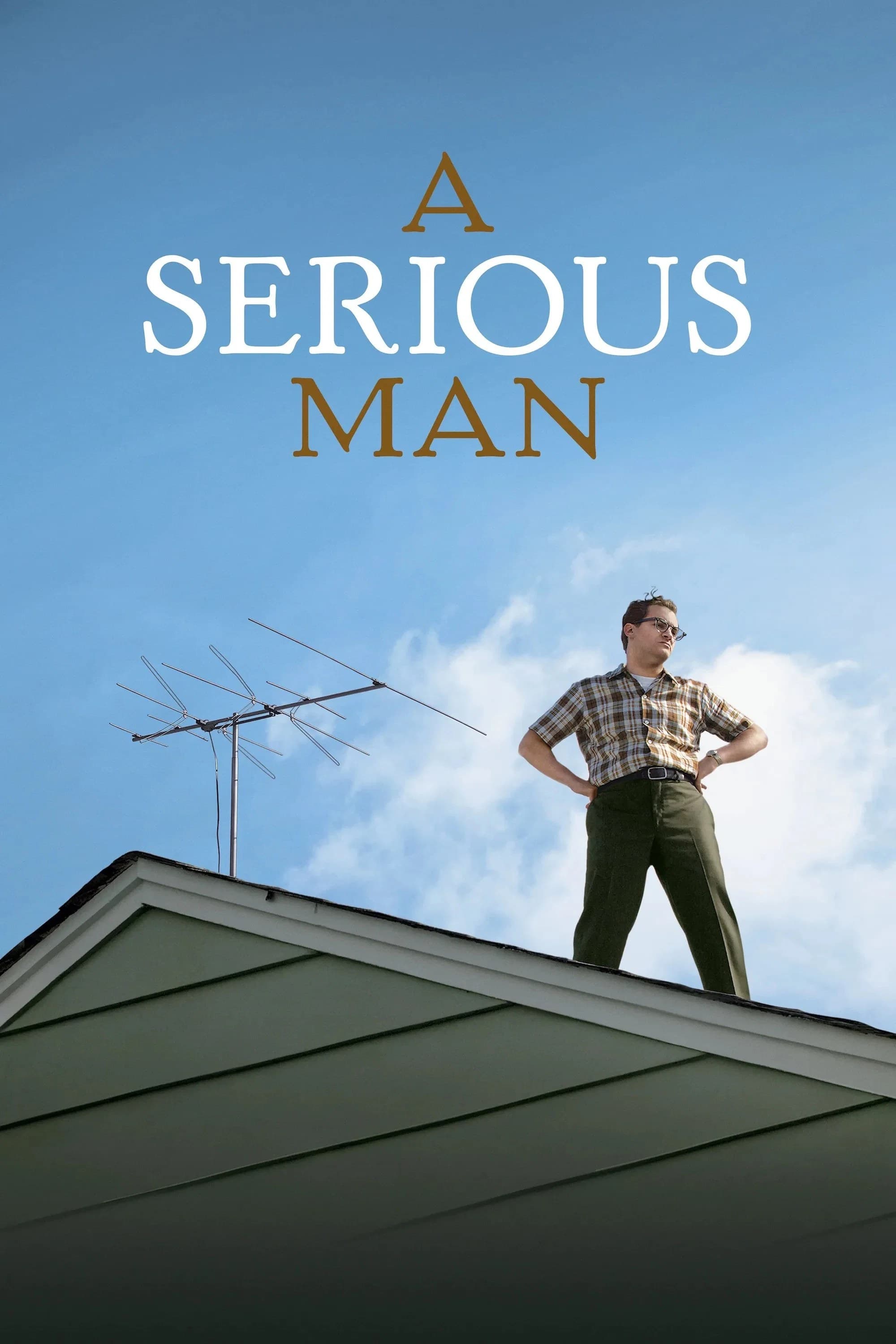
The Coens' most personal film and their least forgiving: a Minnesota physics professor's life comes apart for no reason at all, and nobody in it will explain anything.
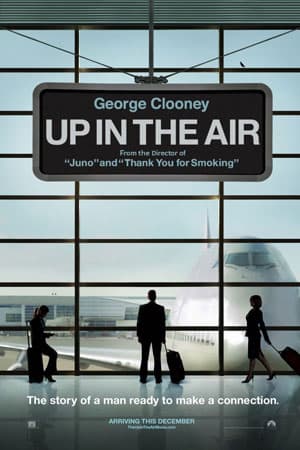
Reitman cast people who had actually just been laid off and filmed them reacting for real: a man who fires strangers for a living has arranged his whole existence around not landing.
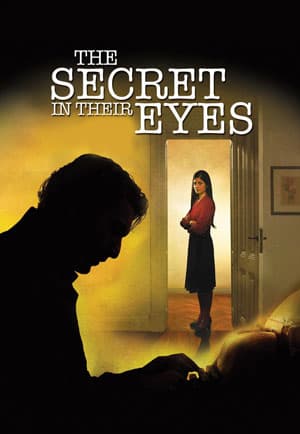
The camera drops out of the sky into a packed football stadium and does not cut for five minutes: an Argentine investigator reopens a case he could never leave alone.
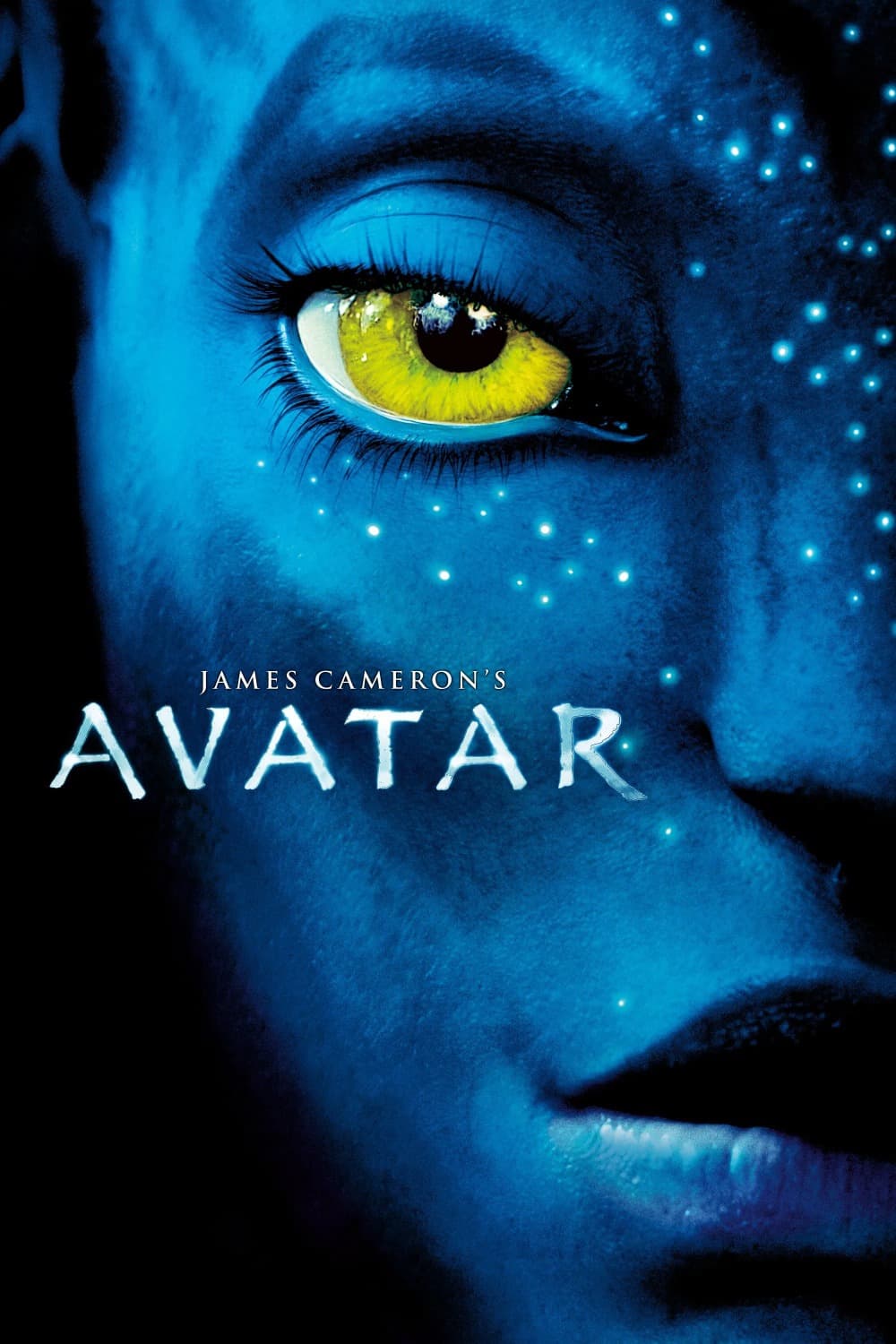
Cameron waited more than a decade for the technology to catch up to his script, then made the highest-grossing film ever released: whatever you make of the story, nothing had looked like this.
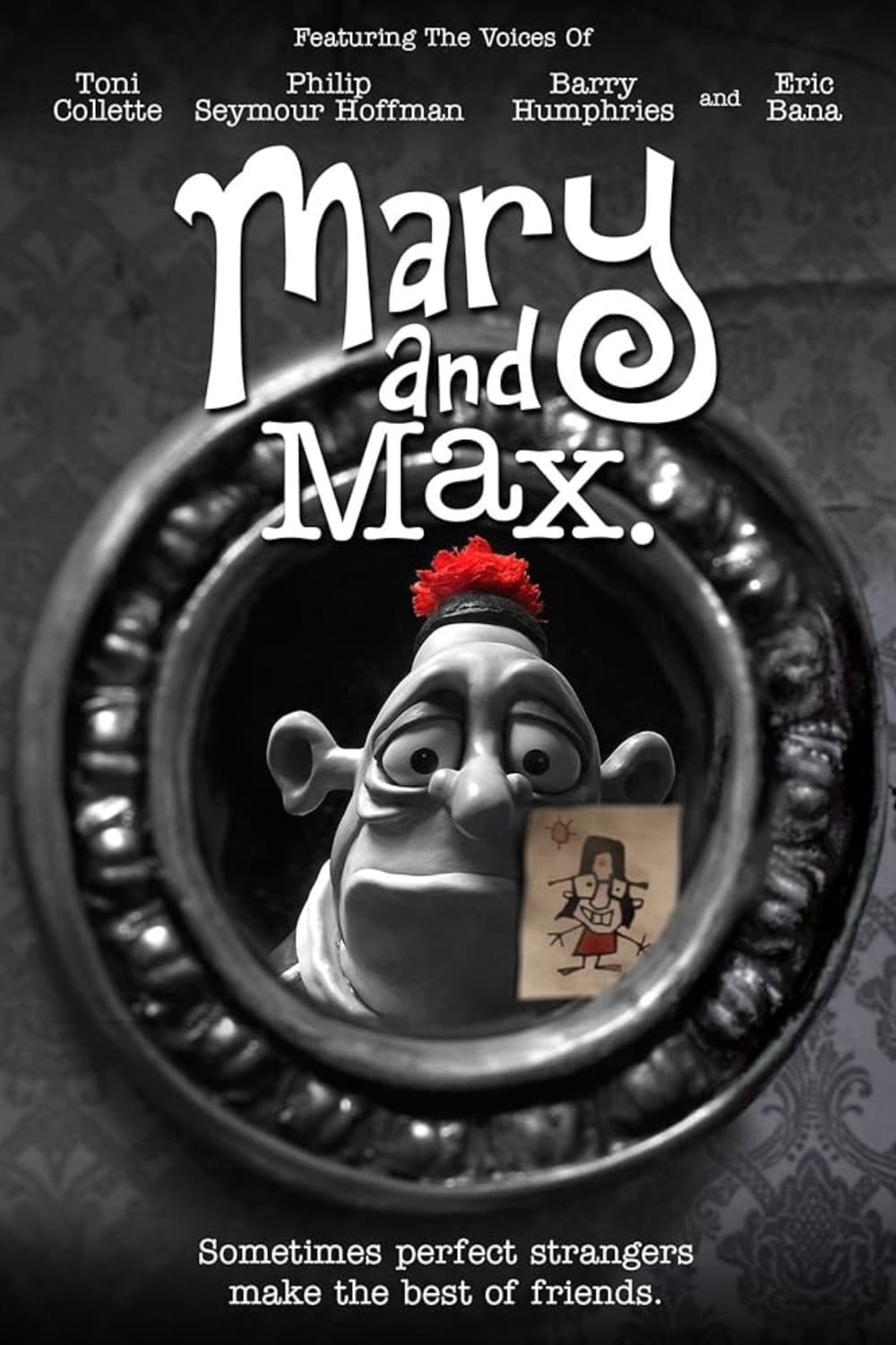
Adam Elliot spent five years making it, fifty-seven weeks of that shooting clay frame by frame: an eight-year-old in Melbourne writes to a middle-aged New Yorker, and they correspond for twenty years.
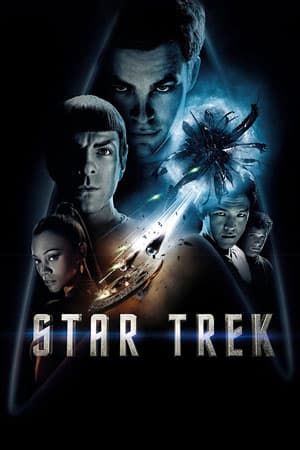
J. J. Abrams solved the reboot problem by making the new timeline canon rather than a replacement: the crew meets young, the casting is uncanny, and Star Trek became a summer action film.
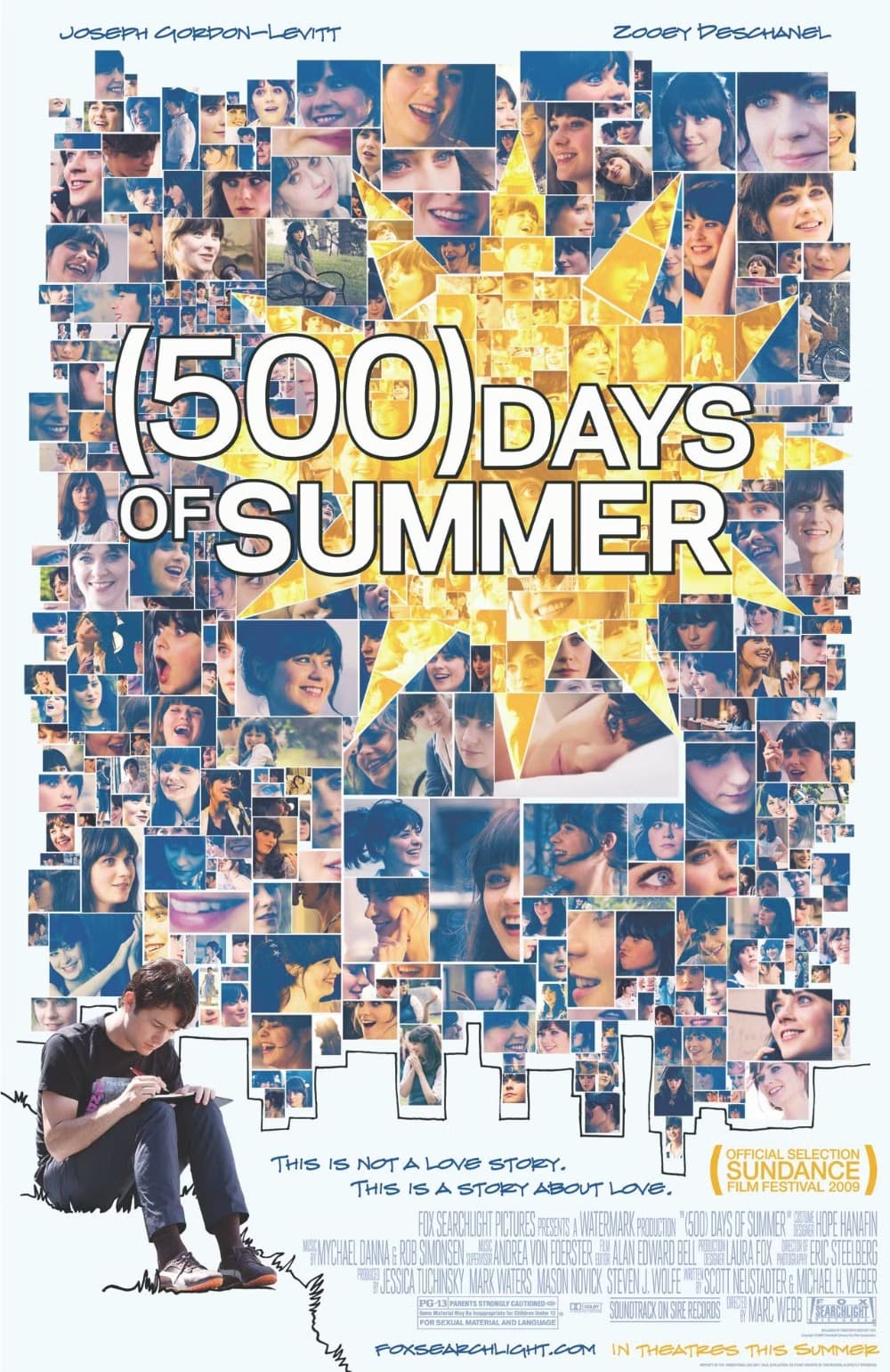
The split screen between what he expects and what happens is the best scene of its decade: a romantic comedy scrambled out of sequence that keeps insisting it is not a love story.
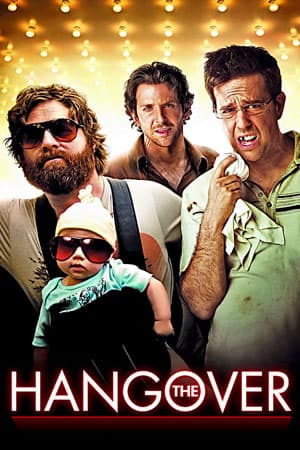
It withholds the night itself and works entirely on reconstruction: four men wake in a wrecked Las Vegas suite with the groom missing, and piece the evening back together from the evidence.

It was set for direct-to-video release until Jeff Bridges' performance changed the studio's mind: a country singer down to bowling alleys in the Southwest, and a reporter who wants his story.