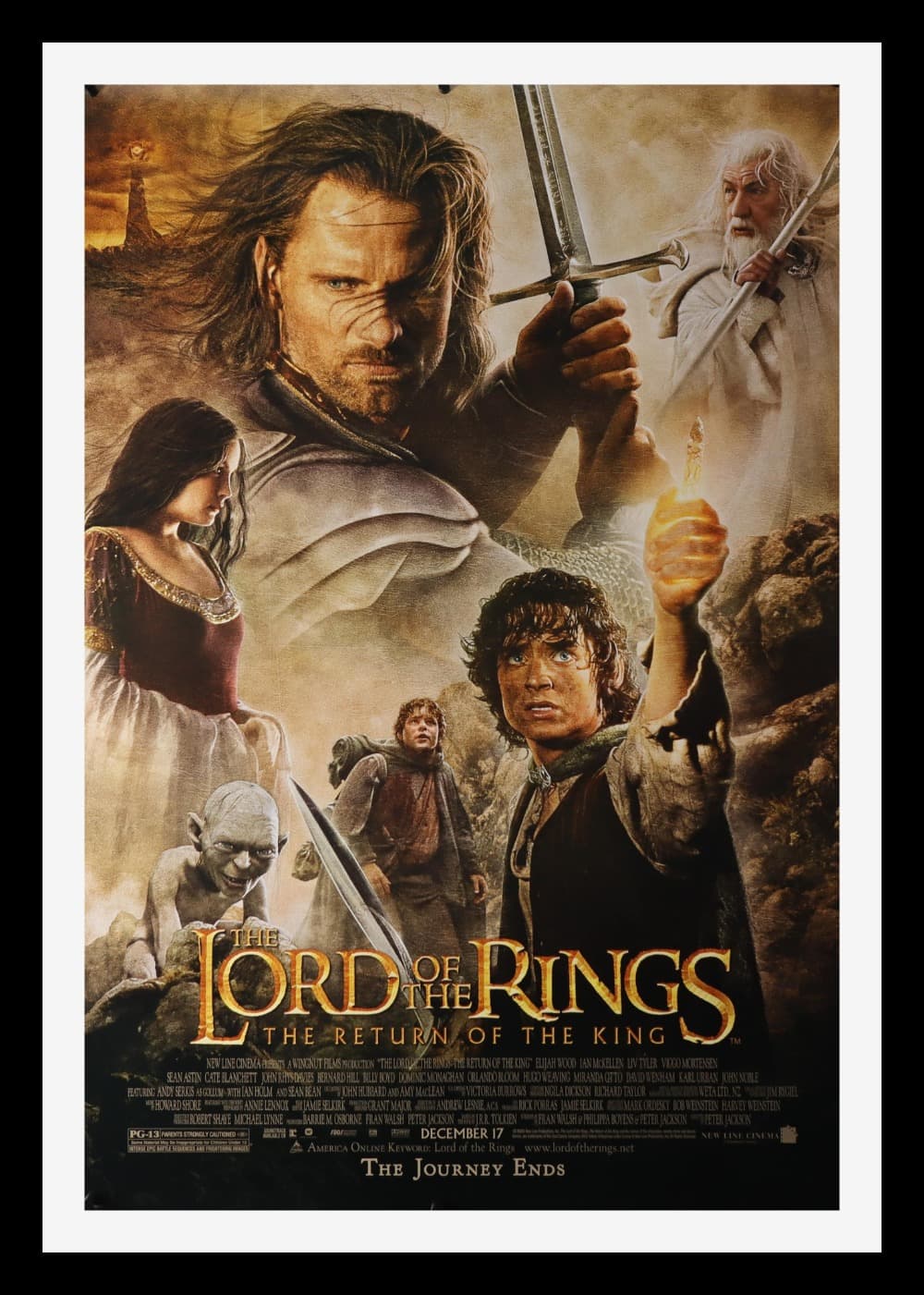
The Lord of the Rings: The Return of the King
Eleven nominations and eleven wins, a clean sweep no film has bettered: Jackson closed a decade-long gamble with battles at an unattempted scale and an ending that earns its farewells.

Eleven nominations and eleven wins, a clean sweep no film has bettered: Jackson closed a decade-long gamble with battles at an unattempted scale and an ending that earns its farewells.

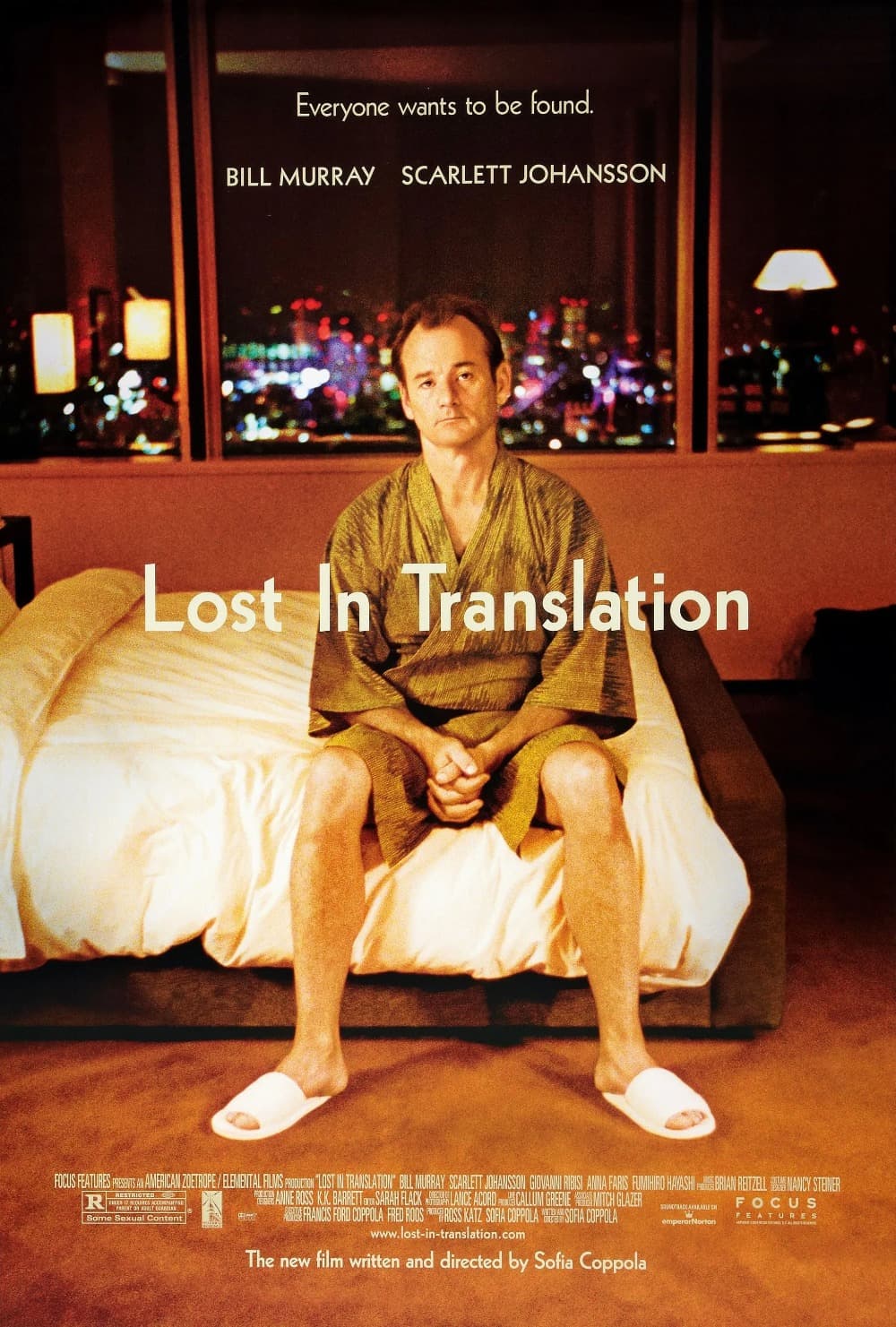
Almost nothing happens and it stays with people for years: jet lag, neon, a Tokyo hotel bar, and two people awake at the wrong hours keeping each other company.

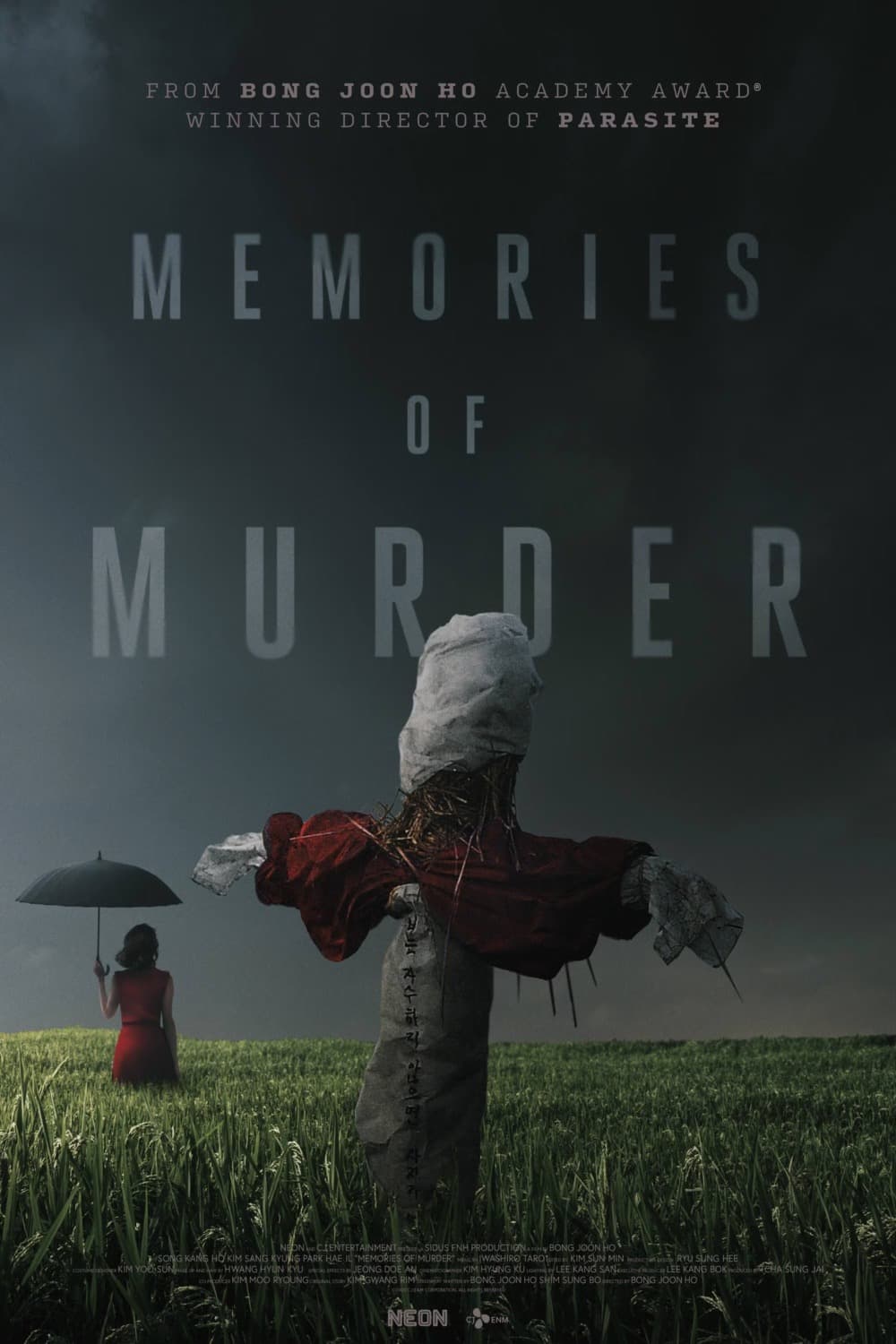
Bong made a serial killer film in which the police are the problem: it is based on a real case, and rural Korea itself ends up looking like the suspect.

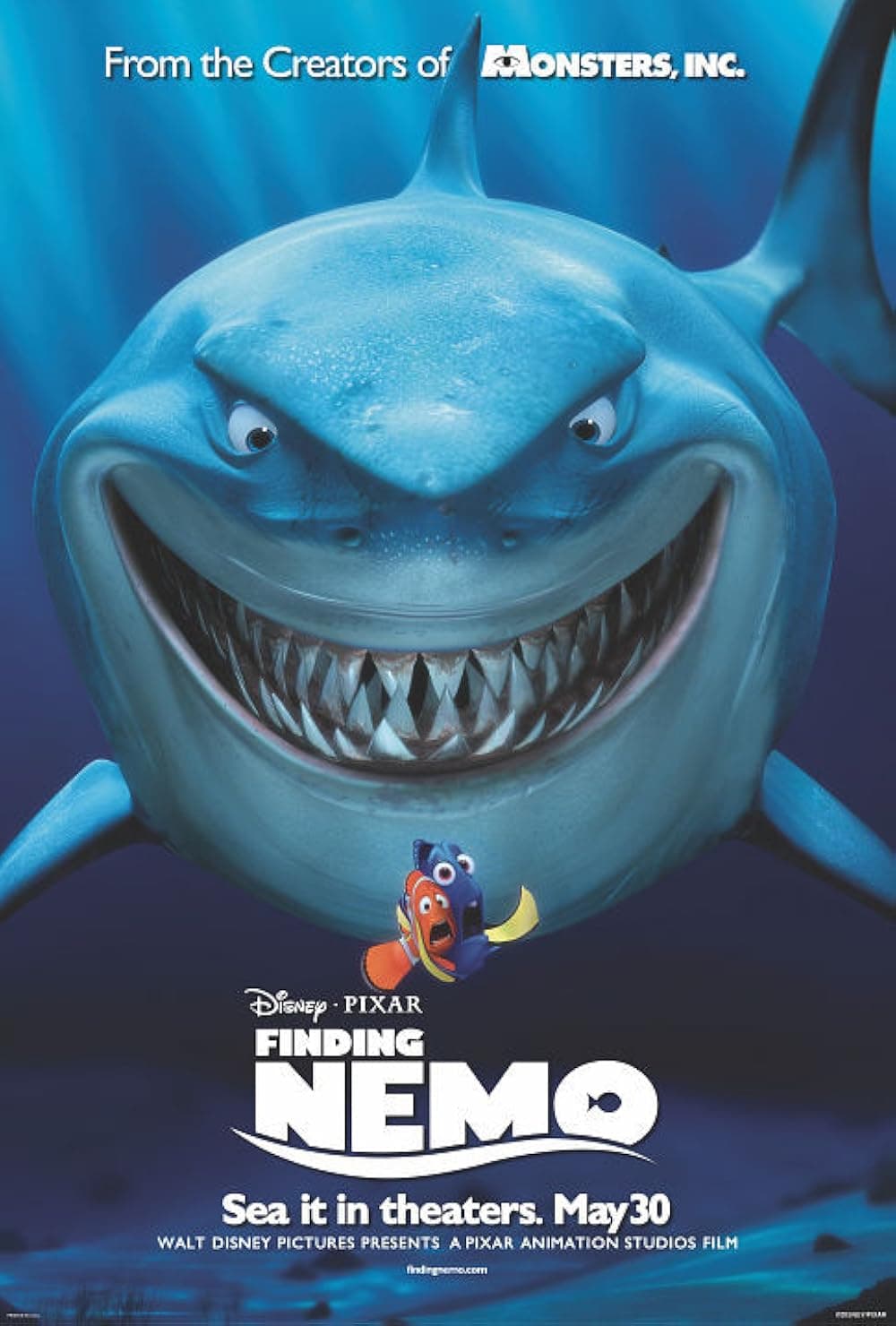
It became the highest grossing animated release to that point and pushed what animation could render: an ocean of light and current, and a frightened father crossing it.

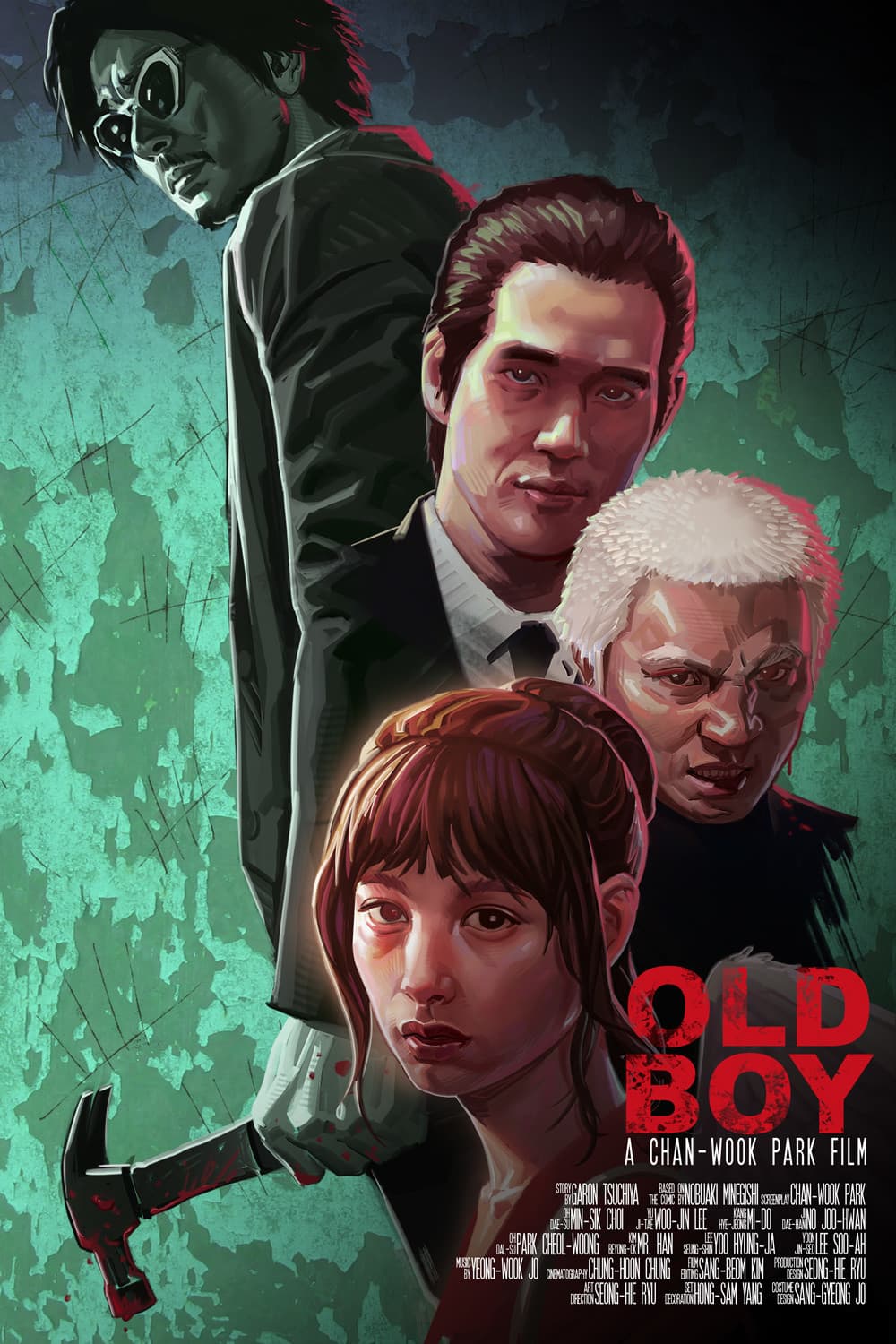
Korean cinema broke through in the West on the strength of this: fifteen years locked in a room without explanation, and a corridor fight staged in one take.

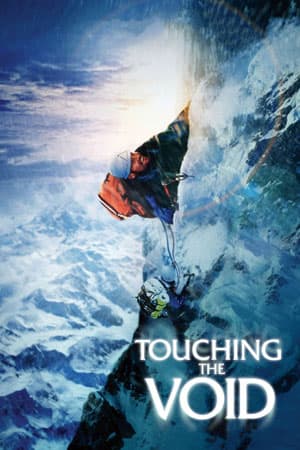
You will not believe it is true and it is: two climbers in the Andes, one broken leg, and a decision that neither man has ever fully stopped explaining.

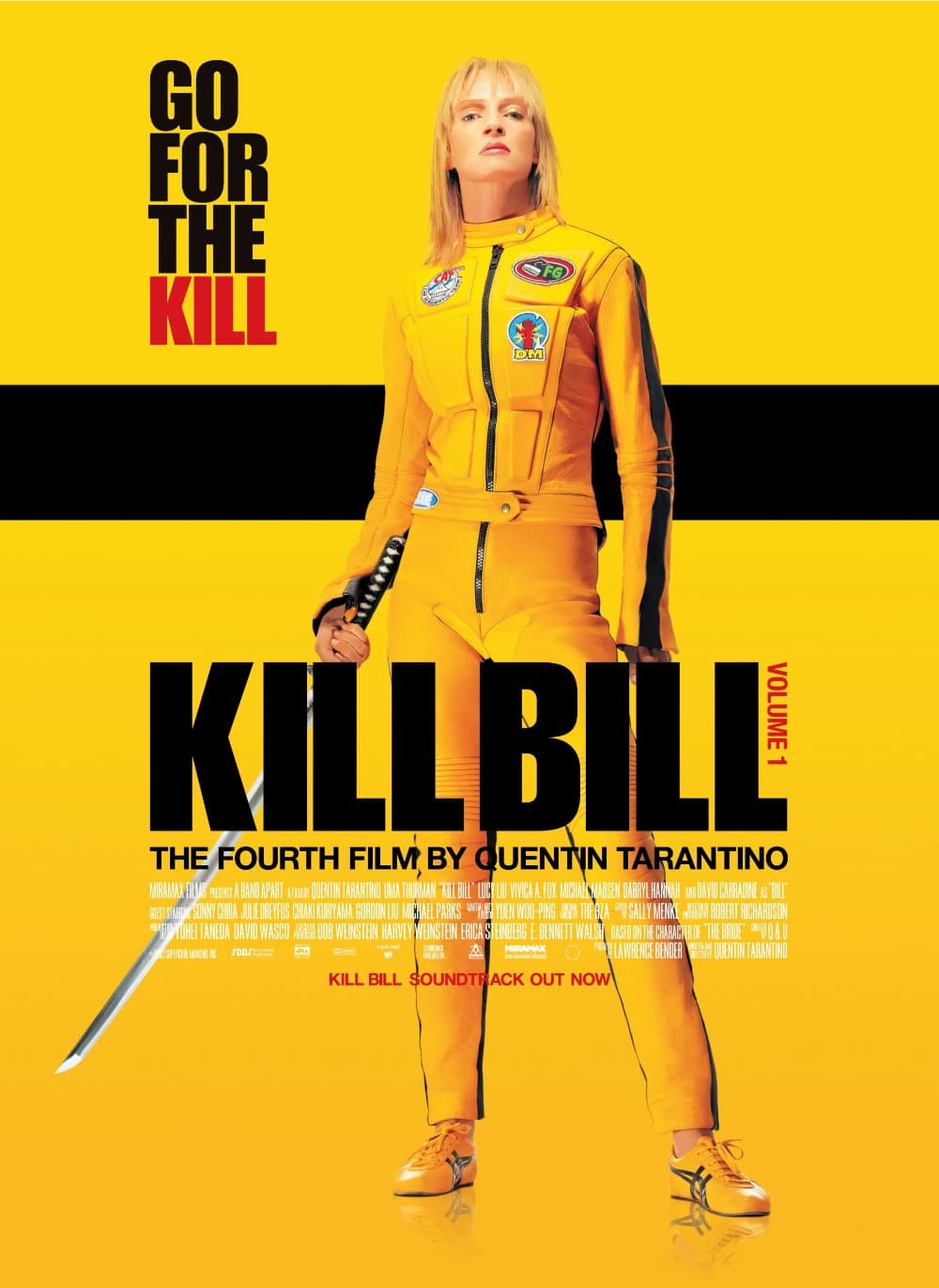
Tarantino built it out of every film he ever loved: kung fu, spaghetti westerns, anime and samurai pictures, and the House of Blue Leaves fight tops all of them.

No film has put an audience inside a wooden warship this completely: Weir's frigate is a working machine of rope and rank, chasing a faster enemy across the bottom of the world.

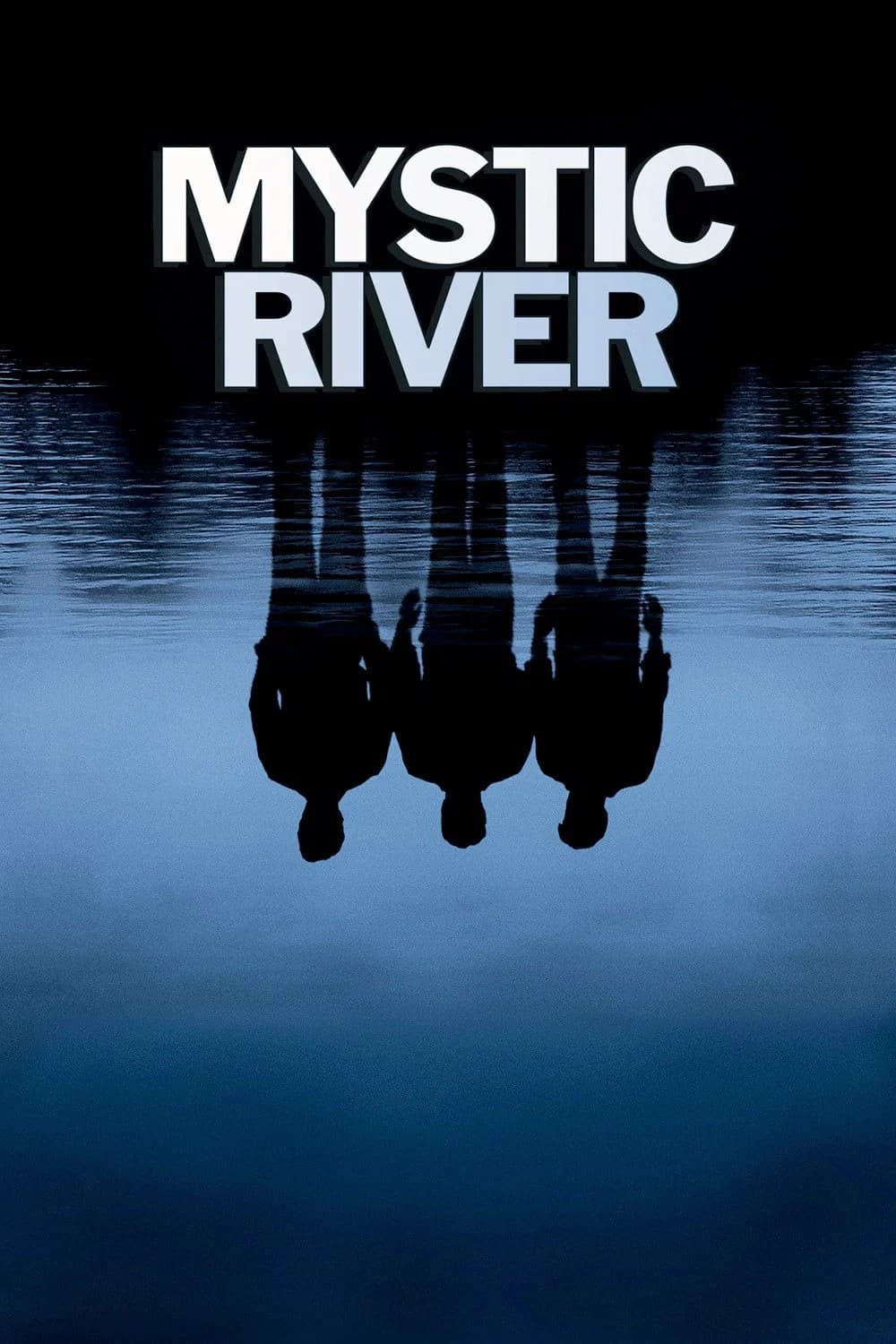
Eastwood's bleakest film: three boys from one Boston block grow into three men, and a murder pulls them back to the afternoon that separated them, with no interest in comforting anyone.

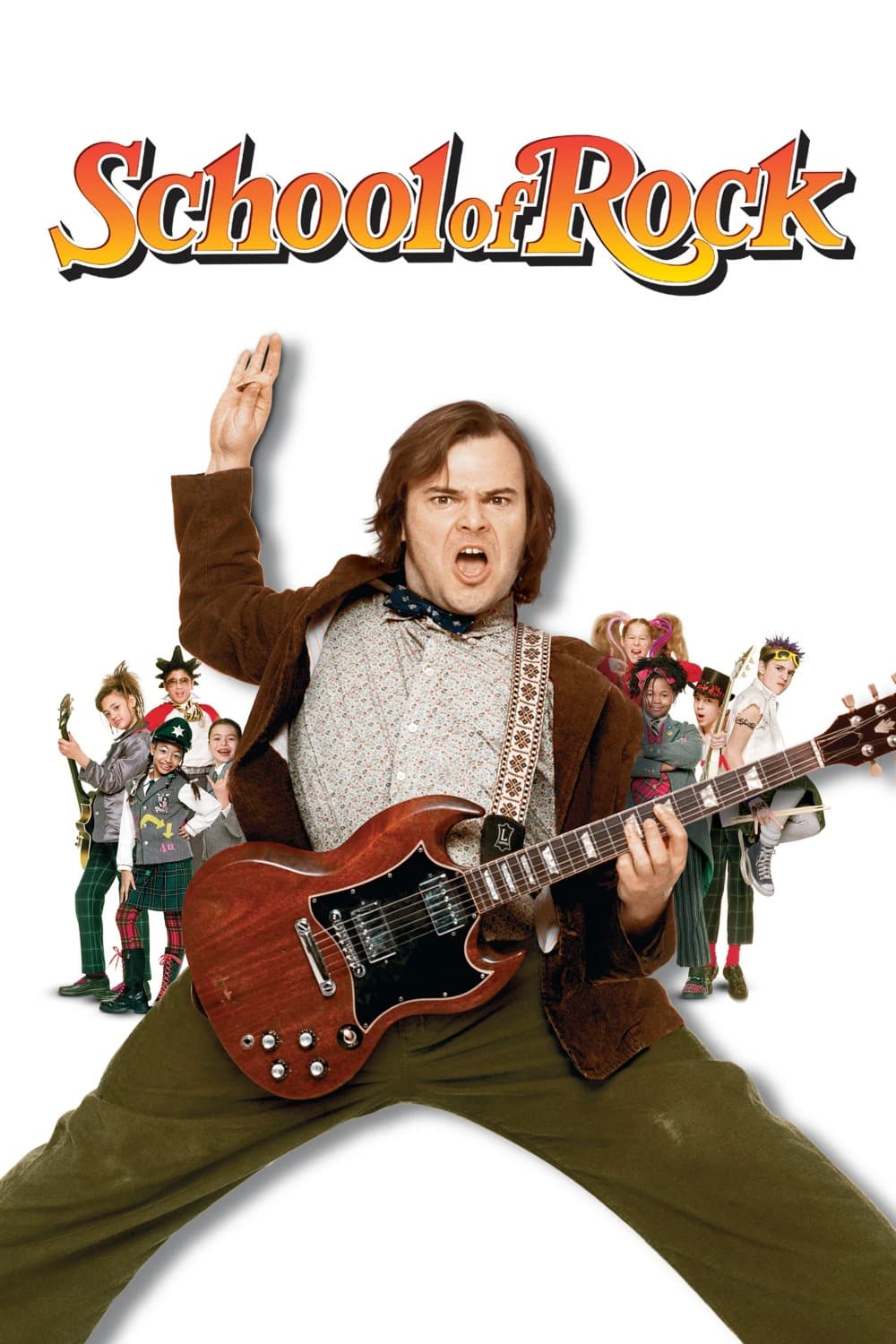
Linklater cast children who could really play and let them: Jack Black gives the performance his whole career was building toward, teaching a class of ten-year-olds the history of rock.

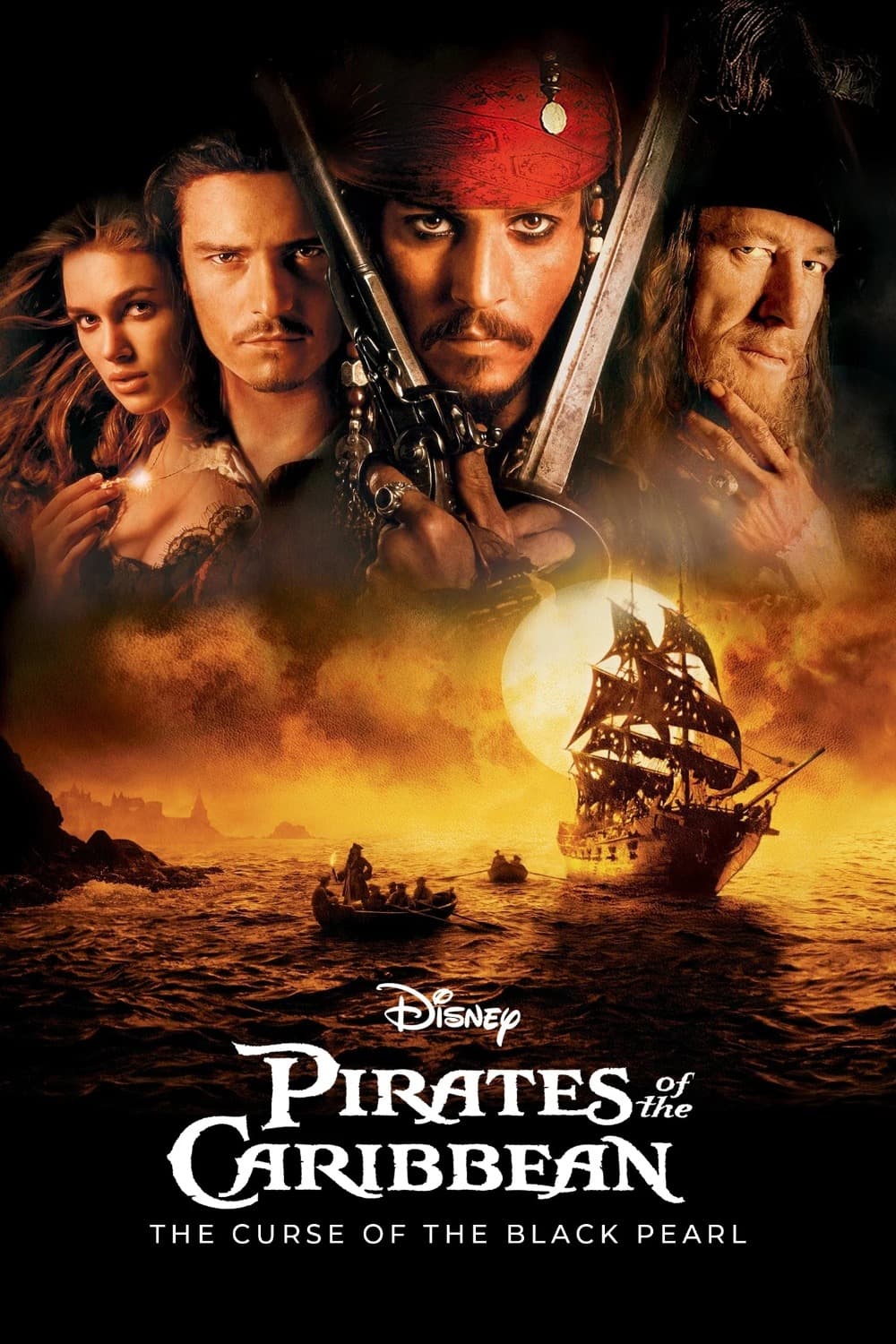
Disney executives thought Johnny Depp was ruining their film and considered replacing him: he built a pirate out of Keith Richards, and a theme park ride became a billion-dollar franchise.

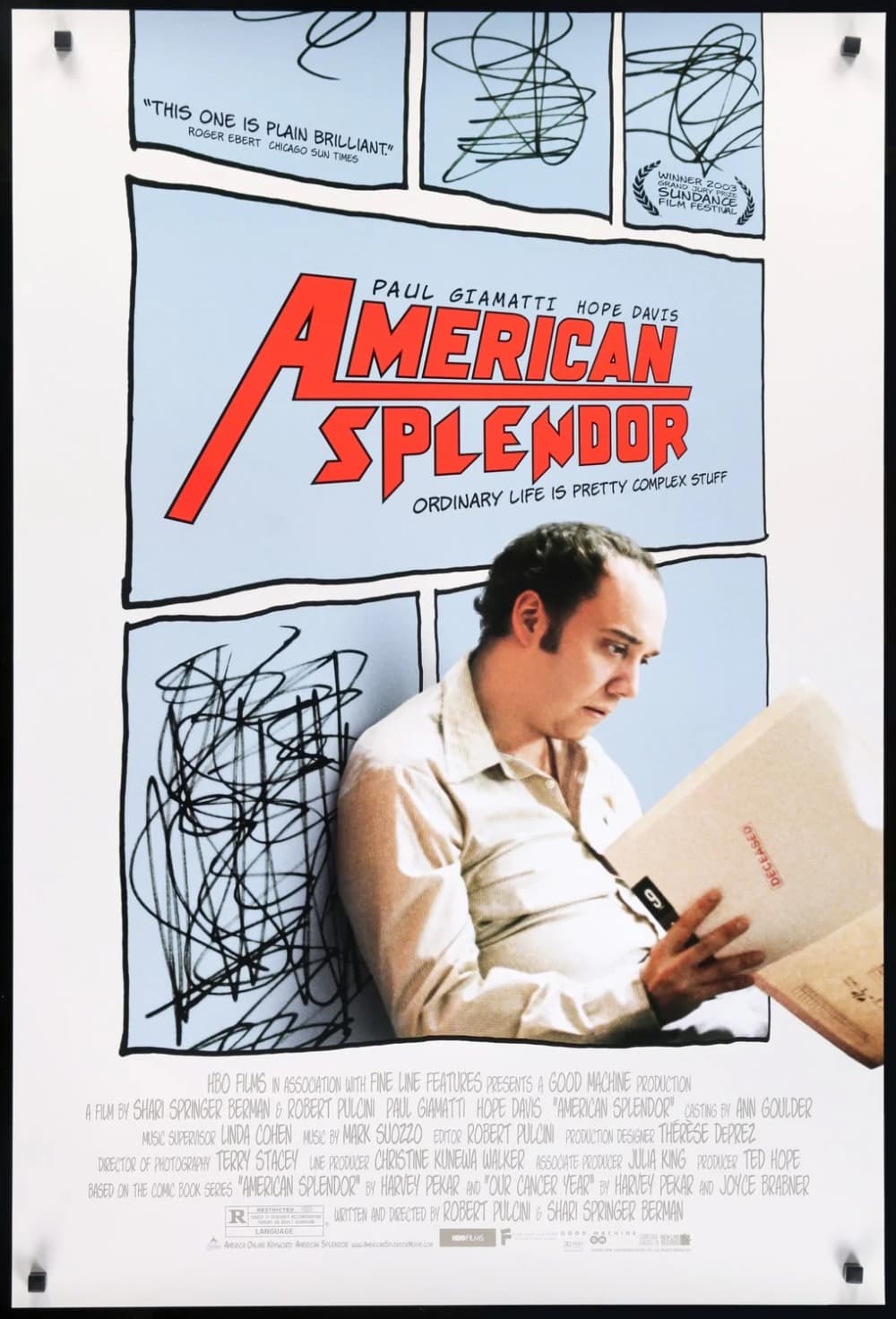
The real Harvey Pekar appears in the film alongside the actor playing him, and they discuss it: a file clerk in Cleveland turned his ordinary life into comics, and stayed a file clerk.

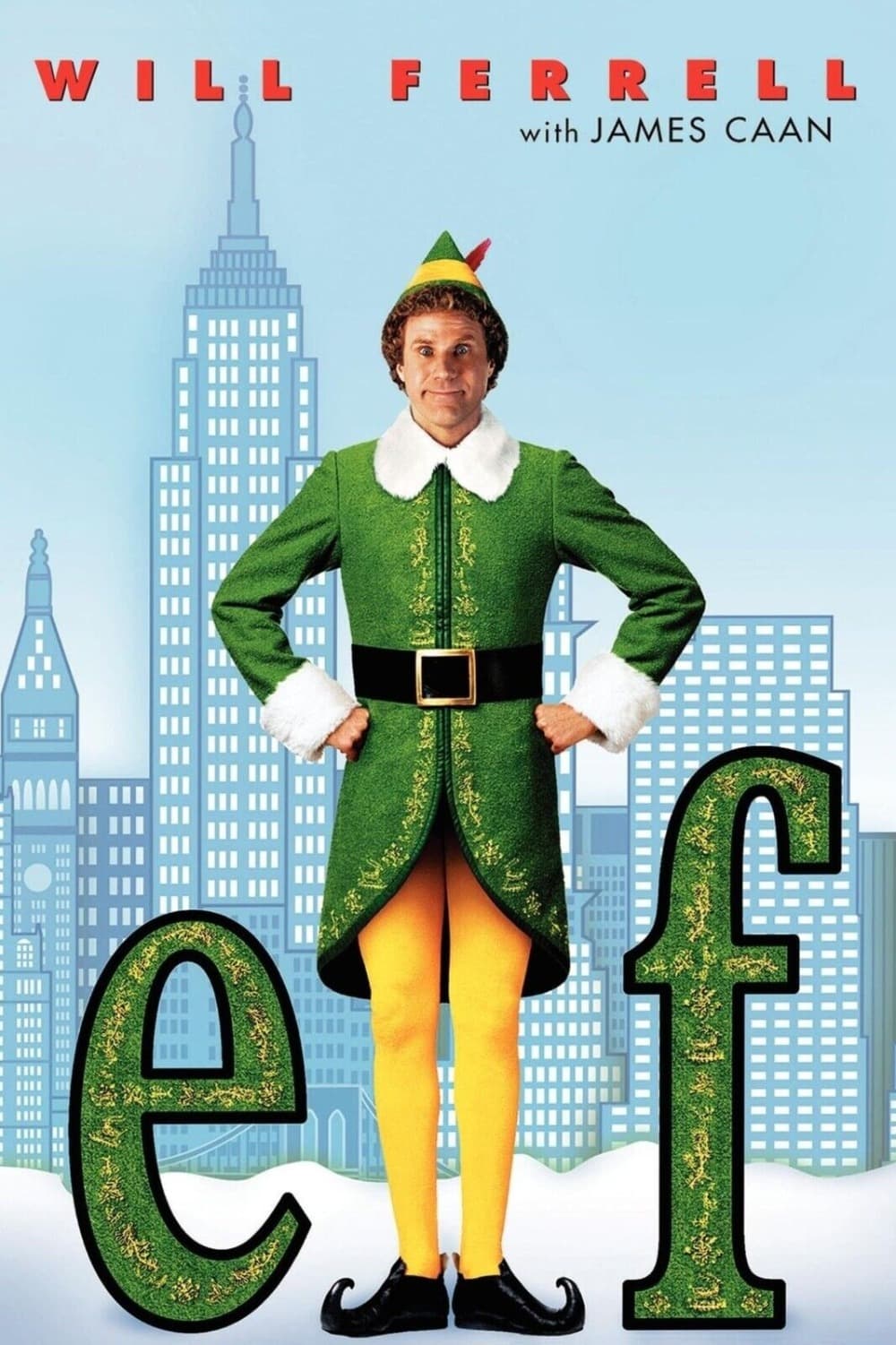
The elf costume is real and so is the height difference: Jon Favreau used forced perspective rather than effects, and within five years it was a Christmas standard.

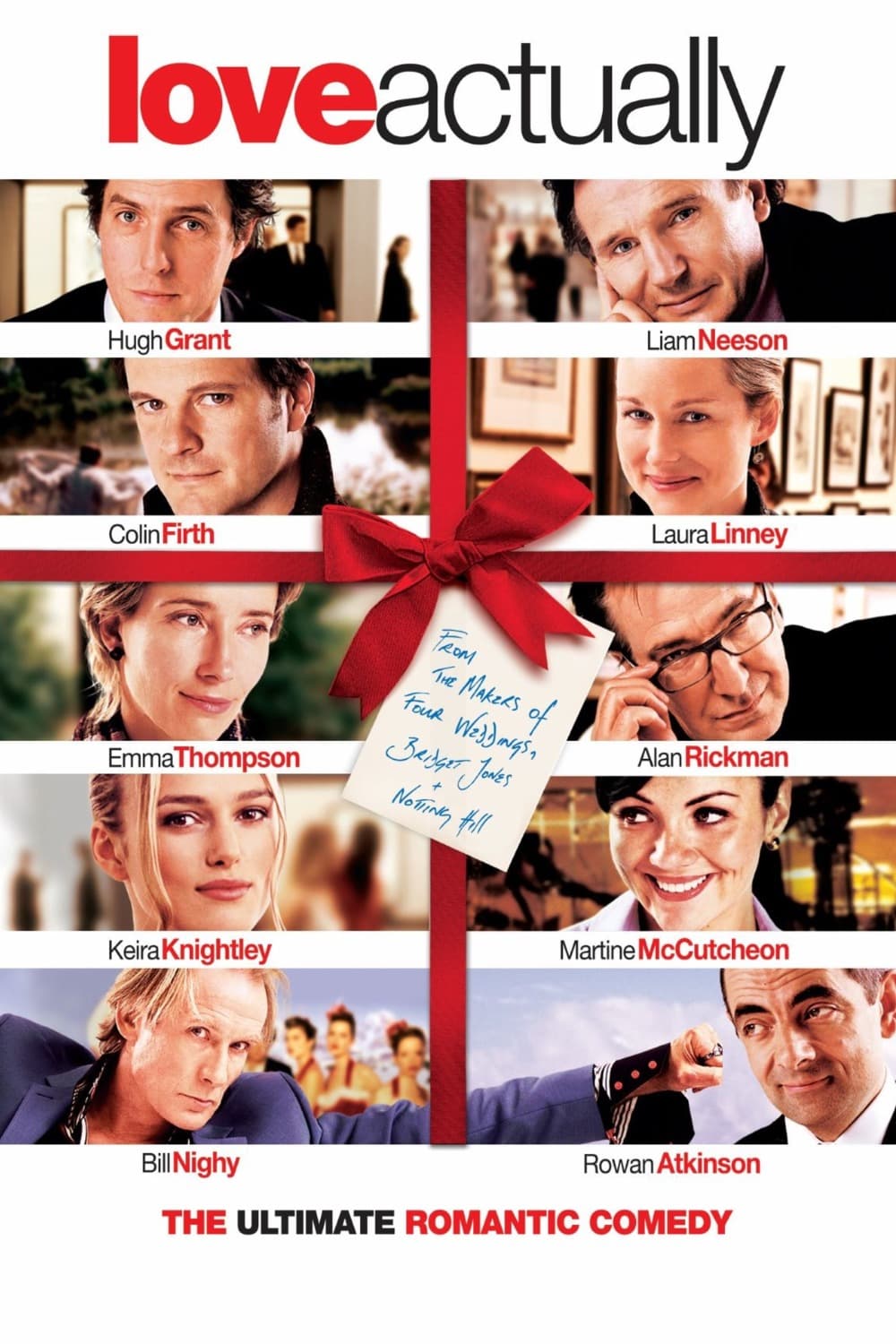
Nine storylines, two hours, and half the country reruns it every December while the other half writes essays about why it is bad: Richard Curtis knew exactly what he was doing.

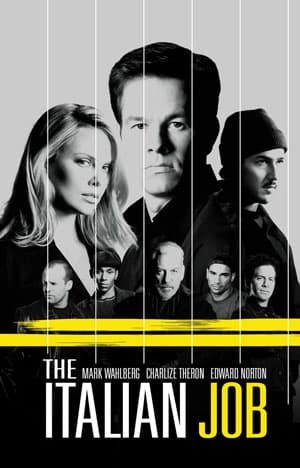
Three Mini Coopers through the Los Angeles storm drains and the Hollywood subway: a remake that keeps only the cars from the original, and stages the best getaway of its decade.