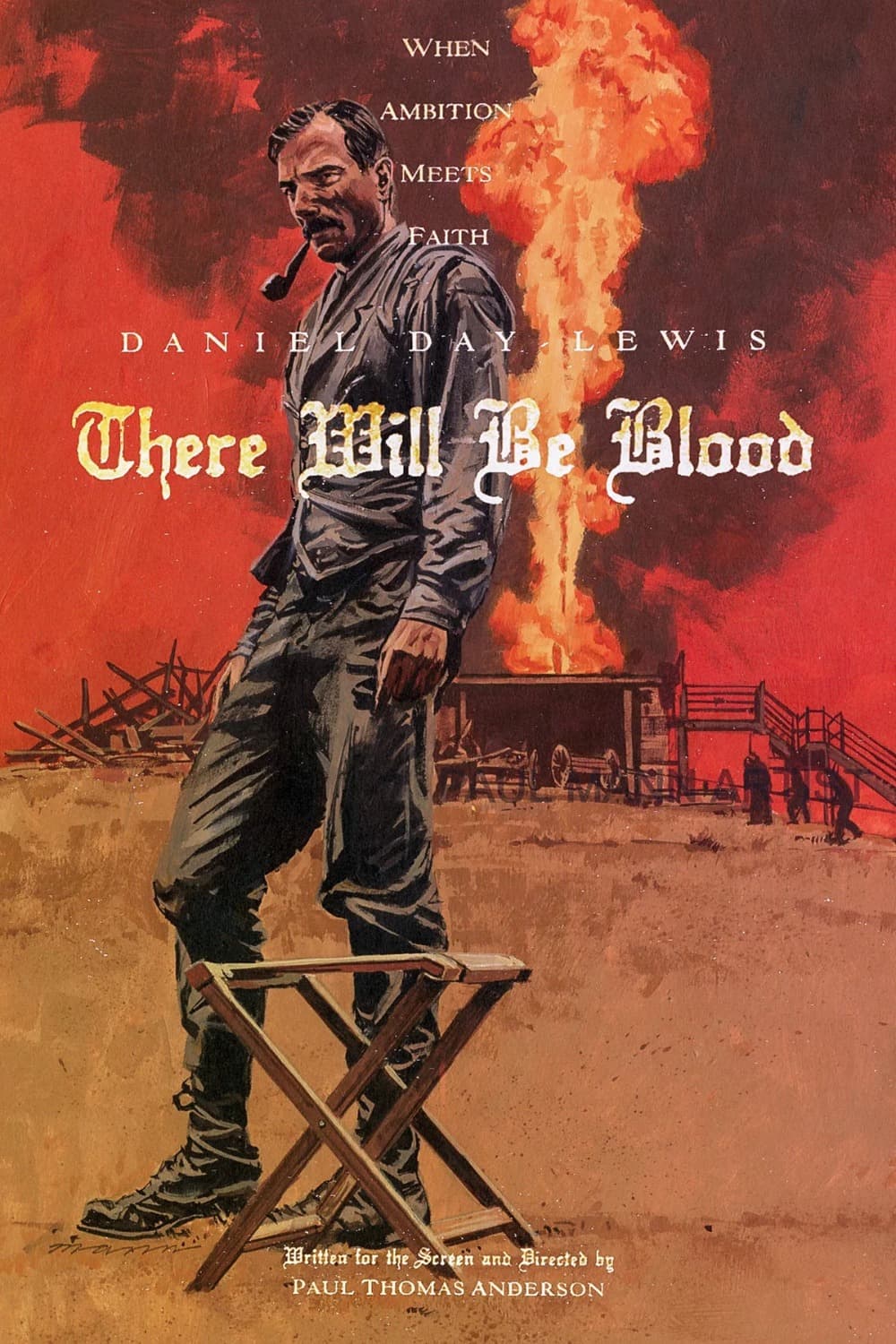
There Will Be Blood
Directed by Paul Thomas Anderson
2007
Day-Lewis builds an American monster out of oil and resentment, and Jonny Greenwood's score scrapes at the nerves for two and a half hours without once letting up.
★ 9.4
 skopia
Day-Lewis builds an American monster out of oil and resentment, and Jonny Greenwood's score scrapes at the nerves for two and a half hours without once letting up.
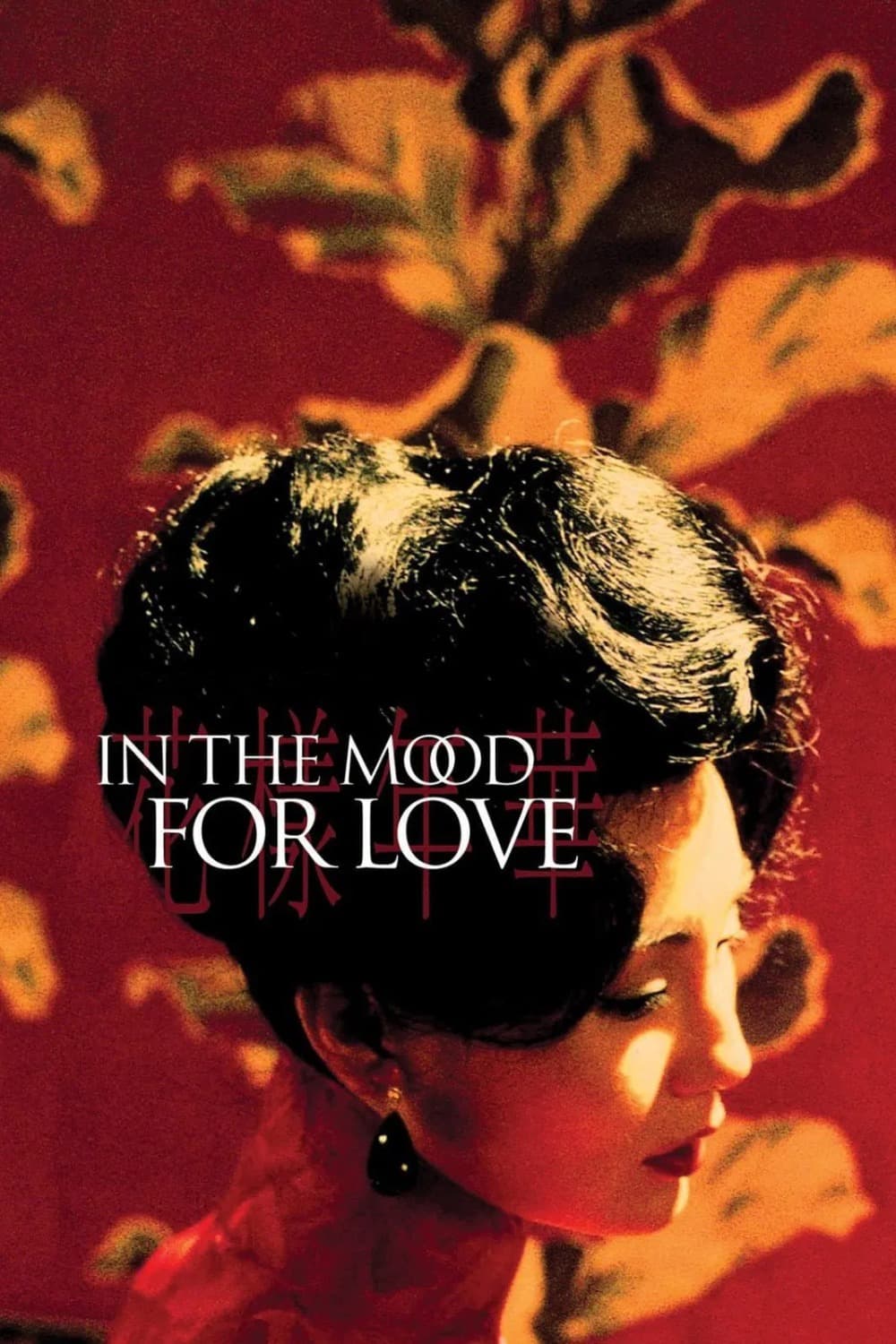
Longing has never been filmed better than this: Wong Kar-wai gets more out of a stairwell and one repeated waltz than most directors manage with an entire script.
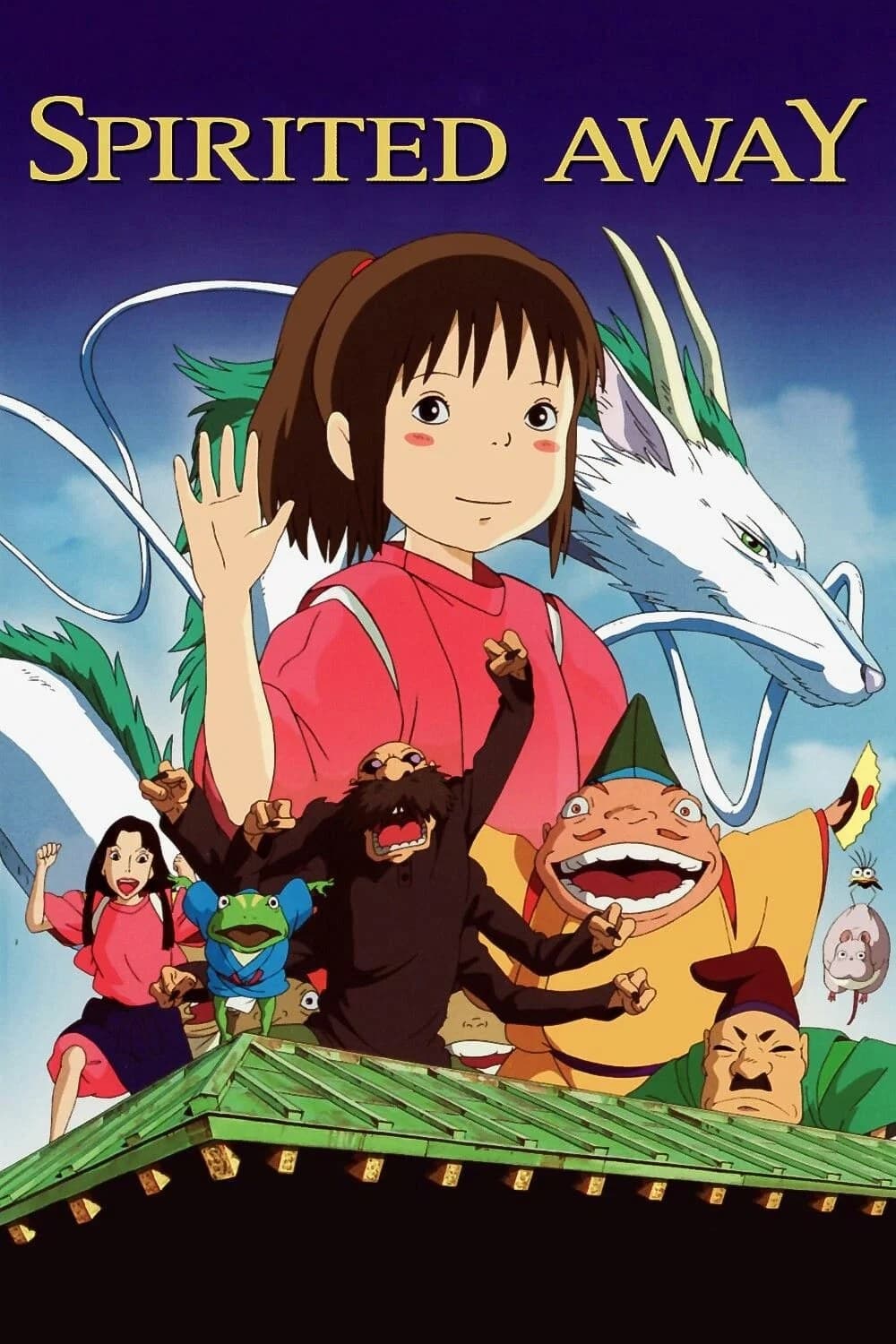
The high point of hand-drawn animation: Miyazaki invented a spirit world so dense and so unexplained that it took the Animated Feature Oscar away from every American studio.
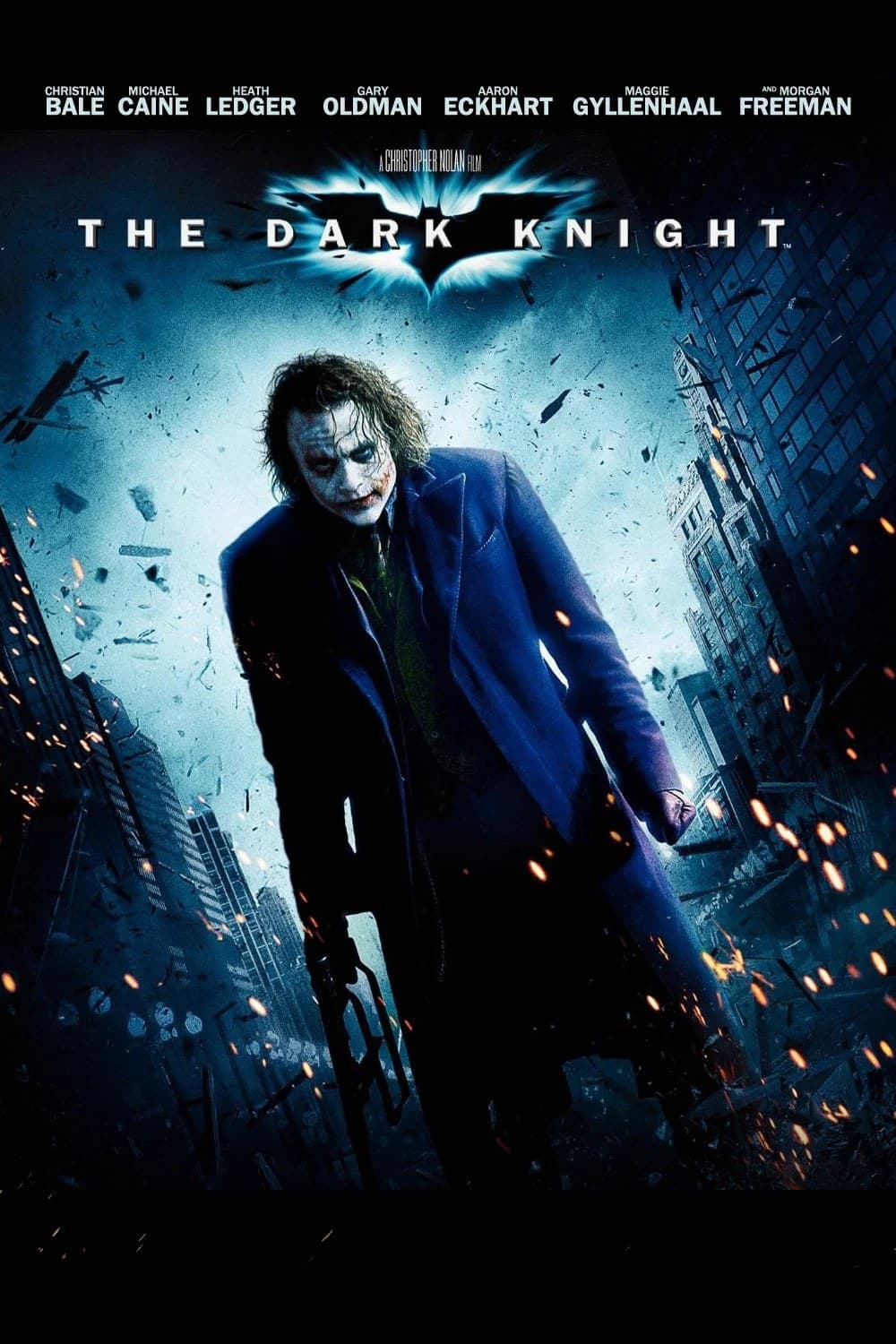
Adults started arguing about superhero films because of this one: Ledger's Joker is so unnerving that the Academy gave a posthumous Oscar to a man in clown makeup.
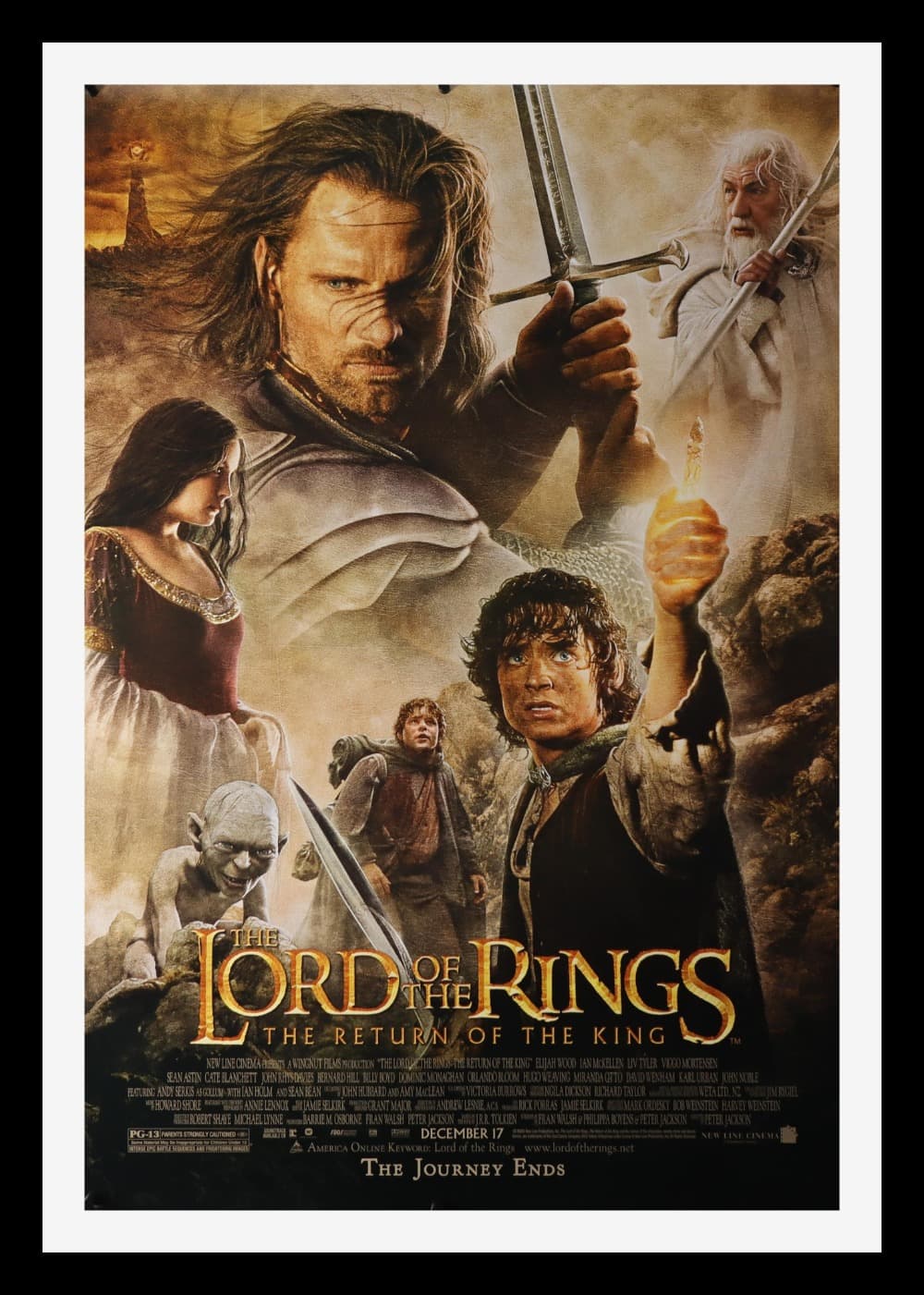
Eleven nominations and eleven wins, a clean sweep no film has bettered: Jackson closed a decade-long gamble with battles at an unattempted scale and an ending that earns its farewells.
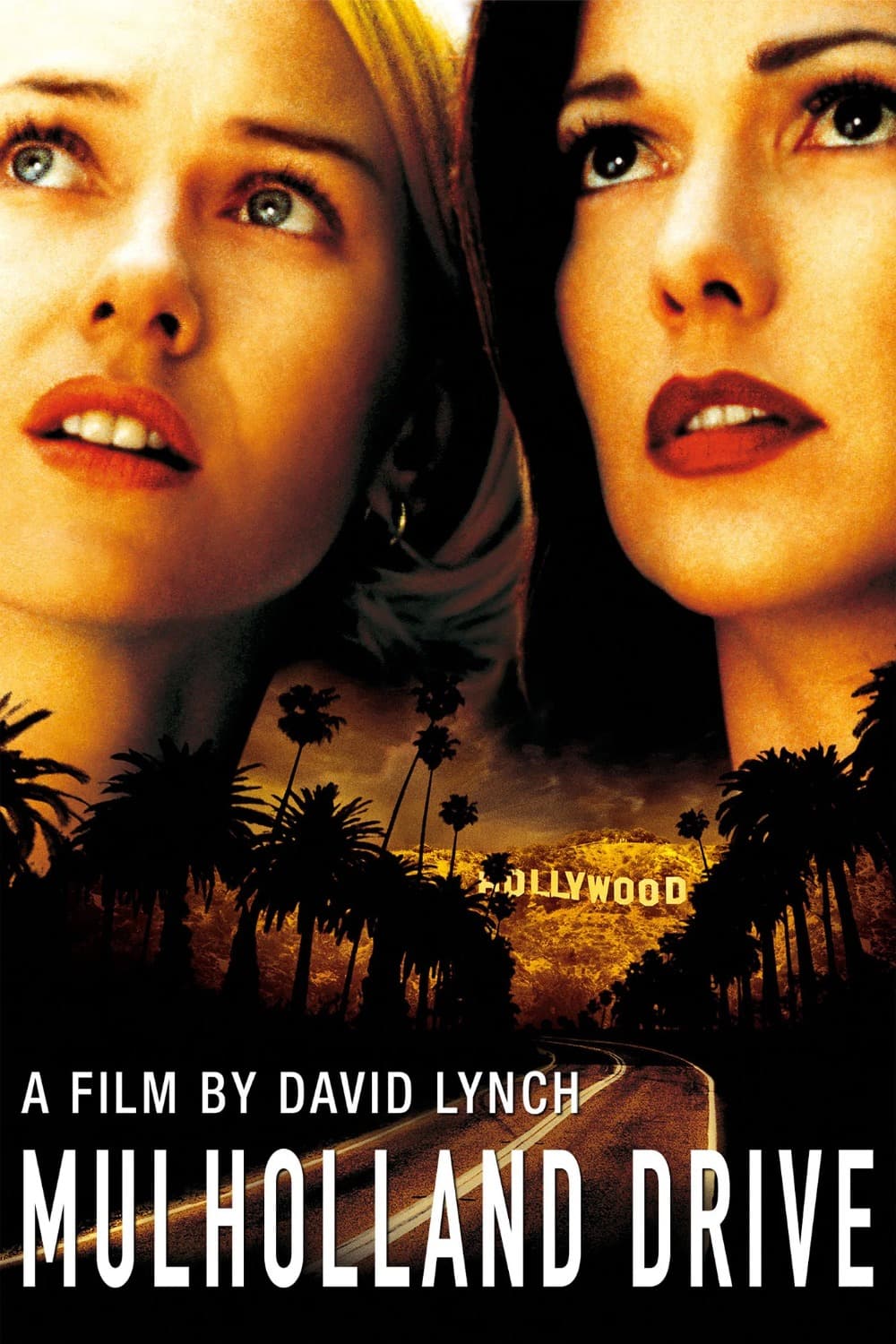
Lynch built a Hollywood that runs entirely on dream logic and trusted the audience to assemble it: the whole thing feels like a half-remembered dream, and people keep returning.

No romance this century has come close: Kaufman's premise, that you could pay to have someone erased, turns out to be the most honest thing anyone has said about breakups.

Everyone said the book could not be filmed: Jackson shot three films at once in New Zealand and delivered a Middle-earth so furnished you stop noticing it was invented.
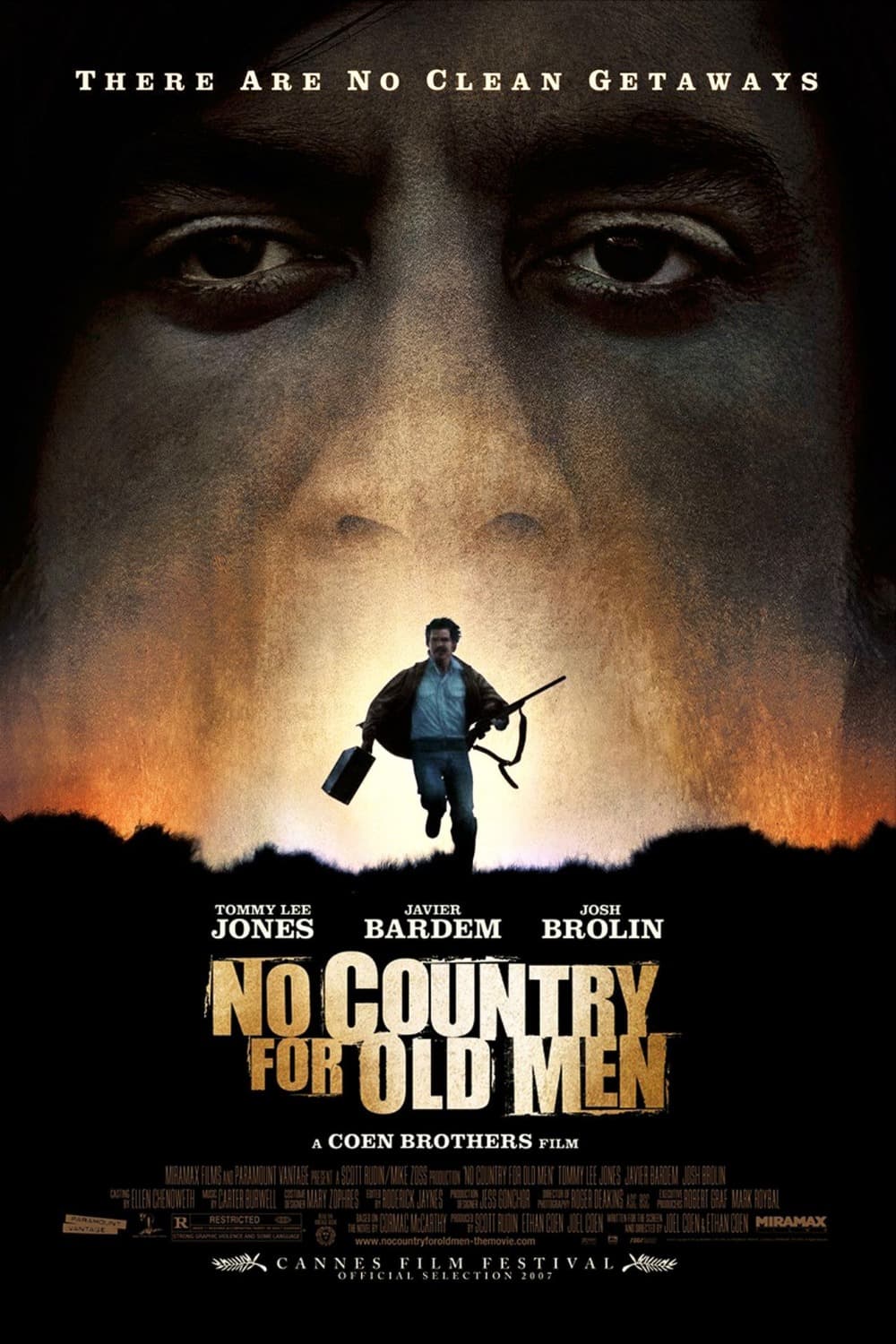
The Coens made a chase film with almost no music in it at all: Javier Bardem's killer with a cattle gun became the most frightening figure of the decade.
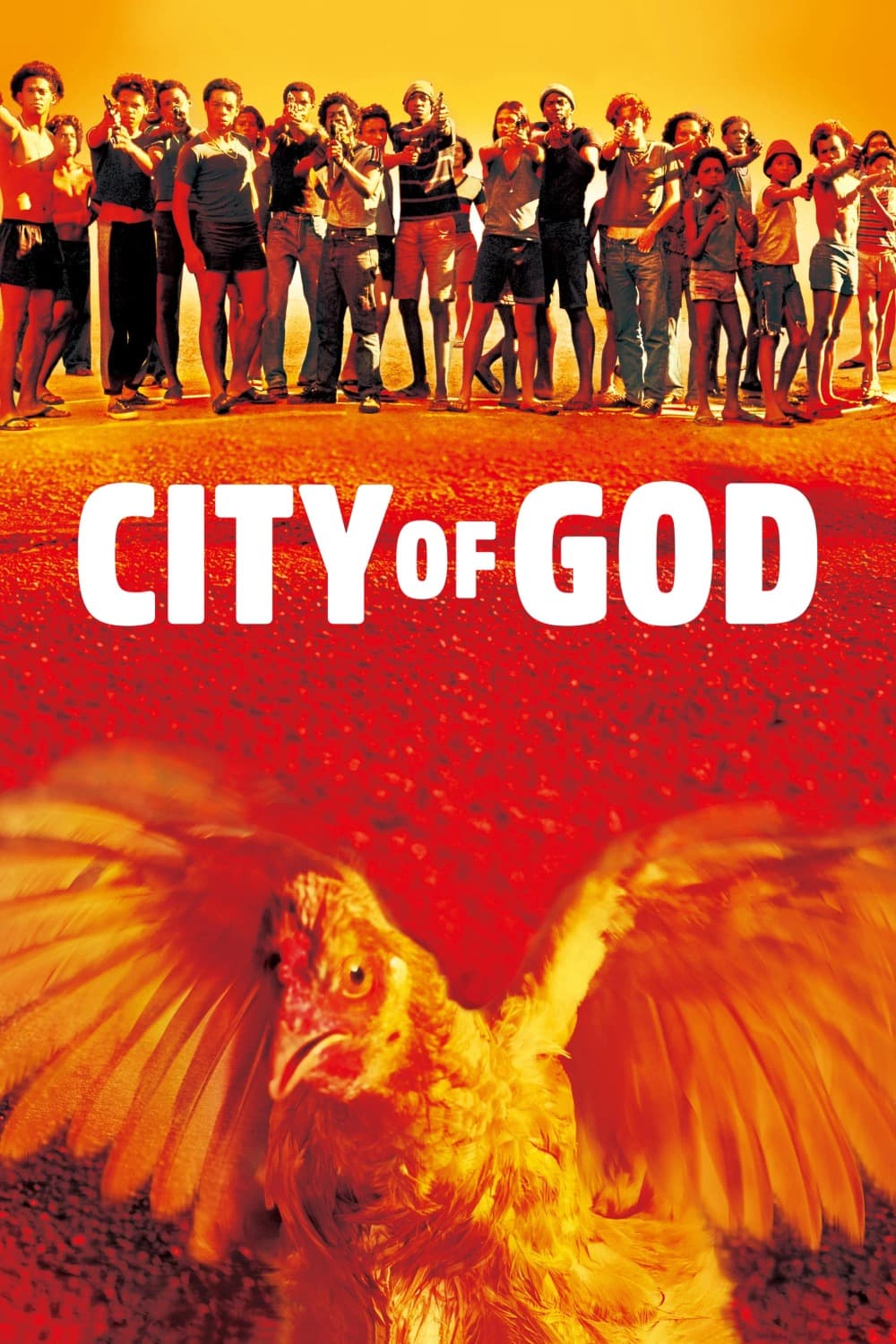
Nothing else moves quite like it: Meirelles cast the favela itself, cut two hours into what feels like twenty minutes, and took a Brazilian crime film to four Oscar nominations.
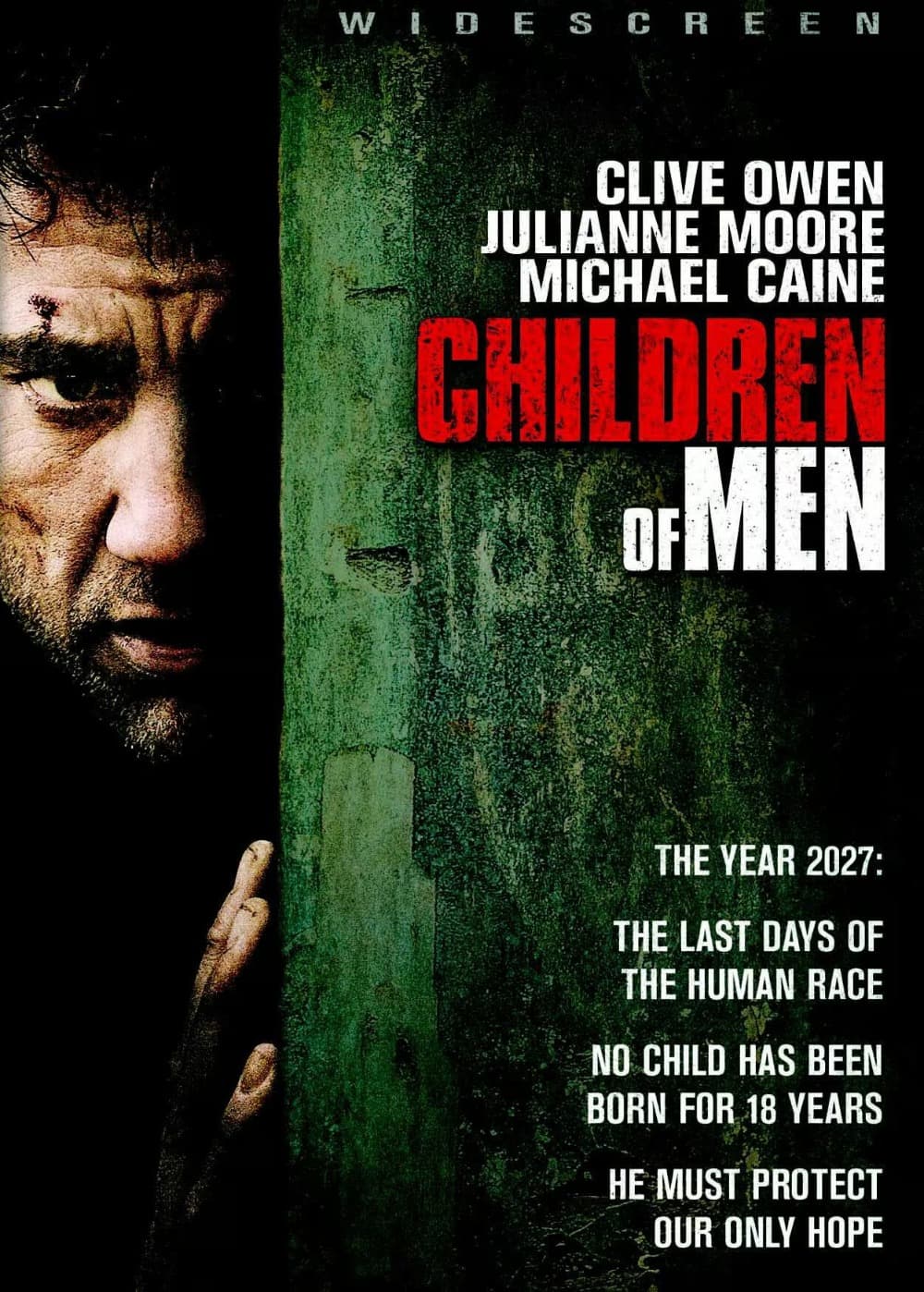
It looked like science fiction in 2006 and looks like the news now: Cuaron's roaming takes put you inside a collapsing Britain, and the ambush in the car is astonishing.

Gollum changed what a digital character could be: Andy Serkis acted him fully and the industry rebuilt itself around motion capture, all inside a four-month night siege in the rain.
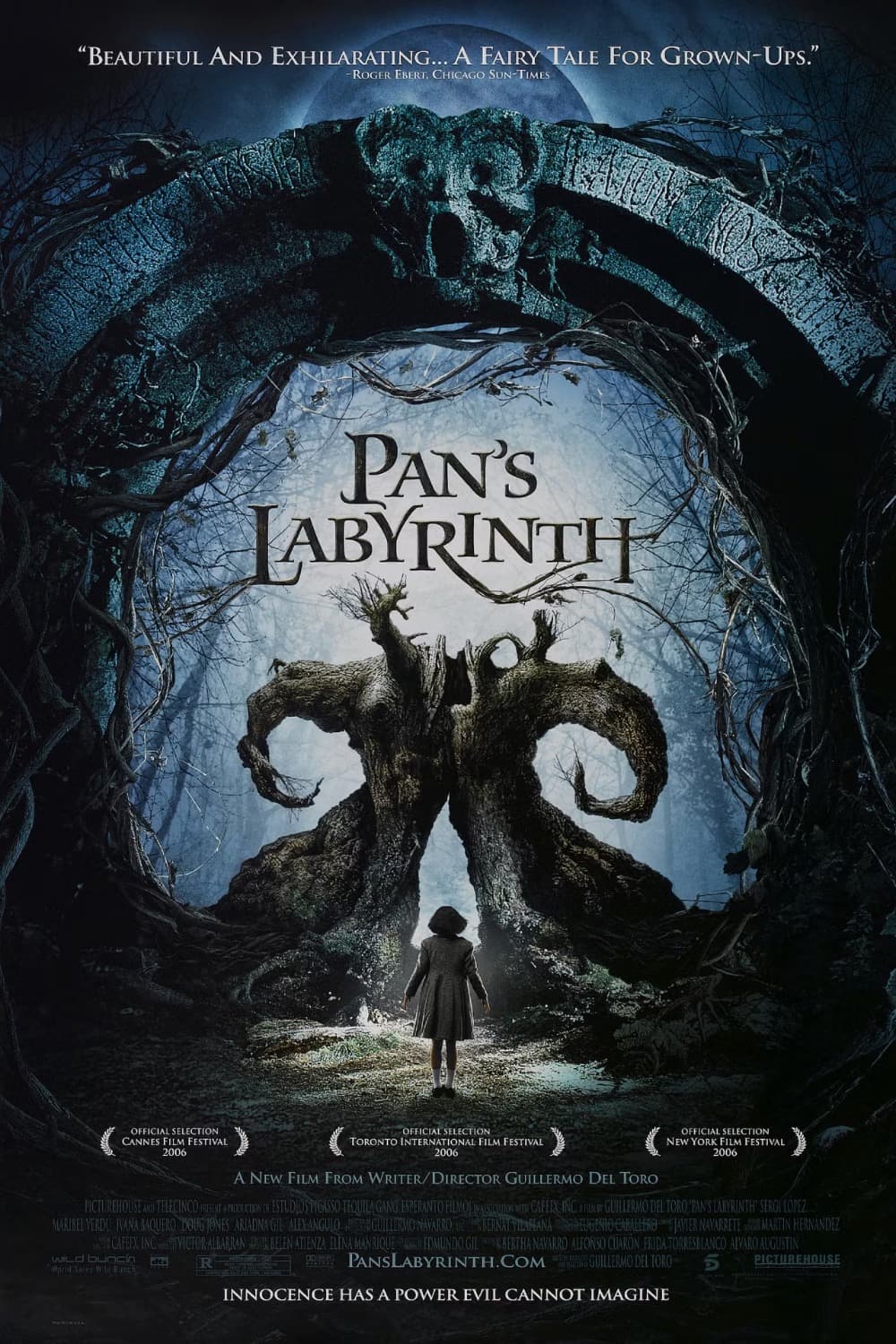
Del Toro put a child's fairy tale and Franco's Spain in the same film and refused to make either one safer: the creature with eyes in its hands follows people home.
Pixar's bravest film: the first forty minutes have almost no dialogue at all, and a robot with two expressions carries more feeling than most live actors manage.
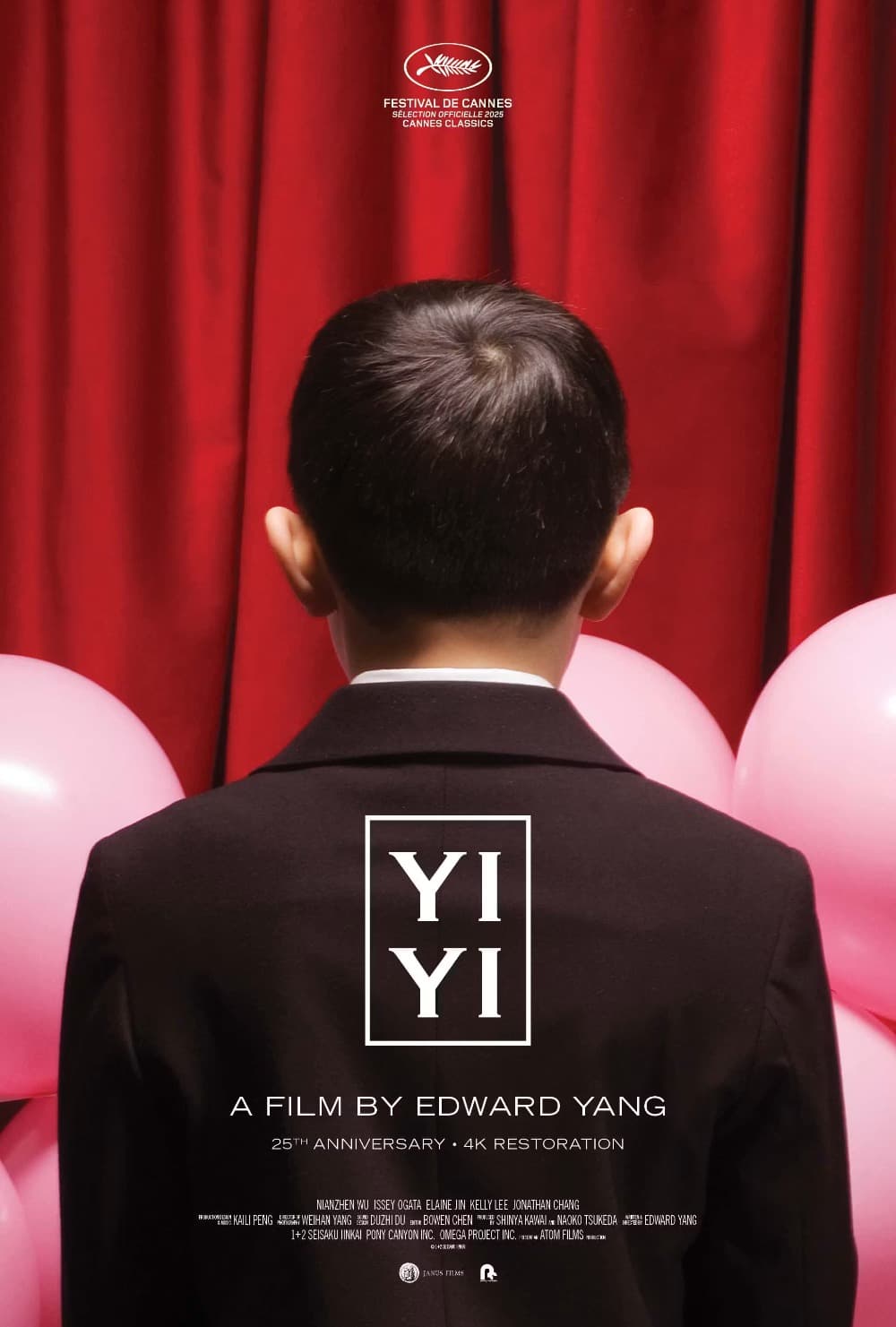
Nothing else captures an ordinary family like this: Yang holds three generations of a Taipei household in one frame, and the small boy photographing people's backs explains the whole method.
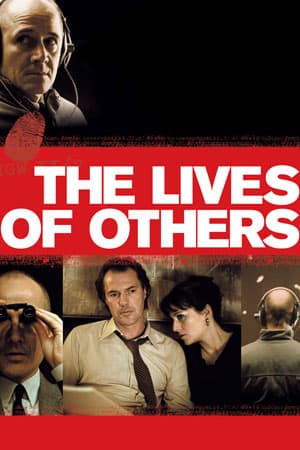
It made an entire country look at its own surveillance state: a Stasi officer listens in on a playwright's apartment, and the last line of the film lands like a blow.
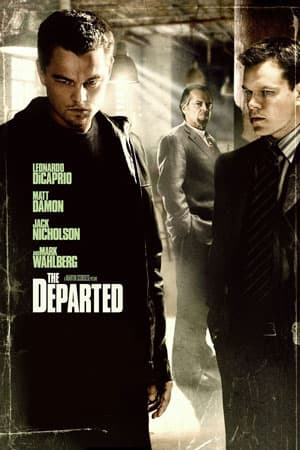
Scorsese remade a Hong Kong thriller and made it entirely his own: a cop inside the mob, a mobster inside the police, and a pitch that never once relaxes.
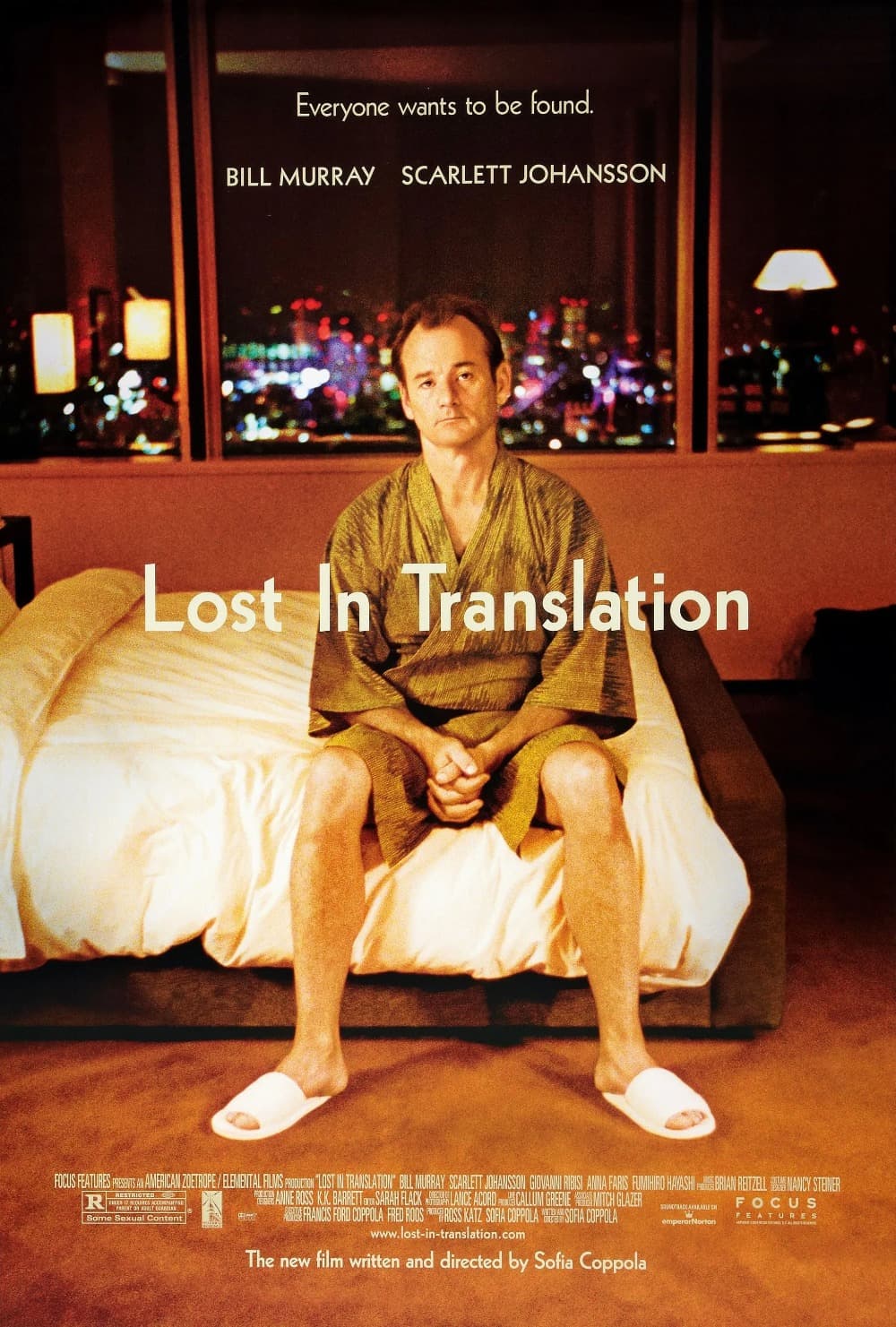
Almost nothing happens and it stays with people for years: jet lag, neon, a Tokyo hotel bar, and two people awake at the wrong hours keeping each other company.
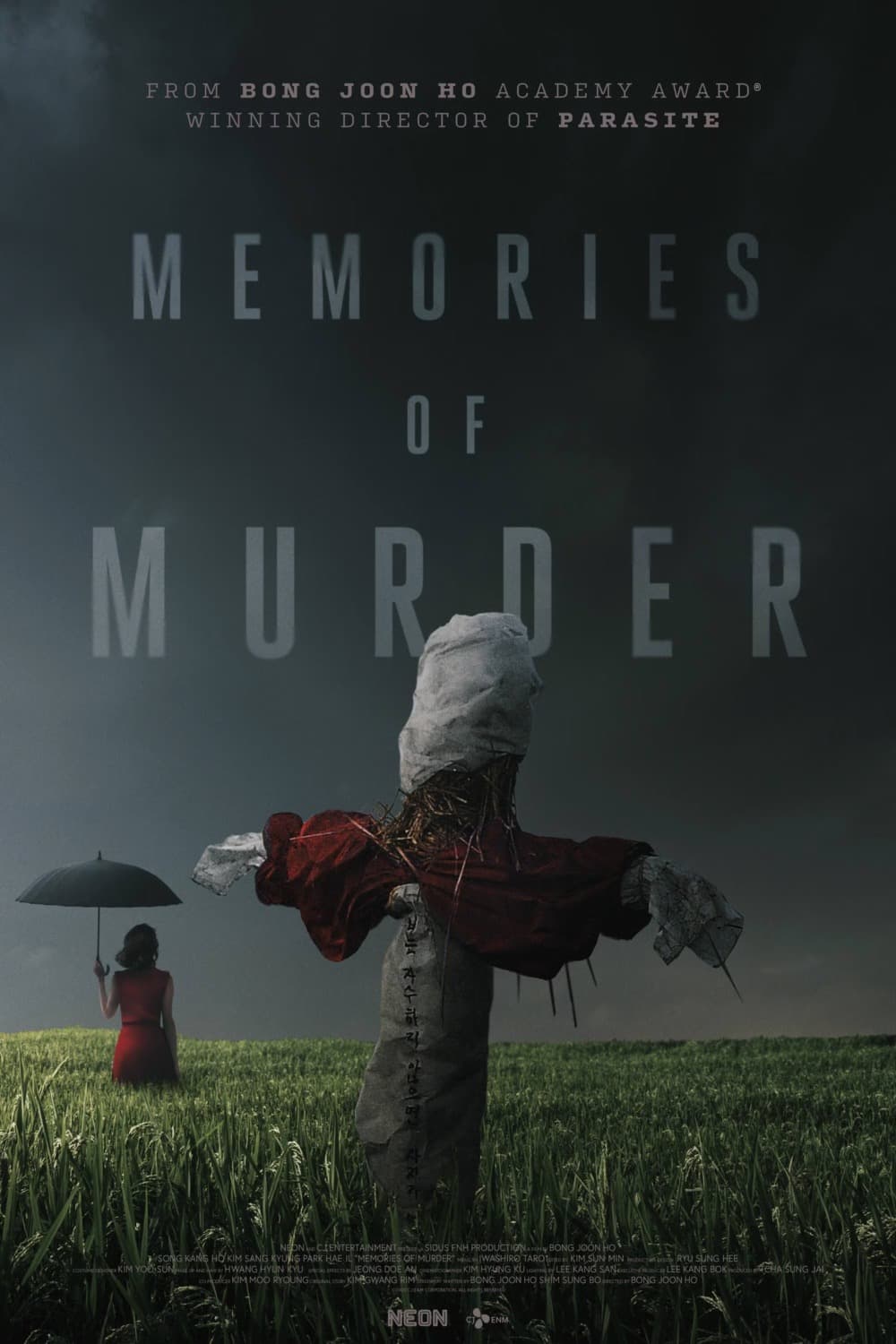
Bong made a serial killer film in which the police are the problem: it is based on a real case, and rural Korea itself ends up looking like the suspect.
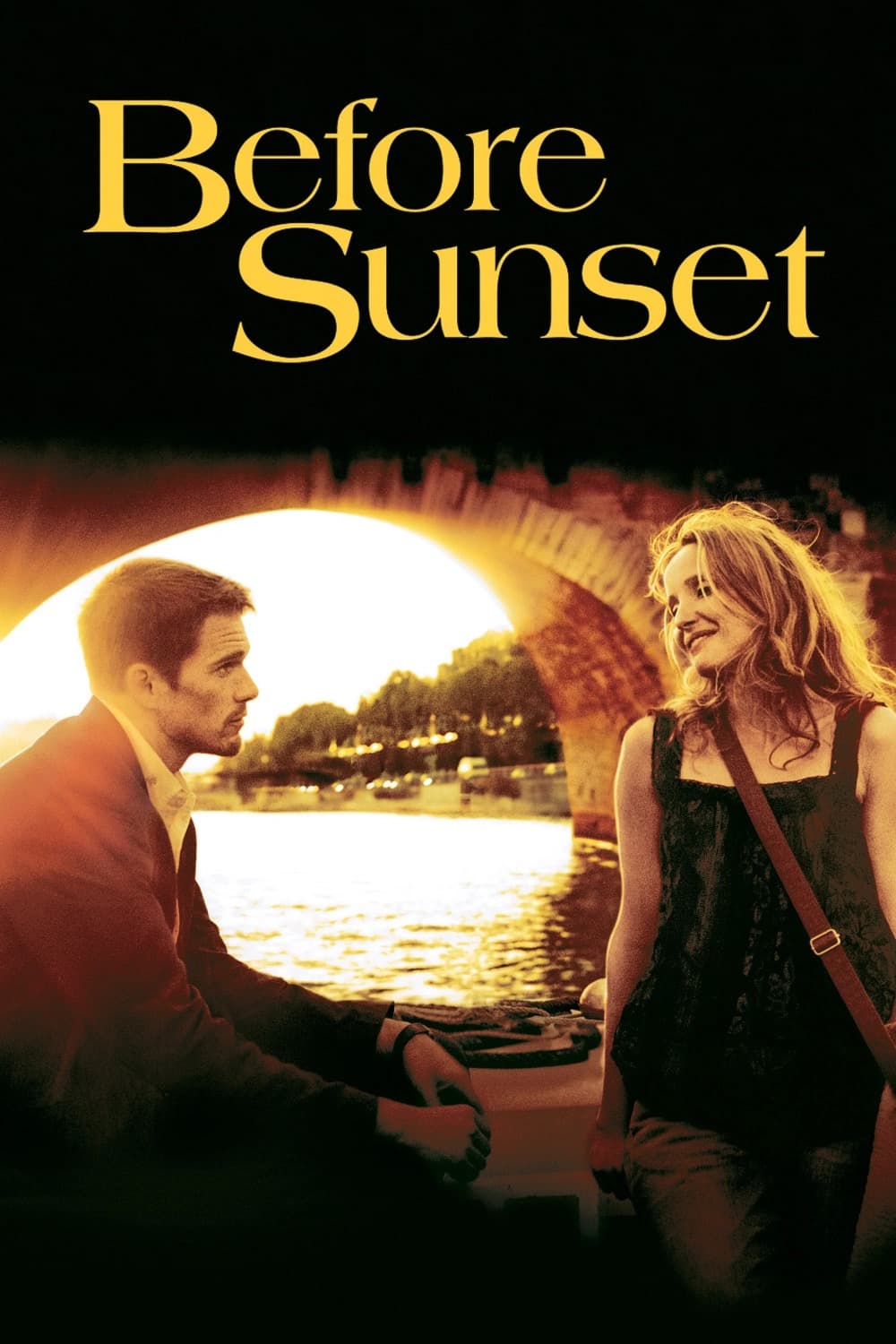
Very little else works the way this does: eighty minutes of two people walking around Paris talking, in close to real time, and it is over far too soon.