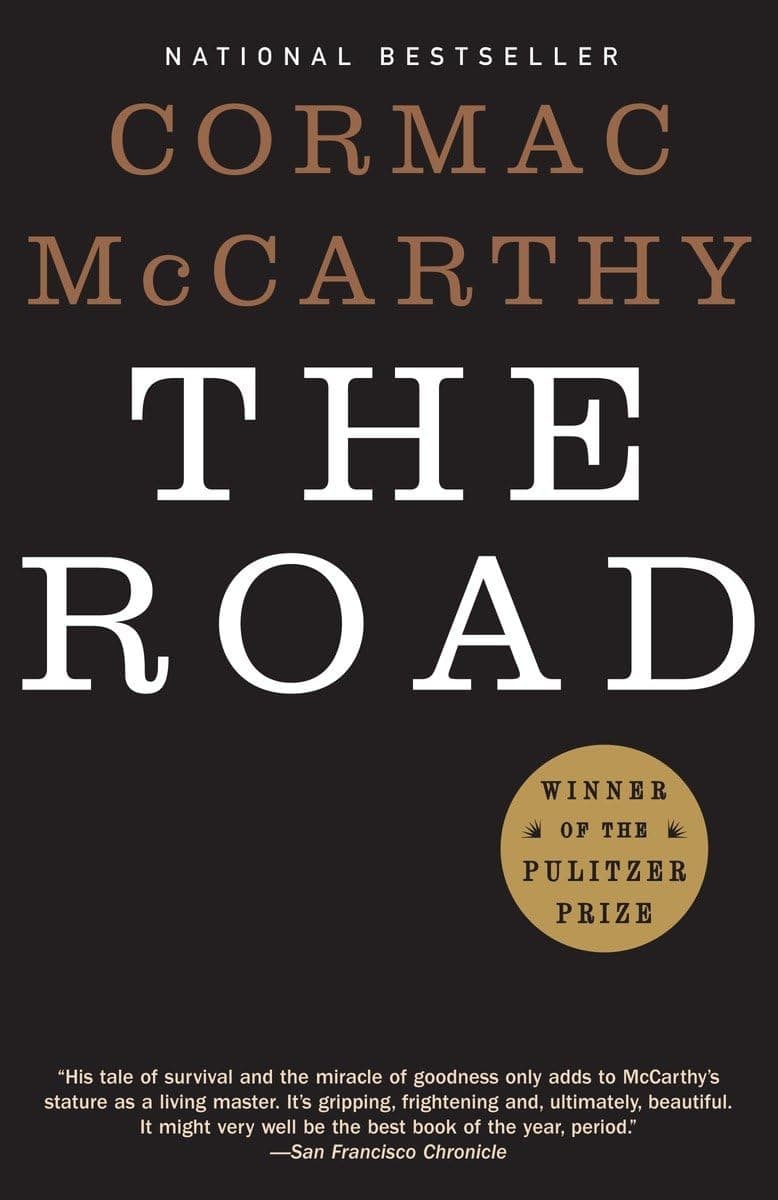
The Road
2006 · 287 pages
Pushing a shopping cart south through a burned gray America, a man and his boy hide from people who eat other people. The talk between them is the tenderest thing McCarthy ever wrote.
★ 8.3
 skopia
Pushing a shopping cart south through a burned gray America, a man and his boy hide from people who eat other people. The talk between them is the tenderest thing McCarthy ever wrote.
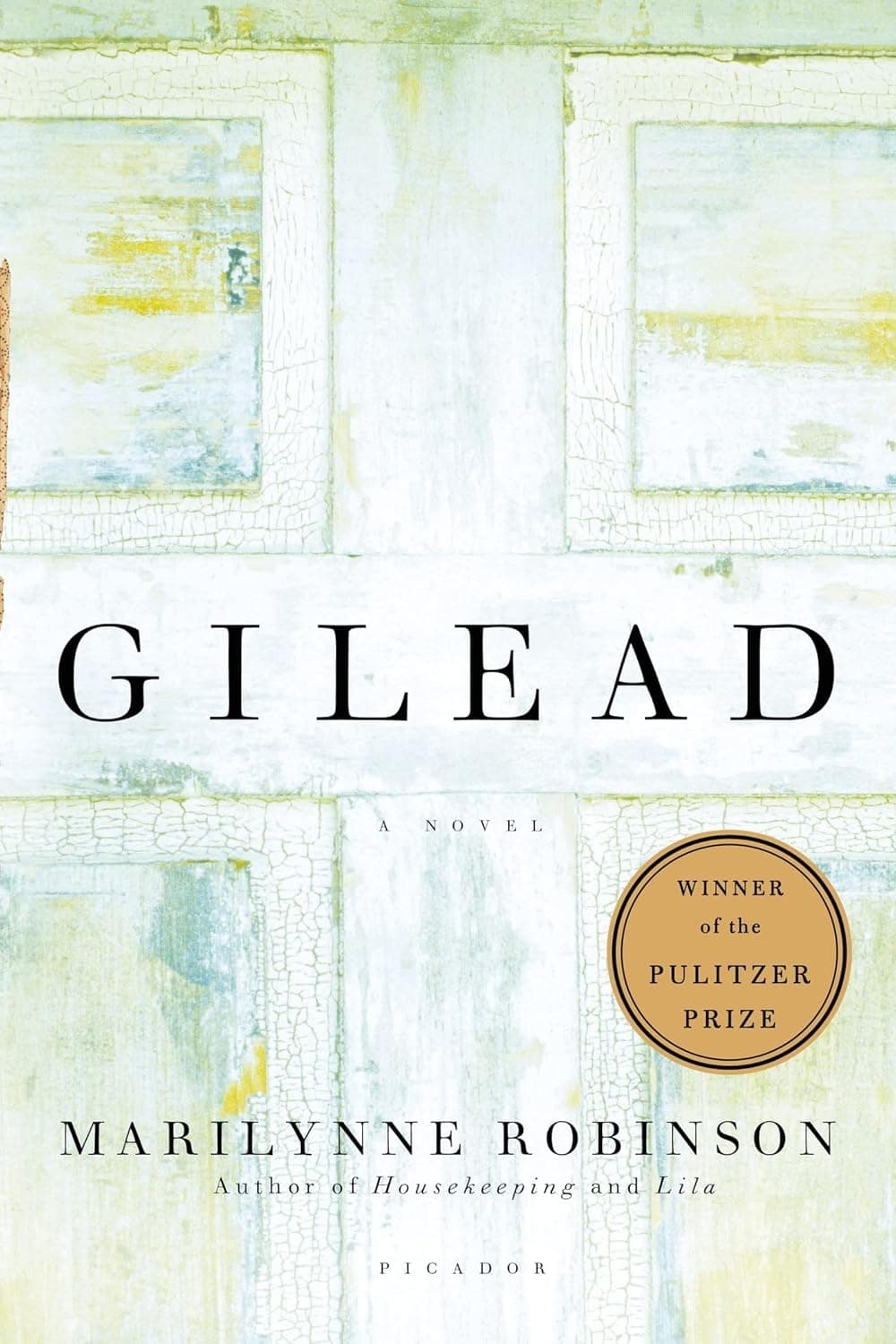
John Ames, an old preacher in Iowa, is dying and sets his life down for the seven-year-old son who will not remember him. Robinson makes an ordinary afternoon feel like grace.
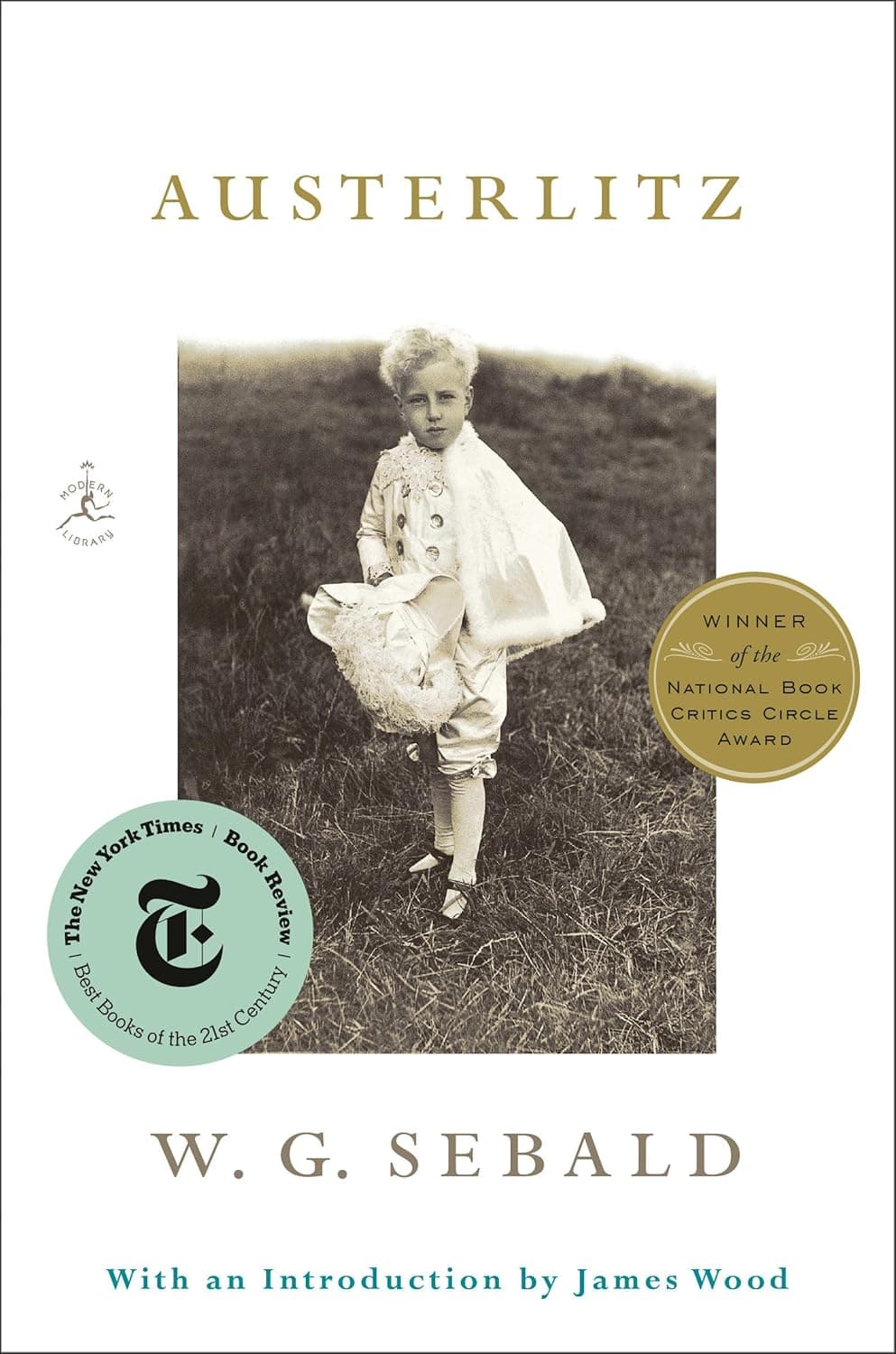
A stranger in an Antwerp waiting room talks about architecture, and over years of meetings tells how he was sent out of Prague on a train in 1939. The grief is never named.
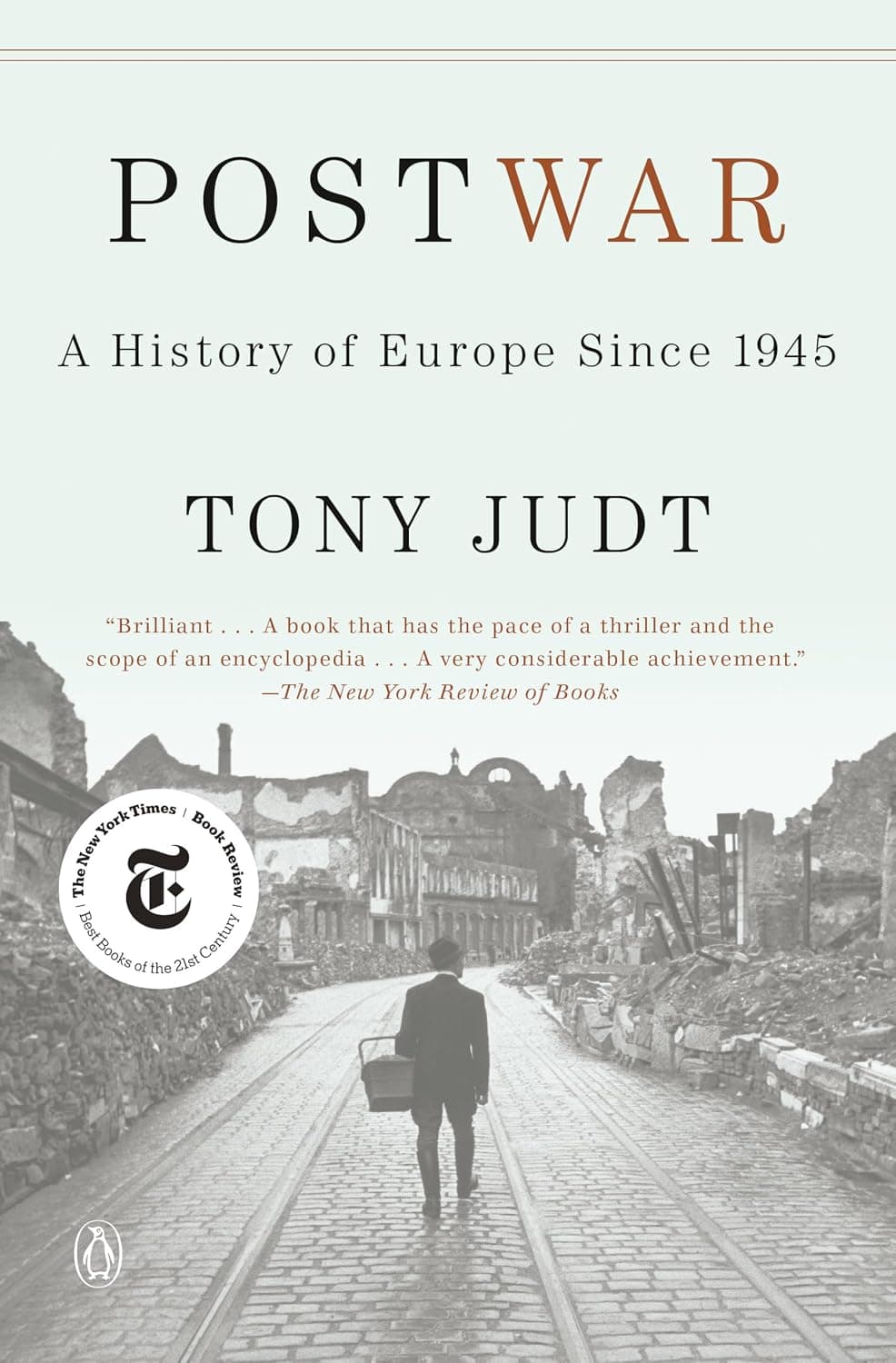
Judt carries Europe from the rubble of 1945 to 2005, east and west in one story, showing a continent that rebuilt itself by forgetting the war and then defined itself by remembering it.
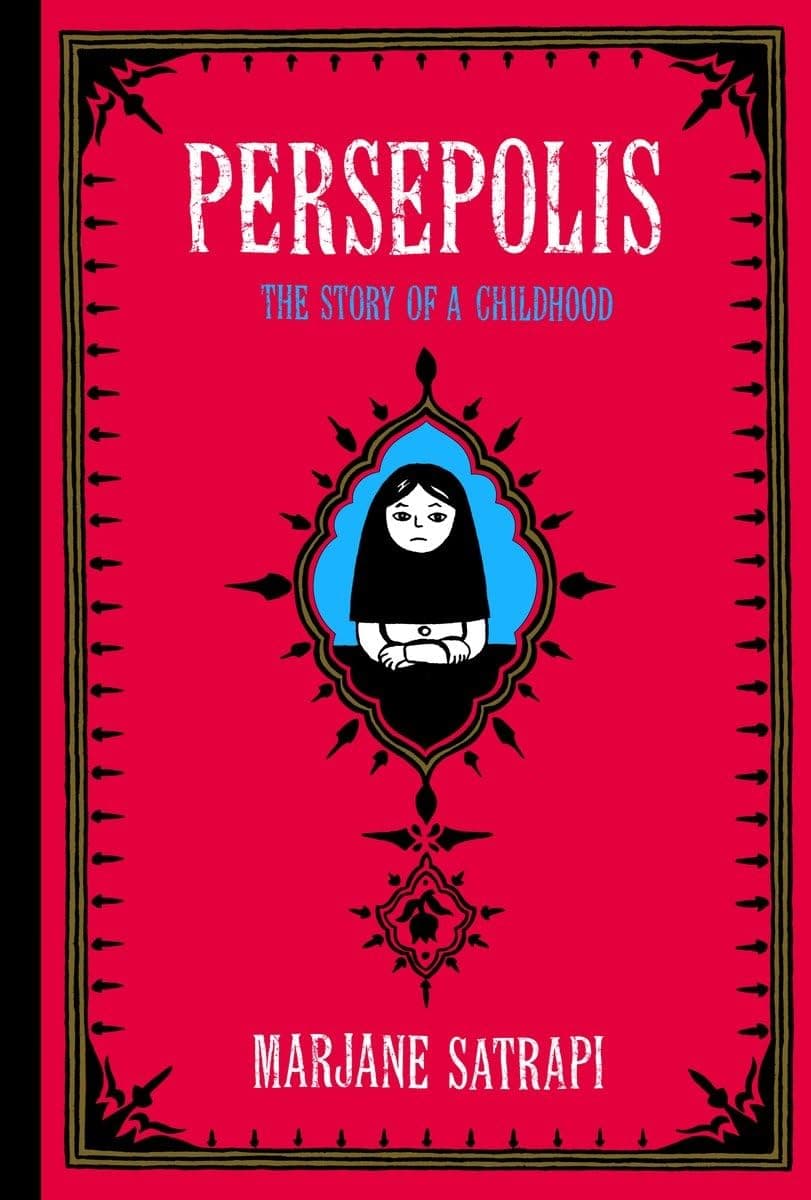
Satrapi was a schoolgirl in Tehran when the Shah fell and fourteen when her parents sent her alone to Vienna. She draws the revolution, the war and her exile in black and white.

The hemisphere Columbus reached held cities larger than Paris, an Amazon farmed into orchard, and forests burned into pasture on purpose. What later settlers took for wilderness was a continent emptied by epidemics.
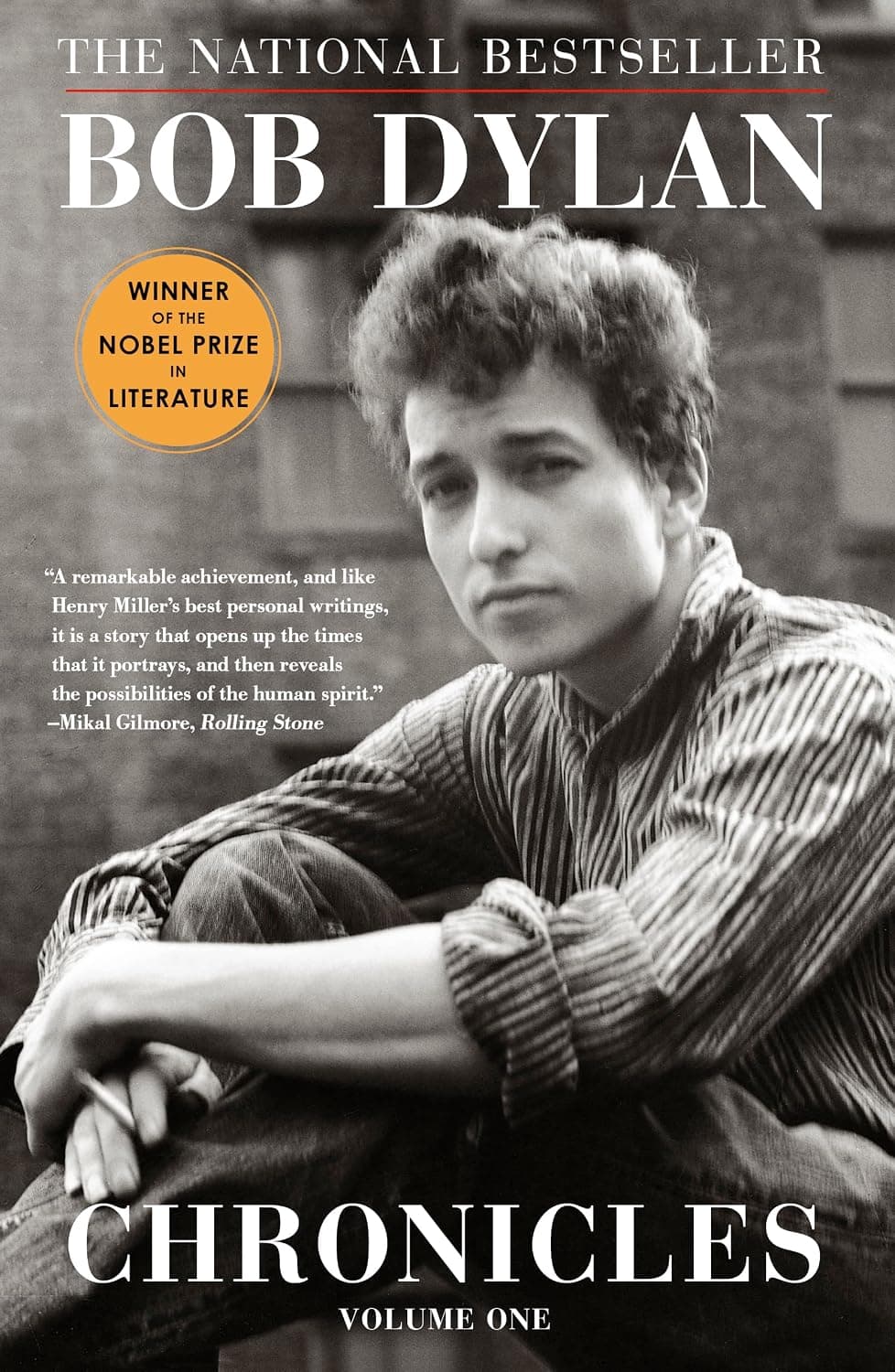
Dylan refuses the story everyone wants. He writes instead about borrowed couches in Greenwich Village in 1961 and a New Orleans studio in 1989, in prose as good as his songs.
In 1500 disbelief in God was barely possible. By 2000 it is ordinary. Taylor explains the shift not as science clearing away superstition but as Christian reform building a self sealed against transcendence.

Henry Townsend was bought out of slavery by his father and came to own more than thirty slaves himself. Jones wrote the novel that forced American fiction to hold Black slaveholders in view.

In 1935 a thirteen-year-old girl watches her sister and the charwoman's son by a fountain, misreads what she sees, and accuses him of a crime. McEwan follows the wreckage through Dunkirk.

Chiang treats theology, linguistics and free will with the rigor of proofs. A linguist learns an alien script written all at once, and it changes how she experiences her whole life.

Guha carries India from independence in 1947 to the present and asks why it never broke apart, given partition, famine and insurgency. He calls it an unnatural nation and an unlikely democracy.

Pollan traces four meals backward: a drive-through, Whole Foods, Joel Salatin's farm, and a pig he shoots himself. Carbon isotopes reveal Americans are built of corn. He made provenance a mass preoccupation.

Sent to the Maine Lobster Festival, Wallace asks whether boiling an animal alive is defensible. The same scruple drives his reports on a porn awards show and Senator McCain's presidential campaign.

Nine stories of Indians and Indian Americans living between two countries, told with a calm that makes the losses land late. A married couple confess things to each other during nightly power cuts.

Morse tapped the title into the first telegraph line in 1844. Howe's Pulitzer-winning account of antebellum America argues that communications, markets, and revival religion remade the country while Jacksonian politics took the credit.
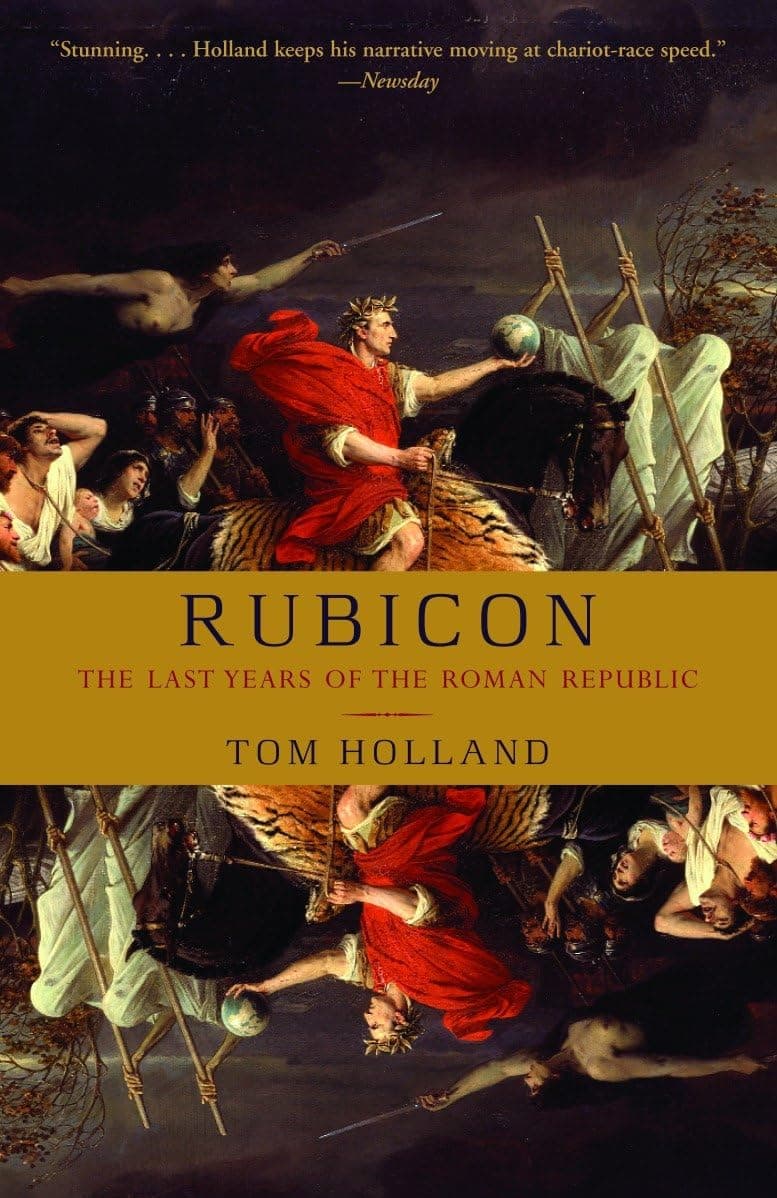
The Roman Republic destroyed itself, and Tom Holland tells it at the pace of a thriller. Caesar reaches the Rubicon with a single legion, knowing crossing it means war against his own state.
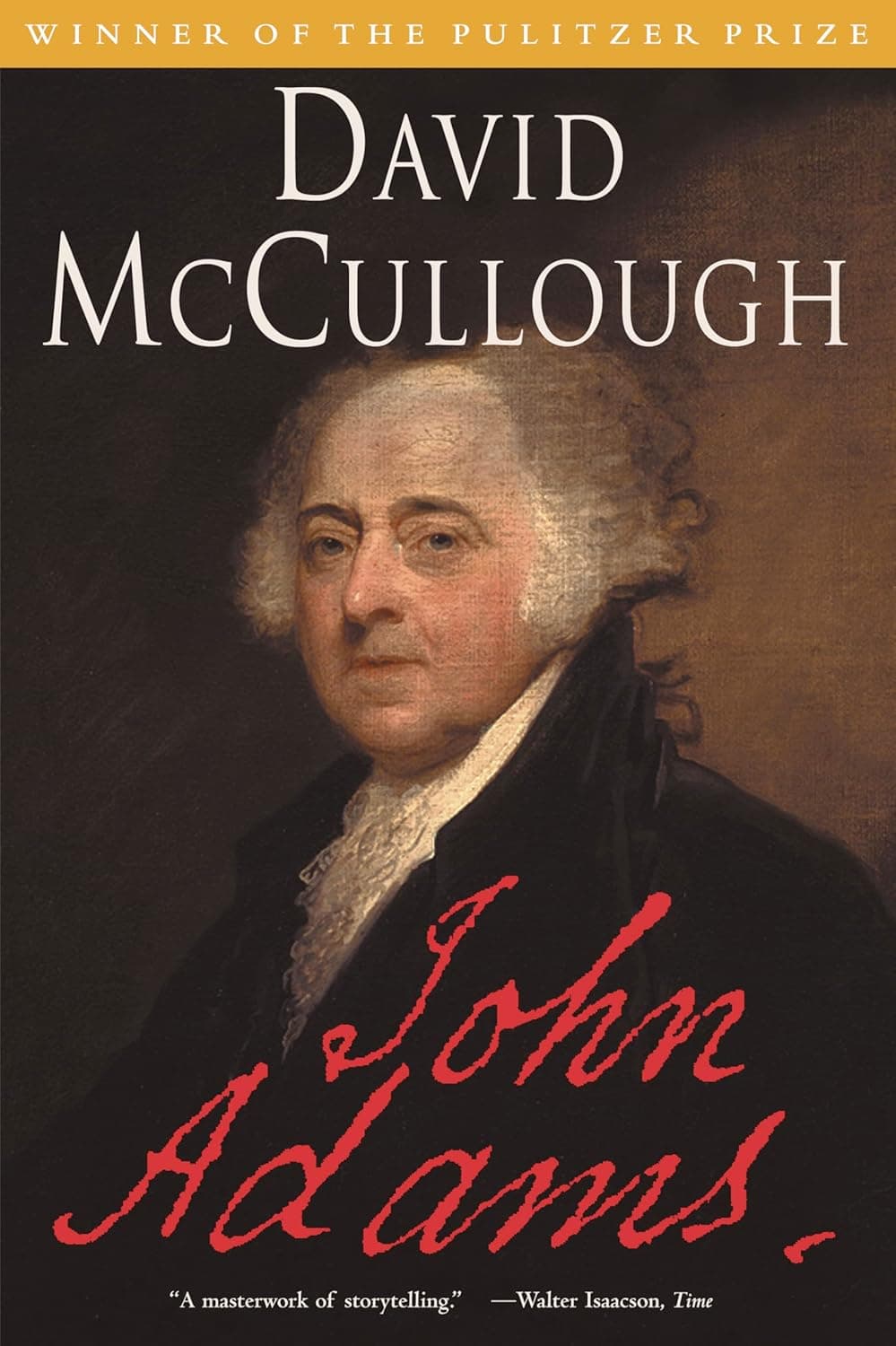
McCullough gives the difficult, honest second president his full size: a marriage to Abigail conducted in letters across an ocean, and a friendship with Jefferson that broke and was repaired in old age.

Gaddis lays the war's origins at Stalin's door, shows how nuclear terror kept the peace it threatened, and treats the outcome as a moral verdict. Forty-five years of standoff in one commanding volume.

How do you go about finding a thing whose nature is unknown to you? Solnit carries that question from Plato into deserts, ruins, and the blue of distance, making lostness a discipline.