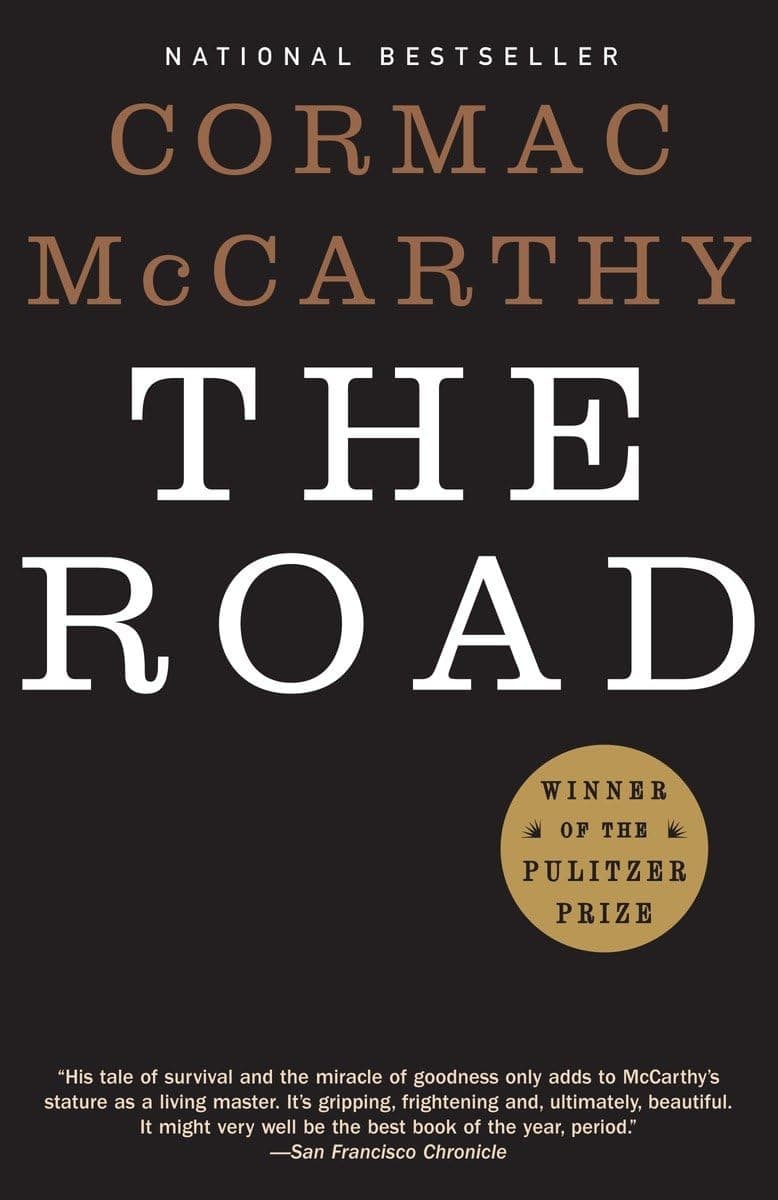
The Road
2006 · 287 pages
Pushing a shopping cart south through a burned gray America, a man and his boy hide from people who eat other people. The talk between them is the tenderest thing McCarthy ever wrote.
★ 8.3
 skopia
Pushing a shopping cart south through a burned gray America, a man and his boy hide from people who eat other people. The talk between them is the tenderest thing McCarthy ever wrote.
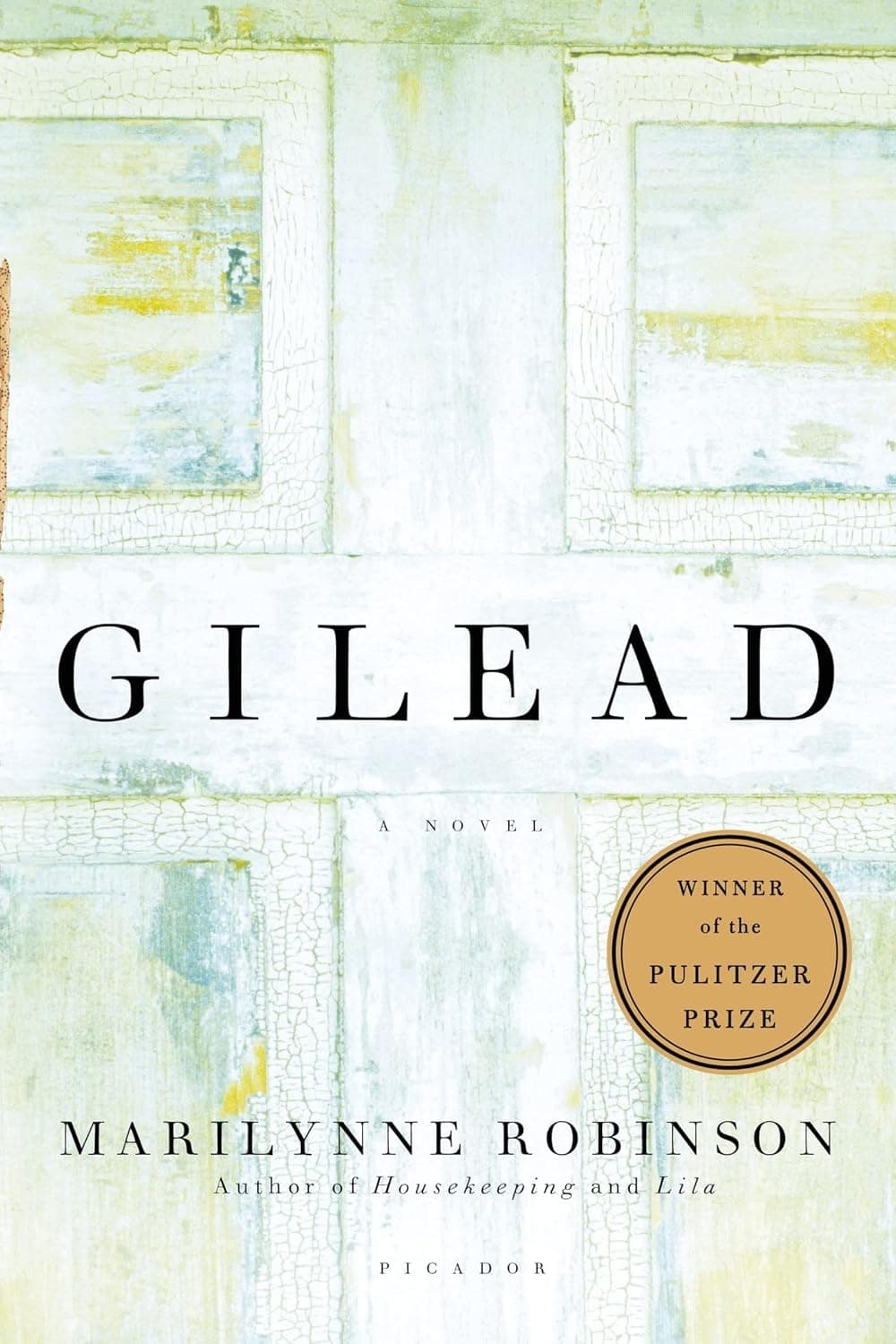
John Ames, an old preacher in Iowa, is dying and sets his life down for the seven-year-old son who will not remember him. Robinson makes an ordinary afternoon feel like grace.
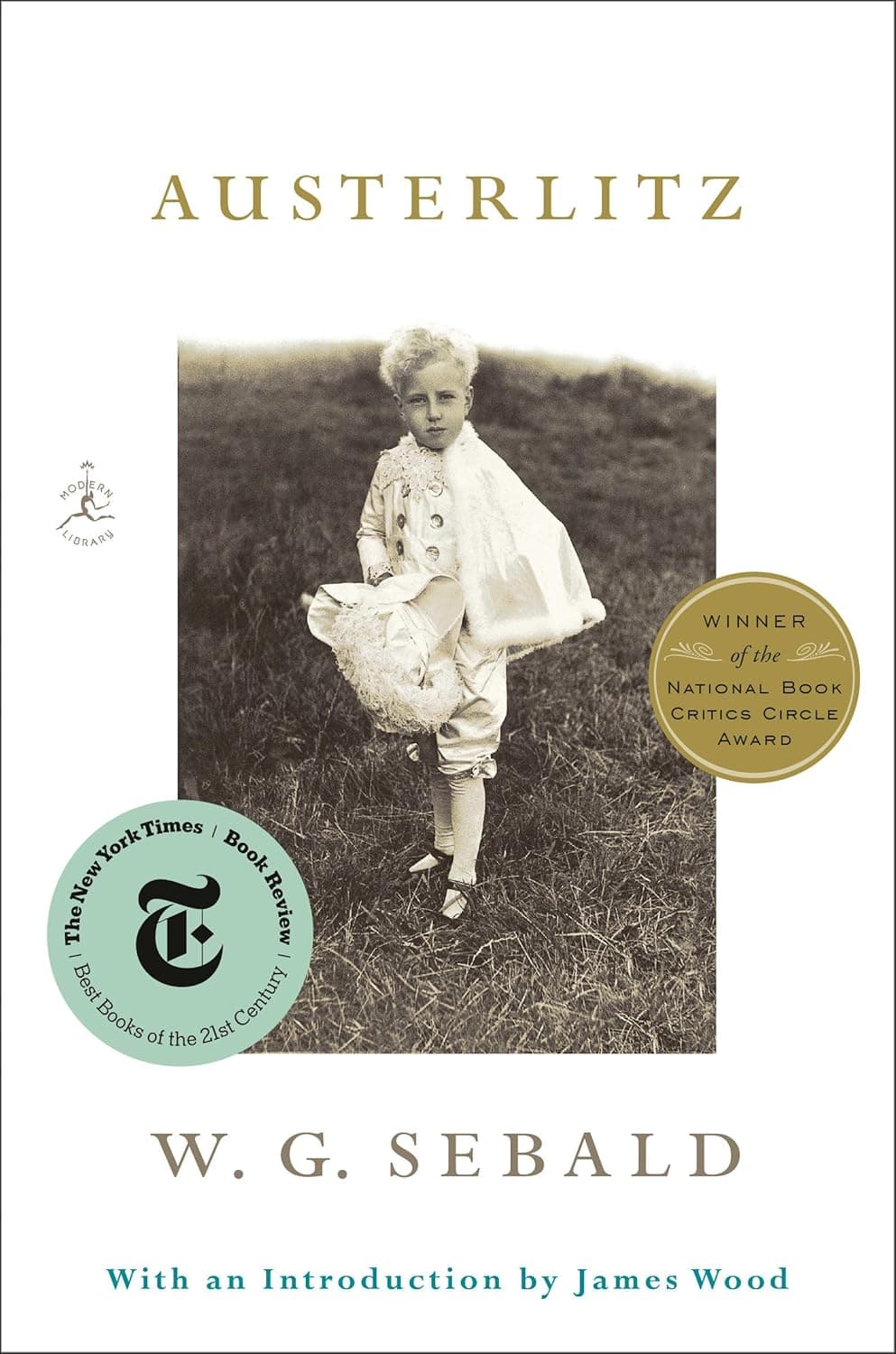
A stranger in an Antwerp waiting room talks about architecture, and over years of meetings tells how he was sent out of Prague on a train in 1939. The grief is never named.
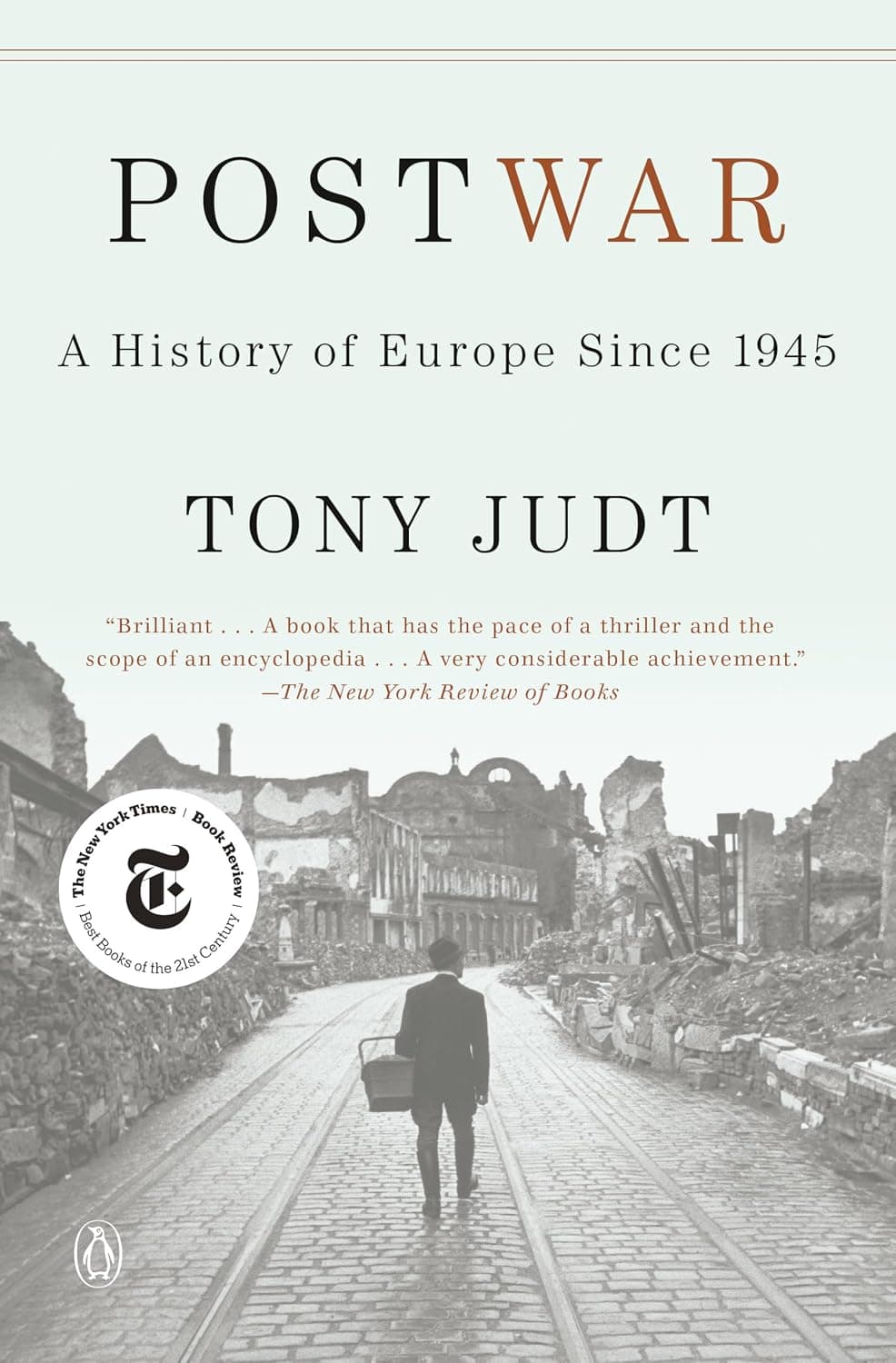
Judt carries Europe from the rubble of 1945 to 2005, east and west in one story, showing a continent that rebuilt itself by forgetting the war and then defined itself by remembering it.
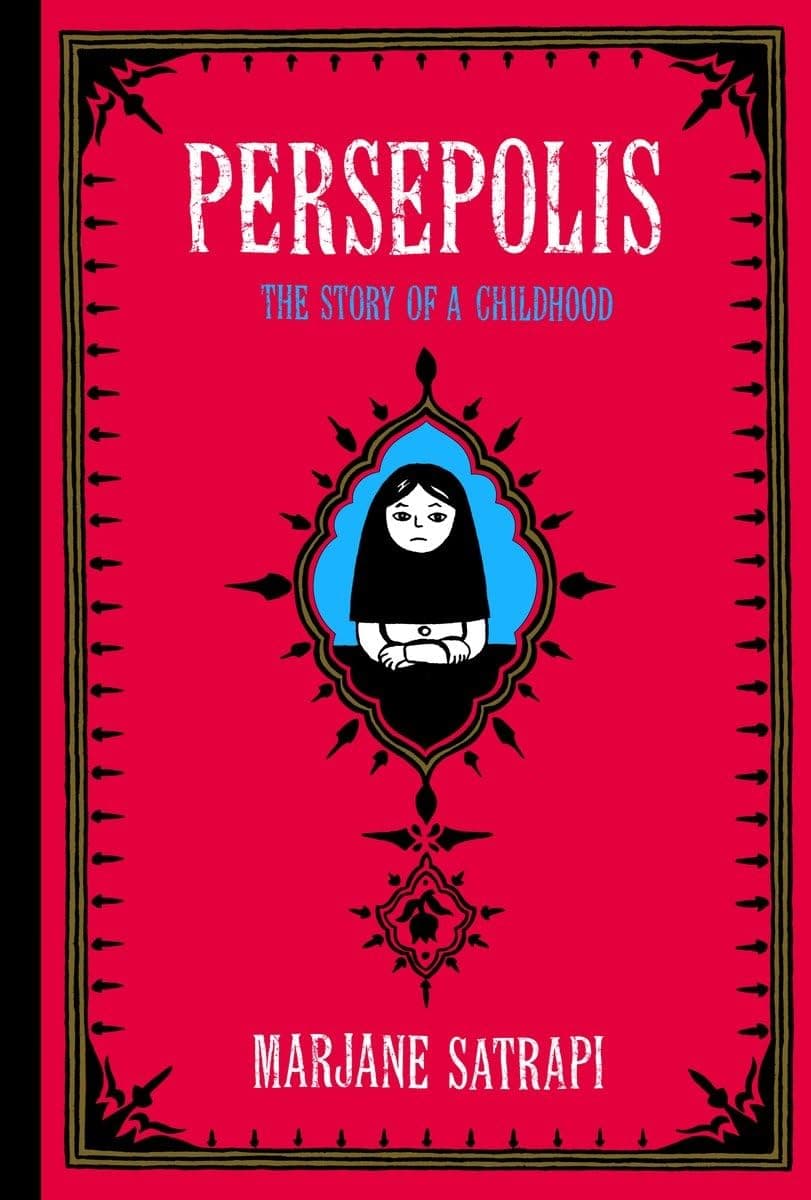
Satrapi was a schoolgirl in Tehran when the Shah fell and fourteen when her parents sent her alone to Vienna. She draws the revolution, the war and her exile in black and white.

The hemisphere Columbus reached held cities larger than Paris, an Amazon farmed into orchard, and forests burned into pasture on purpose. What later settlers took for wilderness was a continent emptied by epidemics.

Three years of humiliation as Kennedy's vice president, then Dallas, and Johnson seizes a stunned government. Caro tracks it week by week to the civil rights bill the South had blocked for decades.
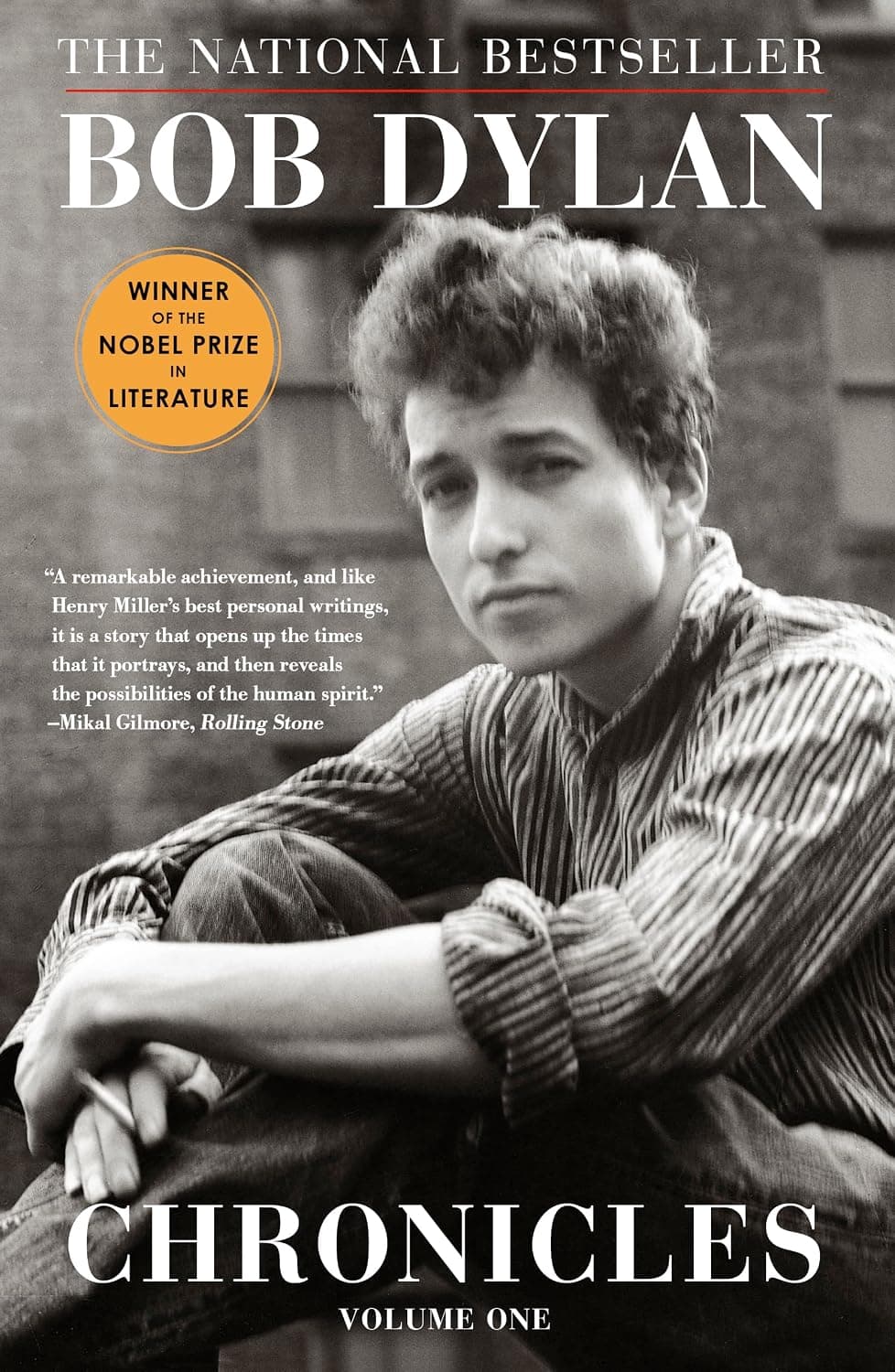
Dylan refuses the story everyone wants. He writes instead about borrowed couches in Greenwich Village in 1961 and a New Orleans studio in 1989, in prose as good as his songs.
In 1500 disbelief in God was barely possible. By 2000 it is ordinary. Taylor explains the shift not as science clearing away superstition but as Christian reform building a self sealed against transcendence.

Clark reconstructs the July crisis of 1914 and finds no villain, only leaders watchful but unseeing, each rational step carrying Europe closer. He reopened the fiercest fight over war guilt in decades.

Henry Townsend was bought out of slavery by his father and came to own more than thirty slaves himself. Jones wrote the novel that forced American fiction to hold Black slaveholders in view.

A maid hid 264 Japanese carvings in her mattress while the Nazis stripped the Vienna palace of the Ephrussi bankers. De Waal, their descendant, follows the objects through his family's rise and ruin.
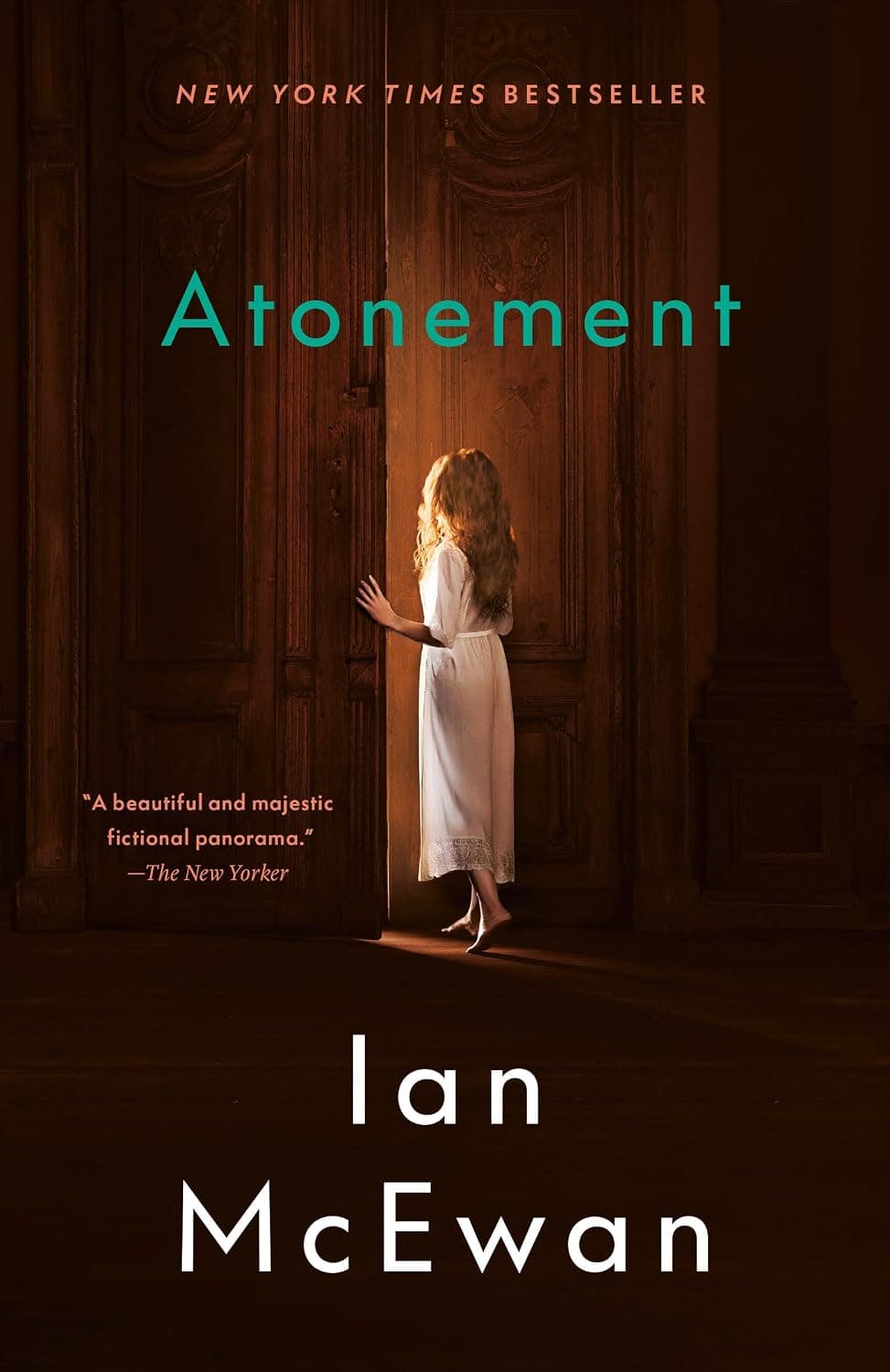
In 1935 a thirteen-year-old girl watches her sister and the charwoman's son by a fountain, misreads what she sees, and accuses him of a crime. McEwan follows the wreckage through Dunkirk.

Chiang treats theology, linguistics and free will with the rigor of proofs. A linguist learns an alien script written all at once, and it changes how she experiences her whole life.

No novelist has written female friendship with this much competition. Elena and Lila grow up in a violent Naples neighborhood in the 1950s, and only one is allowed to stay in school.

Boo spent three years in Annawadi, a slum beside the Mumbai airport, following a teenage garbage trader, a woman scheming her way to power, and the neighbor whose self-immolation puts them on trial.
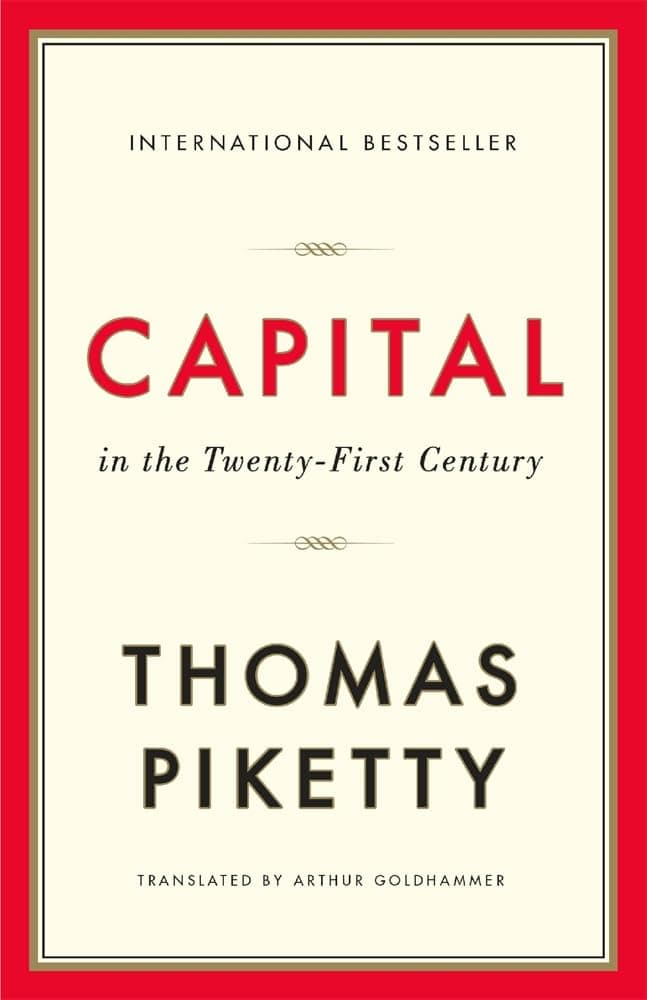
Piketty mined two centuries of tax records for the engine of inequality: capital grows faster than the economy, so fortunes pull away from wages. It made inequality the West's central political question.
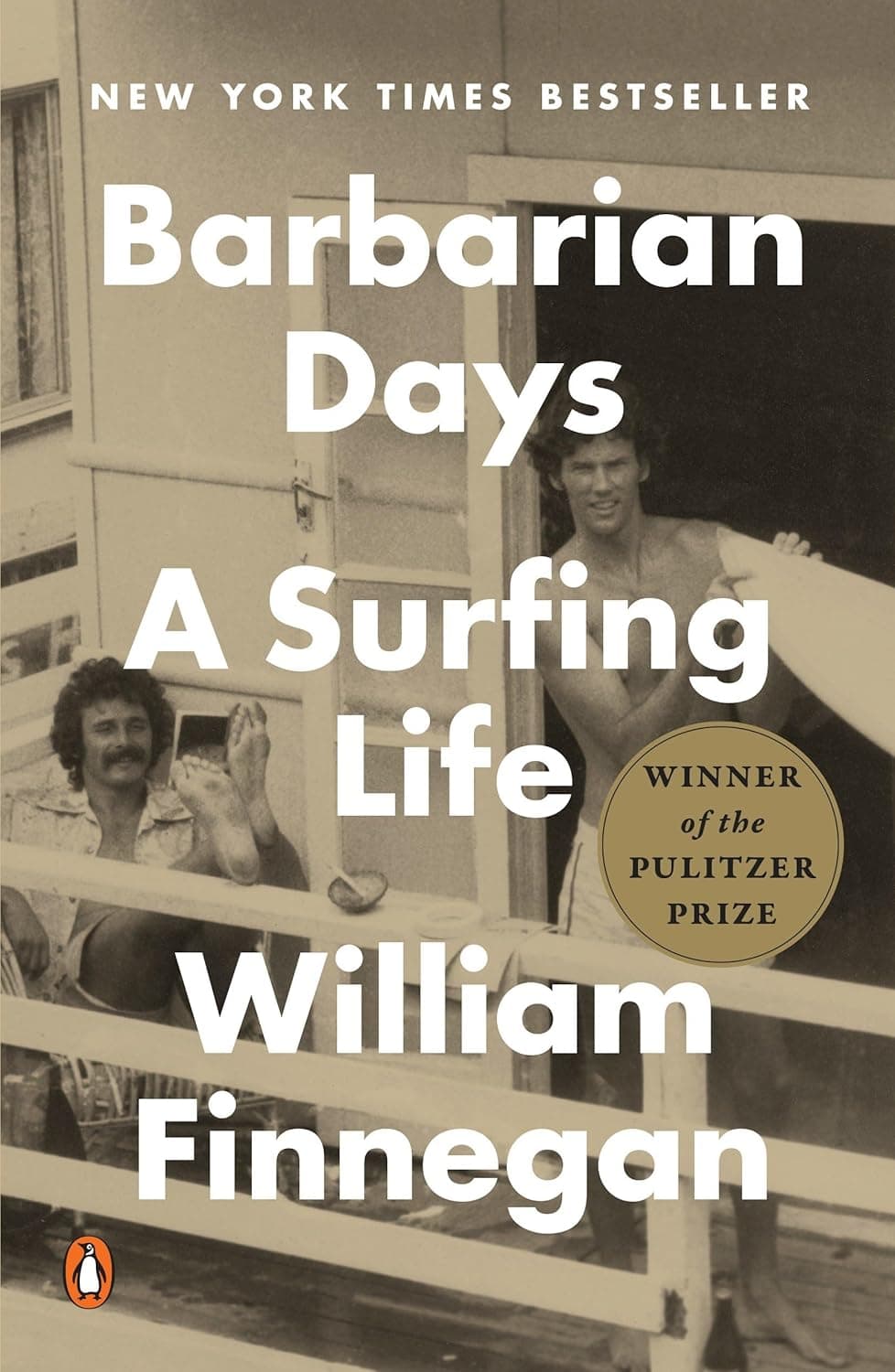
Finnegan chased waves from a Honolulu schoolyard to Fiji and Cape Town, then reported wars for the New Yorker. He writes surfing with a physicist's exactness and counts what the obsession cost.

Beard covers a thousand years of Rome, opening on Catiline's conspiracy and closing the day Caracalla made every free inhabitant a citizen, and she cares as much about slaves as emperors.

Guha carries India from independence in 1947 to the present and asks why it never broke apart, given partition, famine and insurgency. He calls it an unnatural nation and an unlikely democracy.