
Eternal Sunshine of the Spotless Mind
Directed by Michel Gondry
2004
No romance this century has come close: Kaufman's premise, that you could pay to have someone erased, turns out to be the most honest thing anyone has said about breakups.
★ 8.9
 skopia
No romance this century has come close: Kaufman's premise, that you could pay to have someone erased, turns out to be the most honest thing anyone has said about breakups.
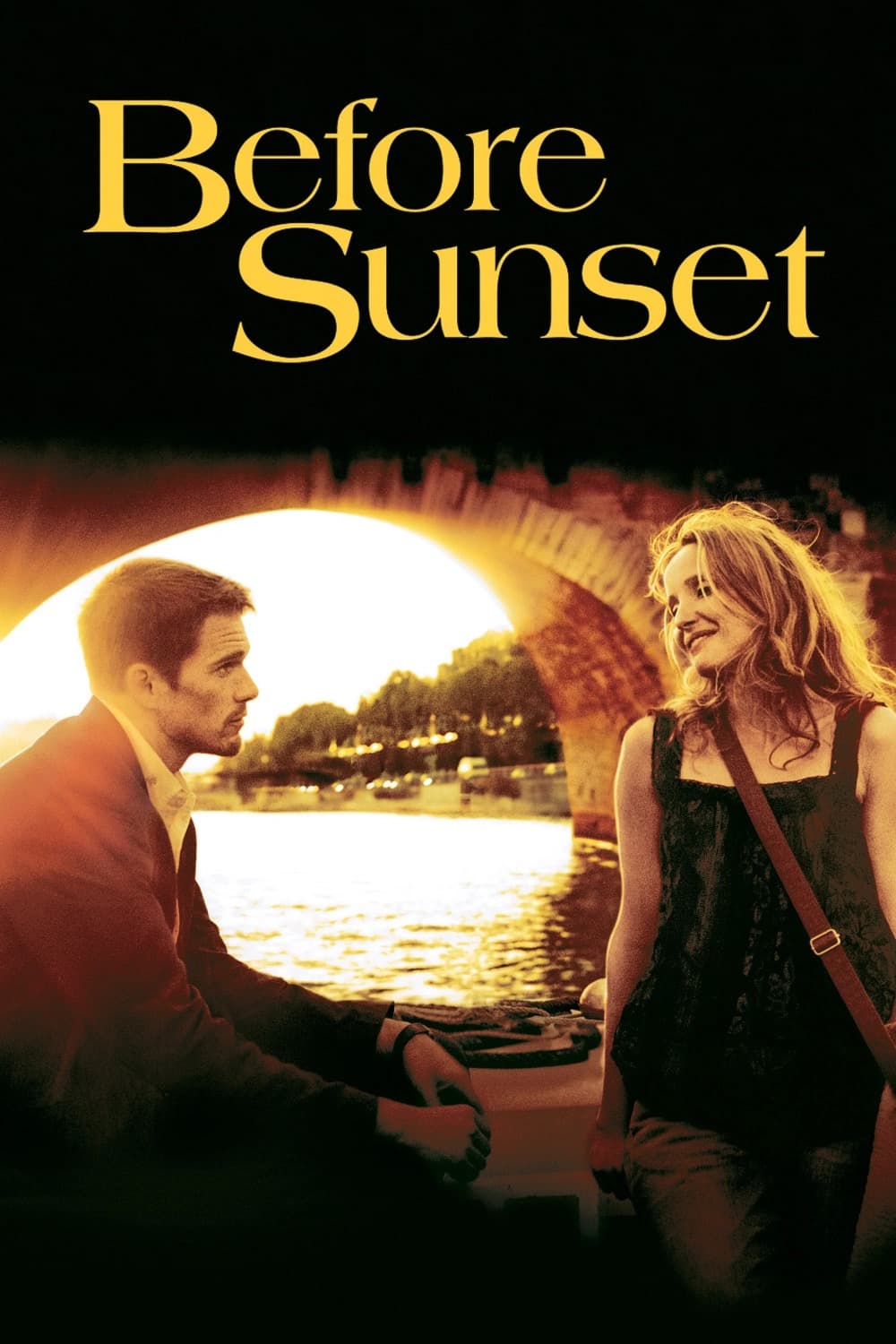
Very little else works the way this does: eighty minutes of two people walking around Paris talking, in close to real time, and it is over far too soon.
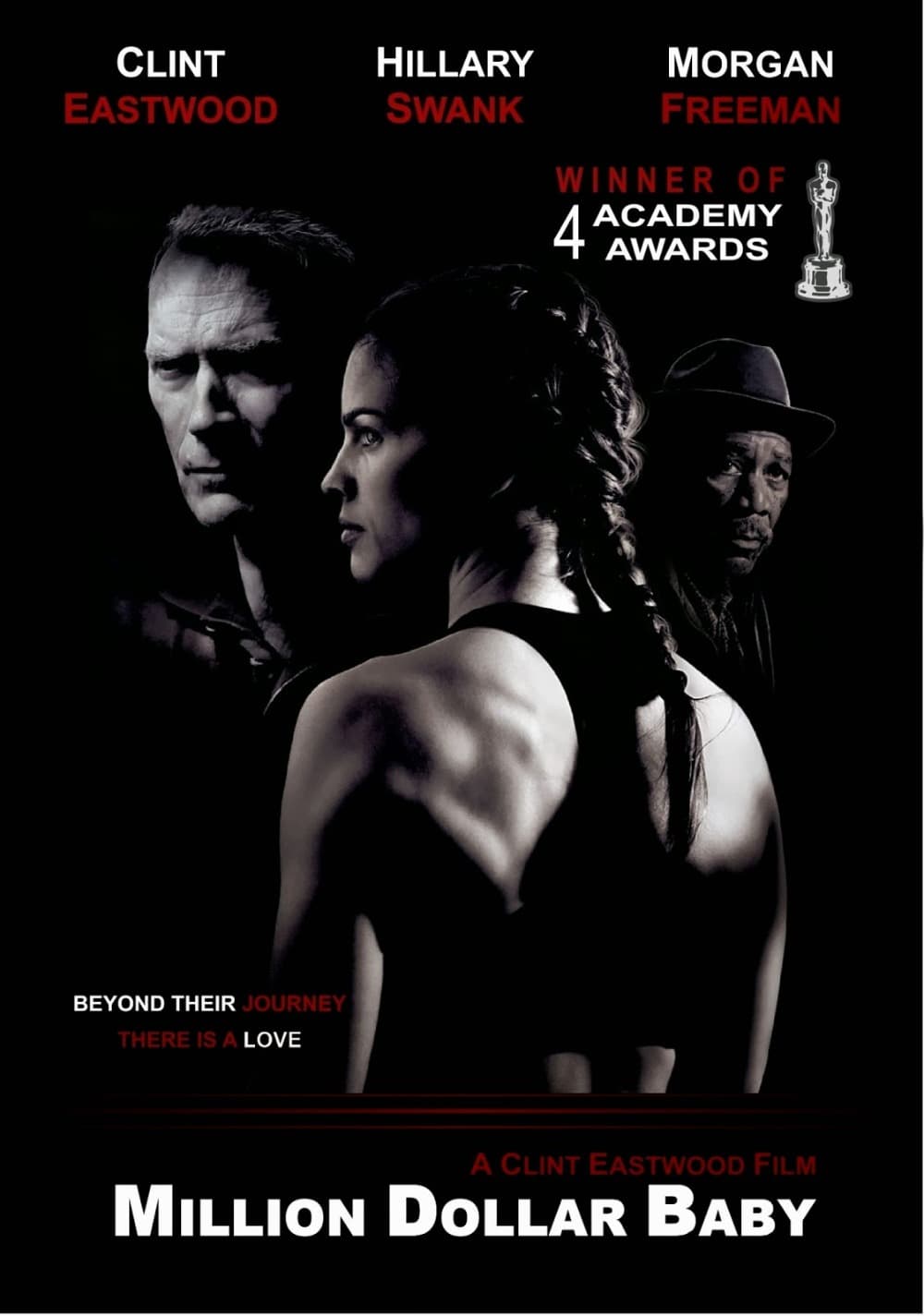
Eastwood spends an hour making you love a boxing underdog story and then does something else entirely: nothing in American film is tougher than where it ends up.
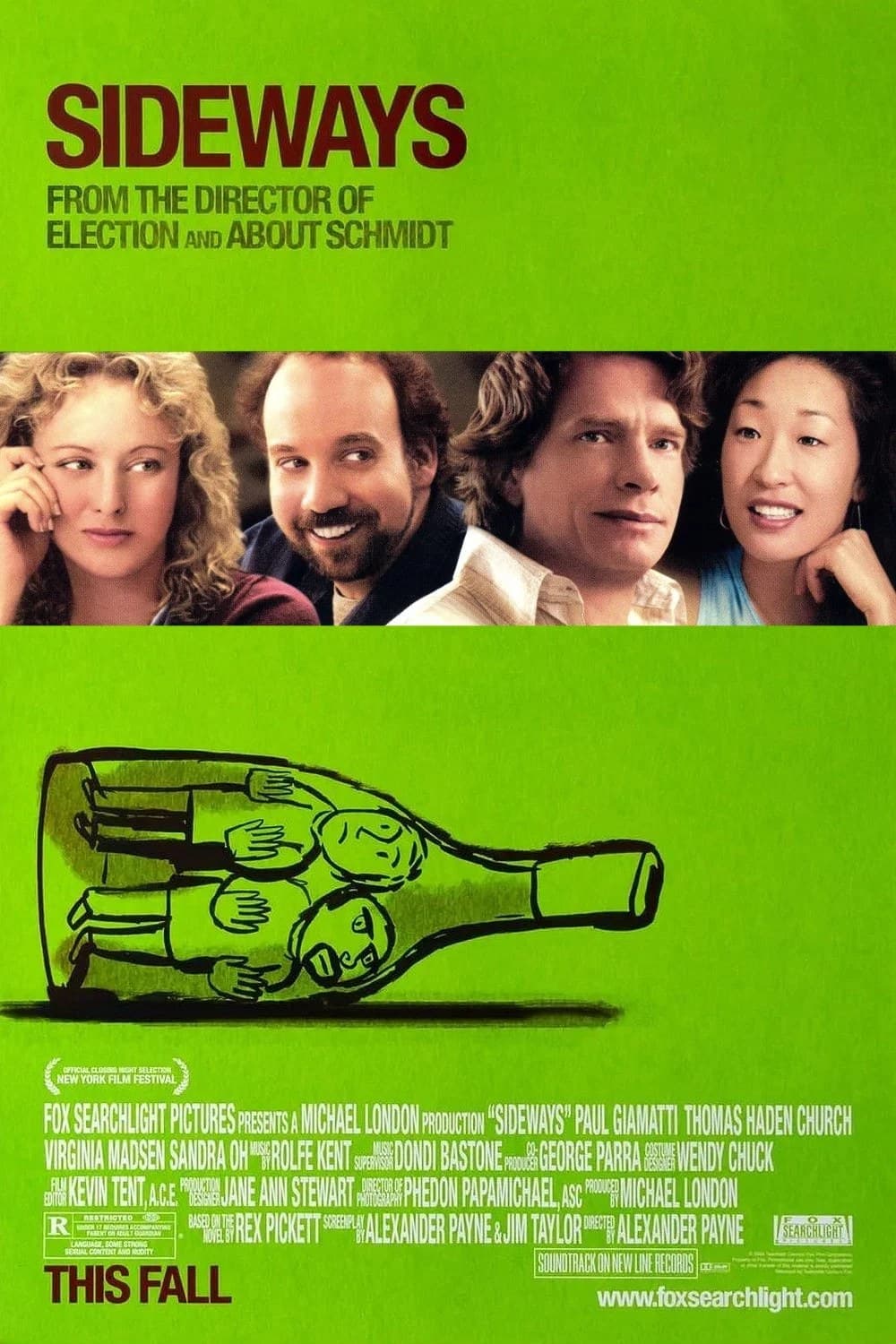
It measurably dented cheap merlot sales and sent pinot noir soaring: two middle-aged men drive through wine country, one about to be married and one unable to move on.
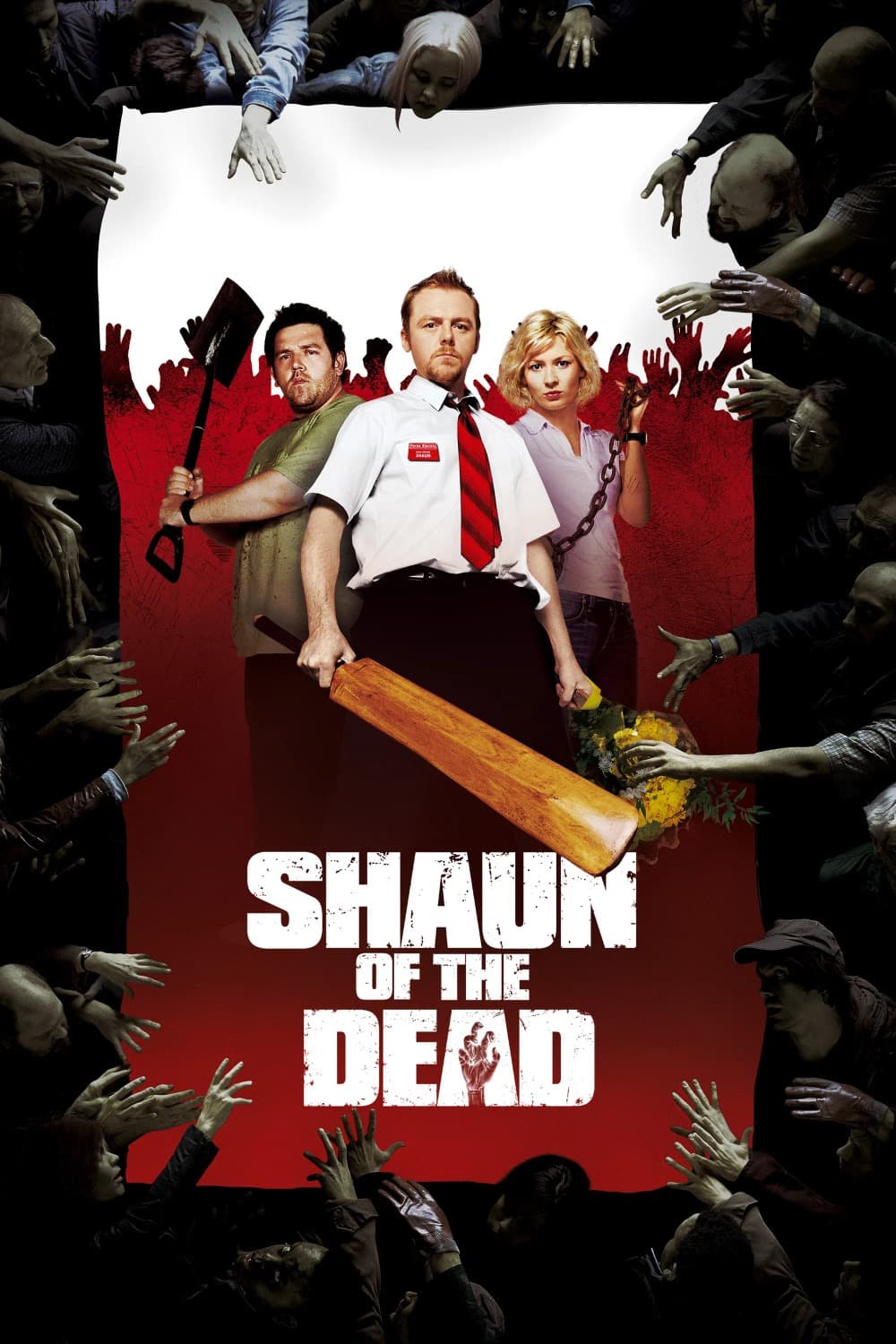
A zombie comedy that works as an actual zombie film: Wright plants every joke twice, so the second half pays off setups you laughed at an hour earlier without noticing they were setups.
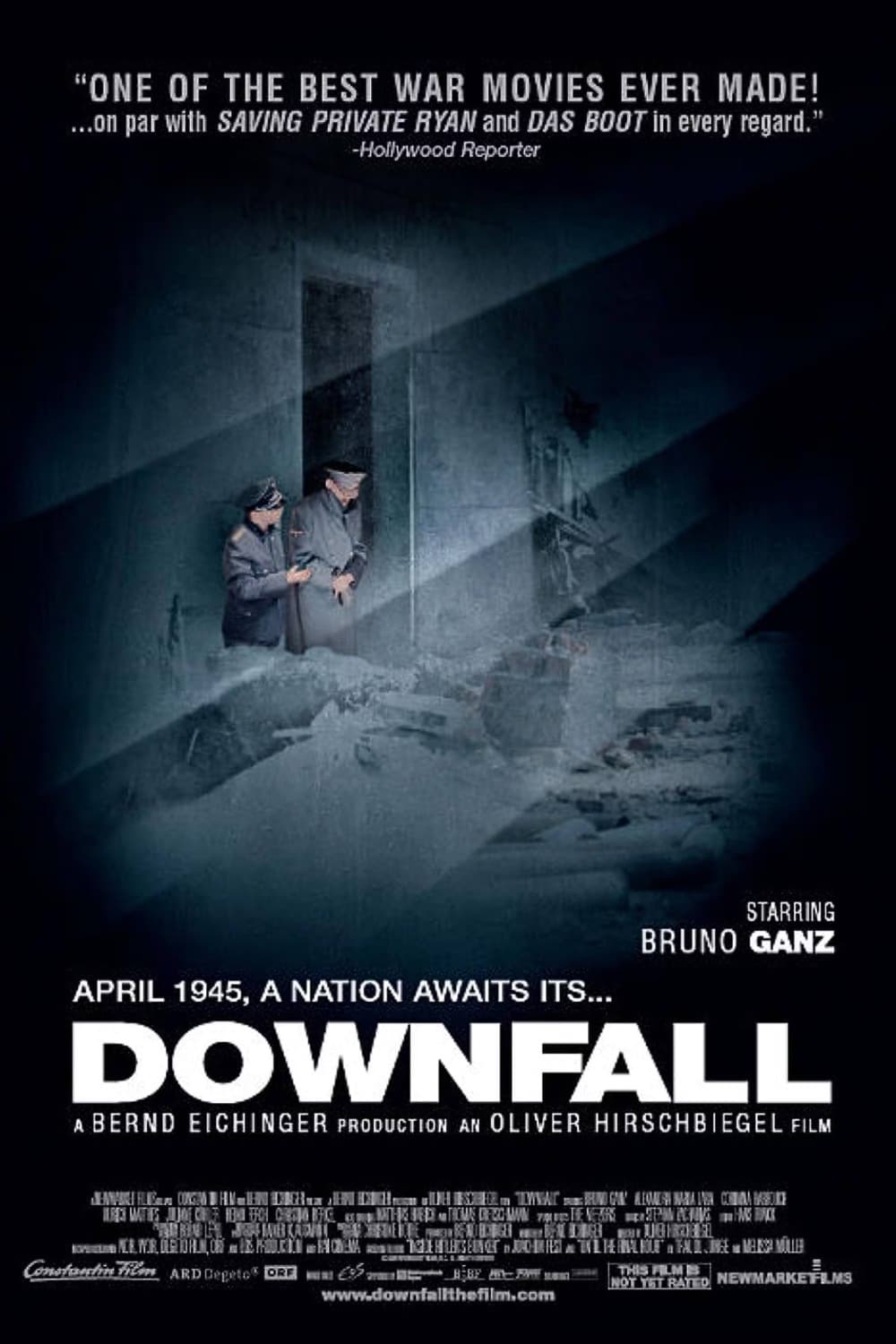
Bruno Ganz plays Hitler as a man rather than a symbol, and Germany argued about the film for a year: the last twelve days in the bunker, filmed without comment or consolation.
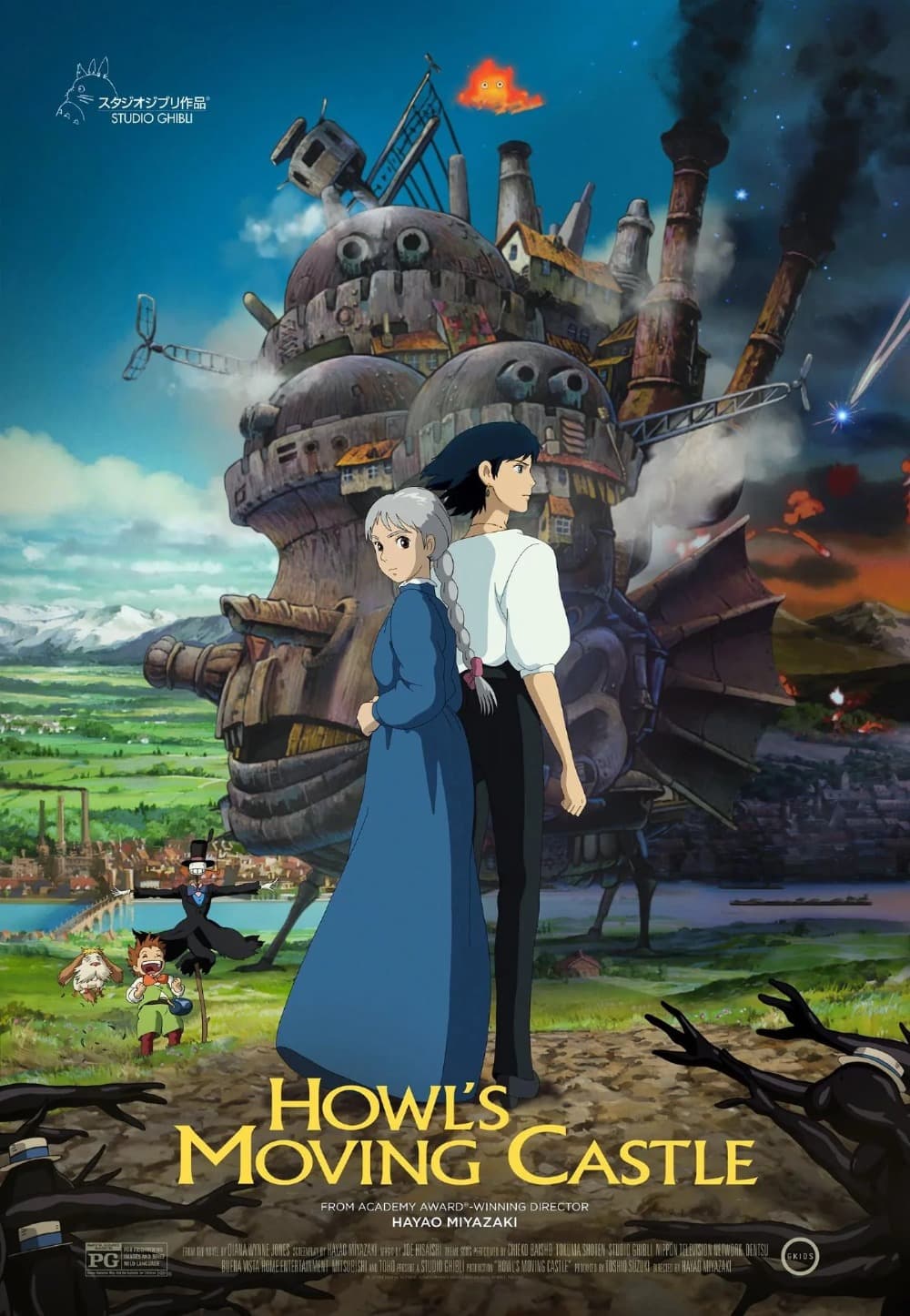
Miyazaki's most beautiful machine is a walking house held together by magic and bad temper: underneath the wonder is an angry anti-war film, made while he watched the invasion of Iraq.
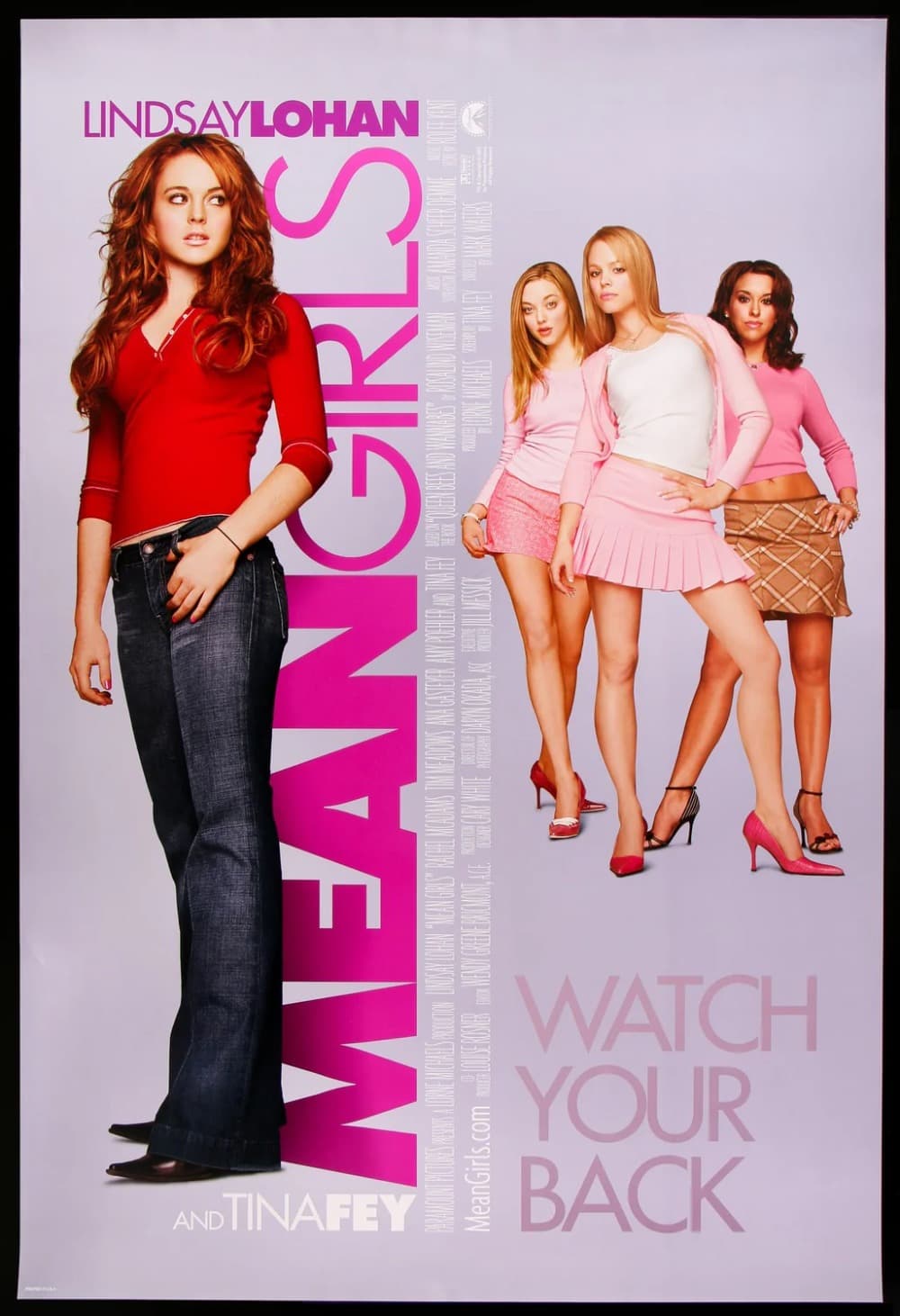
Tina Fey adapted a parenting book about teenage girls into the most quoted comedy of its decade: the anthropology is accurate, and the cruelty is presented as a system rather than a person.
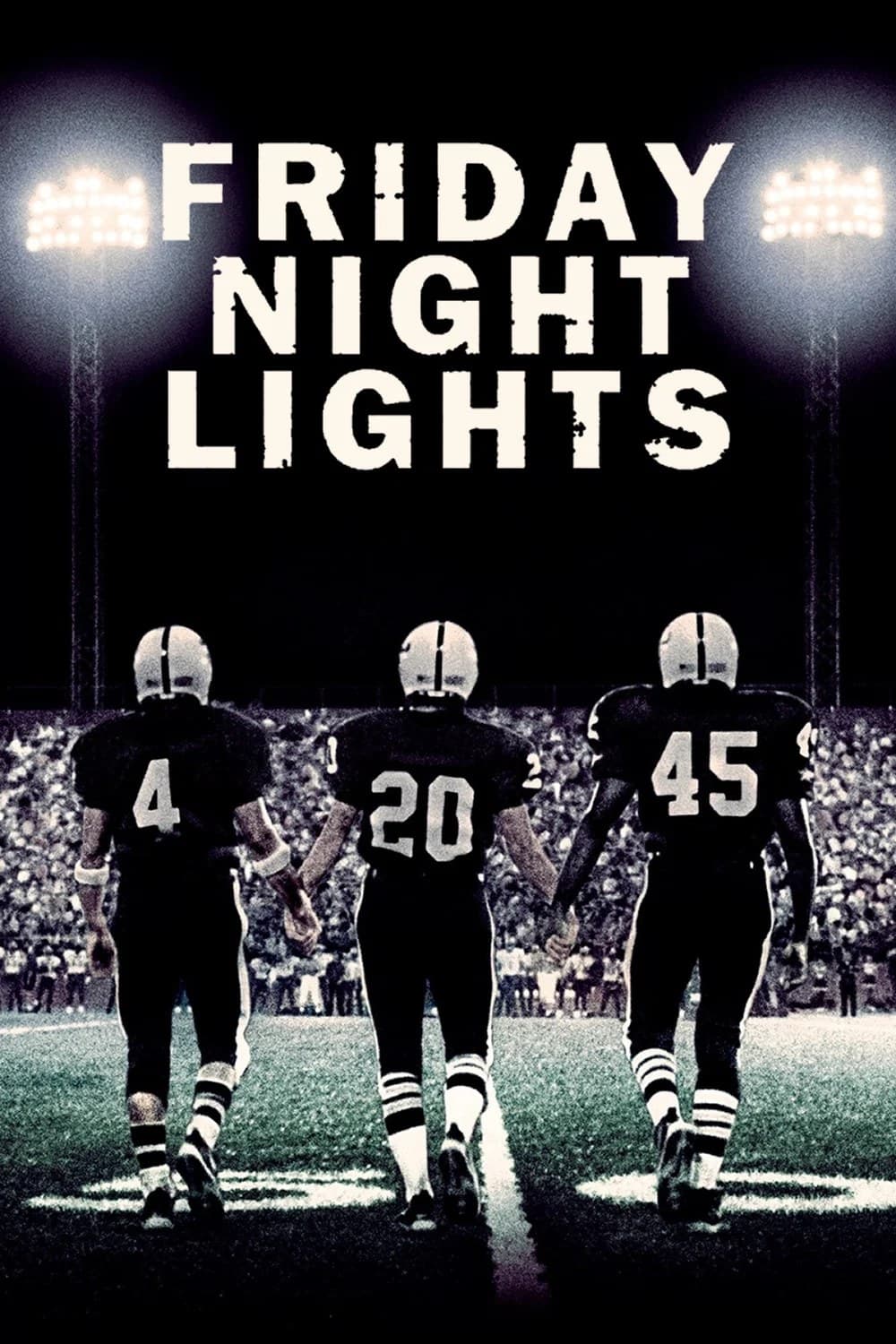
High-school football is the surface; the subject is a town with nothing else: Odessa, Texas in 1988, filmed handheld and close, where a losing season is a civic emergency.
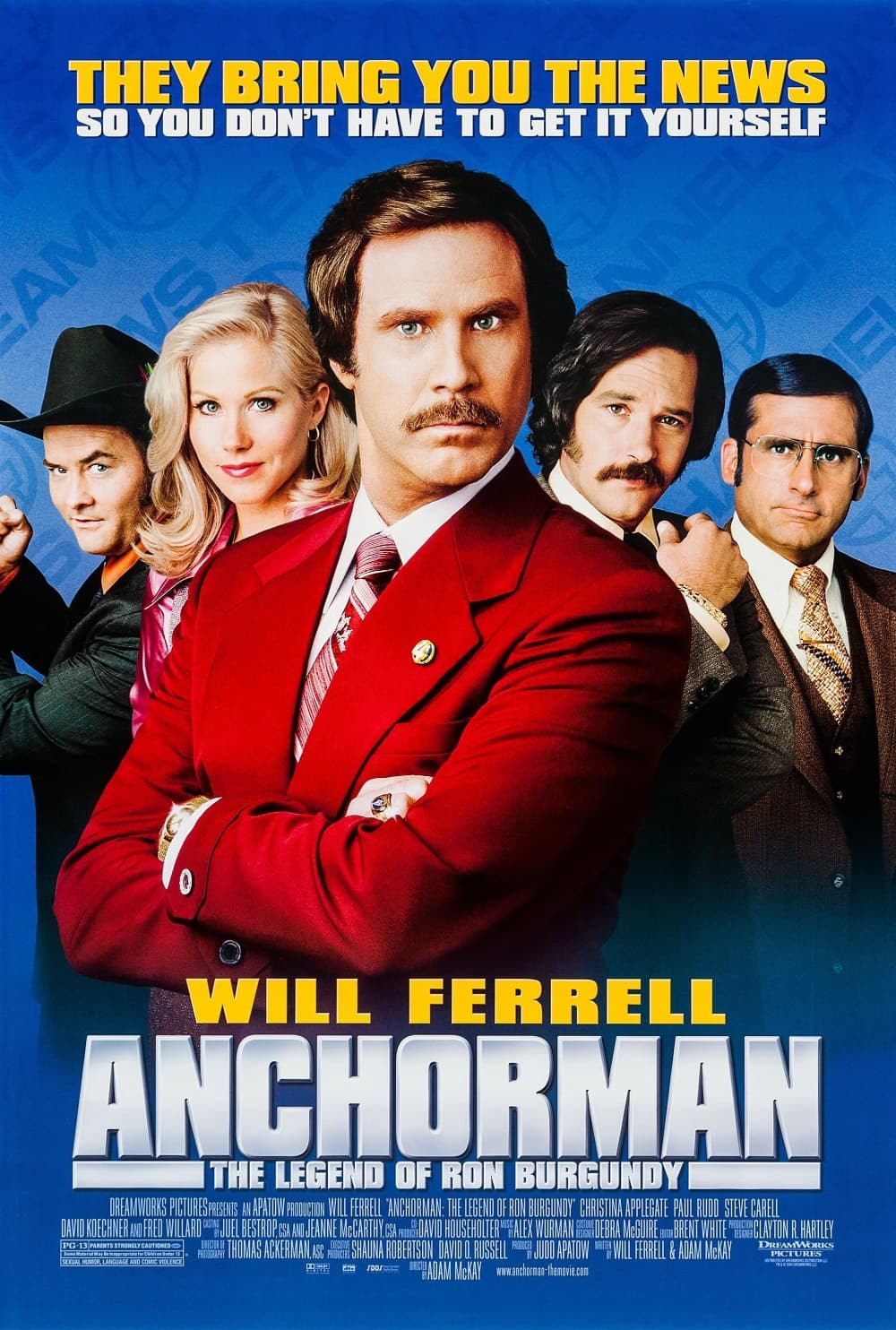
They shot so many alternate takes that the discarded material was assembled into a second feature: Will Ferrell and Adam McKay built a 1970s newsroom out of confident men saying stupid things.
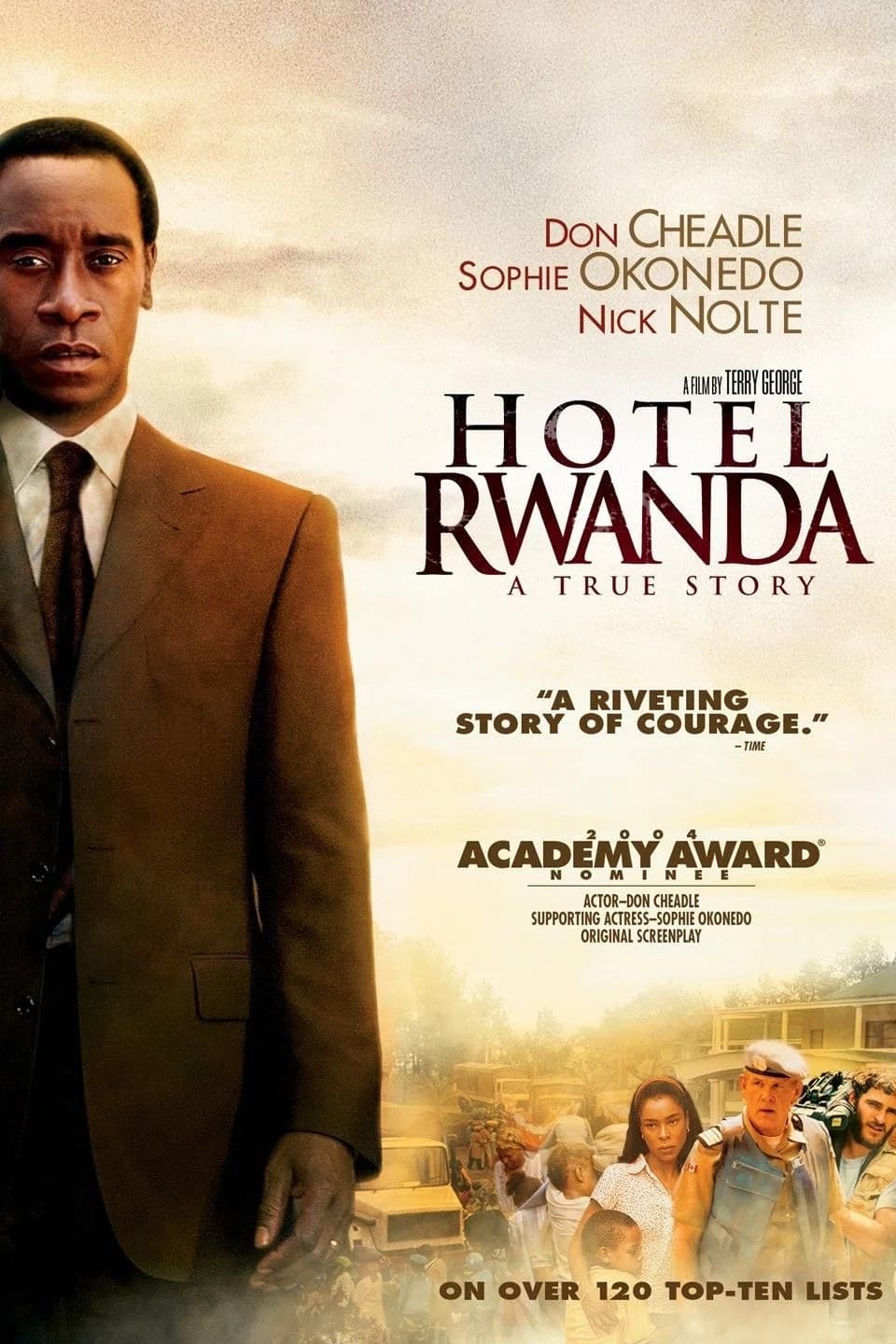
Don Cheadle plays a hotel manager who used bribes and telephone calls to shelter over a thousand people: the 1994 Rwandan genocide, seen mostly through the absence of anyone coming to help.
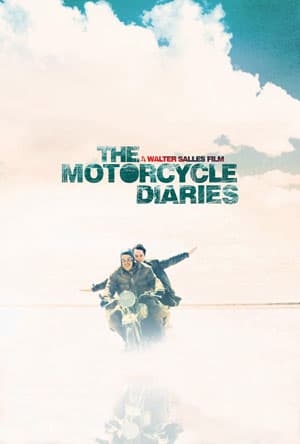
Before he was a poster, Ernesto Guevara was a medical student on a broken motorcycle: Walter Salles shot the actual route through South America, and the politics arrive as things seen.
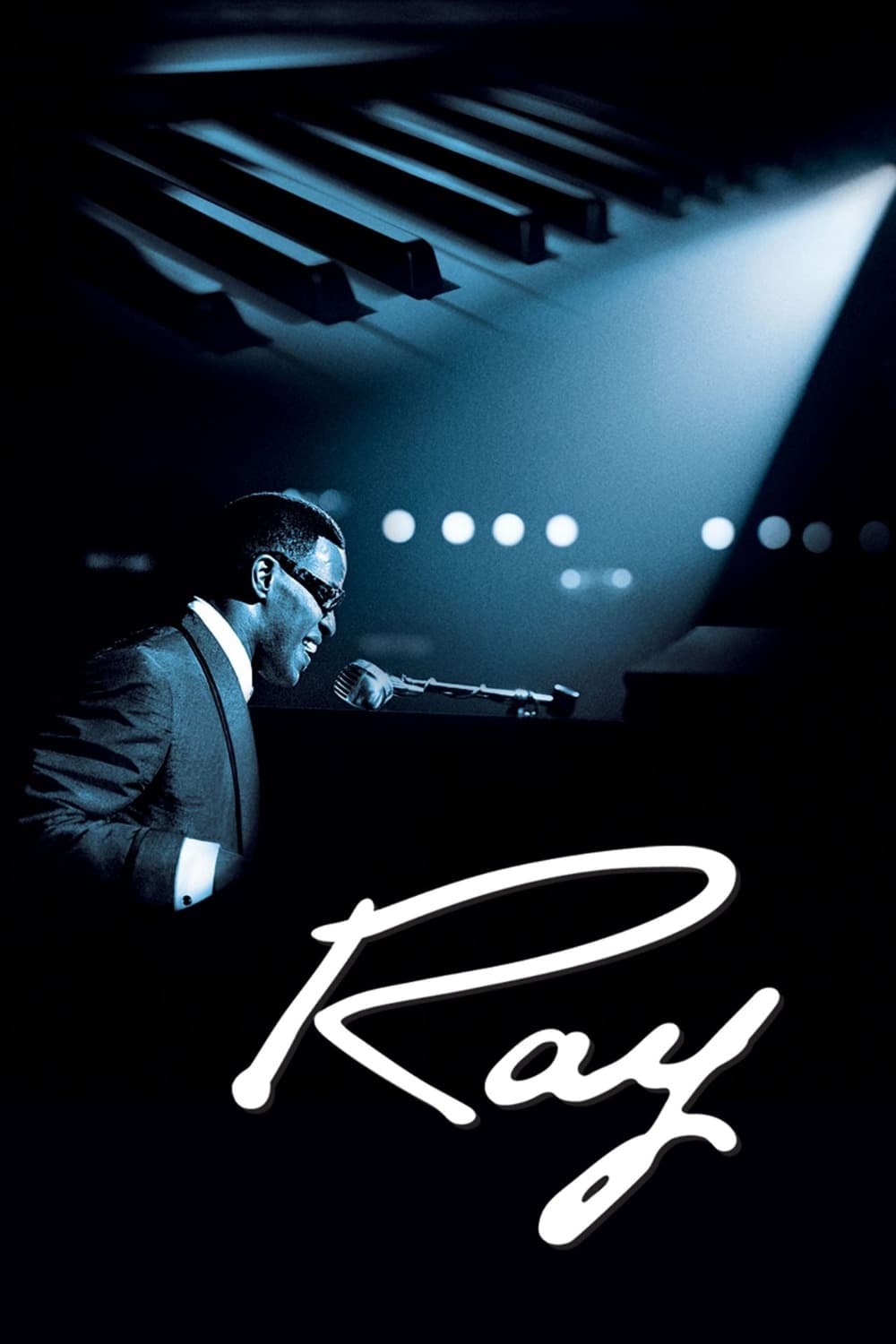
Jamie Foxx wore prosthetics that sealed his eyes shut for up to fourteen hours a day: Ray Charles approved the performance himself, then died months before the film opened.
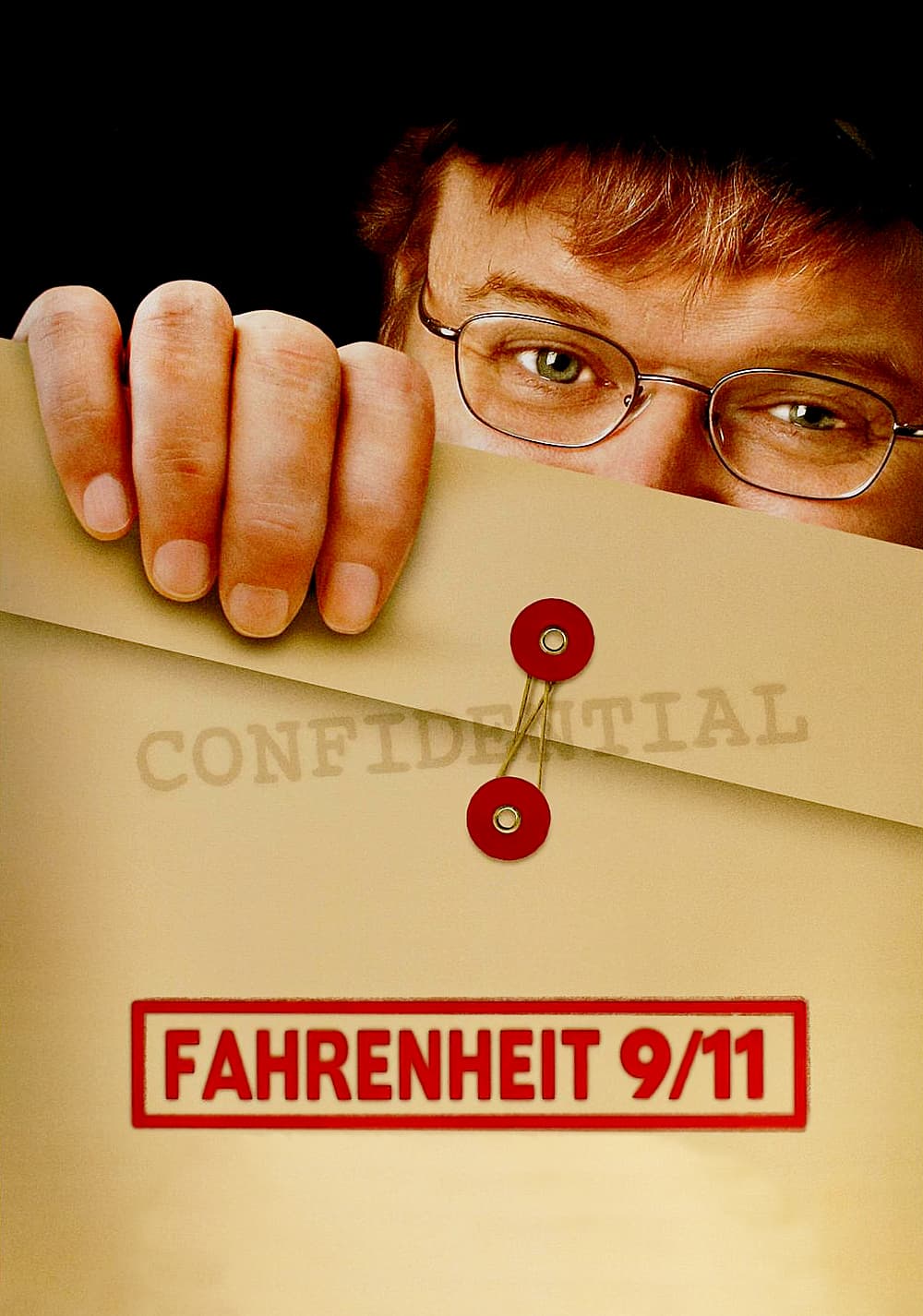
Disney refused to release it and it held the documentary box office record for five years: Michael Moore won at Cannes with an argument aimed squarely at an election five months away.
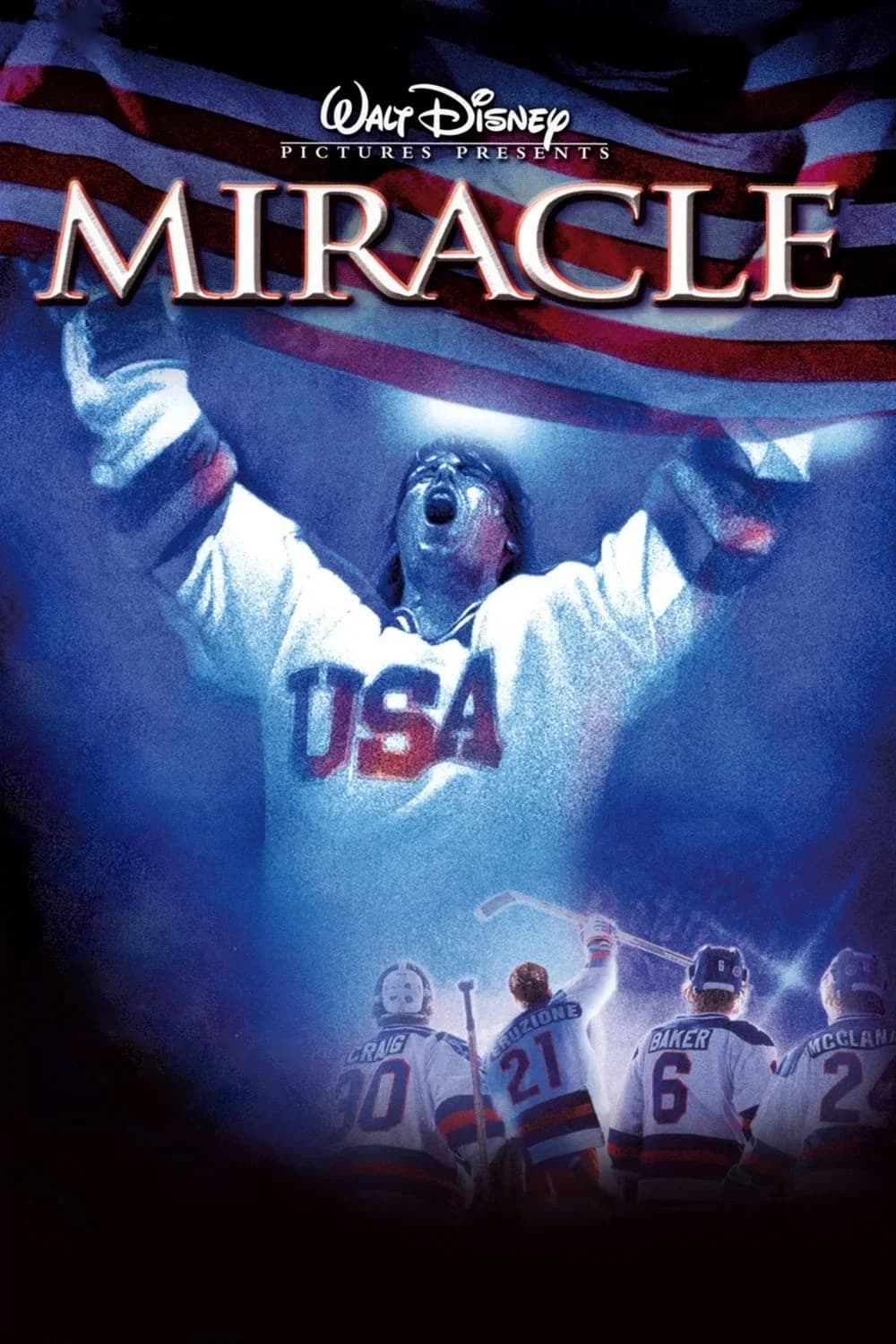
They cast hockey players and taught them to act rather than the reverse: Kurt Russell plays Herb Brooks skating his young Olympic squad into the ground before Lake Placid in 1980.
The puppetry is entirely straight-faced and never winks: Trey Parker and Matt Stone spent a fortune on marionettes so they could aim a Jerry Bruckheimer parody at absolutely everyone.
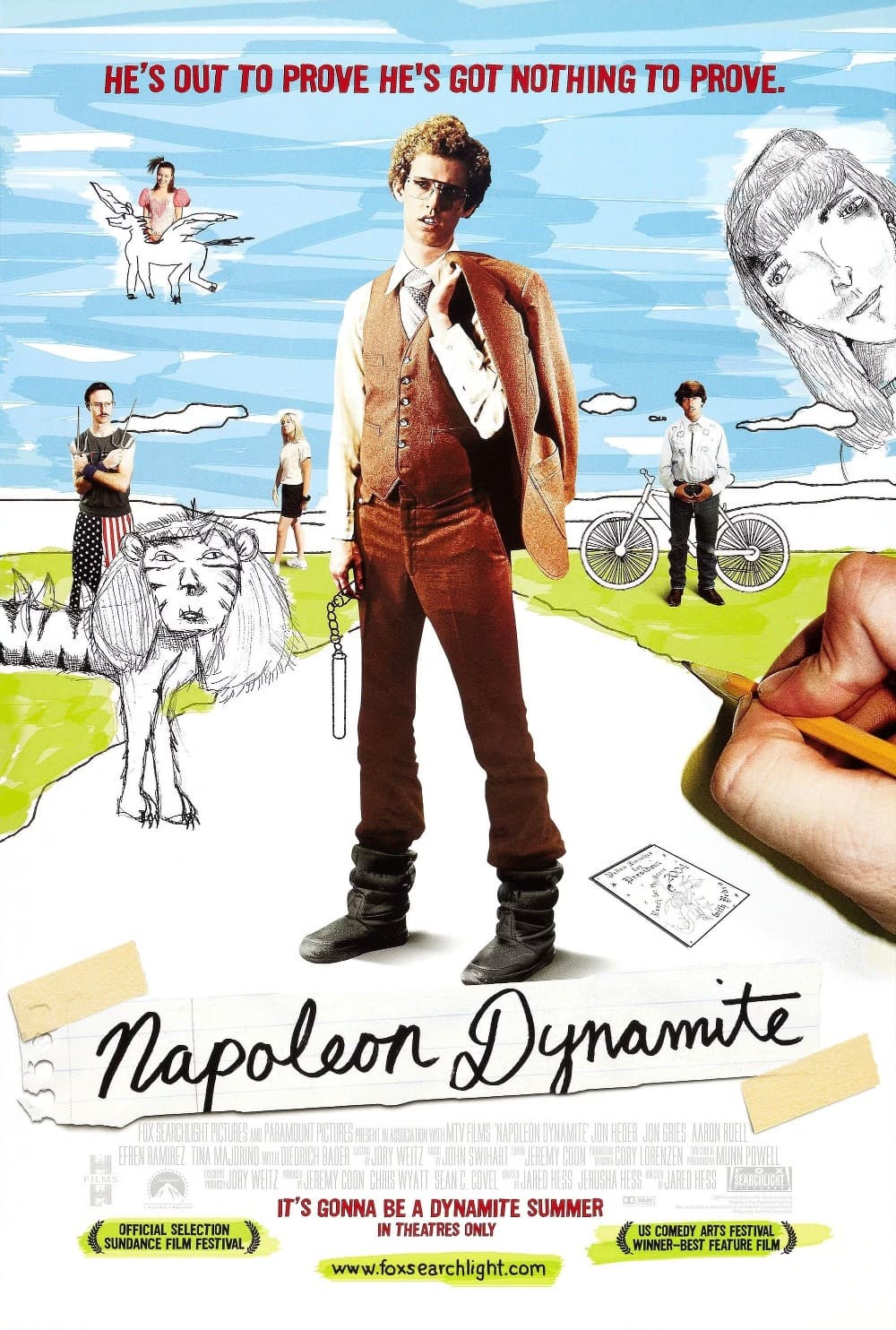
It cost under half a million and grossed a hundred times that: an Idaho teenager, his brother's internet girlfriend, and a deadpan rhythm nobody has successfully copied.