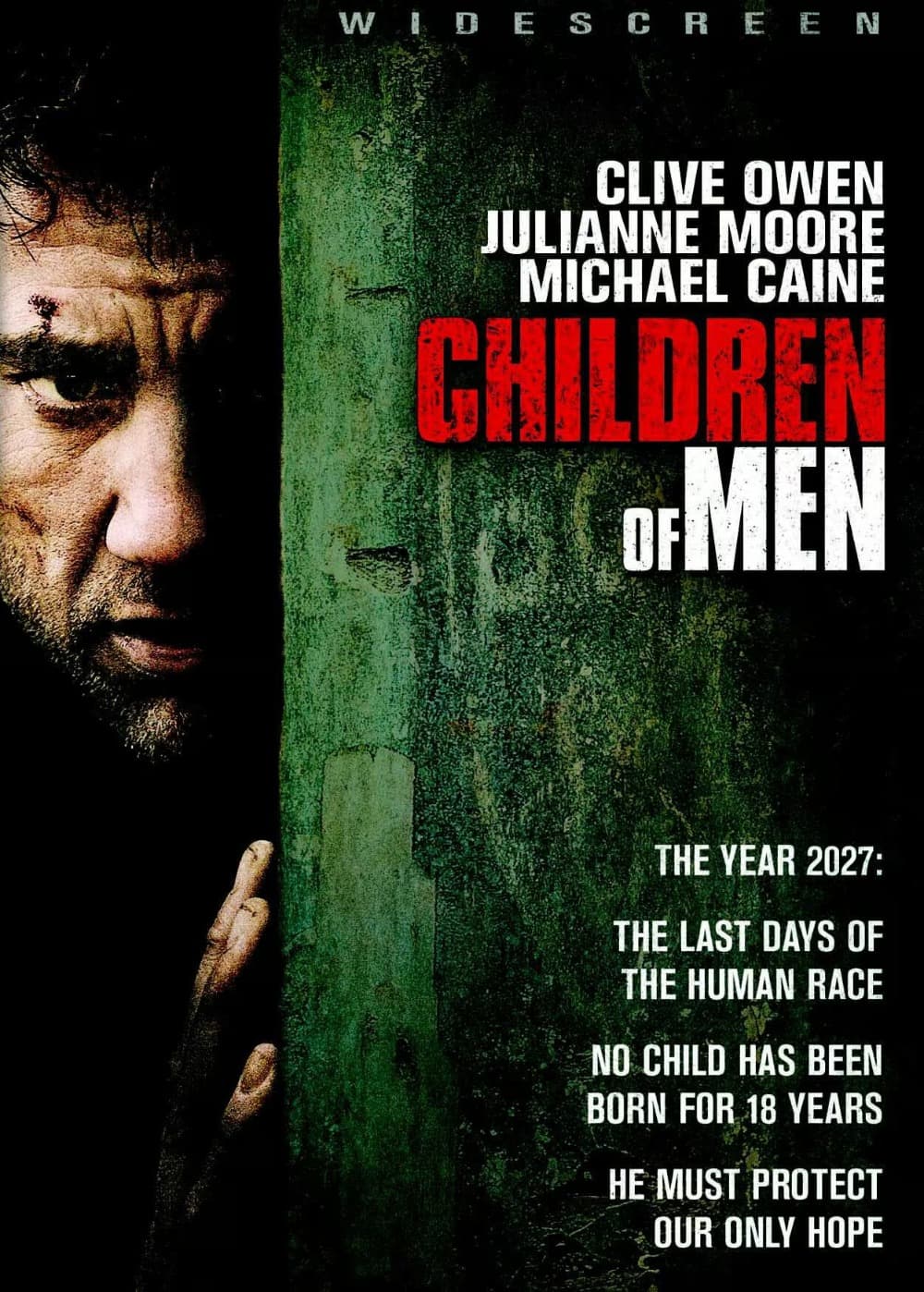
Children of Men
Directed by Alfonso Cuaron
2006
It looked like science fiction in 2006 and looks like the news now: Cuaron's roaming takes put you inside a collapsing Britain, and the ambush in the car is astonishing.
★ 8.7
 skopia
It looked like science fiction in 2006 and looks like the news now: Cuaron's roaming takes put you inside a collapsing Britain, and the ambush in the car is astonishing.

Del Toro put a child's fairy tale and Franco's Spain in the same film and refused to make either one safer: the creature with eyes in its hands follows people home.
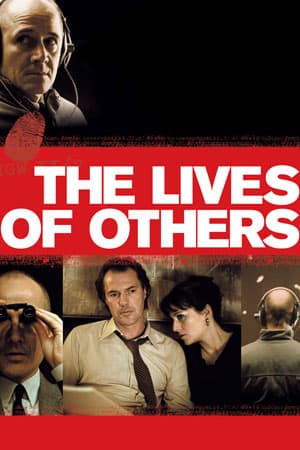
It made an entire country look at its own surveillance state: a Stasi officer listens in on a playwright's apartment, and the last line of the film lands like a blow.
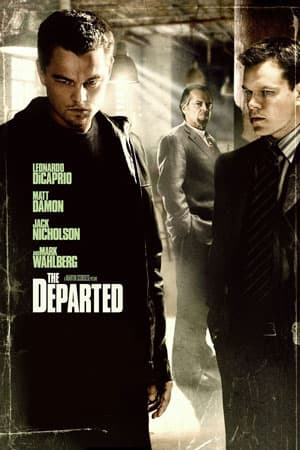
Scorsese remade a Hong Kong thriller and made it entirely his own: a cop inside the mob, a mobster inside the police, and a pitch that never once relaxes.
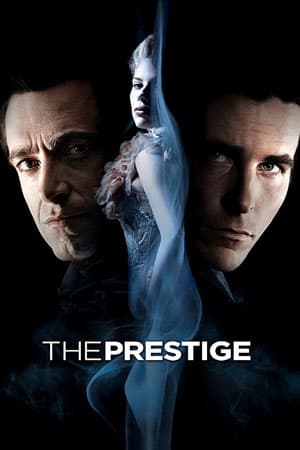
Nolan built a film about magicians the way a magician builds a trick, and tells you so in the first minute: two rivals destroy each other over one illusion.
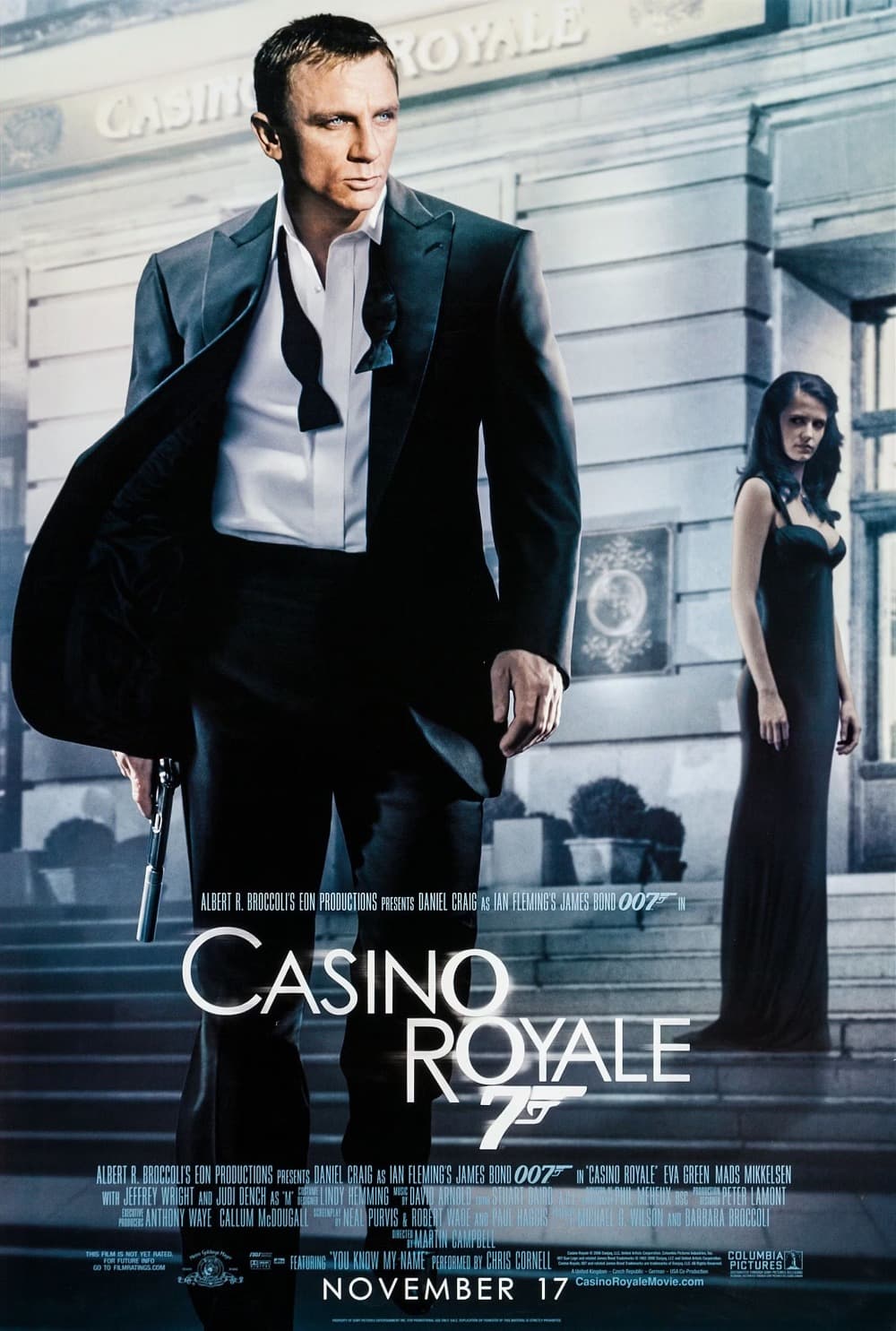
It stripped Bond back to a man who bleeds: the parkour chase in the opening twenty minutes told audiences immediately that the gadgets and the winking were gone.
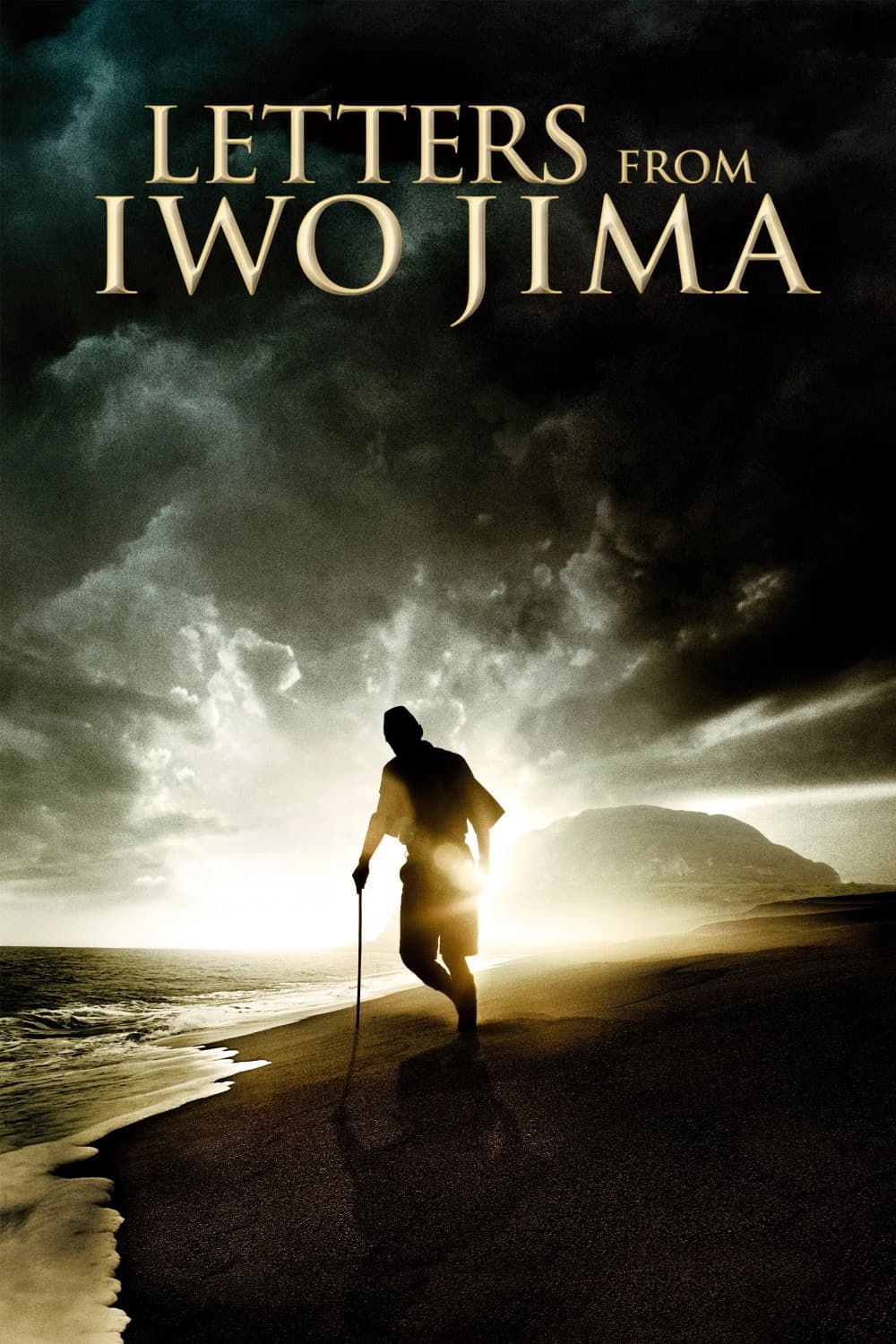
Eastwood made two films about the same battle, and the Japanese one is the better: shot almost entirely in Japanese, with a general nobody in America had heard of.
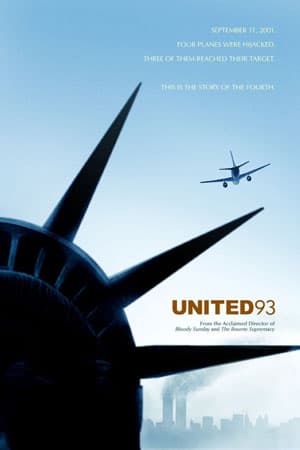
Greengrass cast real air-traffic controllers and military officers as themselves, and shot in real time: the least exploitative film about September 11 because it refuses every note of uplift.

Baron Cohen stayed in character in front of real Americans who had no idea, and they told him what they actually thought: the funniest film of its decade and the most uncomfortable.
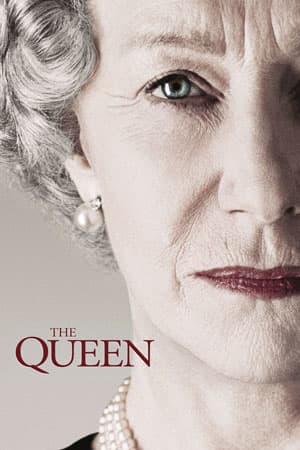
Helen Mirren plays a reigning monarch during the worst week of her reign and makes her sympathetic without softening her: the week after Diana died, reconstructed almost hour by hour.
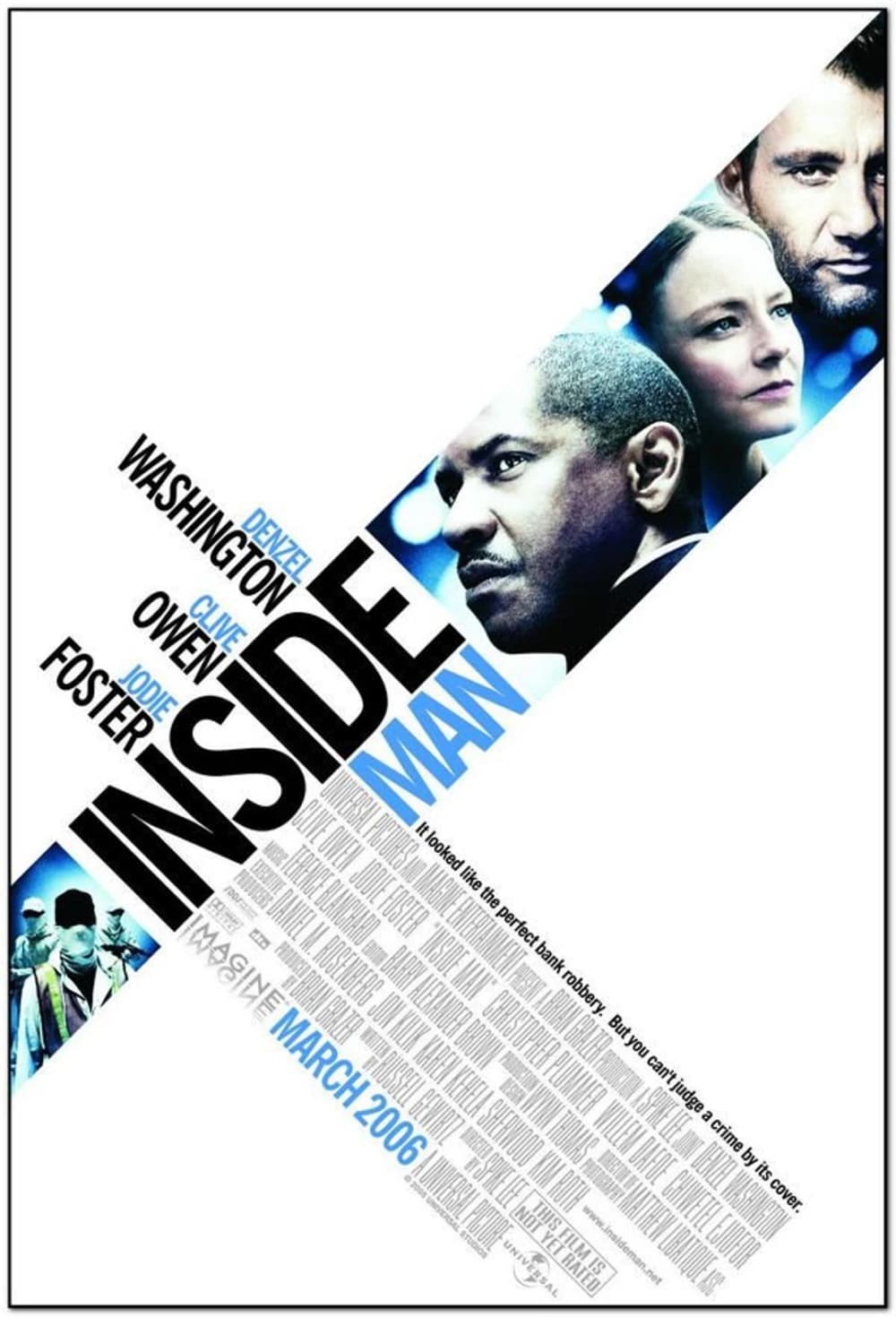
Spike Lee's biggest commercial hit is also his slyest: a rehearsed crew takes hostages inside a Wall Street bank, Denzel Washington negotiates, and Jodie Foster turns up representing somebody nobody can place.
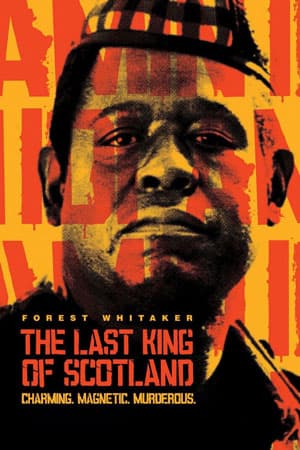
Forest Whitaker learned Swahili and studied Idi Amin's speeches for months: the film watches him through a young Scottish doctor who mistakes charisma for something safe to be near.