OK Computer
1997
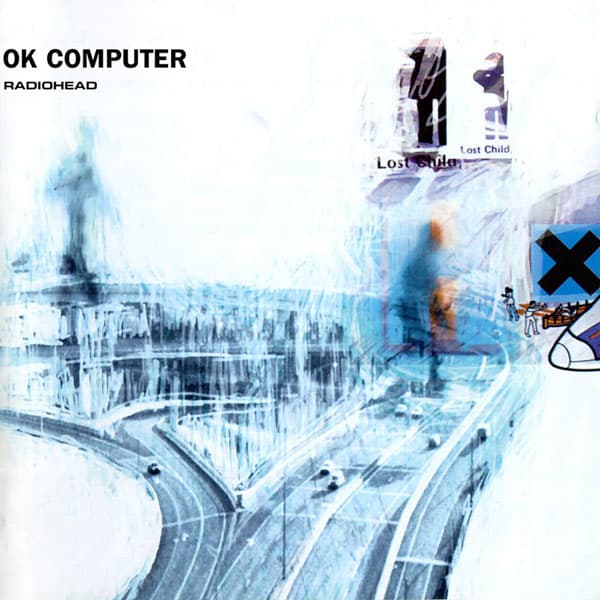
Recorded in a fifteenth-century mansion the band rented from an actress, with one track narrated entirely by the computer voice on a Macintosh.
★ 9.4
 skopia
Recorded in a fifteenth-century mansion the band rented from an actress, with one track narrated entirely by the computer voice on a Macintosh.

It came out sixteen days after Biggie was shot dead in Los Angeles, a double album he had finished and titled beforehand.
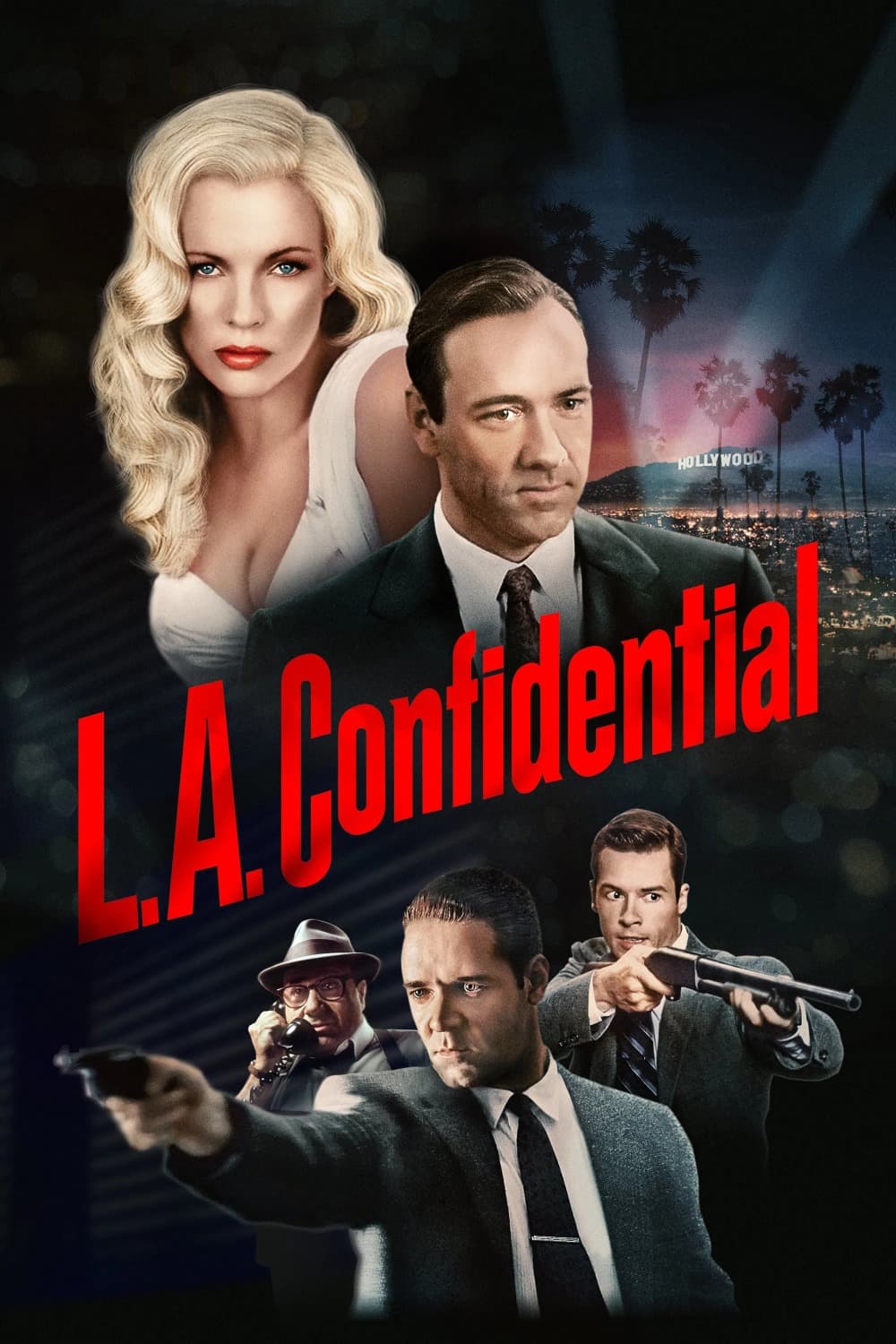
Modern film noir does not get better than this: three Los Angeles cops with nothing in common, and a plot so tightly wired people rewatch it to follow the connections.
Named for a tour joke about people behaving badly, with Greenwood's piano circling and a delay unit eating the ending.
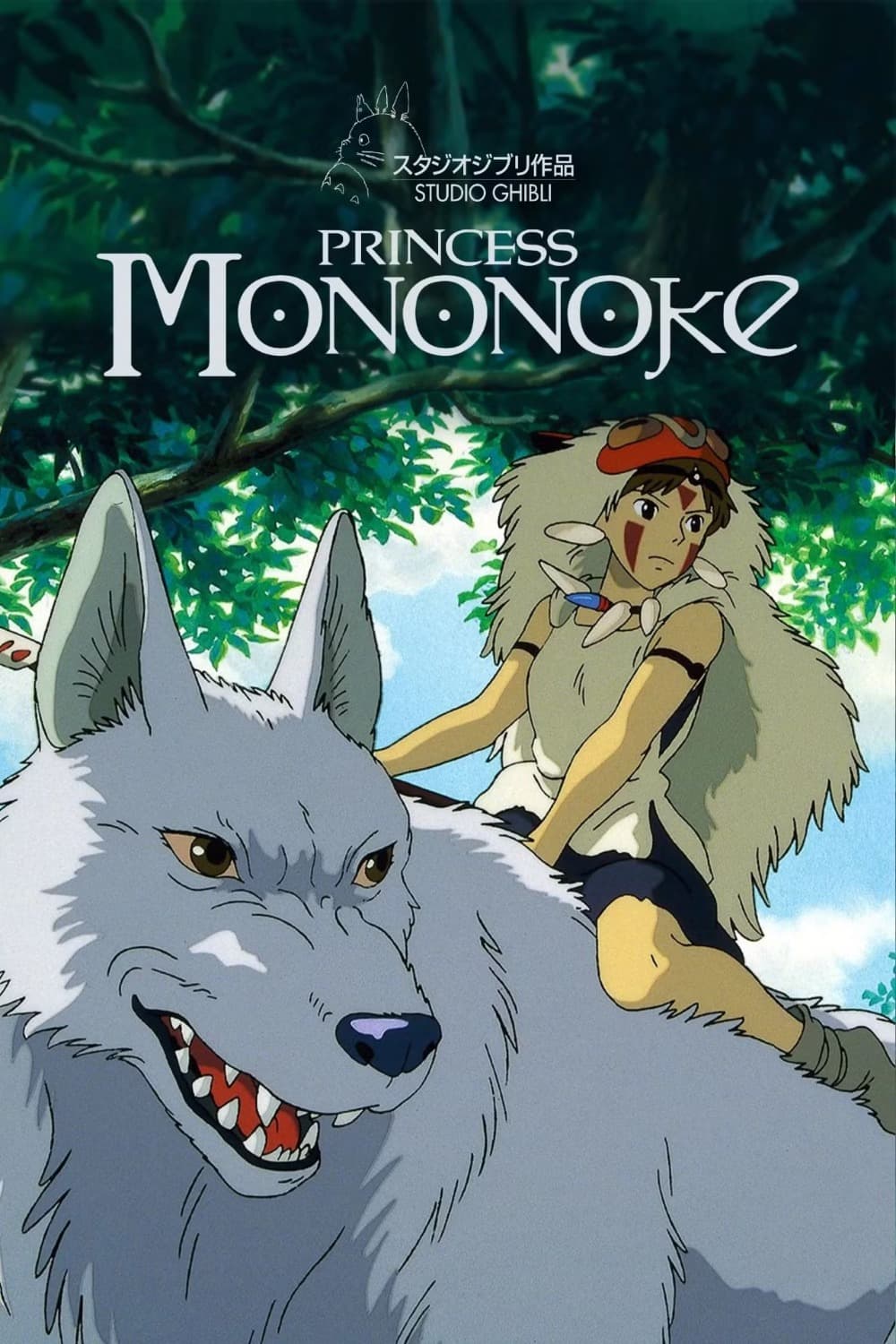
It held the Japanese box office record until Titanic arrived: Miyazaki staged a war between an iron town and the forest gods and refused to name a villain.
Built on an Andrew Oldham Orchestra recording of a Stones song; Jagger and Richards returned the credit in 2019.
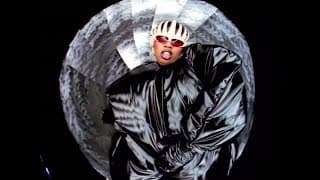
Timbaland flipped Ann Peebles into stuttering space, and Hype Williams shot Elliott in an inflated suit through a fisheye.
Four sections in six minutes, named for Douglas Adams's depressed robot, cut in a sixteenth-century manor near Bath.
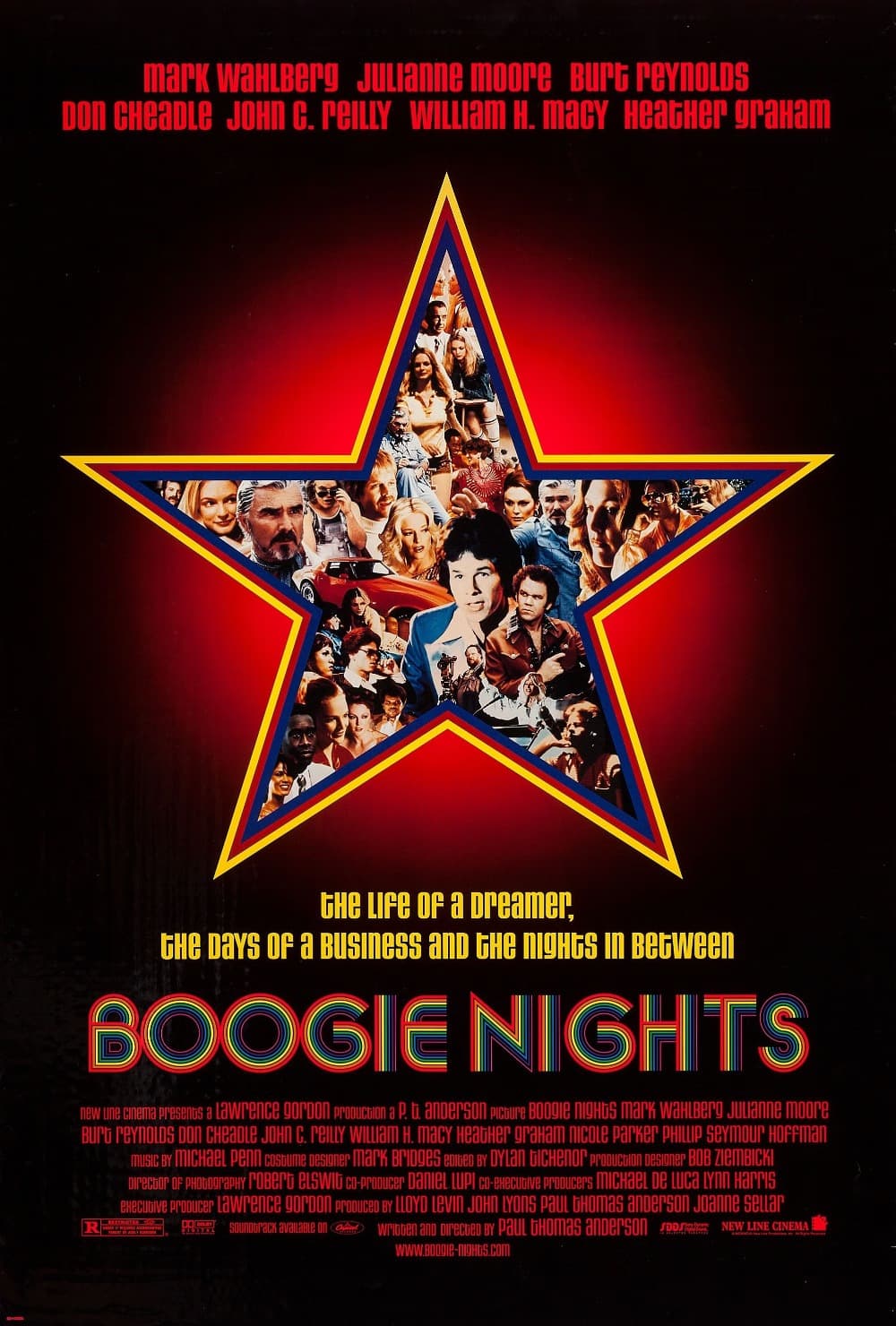
Anderson was twenty-seven and announced himself completely: a San Fernando Valley porn crew who treat each other like family, filmed with far more warmth than the subject suggests.
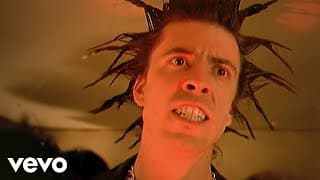
Drums by Grohl, Hawkins not yet in the band, and Louise Post's backing vocals sung down a phone from Chicago.
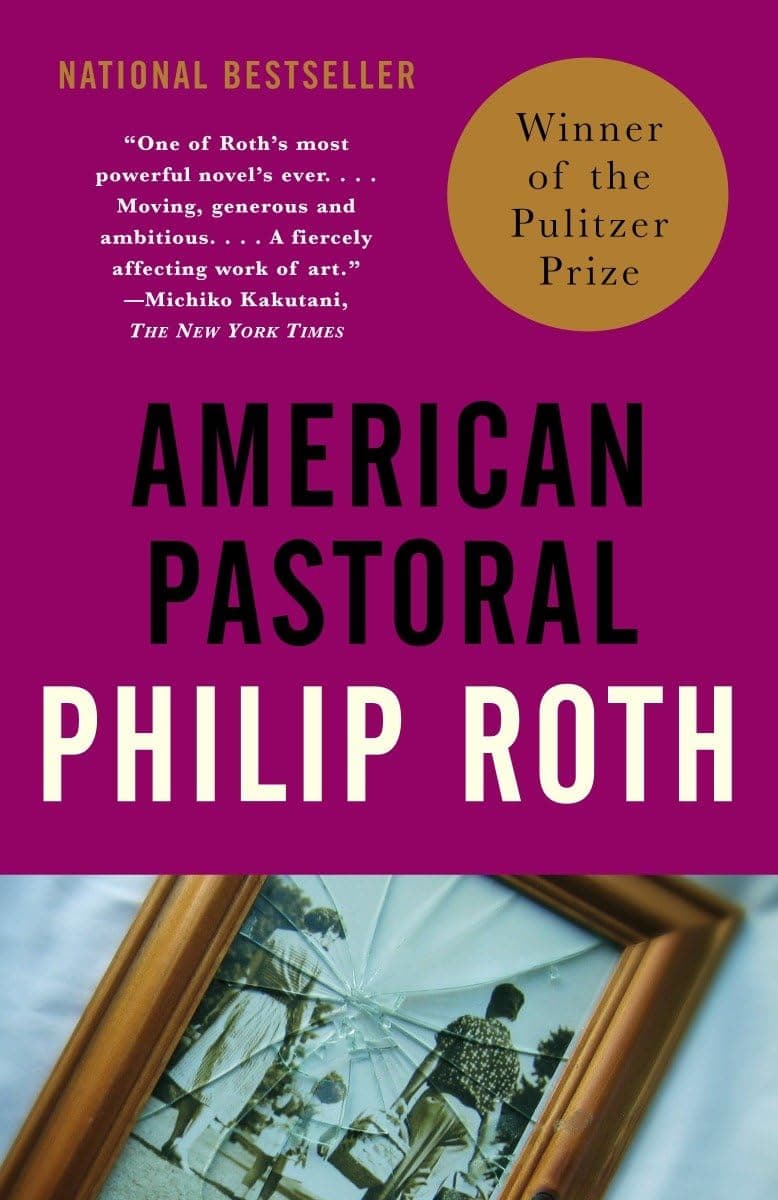
Seymour Levov has a glove factory, a beauty queen wife, and the whole postwar American promise, until his stuttering daughter plants a bomb in 1968. Roth takes a decent man apart.
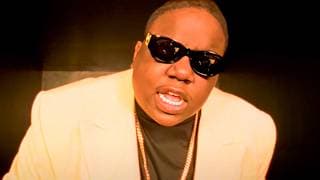
Herb Alpert's Rise looped into a strut, released five days before Wallace was killed, number one within weeks.
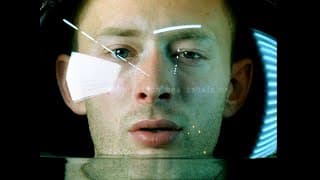
Radiohead cut version after version and kept the first take, glockenspiel and all, a lullaby about suburban despair.
One lyric repeated 144 times over a synth bassline, and Gondry's video giving each instrument its own dancers.
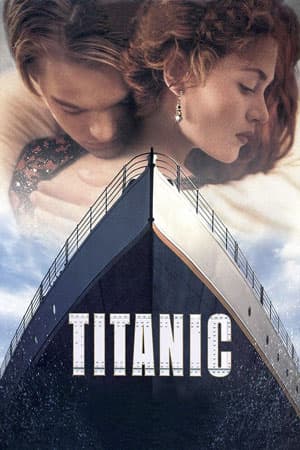
For twelve years no film made more money anywhere on earth: Cameron built the ship, sank it more or less in real time, and made a generation cry in public.
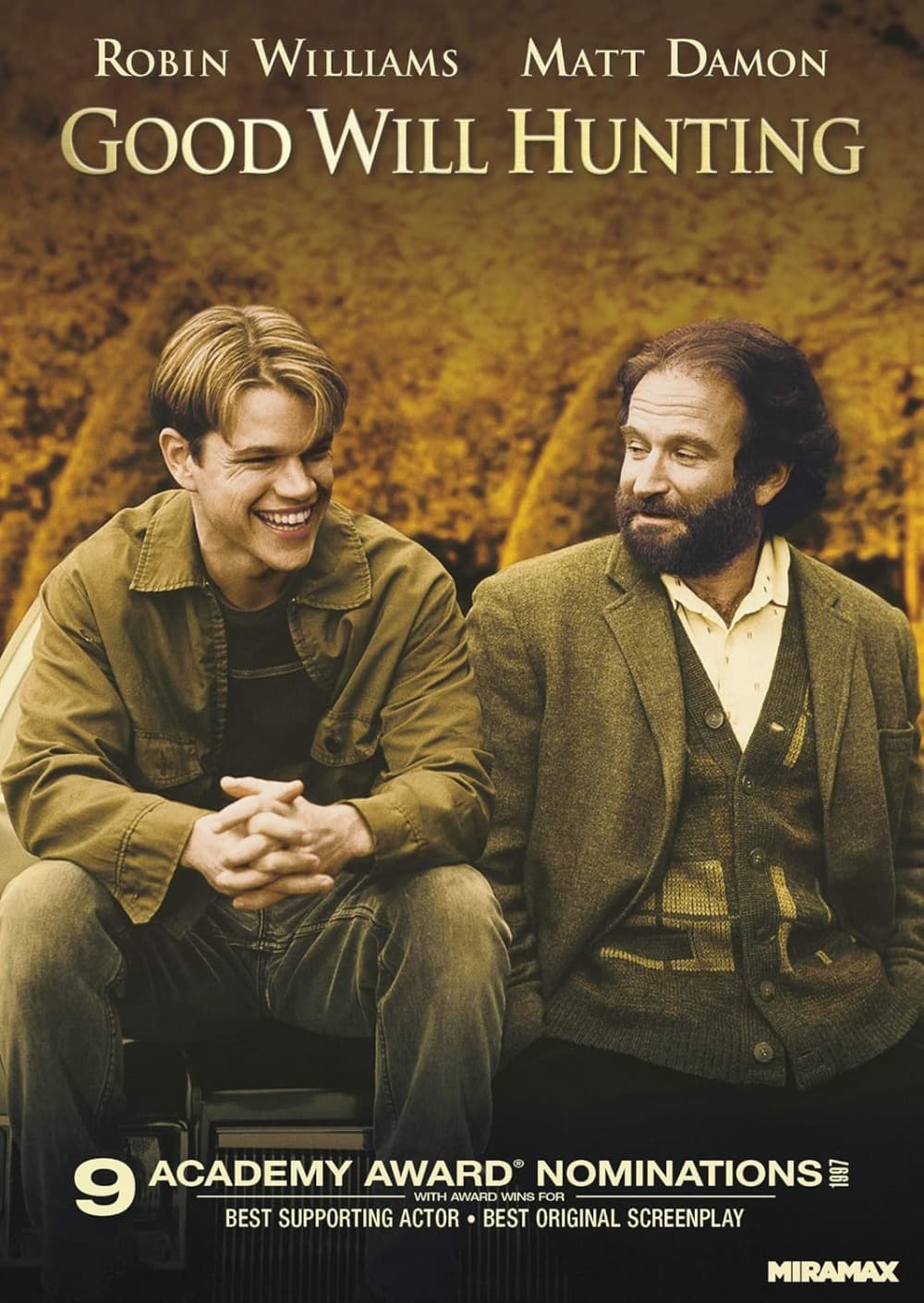
Two unknown actors in their twenties wrote it for themselves and it worked: a janitor at MIT can solve anything except himself, and Robin Williams sits opposite him.
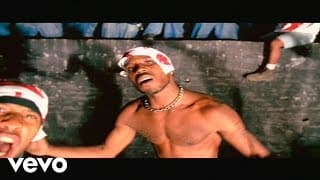
DMX turned the beat down for sounding too rock; his uncles talked him into it, and Swizz Beatz arrived.
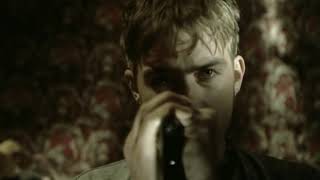
Two minutes and two seconds, track two, number two in Britain, and a whistle on the demo became that woo-hoo.
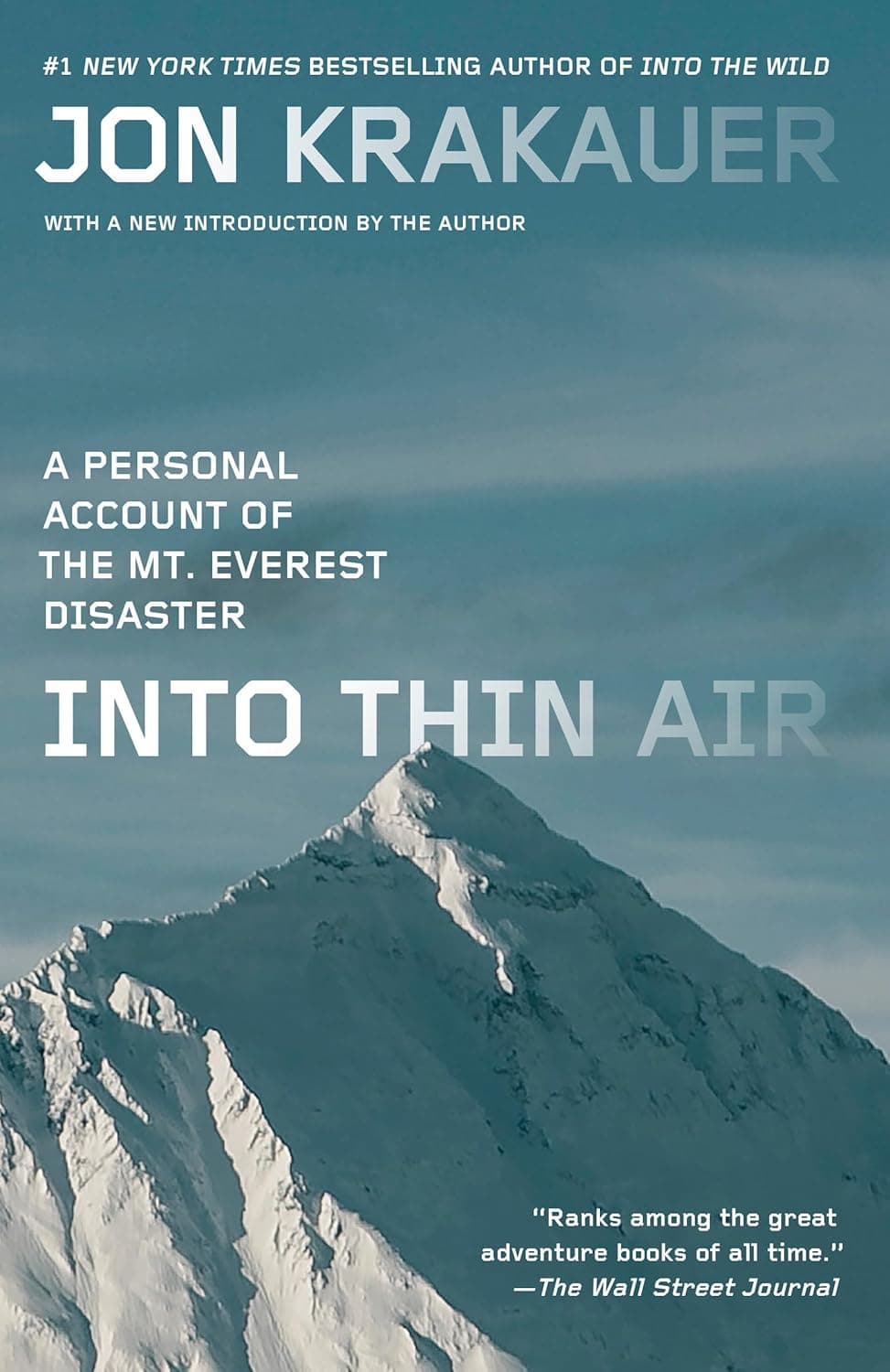
Krakauer climbed Everest on assignment for Outside magazine, summited on May 10, 1996, and came down through the storm that killed eight climbers. He is hardest on his own conduct.
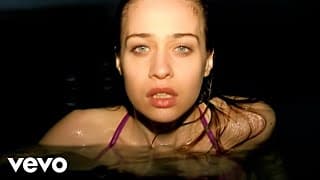
Apple wrote it in forty-five minutes to give the label its hit, then took a Grammy for the vocal.

A New Guinean politician asked why white people had so much cargo and his people so little. Diamond answers with barley, cattle, and smallpox, and historians have been writing rebuttals for a generation.

Twin brother and sister in Kerala watch their divorced mother fall in love with Velutha, a carpenter of the untouchable caste. Roy hands you the catastrophe first and then makes you understand it.

Dylan had not released an album of new songs in seven years, and recorded these in Miami with a dozen musicians playing at once.
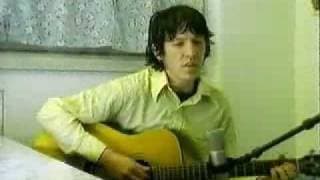
A lullaby melody hiding a song about alcohol, and one of three Either/Or tracks in Good Will Hunting.
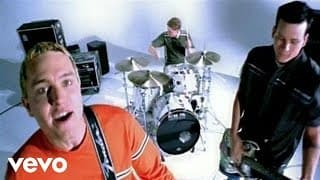
Hoppus turned bumping into an ex into four chords, a Trombino production, and pop punk's great shrug at adulthood.
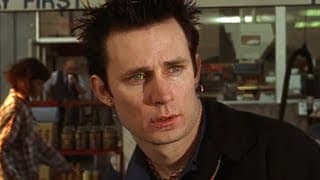
Armstrong wrote it in 1993 about a girlfriend leaving for Ecuador; Cavallo added the strings while the band played foosball.

Freedom from interference and freedom to become your true self are different things, the philosopher Isaiah Berlin warned, and tyrants prefer the second. His Tolstoy essay divides all thinkers into hedgehogs and foxes.

Letters arrive for the boy in the cupboard under the stairs: he is a wizard and Hogwarts wants him. Rowling built that school so completely that the series has sold 600 million copies.
Cameron resisted a pop song entirely, then kept Dion's demo vocal, one take, in the finished film.
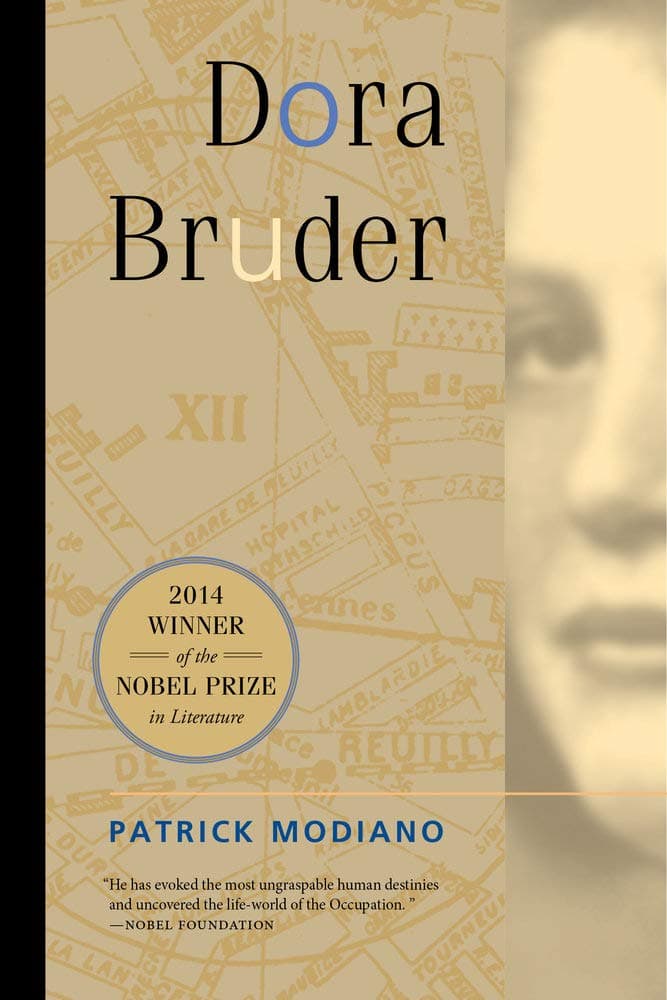
A missing-person notice from December 1941 sends Modiano into Paris archives after Dora Bruder, a Jewish fifteen-year-old who fled her convent school. He recovers her addresses and the date she was deported.
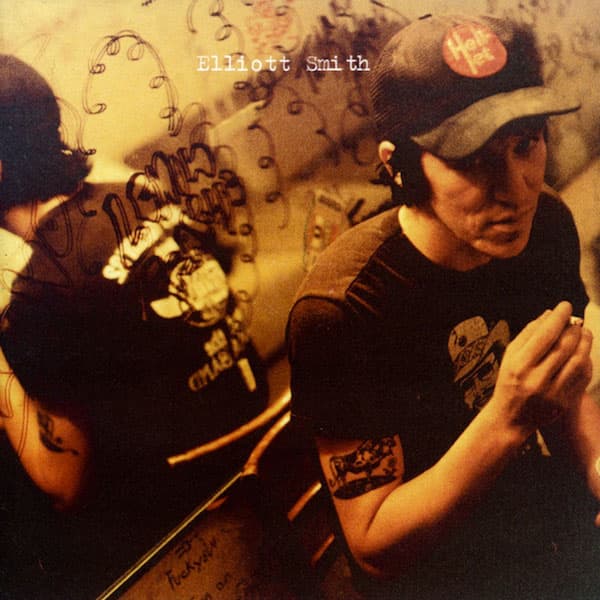
Smith doubles his own voice on almost every song, which is why it sounds like two people whispering the same thing slightly apart.
An answer song to "Walk on the Wild Side," mistaken for a summer hit; its real subject is addiction.
Seven weeks at number two in America and a straight-in number one in Britain, all from Dupri's Atlanta studio.
Puff Daddy shaping the hook, the Ummah programming the drums, Carey's third record to debut at number one.
An earlier version with different lyrics sat unreleased until Good Will Hunting sent Smith to the Oscars in white.

Reader runs from the first hominids to apartheid, showing how Africa's exhausted soils and its diseases kept a vast continent thinly peopled, then how the slave trade turned people into its chief export.
Written on guitar rather than piano, cut live in a bedroom on a few microphones, and unbearably calm.
Six minutes that drift, then lift; the track Rob plays in High Fidelity to sell five copies on the spot.
Mishra cut it in his bedroom on an Atari ST, sampling a 1932 muted trumpet, and topped the UK chart.
Taupin rewrote his Marilyn Monroe lyric for Diana, George Martin added strings hours after the funeral, and 33 million sold.
Knobody flipped a Brenda Russell record, Joe sang the hook, and Pun became the first solo Latin rapper certified platinum.
Made in a bedroom on borrowed equipment and never meant to be an album, just a run of tracks that kept getting finished.
An uncleared Police sample handed Sting the royalties; Faith Evans and 112 turned mourning into eleven weeks at number one.
Smith recorded Either/Or in Portland friends' houses and mixed this one himself, a parade watched through sour eyes.
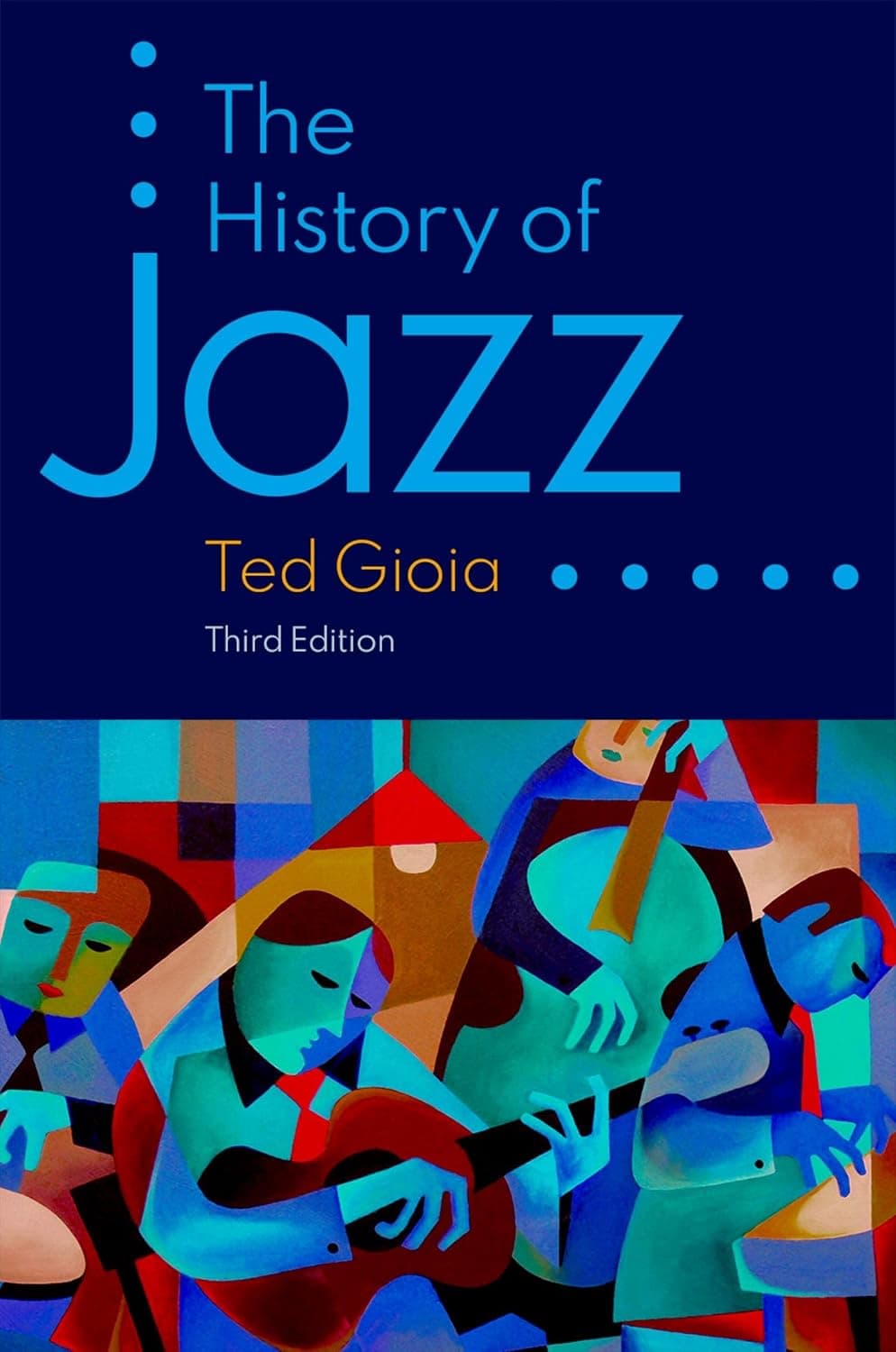
Gioia plays jazz piano and writes criticism, and both show in the single history worth owning, which runs from the New Orleans brass bands through bebop and Coltrane to what is played now.

A stroke left the editor of French Elle able to move one eyelid. Blinking while an assistant recited the alphabet, Bauby composed a memoir of appetite, his children, and the body holding him.
Eight weeks at number one in Canada, a Grammy for Best Female Pop Vocal, and Marchand's production glowing underneath.
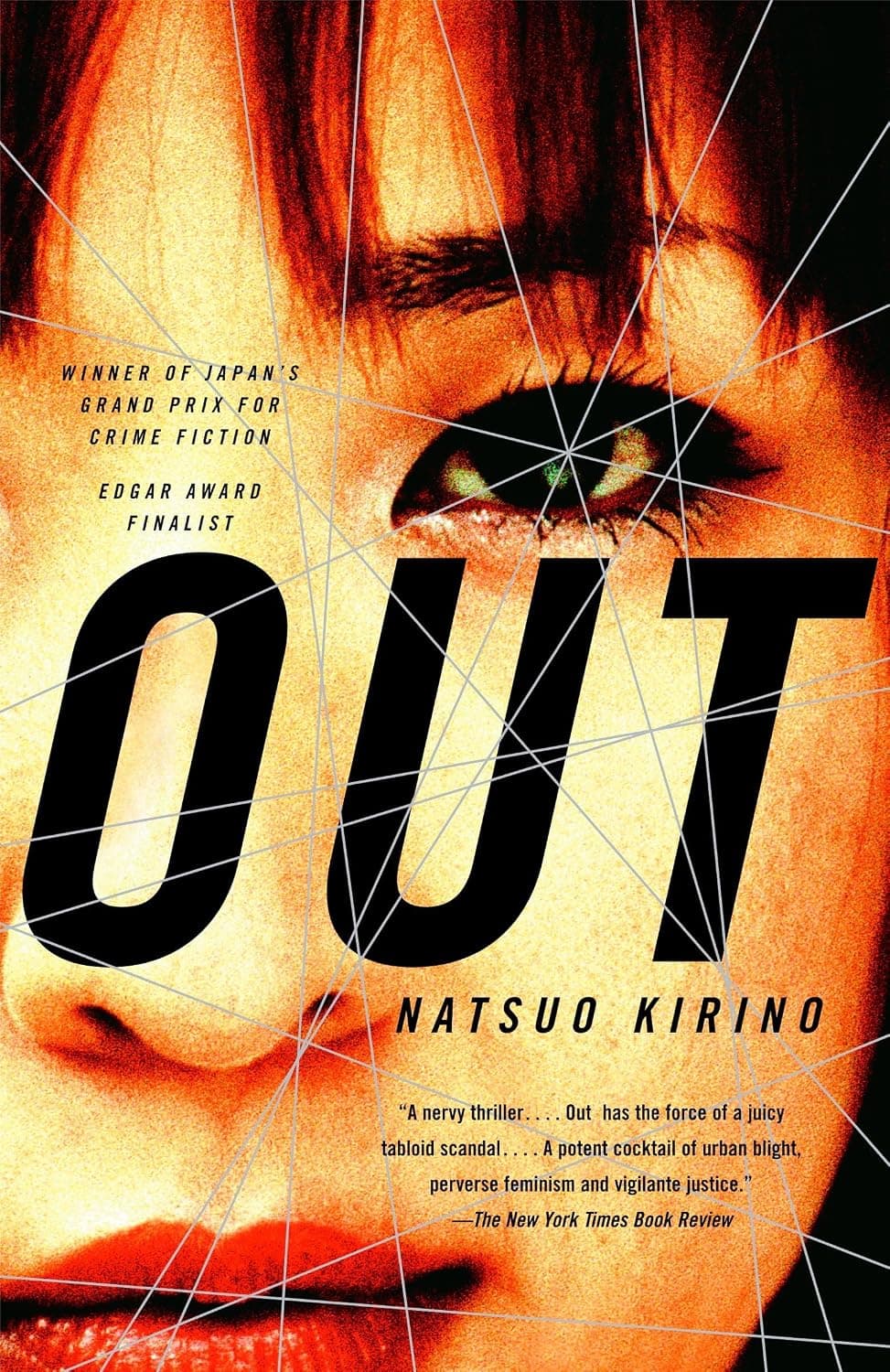
Four women pack boxed lunches on a Tokyo night shift. One strangles her husband, the others take the body apart, and the invisibility that shrank their lives turns out to protect them.
Jakob Dylan wrote it at a Los Angeles kitchen table, then watched it top all three Billboard rock airplay charts.
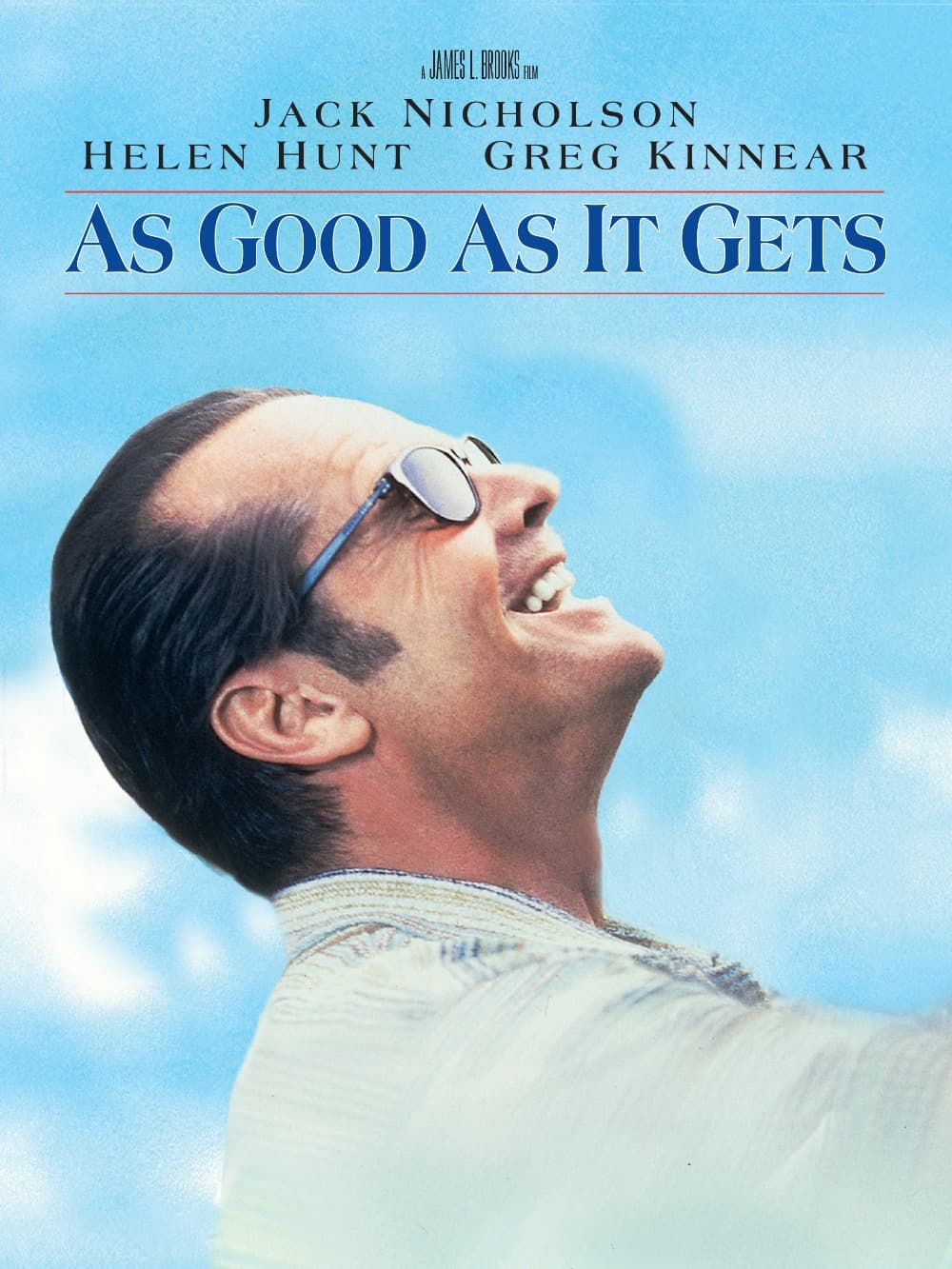
Jack Nicholson and Helen Hunt both won Academy Awards for a romantic comedy, which almost never happens: he plays a novelist nobody can stand, and the film does not soften him much.
Denniz Pop and Max Martin cut it at Cheiron in Stockholm, and Joseph Kahn's haunted-mansion video did the rest.
Fifty-two weeks on the Hot 100 for a breakup song that began with Cadogan picking up an autoharp.
Four in the morning, under an hour of writing, and a fifteen-week grip on the Modern Rock chart.

Cash tells it in his own voice: picking cotton in Dyess, Arkansas, the brother a saw killed at fifteen, the amphetamine decades, and the night he crawled into Nickajack Cave to die.
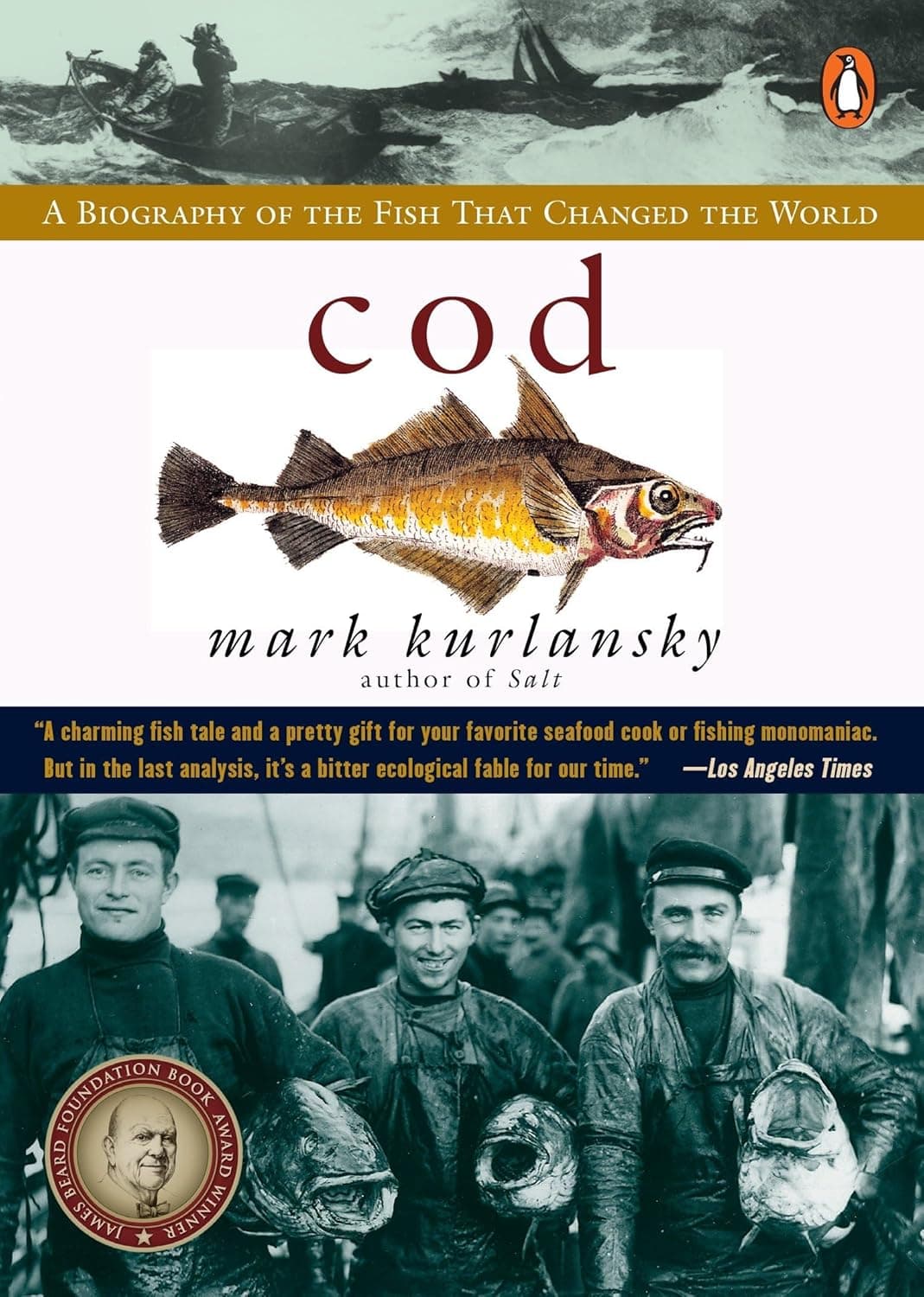
One fish shaped the whole Atlantic world. Kurlansky follows cod from the Basques and their secret fishing grounds through the slave-trade economies it fed to the Grand Banks collapse of 1992.
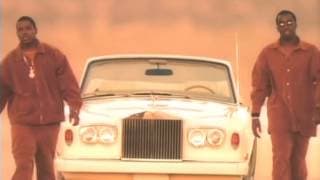
Grandmaster Flash's "The Message" under a "Break My Stride" hook, six weeks at number one, and Mase arrives.
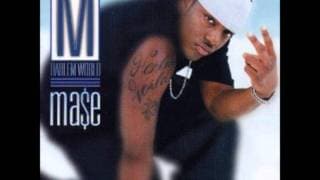
Kool and the Gang's Hollywood Swinging flipped by Puffy and Deric Angelettie, and Mase's drawl making effort look optional.
A bullied teenager's death behind it, and Jenkins turned the fifth single off his debut into a plea.
Six weeks at number one on the country chart for a duet McGraw cut with Faith Hill, months into marriage.
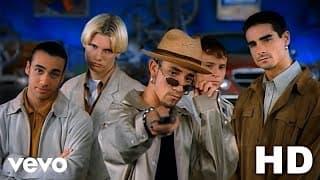
Strep throat handed McLean's bridge to Littrell; Clive Calder heard Max Martin's demo and added it late.
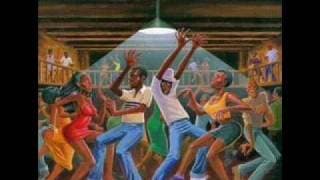
Ski built it from Janet Jackson's "Funny How Time Flies" and Skull Snaps drums; two Bronx kids talking pure seventies.
Diane Warren wrote it for Con Air, the studio thought Rimes too pop, and her version charted 69 weeks.
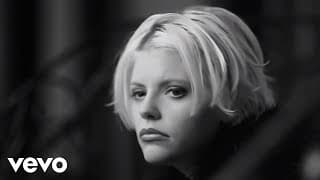
Two sisters writing about their parents' divorce, and a demo vocal that won Natalie Maines the lead job.
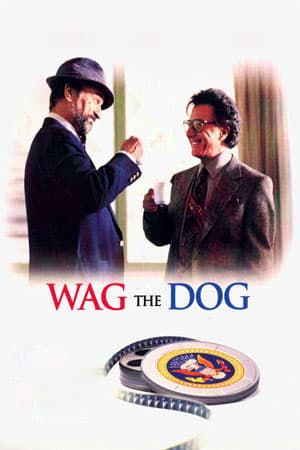
It opened a month before the Lewinsky scandal broke and eight months before Bill Clinton bombed Sudan, and the title became shorthand: a spin doctor and a producer fabricate a war.
America stands alone as the world's indispensable nation.
This was the trouble with families. Like invidious doctors, they knew just where it hurt.
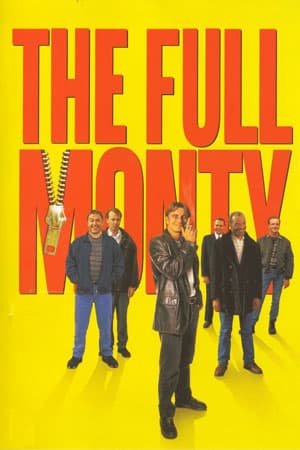
Made in Sheffield for just over two million pounds and it outgrossed everything in Britain that year: six unemployed steelworkers decide to strip for money, and the comedy comes out of genuine desperation.
You're just a kid, you don't have the faintest idea what you're talkin' about.