Aliens
Directed by James Cameron
1986
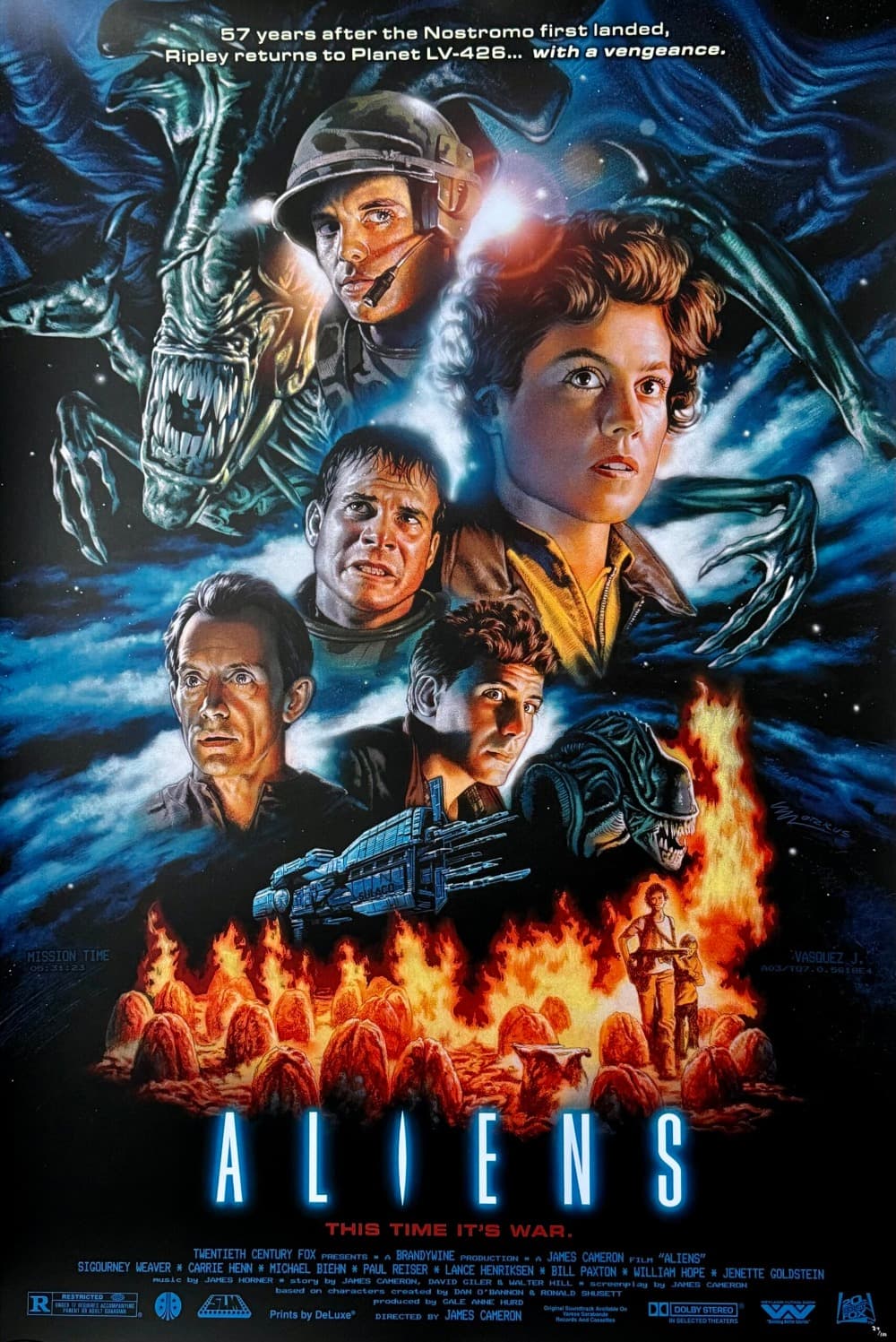
Almost no sequel changes genre and survives it: Cameron turned Scott's haunted house into a war picture, and an action performance drew a rare Academy Award nomination.
★ 8.6
 skopia
Almost no sequel changes genre and survives it: Cameron turned Scott's haunted house into a war picture, and an action performance drew a rare Academy Award nomination.

The band were in a legal fight with their label while making it, and the title track opens with a clip from a 1962 British film.
Marr faked the strings on an Emulator, credited them to the Hated Salford Ensemble, and Britain waited six years.
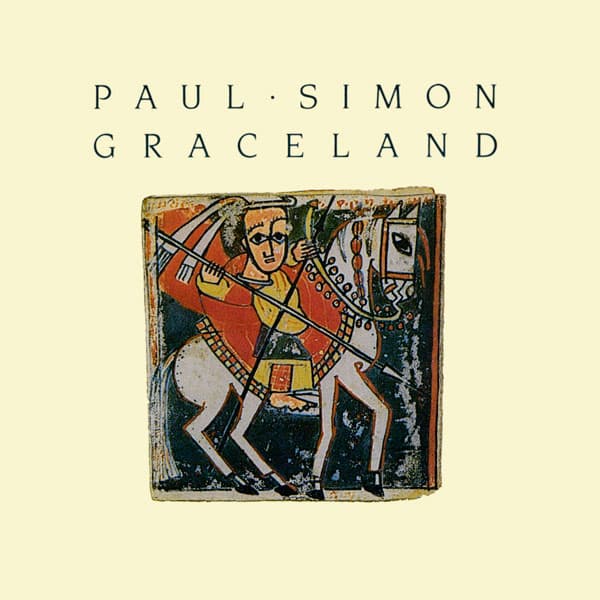
Simon recorded with South African musicians in defiance of the cultural boycott and was condemned for it. Bakithi Kumalo's fretless bass runs through everything.
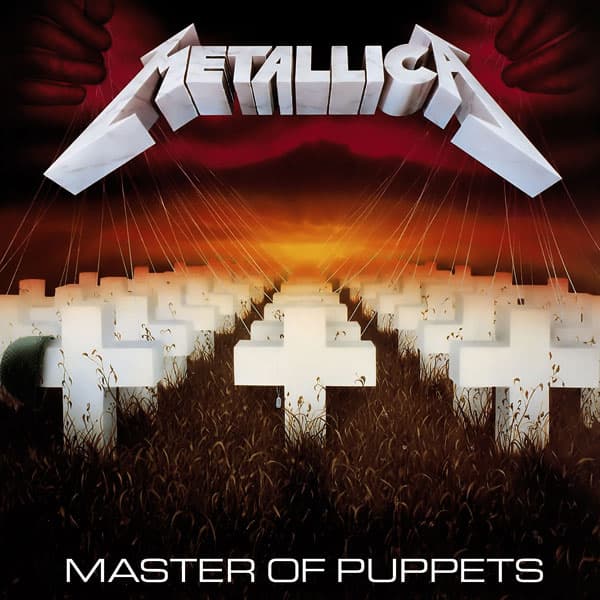
No singles and no videos, and it sold millions anyway. Bassist Cliff Burton was killed when the tour bus crashed in Sweden months later.
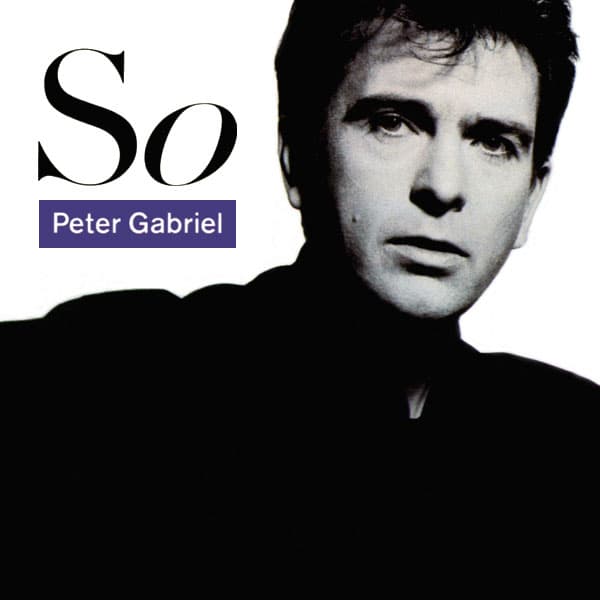
The Sledgehammer video was shot frame by frame with Gabriel lying under glass for sixteen hours. Youssou N'Dour sings the end of In Your Eyes.
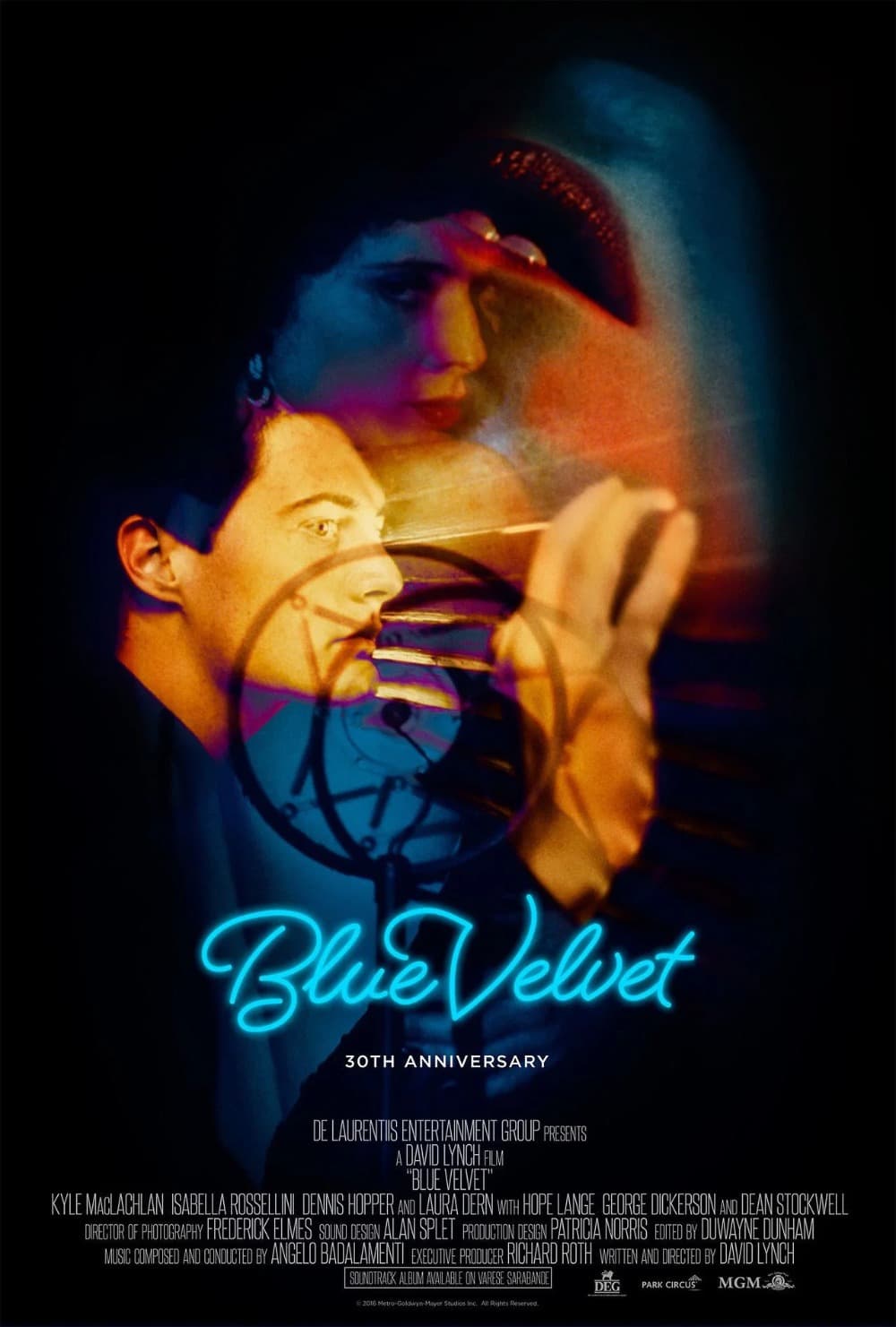
Lynch invented his own genre here and the word Lynchian dates from it: a severed ear in a field leads into the underside of an ordinary American town.
Rubin had to talk Run-DMC into it; Tyler smashed through the video's wall and Aerosmith got a career back.
Gabriel wanted real brass, hired the Memphis Horns' Wayne Jackson, then knocked his old band Genesis off number one.
Bakithi Kumalo's fretless bass and a Nigerian pedal steel carry it, with the Everly Brothers singing behind Simon.
Youssou N'Dour improvising in Wolof, and a bassline so deep it had to move up the vinyl.
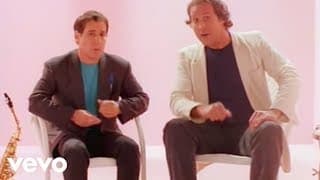
Kumalo cut one descending bass measure, Halee reversed the tape for the break, and Chevy Chase mimed it on MTV.
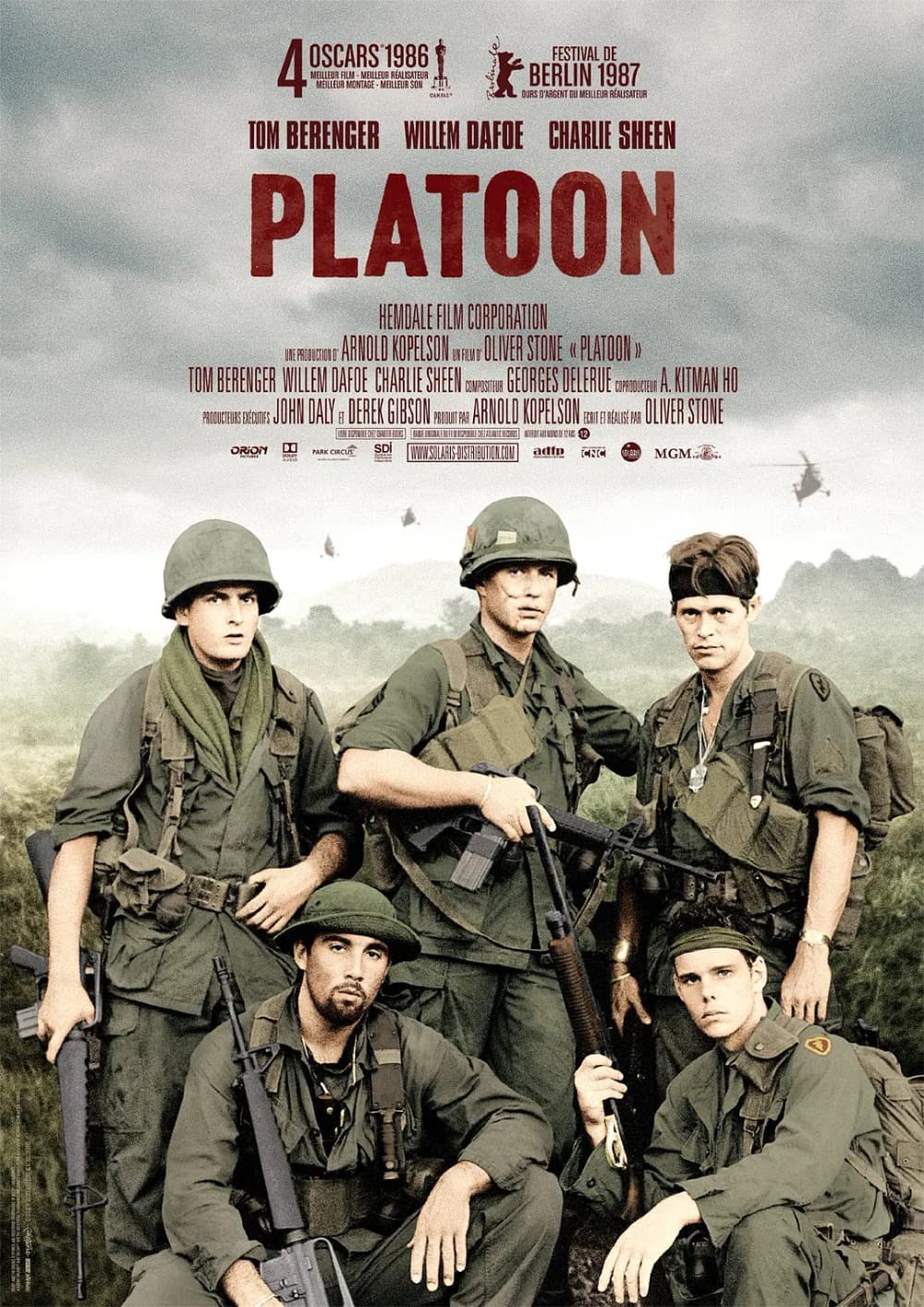
Oliver Stone served in Vietnam and made this to correct everyone else's version: no glamour, no clarity, and a platoon that splits between two sergeants and stays split.
By Eric B.'s account he paid Marley Marl to engineer it in Queensbridge; Rakim arrived rapping like nobody before.
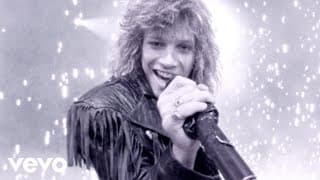
The band laughed at Sambora's talk box until it opened the record. The last chorus climbs a minor third.
Jackson answered street harassers by demanding respect over a factory preset Jimmy Jam found on an Ensoniq Mirage.
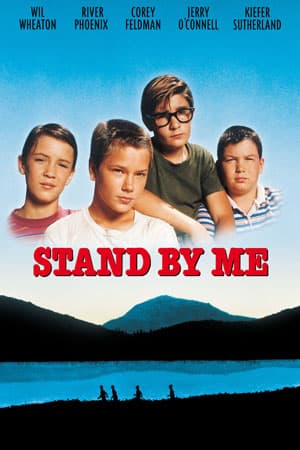
Nothing else captures being twelve years old this exactly: four boys walk along a railway line for two days, and the narration knows precisely how much it mattered.
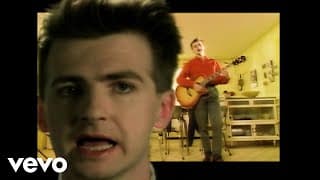
Froom's Hammond solo does the heavy lifting, and Finn wrote the rest as an exhortation to himself.
Life moves pretty fast. If you don't stop and look around once in a while, you could miss it.
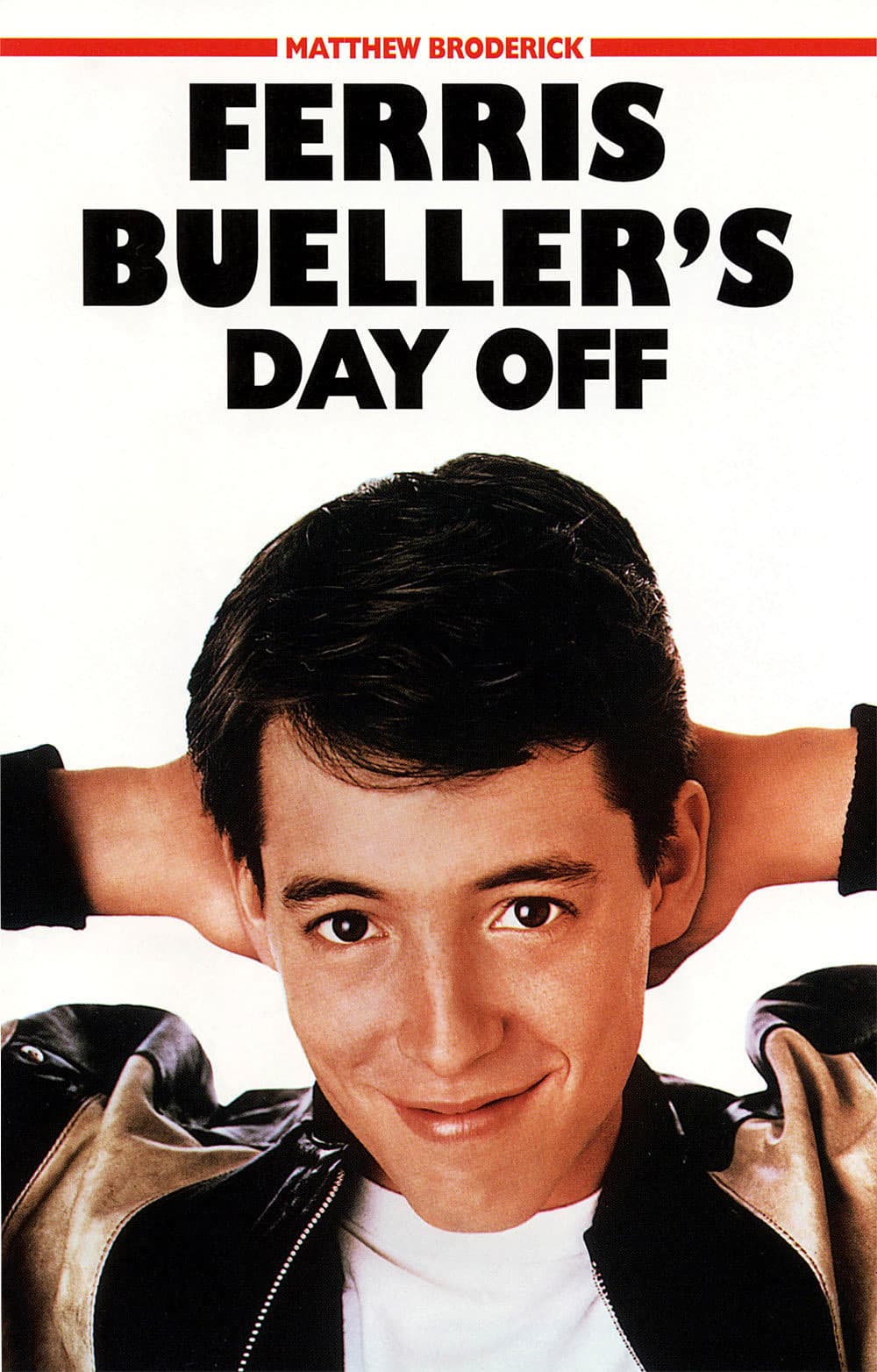
Truancy has never looked this appealing: Ferris talks straight to the audience, takes a Ferrari and a parade, and the whole film is completely on his side.

Bandits waylay a bride bound for a leprous distiller, and the son conceived in the sorghum grows up under Japanese occupation. Mo Yan makes rural Shandong's violence gorgeous and unbearable at once.
James Brown horns looped, an answer to MC Shan's The Bridge, and hip hop's birthplace claimed for the Bronx.
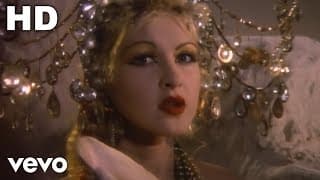
Anne Murray turned it down, so Lauper took Steinberg and Kelly's gospel ballad and stripped it to almost nothing.
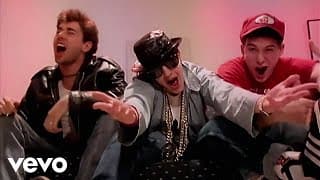
Conceived as a satire of party songs, it became the band's only top ten hit, the joke unnoticed.
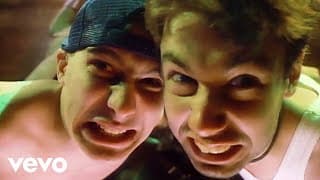
Slayer's Kerry King plays the solo, the title bends Motorhead's, and Rubin welds rap to metal without apology.
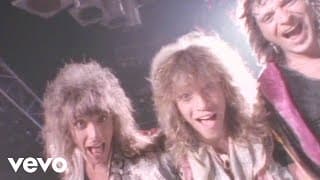
A Bonnie Tyler chorus that went nowhere, rewritten by Desmond Child, and suddenly Bon Jovi's first number one.
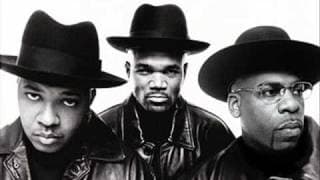
Bells lifted from a Bob James record, nursery-rhyme characters conscripted, and Jam Master Jay finally getting his own showcase.
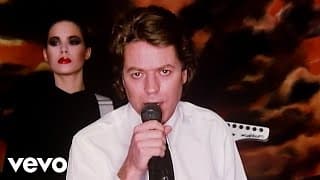
Chaka Khan's label blocked her from the duet, so Palmer sang it alone over Tony Thompson's drum intro.
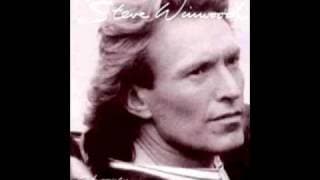
Chaka Khan's backing vocals lift Winwood's first solo number one, and the Grammy for Record of the Year followed.
One synth riff, written years earlier on a Korg Polysix borrowed from Michaeli, went to number one in twenty-five countries.

Ngugi's schoolmasters caned children for speaking Gikuyu, or hung a plate around their necks reading I AM STUPID. Empire takes the mind through language, he argues, and he abandoned English for his fiction.
Hornsby wrote the words first in a Van Nuys garage; that piano figure later became the spine of Tupac's Changes.
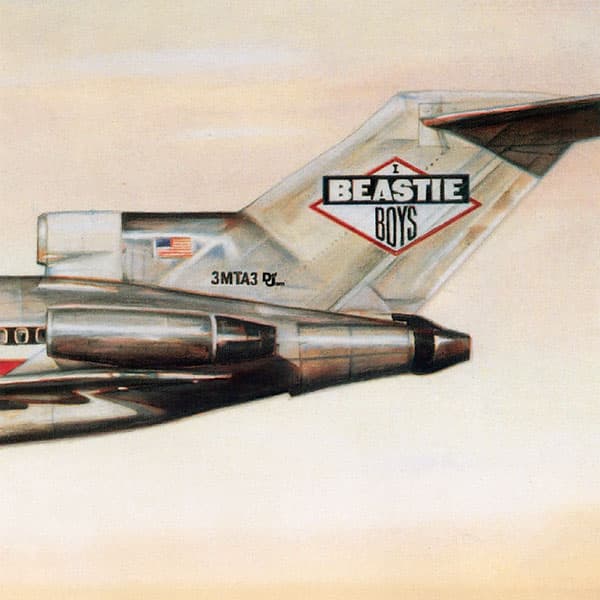
Kerry King of Slayer plays the guitar solo. Rick Rubin built the beats out of Led Zeppelin and AC/DC drums played very loud.
Conceived as an acid rain protest, the melody rewritten before release; Stipe called it a general oppression song.

Leonard wrote it as a film instrumental that Paramount passed on; Madonna added the words and kept her demo vocal.
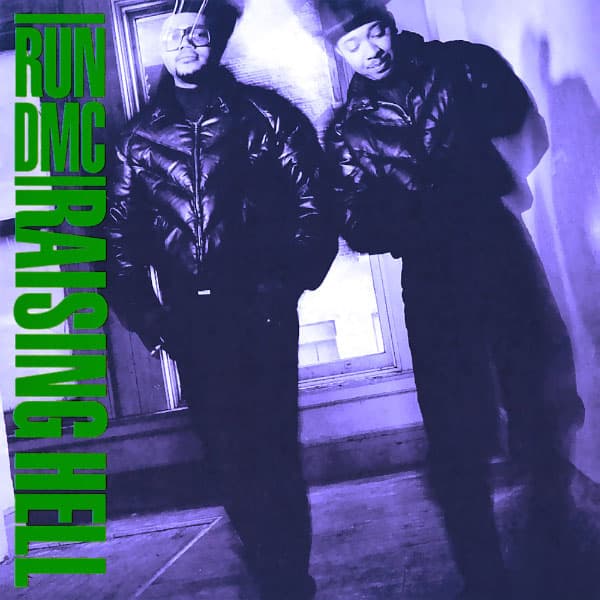
Aerosmith had not heard of Run-D.M.C. and were barely working when Rick Rubin got them into the studio to redo Walk This Way.
Rubin piled samples where everyone else looped one, and the title itself comes from Kurtis Blow's Christmas Rappin'.
First record to lift the Synthetic Substitution break, which hip hop never stopped using, with Kool Keith rhyming deliberately off-beat.
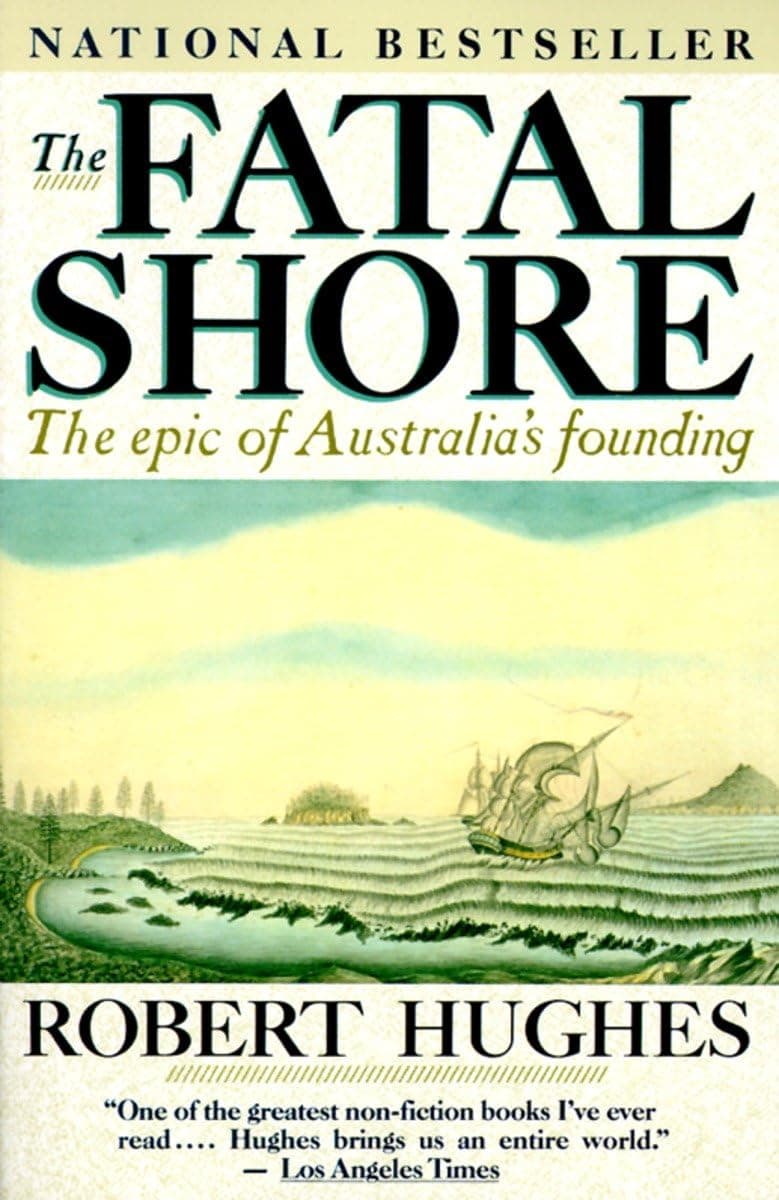
Britain shipped 160,000 convicts to Australia between 1787 and 1868. Hughes takes you down into the floggings and the Norfolk Island cells, and out again into the nation they made there.
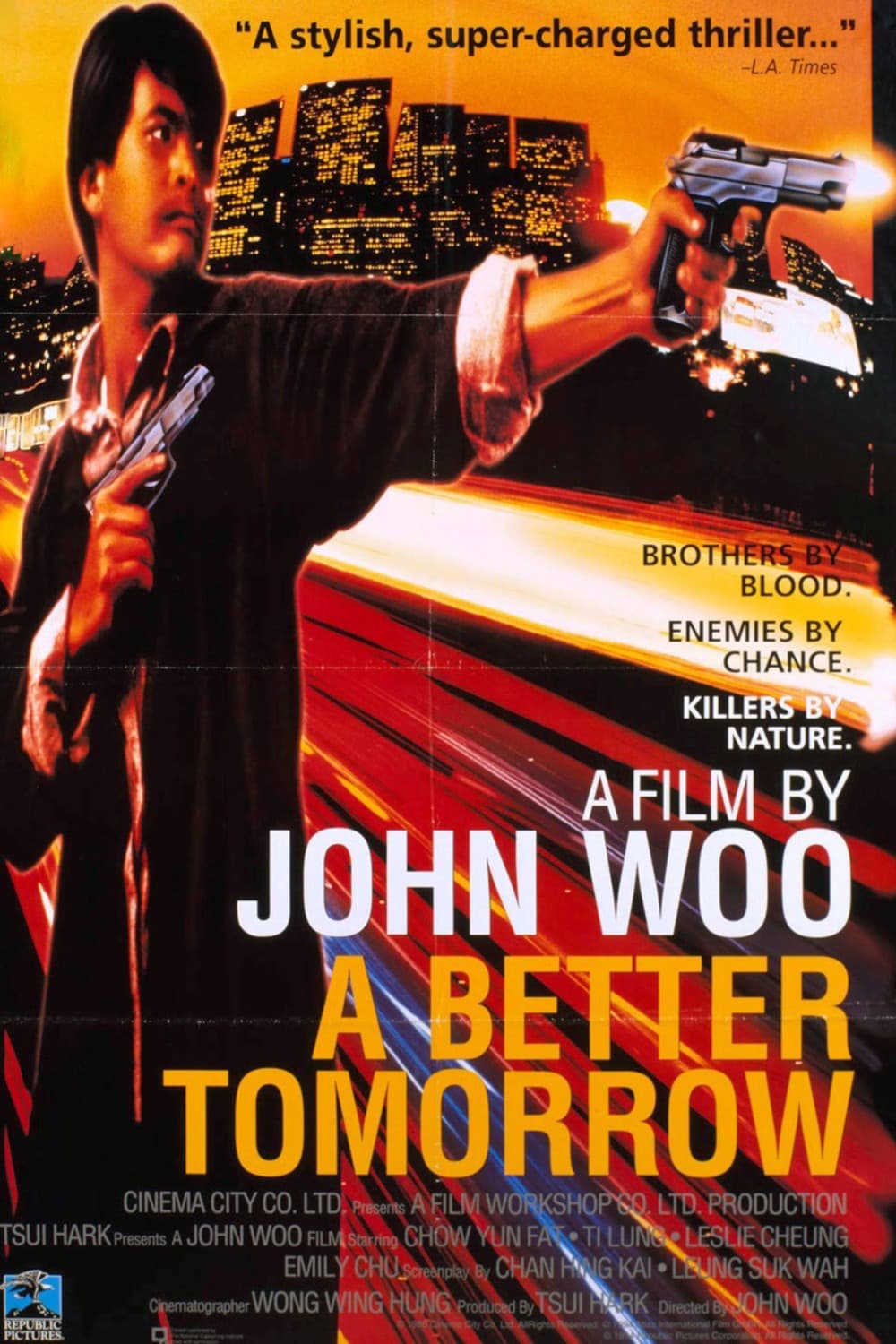
It made Chow Yun-fat a superstar and started an entire Hong Kong genre: two brothers on opposite sides of the law, and a gunman in a trenchcoat lighting a cigarette with money.
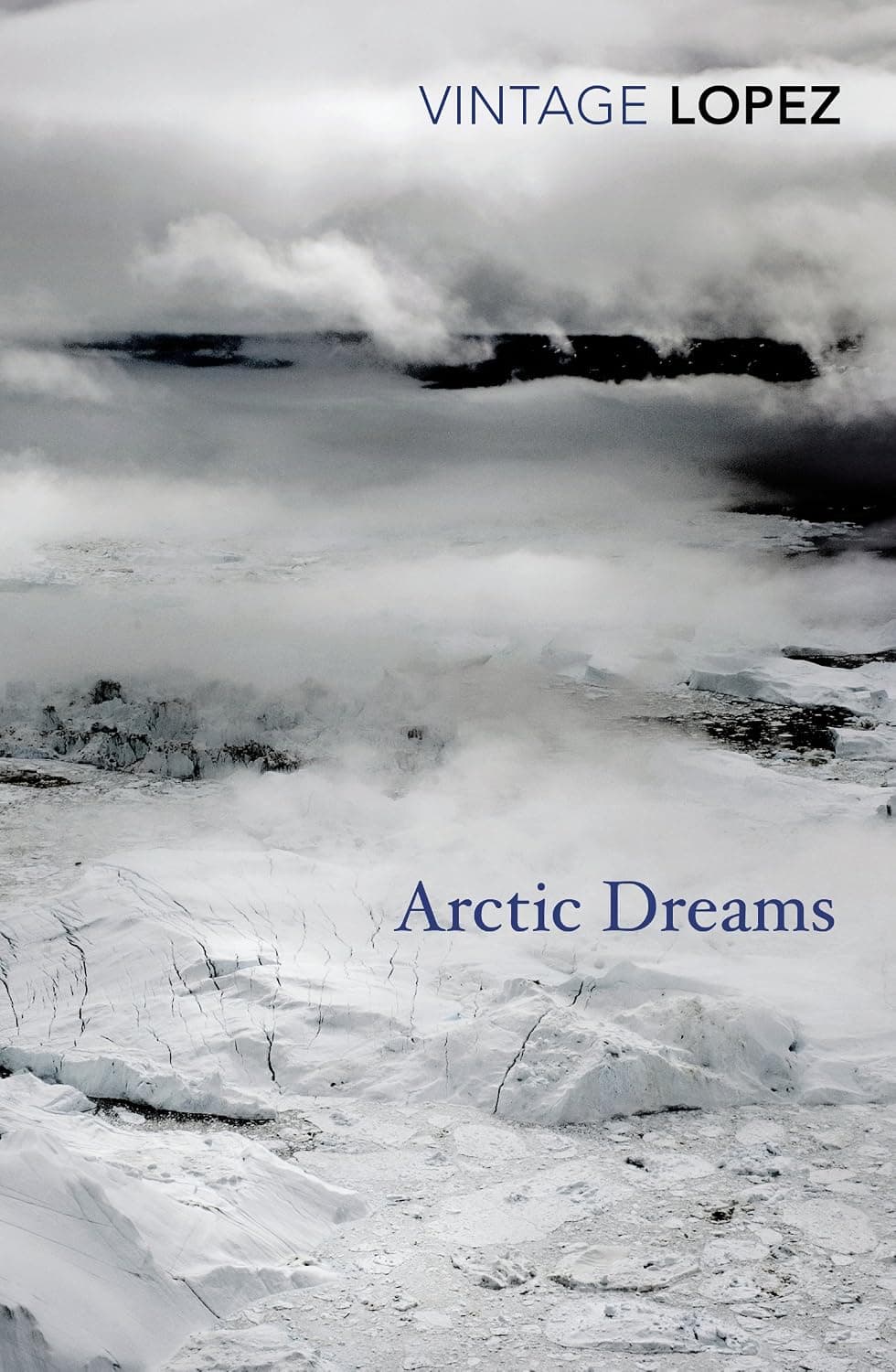
Five years in the high Arctic, among narwhals and muskoxen and light that behaves like nothing further south. Lopez asks what Westerners have wanted from that country, and what the wanting cost.

Rick Rubin looped Wild Sugar's "Bring It Here" under an 808, and a cocktail's name became a chant.

Gray gave up an editor's job for stone quarries in Tuscany, Catalonia, Naxos, and Apulia, cooking wild greens, snails, and game over wood fires and setting down a Mediterranean already disappearing.
John Hughes reshot Pretty in Pink's ending and asked for 120 BPM; OMD turned it around in a day or two.
Written as a rock song for Cyndi Lauper, then rebuilt with Patrick Leonard into Madonna's fifth American number one.
A tape loop, a LinnDrum, and a whistled hook: David Kahne built it while three Bangles split the verses.
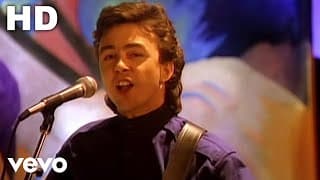
Guitarist John Spinks wrote it, Tony Lewis sang it, and producer William Wittman pushed the band past their softer demo.
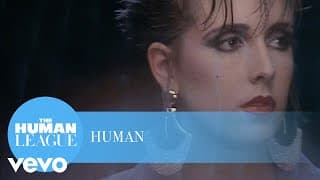
Jam and Lewis wrote it in Minneapolis, and Oakey called that vocal the best he ever gave.
Nile Rodgers brought the riff and the Borneo Horns; the band, down to three, answered its own bad press.

Feinstein spent the 1985-86 season inside coach Bob Knight's Indiana basketball program and printed all of it, the profanity and the fury and the players absorbing both. Sports reporters still envy that access.
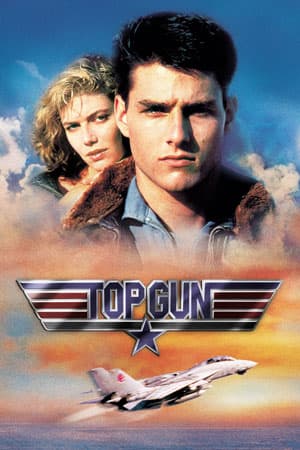
Theaters in Los Angeles and Detroit let Navy recruiters set up tables in the lobby: Tony Scott shot fighter jets in golden light and sold an entire decade on aviator sunglasses.
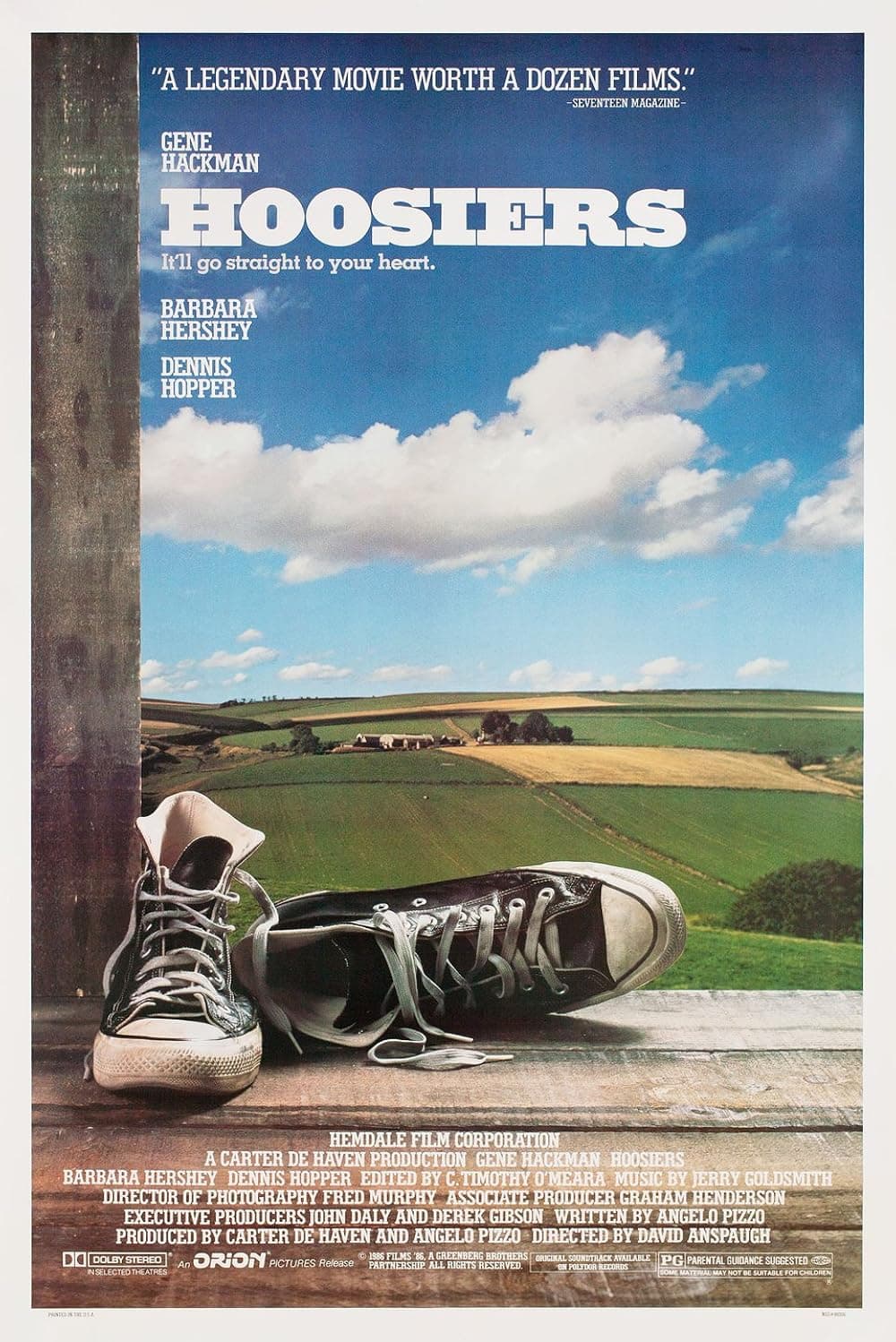
Indiana still argues about how close it is to what actually happened in 1954: Gene Hackman coaches a town of a few hundred people who care about nothing else at all.
Told it was impossible, Money phoned Ronnie Spector himself, and she sings her 1963 hook right back.
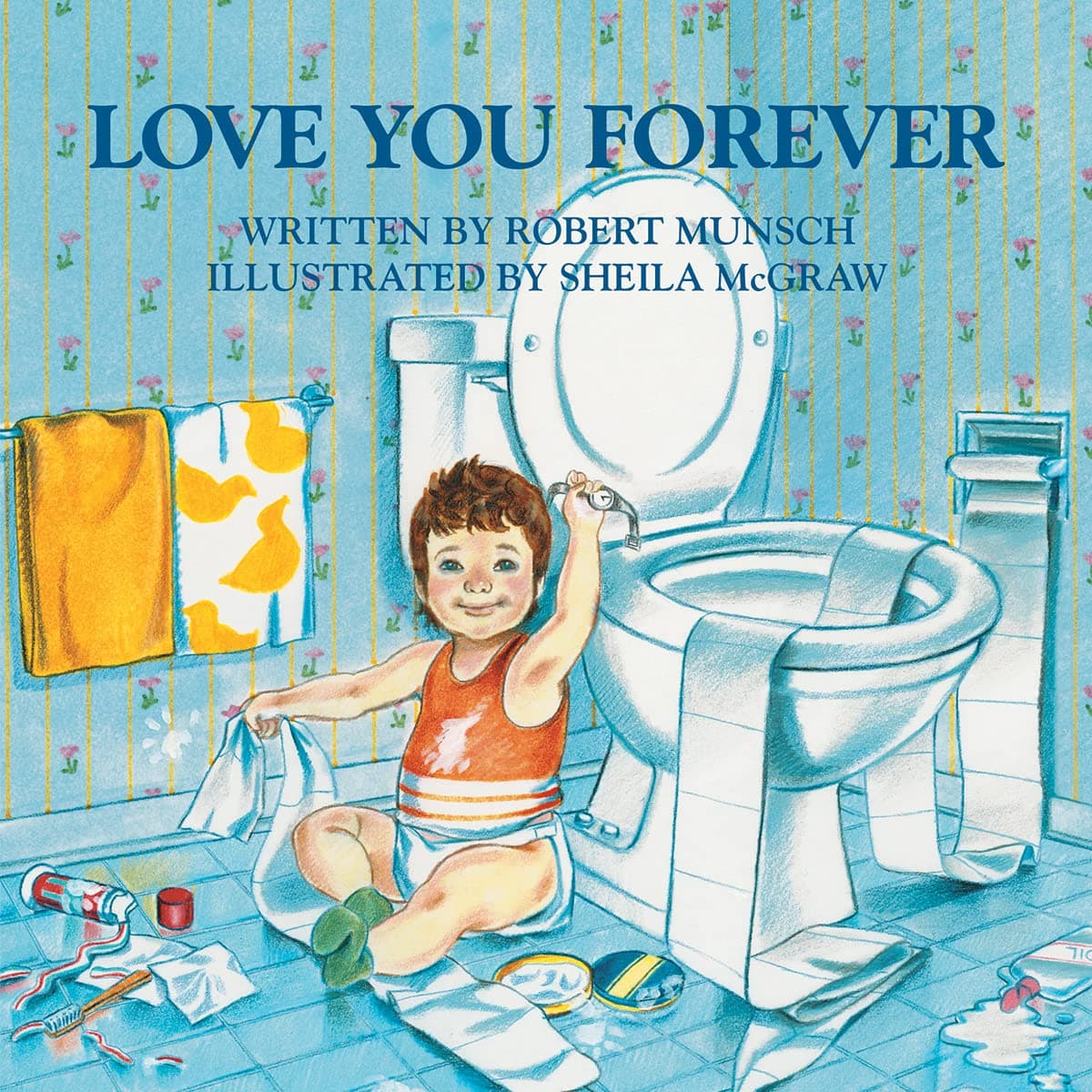
A mother sings the same four lines to her son at every age, and the years turn the song around. Munsch made it up after two stillborn children.
Van Eede scribbled the title down the night it occurred to him; Terry Brown drummed it on Neil Peart's snare.
Whitlock met Moroder by fixing his Ferrari, then wrote the lyric driving home; Nunn took it to number one.
Four acts turned it down before Loggins said yes, and Moroder's synth roar stalled at two behind "Sledgehammer."

Paul Newman got his Oscar twenty-five years late, for playing the same character a second time: Scorsese films pool halls like boxing rings, and Tom Cruise is the new hustler.

Nashville would not have him, so Yoakam played Los Angeles punk clubs instead, on bills with X and the Blasters, in very tight jeans.
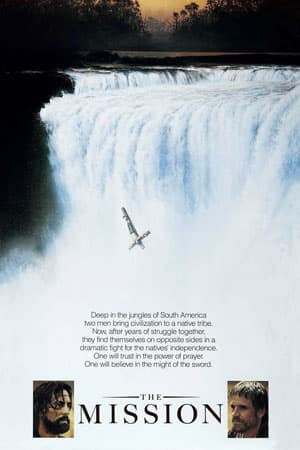
Ennio Morricone said he recognized himself in this score technically and spiritually: Jesuits build a mission above the Iguazu falls in the 1750s, and Europe decides its fate from several thousand miles away.
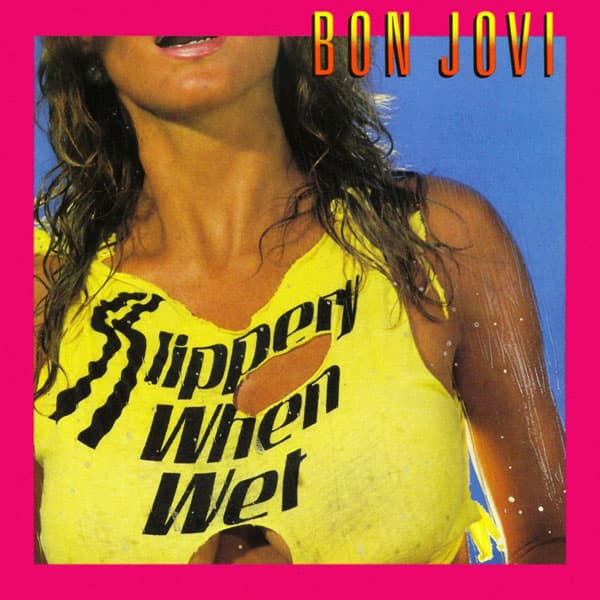
They played demos to groups of New Jersey teenagers and cut the songs the kids liked least. It sold twenty-eight million copies.
How can I possibly be expected to handle school on a day like this?
No, we will not die like dogs, we will fight like lions because we are the three amigos!
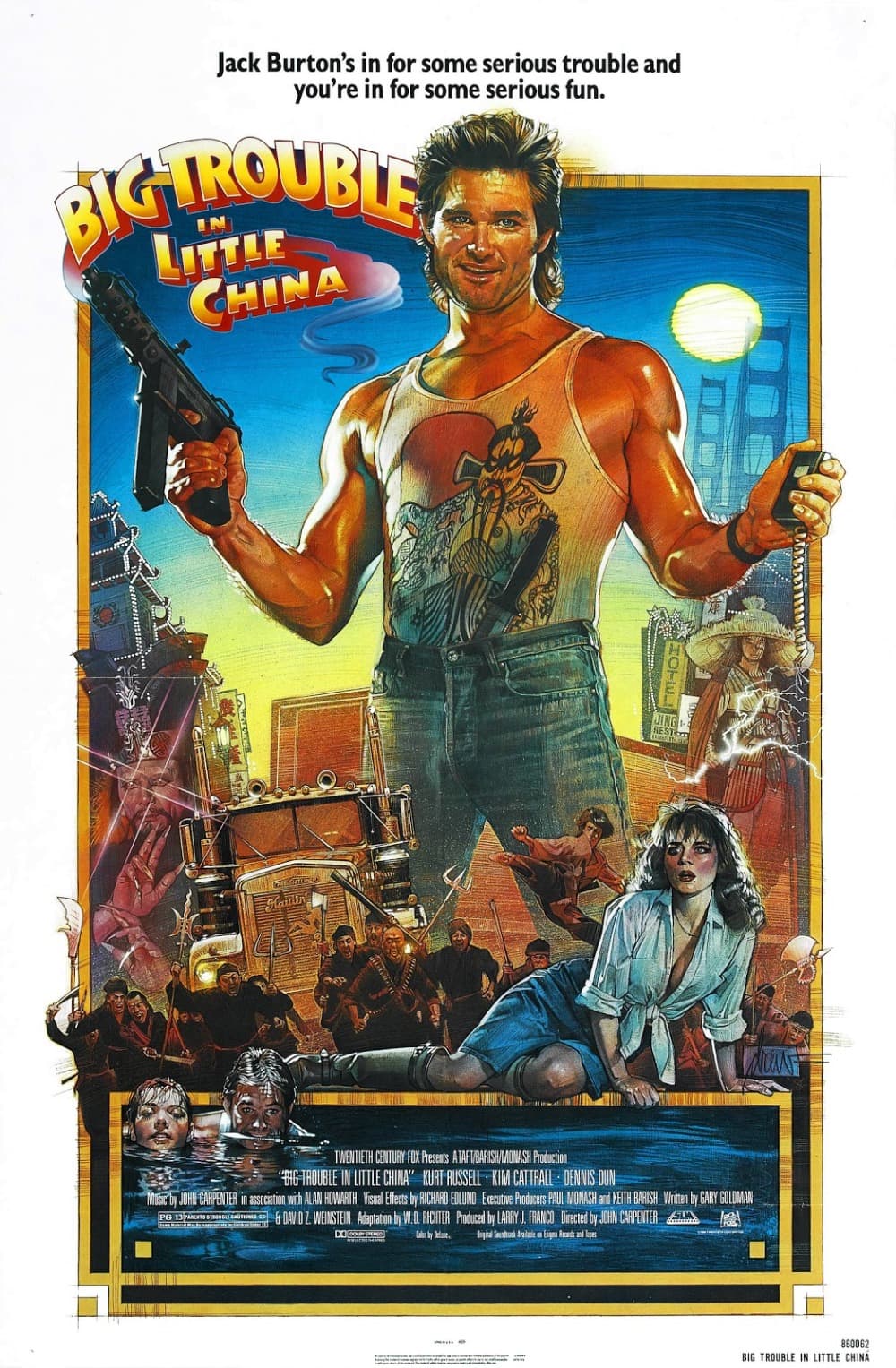
It flopped completely and then found everybody on video: Kurt Russell's swaggering trucker is really the useless sidekick, and nothing in it is ever explained to anyone.
We must always take sides. Neutrality helps the oppressor, never the victim.
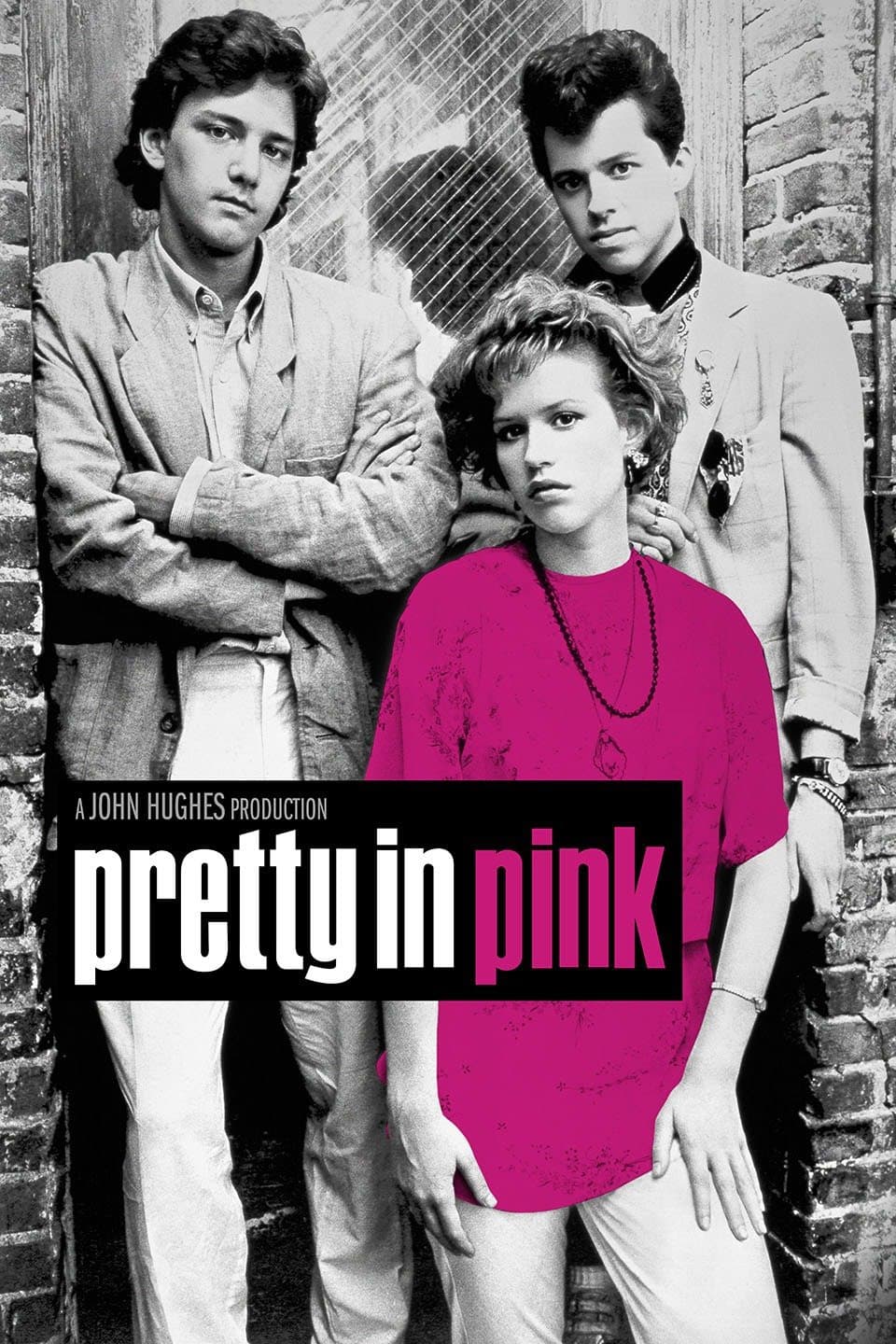
Molly Ringwald's prom dress is stitched together from two others, an image the whole film runs on: Howard Deutch directs a John Hughes script about who gets to sit where.