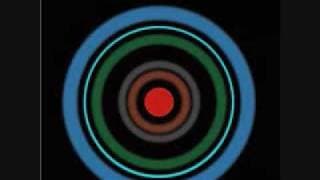
Blue Monday
1983
A die-cut sleeve modelled on a floppy disk, an Oberheim drum machine, and the best-selling twelve-inch single ever pressed.
★ 8.4
 skopia
A die-cut sleeve modelled on a floppy disk, an Oberheim drum machine, and the best-selling twelve-inch single ever pressed.
Sting woke at Fleming's Goldeneye with the melody; Summers cut that arpeggio in one take and made surveillance sound tender.
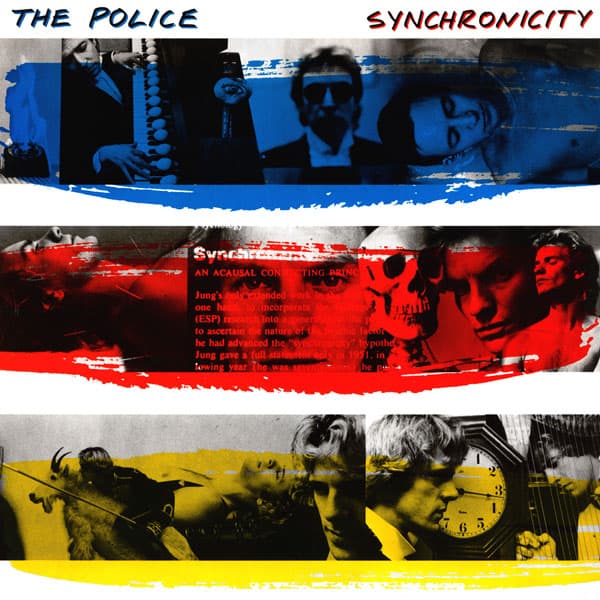
The three of them recorded in separate rooms because they could no longer stand each other, and then made the biggest album of the year.
Recorded on a secondhand eight-track in a Chalk Farm attic, and an American number one by September.

Marr stacked roughly fifteen guitar tracks and dropped a knife on the strings; Morrissey lifted a line from Sleuth.

Robert Hazard wrote it in 1979 from a man's point of view, and Lauper flipped it into female solidarity.
Nile Rodgers on rhythm guitar, an unknown Stevie Ray Vaughan on lead, and Bowie's biggest-selling single by a distance.
An Oberheim drum machine, a few scratches, and two voices. Everything before it suddenly sounded old school.
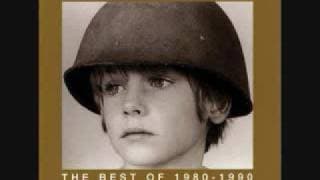
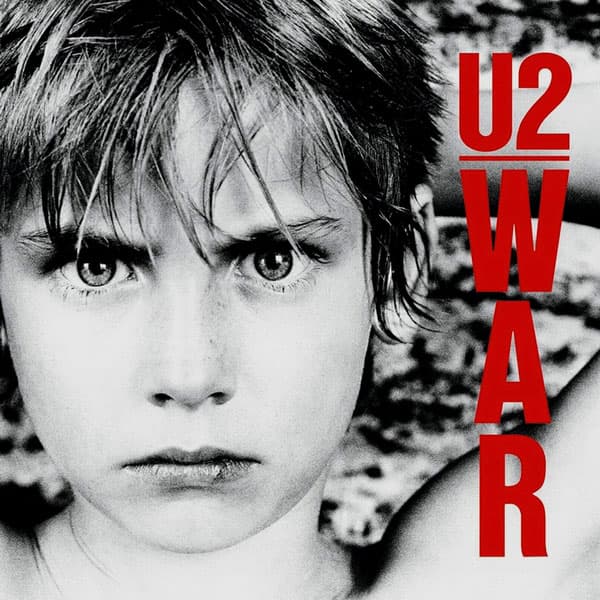
Mullen's marching snare was cut at the foot of a Windmill Lane stairwell, and Bono insisted it was no rebel song.
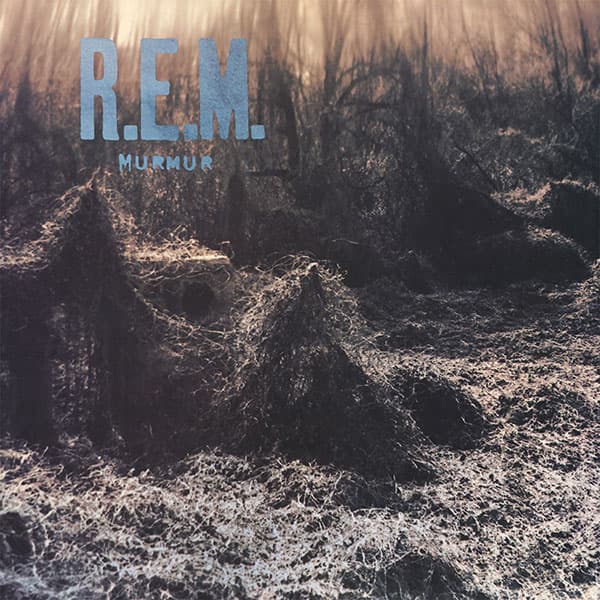
Stipe's words are deliberately buried in the mix, and nobody could work them out. Rolling Stone still named it album of the year over Thriller.
Doug Wimbish replayed Liquid Liquid's Cavern bassline, Melle Mel wrote the warning, and Flash's name went on the label anyway.
Frantz came home from a Parliament-Funkadelic show chanting it, and Byrne built the band's only American top ten.
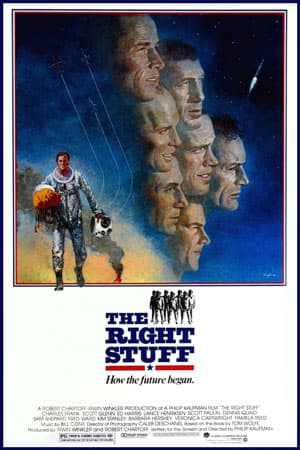
It answers the only question that matters about the space race, which is why anyone would climb in: test pilots, astronauts, and the real Chuck Yeager tending bar in a cameo.
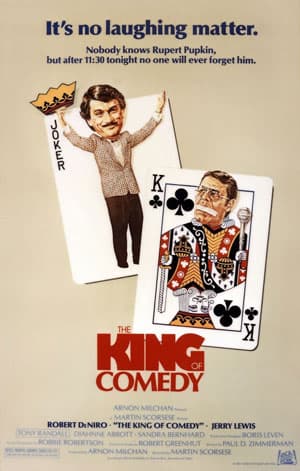
It flopped and now looks like prophecy: De Niro plays a man who believes fame is owed to him, and Scorsese refuses to let you laugh comfortably.
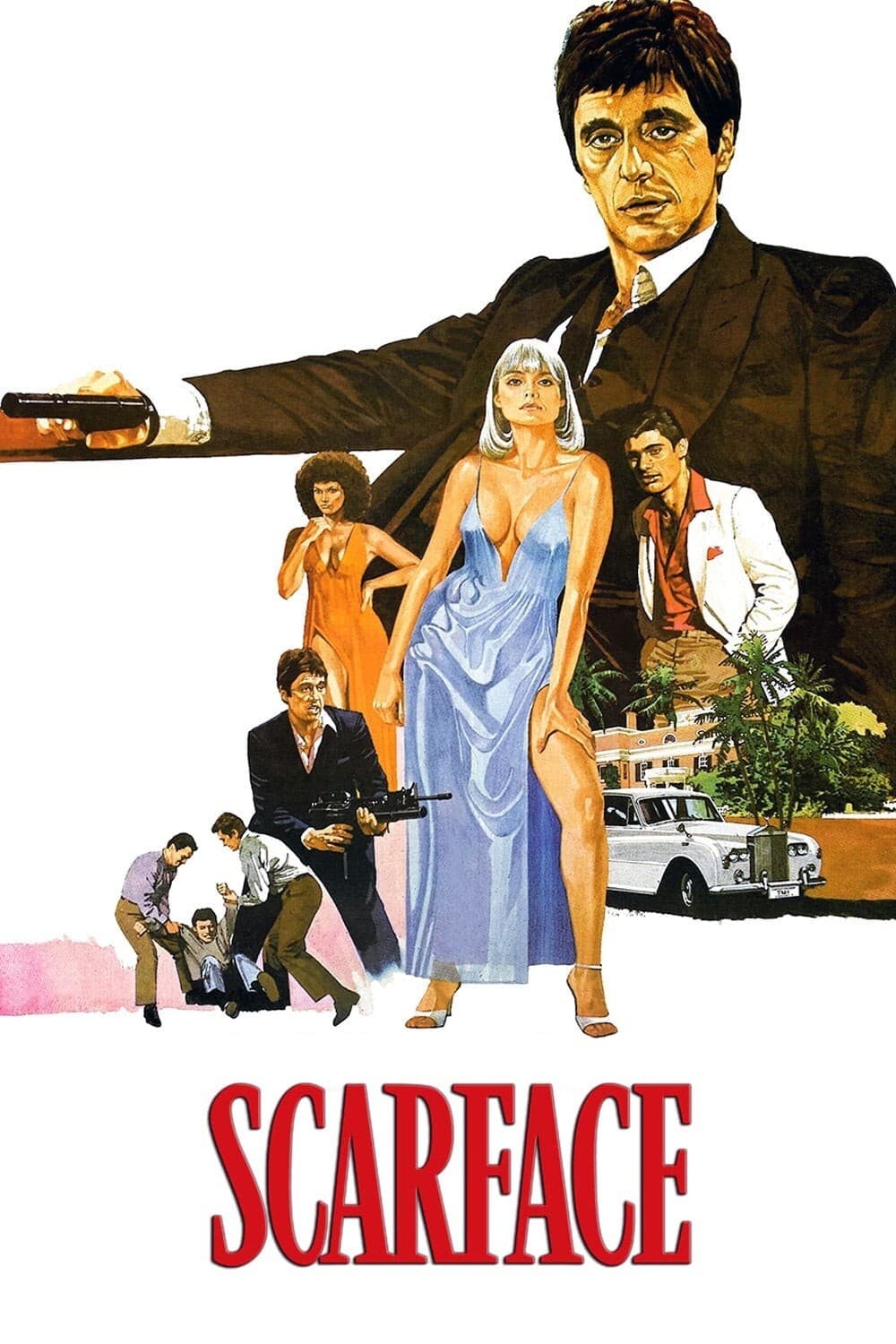
No film has been quoted by more rappers: De Palma and Stone made a Miami cocaine epic so excessive that it turned into a genuine American myth.

Busking outside a Milwaukee theatre got them discovered by the Pretenders, and Gano's riff has been filling dancefloors ever since.
Wolinski's synth loop, his threat to hand the song to Quincy Jones instead, and Khan sailing clean over it.

Two pianists at the Salzburg Mozarteum hear Glenn Gould play the Goldberg Variations and understand they will never be that. Bernhard gives the ruin that follows in one unbroken paragraph of spite.
Stafford's idea, Fraser's overnight lyric, and a fiddle arrangement that rodeo crowds took for their own.
A bass line Clayton stumbled on while decoding Visage's Fade to Grey, then Bono aimed the words at Poland's Solidarity.
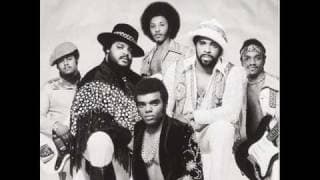
Chris Jasper's keyboards and drum machine, Ronald Isley at his silkiest, and the loop under "Big Poppa".
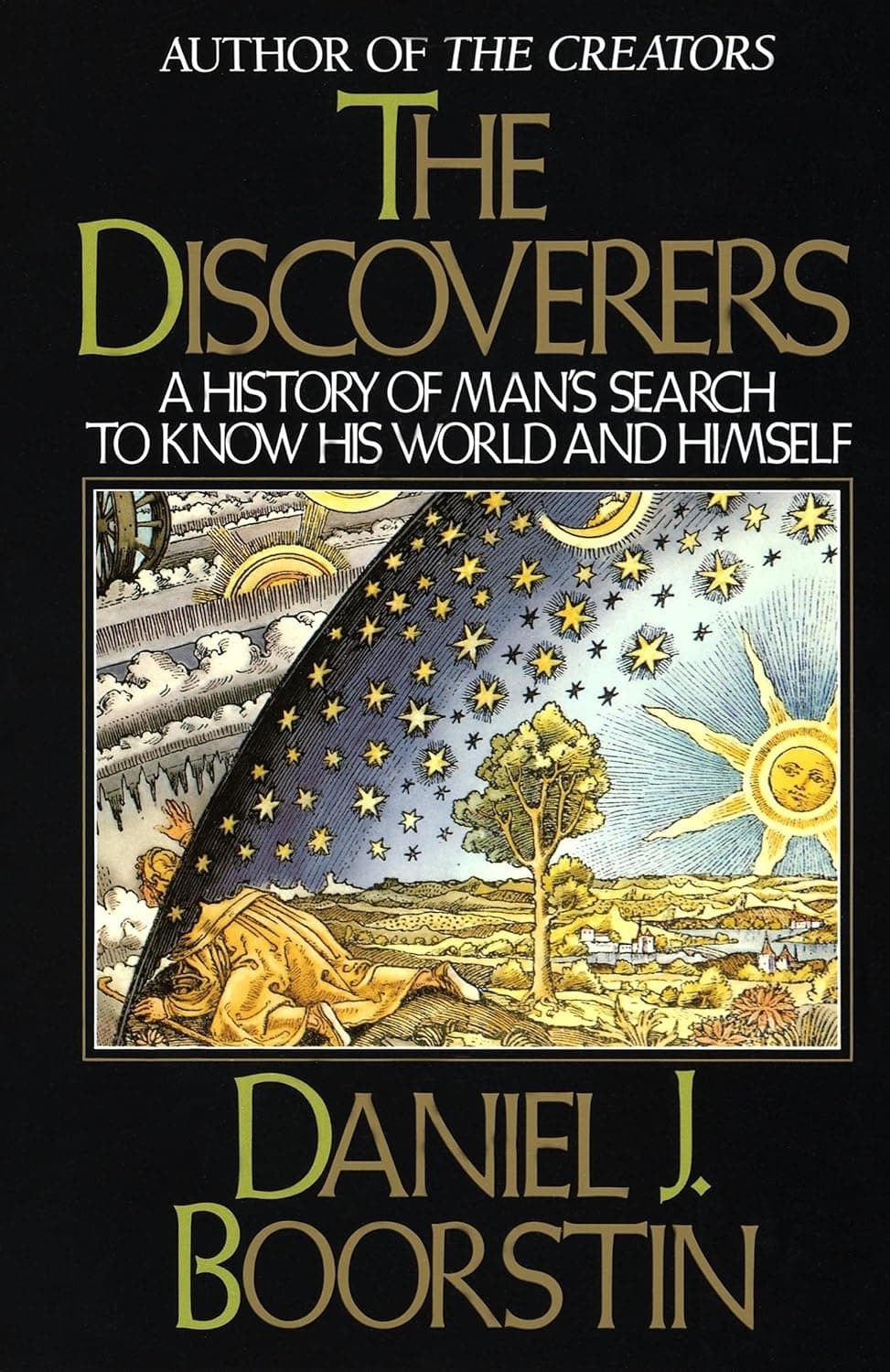
The obstacle to discovery was never ignorance but the illusion of knowledge, Boorstin argues, then walks through the clock, the compass and the microscope as victories over what everyone was certain of.

The trilogy sticks its landing: the speeder chase through Endor still moves better than most digital work made since, and the whole climax runs on puppets, models and matte paintings.
Those African-sounding chants are invented gibberish; Richie had no time for a translator and no reason to care.
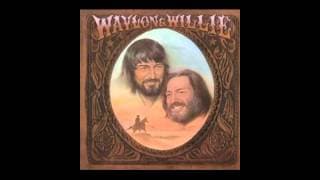
Nelson cut his part after midnight, fetched Haggard from his bus, and kept the one take Haggard wanted redone.

Nations are imagined communities, Anderson argues, assembled by print: strangers reading the same newspapers and novels came to feel like one people. He gave the study of nationalism its vocabulary.
Mary Wilson and Phyllis Hyman turned it down; Benitez cut it at Sigma Sound in a week, cowbell included.
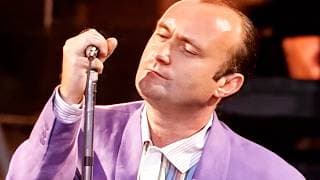
A Face Value outtake with new lyrics for Taylor Hackford's film, and Collins's first American number one.
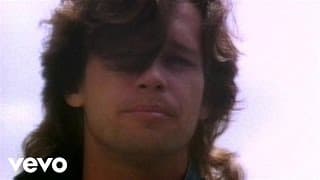
Mellencamp waved at a man sitting outside a pink shotgun house near the highway, and wrote America's most misread chorus.
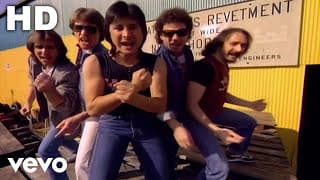
Cain and Perry wrote it backstage during the Escape tour, melody one evening and lyrics the next afternoon.
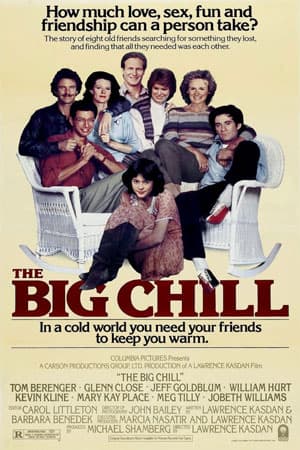
The soundtrack went platinum six times over and defined how a generation wanted to remember itself: old college friends reassemble for a funeral and spend the weekend auditing what they became.
Karges saw balloons released at a 1982 Rolling Stones show in Berlin and imagined them crossing the Wall.
Jolley and Swain built it around oppressive heat, and The Karate Kid carried it into the American top ten.
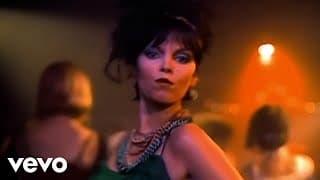
Holly Knight and Mike Chapman wrote it as a ballad; Neil Giraldo's drum machines turned it into dance-rock.
Cara and Forsey wrote most of the lyric in a cab to the studio; six weeks at number one followed.

Written on a Casiotone the DJ Mark Kamins gave her, finished by Jellybean Benitez, and Madonna's first top five.
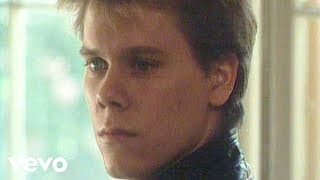
Pitchford wrote the screenplay first, then the lyrics; Loggins supplied the tune and his only number one.
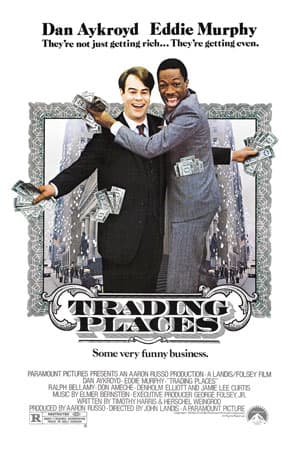
A regulation passed in 2010 is nicknamed after this film: two rich brothers bet a dollar on whether a broker and a hustler can swap lives, and Eddie Murphy runs away with it.

Ernaux's father ran a café and grocery in Normandy, terrified all his life of using the wrong word. Educated out of his class, she writes him in flat sentences that never condescend.

Two centuries of crusade told from the receiving end, out of the Arab chroniclers: the Franj, as they called the invaders, eat the dead at Maarat and sack Jerusalem the following year.
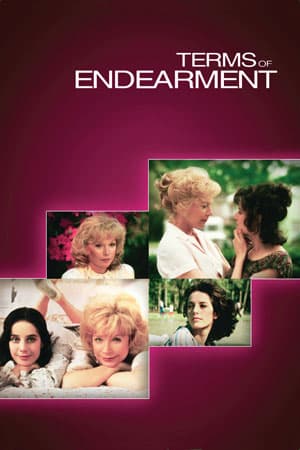
A mother and daughter argue on the telephone across three decades, and James L. Brooks makes it enormous: nobody else has moved this fluently between a joke and a gut punch.
When nine hundred years old you reach, look as good you will not.

Judd Lander's harmonica, six weeks at number one in Britain, and Boy George singing about pleasing everybody.
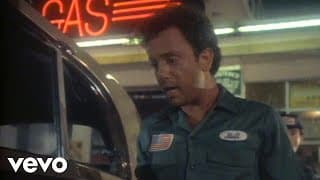
Joel chasing Frankie Valli's falsetto and the Four Seasons' bounce; five weeks at number one, his only UK chart-topper.
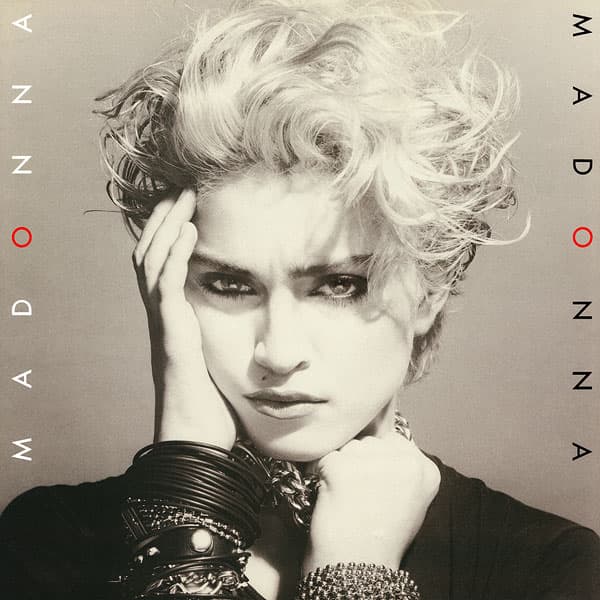
Madonna fought the label for control of her own debut and got a club DJ brought in to remix it. It sold ten million.

Forty photographs, and Adams tells how each was made. His meter lost in New Mexico, he computed the exposure from the moon's known brightness and got one negative before the light went.
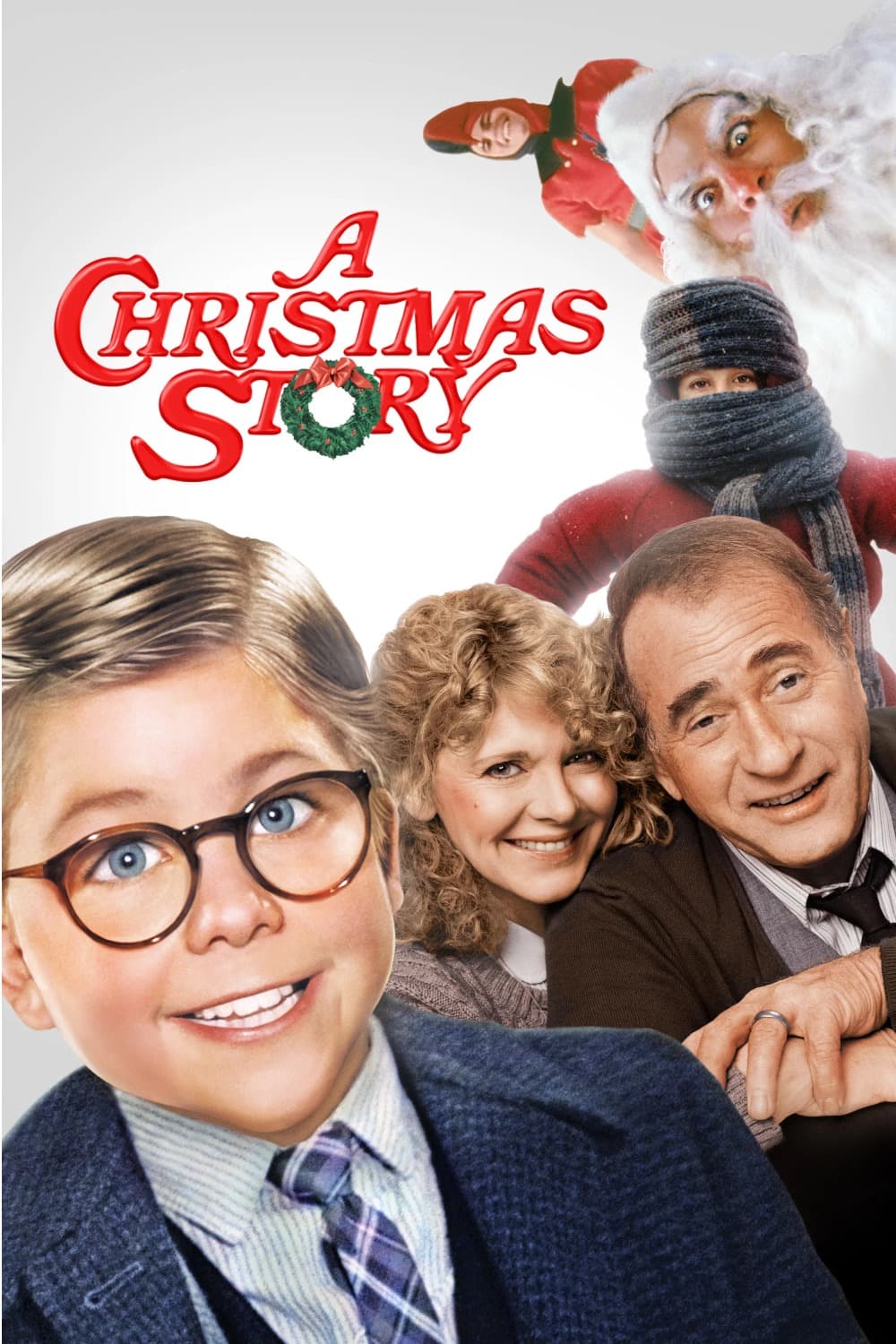
American television runs it for twenty-four straight hours every Christmas: Jean Shepherd narrates his own childhood, and it is honest enough about children to stay genuinely funny.

Marti Sharron said the writers jumped around at the playback and named it for that; June Pointer does the rest.