Superstition
1972 · From Talking Book
Wonder wrote that clavinet riff for Jeff Beck, heard it back, and sensibly kept it for himself.
★ 9.1
 skopia
Wonder wrote that clavinet riff for Jeff Beck, heard it back, and sensibly kept it for himself.
Withers bought a small piano, ran his fingers up the keys, and found the coal-town kinship he missed.
Nearly four minutes of bass, hi-hat and lone trumpet before anyone sings, and the groove never sags.
Herbie Flowers doubled upright and electric bass for a session fee, and Bowie's old sax teacher played the closing solo.
Taupin borrowed the title from a Pearls Before Swine song, and Hentschel's ARP put the loneliness in orbit.
Blackmore's four notes in parallel fourths, written after a flare gun burned the Montreux Casino down during a Zappa show.
A back injury kept Young seated with an acoustic guitar; Taylor and Ronstadt were in Nashville and sang behind him.
Browne could not finish the second verse, Frey did, and Leadon's double-time banjo drives the Eagles' debut single.
Mott were splitting up when Bowie offered them this, written within hours of hearing the band was finished.
Al Bell lifted the bassline from a Jamaican instrumental, and Mavis Staples turned Muscle Shoals into a pulpit.
Cliff coined the phrase on set, Henzell made it the film's title, and the Dynamic Sounds session was filmed.
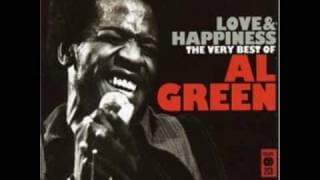
The tap opening it is Teenie Hodges counting time on a crate by his foot, and Green takes over.
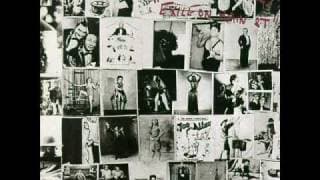
Taylor on bass, Jimmy Miller drumming the coda, and a lyric Jagger got from a housekeeper who played dice.
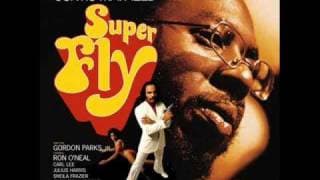
The soundtrack took three days at RCA Chicago; Johnny Pate arranged, Henry Gibson's rototoms set the strut.
Buxton's riff, a children's chorus, a school bell fade; Cooper wanted the last three minutes of term on tape.
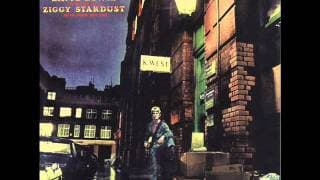
Bowie first threw it away on a fake band called Arnold Corns, then rebuilt it at Trident around Ronson.
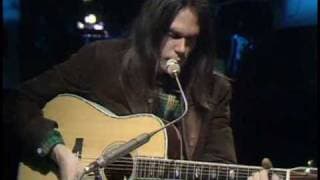
James Taylor picked up a six-string banjo he had never played, Ronstadt harmonised, and Young's ranch caretaker got a song.
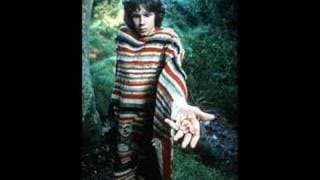
Voice, guitar, and a single overdubbed piano line, taped after eleven at night with only an engineer present.
Two minutes on addiction, taped live at UCLA's Royce Hall in January 1971 and placed unchanged on Harvest.
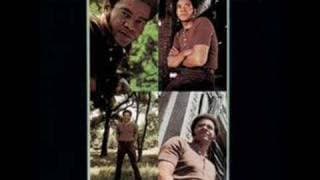
Ray Jackson's clavinet vamp and James Gadson's drums; it stopped at number two, blocked by Michael Jackson's "Ben".
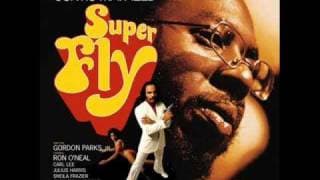
Master Henry Gibson's percussion over Lucky Scott's bass, Mayfield indicting the drug trade where the film saw only glamour.
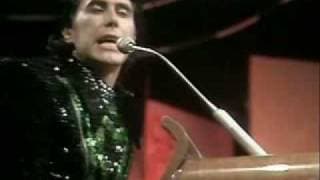
Ferry lifted the title from his own art-school painting of a giant cigarette packet, Eno's VCS3 shrieking behind him.
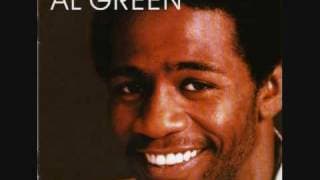
Willie Mitchell let a Bee Gees ballad run past six minutes at Royal Studios, and Green sings the whole ache.
Norman Harris's octave guitar riff, a B-side that DJs flipped, and five weeks atop the R&B chart.
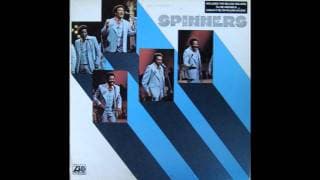
Thom Bell's arrangement at Sigma Sound, MFSB behind him, and Bobby Smith singing soft where anyone else would push.
A slave trader's sales pitch set to strings and Newman's warmest melody; Bobby Darin later sang it straight.
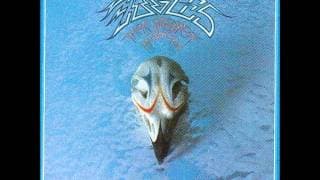
Tempchin wrote it on a poster back while sleeping on a club floor; Leadon's B-bender guitar does the rest.
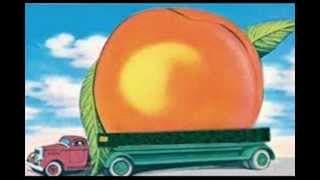
Duane heard Betts's song, told him to sing it himself, and traded solos on one of his last sessions.
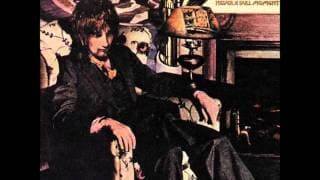
A letter to an ex, sung over acoustic guitar, fiddle and McLagan's Hammond, and another UK number one.
Cuba Gooding Sr. stepped up after Donald McPherson's death and turned heartbreak into the warmest consolation soul ever offered.
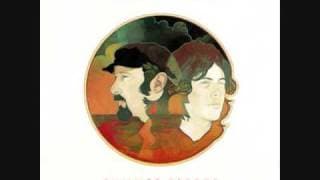
Larry Knechtel on piano, Jim Gordon on drums, and a chorus that arrives like the evening it describes.
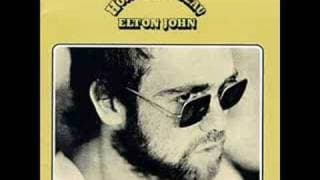
Taupin's first New York, gunfire outside the hotel window, a rose borrowed from Spanish Harlem, all cut in France.
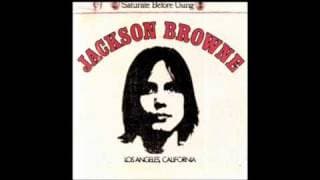
Clarence White on acoustic guitar, and the demo that led David Geffen to found Asylum Records and sign Browne.