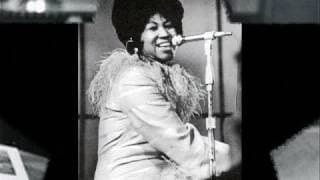
Respect
1967 · From I Never Loved a Man the Way I Loved You
Aretha takes Otis Redding's song away from him for good, spells out the demand, and never gives it back.
★ 9.9
 skopia
Aretha takes Otis Redding's song away from him for good, spells out the demand, and never gives it back.
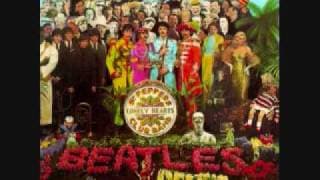
Two unfinished songs bolted together, an orchestra climbing to nothing, and the last piano chord in pop.
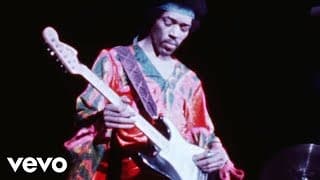
The intro is a tritone, medieval music's forbidden interval, and Roger Mayer's new Octavia pedal makes the solo scream.
Davies started it as "Liverpool Sunset," moved it to the Thames, and Dave's tape-delay guitar did the rest.
Krieger wrote most of it, Manzarek built a Bach-shaped organ intro, and Morrison sang the banned lyric on Sullivan anyway.
McCartney heard a piccolo trumpet on a Bach broadcast, called David Mason in, and pop had never sounded brighter.
Stills wrote it about the Sunset Strip curfew riots, not Vietnam, and Young's harmonics ring like a warning bell.
Armstrong took union scale so the orchestra could collect overtime; ABC's president hated it and buried the record.
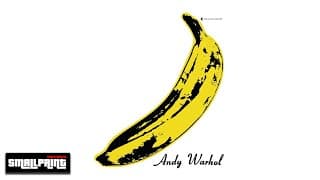
Written in 1964 while Reed was a staff songwriter, and Tucker abandoned her drums at the climax, unable to hear.
Fisher's Hammond nods at Bach for a bar before veering off, and Reid took the title from a party remark.
Twenty-two takes at A&R Studios, the Sweet Inspirations behind him, and a song Morrison says never paid him royalties.
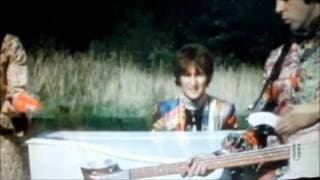
Lennon stitched three unfinished songs together, then let a live BBC King Lear broadcast wander into the mix.
Recorded in Hollywood with Cale on piano, the rhythm pushing like a subway train under Reed's flat delivery.
Hayes lifted the title from Detroit buildings marked soul to spare them; Cropper gets shouted out mid-song.
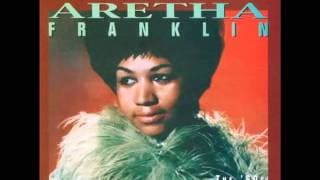
Muscle Shoals, January 1967, Oldham on Wurlitzer, and a session that fell apart in an argument right after it.
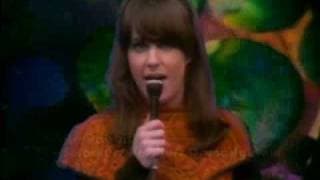
Slick borrowed the one long crescendo from Bolero and Lewis Carroll's cast, then rode both to number eight.
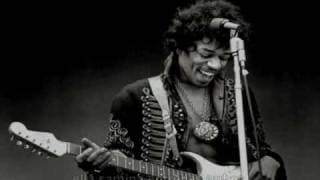
A glockenspiel, a Leslie speaker meant for organs, and Hendrix fading out after two minutes and twenty-five seconds.
Two quiet verses, then Artie Schroeck's brass kicks the door in, and Valli's solo single stalled one place from number one.
Bruce came home from a Hendrix show carrying the riff, and Baker answered it by drumming on one and three.
Joe South's tremolo guitar opens it, Don Covay wrote it young while singing gospel, and Franklin turns it merciless.
Beamed live to 400 million on the first global satellite link, opening on La Marseillaise, its coda quoting Bach.
Krieger's raga-style tuning, Morrison at his most unnerving, and nearly twelve minutes Coppola later gave to Apocalypse Now.
Starr sang it at dawn after ten takes, having first made them cut the line about thrown tomatoes.
Gentry's demo vocal was kept, Jimmie Haskell added four violins and two cellos, and the intended B-side became the A-side hit.
Cohen thought Simon's orchestration overblown, but the four-track master wouldn't let him strip it; Judy Collins recorded it first.
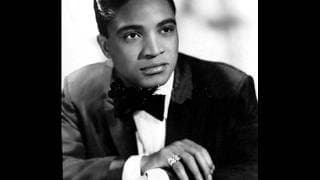
James Jamerson's bass, cut in Chicago with Funk Brothers moonlighting for cash, and Wilson sounding weightless above it.
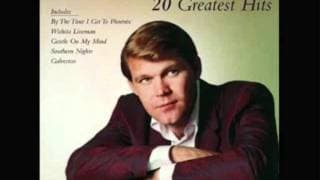
Webb mapped a drive that is geographically impossible, and Sinatra still called it the greatest torch song ever written.
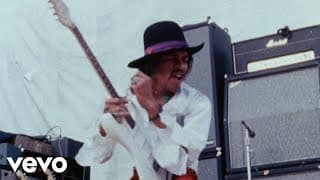
One note shaken into a wide vibrato, then feedback, then the sharp-ninth chord that carries his name.
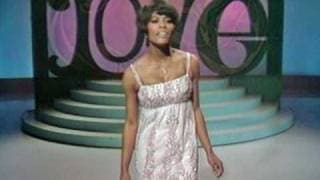
Hal David wrote it about a woman whose man is in Vietnam; Bacharach thought the finished take too rushed.
Brian Jones on recorder, Wyman fingering a double bass while Richards bowed it, and the Stones' most delicate number one.
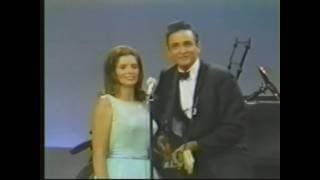
Wheeler got the idea from Who's Afraid of Virginia Woolf, and Cash and Carter trade the taunts like they mean them.
Cale's viola drone, Reed's ostrich guitar, Tucker's tambourine: one of three songs the band recut in Hollywood.
Townshend called it his ace in the hole and never forgave Britain for stopping it at number ten.
Darby Slick wrote it after his girlfriend left; Grace Slick brought it from the Great Society to number five.
Dozier had three Bernadettes in mind, and Levi Stubbs shouts the name at the false ending like a man drowning.
Densmore's bossa nova drum feel, Krieger's riff borrowed from a Butterfield blues cover, and a refrain their producer censored.
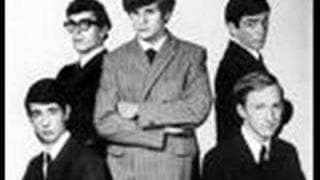
One minute fifty-eight seconds, Dan Penn's jet engine borrowed from a library sound-effects record, and Chilton growling at sixteen.
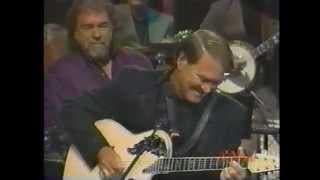
Doug Dillard's banjo rolls under a lyric with no chorus, written soon after Hartford watched Doctor Zhivago.
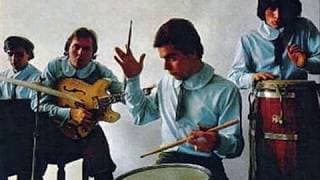
Cavaliere heard the Olympics' version on New York radio, and the Rascals turned a number 81 into a number one.
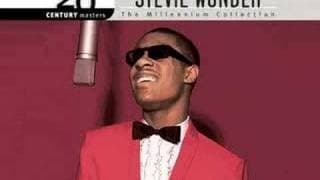
Jamerson's bass line runs like a lead melody, and Wonder co-wrote it with his mother, Lula Mae Hardaway.