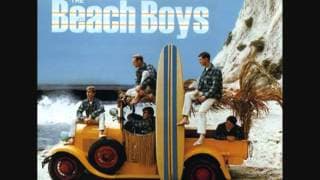
Good Vibrations
1966 · From Smiley Smile
Brian Wilson's pocket symphony, months and a fortune spent chasing one shimmering theremin line into the sunlight.
★ 9.8
 skopia
Brian Wilson's pocket symphony, months and a fortune spent chasing one shimmering theremin line into the sunlight.
Two takes in different keys and tempos spliced into one, a Mellotron haze over Lennon's Liverpool childhood.
It opens by admitting doubt and spends the next two minutes refuting it; McCartney still calls it the greatest.
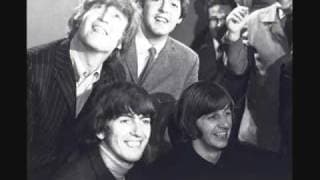
No Beatle plays an instrument on it; George Martin's string octet does everything, sawing away at two solitary lives.
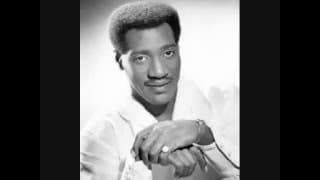
A 1932 Tin Pan Alley ballad, rearranged by Isaac Hayes, until Redding and Al Jackson tear the roof off.
Jones's sitar made it the first number one to feature the instrument, and Decca added the comma by mistake.
Two accordions, a key change eight beats in, and 21 takes at Gold Star before Wilson sang about growing up.
Sledge gave the writing credits away to two bandmates, and Atlantic pressed the take with the out-of-tune horns.
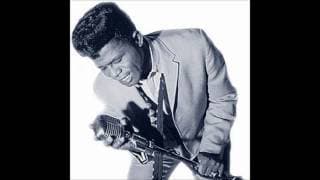
Betty Jean Newsome shares the credit and later claimed all of it; Sammy Lowe's strings carry Brown's most exposed vocal.
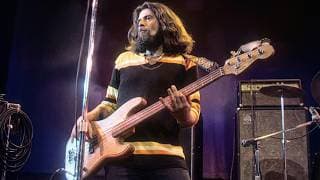
Columbia rejected the RCA session on a technicality, so McGuinn recut his Coltrane-inspired twelve-string and radio banned it anyway.
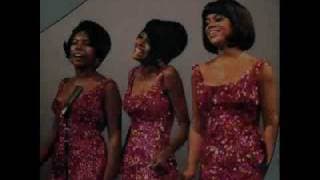
Dozier reportedly took the Morse code guitar figure from a radio news signal, and Ross demands her exit over it.
The frame came from a Dorothy Love Coates gospel record, and Jamerson's bass did the rest.
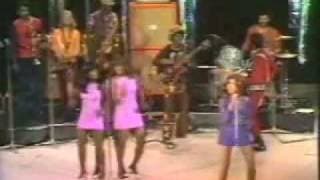
Twenty-one musicians at Gold Star, Turner singing until she was drenched, and a US peak of eighty-eight that broke Spector.
A Vox Continental organ, a Michigan basement studio, a tiny local label, and somehow the number one record in America.
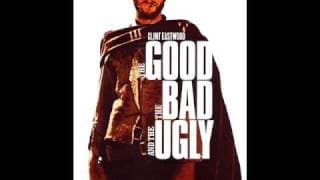
Alessandro Alessandroni whistled the two-note coyote howl, and Hugo Montenegro's cover of it reached number two in America.
Ten minutes at the end of somebody else's session, and an ocarina solo standing in for a hand whistle.
Hendrix took Tim Rose's slow arrangement off a jukebox, Chandler hired the Breakaways, and Britain answered at number six.
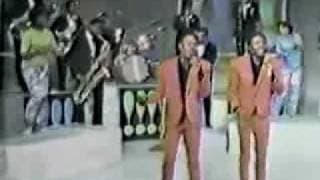
A shout through a Stax restroom door became the title, and Booker T.'s band made it an R&B number one.
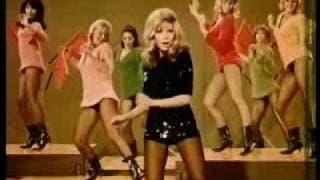
Chuck Berghofer's descending double bass, plus Sinatra talking Hazlewood into letting a woman sing lines written for a man.
A white upright piano, a bout of illness, and Britain's supertax reimagined as a lounging aristocrat pleading poverty.
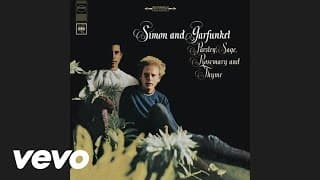
Simon learned it from Martin Carthy in London; Garfunkel wound an anti-war lyric through the ballad as counterpoint.
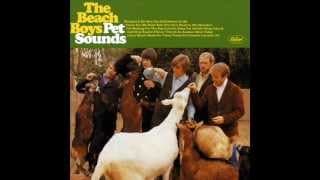
Twelve players at Western, an empty water jug for percussion, and Murry Wilson speeding the tape a semitone.
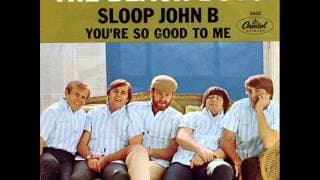
Al Jardine sold Wilson a Bahamian folk tune, and Billy Strange's twelve-string solo went down in a single take.
Car horns and a jackhammer in the instrumental break, a garbage can for percussion, and the Spoonful's only number one.
Townshend built it from a single word in "Tracks of My Tears", and American pressings rewrote the line about race.
Muscle Shoals cut it in 1966, and the title was Aretha Franklin's idea; Mack Rice had called it Mustang Mama.
Sixteen-year-old Michael Brown's hands shook when Renee walked into the control room, so he cut the harpsichord part later, alone.
"Get Ready" stalled at 29, so Gordy handed the Temptations to Whitfield, and Ruffin tore into the result.
Ernie Freeman's arrangement, and a second take Sinatra resented making; the annoyance is why the vocal snarls.
Cale spotted a celesta in the studio, Warhol suggested paranoia, and the last track cut became the album's gentle opener.
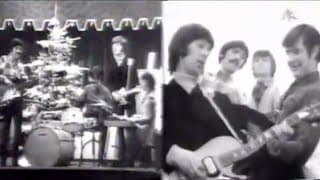
Half an hour in a Marquee rehearsal room, by Muff Winwood's account, and Steve's placeholder yell became the title.
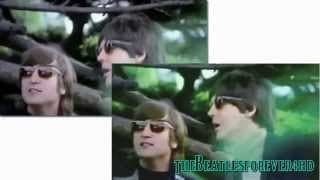
Emerick taped the backing fast and slowed it on playback; Ringo called it the best record he ever made.
Tremolo guitar from arranger Billy Strange, a murder-ballad chorus, and the reading Tarantino chose for Kill Bill's credits.
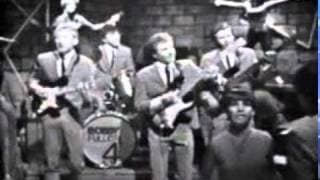
Written by Sonny Curtis after he replaced Buddy Holly in the Crickets, then reborn as Bobby Fuller's number nine.
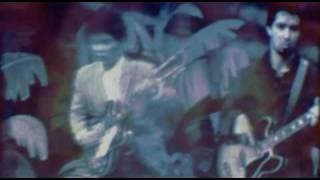
Erickson wrote this kiss-off at fifteen, and Tommy Hall's electric jug gave Texas garage rock its strangest sound.
Holland-Dozier-Holland cut the vocals at Golden World in October 1966, and Levi Stubbs sings like the blow already landed.
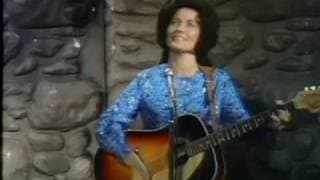
Lynn and her sister Peggy Sue wrote it, and the album became country music's first gold record by a woman.
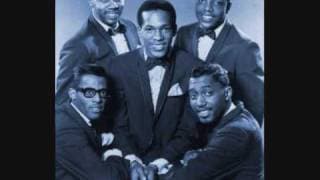
Smokey's song, Kendricks singing lead, number one R&B but only twenty-nine pop, which handed the group to Whitfield.
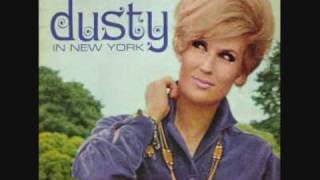
Two people who had never written a lyric rewrote a Sanremo ballad, and Springfield cut her vocal in a stairwell.
Bert Kaempfert's film melody, an Ernie Freeman arrangement, Sinatra's first number one in eleven years, and he reportedly hated it.
Seven weeks at number one for Neil Diamond's song, with Diamond himself on acoustic guitar behind Dolenz's lead.
Ervin Drake's vintage-wine conceit reached Sinatra via the Kingston Trio, and Gordon Jenkins's arrangement won its own Grammy.
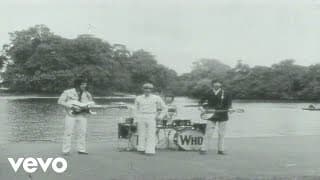
Recorded at IBC in October 1965, it stalled at 41 in Britain, then became the mod movement's calling card.
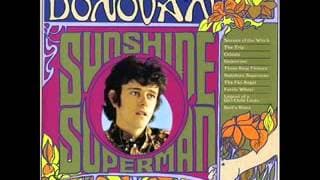
Two chords built for jamming, Mickie Most in the producer's chair, and folk-pop suddenly acquired a shiver of paranoia.
Neville was working the New Orleans docks when he cut this for Par-Lo, a label built to release it.
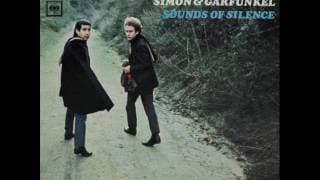
Simon first cut it alone for a UK-only album, then Hal Blaine and Carol Kaye turned withdrawal electric.
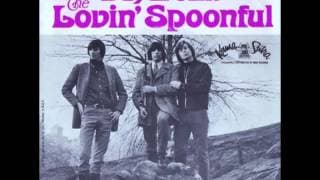
Sebastian was chasing the straight-eighth lilt of 'Baby Love' on tour with the Supremes; McCartney answered with 'Good Day Sunshine'.
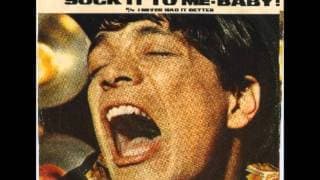
Shorty Long cut it slow and bluesy first; Ryder welded it to Good Golly, Miss Molly and hit number four.
Mann and Weil wrote it about Gerry Goffin's drug problems, by Mann's account; the Raiders took it to number four.
Graham Gouldman's father handed him the opening lines; Gouldman finished the middle eight on his own bus to work.