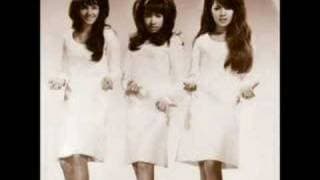
Be My Baby
1963 · From Presenting the Fabulous Ronettes Featuring Veronica
Hal Blaine's four-beat drum intro is the most imitated in pop, and Ronnie Spector owns everything after it.
★ 9.3
 skopia
Hal Blaine's four-beat drum intro is the most imitated in pop, and Ronnie Spector owns everything after it.
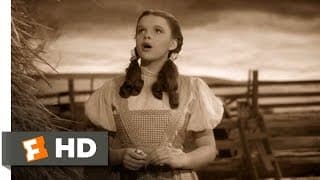
MGM cut it from the film twice until Arthur Freed threatened to quit; Garland was sixteen.
Willie Nelson wrote it; Cline, back after a car wreck bruised her ribs, nailed the vocal in one take.
Spector printed 3:05 on the label of a 3:45 record, and it became the century's most-played song on American radio.
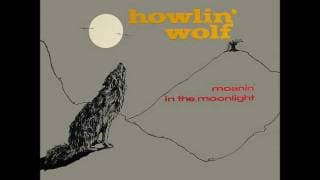
One chord, no changes, Sumlin's guitar circling, and Wolf's howl answering the trains whose sparks named the song.
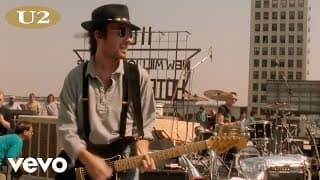
Eno reckoned half the album's sessions went into it and nearly wiped the tape; the Edge's delay does the rest.
Marr faked the strings on an Emulator, credited them to the Hated Salford Ensemble, and Britain waited six years.
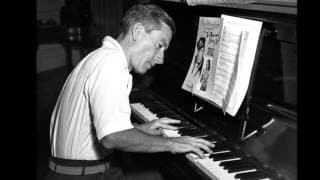
Carmichael whistled the tune to his band at Gennett and cut it fast; Parish added the lyric two years later.
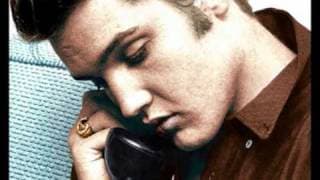
Blackwell gave Presley half the writing credit; the Jordanaires hum behind a vocal so relaxed it barely seems to try.
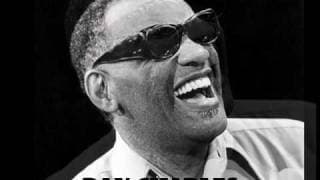
Hoagy Carmichael's 1930 tune, remade as Charles's first Billboard number one and adopted as Georgia's state song in 1979.
Two accordions, a key change eight beats in, and 21 takes at Gold Star before Wilson sang about growing up.
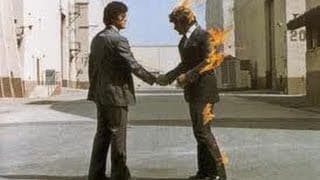
Gilmour's twelve-string comes through a recorded car radio, and Grappelli's violin sits buried near the very end.
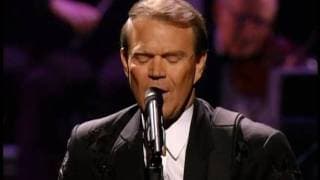
Webb sent it over unfinished, one verse short, and Campbell cut the loneliest three minutes in country music.
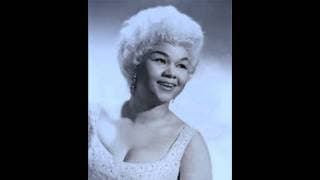
Riley Hampton's strings behind a 1941 film tune James took over, and the Library of Congress preserved it.
Never a professional singer, Gilberto sang at the 1963 session because she spoke English; Record of the Year followed.
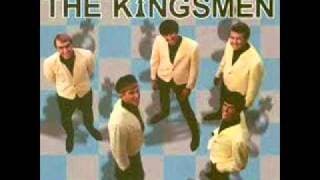
Ely shouted on tiptoe at a mic hung overhead, and the FBI spent thirty-one months failing to decode him.
Withers was building airplane toilets when he cut this, and he left the unfinished bridge as twenty-six repeats.
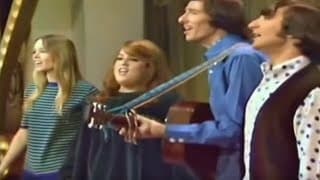
The Phillipses wrote it homesick in a New York winter, and Doherty sang over Barry McGuire's existing backing track.
Cut at Muscle Shoals in December 1969, with Jim Dickinson on tack piano after Ian Stewart refused the minor chords.
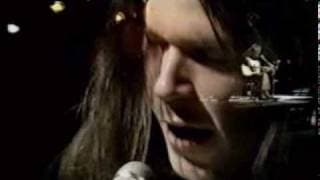
A back injury kept Young seated with an acoustic guitar; Taylor and Ronstadt were in Nashville and sang behind him.
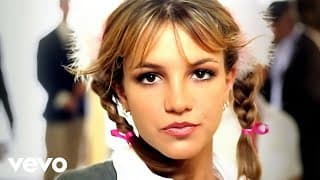
Max Martin built it at Cheiron in Stockholm after TLC and the Backstreet Boys passed, and Spears was sixteen.
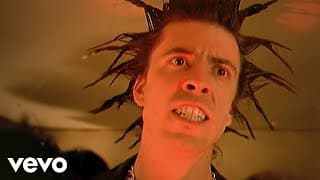
Drums by Grohl, Hawkins not yet in the band, and Louise Post's backing vocals sung down a phone from Chicago.
Howard wrote a waltz; Quincy Jones swung it into four for Basie, and Apollo crews played it in orbit.
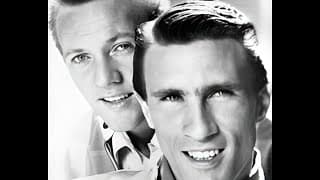
Written for a 1955 prison film, buried on a B-side, and Hatfield sang the whole thing alone.
Carey and Afanasieff wrote it fast in 1994 from Spector chords, and it reached number one twenty-five years later.
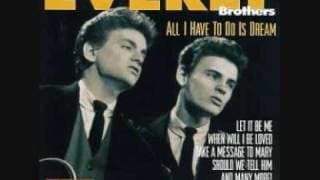
Two live takes in Nashville, Chet Atkins on guitar, and a harmony that topped three Billboard charts at once.
Gore wrote it as a harmonium ballad; Wilder and Flood put a dance beat under it over his objections.
The frame came from a Dorothy Love Coates gospel record, and Jamerson's bass did the rest.
Petty cut it on the Fourth of July, 1976, and Roger McGuinn heard the Byrds so clearly he covered it.
A jam demoed under the title The Weather Girls became a gospel hymn about doubt, and U2's second American number one.
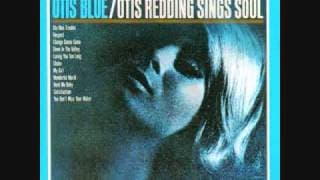
Butler handed Redding a fragment in a Buffalo motel room; two weeks later Stax had the ultimate slow dance.
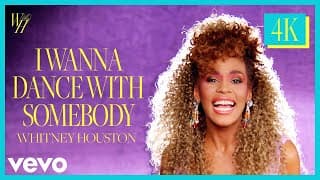
Walden thought the demo too country, funked it up, and Houston cut it while shaking off a bronchial infection.
Ocean wrote it for Bridget Kelly's album, kept it instead, and the falsetto he reaches for does the rest.
Dan Wilson of Semisonic at the piano, Adele singing, nothing else added; five weeks at number one.
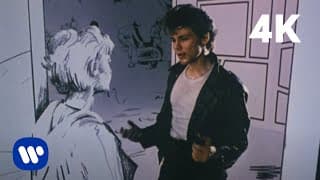
Two releases flopped before the third one broke, Furuholmen's Juno-60 riff intact and a video rotoscoped over sixteen weeks.
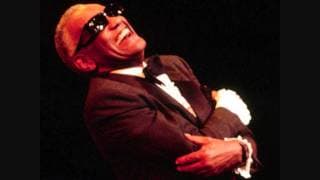
A Don Gibson country weepie, Marty Paich's strings behind it, and five weeks at number one in 1962.
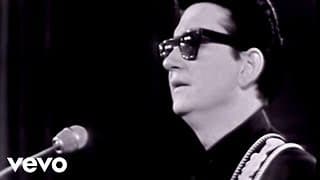
Cut at RCA Studio B with Floyd Cramer on piano, and Orbison's voice climbing until the room falls away.
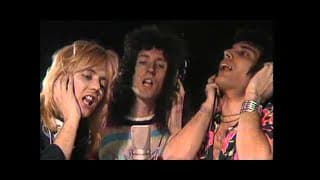
Mercury wrote it at the piano, then three voices were multitracked into something the size of a gospel choir.
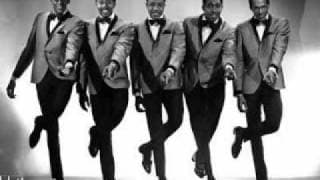
By Otis Williams's account Kendricks stayed for hours of takes; his final Temptations single spent two weeks at number one.
Ken Nelson pointed at the stars outside Rockfield, and Martin sang the melody in his worst Neil Young impression.
Youssou N'Dour improvising in Wolof, and a bassline so deep it had to move up the vinyl.
Danoff and Nivert finished it with Denver one December night, and they premiered it hours later at the Cellar Door.
Summers' arpeggiated riff, Sting's castaway pleading over it, and the first of the Police's five UK number ones.
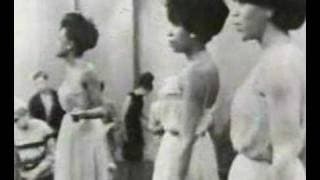
Gordy asked for another Where Did Our Love Go, and Holland-Dozier-Holland answered with footstomps, a sax break, and Ross cooing.
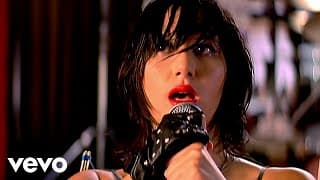
Zinner's looped riff, twenty minutes of writing from Karen O, and a video where the tears are real.
Strings, timpani and a Brazilian baion; Wexler reportedly dismissed the playback as a radio caught between two stations.
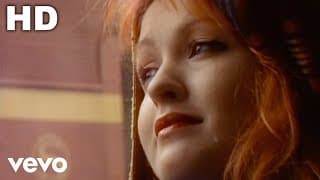
Lauper lifted the title from a TV Guide film listing, and Rob Hyman's harmony makes the chorus ache.
Stills nailed the seven-minute basic track in one take, then all three sang into a single microphone.
Nearly seven minutes, Rory Dodd's voice answering Tyler on the refrain, and Steinman's vampire love song became number one.
Cut at Cheiron in Stockholm with a chorus that contradicts its verses; the coherent version got shelved.
Seven sections in under three minutes, no chorus repeated, and a melody Orbison said arrived while half asleep.
Four-on-the-floor from a Billy Preston jam, harmonica by Sugar Blue, found busking in Paris, and their last American number one.
Drake wanted a record that weddings would still play in ten years, and Majid Jordan's synths delivered exactly that.
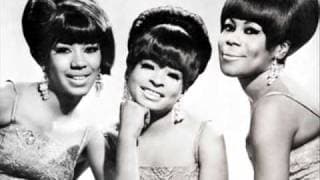
Marvin Gaye played the drums, Gladys Horton pleaded the lead, and Motown had its first Hot 100 number one.
Written in Topanga during a 103-degree fever, double drop D tuning, and a solo that stays on one note.
Roback's guitar and Sandoval's half-whisper, the band's only Hot 100 entry, and television's favorite shortcut to longing.
Bryan Ferry and Billy Idol passed; Simple Minds cut it reluctantly, then kept the placeholder chant that closes it.
A celesta played by the producer's wife, Jerry Allison slapping his knees for drums, and two minutes of pure lift.
Brian Jones on recorder, Wyman fingering a double bass while Richards bowed it, and the Stones' most delicate number one.
Cut at Gold Star in 1963, a commercial flop, then Love sang it for Letterman nearly every December until 2014.
Sixteen-year-old Michael Brown's hands shook when Renee walked into the control room, so he cut the harpsichord part later, alone.
Green wrote it inside an hour by his account, then spent days getting Willie Mitchell to listen.
Mick Jones wrote it overnight for an NME flexi-disc that fell through, and the printed sleeves never listed it.
Steve Porcaro's demo reached Quincy Jones only because a cassette auto-reversed, and it took Carousel's place on Thriller.
Charles Trenet wrote it about the sea; Jack Lawrence's English lyric made it a love song, and Darin swung it.
A swan song by Ferry's own account, with a wordless vocal from Yanick Etienne, found in the next studio.
Prince Markie Dee and Cory Rooney sped up Audio Two's "Top Billin'", and hip hop soul had its template.
MacLean wrote it about waiting for a girlfriend, David Angel scored the horns, and Lee added himself in the mix.
Syd Nathan hated it and fired Ralph Bass for cutting it, then rehired him when it reached R&B's top five.
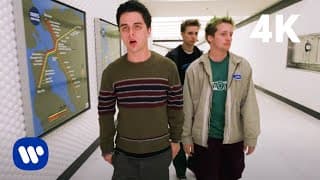
Four palm-muted chords, Dirnt's bass doing the melodic work, and a lyric Armstrong wrote after fighting with Adrienne.
Cut in two New York studios in June 1969, with Mordor and Gollum folded into a restless road song.

By Hetfield's account the open-string intro came one-handed during a phone call, and Kamen's strings did the rest.
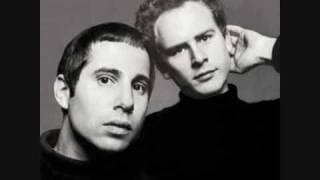
Simon wrote it on an English railway platform missing Kathy Chitty; a plaque at Widnes station now claims the spot.
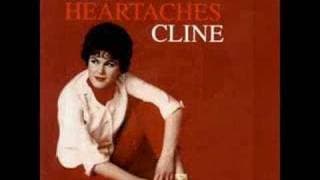
Written for Kay Starr and shelved, resisted by Cline, then sung to victory on Arthur Godfrey's talent show.
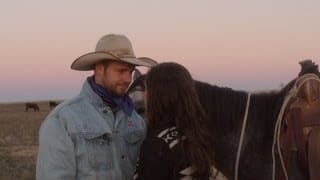
One Letterman performance in March 2014, Herring's angular dancing, and Pitchfork, NME and Spin named it the year's best.
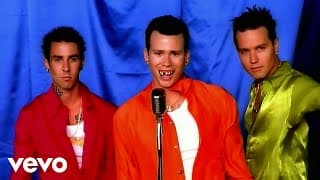
Palm-muted C major at 150 beats a minute, Roger Manning's synth on top, and a boy-band parody video.
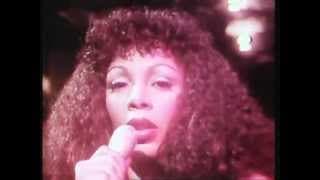
Jabara reportedly locked Summer in a hotel bathroom with a cassette until she agreed; it won the Academy Award.
Crook hit the A minor to G change onstage in Battle Creek; his homemade Musitron took the solo.
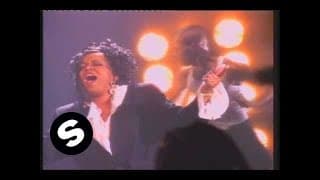
One Korg M1 preset, stripped to vocal and kick, and Beyonce was still borrowing that organ in 2022.
A wordless hum to open, then distortion flooding the chorus; lead single from the Mercury-winning Overgrown.
Nielsen's studio take on In Color went nowhere; the live Japanese version, crowd and all, hit number seven.
Two people who had never written a lyric rewrote a Sanremo ballad, and Springfield cut her vocal in a stairwell.
Ian Stanley wrote the motif, Orzabal added melody and words, and the chorus arrives like a door kicked open.
Berry Gordy wrote it before Motown existed, and arranger Dick Jacobs sped the ballad into Wilson's signature record.
Two labels rejected Cedric Gervais's remix; Radio 1 played it anyway, and the remix took a Grammy and number six.
Jamerson's bass, Levi Stubbs pleading, Holland-Dozier-Holland at the board, and the Four Tops' first million seller.
Chaka Khan's backing vocals lift Winwood's first solo number one, and the Grammy for Record of the Year followed.
Nelson Riddle arranged it uncredited under Les Baxter's name, and Cole's baritone turned a B-side into a million seller.
One minute fifty-eight seconds, Dan Penn's jet engine borrowed from a library sound-effects record, and Chilton growling at sixteen.
Doug Dillard's banjo rolls under a lyric with no chorus, written soon after Hartford watched Doctor Zhivago.
Bedroom pop in the literal sense, a Gary Low disco record slowed to a crawl, and chillwave had its template.
Twelve guitar parts and twelve vocals, by Paul's own count, layered in a Queens apartment studio; nine weeks at number one.

Stevens called it his parting song for Patti D'Arbanville, and Jimmy Cliff took it into the UK top ten.
Todd Terry's remix pushed a subdued album cut into New York house, then held the Hot 100 for a year.
Rzeznik tuned every string but one to D, wrote it for City of Angels, and owned airplay for eighteen weeks.
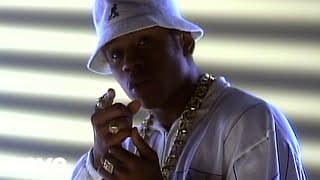
Hip hop's first successful ballad, an MC known for boasts admitting loneliness, and a number fourteen pop hit.
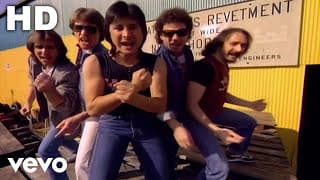
Cain and Perry wrote it backstage during the Escape tour, melody one evening and lyrics the next afternoon.
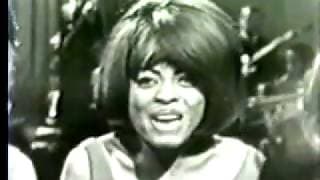
Nella Dodds's cover reached shops first, so Motown rushed theirs out; the Supremes took it to number one.
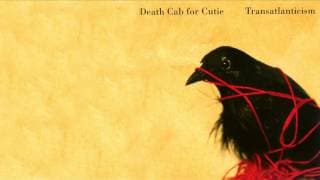
Gibbard watched goodbyes at Heathrow; the band used Weezer's Only in Dreams as the map for that closing climb.
Cello, upright bass and brushed drums, roughly seventy acoustic tracks, and Hoppus and DeLonge trading verses about missing someone.
Diane Warren built it from the title alone, Braxton resisted recording it, then held number one eleven weeks.
Jolley and Swain built it around oppressive heat, and The Karate Kid carried it into the American top ten.
Capitol passed on the Clarity demo, then a dropped band self-funded Bleed American and made those wordless hooks stick.
Recorded at Blackbird Studio in Nashville, it spent fifty-seven weeks on the Hot 100 and won Record of the Year.
Jeff Porcaro's half-time shuffle carried it to Record of the Year, and drummers have been chasing that groove since.
Argent's working title was "Prison Song", and the sunniest harmonies of 1967 are addressed to someone awaiting release.
Sharp and Karpeles collected this Scottish ballad in the Appalachians in 1916; Simone slows it to near-stillness at Town Hall.
Doris Coley's lead flopped on Scepter in 1959; the label reissued it in 1961 and the tenderness finally landed.
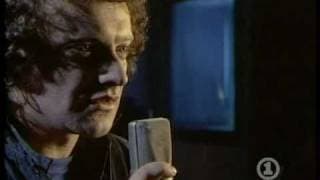
Jones wrote it alone at three in the morning, and the New Jersey Mass Choir carries the final chorus skyward.
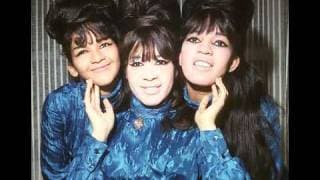
Thunder and lightning cut into the mix, a Mann and Weil melody, and Ronnie daydreaming the boy she hasn't met.
Cut for Victor in 1924 by a conservatory-trained opera singer, its sales proved a mass audience for hillbilly records.
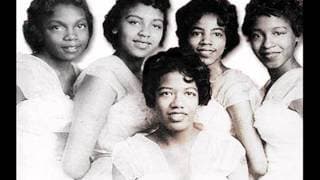
A Manhattan church studio, Richard Barrett's piano figure, and a sixteen-year-old lead vocal that opened the girl-group era.
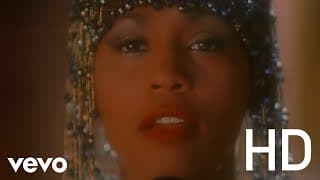
Cut at Encore Studios in 1991, a year before the film, Houston riding a modulation most singers would refuse.
Cut in Corpus Christi with Selena fighting bronchitis, her first take kept, and released months after her murder.
Homesick for his brother Sean, Pecknold buried the vocals in reverb and block harmony that swells like Sacred Harp singing.
Rice-Oxley hammered it out on piano after "Heroes", and Keane proved a rock band could skip guitars entirely.
Spoon's eighth album brought in Dave Fridmann and Alex Fischel, and Daniel spends the chorus asking to be understood.
Acoustic guitar from James Taylor, a flute solo from Curtis Amy, and King mourning a world where nobody stays put.
Neil Sedaka on piano, Darin's own chord discovery, and a wish for an ideal partner that topped Britain.
Brian Alexander Morgan wrote it; the remix laid it over Michael Jackson's Human Nature, and the group initially disliked it.
Martie Seidel lifted the title from a Calgon commercial, then wrote the rest about her sister's new romance.
McCartney played bass and Harrison sang uncredited backing on the Apple debut, while Taylor sat in London missing North Carolina.
Four writers, one late-night phone call, and a chorus that took Record and Song of the Year at the Grammys.
Enigk wrote it as a solo acoustic song; the band took it over, and his cracked howl carries it.
Goffin and Masser's song, first recorded by Marilyn McCoo and Billy Davis Jr.; Tom Scott's saxophone, Houston's first number one.
John Cale's viola and harpsichord circle Drake's plea for a second chance, and Wes Anderson later borrowed it.
A saxophone loop, Big Sean whispering the hook uncredited, and Max Martin's team handing Grande her first pop blockbuster.
A ten-note synth riff cut at Sound 80 in Minneapolis, Cynthia Johnson vocoded then unleashed at full wail.
A letter to an ex, sung over acoustic guitar, fiddle and McLagan's Hammond, and another UK number one.
Lead Belly died months before Gordon Jenkins's orchestra carried his waltz to thirteen weeks atop the American charts.
Eight weeks at number one on a loop from the Emotions' Blind Alley, with Carey sounding weightless above it.
Carlton built that piano figure in about an hour and titled it Interlude; her label insisted on something catchier.
Gibbard wrote it for his girlfriend, Walla produced at a Massachusetts farm studio, ten weeks atop Adult Alternative.
One drum loop, a phone call that brought Nick Rhodes over, and Tessa Niles unleashing the diva on the chorus.