Fire Burning
2009
RedOne produced it with Bilal Hajji, a dance-floor emergency that peaked at number five and opened Miss Universe.
★ 1.2
 skopia
RedOne produced it with Bilal Hajji, a dance-floor emergency that peaked at number five and opened Miss Universe.
Maurice Starr wrote and produced it, Jordan Knight and Donnie Wahlberg took the leads, and Britain crowned it a year later.
Ester Dean's writing put Minaj on a hook rather than a verse, and matched Guetta's best American chart placing.
A chance meeting, a rented London studio, one night's work, and Guetta's first American top five.
Sean Kingston's team turned it down, so Iyaz took it to number one in Britain and number two at home.
Heavy D and Poke and Tone looped the Gap Band's "Outstanding," and the eldest brother took the lead vocal.
Gibson wrote it in 1984, Fred Zarr produced, Louie Vega mixed, and she was sixteen at its release.
Espen Lind swapped a ukulele in for the guitar line, and Monahan's Burning Man daydream became Train's biggest hit.
American Idol turned her down twice, once with this very song, and MySpace made her a star instead.
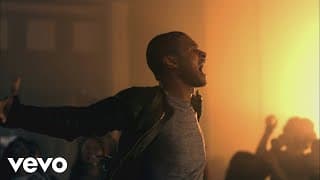
Rihanna's team turned it down for Loud, and Usher took it to number four with Pitbull along for the ride.
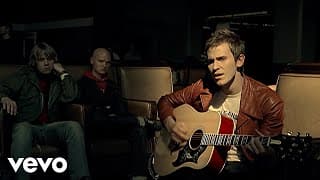
Cut at John Alagia's home studio in Maryland, it topped Adult Pop Songs for nine weeks and became a wedding standard.
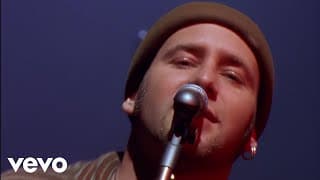
Cut at Ardent Studios in Memphis, re-recorded in 1997 for the band's second album, and a number eleven hit.
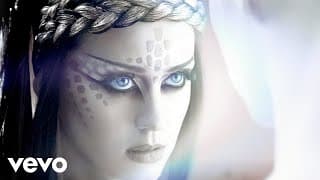
Dr. Luke and Max Martin built the dubstep stomp at Conway; West's verses took it to number one.
Eleven key changes, Hal Blaine and the Wrecking Crew behind them, four weeks at number one.
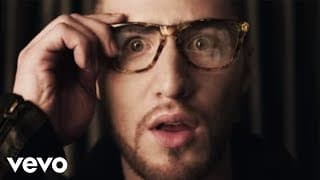
Recorded on cheap gear in a college dorm room, co-written with Big Sean, and a number six hit.
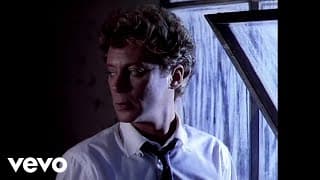
Previte and DeNicola wrote it in 1984; Carmen cut it in an Ohio studio and Dirty Dancing did the rest.
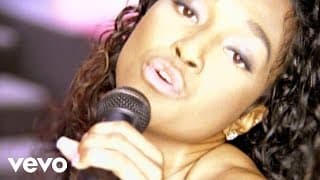
Babyface wrote and produced it at the Music Grinder, and T-Boz makes a summer crush sound effortless.
Branford Marsalis blowing a jazz solo across Narada Michael Walden's production, and Shanice sounds like she is actually smiling.
A Racey album track called "Kitty" until Basil switched the gender, added the cheer chant, and directed the video herself.
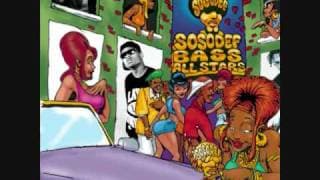
Bass from Atlanta, an R&B vocal on top, and a 2016 dance craze that beat its 1996 chart peak.
Whitlock met Moroder by fixing his Ferrari, then wrote the lyric driving home; Nunn took it to number one.
Criteria Studios in Miami, Kenny Laguna producing, the Strangeloves' 1965 hook over Barbarossa's Bo Diddley drums.
Trackmasters looped Michael Jackson's The Lady in My Life, Boyz II Men sang the hook, and LL won a Grammy.
Maurice Starr built New Edition as an answer to the Jackson 5, and this hit number one in Britain.
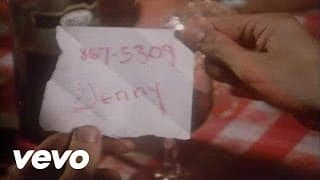
Alex Call says there was no Jenny, just a backyard afternoon, four chords and seven digits America dialed for decades.
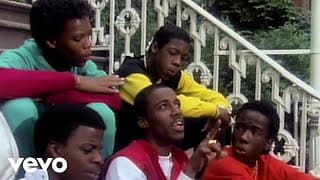
A LinnDrum, five Boston teenagers, and a spoken bridge calling out Ronnie, Bobby, Ricky and Mike by name.
Dolby storyboarded the video before writing a note, then had TV scientist Magnus Pyke shout the title's last word.
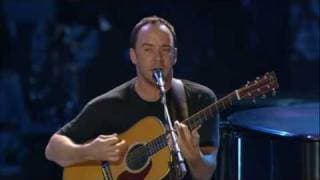
Eight minutes on the album, four on the radio, and Tinsley learned his violin solo the day before.
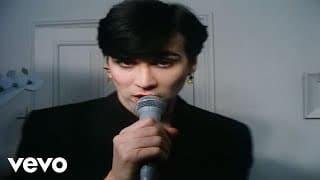
Martin Rushent's last Human League production for seven years, with four band members trading lines over a restless synth hook.
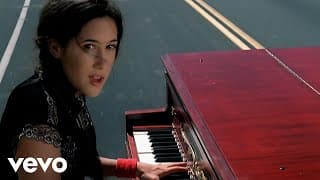
Carlton built that piano figure in about an hour and titled it Interlude; her label insisted on something catchier.
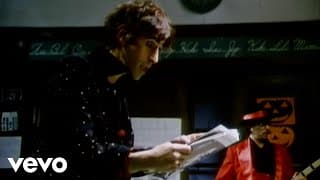
Justman, the band's keyboardist, wrote it, and his synth hook took a Worcester blues band to six weeks at number one.
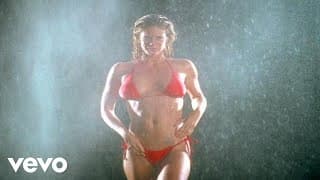
Schlesinger owned up to this one, chasing the Cars; Ocasek assumed the intro was sampled from Just What I Needed.
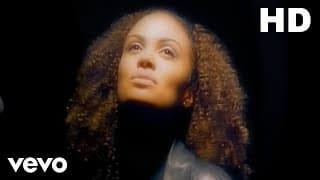
Larrieux's feathery lead over Bryce Wilson's interpolation of the Mary Jane Girls, and neo soul had its blueprint.
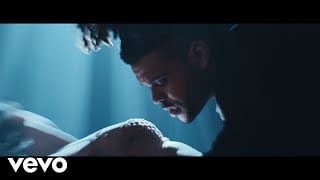
Stephan Moccio's piano under strings that swing in six-eight, and Tesfaye's first Hot 100 top five.
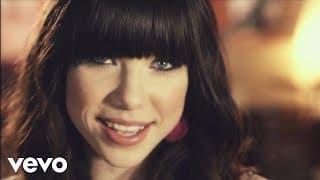
A folk song on tour until Josh Ramsay poppified it, then nine weeks at the top of the Hot 100.
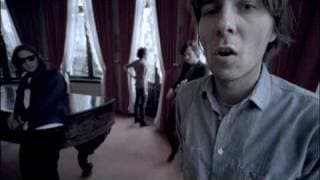
Heine coined the word for Liszt's swooning fans, and Philippe Zdar gave these guitars their chrome shine.
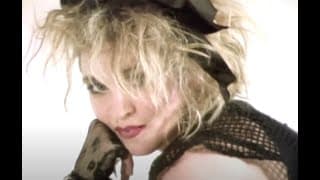
Written on a Casiotone the DJ Mark Kamins gave her, finished by Jellybean Benitez, and Madonna's first top five.
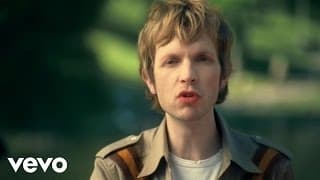
Thirteen seconds of chiptune open it, and the Dust Brothers built the rest around Beck jamming acoustic guitar.
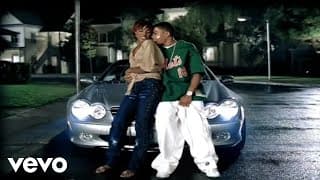
Bowser's beat interpolates Patti LaBelle, Kelly Rowland sings the hook, and it spent ten weeks at number one.

Greg Kurstin's four-on-the-floor and mid-nineties Erasure worship turned the Quins into a dance-chart number one.
Rodgers and Edwards wrote the groove, Ross remixed the album to lift her vocal, and it topped the Hot 100.
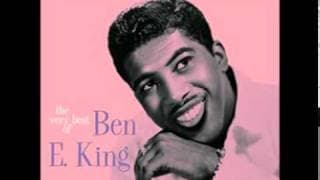
Cut at the October 1960 session that also produced Stand by Me, with Stoller's marimba triplets carrying everything.
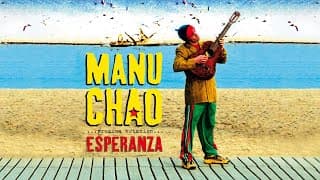
Three guitar chords, spoken city names saluting Havana's Radio Reloj, and a list of small pleasures that lands on you.
A vocoder over a Strokes drawl: Casablancas welded two Daft Punk demos together and sang about a chance he missed.
Hunter set his lyric in Grosvenor Square, and from 1977 the Dead ran it straight into Fire on the Mountain.
Puff Daddy shaping the hook, the Ummah programming the drums, Carey's third record to debut at number one.
Battery Studios, London: the echoing riffs were written for a guitarist who had just joined, and they still sound airborne.
A demo Janet Jackson's camp turned down, which Houston rode to number one over her cousin Dionne Warwick.
Ian Stanley wrote the motif, Orzabal added melody and words, and the chorus arrives like a door kicked open.
Five hours on brand-new sixteen-track, with a vocal fed through an Ampeg amp's tremolo for that shimmering close.
Tom Tom Club's Genius of Love, flipped by Dave Hall, and Carey the first woman to debut at number one.
Stephen Street produced it, the Duke Quartet supplied the strings, and O'Riordan wrote the melody at her audition.
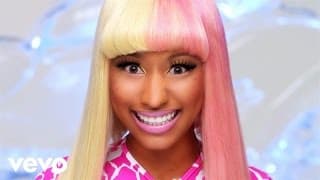
Kane Beatz's synth bounce, a bonus track buried on the Pink Friday deluxe, and Minaj's first solo top ten.
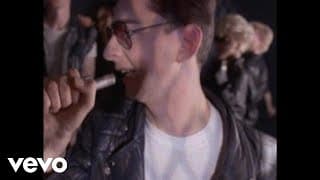
Daniel Miller sequenced it on a Roland MC-4, Vince Clarke's last single for the band and still a terrace chant.
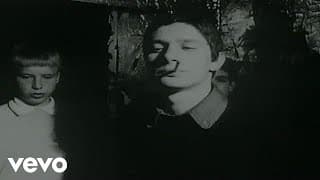
Straightforward Kink copying, by Townshend's own admission, with the Ivy League on harmonies and Shel Talmy at the desk.
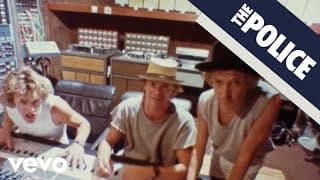
Four years in Sting's drawer before The Police cut it, and Jean Roussel's piano overdubs are why it soars.
Bob Andrews cut it in 1988 to no interest; Lillywhite's remix made it Britpop's founding jangle.
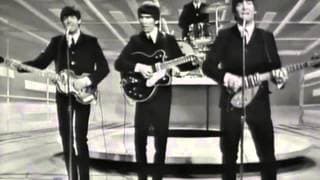
Martin spliced McCartney's count-in from take nine onto take one, and rock and roll never had a better doorway.
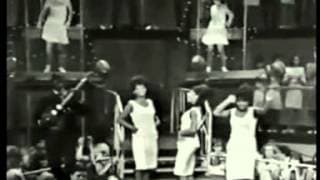
Nonsense syllables meant to be replaced by real words, La La Brooks on lead, and Spector's Gold Star thunder.
Young wrote it on doctor-ordered voice rest, whistling the melody, then chased Sampedro's Stringman chords for eight electric minutes.
Written in Topanga during a 103-degree fever, double drop D tuning, and a solo that stays on one note.
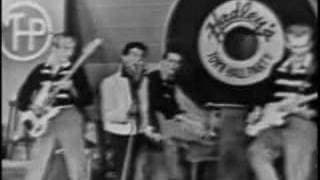
Cut in Nashville as a B-side, flipped by radio, and Cliff Gallup's guitar breaks took it to number seven.
A shaken Pepsi bottle gave Blackwell the title, and Presley's version held number one for two solid months.
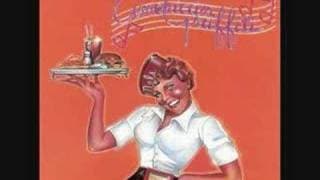
Herman Santiago built it from a neighbor's love letters; Lymon, thirteen, took the lead and the credit fight ran decades.
Pras suggested the cover, the beat lifts Tribe's Bonita Applebum, and Hill sings it like she wrote it herself.
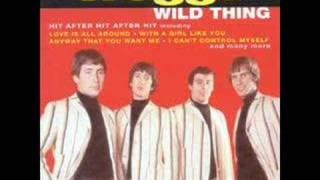
Ten minutes at the end of somebody else's session, and an ocarina solo standing in for a hand whistle.
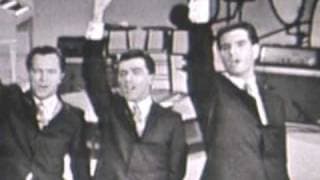
Two quiet verses, then Artie Schroeck's brass kicks the door in, and Valli's solo single stalled one place from number one.
Cut in Clovis as "Cindy Lou" until Allison's girlfriend got the title, and his paradiddles never let up.
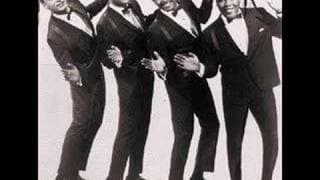
Dozier lifted the title from his grandfather flirting in a beauty shop, and Stubbs sings it like a plea.
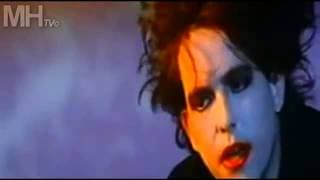
Smith traced it to a day at Beachy Head with Mary Poole; Williams sped the tempo, adding the opening fill.
Cooke credited it to his brother L.C. to dodge his publisher, then carried it to number one on both charts.
Sledge gave the writing credits away to two bandmates, and Atlantic pressed the take with the out-of-tune horns.
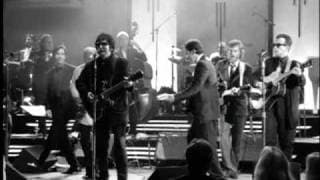
Claudette said she was going out, Dees answered that a pretty woman never needs money, and the riff followed.
Dave Davies took a razor blade to his little Elpico amp's speaker cone, and distortion arrived on British radio.
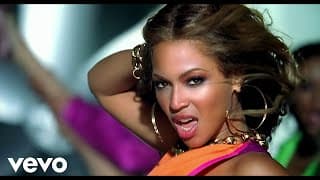
Rich Harrison looped a Chi-Lites horn fanfare; Jay-Z turned up at three in the morning and improvised his verse.