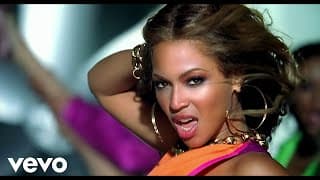
Crazy in Love
2003
Rich Harrison looped a Chi-Lites horn fanfare; Jay-Z turned up at three in the morning and improvised his verse.
★ 8.8
 skopia
Rich Harrison looped a Chi-Lites horn fanfare; Jay-Z turned up at three in the morning and improvised his verse.
Dave Davies took a razor blade to his little Elpico amp's speaker cone, and distortion arrived on British radio.
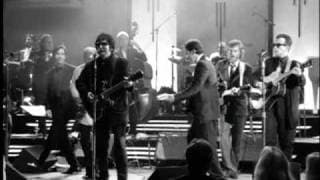
Claudette said she was going out, Dees answered that a pretty woman never needs money, and the riff followed.
Sledge gave the writing credits away to two bandmates, and Atlantic pressed the take with the out-of-tune horns.
Cooke credited it to his brother L.C. to dodge his publisher, then carried it to number one on both charts.

Smith traced it to a day at Beachy Head with Mary Poole; Williams sped the tempo, adding the opening fill.
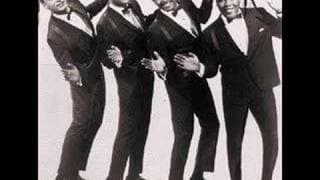
Dozier lifted the title from his grandfather flirting in a beauty shop, and Stubbs sings it like a plea.
Cut in Clovis as "Cindy Lou" until Allison's girlfriend got the title, and his paradiddles never let up.
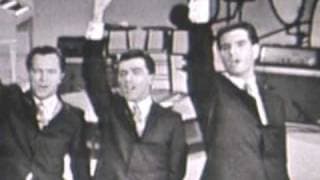
Two quiet verses, then Artie Schroeck's brass kicks the door in, and Valli's solo single stalled one place from number one.
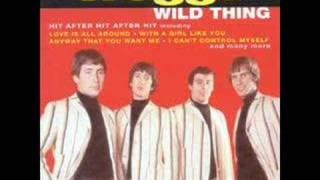
Ten minutes at the end of somebody else's session, and an ocarina solo standing in for a hand whistle.
Pras suggested the cover, the beat lifts Tribe's Bonita Applebum, and Hill sings it like she wrote it herself.
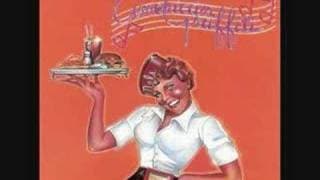
Herman Santiago built it from a neighbor's love letters; Lymon, thirteen, took the lead and the credit fight ran decades.

A shaken Pepsi bottle gave Blackwell the title, and Presley's version held number one for two solid months.
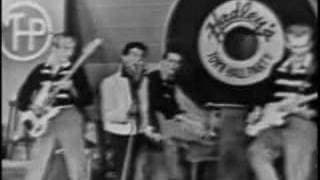
Cut in Nashville as a B-side, flipped by radio, and Cliff Gallup's guitar breaks took it to number seven.
Written in Topanga during a 103-degree fever, double drop D tuning, and a solo that stays on one note.
Young wrote it on doctor-ordered voice rest, whistling the melody, then chased Sampedro's Stringman chords for eight electric minutes.
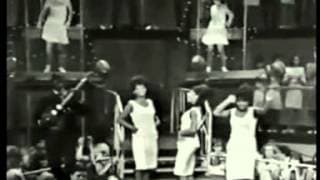
Nonsense syllables meant to be replaced by real words, La La Brooks on lead, and Spector's Gold Star thunder.
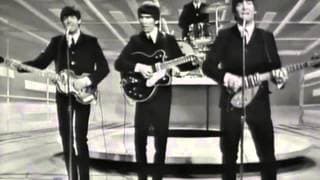
Martin spliced McCartney's count-in from take nine onto take one, and rock and roll never had a better doorway.
Bob Andrews cut it in 1988 to no interest; Lillywhite's remix made it Britpop's founding jangle.
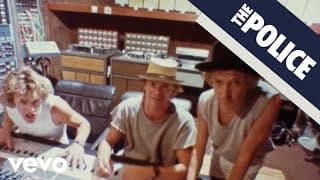
Four years in Sting's drawer before The Police cut it, and Jean Roussel's piano overdubs are why it soars.