Like a Rolling Stone
1965 · From Highway 61 Revisited
A snare crack, a sneer, and Kooper's uninvited organ swirling through the song that split rock open.
★ 10.0
 skopia
A snare crack, a sneer, and Kooper's uninvited organ swirling through the song that split rock open.
Aretha takes Otis Redding's song away from him for good, spells out the demand, and never gives it back.
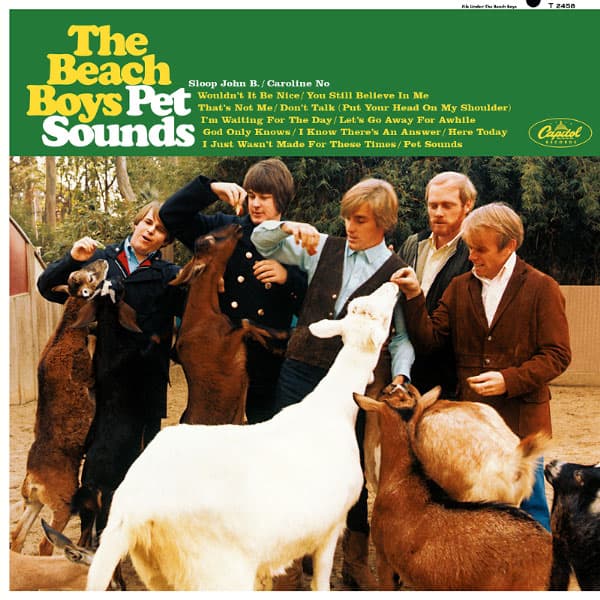
Brian Wilson made it with session players while the rest of the band toured, using bicycle bells, dog whistles and a Coca-Cola can.
Two unfinished songs bolted together, an orchestra climbing to nothing, and the last piano chord in pop.
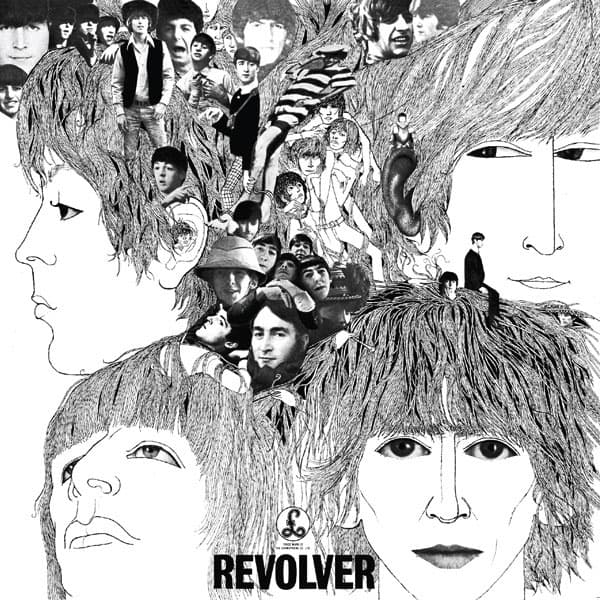
On Tomorrow Never Knows, engineers held five tape loops on pencils and mixed them live. No Beatle plays an instrument on Eleanor Rigby.
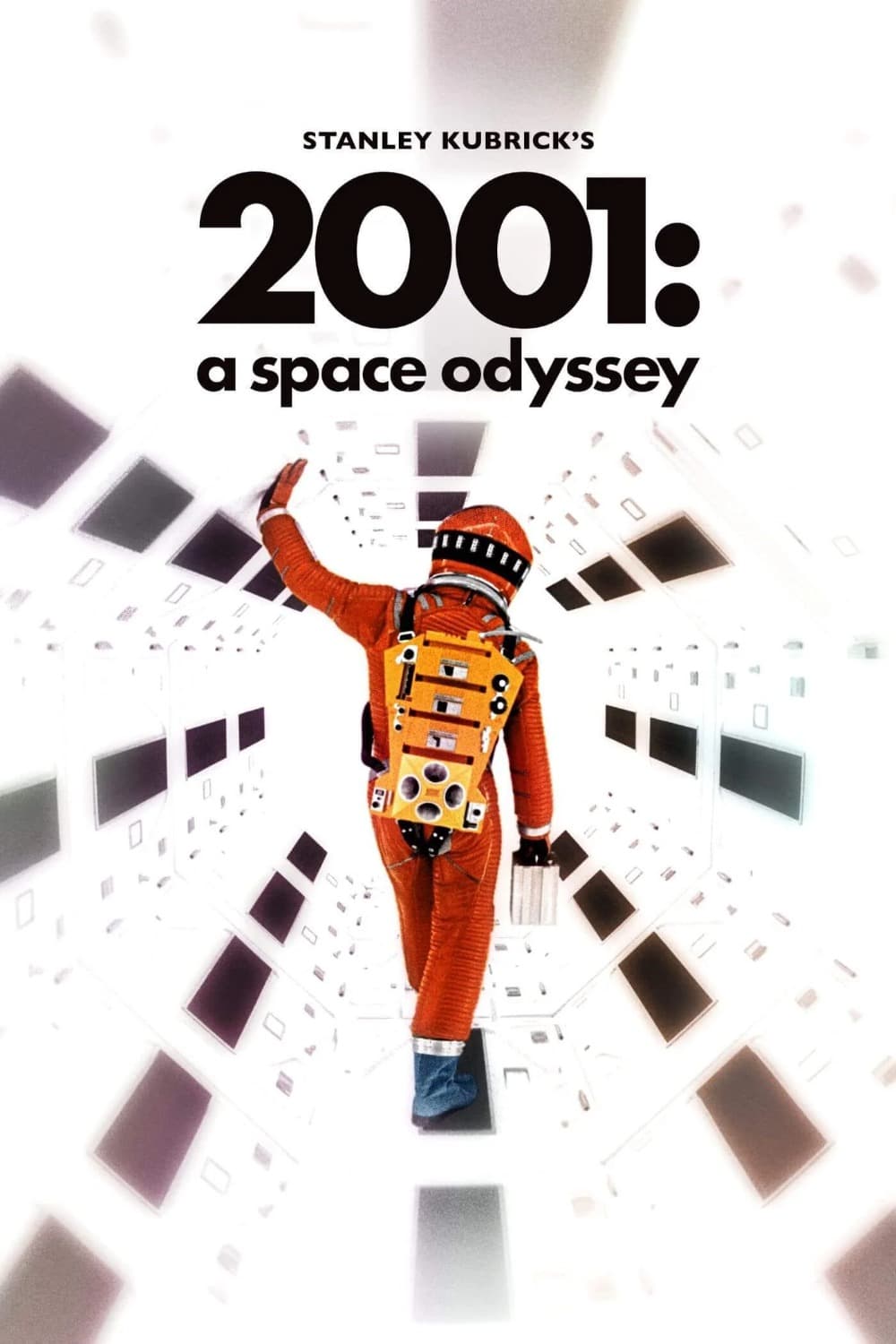
Kubrick took the audience from the first bone tool to the far side of Jupiter, explained almost nothing, and made every science fiction film since look domestic by comparison.
Keith dreamt the fuzz riff, taped it half-asleep, and woke up holding the sound of teenage frustration.
Brian Wilson's pocket symphony, months and a fortune spent chasing one shimmering theremin line into the sunlight.
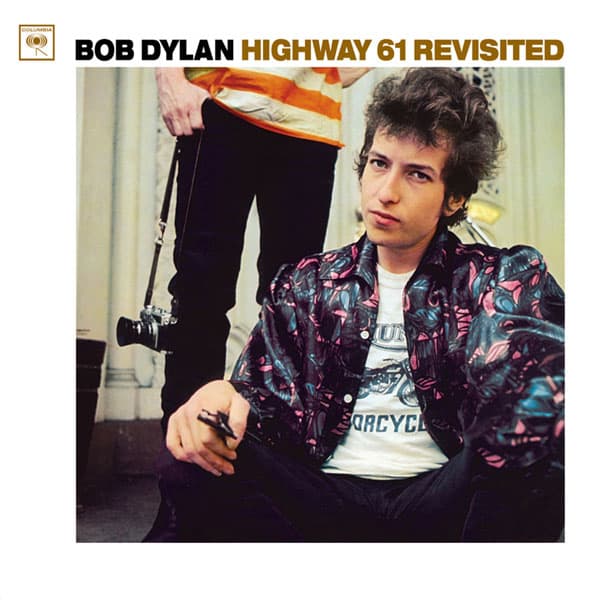
Al Kooper was not the organ player and sat down at it anyway, which is the sound everybody remembers from Like a Rolling Stone.
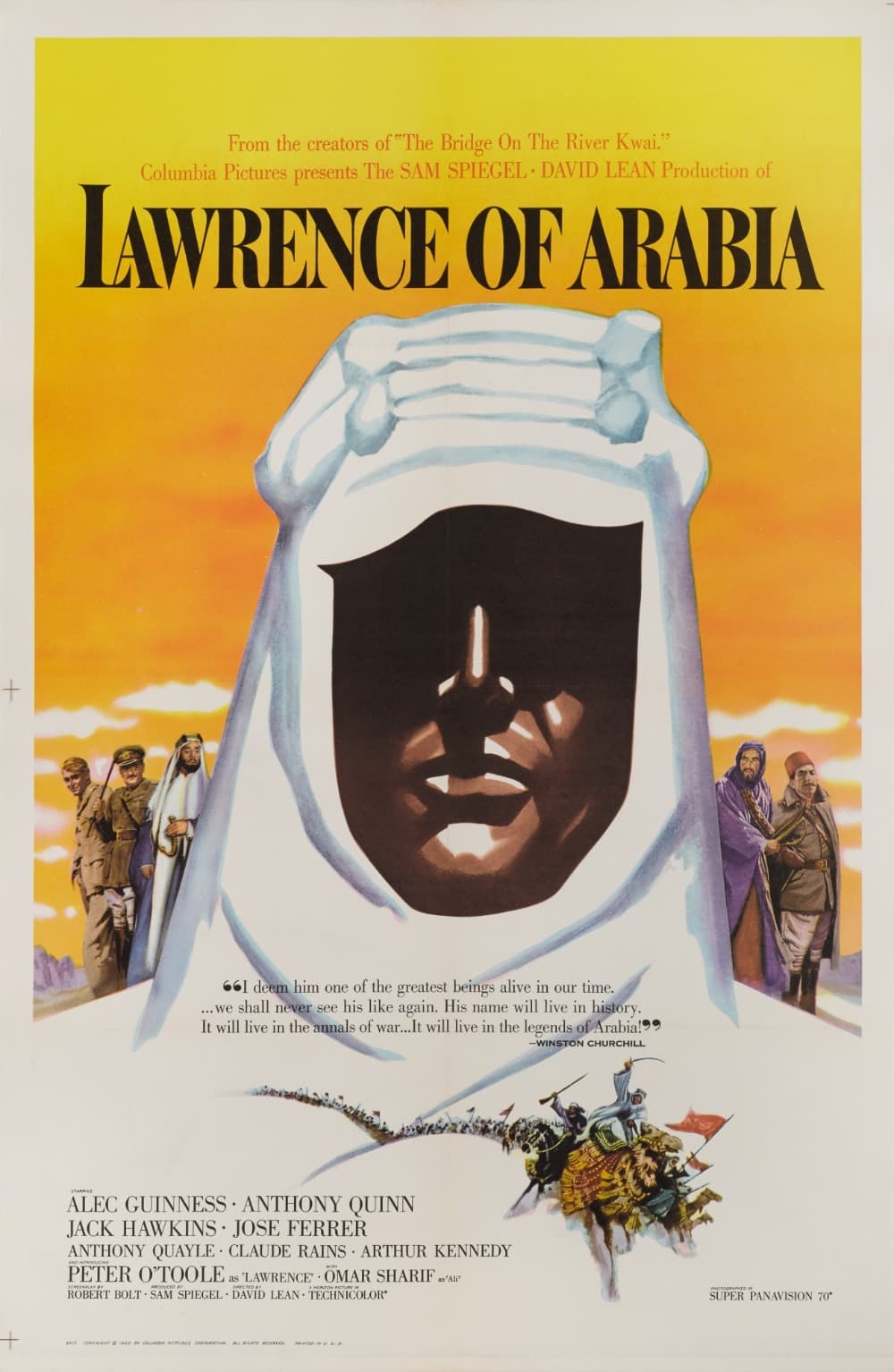
There is no better argument for seeing a film on the largest screen you can find: Lean's desert swallows the frame, and a British officer dissolves inside it over nearly four hours.
Two takes in different keys and tempos spliced into one, a Mellotron haze over Lennon's Liverpool childhood.
Cooke wrote it after a motel turned him away, and sang it like a hymn he already knew by heart.
It opens by admitting doubt and spends the next two minutes refuting it; McCartney still calls it the greatest.
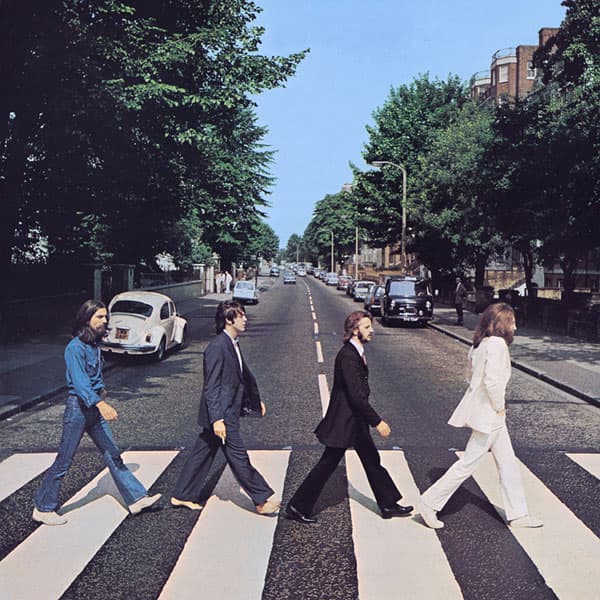
The last album they recorded together, with side two stitched out of songs nobody had finished. The cover shoot took about ten minutes.
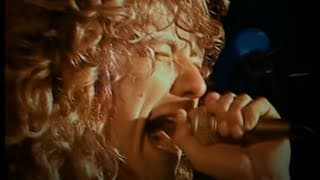
Page's riff, Plant's howl, and a theremin freakout in the middle that still sounds like the roof coming off.
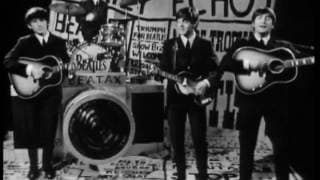
Handclaps, that leaping chord under "I can't hide," and five weeks later America belonged to them.
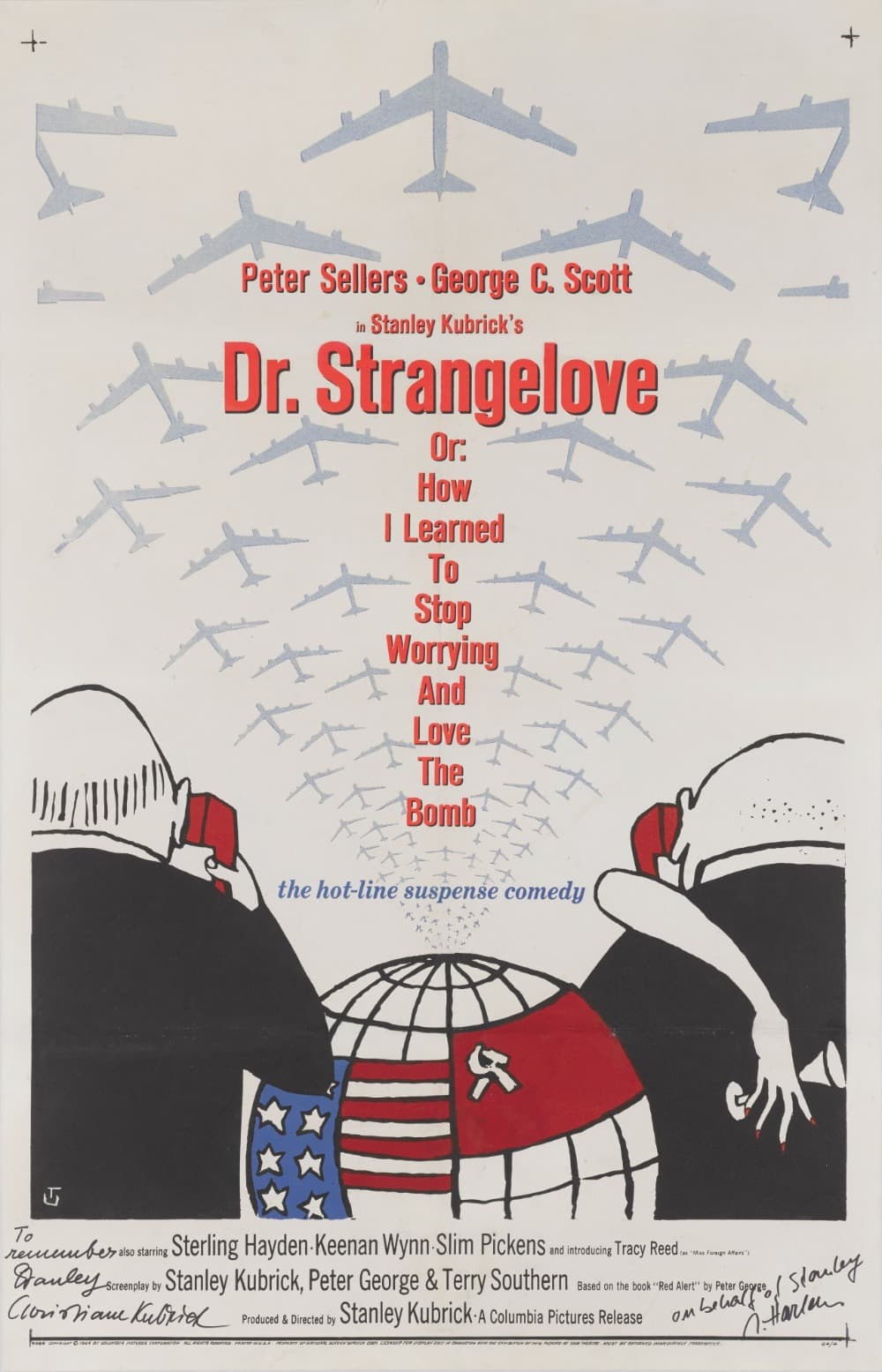
Nuclear annihilation has never been this funny, and never will be again: Kubrick worked out that the strategy was already absurd, and simply let his generals talk.

It took about seven hundred hours of studio time when their first album took one day, and no singles were released from it.
Harrison wrote it in Clapton's garden while skipping a business meeting, and it sounds exactly like that relief.

Seven generations of one family in Macondo, where insomnia comes as a plague and the rain lasts four years. García Márquez reports the impossible as plain fact.
Seven minutes, four of them just na-na-na, and somehow nobody has ever wanted it to end sooner.
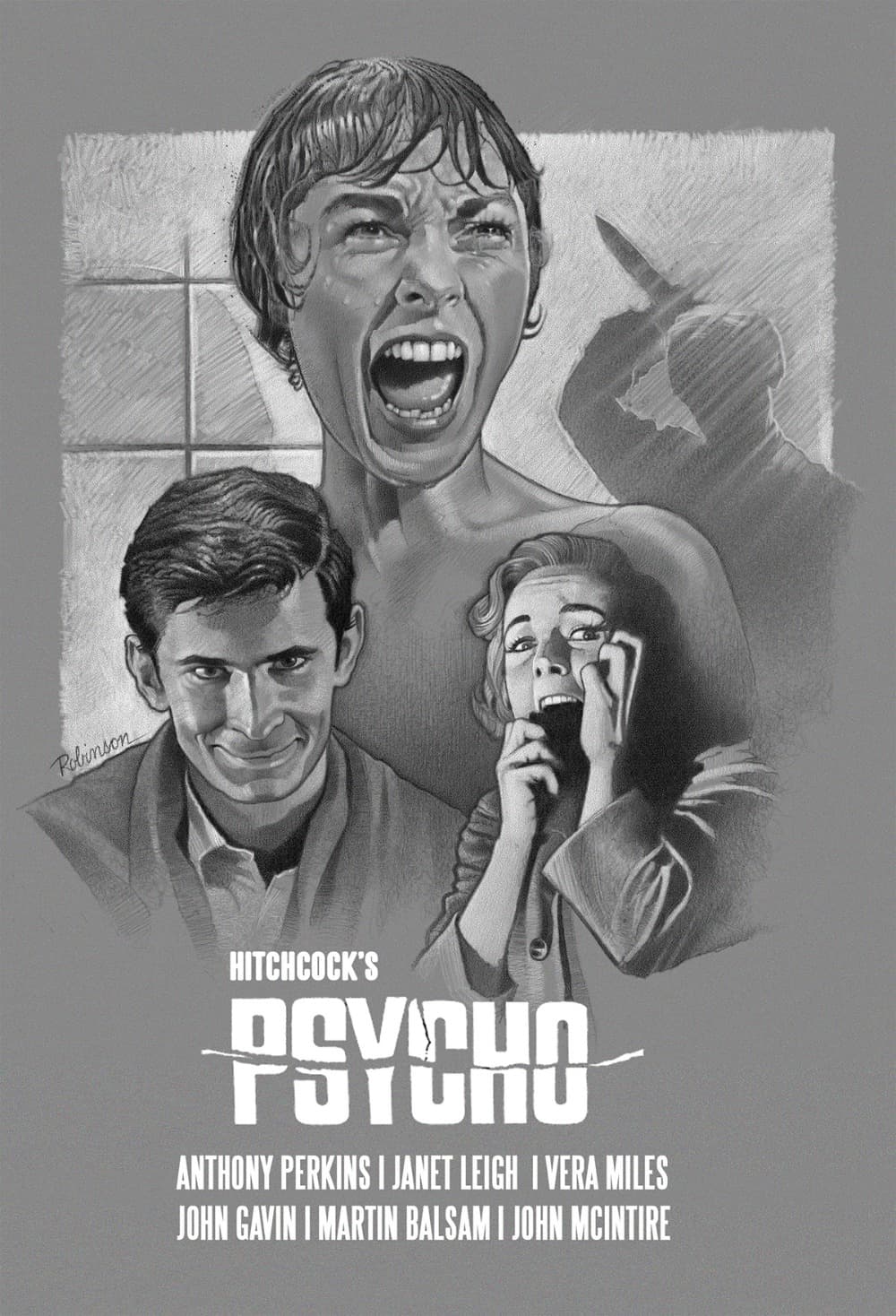
The film that invented modern horror: Hitchcock broke an unspoken rule about how a story is meant to behave, and every thriller since has been working in the space he opened.
McCartney dreamt the melody, called it "Scrambled Eggs" for weeks, then let a string quartet make it immortal.

Andy Warhol's only real production instruction was to leave the mistakes in. It sold badly enough that the band were dropped soon afterwards.
Merry Clayton's voice cracking on "murder" is the sound of the sixties ending, mid-take, in one syllable.
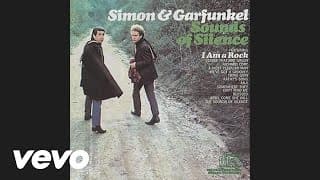
A folk flop until a producer secretly overdubbed electric guitars, and the duo heard their number one on the radio.
That four-note bassline, a gospel hymn turned into a promise, and one of the warmest vocals ever recorded.
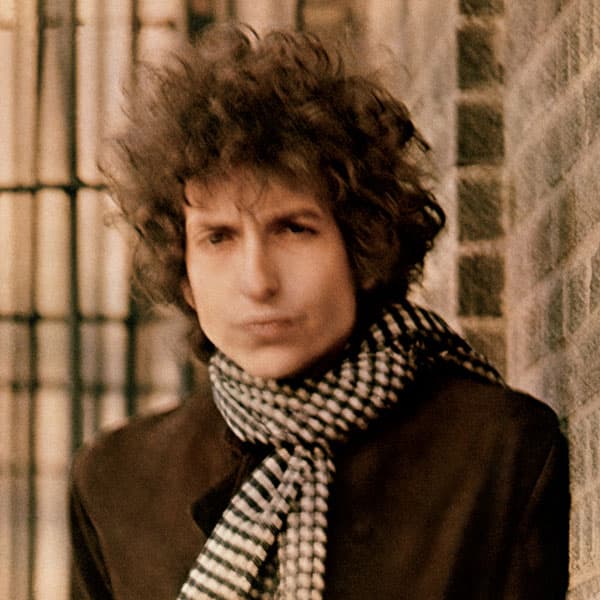
The Nashville session men sat around for hours while Dylan finished writing. Sad Eyed Lady of the Lowlands was cut at four in the morning.

Hal Blaine's four-beat drum intro is the most imitated in pop, and Ronnie Spector owns everything after it.
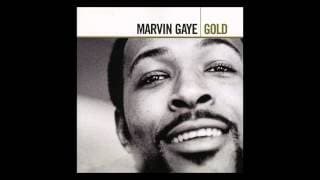
Motown shelved Gaye's version for over a year; it came out sounding like paranoia set to a Funk Brothers groove.

Hendrix cut it on four tracks in stolen studio hours between gigs, and nobody had heard a guitar do any of it before.
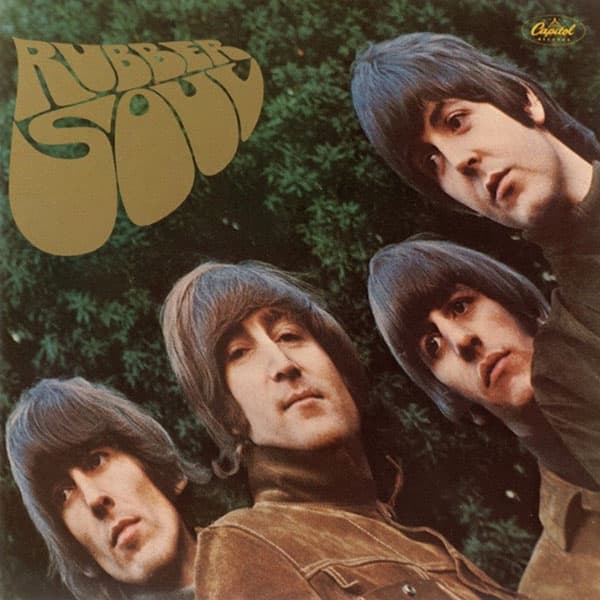
Norwegian Wood has the first sitar on a pop record. The stretched cover photograph happened when a slide slipped during the projection.
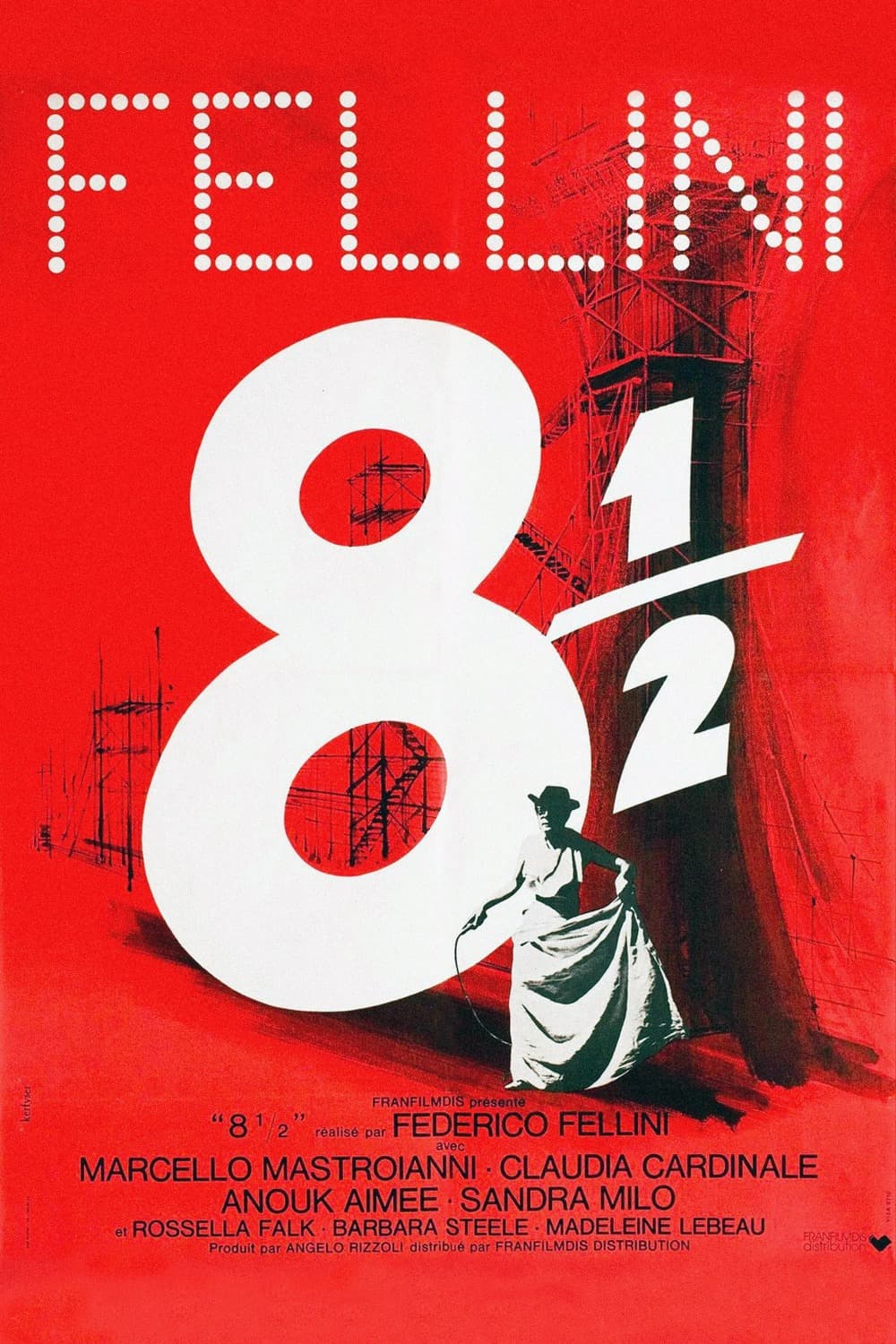
Fellini could not think of a film to make, so he made one about that: the result is a circus of memory and fantasy that every artist since has borrowed from.
For the loser now will be later to win, For the times they are a-changin'.
Hendrix took Dylan's parable and lit it, and Dylan has played it Hendrix's way ever since.
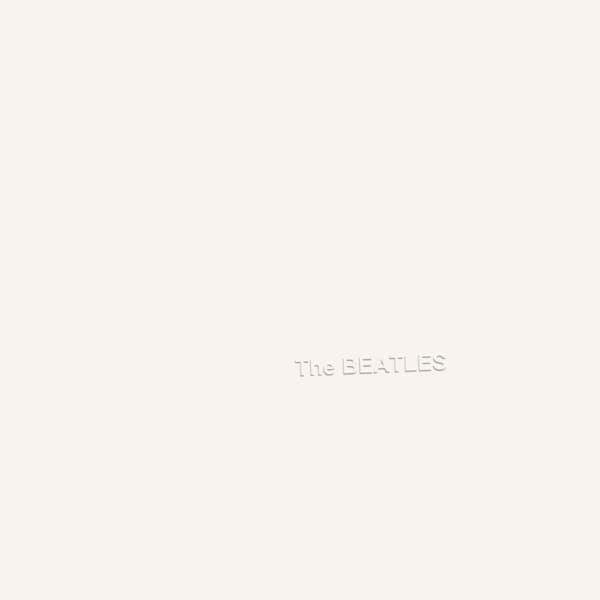
Ringo Starr quit for two weeks during the sessions and Paul played drums in his absence. The cover is plain white with a stamped serial number.
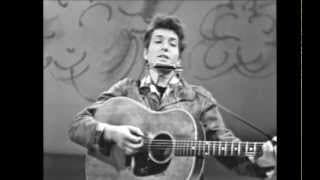
Nine questions, no answers, and the song the civil rights movement adopted whole and never gave back.
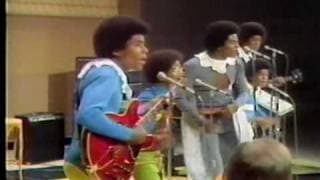
A child singing about regret over the springiest bassline Motown ever cut, and selling it completely.