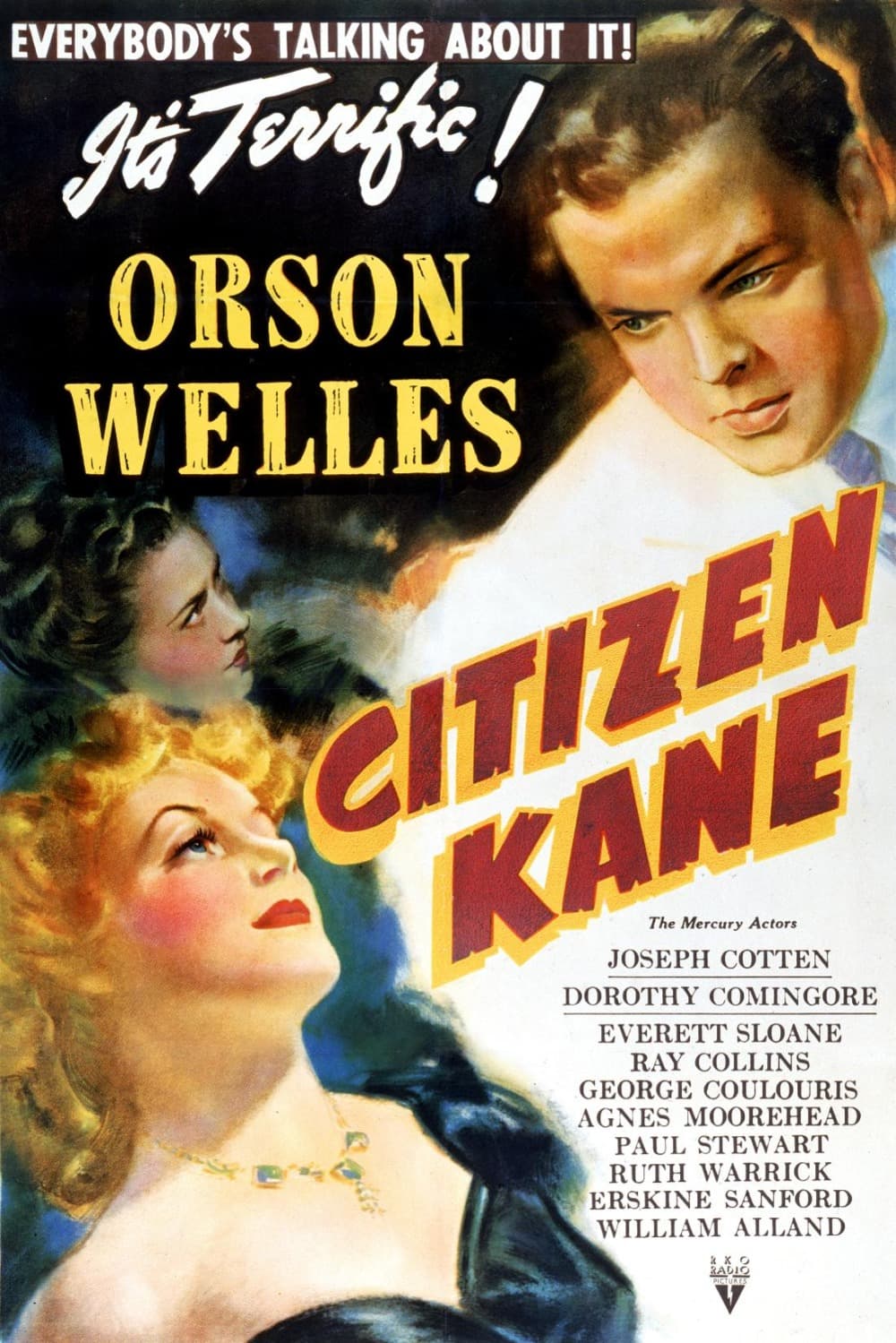
Citizen Kane
Directed by Orson Welles
1941
Welles was twenty-five and had never directed a feature before: he built a portrait of a man whose whole life nobody around him can add up, and changed everything.
★ 9.9
 skopia
Welles was twenty-five and had never directed a feature before: he built a portrait of a man whose whole life nobody around him can add up, and changed everything.
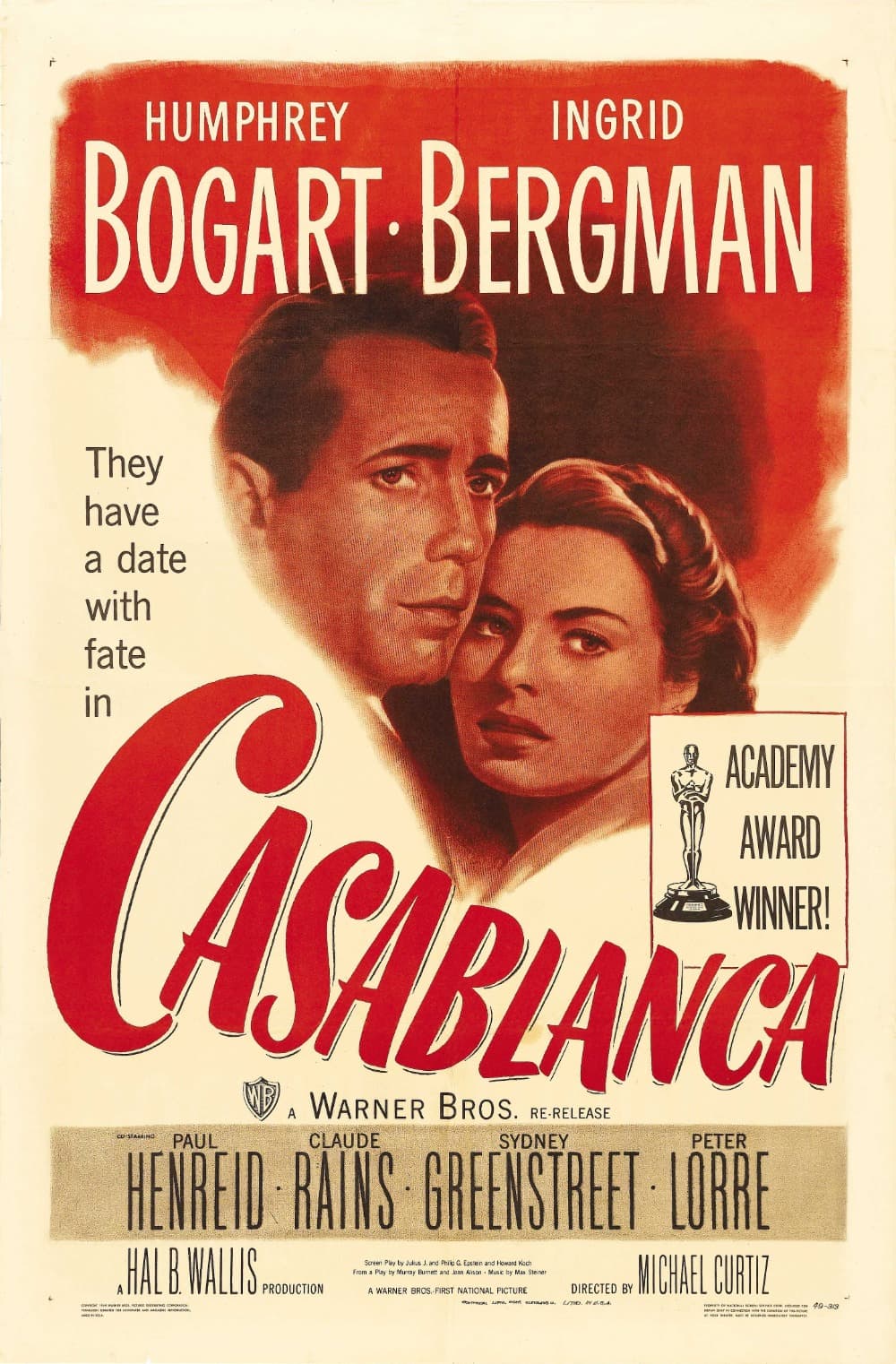
Proof that a studio picture thrown together in a hurry can outlive everything around it: eighty years on, the lines are still in the language and the romance still lands.
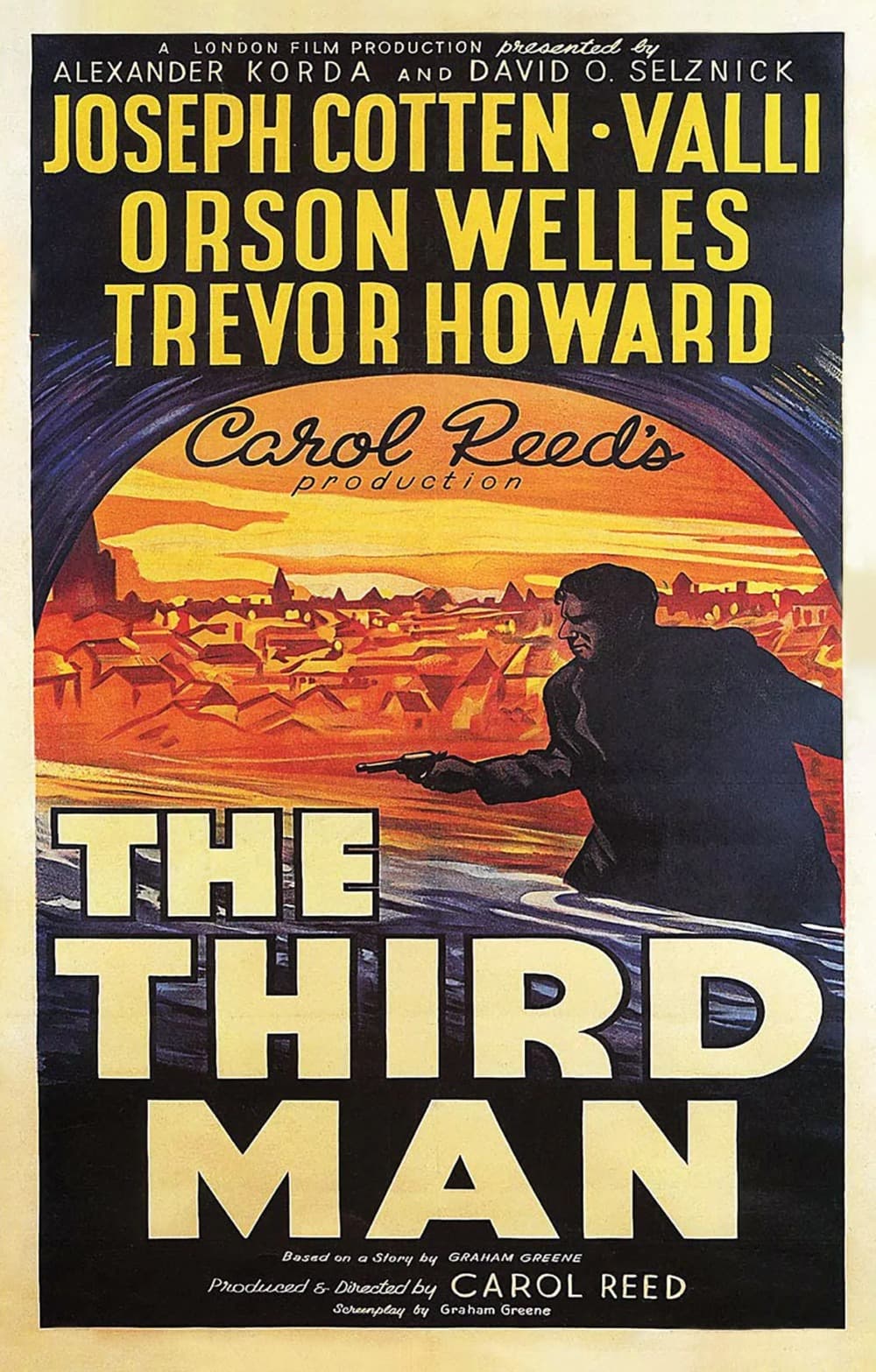
Britain has never made a better one, and nothing else sounds like it: a ruined postwar Vienna, and a zither score by a musician Reed first heard playing for the crew.
Berlin's snowless Christmas song, the best-selling physical single ever pressed, and the sound of every soldier's homesickness.
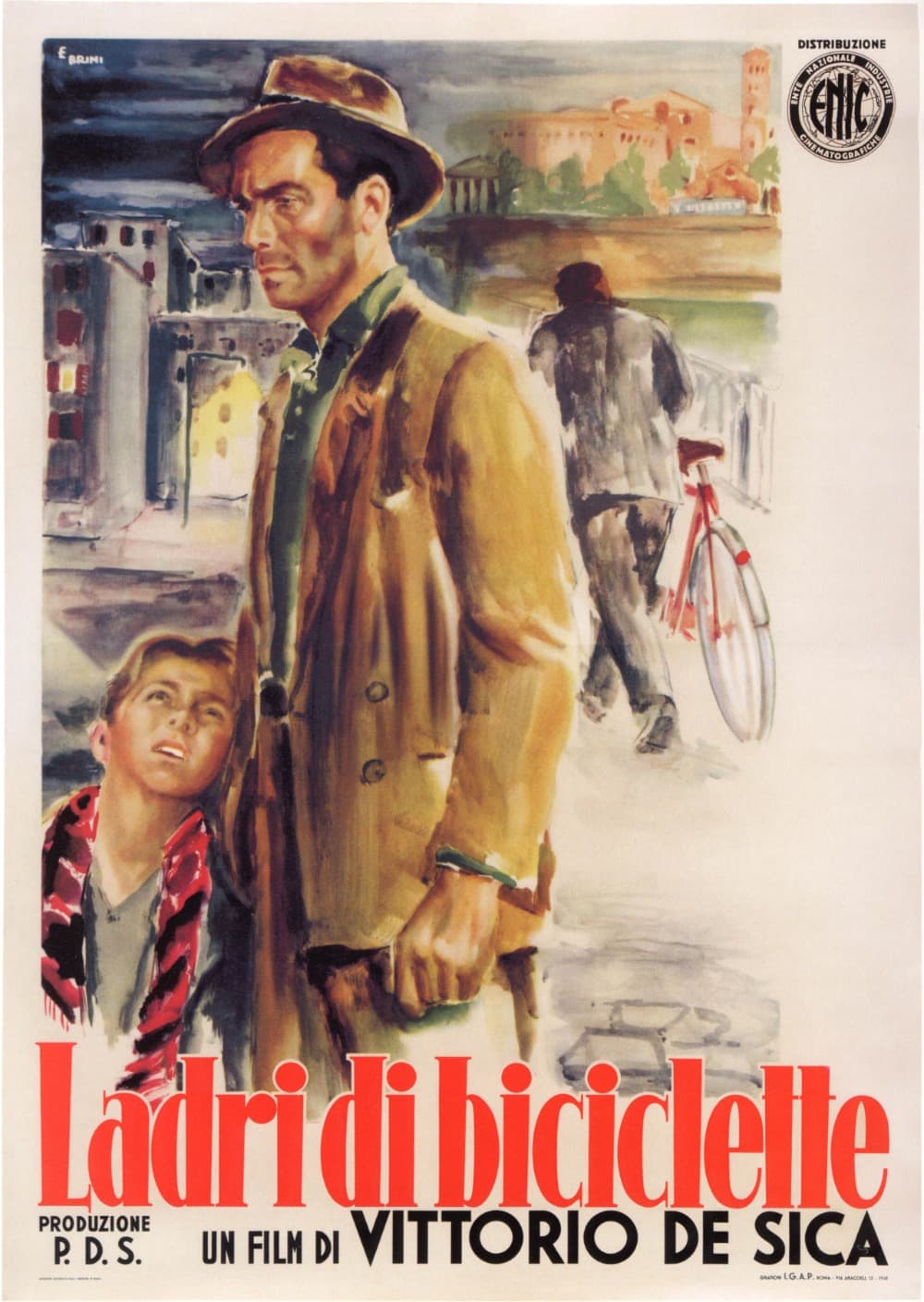
Italian neorealism starts with this, and it still guts people: De Sica cast a factory worker as his lead and found a whole society inside one stolen bicycle.
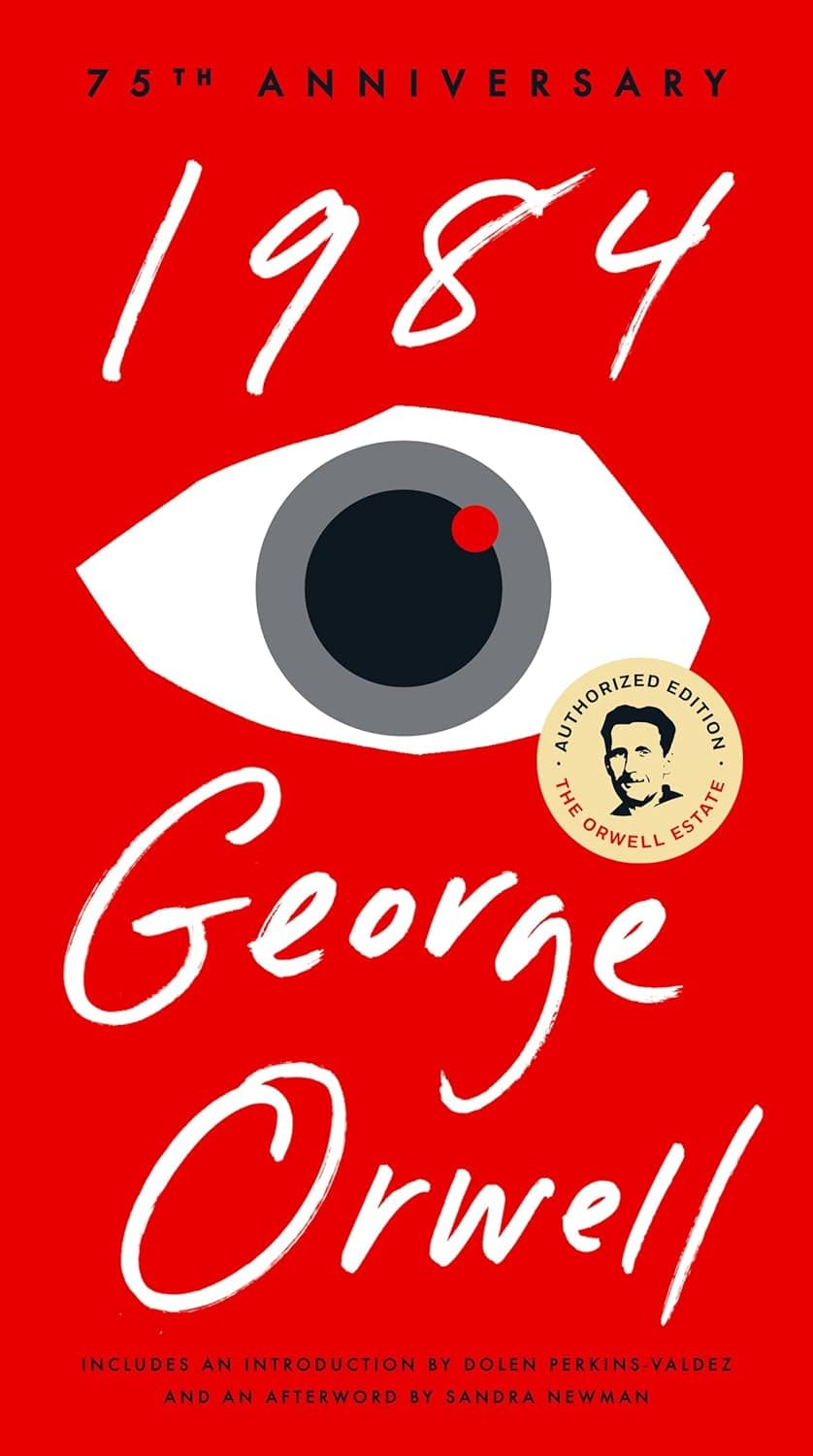
Winston Smith rewrites old newspapers so history agrees with the Party, then risks a diary and a love affair. Orwell built the machinery so exactly that reading it feels like being watched.
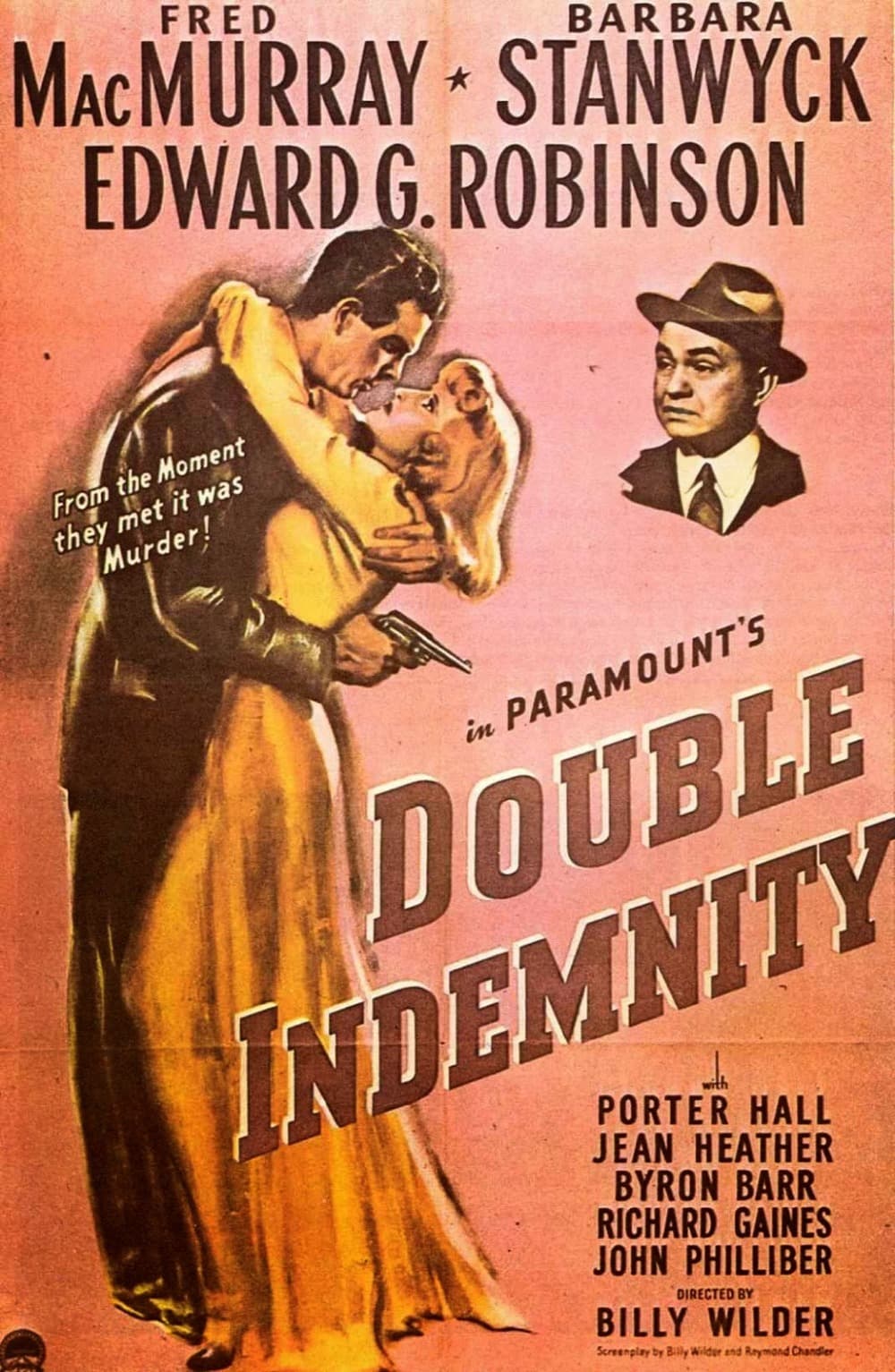
Film noir gets its blueprint here: Wilder and Chandler wrote dialogue nobody has matched for hardness, and set the pattern of the doomed man telling his own story.
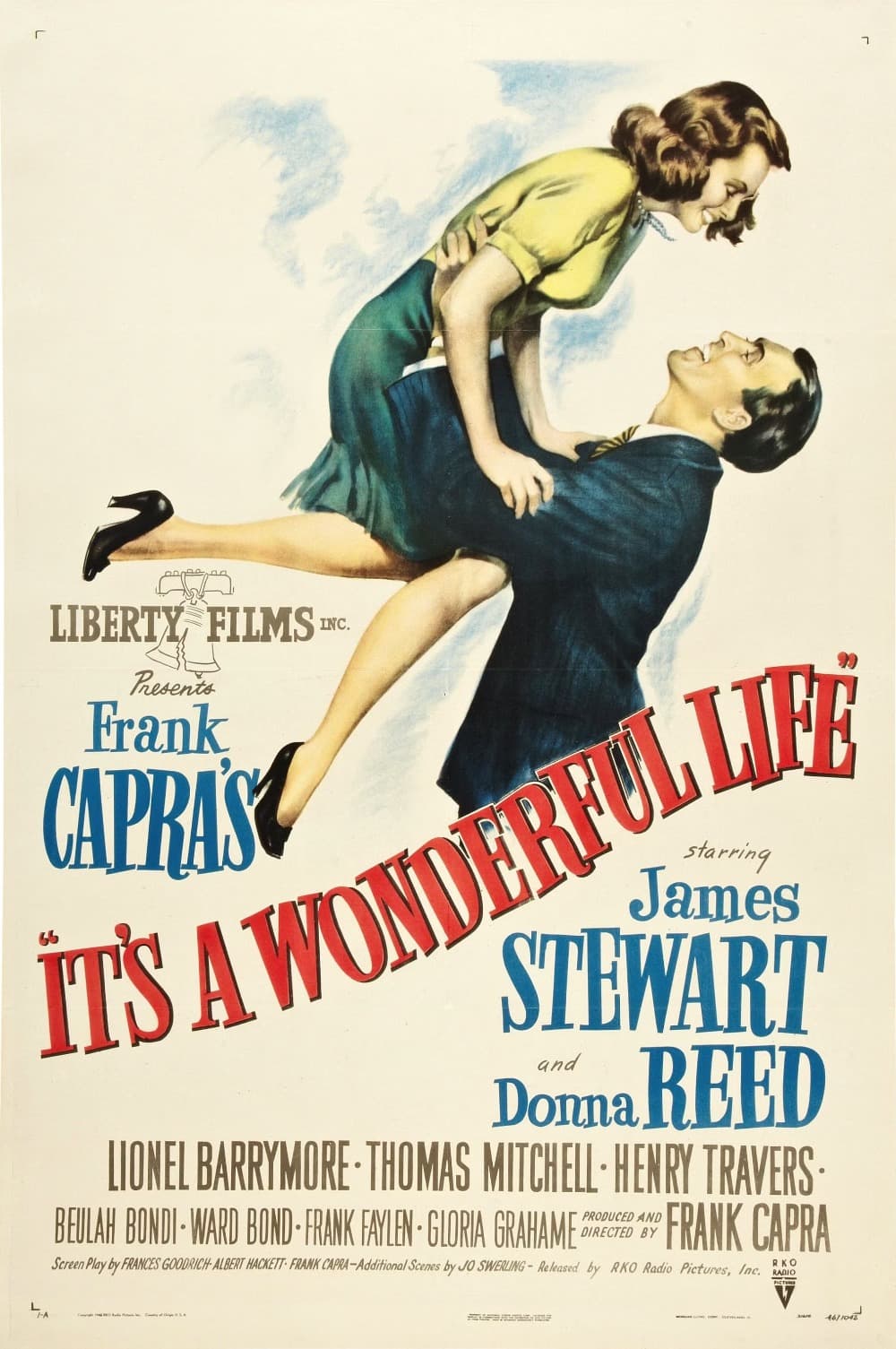
A commercial failure that decades of Christmas television turned into a national ritual: it is far darker than its reputation, and the ending earns every tear it gets.
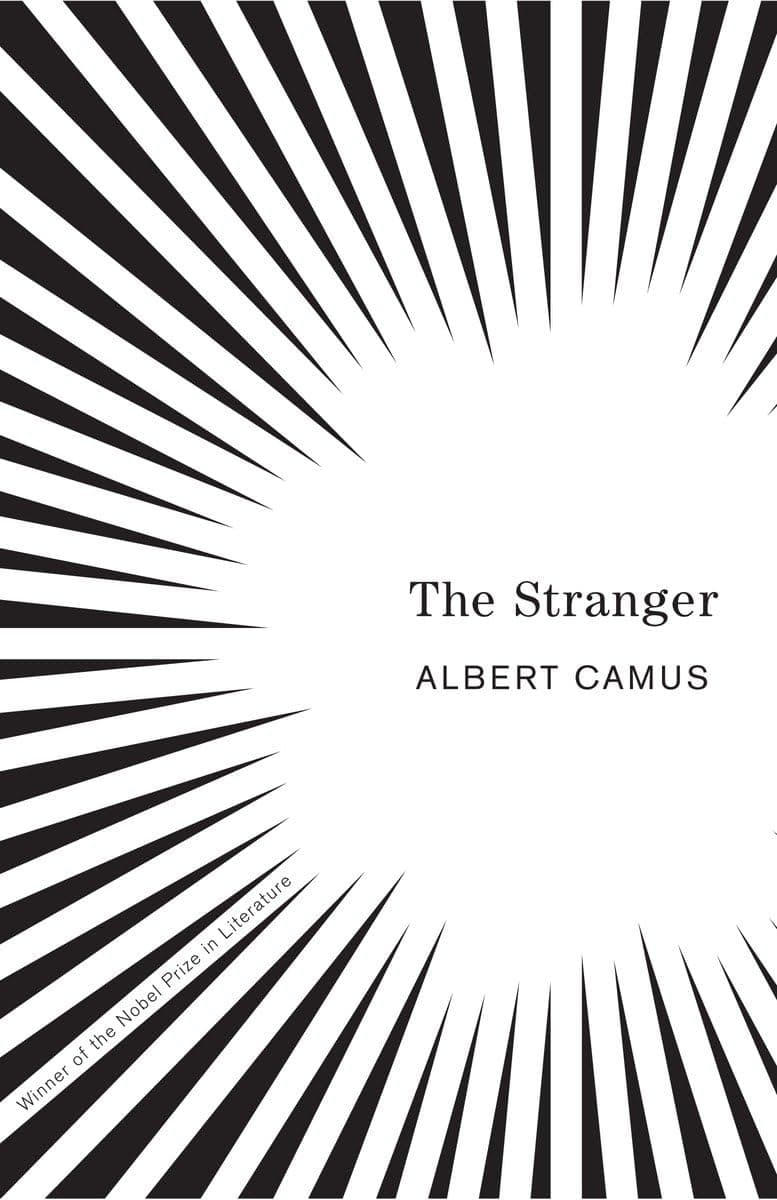
Meursault buries his mother without crying, takes a lover, and shoots a man on a hot Algiers beach. At his trial the tears he never shed matter more than the killing.
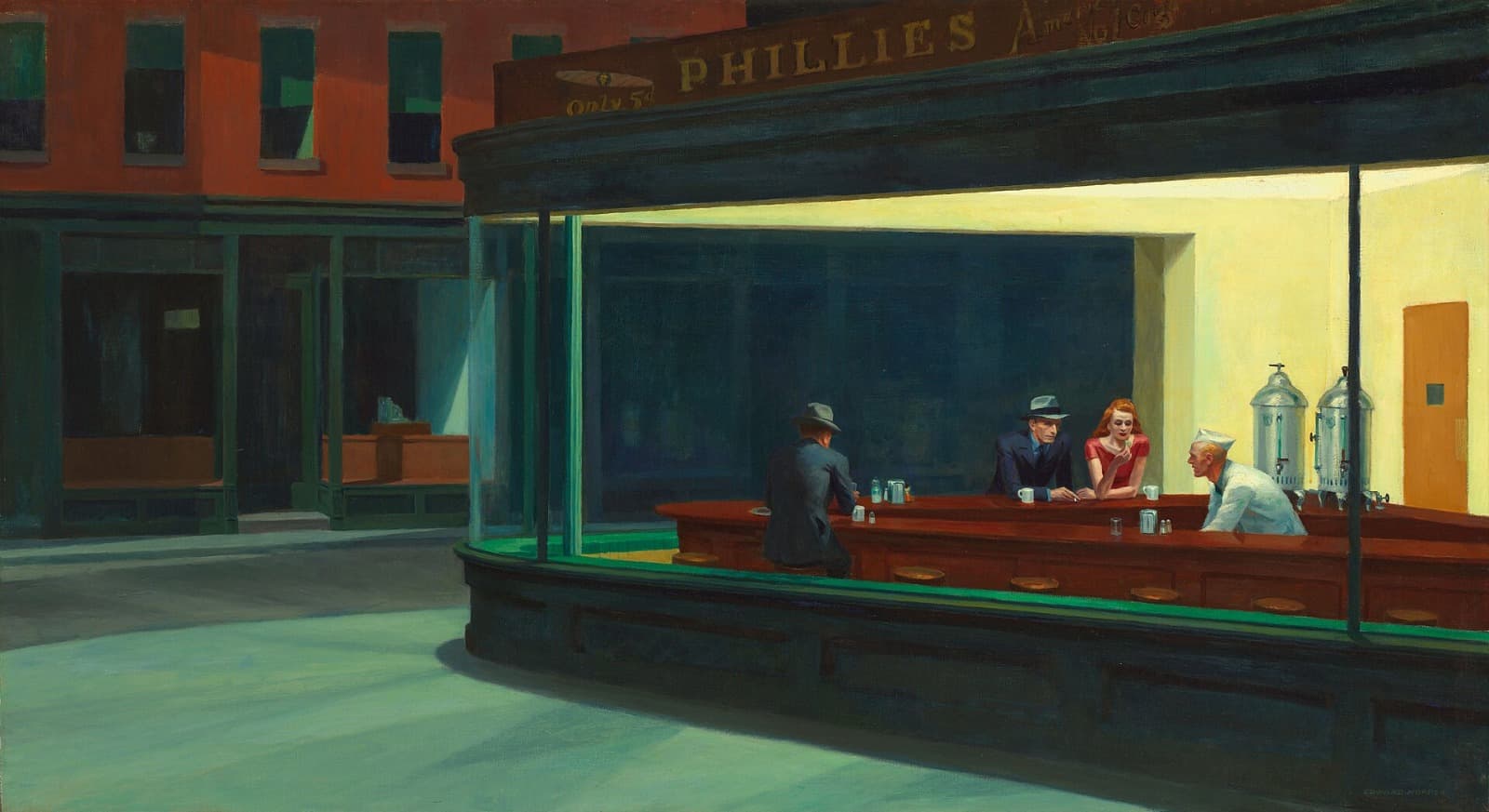
Four people sit under fluorescent light behind a curved sheet of glass, and Hopper gave the diner no door in or out.
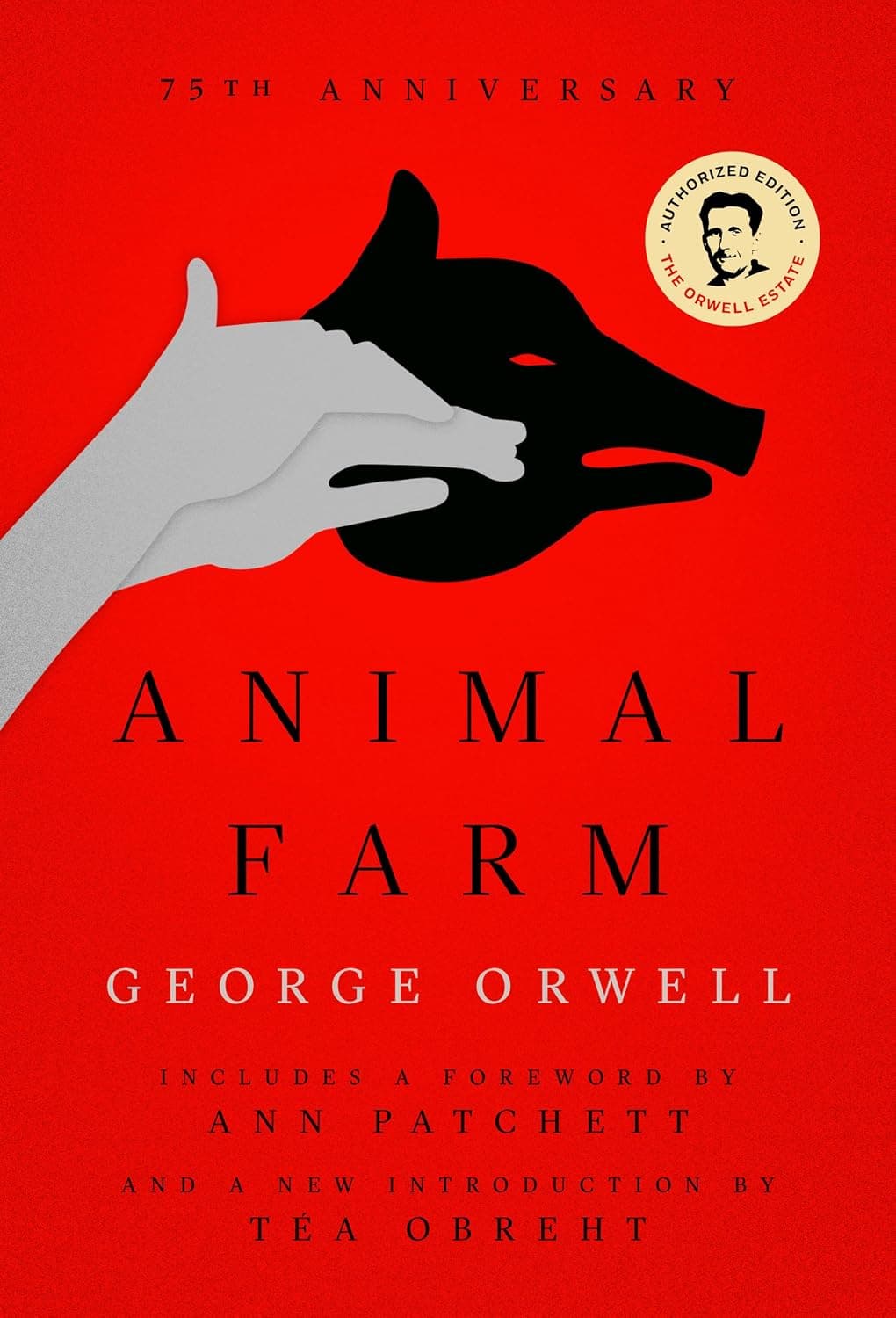
The animals drive out the farmer and run the place themselves, until the rules painted on the barn wall start changing. Orwell reduced the Russian Revolution to a fable no adult forgets.

One is not born a woman, Beauvoir argues, but becomes one. She works through biology, history, myth, marriage, and old age to prove it, and modern feminism begins in these pages.

Willy Loman, a traveling salesman worn down to nothing, argues with his grown sons and with people who are not in the room. Audiences have recognized their own fathers in him since 1949.

Blanche DuBois arrives at her sister's New Orleans apartment with nothing left, and her brother-in-law Stanley sets about destroying what remains. No American play has staged desire and cruelty this nakedly.
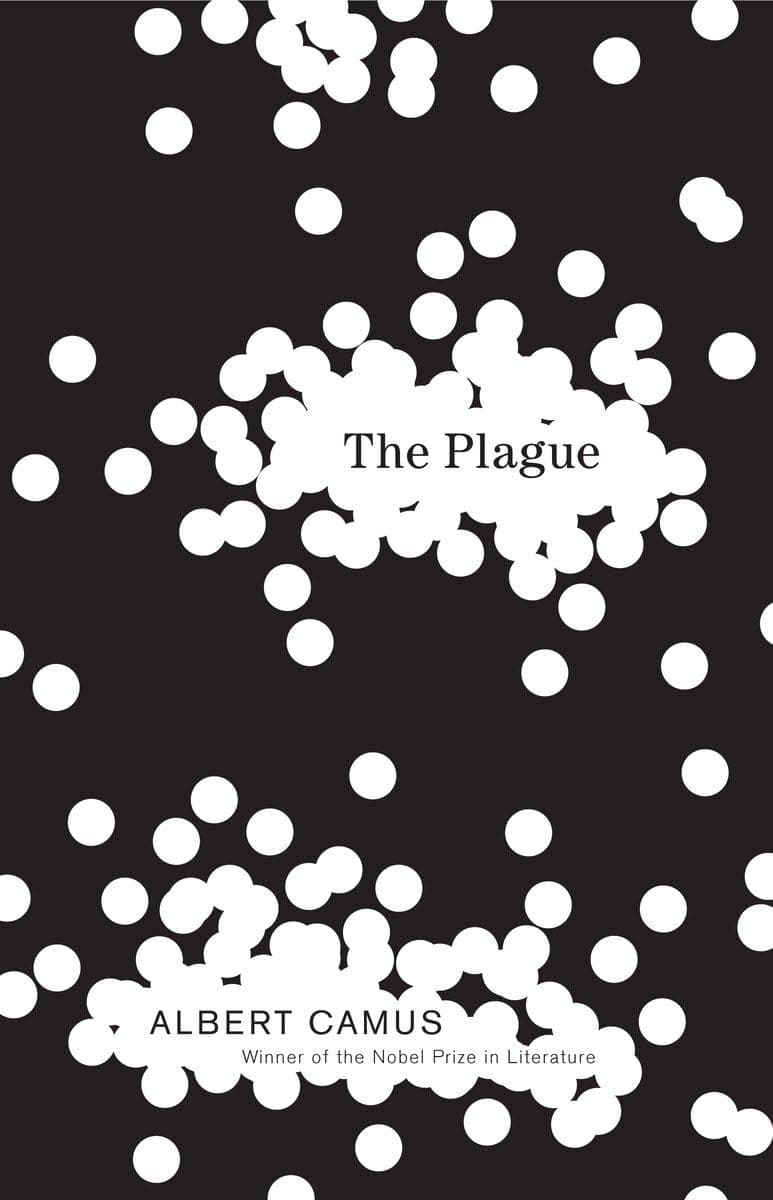
Rats die in the streets of an Algerian port, the gates shut, and a doctor named Rieux keeps working. Camus meant the German occupation, and every epidemic since has proved him right.

Levi was an Italian chemist deported to Auschwitz at twenty-four. He survived, then spent months making his way home across a ruined Europe, and reports all of it without raising his voice.

Two years in hiding behind an Amsterdam office, set down by a girl who wrote about her mother, her boredom, and who she meant to become. She was fifteen when they were found.

Crash-landed in the Sahara, a pilot meets a boy from a tiny planet who worries about his rose. Saint-Exupéry writes for children and lands hardest on adults who have stopped looking properly.
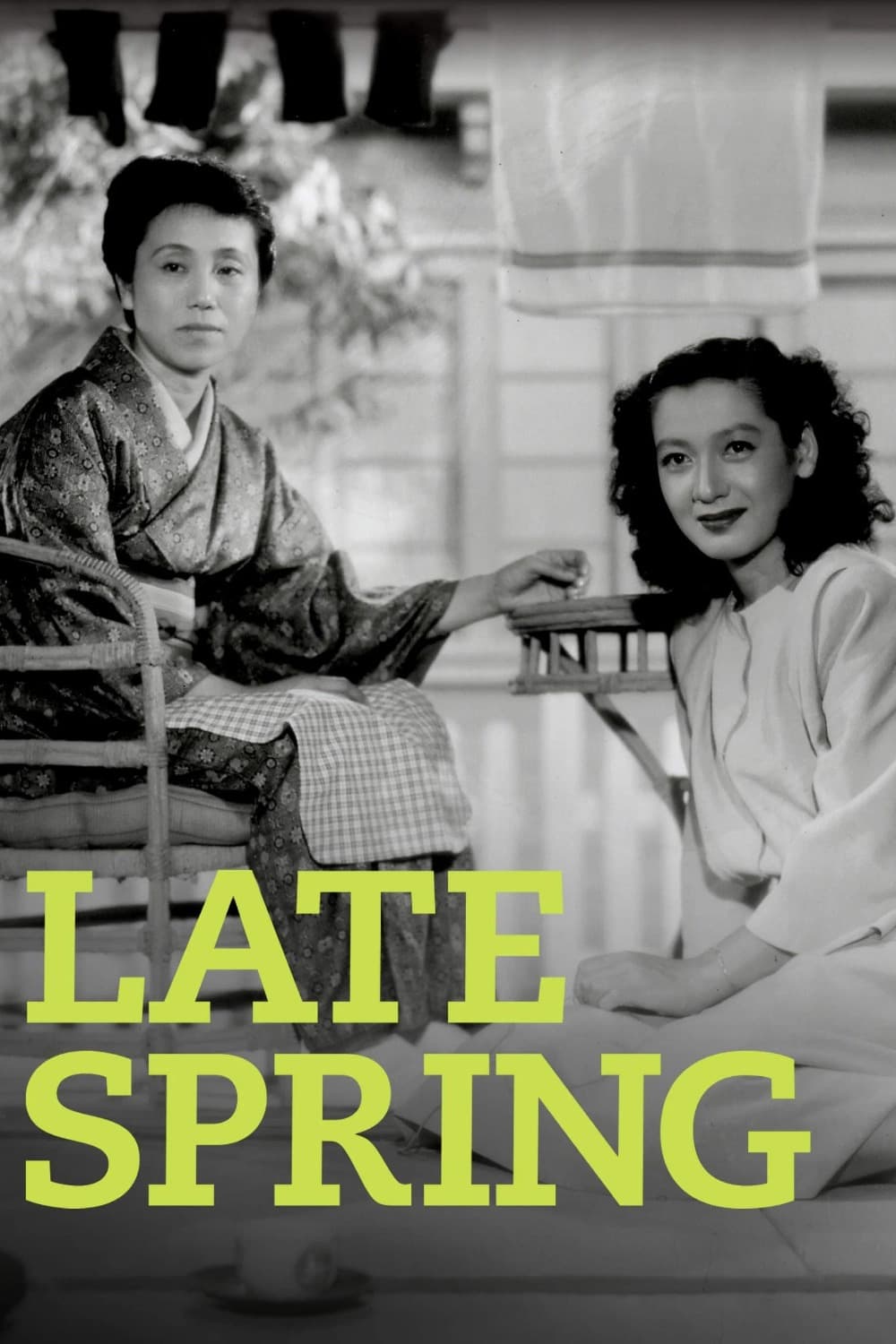
Ozu made the same film over and over and this is the most perfect version: a daughter who will not marry, a father who will not say what he wants, and one vase.
Issued as a B-side because jukeboxes wanted uptempo, with Jerry Byrd's steel guitar shadowing every line Williams sings.
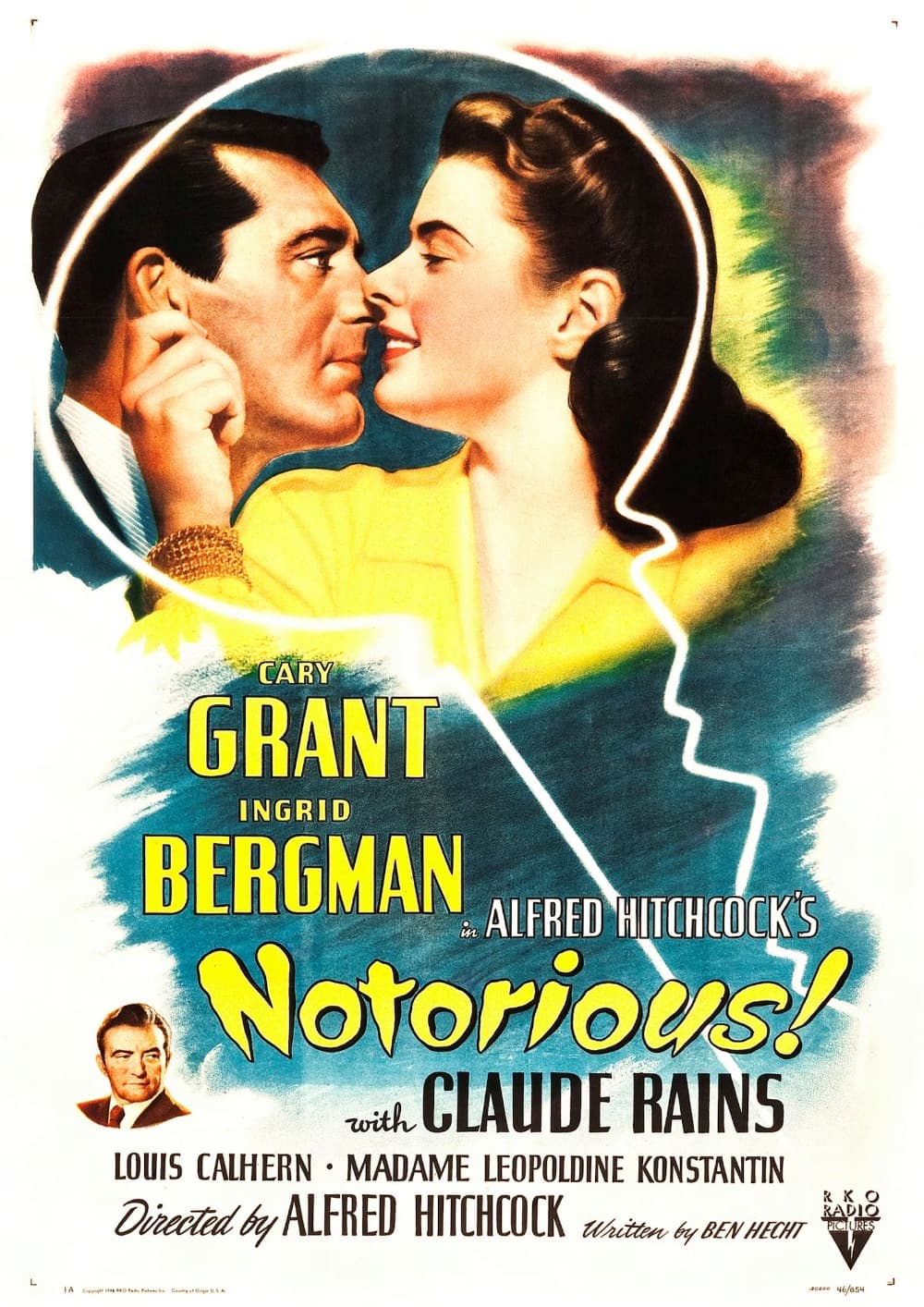
Hitchcock's most grown-up film, and the one where the suspense is entirely about feeling: a woman is sent to seduce a Nazi by the man who loves her.
Strayhorn turned Ellington's subway directions into a theme song; Ray Nance's trumpet solo got copied note for note ever after.

Huston won two Oscars for it and directed his own father to a third: three men look for gold in Mexico and the heat does the rest.
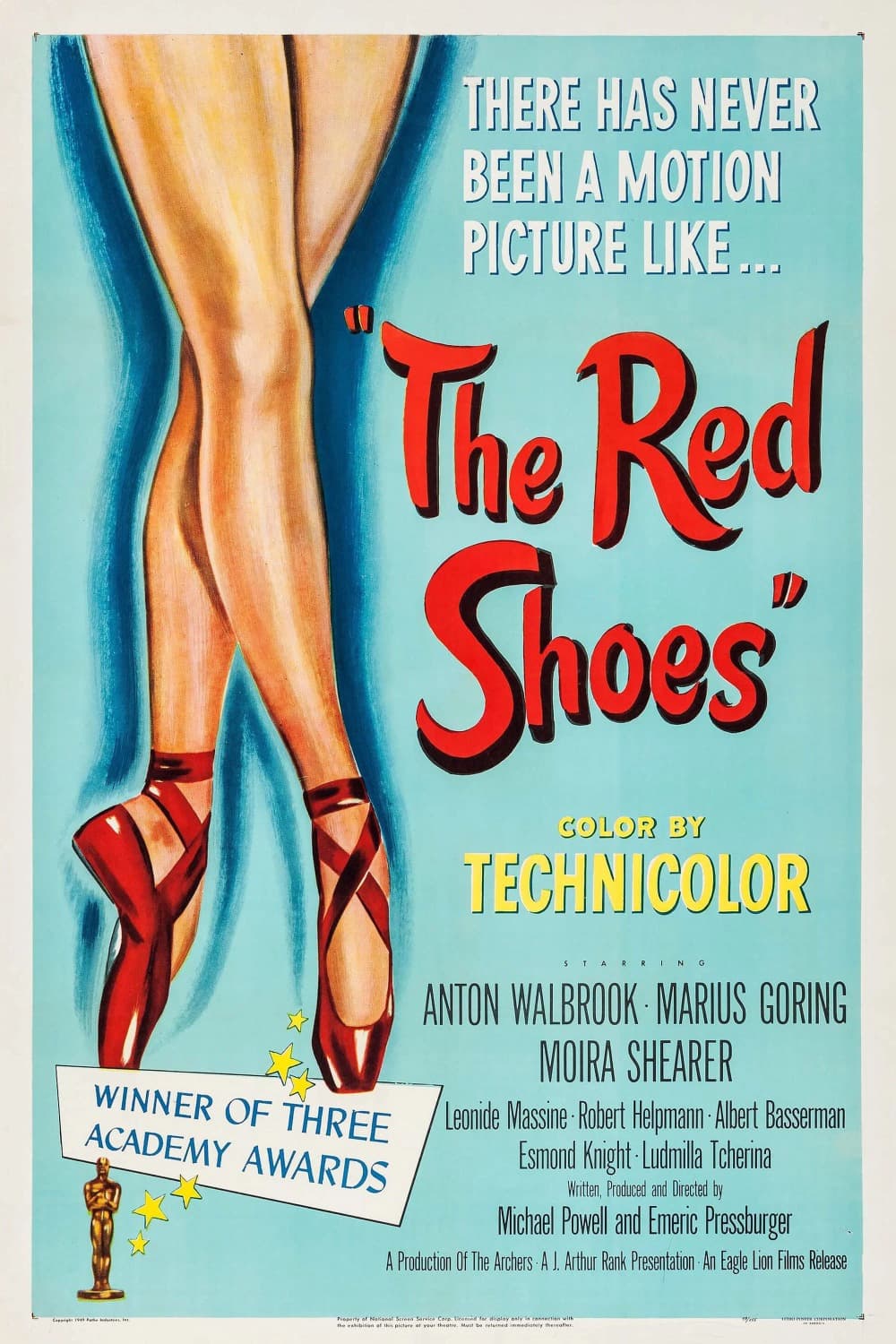
Scorsese has been watching it since childhood and has never stopped: Powell and Pressburger put a ballet on screen in Technicolor so saturated that it plays like a fever.

Three flayed creatures crane and scream on orange grounds. Shown as the war ended in 1945, they made Bacon's reputation overnight.
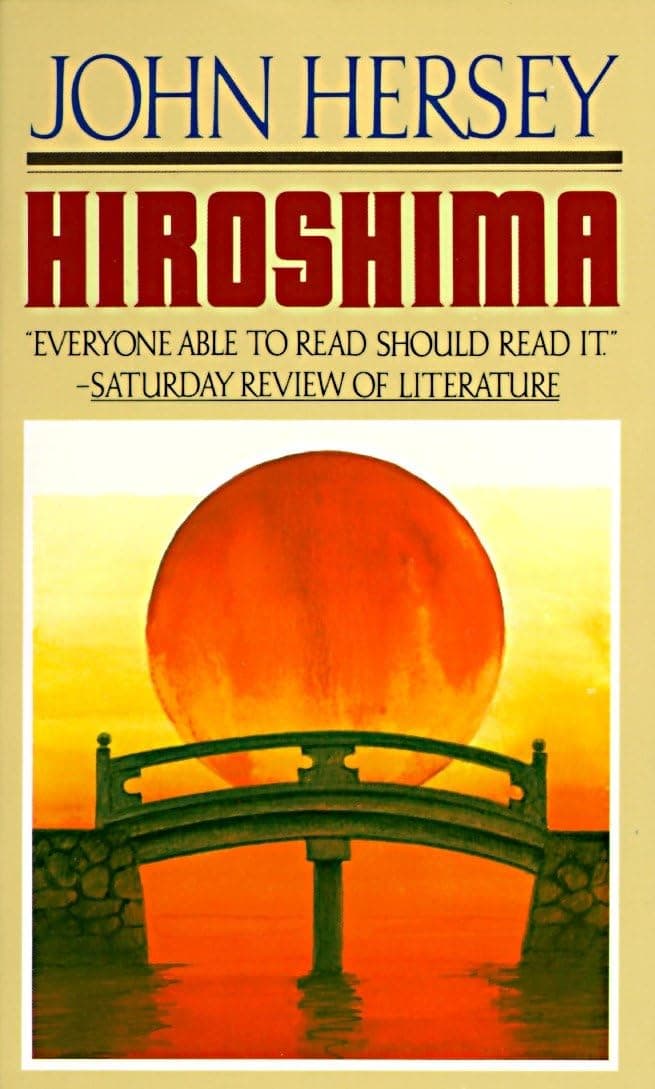
Six people survived the bomb at Hiroshima and Hersey follows them through the year after: a clerk, a widow, two doctors, and two clergymen. He writes flatly and it is unbearable.
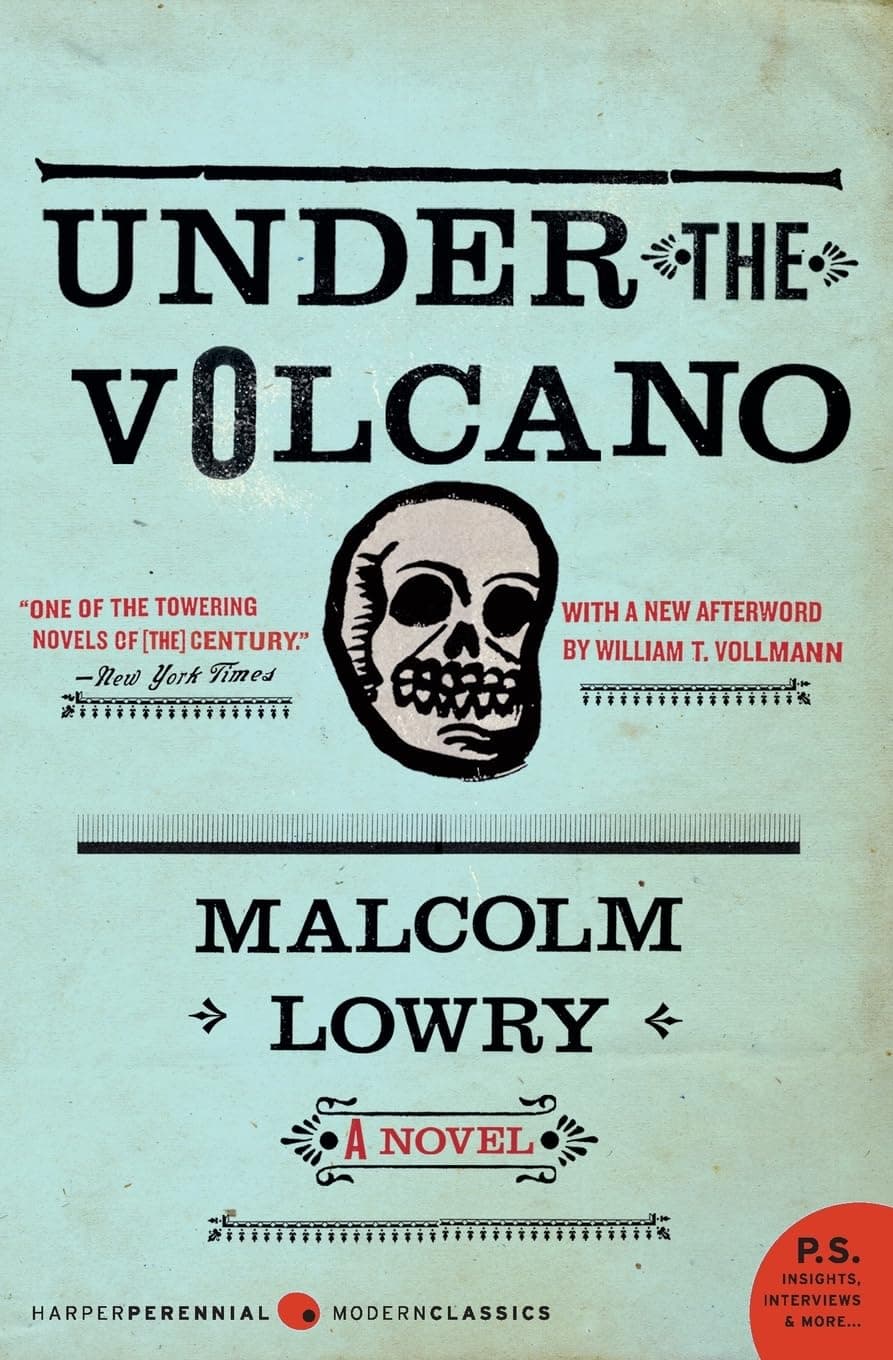
Drinking himself to death in Mexico, a British ex-consul is visited by the wife who left him. Lowry gives them one Day of the Dead, written from inside the bottle.
Monk wrote it around 1940, cutting it for Blue Note in 1947; no jazz composer's tune is recorded more.
A quarrel with her mother over money, by Holiday's own account, gave the song its title line and its steel.
Piaf's own lyric, dismissed by her collaborators as foolishness, then a million American sales and a French national possession.

Mondrian broke his own grid into blinking squares after moving to New York, where he loved the traffic and the jazz.
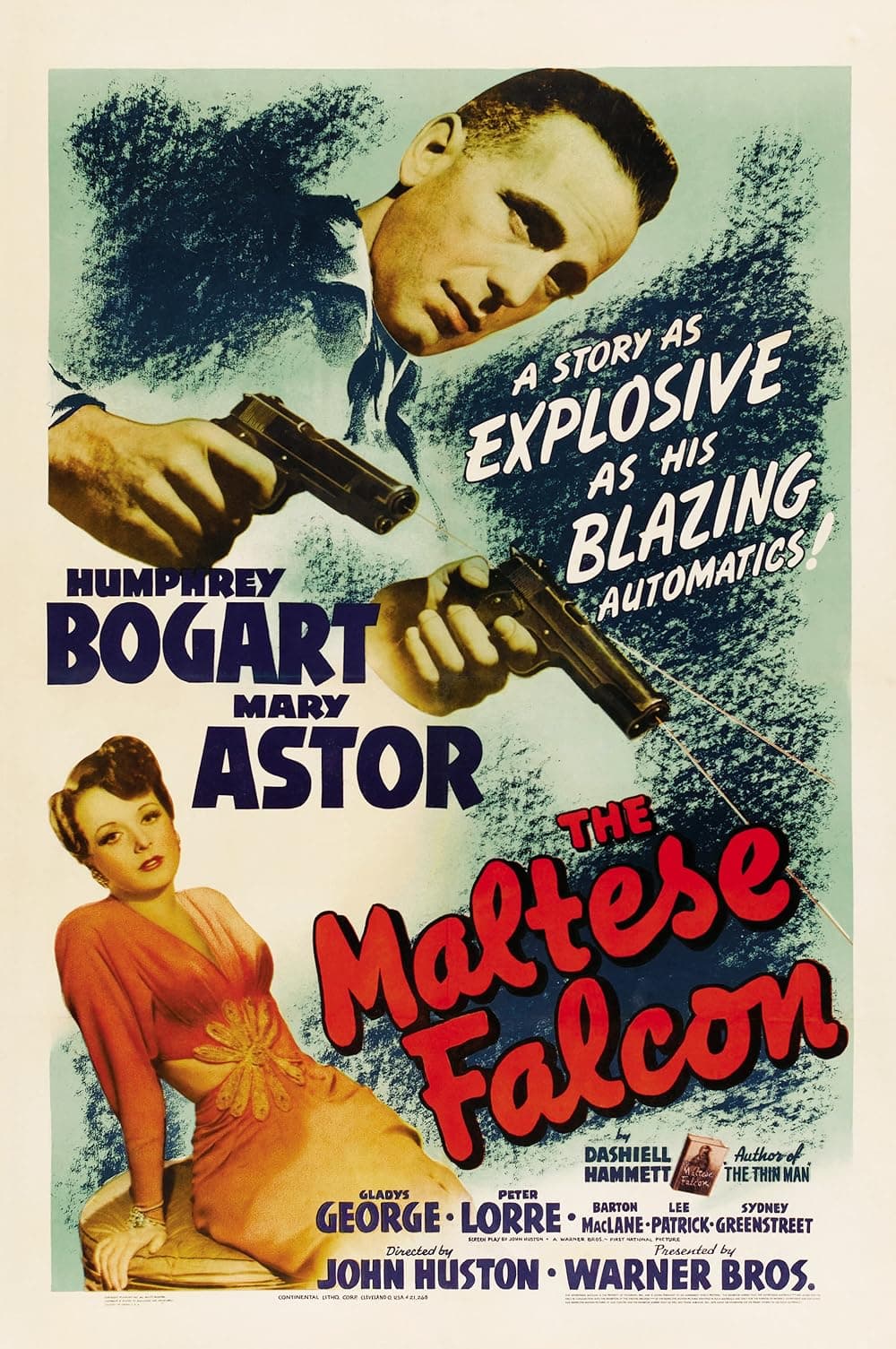
Huston's first film as a director, and the one that finally made Bogart a star: everyone chasing the black bird lies about it for a hundred straight minutes.
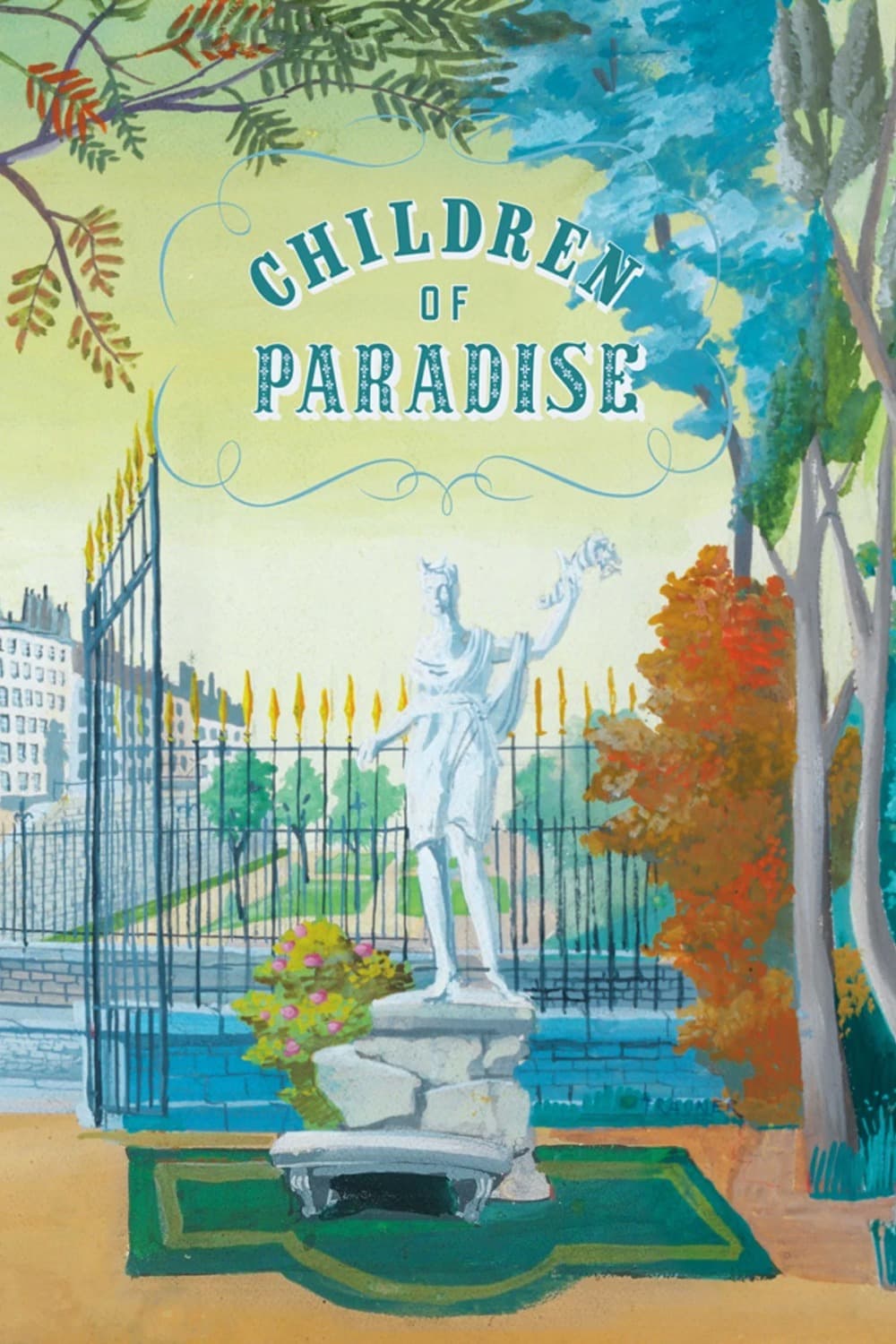
France's greatest film, and its Jewish designer and composer worked in hiding under German occupation: three hours of theater, mime and love among people who cannot afford it.
Written at a Kelly's Stables piano in 1942 under the title Interlude, with a bass line that refuses to walk.

Black lines, white ground, three primary colors and nothing else. Mondrian spent decades taking painting down to this and called it Neo-Plasticism.
Tormé and Wells wrote it in a July heat wave, thinking cool, and Cole overruled Capitol about the strings.
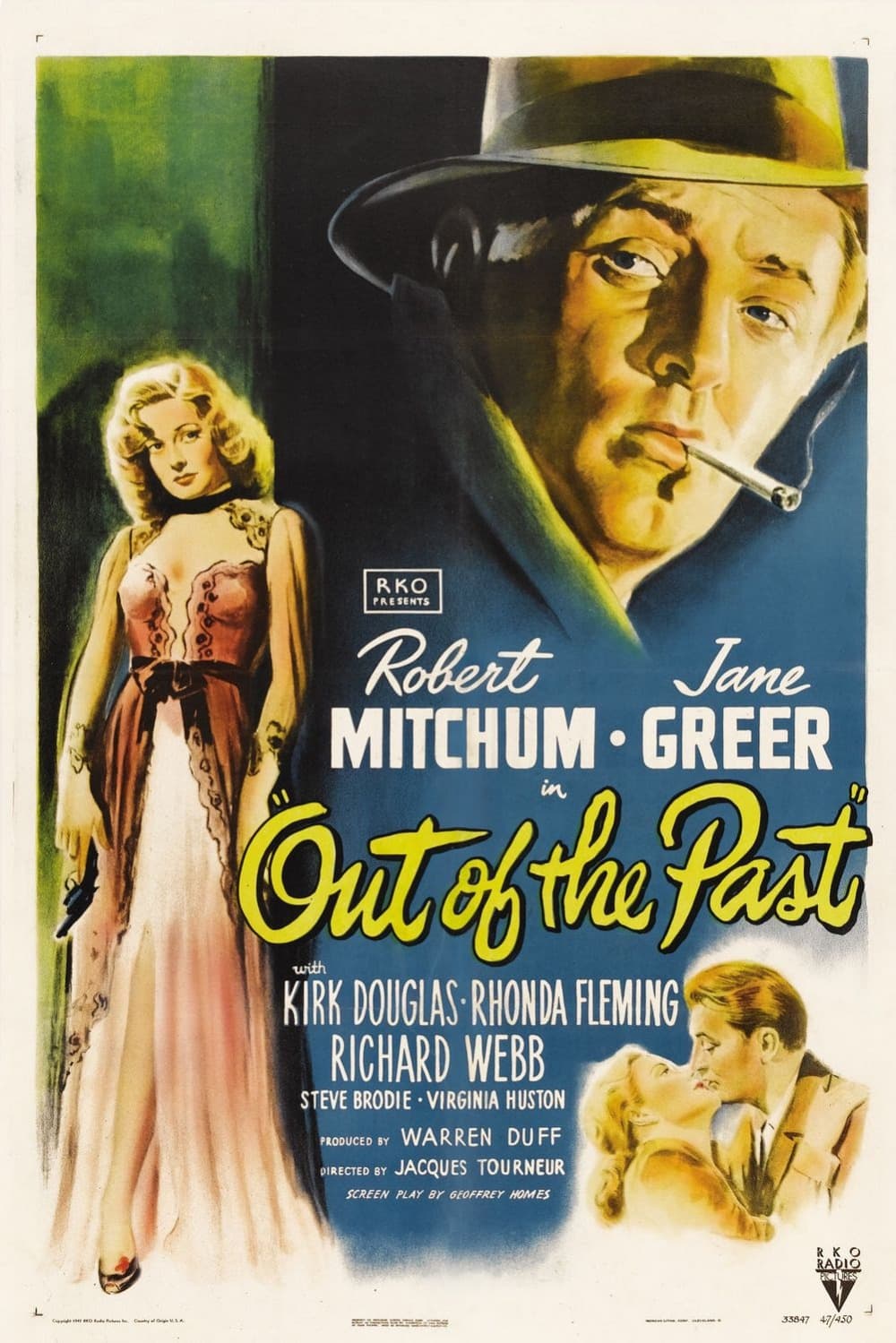
If you want to know what film noir means, this is the film people hand you: a gas station owner's past arrives in the form of a woman he once found.
If you want a picture of the future, imagine a boot stamping on a human face—for ever.
The world is a fine place and worth the fighting for and I hate very much to leave it.

A thorn necklace draws blood at her throat, a dead hummingbird hangs from it, and a monkey and a black cat watch from behind.
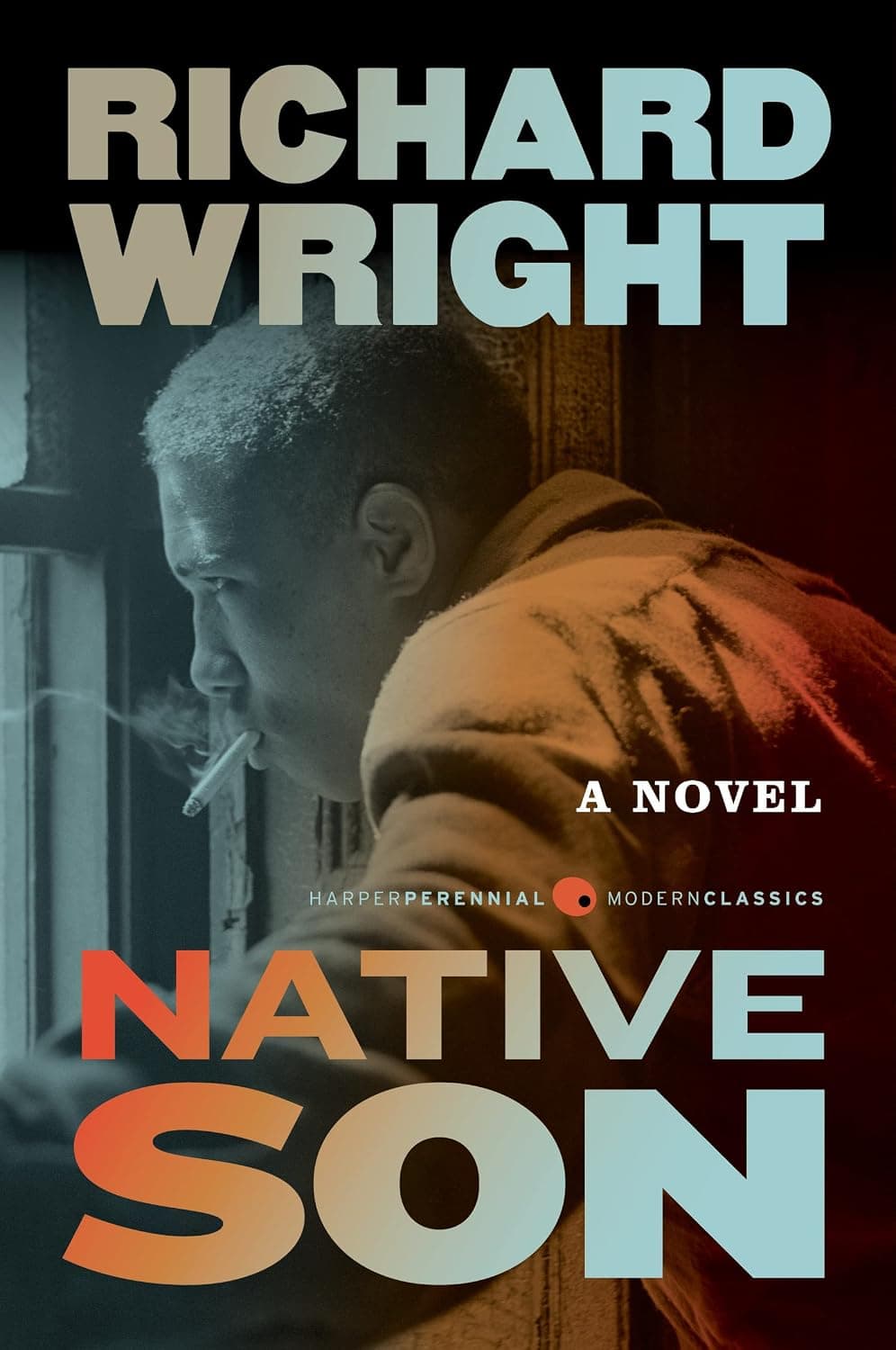
Bigger Thomas drives for a rich white family in 1930s Chicago and kills their daughter in a panic his first night. Wright keeps you inside his head and will not soften him.
The only serious philosophical question, Camus opens, is whether to kill yourself. His answer: the universe will never explain itself, so you live anyway, unreconciled, like Sisyphus happy pushing his rock uphill forever.

Four centuries of Bosnian life pass over one stone bridge, built by an Ottoman vizier taken from these hills as a boy. Andric ends in 1914 and you feel it coming.
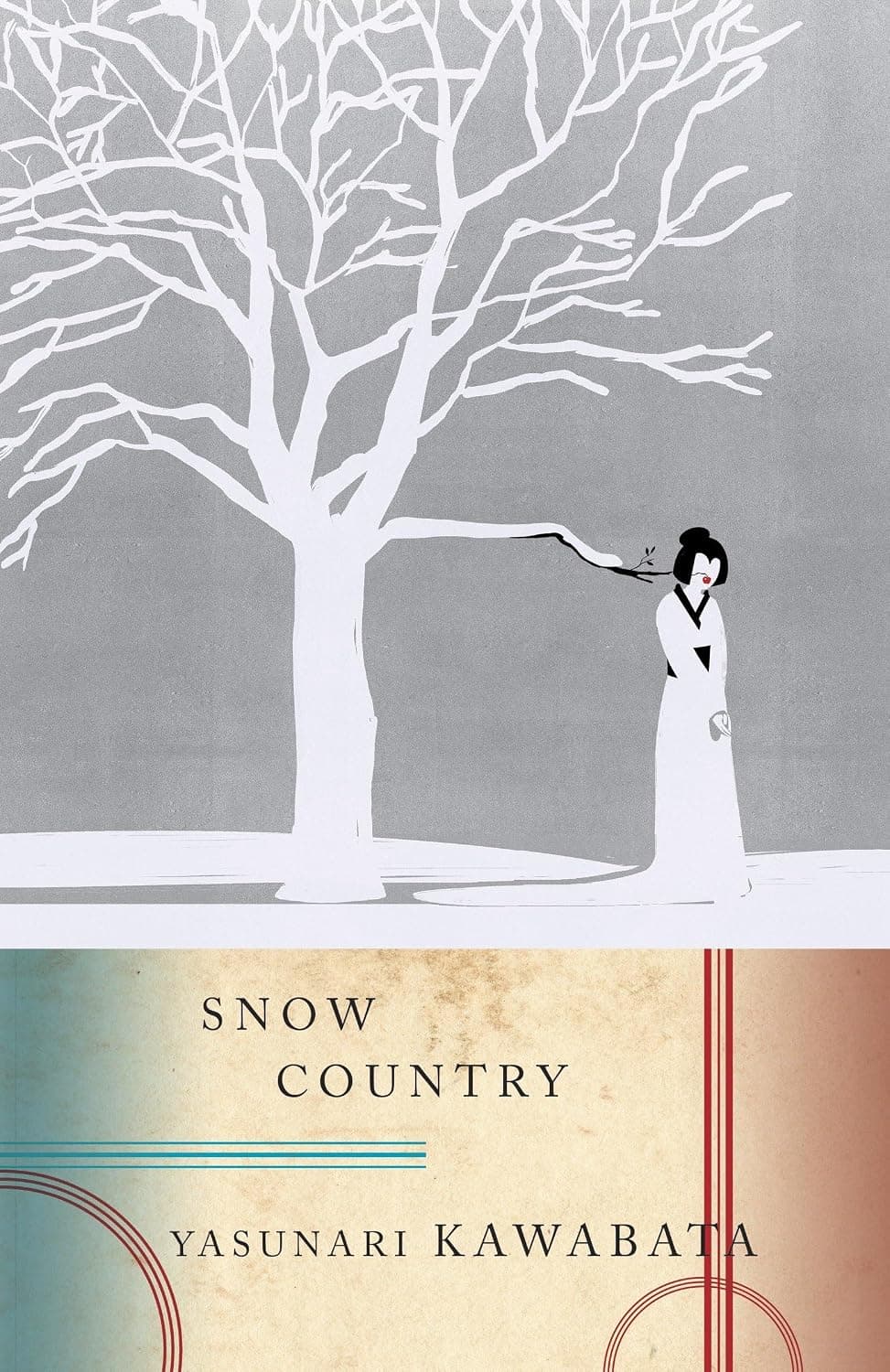
At a hot spring in Japan's snow country, a wealthy Tokyo idler keeps visiting a geisha who loves him past anything he can give. Kawabata states almost nothing and it lands anyway.
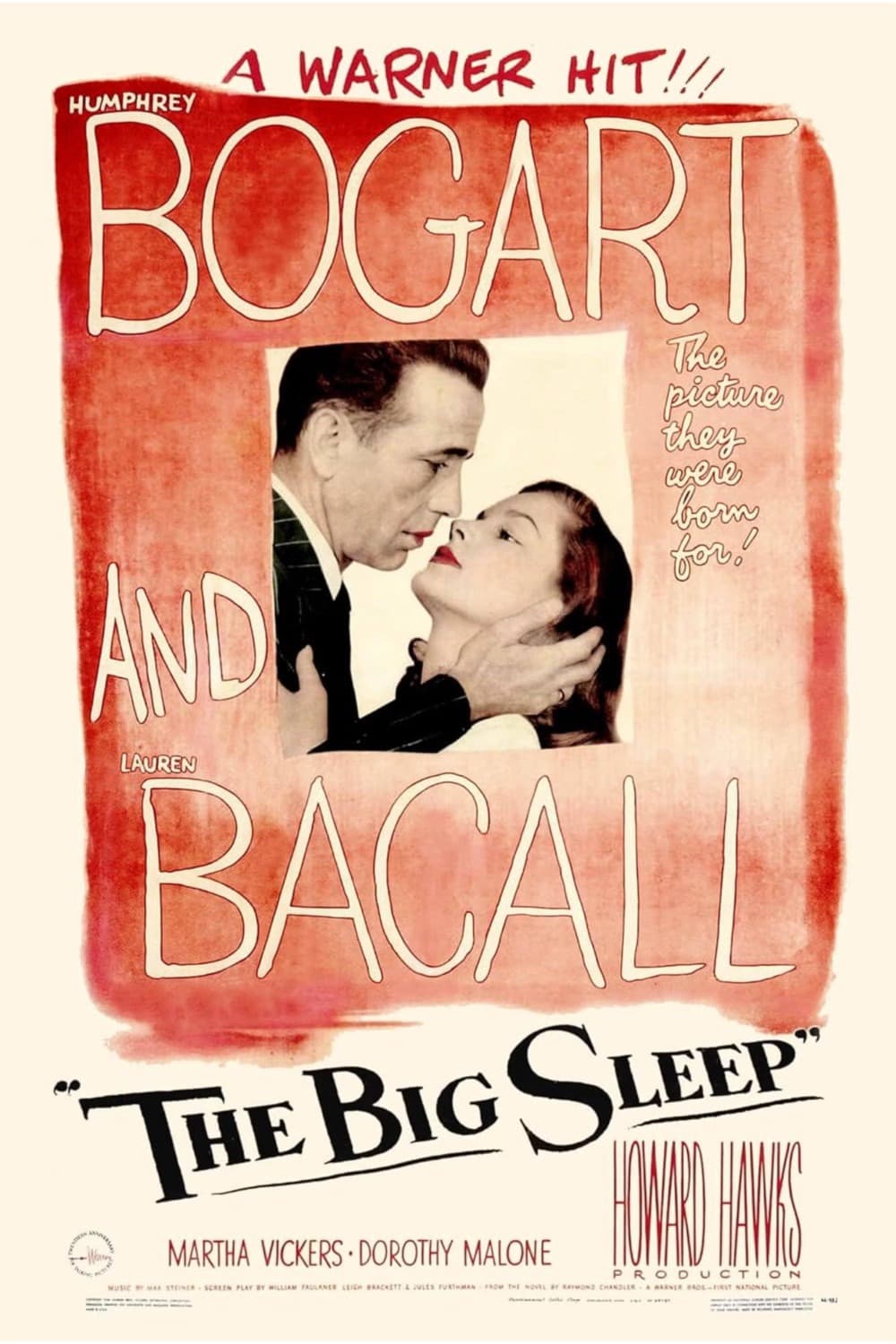
Nobody has ever been able to follow the plot, including the men who wrote it: what you watch it for is Bogart and Bacall talking, which is more than enough.
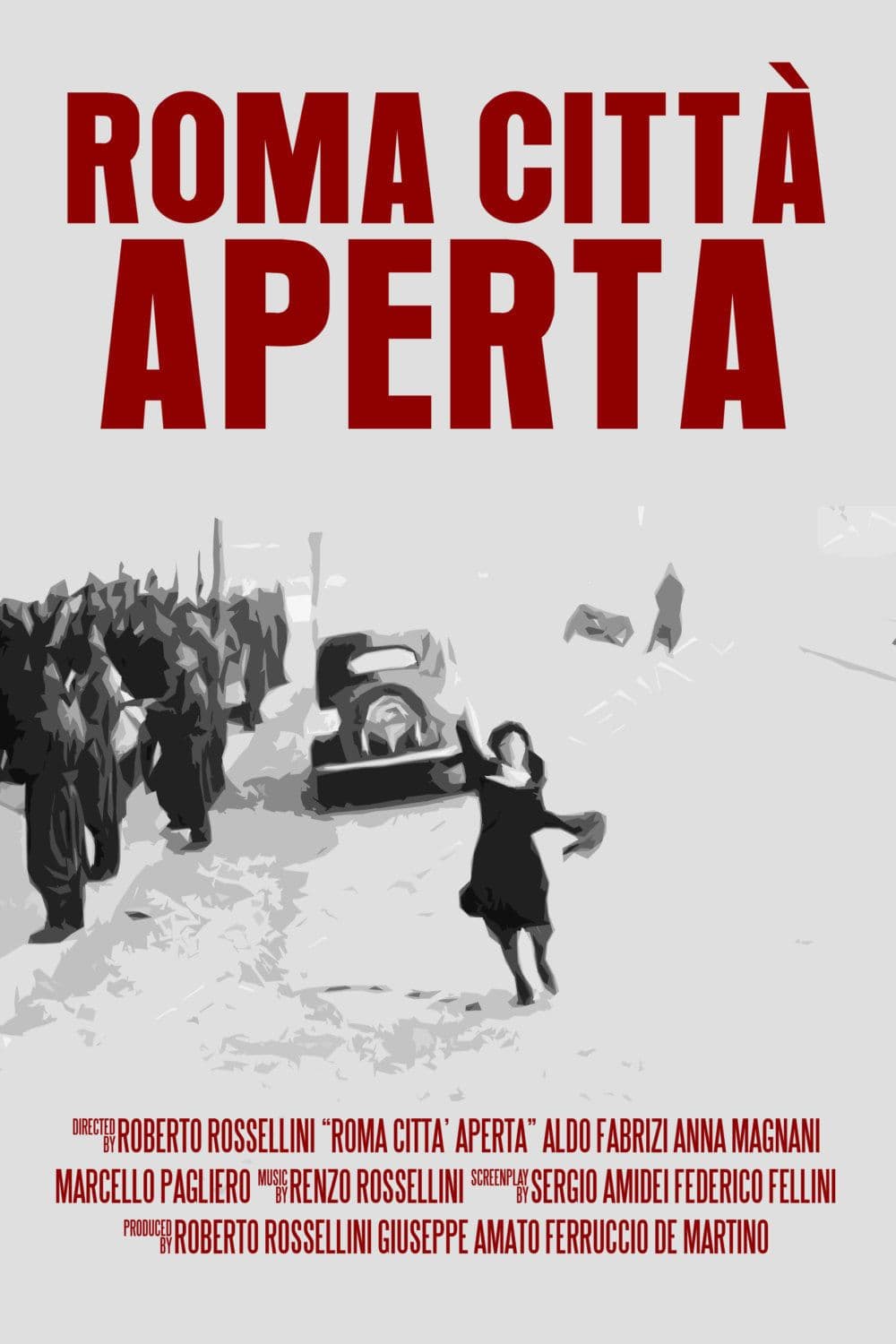
Rossellini shot it in the streets months after the Germans pulled out, on mismatched surplus stock scrounged from an army supplier: this is where Italian neorealism arrives.

Wyler cast a veteran who had lost both hands to play a veteran who had lost both hands, and audiences in 1946 recognized their own living rooms.

Churchill tried to stop it in production and then to bar it from export, convinced it made the British Army look ridiculous: Powell and Pressburger made it anyway.

Soft-edged bands of color stacked one above another, hovering slightly off the surface. Rothko wanted you to stand close and stay a while.
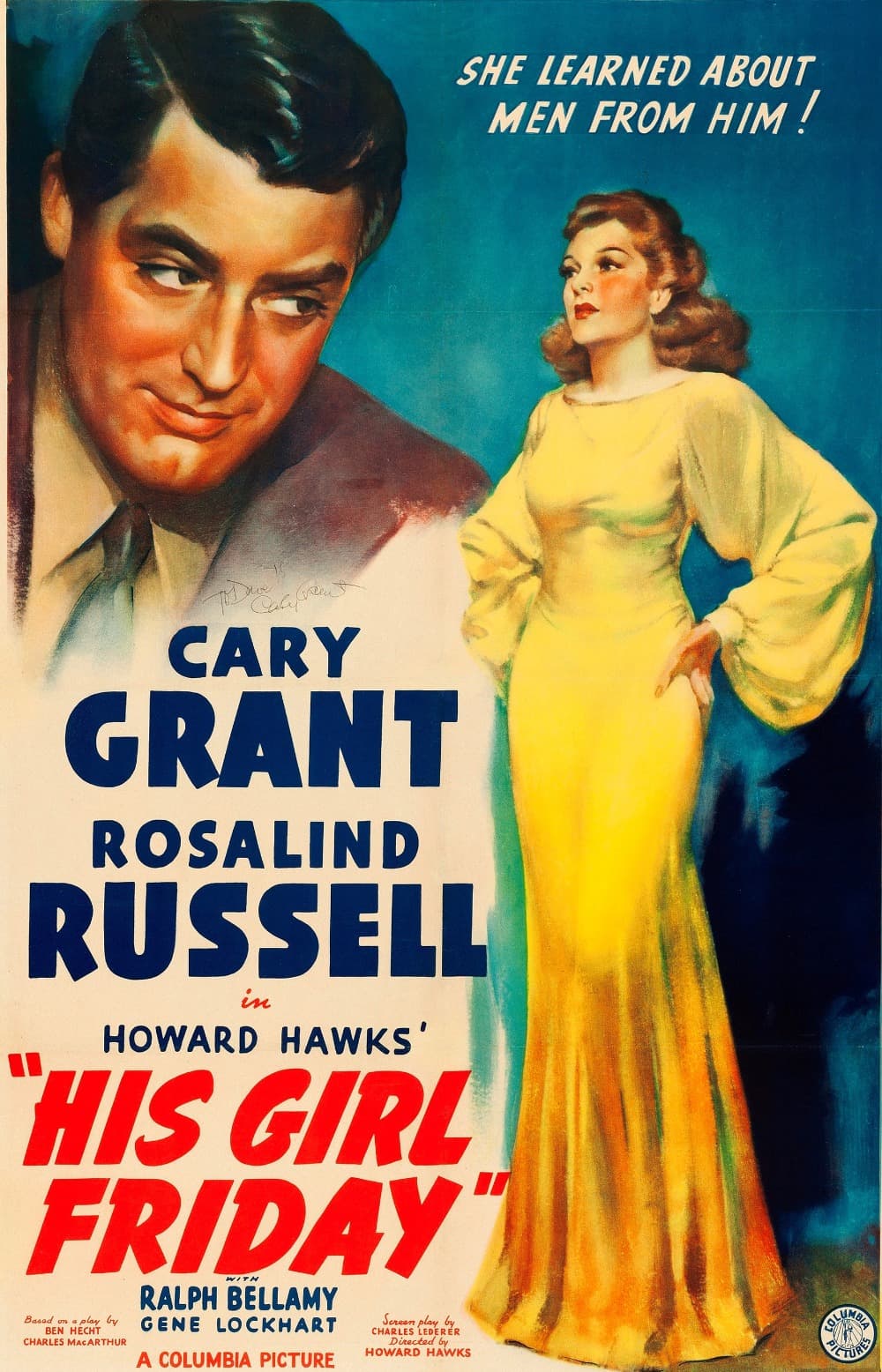
Hawks made the reporter a woman and the ex-husband her editor, then had them talk over each other so fast the film runs at over two hundred words a minute.
Tom narrates the St. Louis apartment he escaped, where his mother relives the seventeen gentlemen callers of her girlhood and his limping sister tends her glass animals. Everything turns on one visitor.
Charles Ryder, an officer billeted at a requisitioned country house, remembers the Catholic family who owned it: the ruined son he loved at Oxford, the sister he wanted later, and grace closing in.

Heaven is monochrome and earth is in Technicolor, which is the whole joke: a pilot bails out without a parachute and then has to argue for his life.
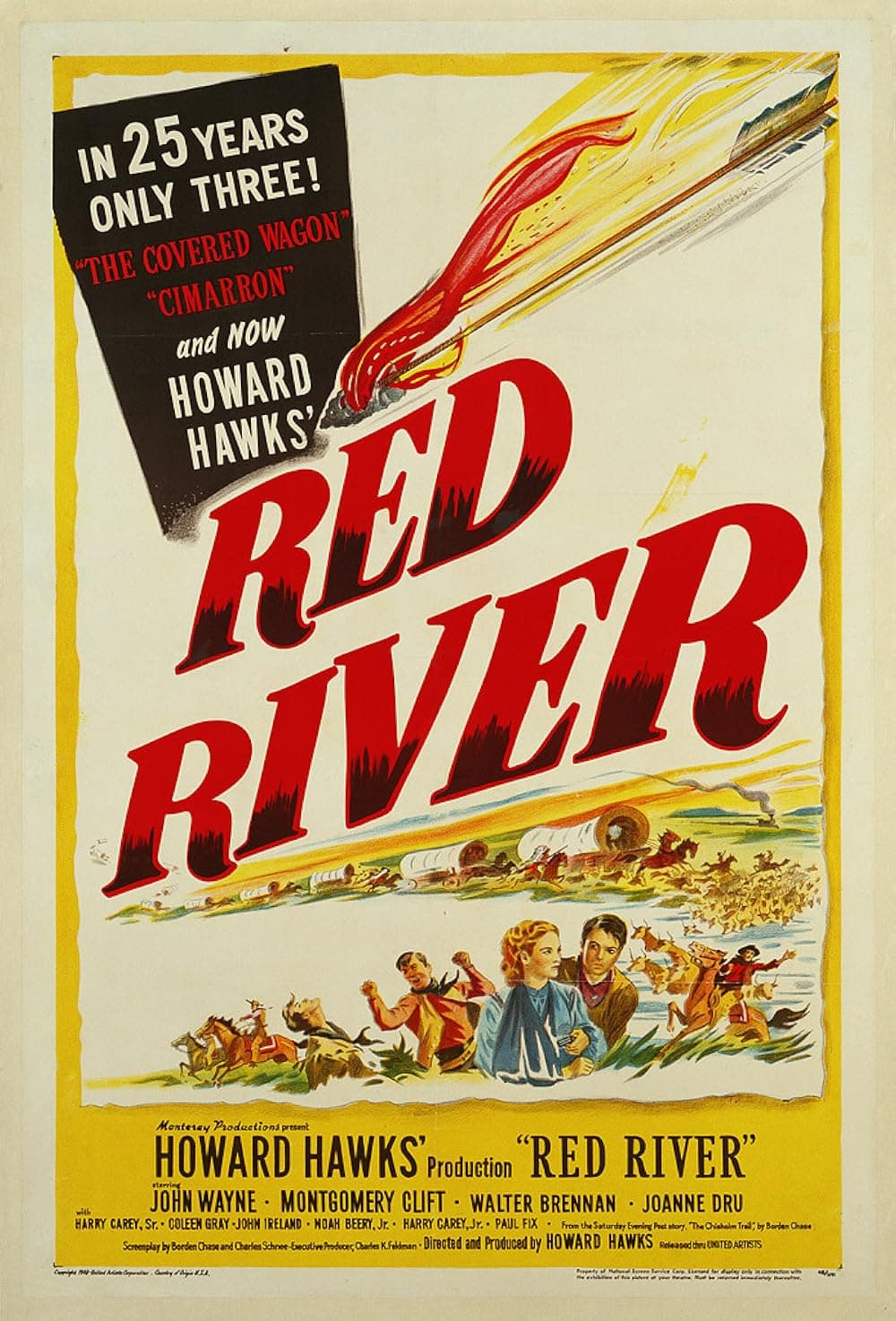
Ford said he never knew Wayne could act until he saw this: a cattle drive turns into a mutiny, and the man in charge becomes the thing to escape.

Sent to Alabama in 1936 to report on cotton tenancy, Agee returned with an act of devotion: three sharecropping families recorded down to the nails in their shoes, alongside Walker Evans's photographs.

Frankl, a Viennese psychiatrist, lost his wife and parents to the camps and survived Auschwitz himself. He watched who endured and who gave up, and named the last freedom: choosing your own response.

Tagore wrote the songs that became the national anthems of India and Bangladesh. His Bengali lyrics address God as a lover who is late, plainly and without a trace of religious machinery.
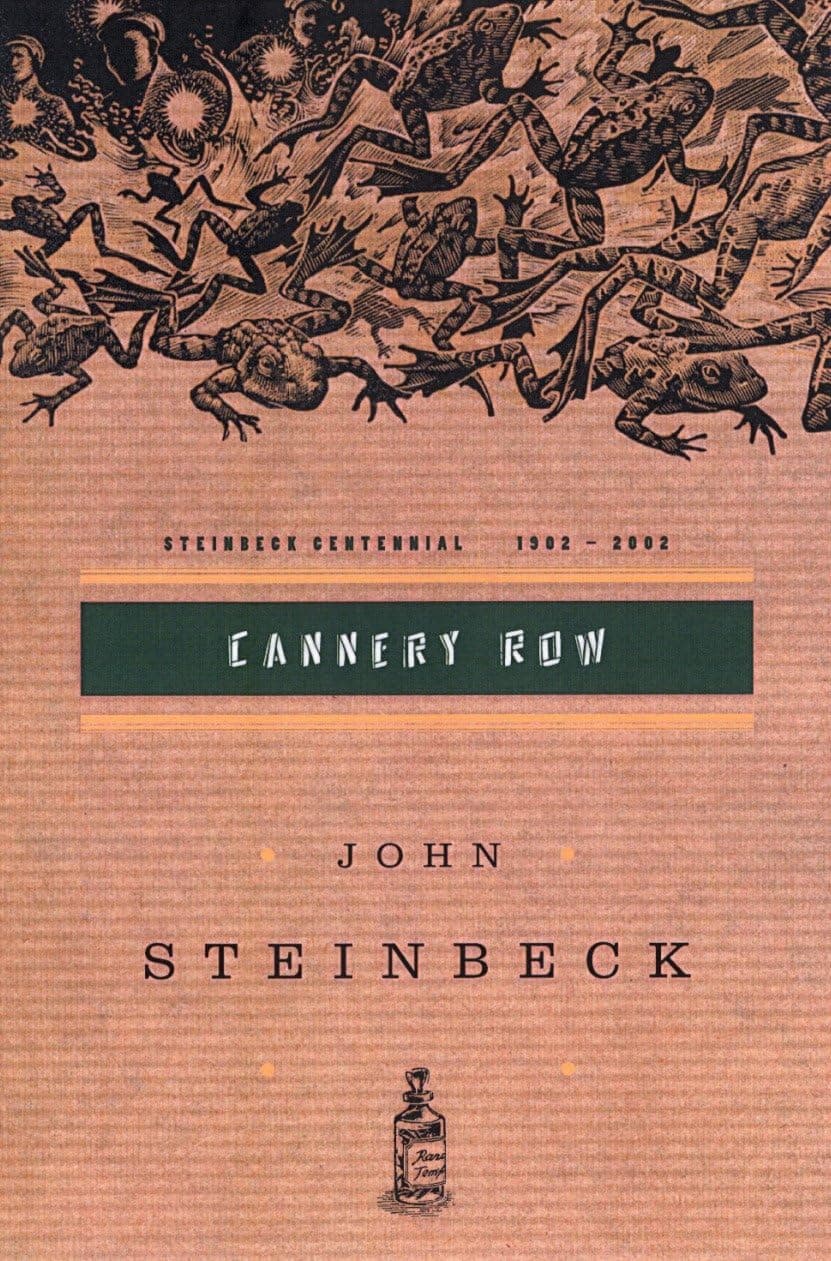
Mack and his friends, unemployed and unhurried, decide to repay Doc the marine biologist with a party. Steinbeck writes a Monterey street of bums and grocers and whores as a functioning society.
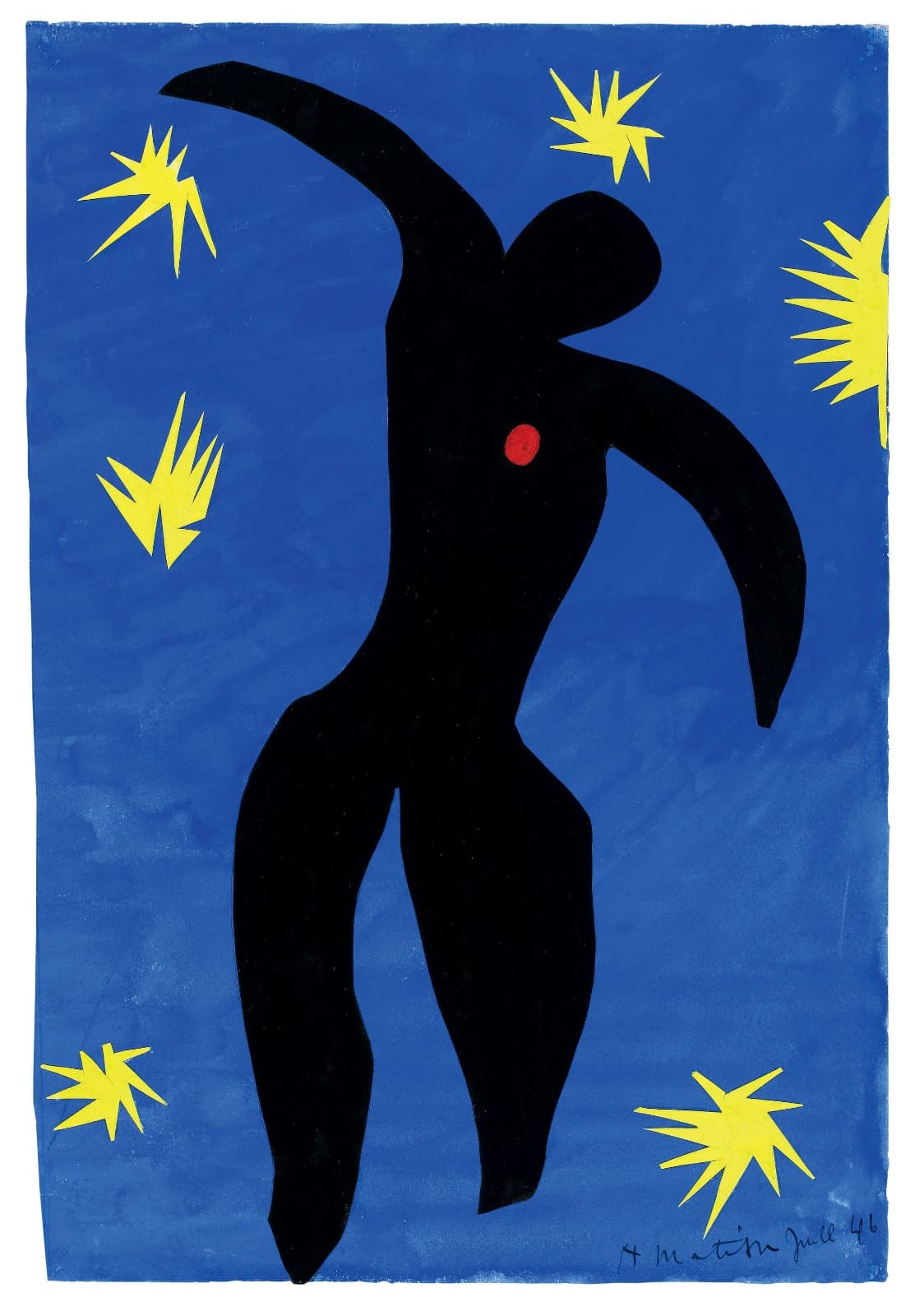
A black figure with a red dot for a heart falls through blue, cut from paper because Matisse could no longer stand at an easel.

Four people in a Georgia mill town confide everything to John Singer, a deaf man who lip-reads them and answers little. McCullers fills the place with people who cannot reach each other.

Hand economic decisions to planners and you lose political freedom too, because someone must decide whose purposes count. Hayek published it in 1944, and it became the founding text of the postwar right.
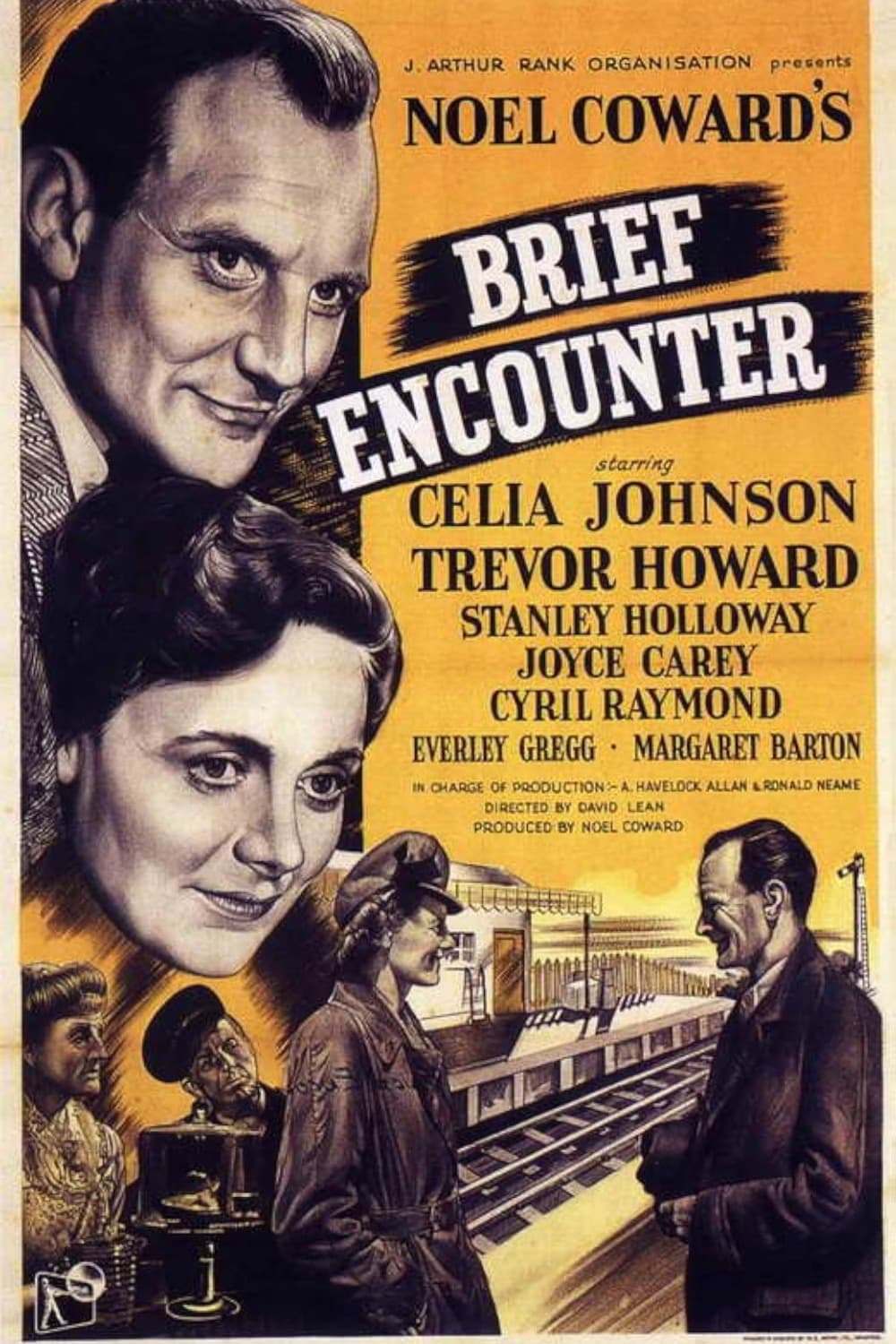
Two married people meet by chance in a railway station and keep meeting, and what they hold back is what destroys audiences: Lean does it in glances and Rachmaninov.

Reason set out to free humanity from myth and produced new forms of domination instead. The philosophers Adorno and Horkheimer, exiles in California, coined the culture industry to name entertainment that manufactures obedience.

Zweig grew up in a Vienna that believed in security, art, and progress, and lived to watch it burn twice. He mailed this memoir to his publisher the day before he killed himself.

In an unnamed Latin American capital, a beggar's killing of a colonel gives a dictator the pretext to destroy his enemies. Asturias renders the terror as fever dream, in prose that hallucinates.

A fugitive hiding on a deserted island finds the place full of elegant visitors who cannot see him, dancing to the same record week after week. Bioy Casares imagined virtual reality in 1940.
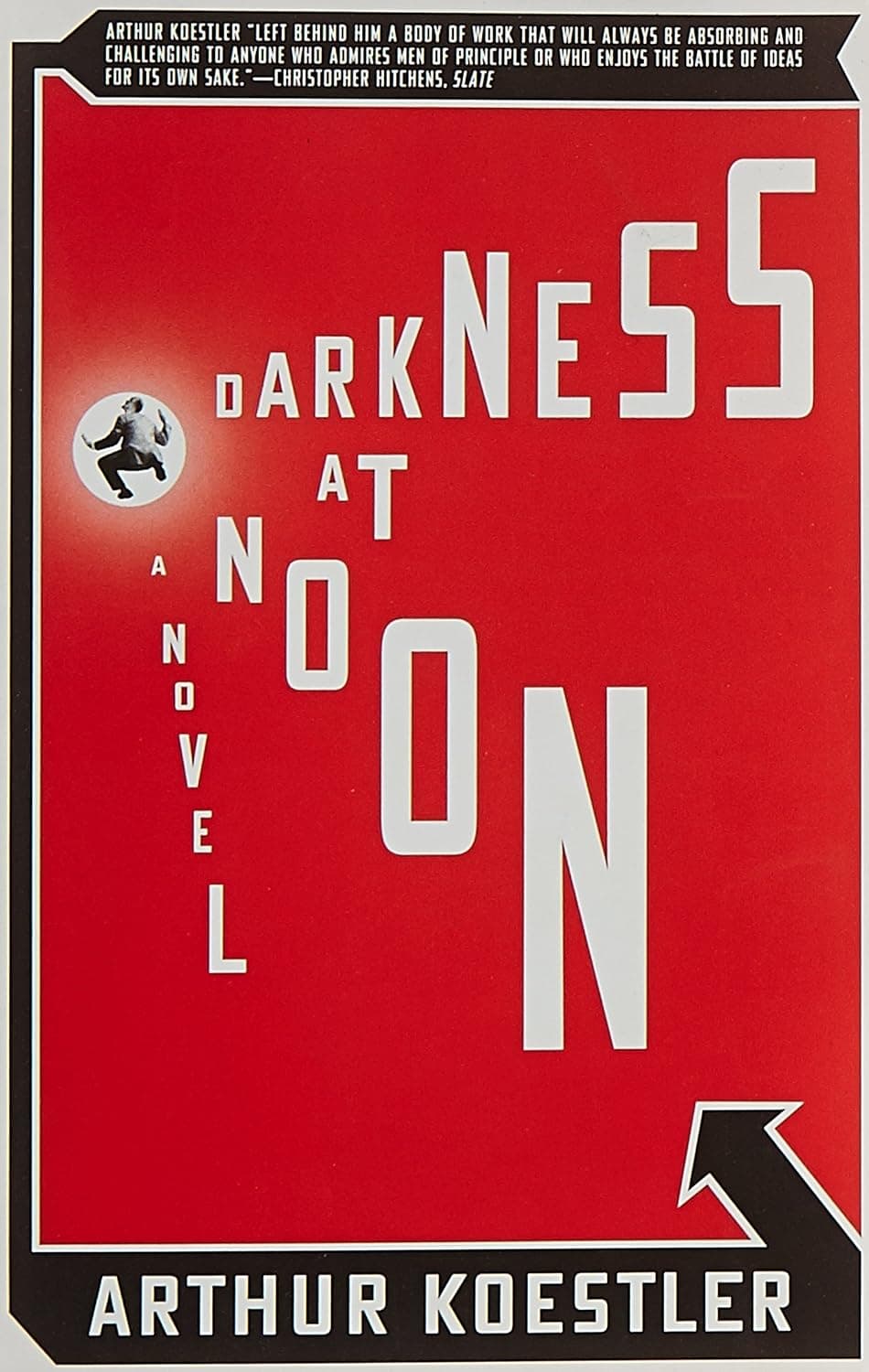
Arrested by the revolution he helped build, Rubashov confesses to crimes he never committed. The novel sold half a million copies in France and pulled a generation of Western leftists away from Moscow.
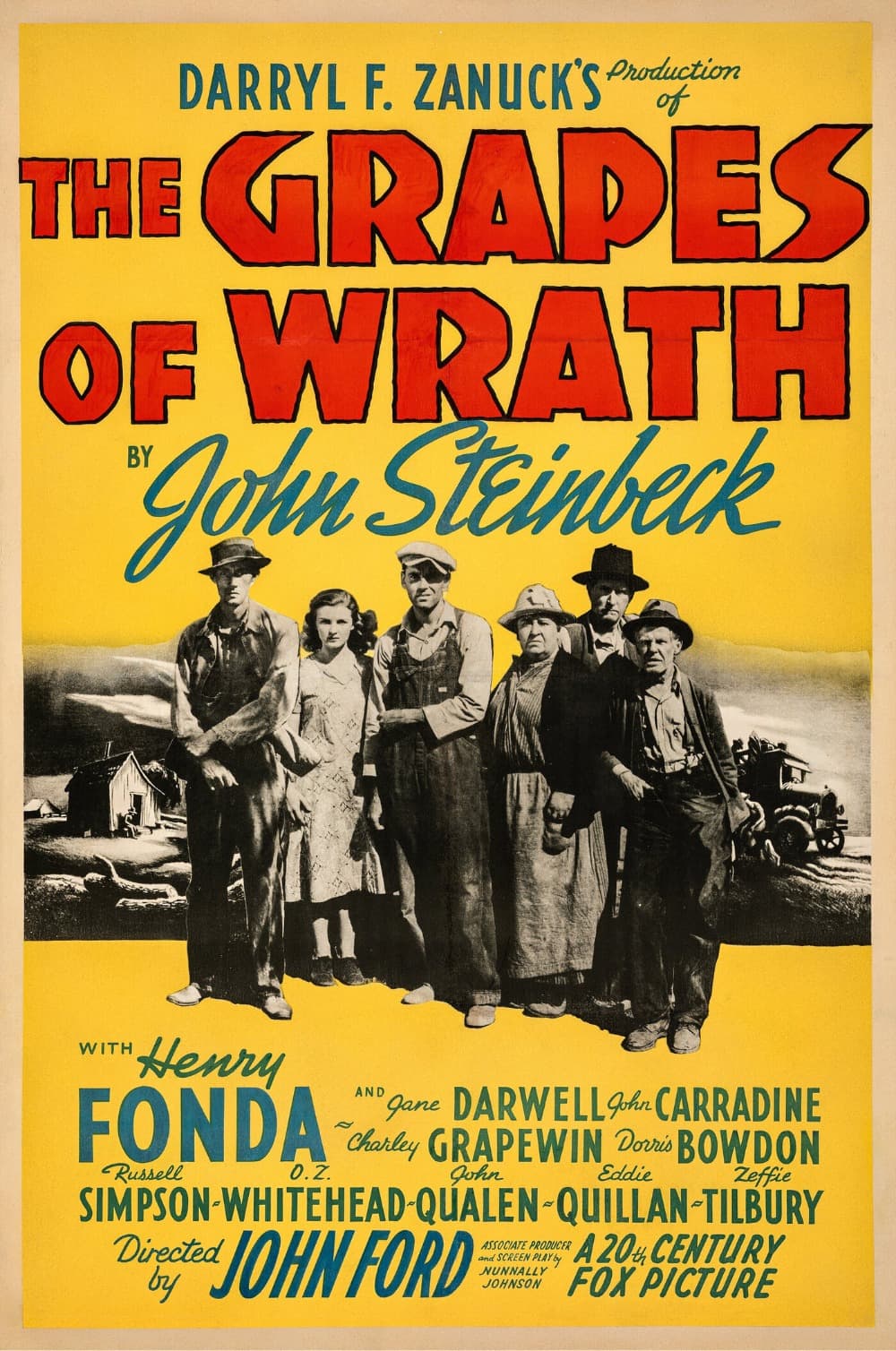
That a major studio released this in 1940 is still hard to believe: Ford films an Oklahoma family driven west by the banks, and Gregg Toland lights the migrant camps like documentary photographs.

Cocteau made a fairy tale that looks the way one feels: human arms hold the candelabra along the corridor, and the Beast's castle behaves like a dream that has not decided to end.

Willie Stark rises from county treasurer to governor believing good can be made only out of bad. Warren wrote the American novel of power, narrated by the aide he sends to dig dirt.
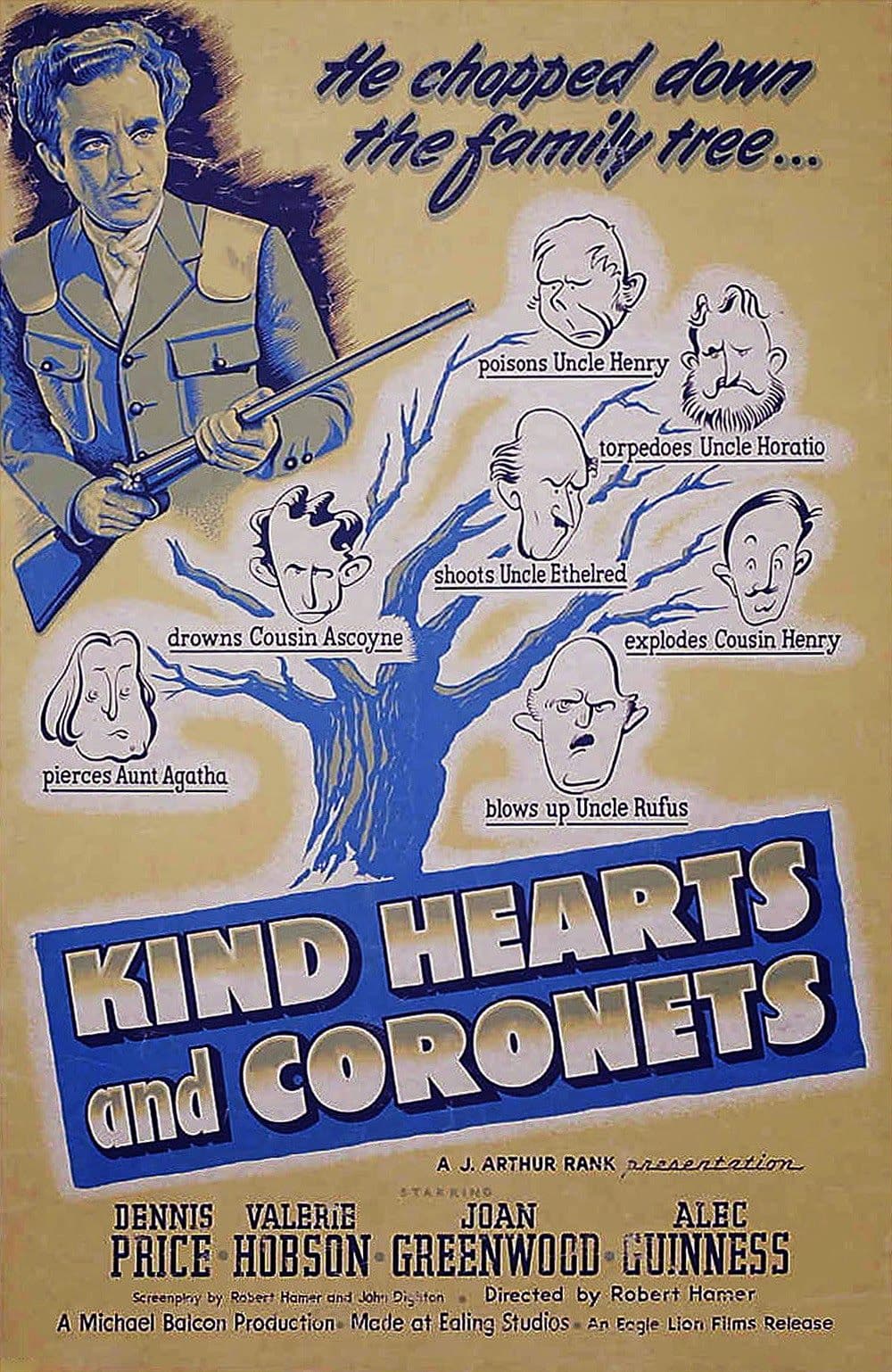
Alec Guinness plays eight members of the same family, including one of the women: the blackest comedy the British ever made, narrated in perfect drawing-room manners by a man counting off his relatives.

Bai Liusu, a divorcee her Shanghai family treats as a disgrace, follows a rich bachelor to Hong Kong. Chang writes their courtship as cold accounting until the Japanese bombardment reaches the city.
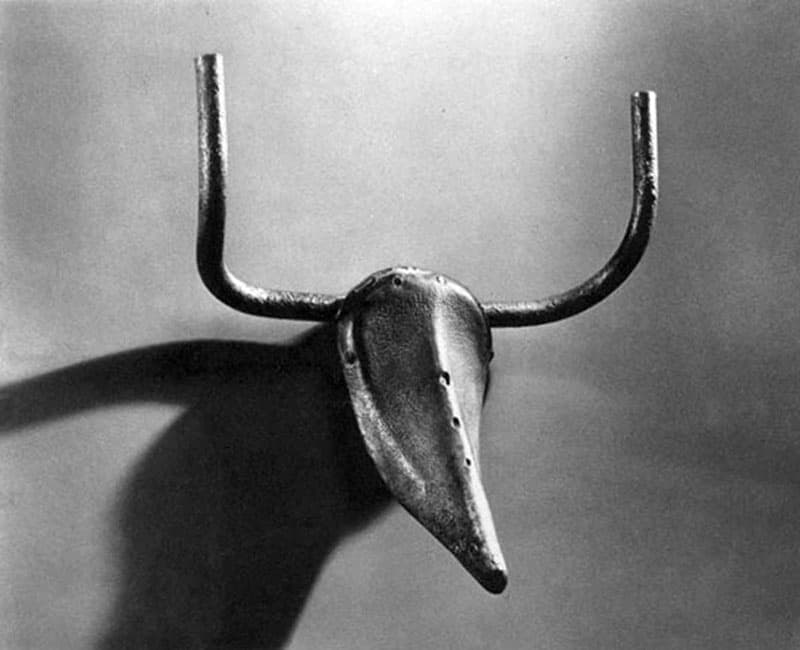
A bicycle saddle and a set of handlebars, joined. Picasso joked that someone might one day turn it back into a bicycle.
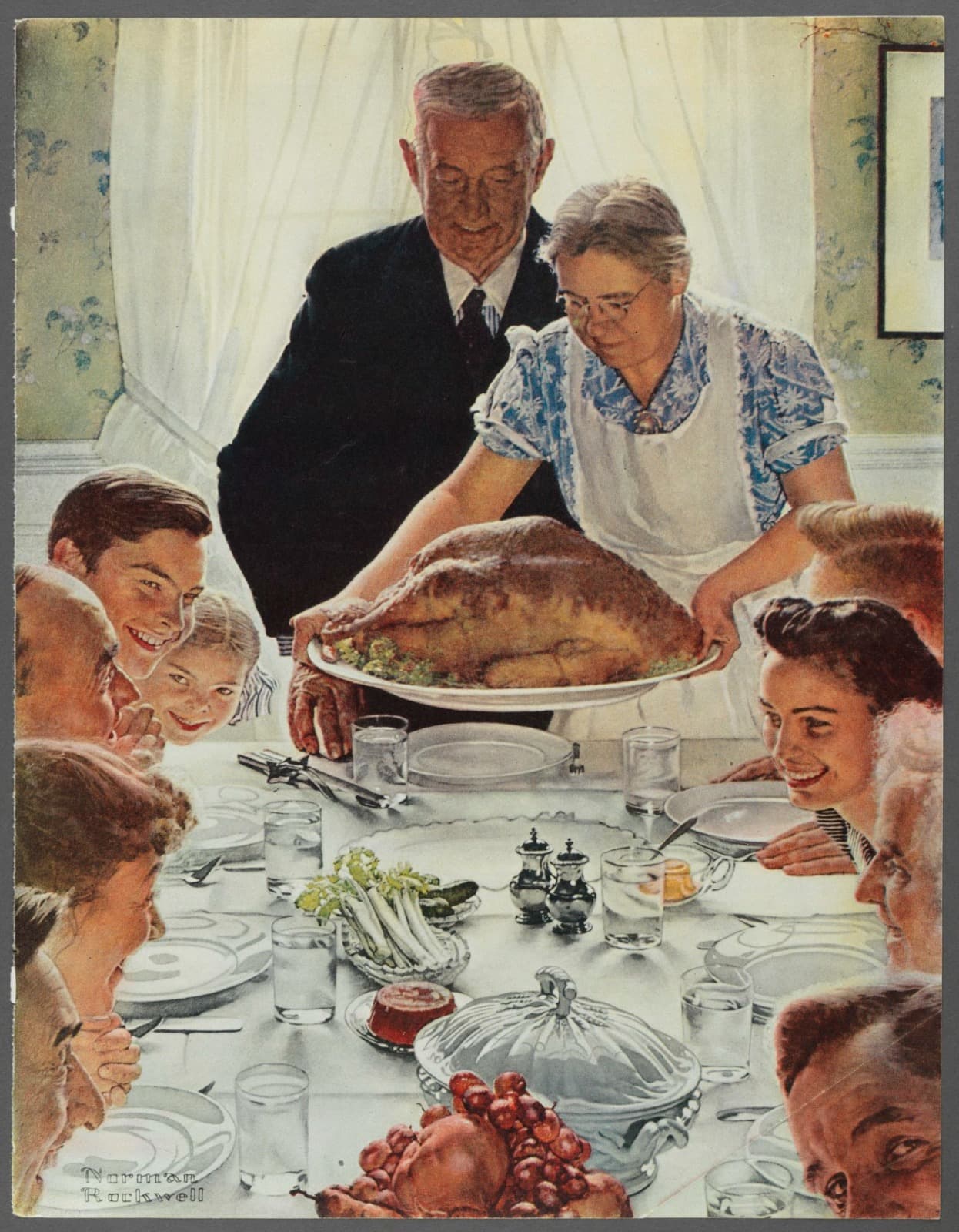
Rockwell painted it as one of the Four Freedoms Roosevelt named, and it has been parodied more than almost any American picture.

A bee circles a pomegranate, and in the second before waking it has become two tigers and a bayonet coming at Gala's arm.

A Zulu parson goes to Johannesburg to find his son and learns the boy killed a white man who fought for black South Africans. Paton's fifteen million readers made apartheid a world scandal.
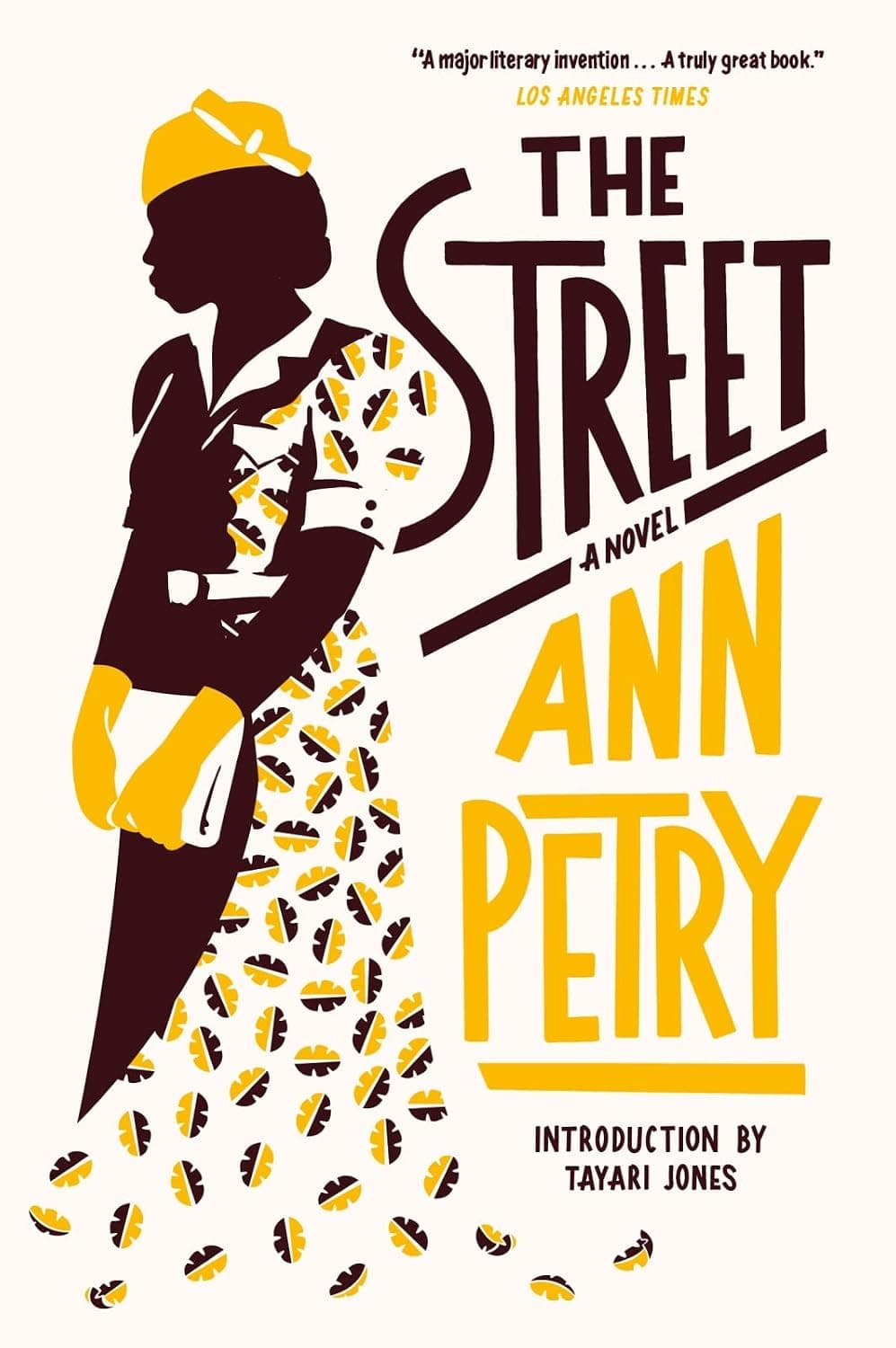
Lutie Johnson believes what Benjamin Franklin promised about work and thrift, and rents an apartment on 116th Street to raise her son. The men who watch her climb the stairs have other plans.
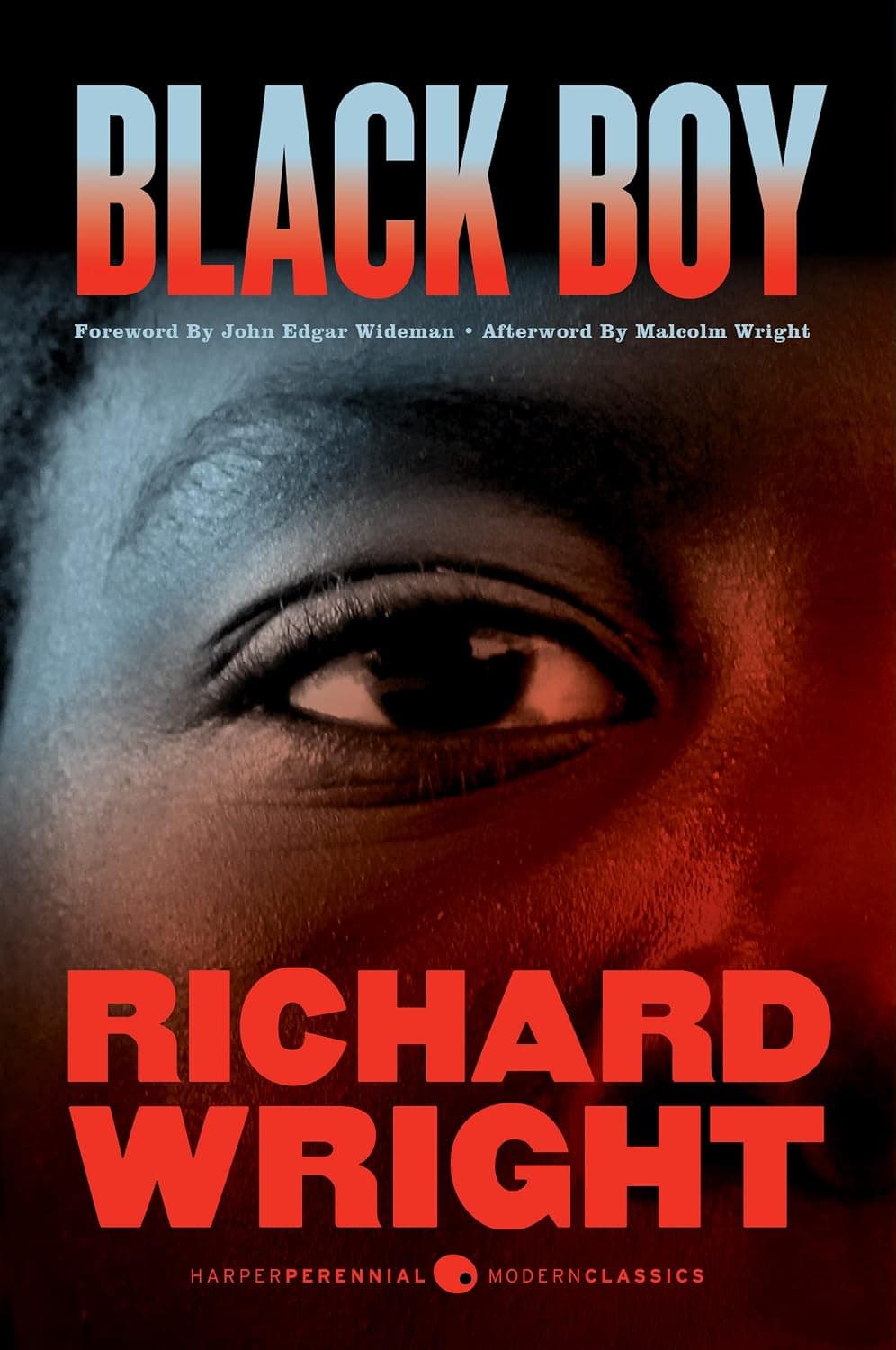
Hunger runs through Wright's Southern boyhood: for food, for books, which he gets by forging notes on a white man's library card. He sets down Jim Crow's cruelty without a word of self-pity.
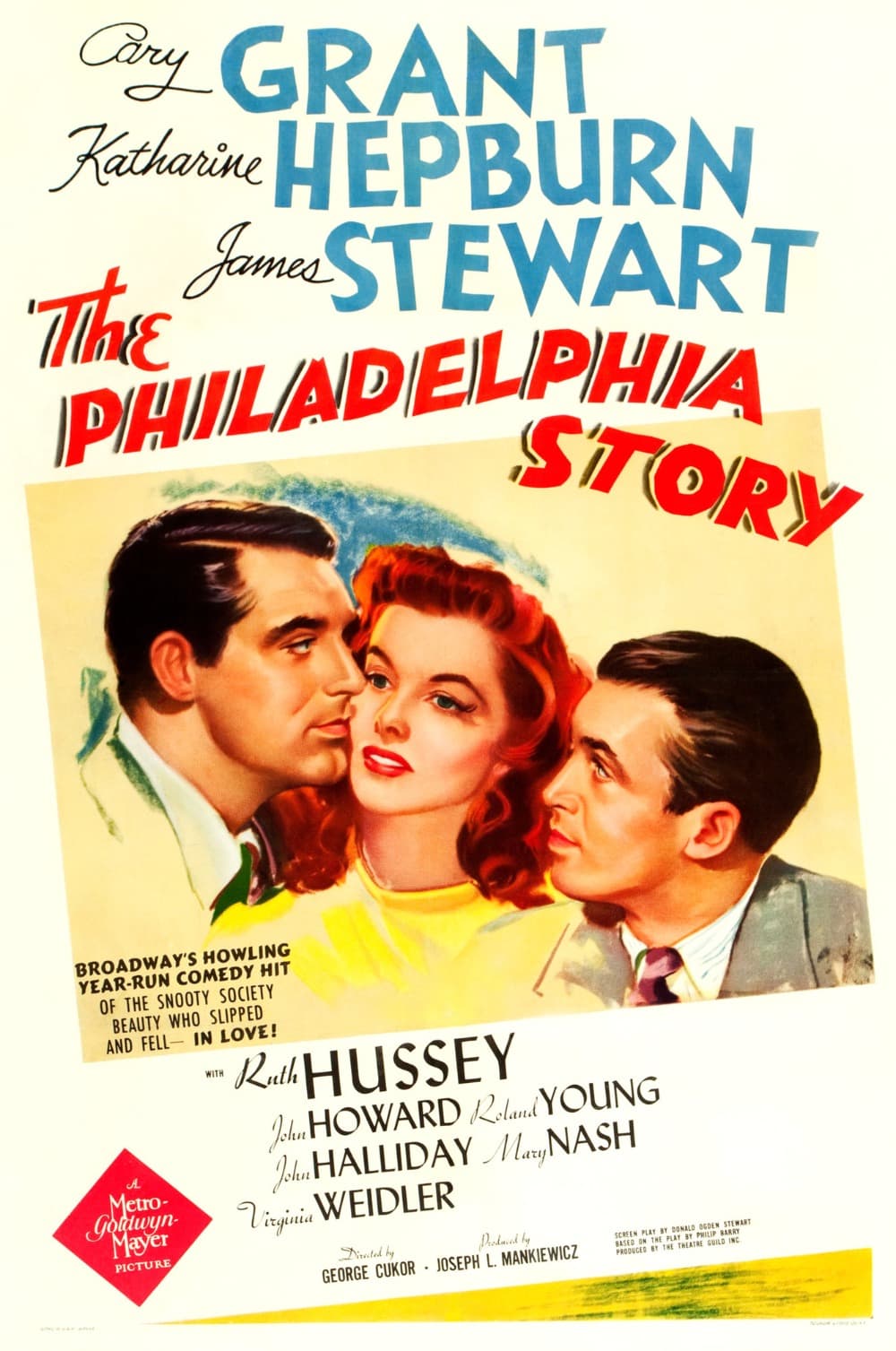
Katharine Hepburn was labeled box-office poison and controlled the rights to her comeback vehicle: she picked the director and approved the cast, then let Cary Grant and James Stewart crash her wedding.