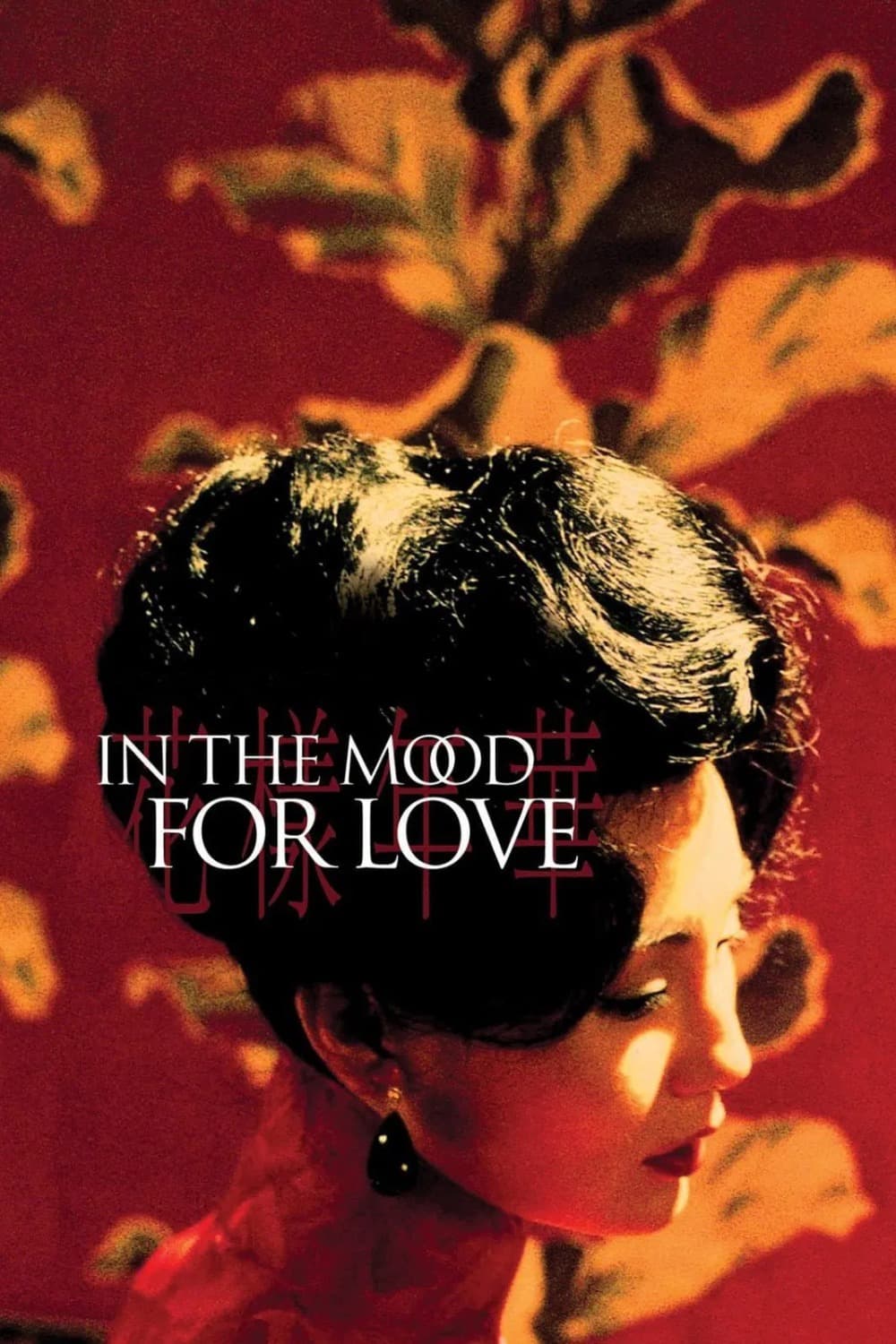
In the Mood for Love
Directed by Wong Kar-wai
2000
Longing has never been filmed better than this: Wong Kar-wai gets more out of a stairwell and one repeated waltz than most directors manage with an entire script.
★ 9.3
 skopia
Longing has never been filmed better than this: Wong Kar-wai gets more out of a stairwell and one repeated waltz than most directors manage with an entire script.
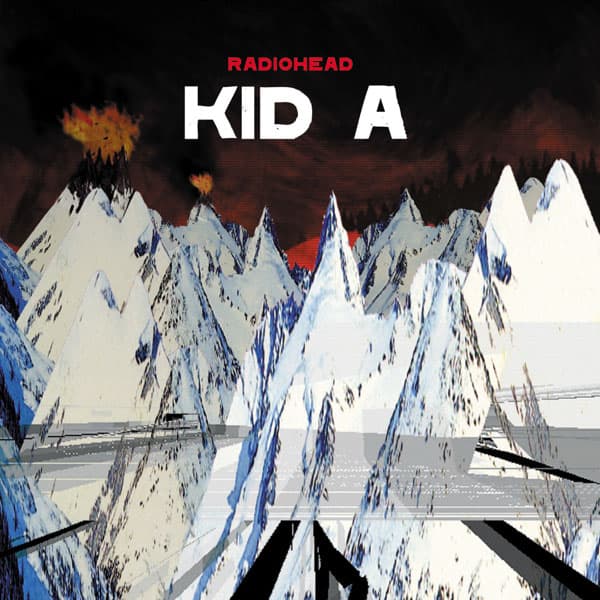
Singer Thom Yorke pulled the lyrics out of a hat because he could not write, and the band released it with no singles and no interviews.
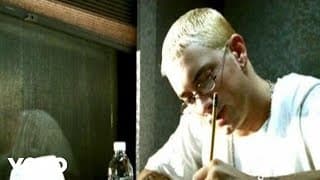
The 45 King looped Dido under four letters, and Eminem's fan character ended up in the Oxford dictionary.
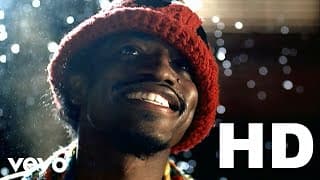
Andre 3000 apologizing to Erykah Badu's mother, who liked it enough to buy a Ms. Jackson license plate.
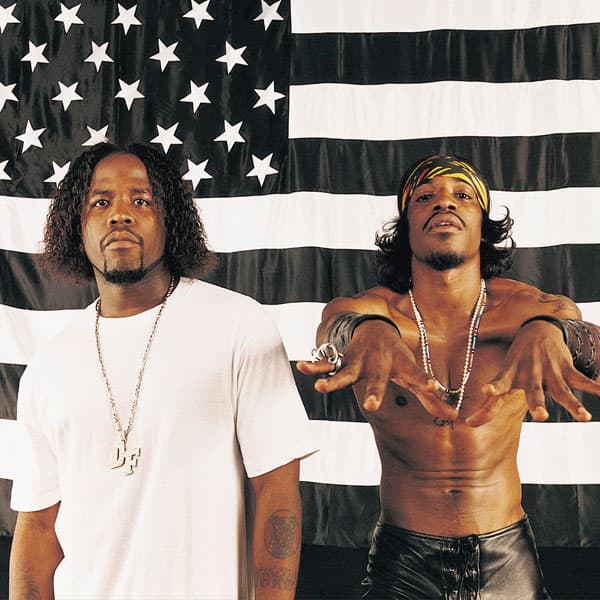
B.O.B. runs at a hundred and fifty-five beats a minute, which is drum and bass speed, with a gospel choir on top.
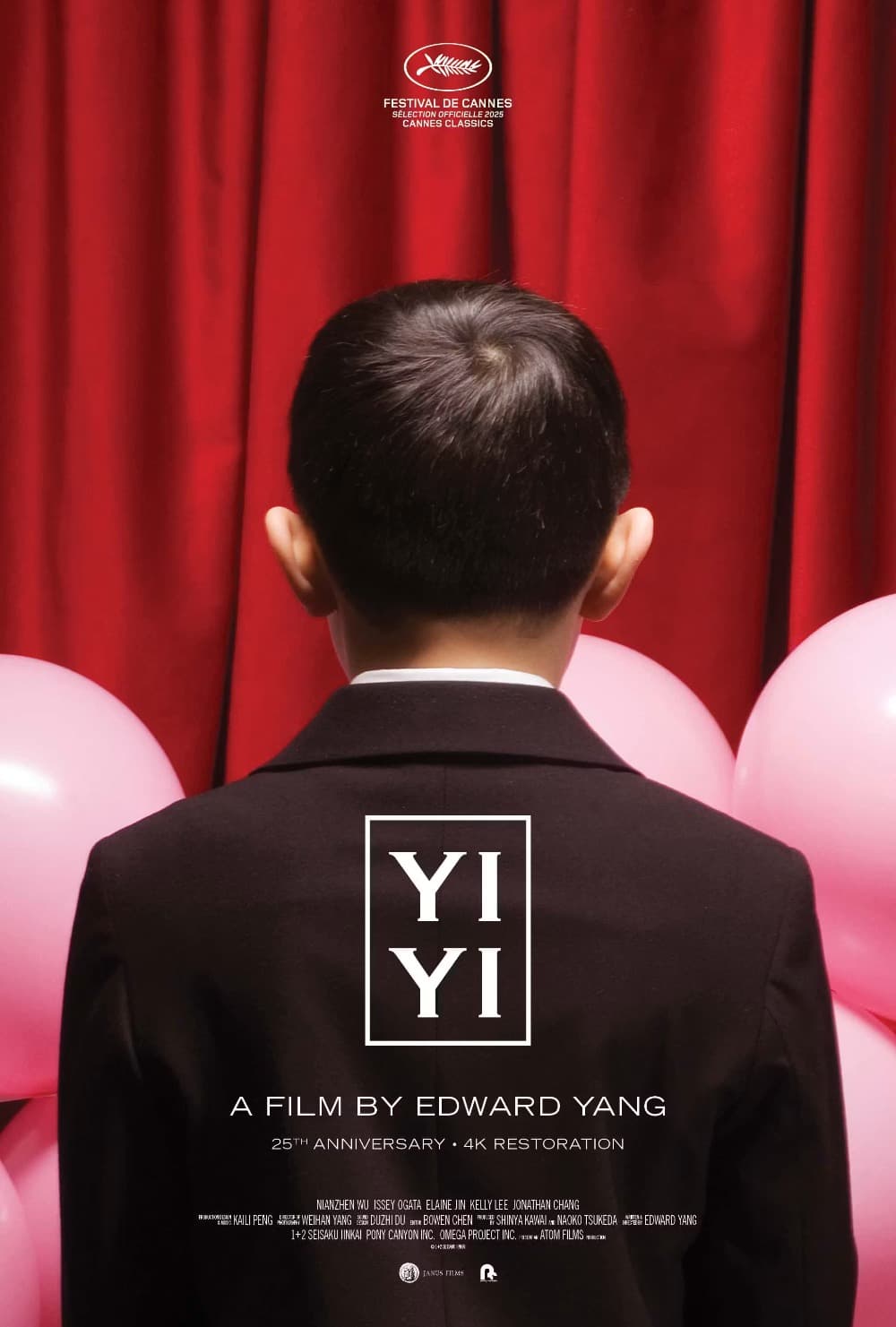
Nothing else captures an ordinary family like this: Yang holds three generations of a Taipei household in one frame, and the small boy photographing people's backs explains the whole method.
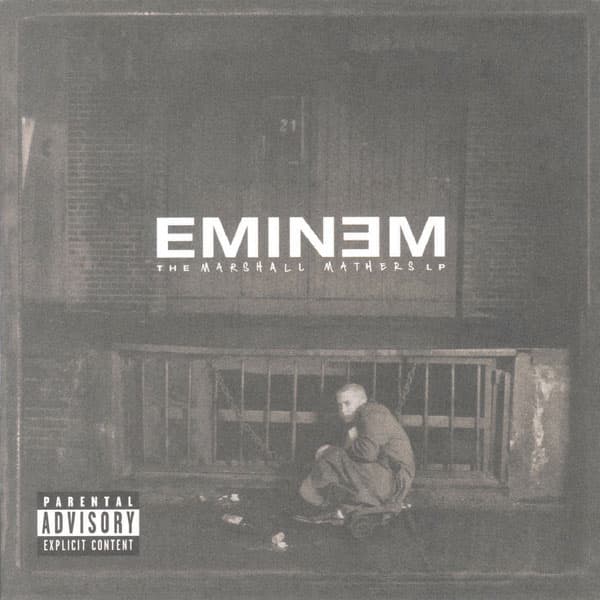
It sold nearly two million copies in a week. Elton John agreed to perform with him at the Grammys while the protests were loudest.
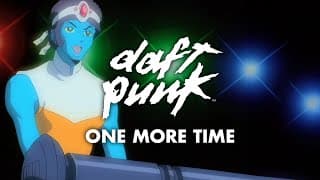
Romanthony's vocal pushed through auto-tune over a slowed Eddie Johns disco sample, filtered until the chorus explodes.
Bombs Over Baghdad at 155 beats per minute, drum and bass colliding with a gospel choir and a guitar solo.
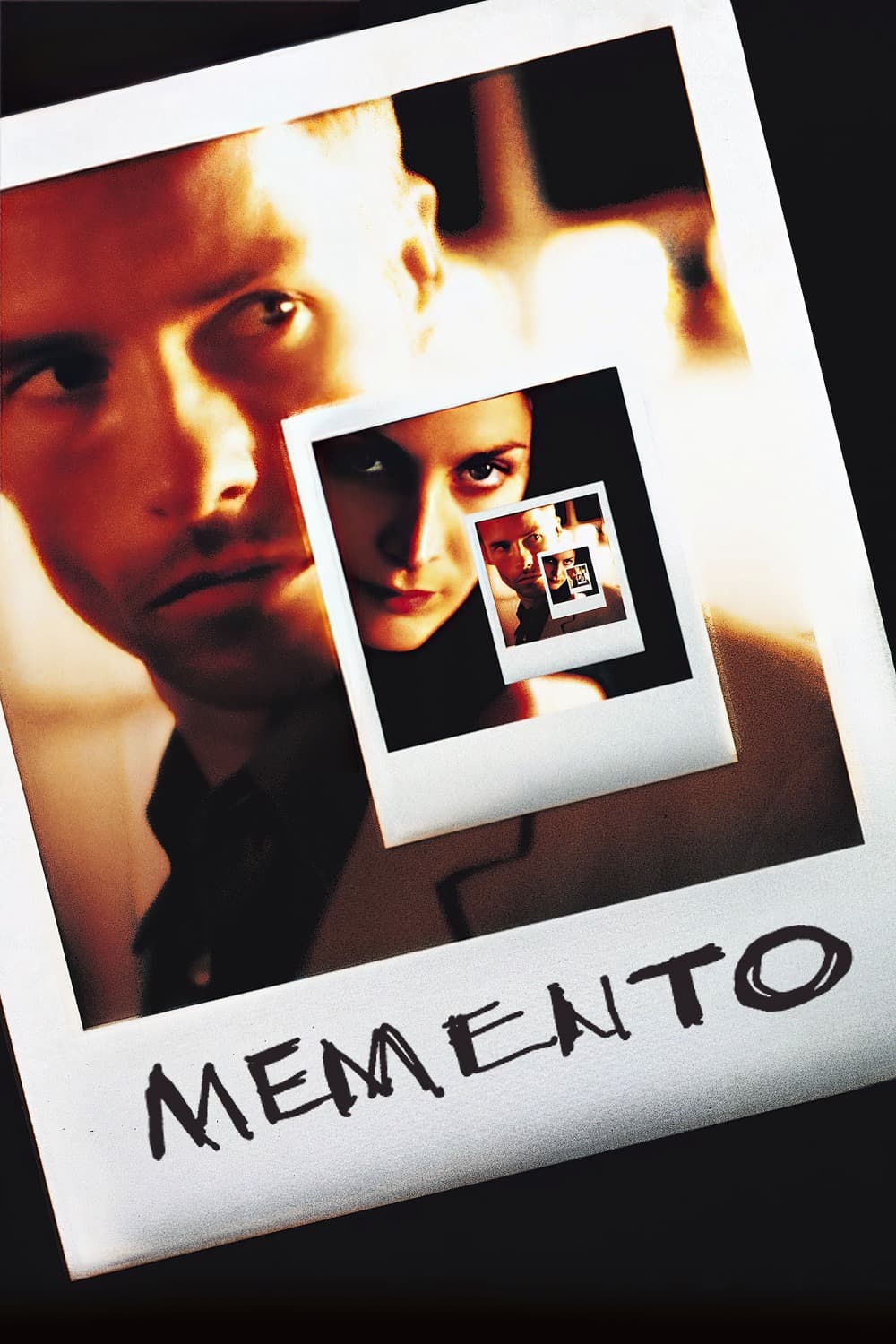
Nolan told it backwards and the trick is not a trick: the reverse order strands you exactly where its amnesiac protagonist lives, knowing only the last five minutes.
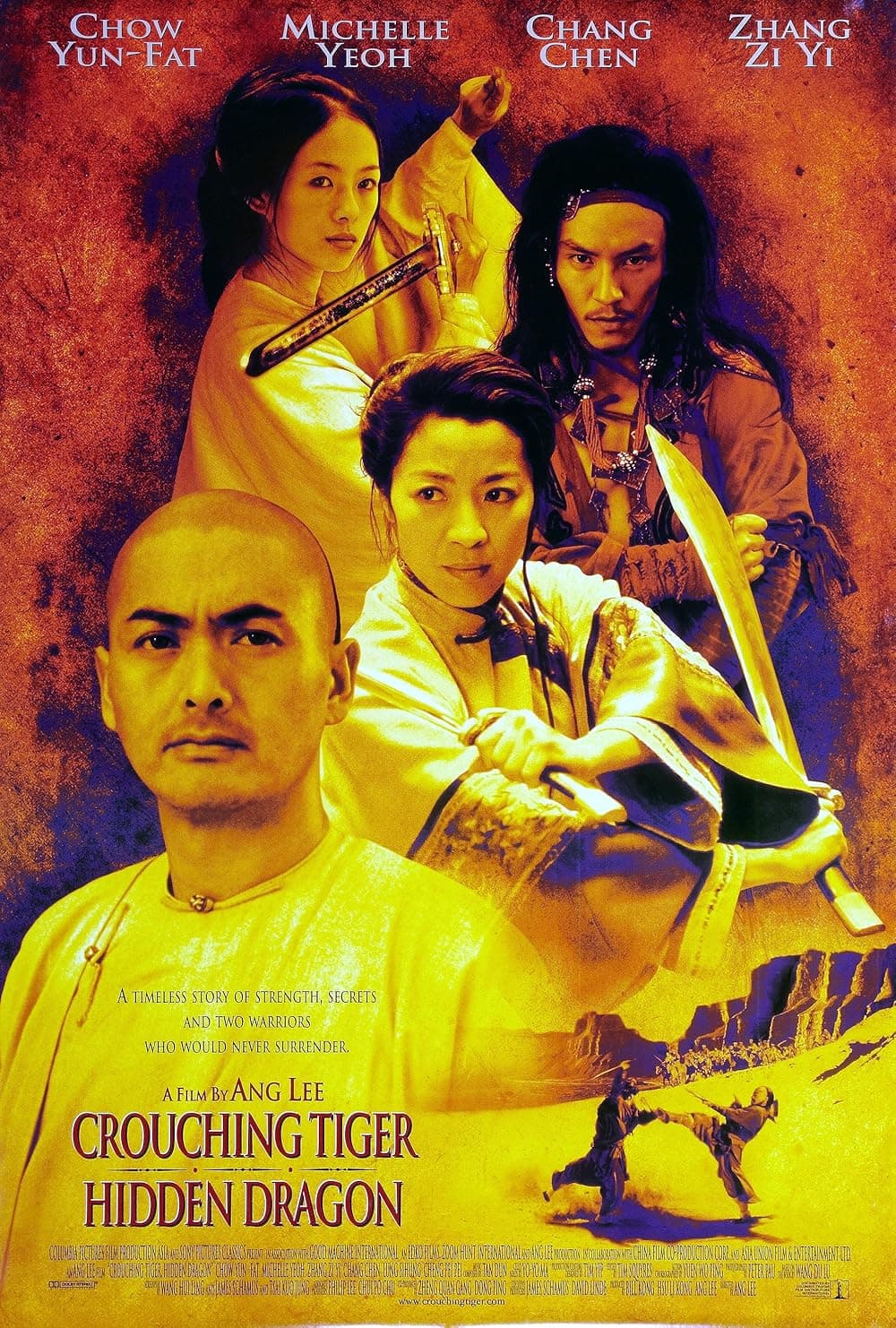
It won four Academy Awards and remains the highest grossing foreign language film ever released in America: wire work so graceful that gravity stops being a consideration.
Radiohead opened Kid A with no guitars at all, just a Prophet-5 and Yorke's voice diced in Pro Tools.
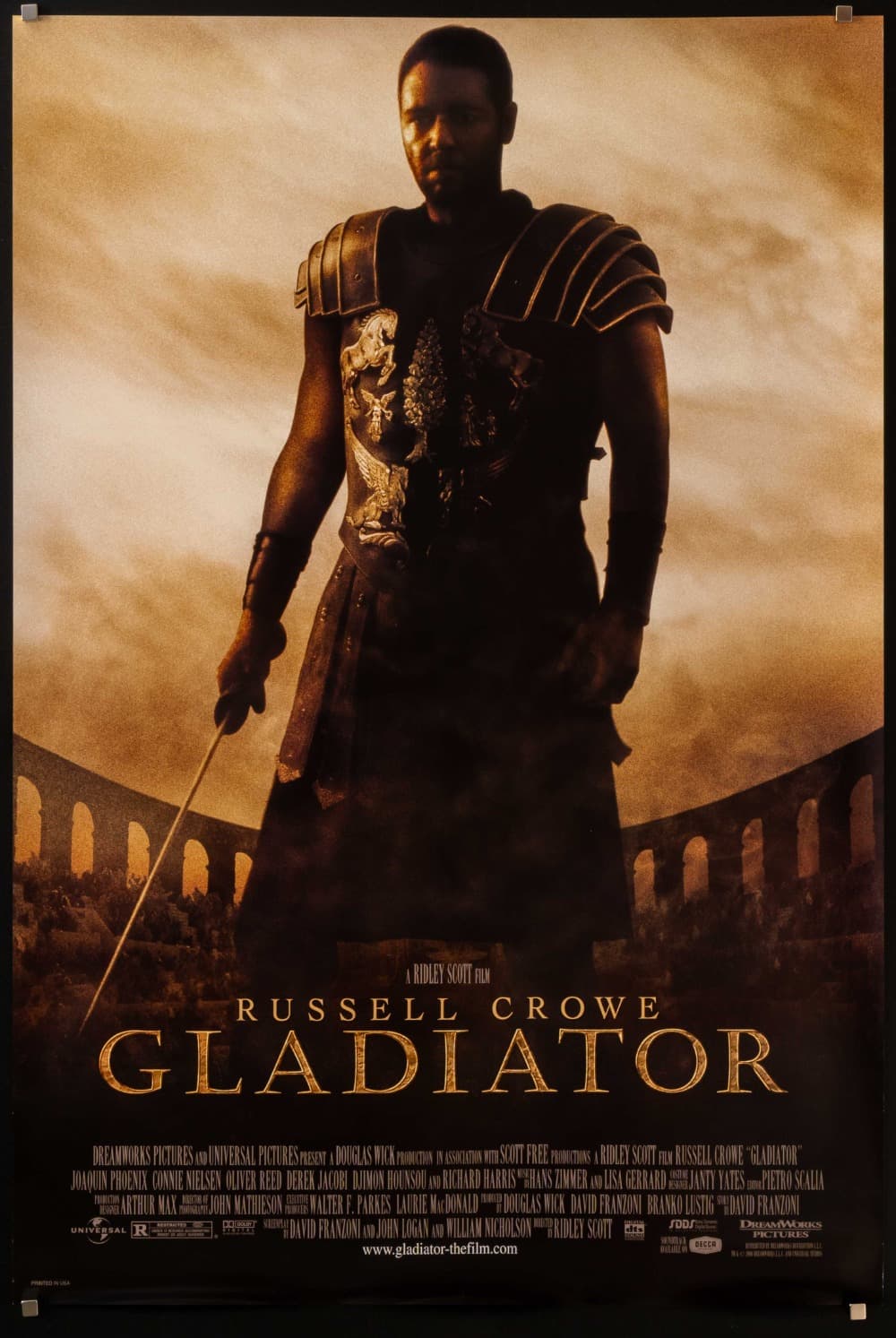
It dragged the Roman epic back after thirty-five years of dormancy: Russell Crowe's fury is the whole engine, and the arena sequences still deliver everything they promise.
Ken Nelson pointed at the stars outside Rockfield, and Martin sang the melody in his worst Neil Young impression.
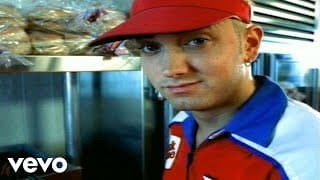
Iovine wanted another "My Name Is," so Eminem wrote this hours before the album was due. It hit number four.
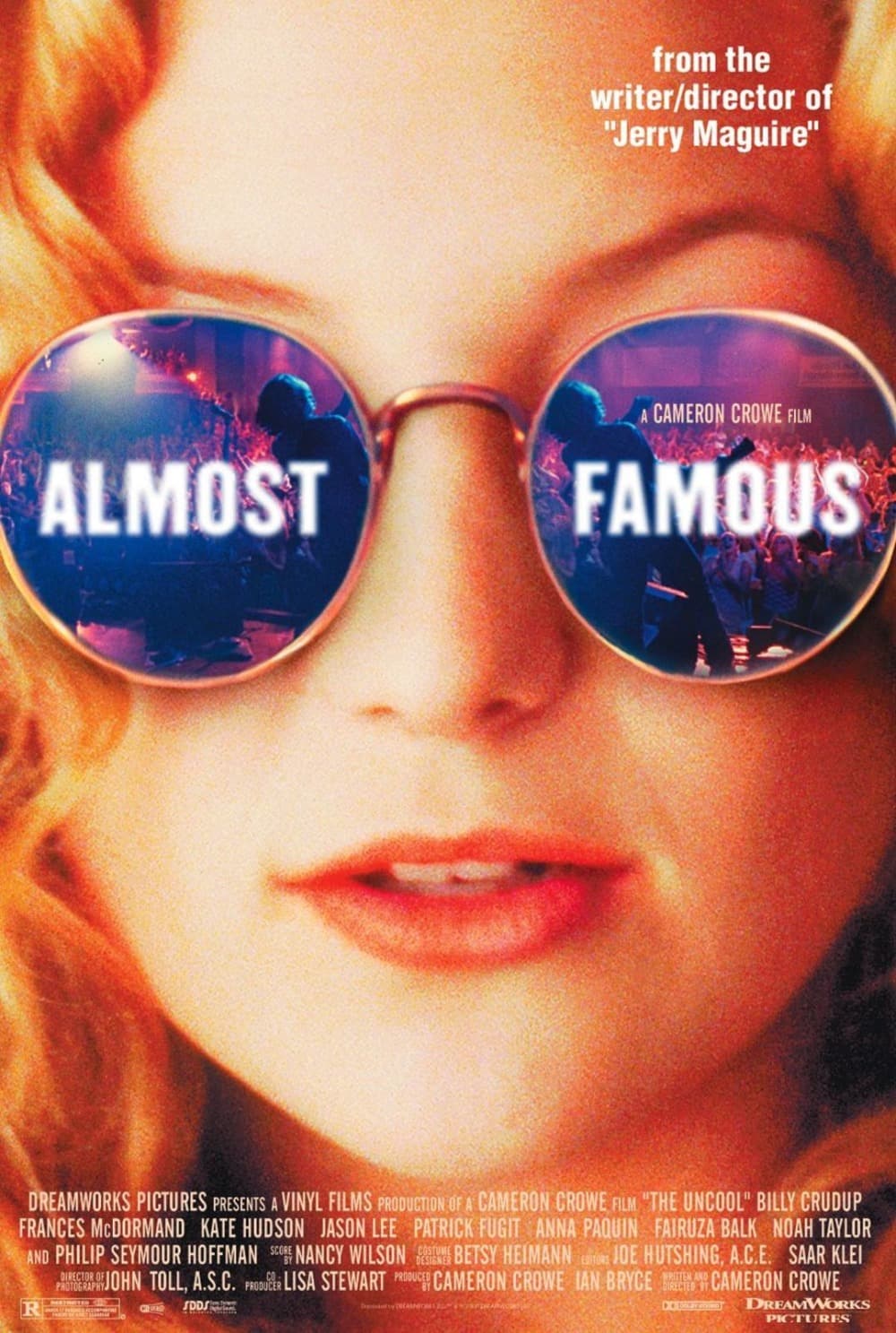
Cameron Crowe was writing for Rolling Stone at fifteen and on the road with the Allman Brothers at sixteen: the film gets every detail right, including the boredom.
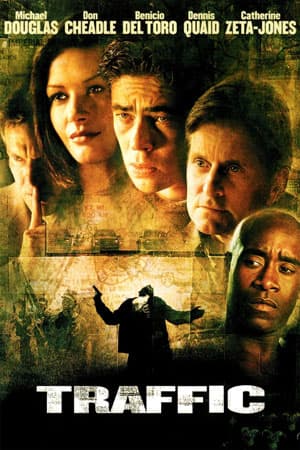
Soderbergh color-codes three separate drug-war stories so you always know which one you are in, then declines to let any of them resolve into a tidy lesson.
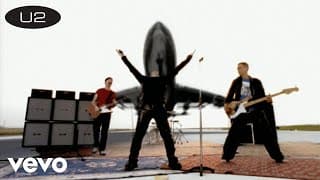
Eno programmed the drum machine, Lanois played the Telecaster, and the Edge won the argument for his old delay-drenched sound.
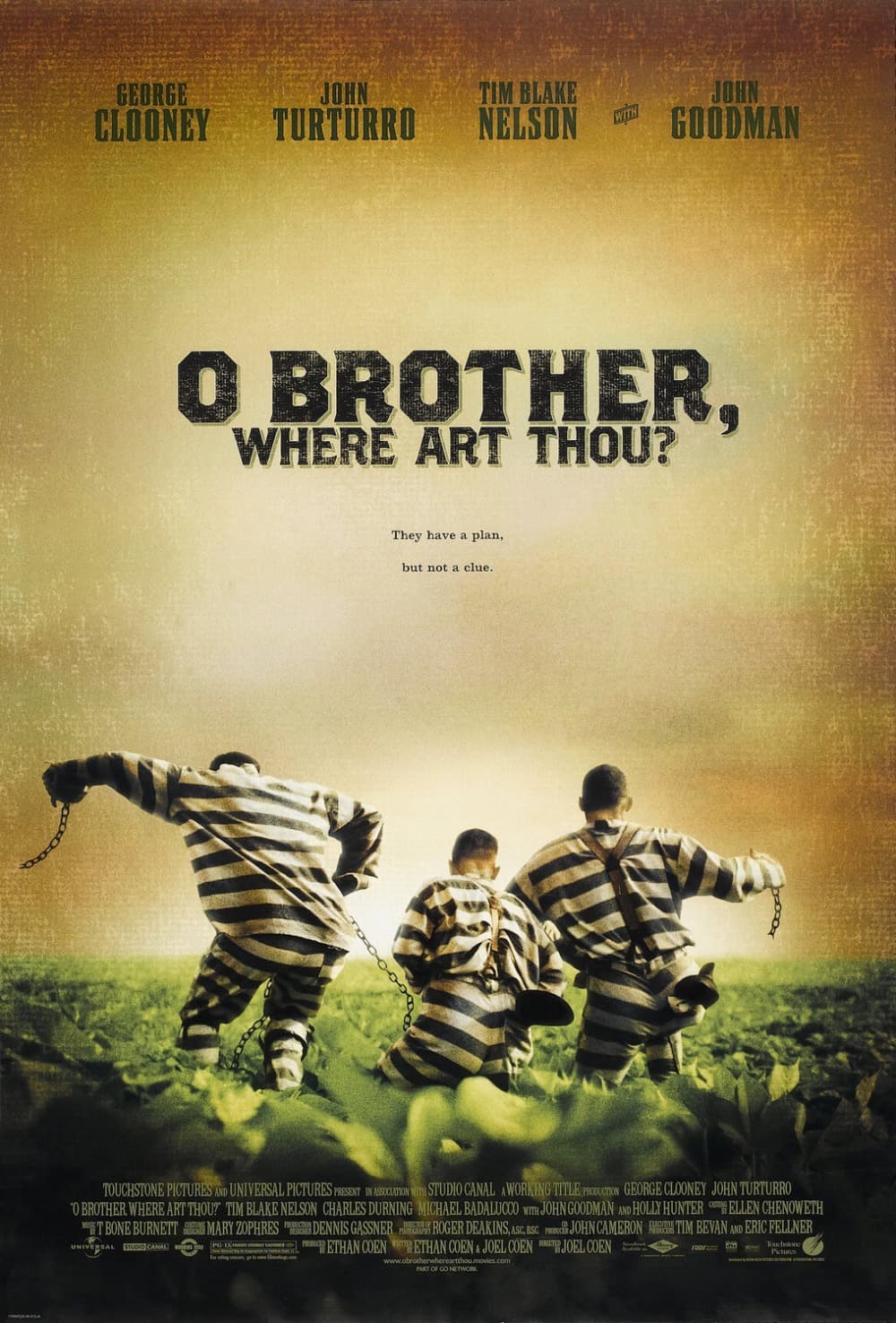
Homer's Odyssey rerouted through Depression-era Mississippi: the soundtrack of gospel and bluegrass sold eight million copies and sent a mass audience back to music first recorded in the 1920s.
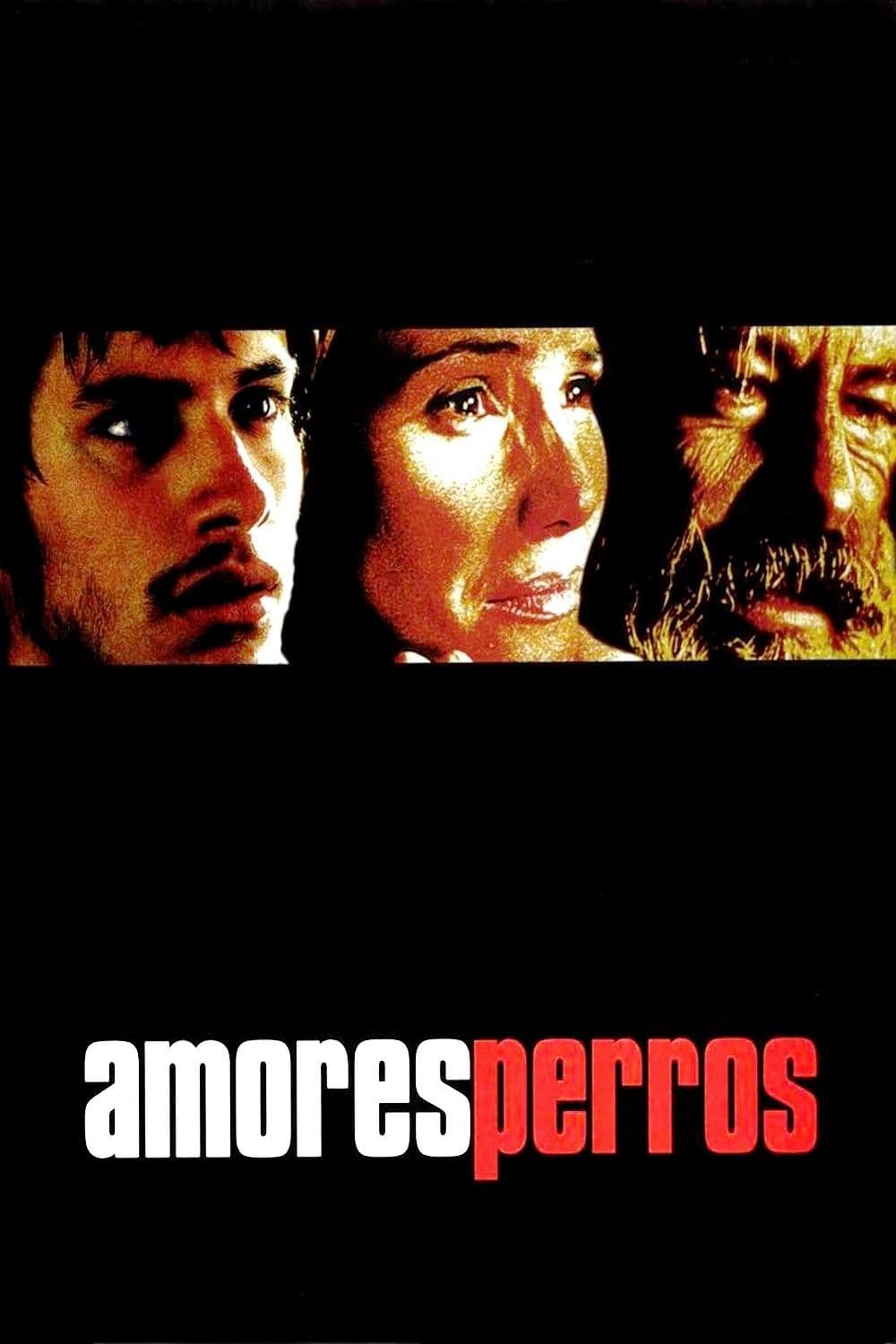
Mexican cinema arrived on the world stage with this: Inarritu's first film braids three Mexico City lives around a single car crash and refuses to soften any of them.
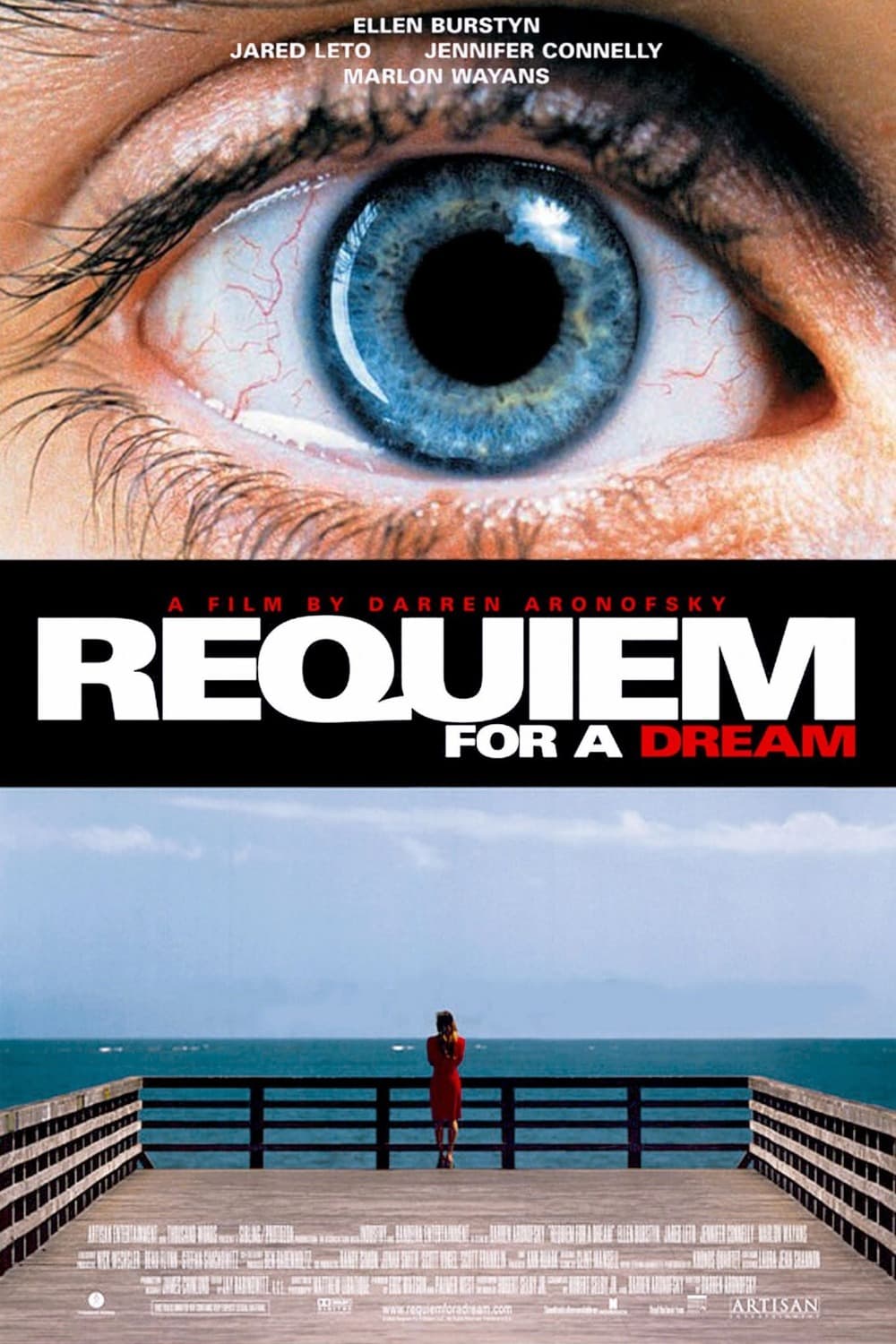
Nobody who has seen the last twenty minutes forgets them: Aronofsky films four people chasing different highs around Coney Island in split screen and body-mounted cameras, with Clint Mansell's string theme underneath.
Moby nearly left it off Play; a reversed string sample from the Exodus score, cut in his Little Italy apartment.

Nine stories of Indians and Indian Americans living between two countries, told with a calm that makes the losses land late. A married couple confess things to each other during nightly power cuts.
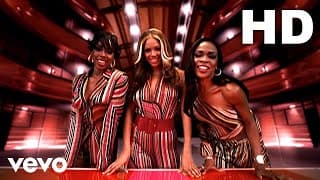
Written for the Charlie's Angels soundtrack, eleven straight weeks at number one, and Michelle Williams's first single with the group.
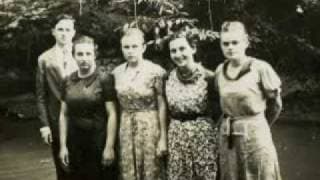
Printed as "The Good Old Way" in an 1867 collection of slave songs, and Krauss makes it sound weightless.
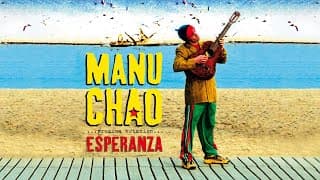
Three guitar chords, spoken city names saluting Havana's Radio Reloj, and a list of small pleasures that lands on you.
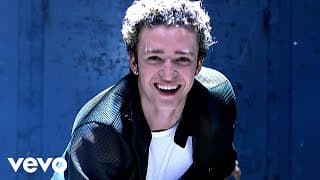
Andreas Carlsson reportedly wrote the lyric during a Stockholm driving test; Cheiron's producers built pop's most decisive exit.

U2 dropped the irony and went back to anthems. A year later, after September 11th, the songs sounded like they had been written for it.
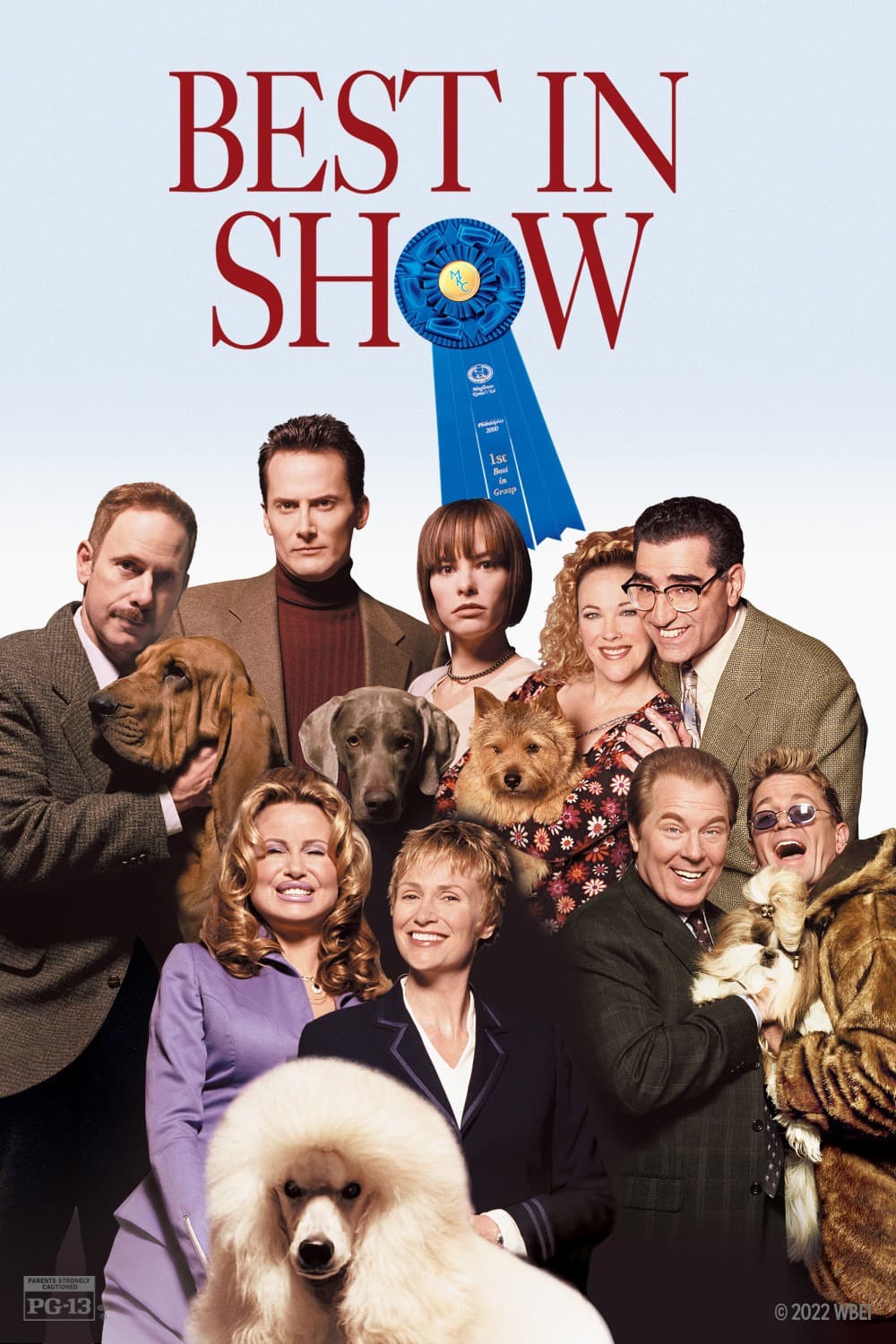
The mockumentary found its permanent subject here, the American hobbyist: five sets of owners take their dogs to a national championship, and each of them reveals far more than intended.

T Bone Burnett recorded most of it before the film was shot, so the Coens built scenes around the music. It sold eight million.
A 1932 hymn Brumley began while picking cotton, carried here by Krauss and Welch over mandolin and guitar.
Number one in Australia, number two in Britain, built from Brown's memory of Long Island parents fearing metal records.

Smuggled out of occupied Prague in a coffin with the Golem, Joe Kavalier lands in Brooklyn and invents a superhero with his cousin. Chabon makes comics their one weapon against Hitler.
Recorded four times before Ken Nelson kept one, and Martin, by his account, apologizing for behaving badly toward his band.
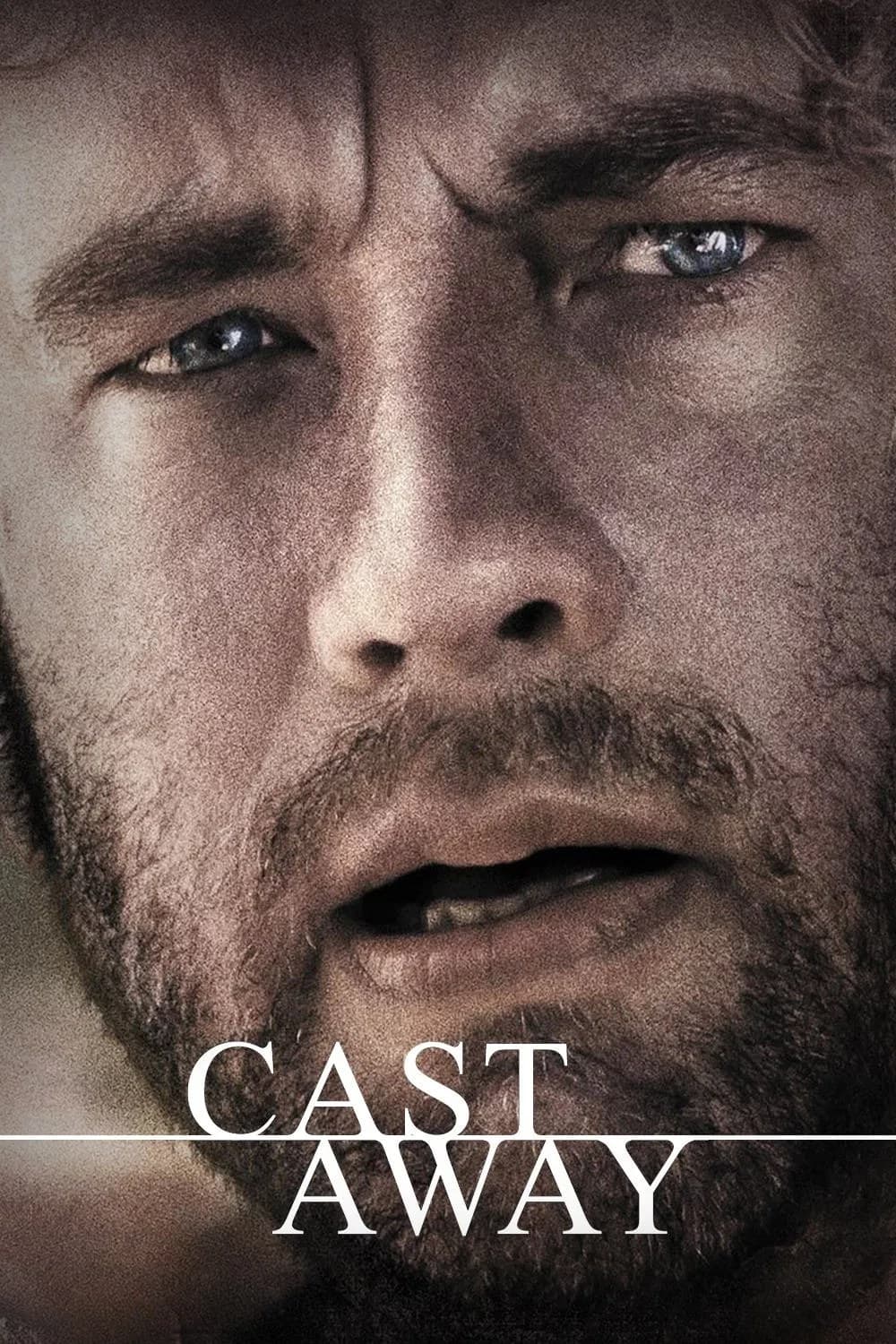
Production shut down a year so Tom Hanks could lose fifty pounds: for an hour there is barely a word spoken, and a volleyball becomes a genuinely moving character.

Assassins wait in a car for Trujillo's Chevrolet on his last night. Vargas Llosa moves between them, the dictator's failing body, and the woman who returns thirty-five years later to accuse her father.
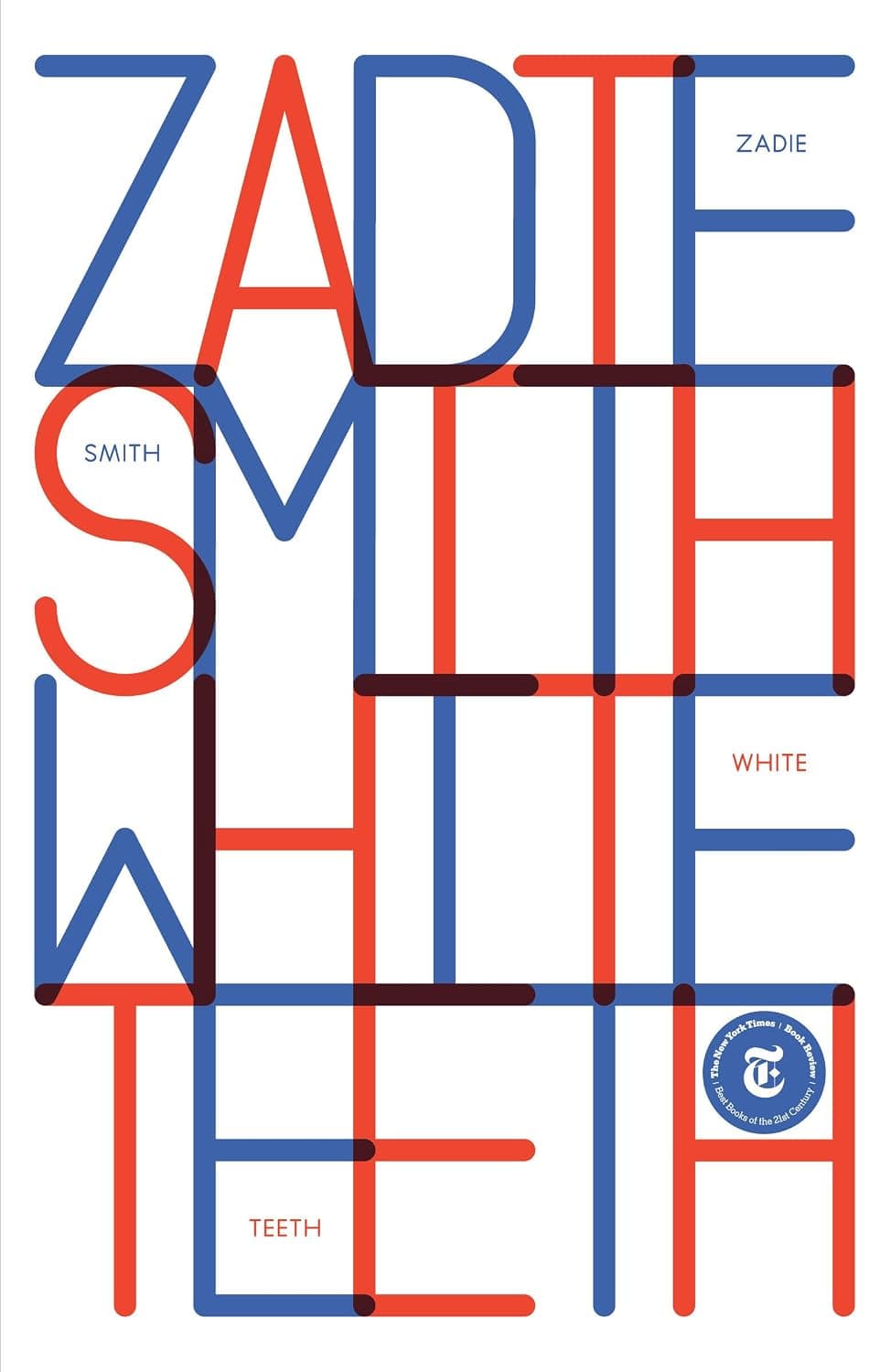
Archie Jones and Samad Iqbal met in a tank in 1945 and are still arguing in North London, while their children reject every inheritance on offer. Smith made multicultural Britain a comic epic.

Iris Chase, old and unforgiving, tells how her sister Laura drove off a bridge in 1945. Inside her account sits a scandalous novel, and inside that a pulp tale of blind child assassins.
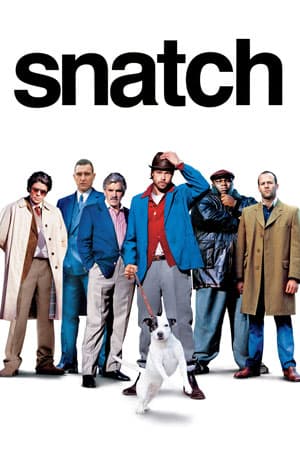
Brad Pitt asked for a part and got one nobody can understand a word of: an unlicensed boxing promoter, a stolen diamond and several sets of London criminals converge at considerable speed.

Cash was too ill to work in a studio for long, so Rubin recorded him mostly at home, singing other people's songs.
Fifteen years old and stuck in a math class when Arnold wrote it; he sang it from the drum stool.
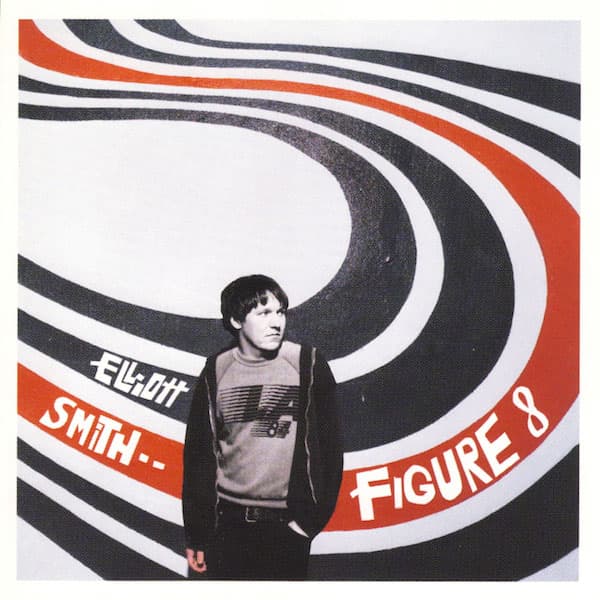
Smith recorded much of it at Abbey Road with full arrangements, and titled it after the ice-skating figure, a loop that goes nowhere.
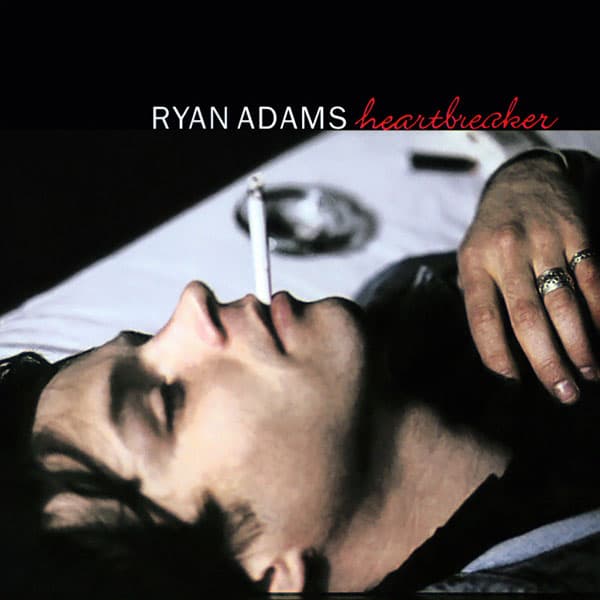
It opens with Adams and a friend arguing about which Morrissey record a song is on. The whole thing was recorded in fourteen days.
Boyd called it a song about fear, and Scott Litt's production pulls the band down to acoustic guitar.
A children's clapping rhyme, "Down Down Baby," rebuilt into a hook by Jay E, and St. Louis had its record.
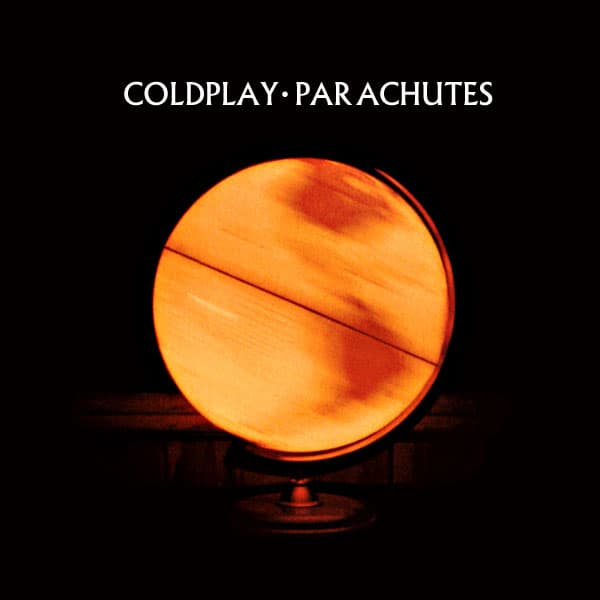
It cost a few thousand pounds to make. Chris Martin has said Yellow came from looking up at the stars outside a Welsh studio.
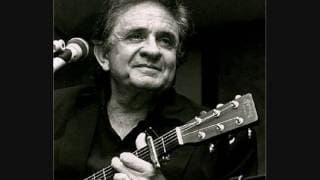
Rick Rubin's arrangement leaves it bare, and Cash, his voice thinned by illness, turns U2's Berlin song into a reckoning.
Bassist Tobin Esperance wrote that riff on a piano, and Shaddix built a nu-metal standard about despair over it.

Bourdain cooked for two decades, then told everything: the drugs, the immigrant crews who hold restaurants up, why you never order fish on Monday. He made the line cook a figure Americans envied.

Speech therapy for a lisp, a methamphetamine phase of conceptual art, then a Paris classroom where a French teacher reduces grown adults to stammering. Sedaris finds humiliation funny and never spares himself.
Sanders and Sillers wrote it in 1999; five weeks at country number one, and every graduation since has borrowed it.
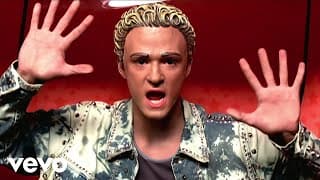
Max Martin coached Timberlake into pronouncing the last word "may", and 'N Sync got their only Hot 100 number one.
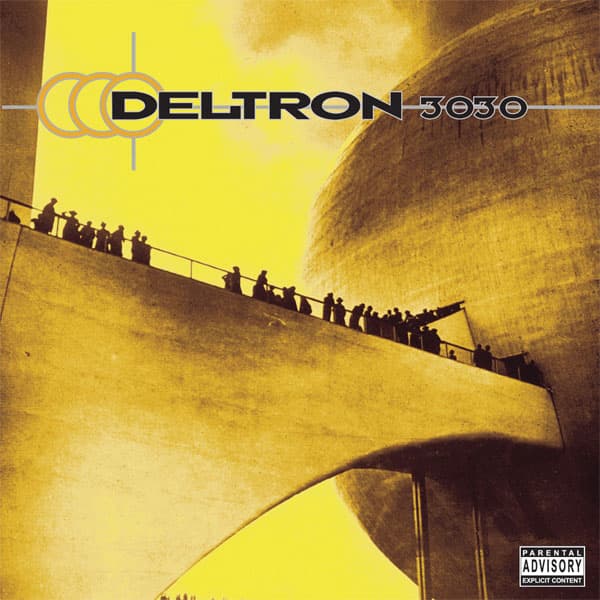
Del plays a mech soldier in the year 3030 fighting a corporate empire with rap battles, and somehow it works.
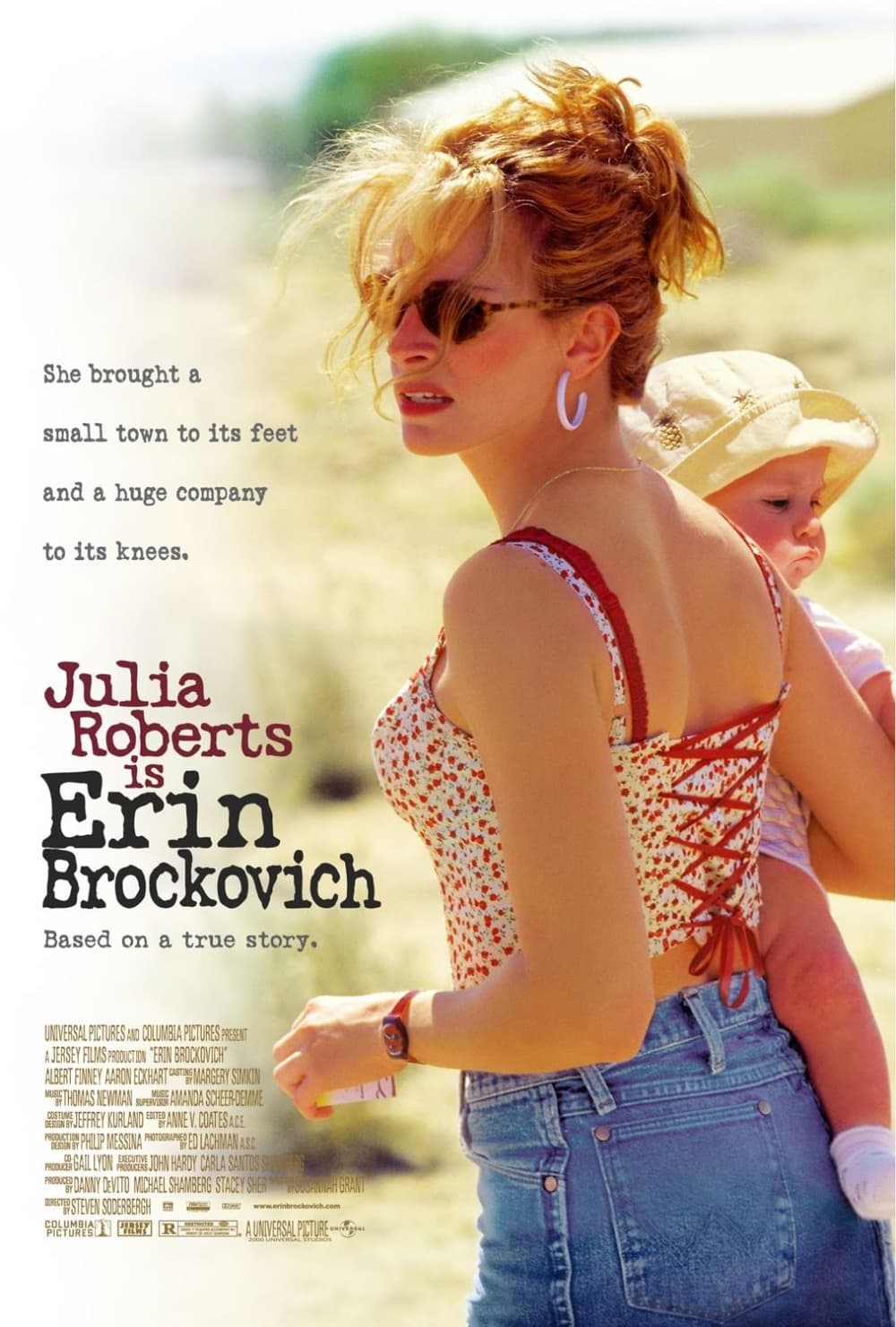
Julia Roberts took the Oscar playing someone still alive and still angry about it: a legal clerk with no training assembles the case against a utility poisoning a California town.
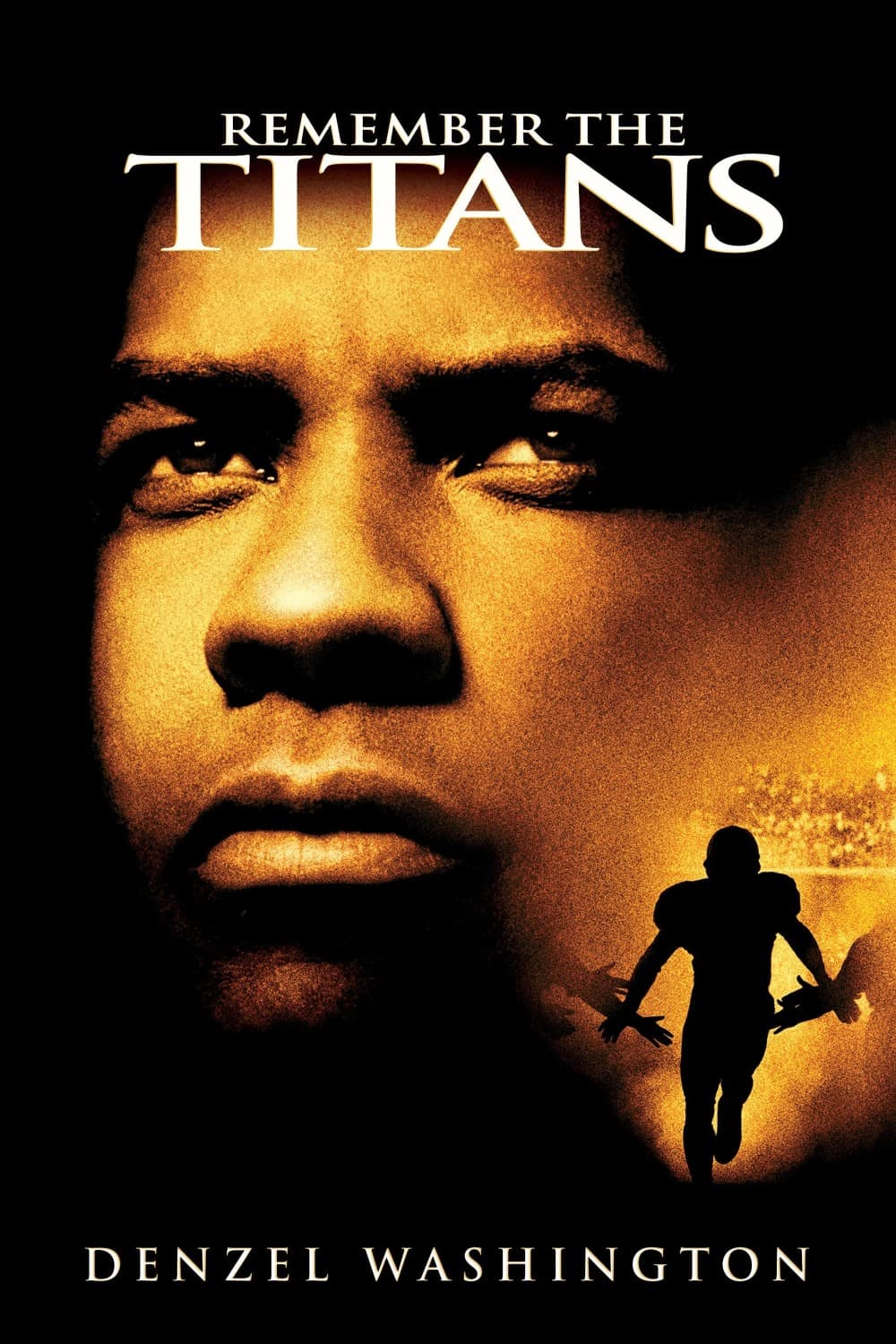
Denzel Washington coaches the first integrated team at a Virginia high school in 1971: the history is tidied up considerably, and it still gets a room every single time.
Jack White turned a children's clapping rhyme into a complaint about the phone company, cut in his own living room.
A Hawaiian DJ pulled it off an MP3 site and put it on air; Britain's biggest seller of 2001 followed.
Voice, guitar, and a 1959 Phil Phillips hit slowed to a whisper; Juno carried it to a new audience.
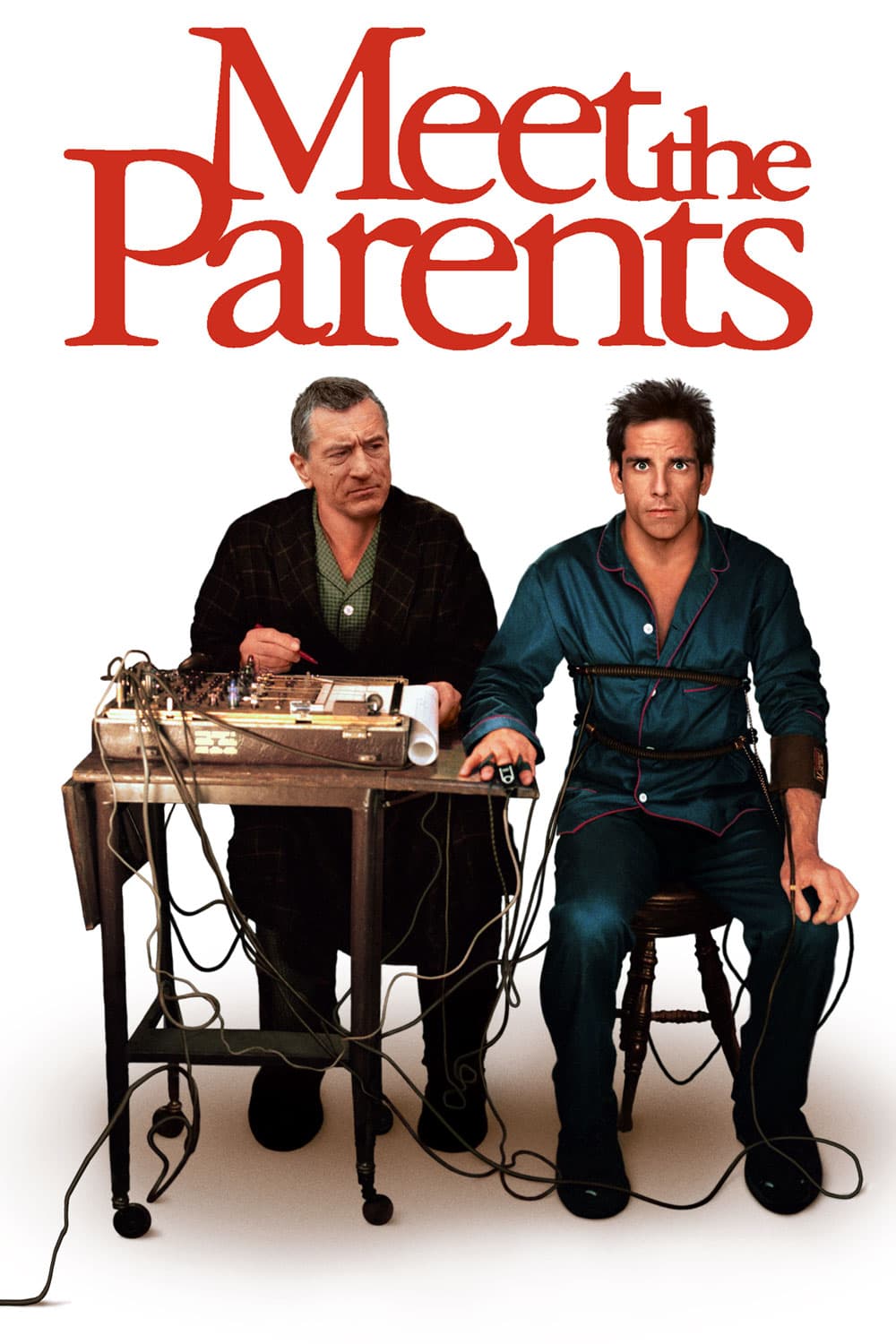
De Niro spent thirty years teaching audiences to fear him and then rented that out to a comedy: a man meets his girlfriend's father, and every single thing he does makes it worse.
He can't lift the seat, Greg. He lacks the strength in the opposable thumbs.
Martin called it a blatant Jeff Buckley attempt, cut at Rockfield with Ken Nelson, and the chorus soars anyway.
I had to be at that there crossroads last midnight, to sell my soul to the devil.
Codependency as a love song, Serletic producing, and the only Matchbox Twenty record to reach number one.