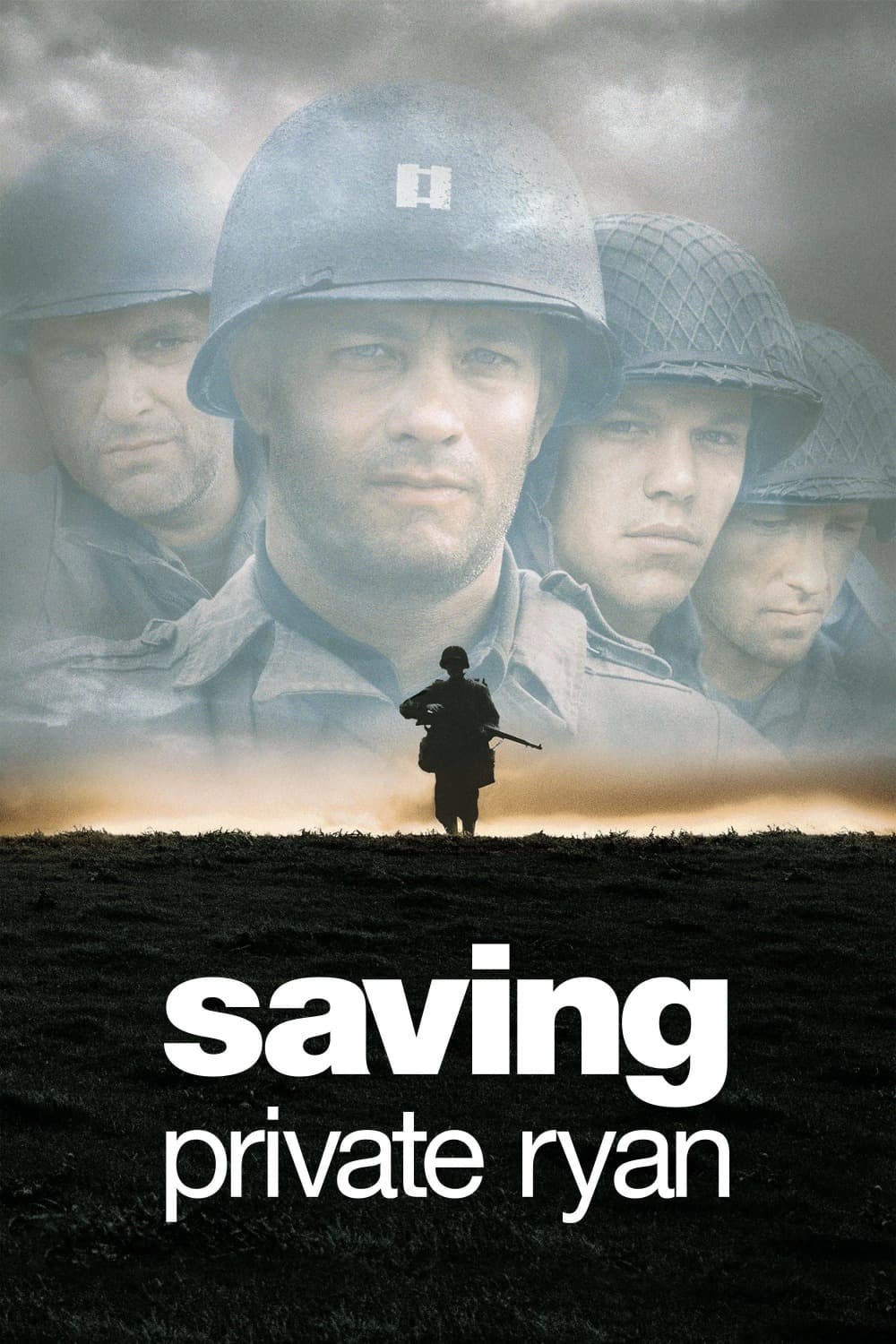
Saving Private Ryan
Directed by Steven Spielberg
1998
War films look different since the first twenty minutes of this one: Spielberg put the camera in the surf at Omaha Beach and veterans left cinemas unable to speak.
★ 8.8
 skopia
War films look different since the first twenty minutes of this one: Spielberg put the camera in the surf at Omaha Beach and veterans left cinemas unable to speak.
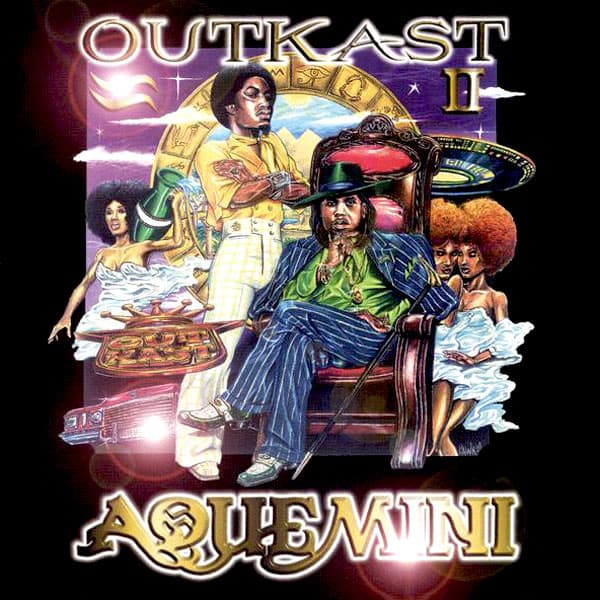
Rosa Parks sued them over the song named after her, and the case ran for a decade. The record itself goes everywhere at once.
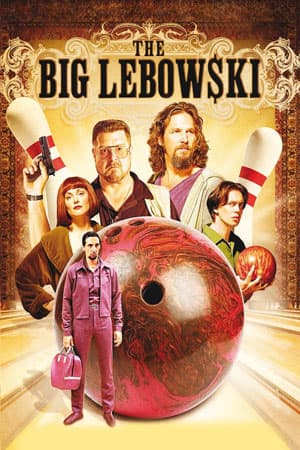
It underwhelmed in cinemas and then grew a festival, a religion and a vocabulary: the Coens built a Chandler plot around a man whose only ambition is getting his rug replaced.
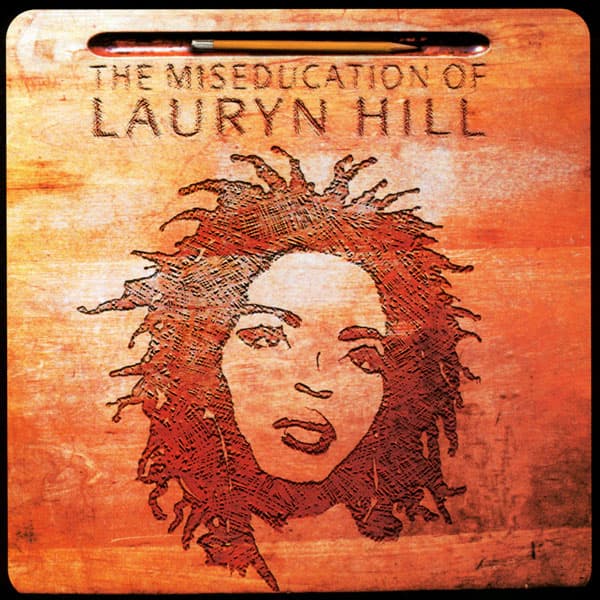
Hill recorded much of it in Bob Marley's old studio in Kingston, and the classroom scenes between songs use actual schoolchildren.
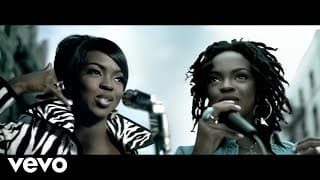
Hill wrote and produced it herself, aimed one verse at women and one at men, and debuted at number one.
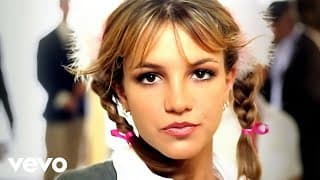
Max Martin built it at Cheiron in Stockholm after TLC and the Backstreet Boys passed, and Spears was sixteen.

Two young poets calling themselves visceral realists vanish into the Sonoran desert hunting a woman who published a single poem decades earlier. Forty voices over twenty years piece together where they went.

Jeff Mangum wrote it after reading Anne Frank's diary, played a musical saw on it, and then more or less disappeared for a decade.
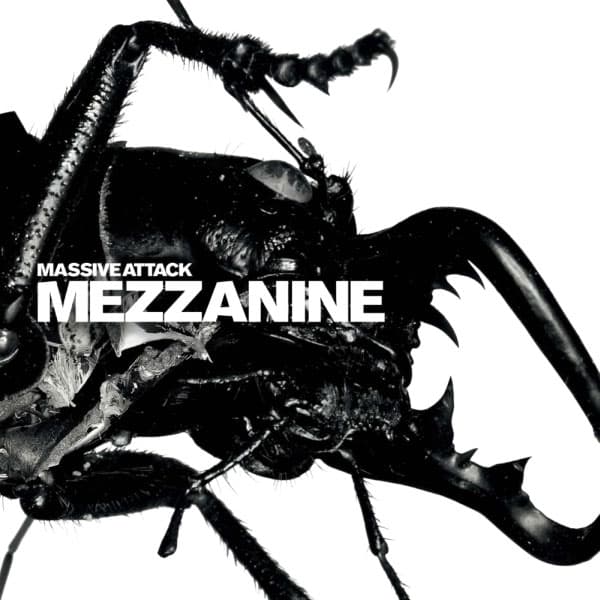
The three of them fell out badly making it, and Elizabeth Fraser sang Teardrop while grieving for Jeff Buckley, who had just drowned.
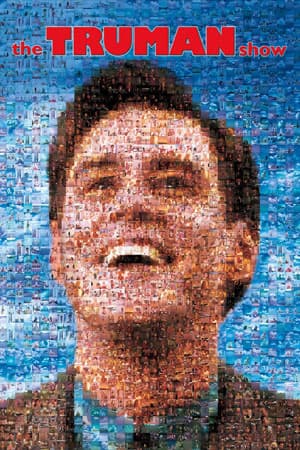
Psychiatrists named a delusion after it: a man begins to suspect his whole town is a set and everyone in his life is paid, and 1998 had no idea.
Mushroom sent the demo to Madonna, got outvoted, and Elizabeth Fraser sang it over harpsichord and a Les McCann loop.
Timbaland built the beat around a baby coo lifted from a sixties sound-effects record, and Aaliyah glides over it.
Dre and Eminem finished it in an hour, over a Labi Siffre interpolation, and Slim Shady existed.
The 45 King looped an Annie showtune, and Jay-Z cleared it with a letter he admitted was a lie.
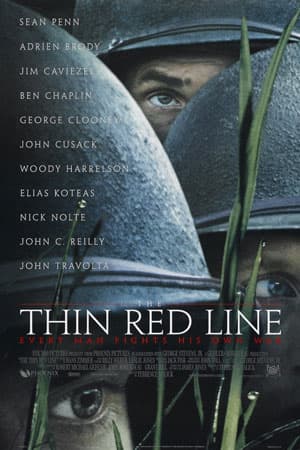
Malick came back after twenty years and made a war film about grass, light and the voices in men's heads: Guadalcanal, filmed as though the island were the subject.
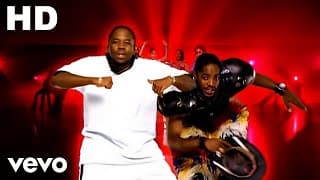
Andre 3000's stepfather, Reverend Robert Hodo, plays the harmonica breakdown; the woman in the title sued.
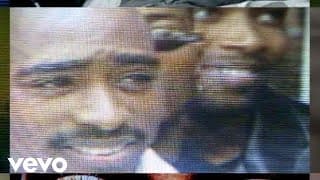
Recorded in 1992, shelved, then remixed after his death over Bruce Hornsby's piano; a posthumous Grammy nomination followed.
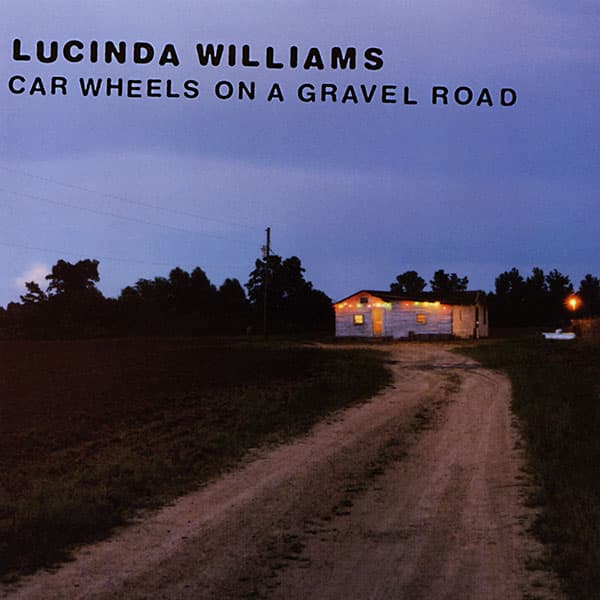
Williams spent six years on it, scrapped a finished version, and fell out with two producers before she would let anyone release it.
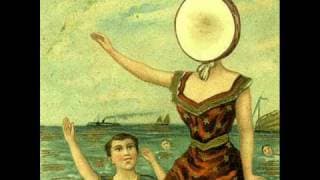
Julian Koster's singing saw over double-tracked acoustics, cut in Denver with Robert Schneider, and a chorus that faces death smiling.
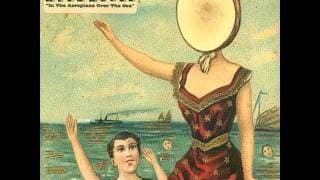
Every instrument distorted at Schneider's Denver studio, and Mangum turns an elegy for Anne Frank into pure forward momentum.
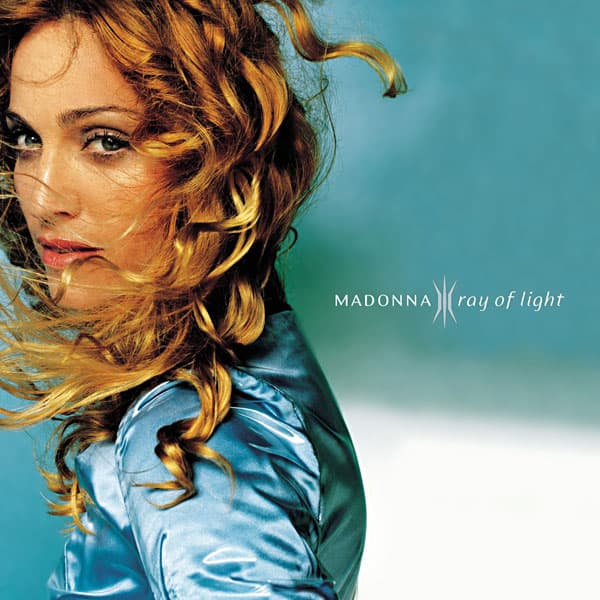
Madonna had trained her voice for a year to play Evita, which is why she suddenly sounds like she can sing. William Orbit did the rest.

Rockefeller controlled ninety percent of American oil refining by the time he was forty, tithed to his church weekly, and saw no contradiction. Chernow makes him legible without absolving him.
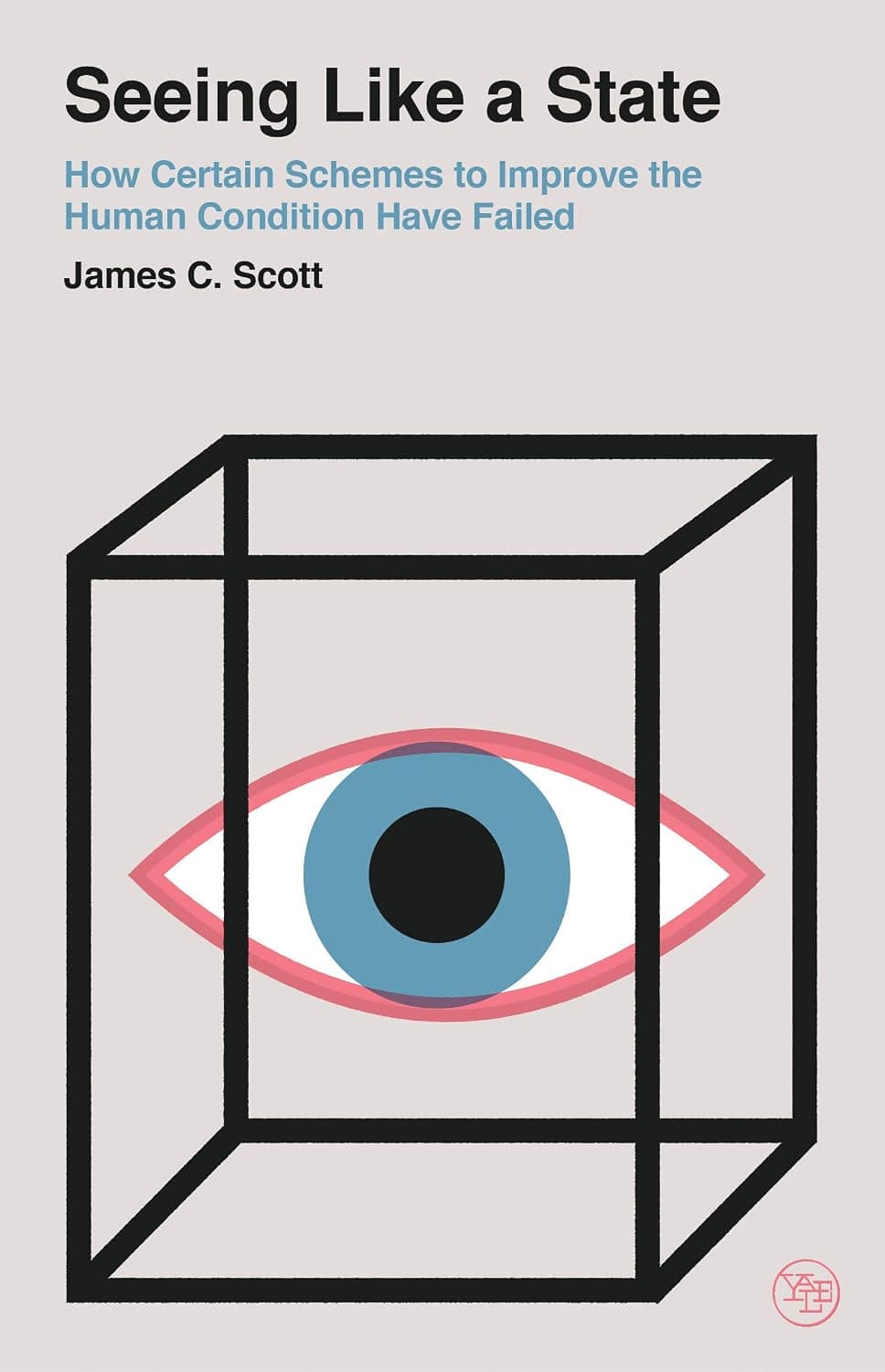
States can govern only what they can see, so they flatten society into maps and census rows, then plan from the flattening. Scott traces Soviet collectivization and Tanzanian villagization to that one mistake.

The dead man narrates his own murder, and so do a coin and a tree, in the Istanbul of 1591 where painting a face as the eye sees it is treated as blasphemy.
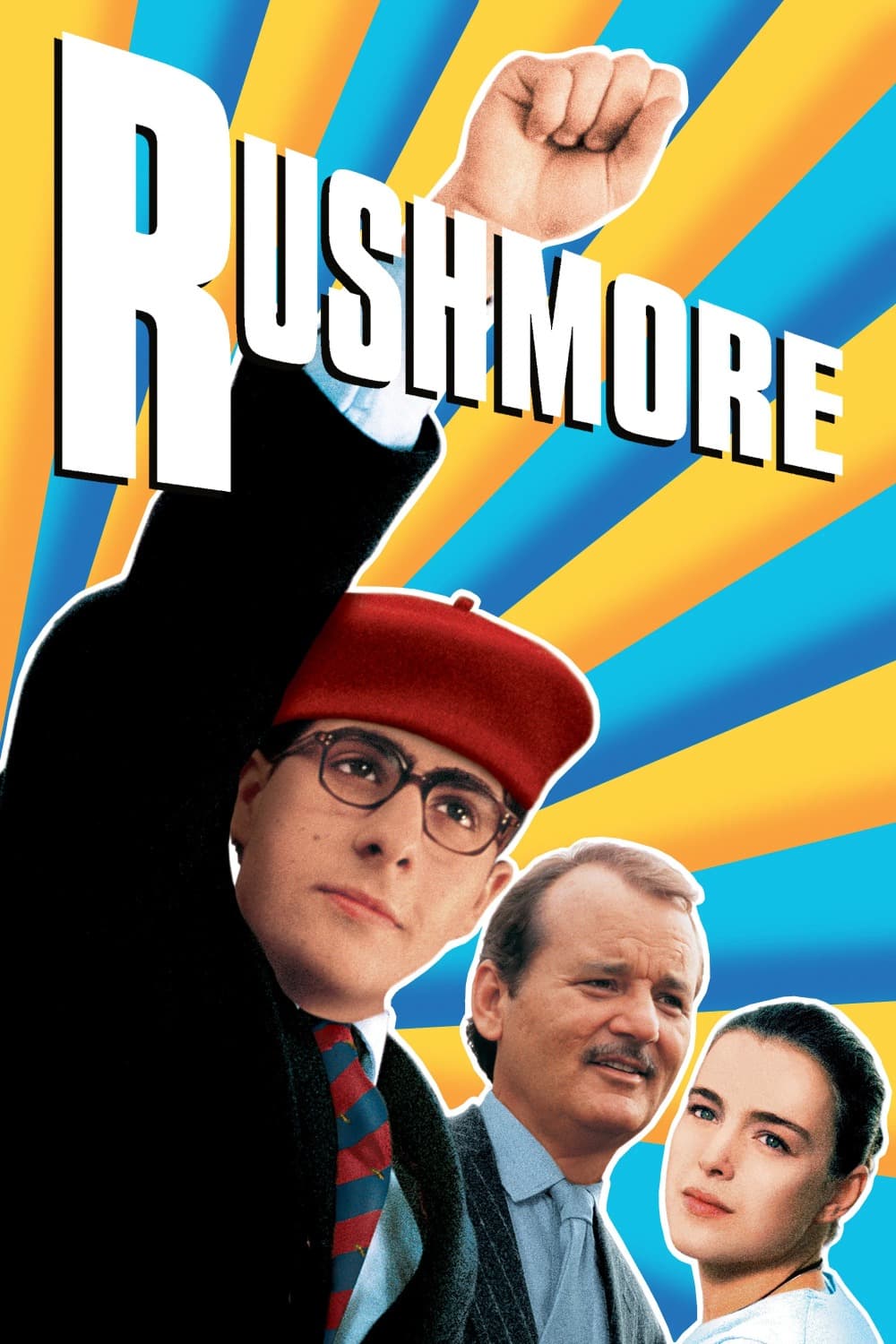
Wes Anderson's style arrives fully formed here, and so does the melancholy Bill Murray everyone loves: a prep-school boy who runs every club and fails every class declares war on a millionaire.
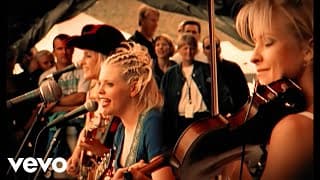
Gibson wrote it on her first trip home from forestry school, and Lloyd Maines knew it belonged to his daughter.
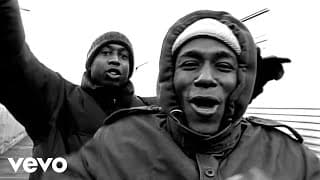
Hi-Tek loops Don Randi's "The Fox" under a Style Wars monologue, and three MCs read the city at night.
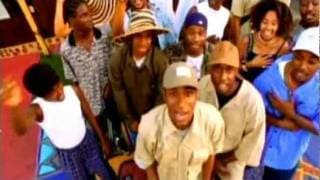
Hi-Tek loops Boogie Down Productions while Mos Def and Kweli revive KRS-One's demand that the violence stop.

Seven nights on a Caribbean luxury liner, where the pampering drives Wallace to despair. He also traces how television swallowed the irony American novelists invented, and why that irony became a trap.
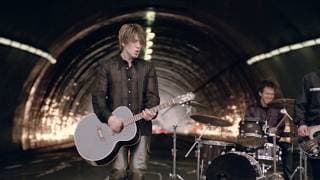
Rzeznik tuned every string but one to D, wrote it for City of Angels, and owned airplay for eighteen weeks.
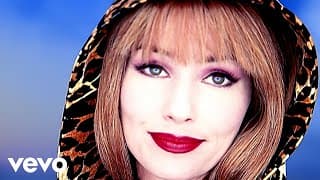
Twain and Lange built it on three men who fall short, and that hooded leopard print did the rest.
Brandy got the idea from a Jerry Springer love triangle, and Darkchild's clipped beat held number one thirteen weeks.
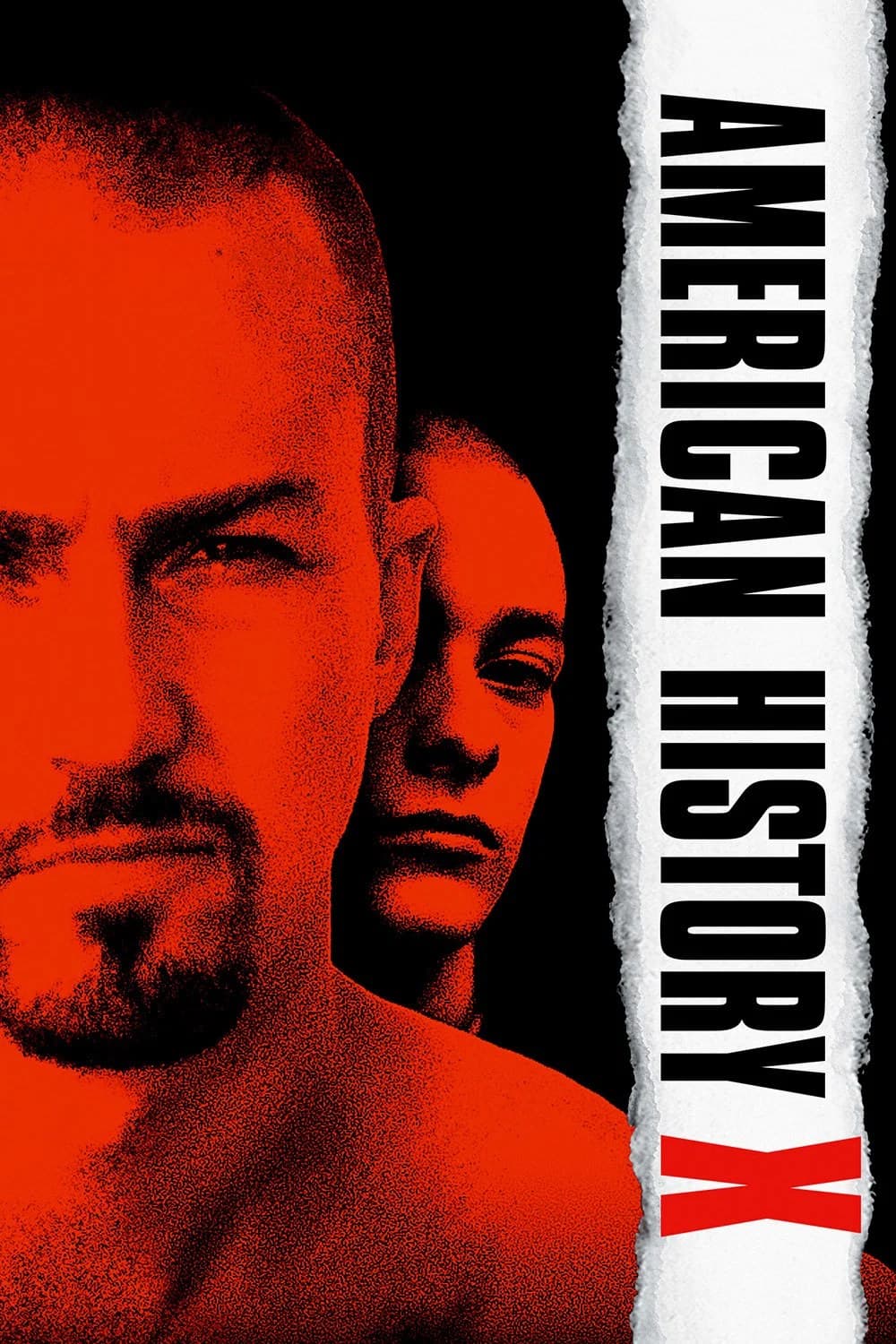
Edward Norton added thirty pounds of muscle for it and Tony Kaye tried to take his own name off the finished cut: a former neo-Nazi leaves prison and finds his brother following him.
Alexander buried a celebrity taunt in the last verse to prove the press would ignore the politics; it worked.
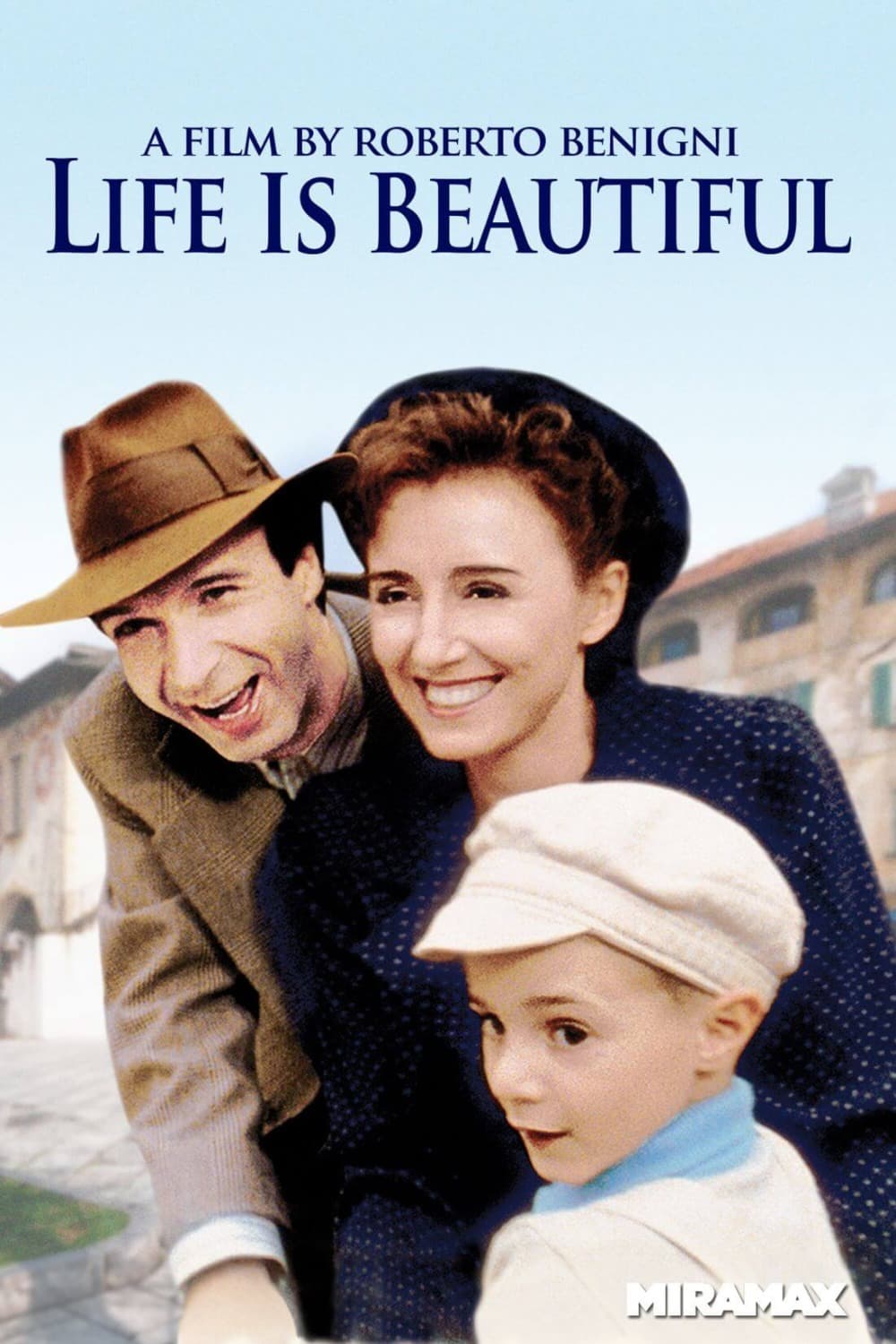
Benigni argued that a comedian could make a film about the camps, and half the critics said he was wrong: a father convinces his small son the whole thing is an elaborate game.
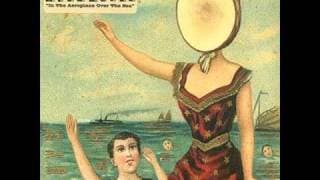
Schneider got the fuzz from tube preamps and compression, not pedals, and Mangum sings childhood into two minutes flat.

Forty years of poems that begin with an ordinary question and end somewhere you never agreed to go. In "Cat in an Empty Apartment," a cat waits for the owner who has died.
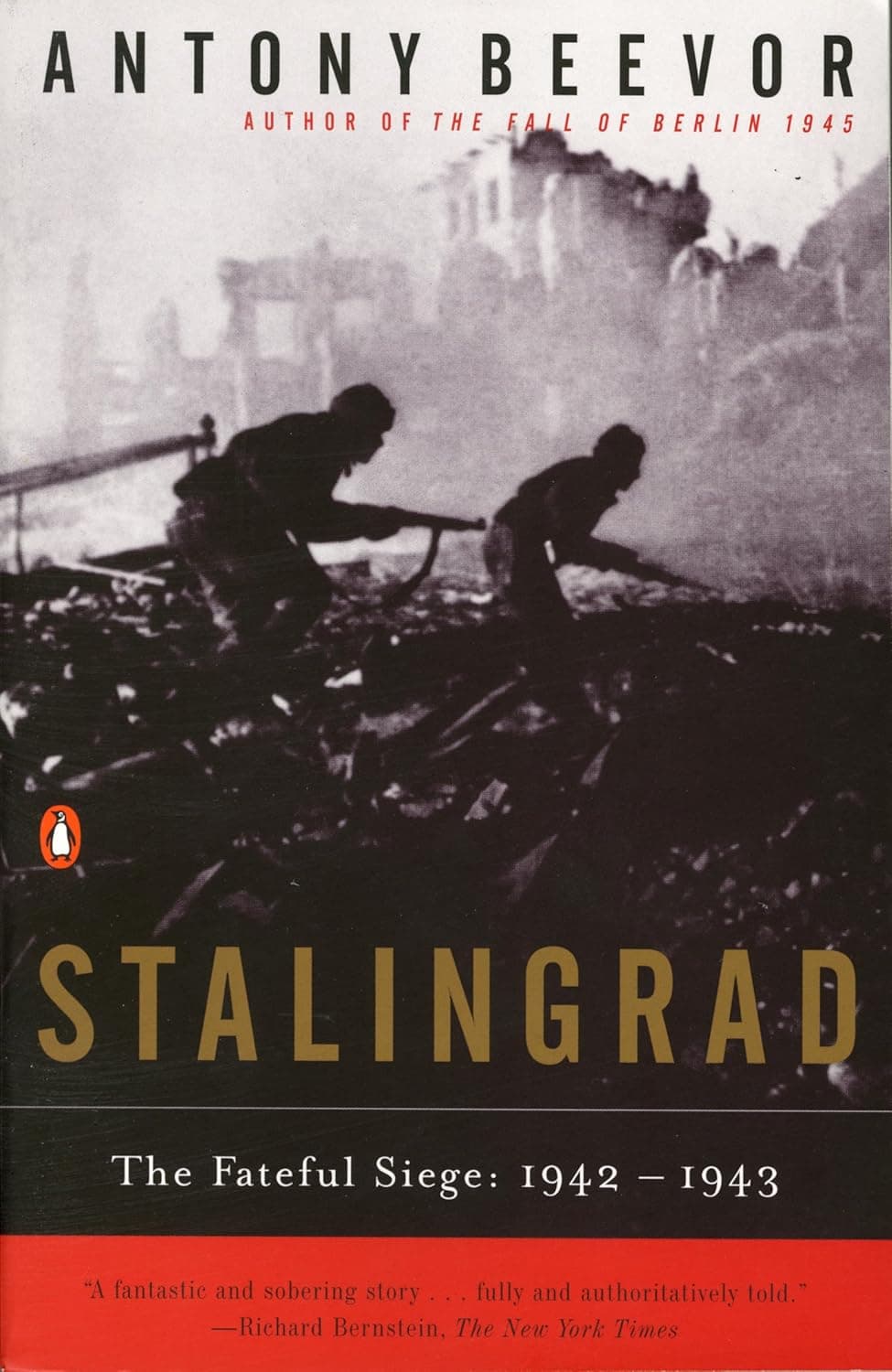
Beevor follows the German Sixth Army from conquest through encirclement to starvation and surrender in a city ground to rubble, the Soviet defenders alongside. He made military history a bestselling genre.

A Liverpool shipping clerk noticed ships leaving the Congo loaded with rubber and arriving with only guns and chains. Hochschild pulls that thread into Leopold's private slave state and its millions of dead.
Recorded on portable gear while Chao roamed Latin America, an undocumented migrant's lament carried by the lightest guitar.
Two Frenchmen, an American singer they shared Montmartre with, and the softest thing on Moon Safari.
Written as a reply to everyone who doubted her marriage to Mutt Lange, and it won two country Grammys.

Jay-Z sampled children singing from the musical Annie for the title track, an idea nobody around him thought would work until it did.
Premier's beat under Guru facing a gun charge, cut at D&D Studios and delivered as a sermon on perseverance.
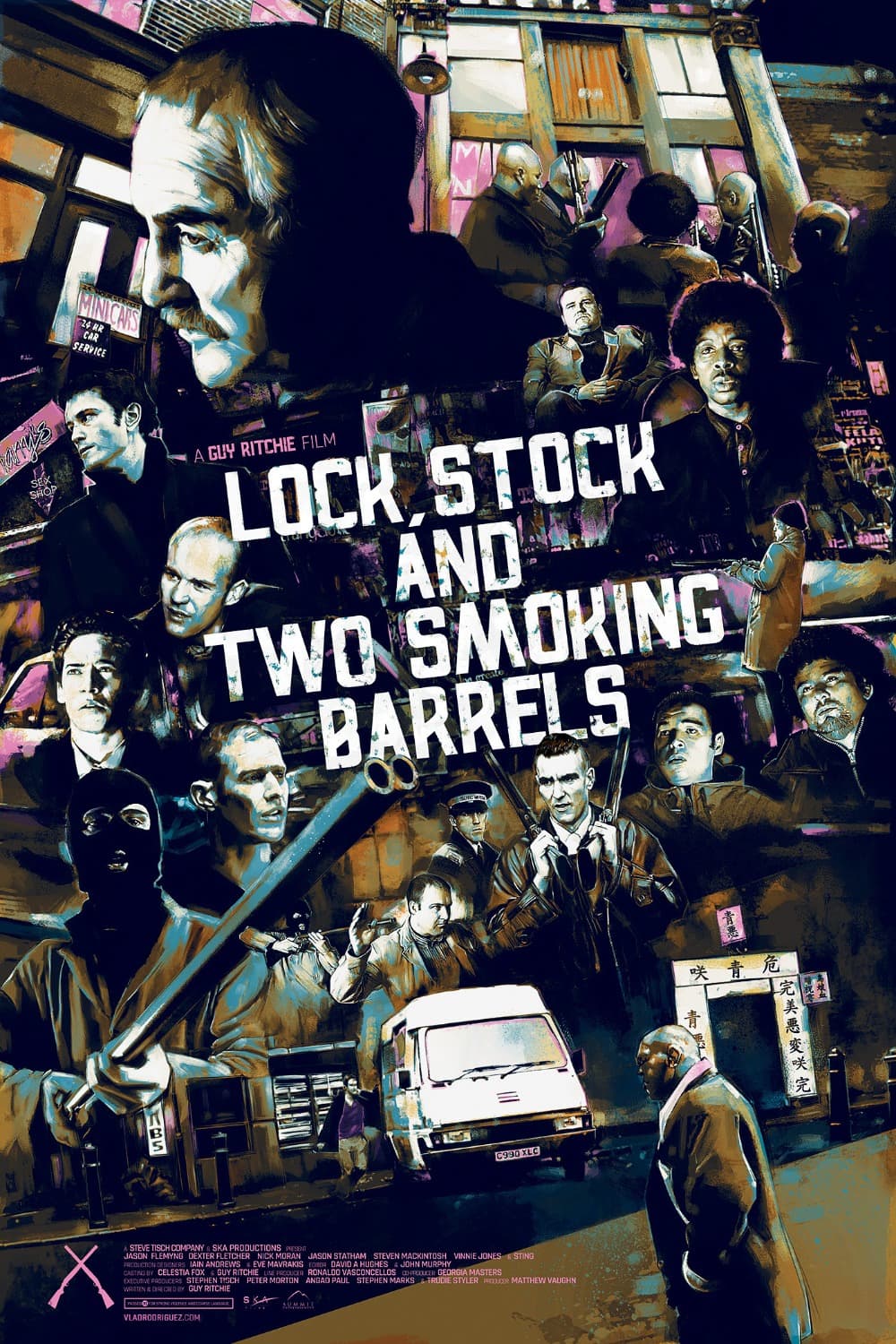
Guy Ritchie raised the money out of favors and cast a professional footballer who had never acted: four London friends owe half a million pounds by Friday, and five plots collide getting it.
A hustler's goodbye scored by the New York Philharmonic, Sonny Kompanek conducting, with Bob Dylan cameoing in the video.
Bernard Herrmann's Psycho strings on loop, DJ Scratch behind the boards, and Busta rhyming at impossible speed.
A sitar, a slow groove and Pam Bricker's voice, carried to a wide audience by the Garden State soundtrack.
Everlast left House of Pain, picked up an acoustic guitar, and topped both rock charts with three street portraits.
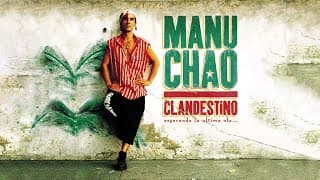
A Mano Negra tune remade over a Black Uhuru groove, and the same melody resurfaces twice more on Clandestino.
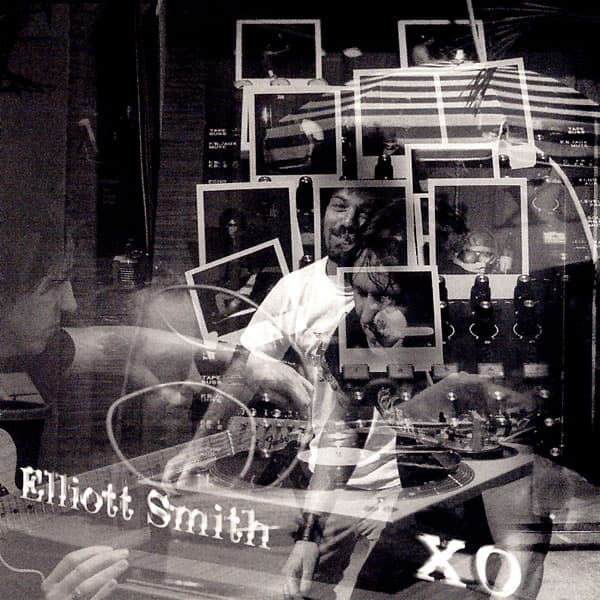
Smith had just played the Academy Awards in a white suit, in front of an audience that had no idea who he was.
Named for a 1920s pole-sitting fad, cut in Seattle in 1996, and now inseparable from Peep Show's opening titles.
Written for Armageddon by Diane Warren after a Barbara Walters interview, it gave Aerosmith their only American number one.