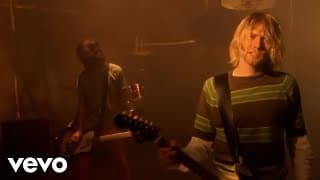
Smells Like Teen Spirit
1991 · From Nevermind
Four chords, a mumble nobody could decipher, and the riff that ended one decade of rock and started another.
★ 9.9
 skopia
Four chords, a mumble nobody could decipher, and the riff that ended one decade of rock and started another.
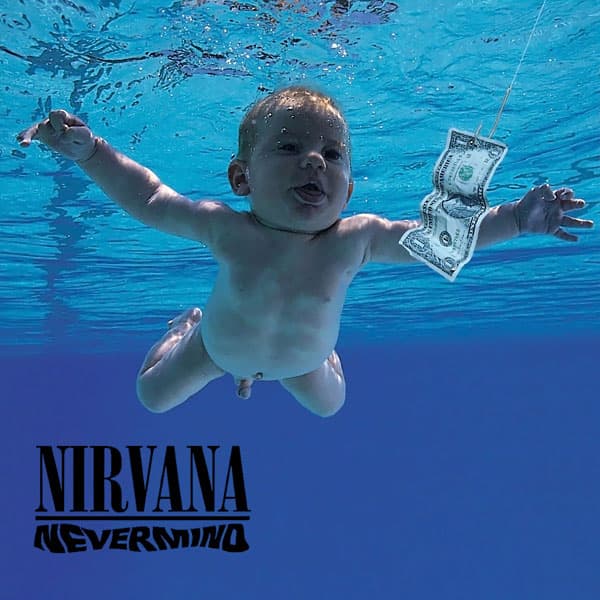
The baby on the cover was paid two hundred dollars. Four months after release it knocked Michael Jackson off the top of the chart.
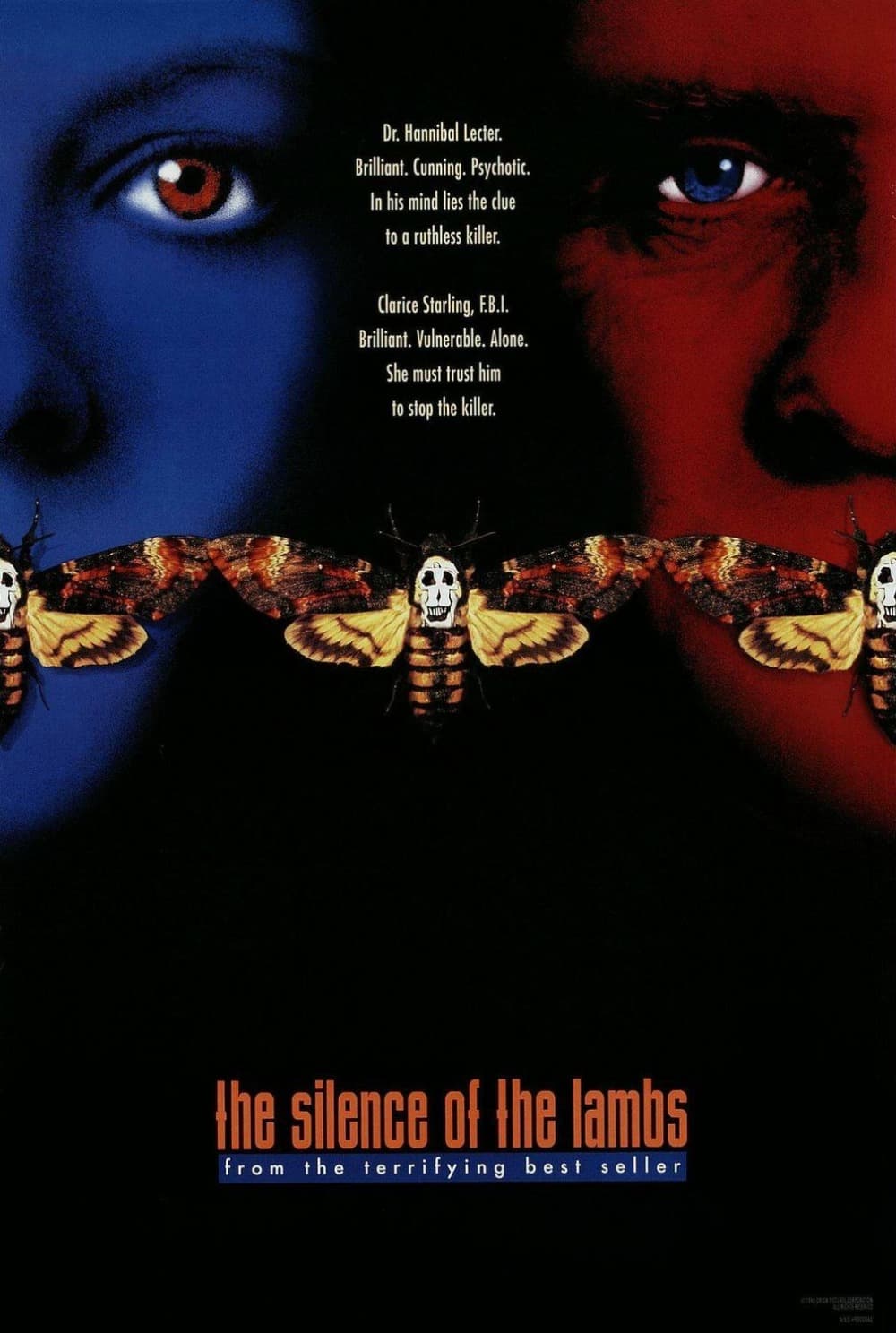
Hopkins is on screen for a fraction of the film and won an Oscar anyway: Demme shot the interviews straight down the lens so Lecter looks directly at you.

Ron Carter, who played bass with Miles Davis, appears on one track and made them promise there would be no swearing on it.

Producer Rick Rubin moved the band into a Hollywood mansion they were convinced was haunted. Guitarist John Frusciante quit within a year of its release.
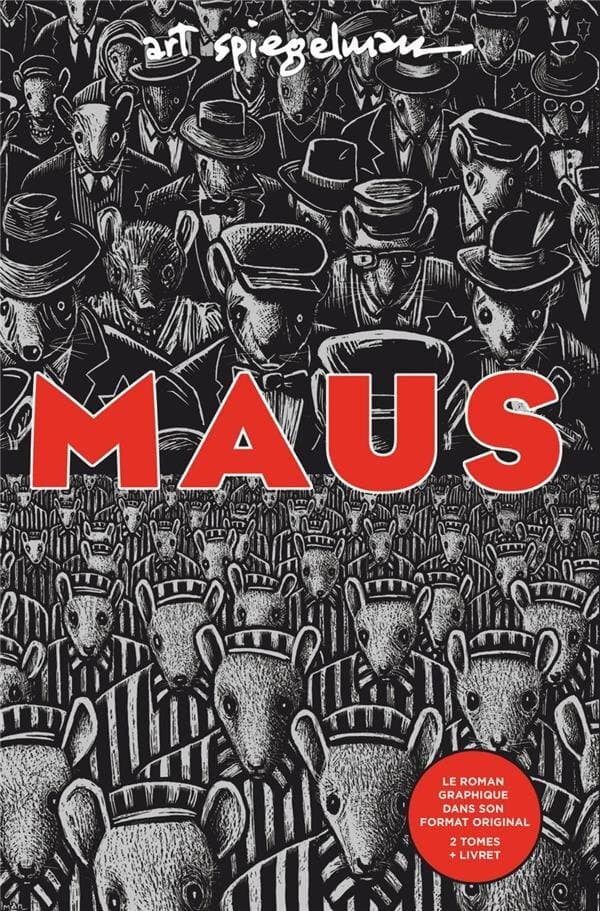
Spiegelman drew his father's survival of Auschwitz as a comic, Jews as mice and Nazis as cats, and drew himself failing to get along with the old man telling it.
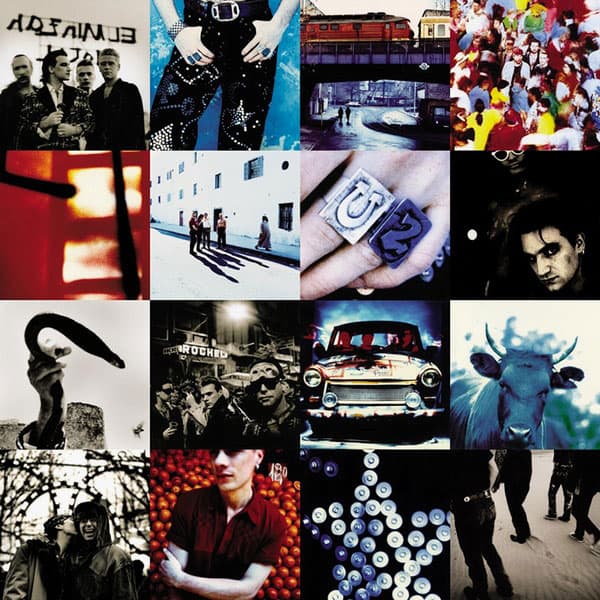
They went to Berlin just after the Wall came down, argued badly enough to nearly break up, and got the song One out of it.
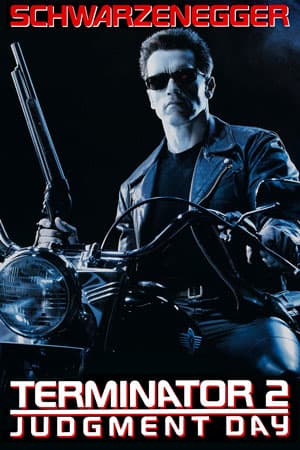
Computer effects became believable overnight: Cameron spent more money than anyone ever had, put a liquid metal killer on screen, and every studio in town immediately started writing checks.
Buck wrote the riff while teaching himself mandolin in front of the television, and R.E.M. got their biggest American hit.
Hammett built the riff after Soundgarden's Louder Than Love, and Bob Rock sent Hetfield back to write a child's nightmare.
The producer Bob Rock made them play together in one room instead of tracking separately, which took a year and nearly ended the band.
A Small Clone chorus pedal gives the riff its underwater sound, and Cobain nearly withheld the single.
An Isaac Hayes loop from Tough Guys, three verses by Scarface, and a rap record about fear rather than swagger.
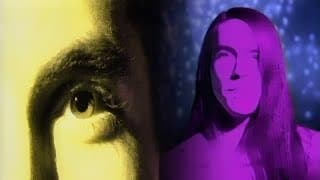
Rubin found the poem in Kiedis's notebook and pushed for it; Frusciante's mother sings in the choir at the end.
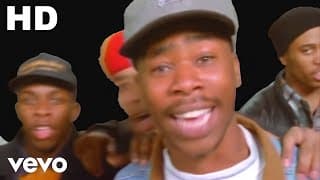
Five MCs passing the microphone, and Busta Rhymes at nineteen turning a guest verse into an entire career.
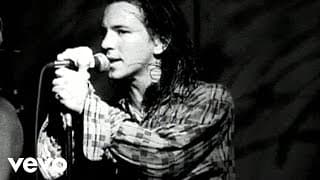
Gossard's demo was called Dollar Short until Vedder set it to learning who his real father was.
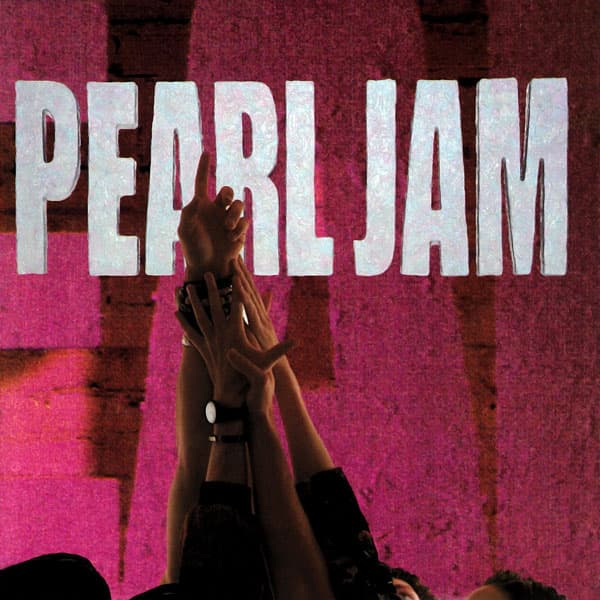
The band were called Mookie Blaylock after a basketball player until the label objected, and the album is named for his shirt number.
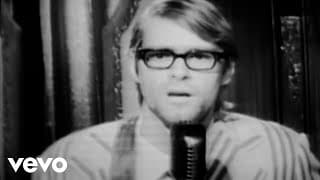
Cobain aimed it at fans who missed the point, and Kerslake's video staged them on a mock Ed Sullivan Show.
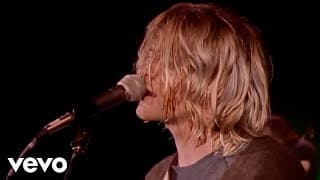
The only Nevermind track cut to a click track, and Grohl's metronome only makes the quiet-loud lurch hit harder.
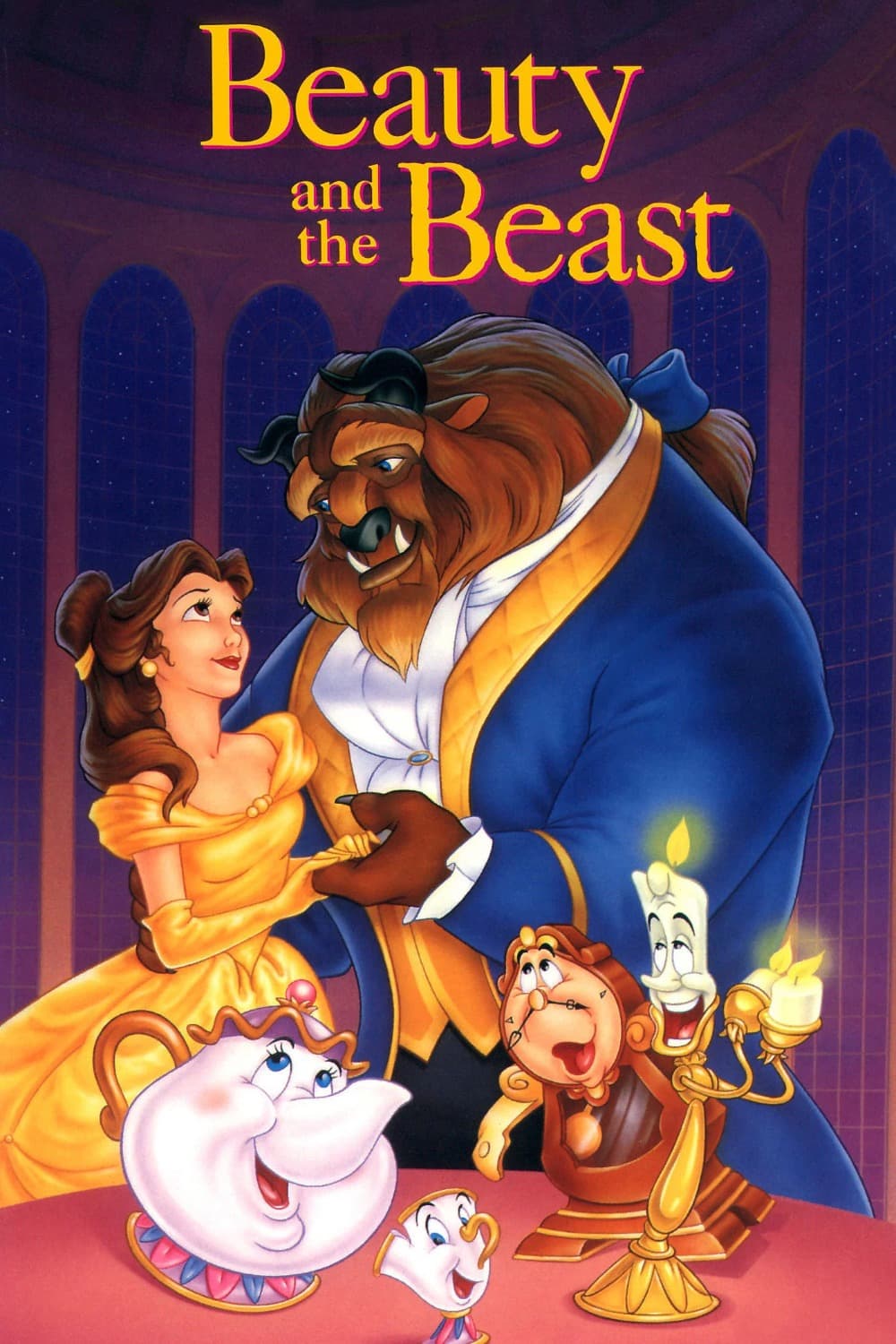
The peak of the Disney Renaissance, and the moment computers earned a place in hand-drawn animation: the ballroom sequence still looks like nothing anyone had done before.
A borrowed Lou Reed bassline that reportedly took all the royalties, and a call-and-response hook the crowd finishes.
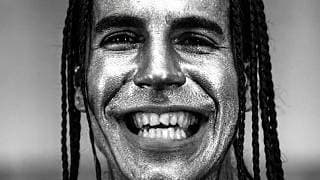
Nina Hagen handed Kiedis a jacket from her closet, and Frusciante ran his solo backwards over Flea's jam-session riff.
Tale as old as time, true as it can be. Barely even friends, then somebody bends unexpectedly.
A loop of the Jackson 5's "ABC," Melvin Bliss drums, and an acronym that carried the group to number six.
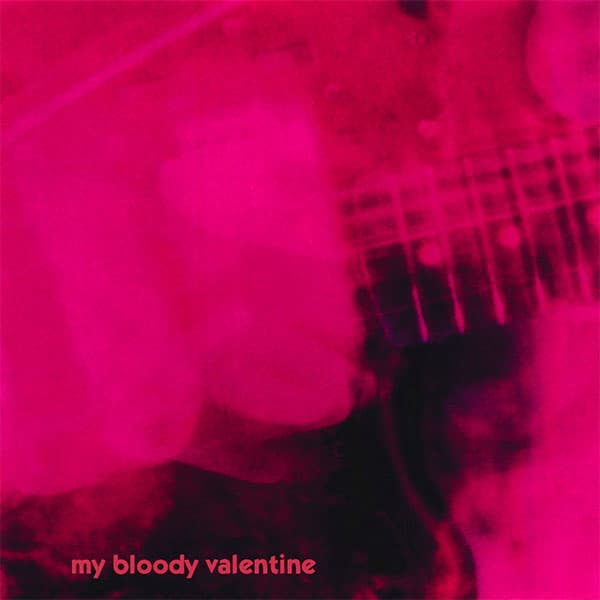
Kevin Shields plays with the tremolo arm held bent while he strums, which is what makes the chords sag. It nearly bankrupted the label.
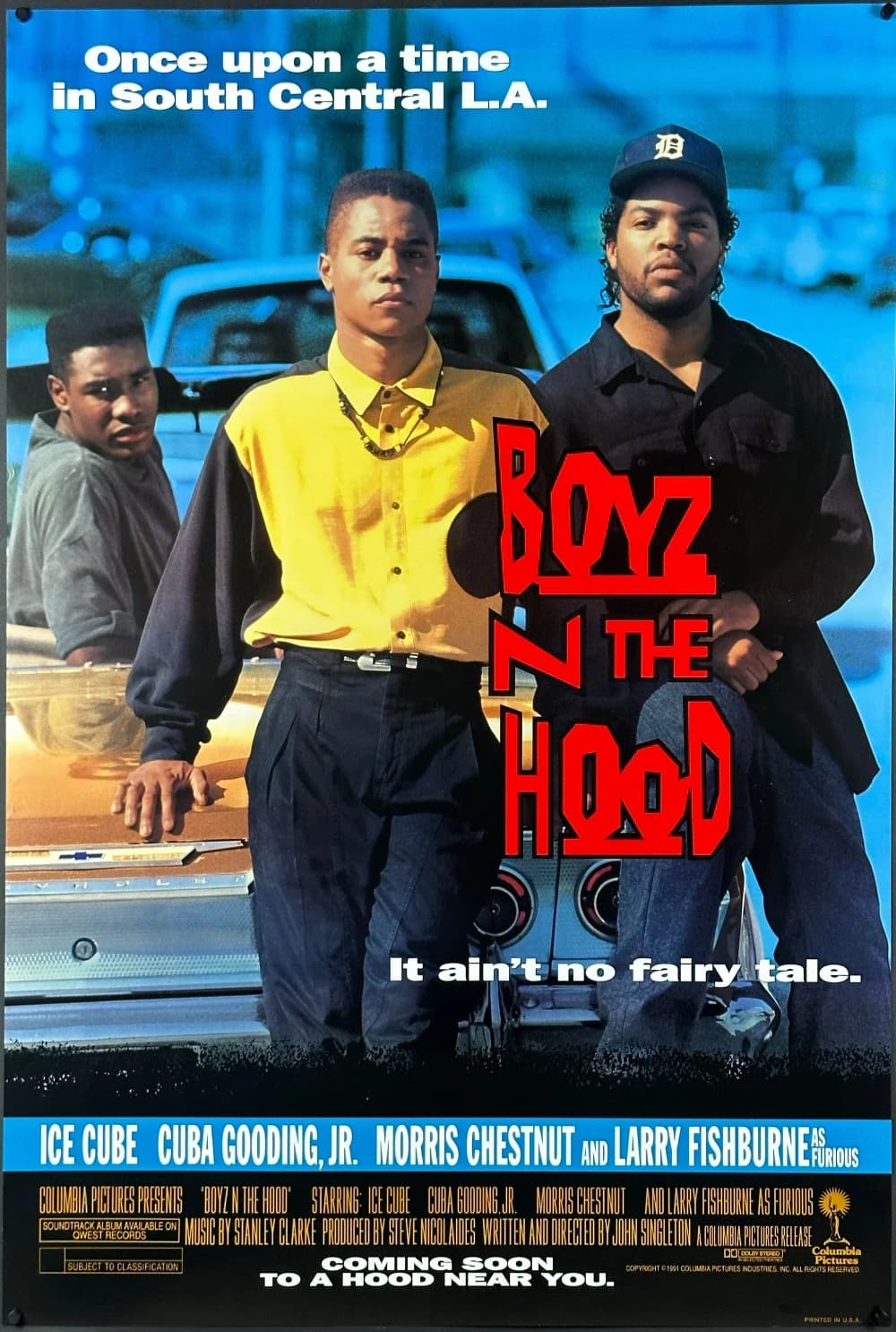
Singleton came straight out of USC film school and filmed the neighborhood he grew up in: South Central rendered as a place where a father raising his son is itself a full-time job.
Bruce Hornsby's piano behind a vocal Raitt cut in one take, then refused to try again.
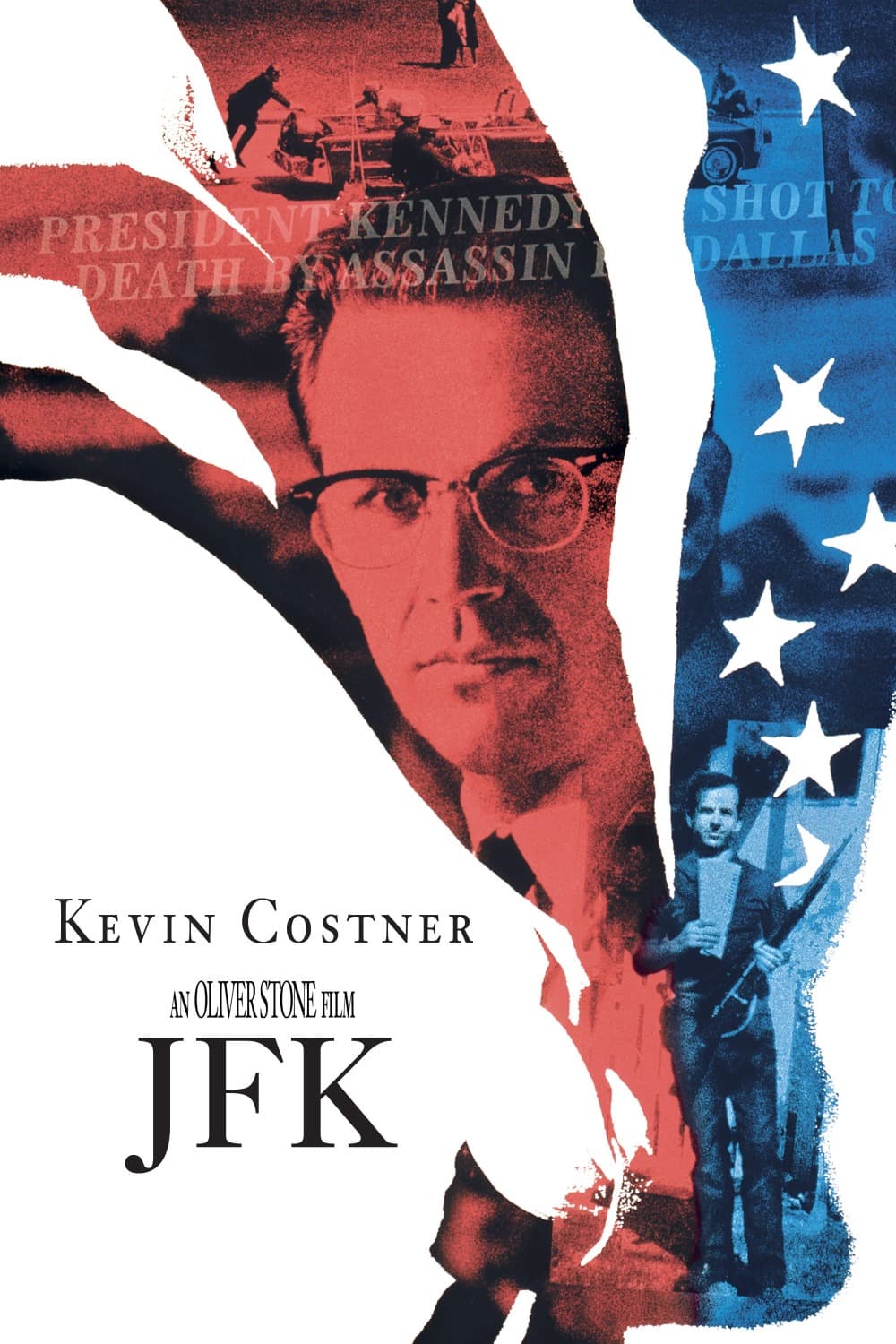
A film that changed federal law: the outcry over Stone's conspiracy case pushed Congress to pass the JFK Records Act, and the editing that sells it remains the most aggressive in American film.
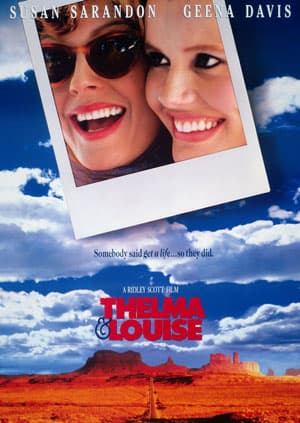
Callie Khouri's script did something no American road movie had done: put two women in the car and let the country outside it turn hostile, while the friendship becomes the only reliable thing.

By Hetfield's account the open-string intro came one-handed during a phone call, and Kamen's strings did the rest.
Teddy Riley's new jack swing under a nostalgia lyric, with John Singleton staging the video in ancient Egypt.
Bill Bottrell played the riff everyone credits to Slash, then rapped the verse himself after eight months of searching.

Oil is the story of the modern world, Yergin argues, and he follows it from the first Pennsylvania derrick through two world wars that ran on it to Saddam Hussein's tanks in Kuwait.
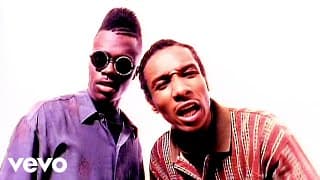
An upright bass loop, a playground chant for a hook, and a remix that so eclipsed the original nobody plays it.
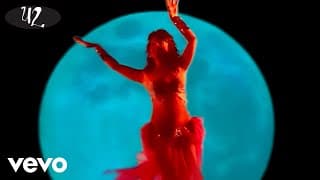
Grown from a Dublin jam called Sick Puppy, and Edge's Korg funk-wah setting turned Clayton's bassline into U2's funkiest record.
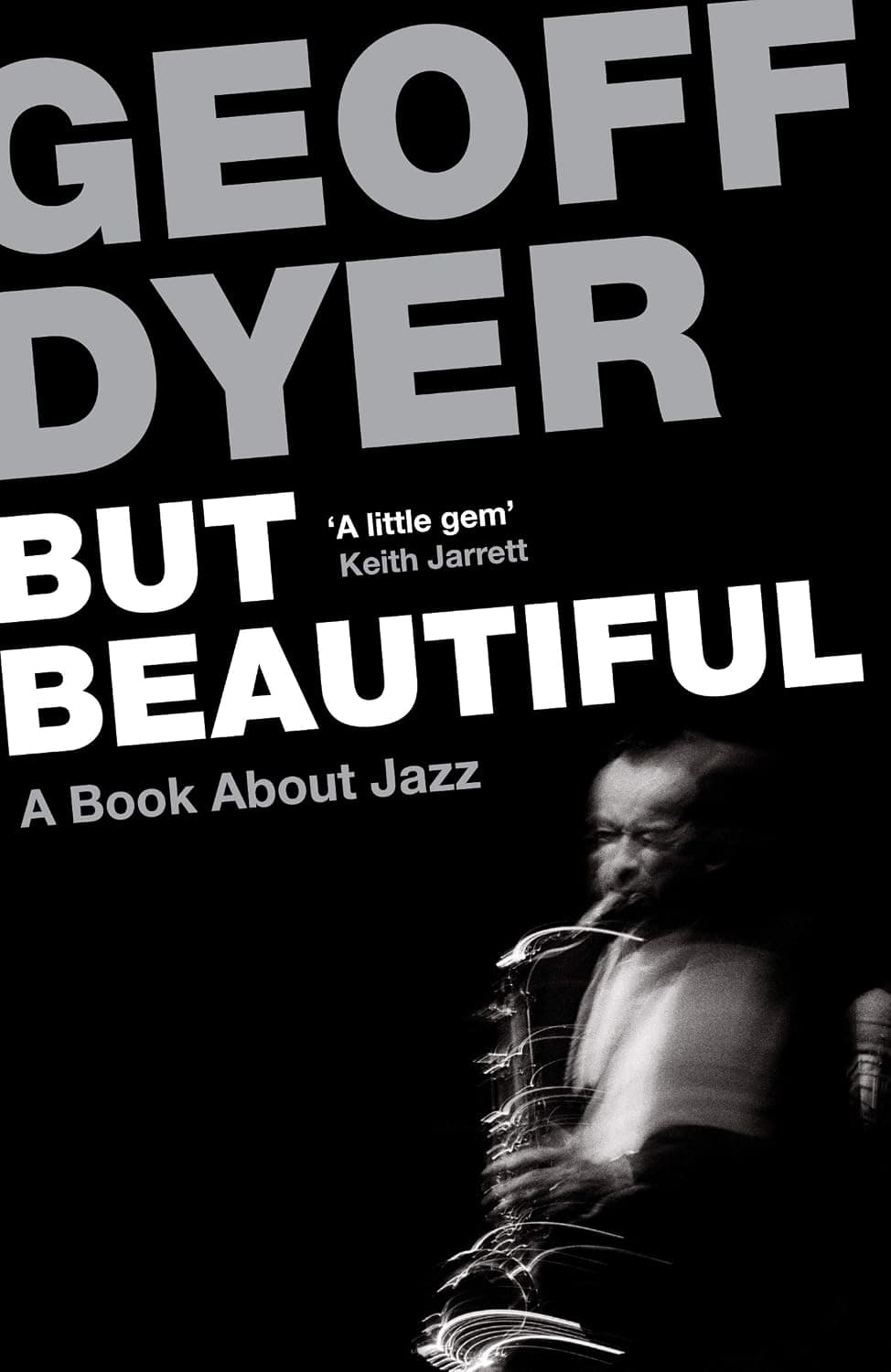
Dyer imagines his way into the nights of jazz musicians, Lester Young after the army broke him and Thelonious Monk alone at a piano, inventing scenes to reach what no biography can.
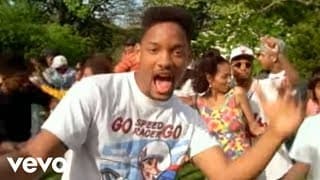
Hula and K. Fingers looped Kool and the Gang's Summer Madness, and the duo won a Grammy for it.
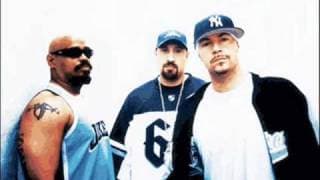
Muggs looped Lowell Fulson's 1967 "Tramp" for the guitar and bass, and B-Real's nasal whine arrived fully formed.
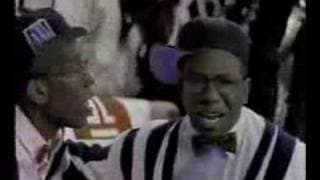
Michael Bivins raps their discovery story over Dallas Austin's new jack swing, with a doo-wop turn at the close.
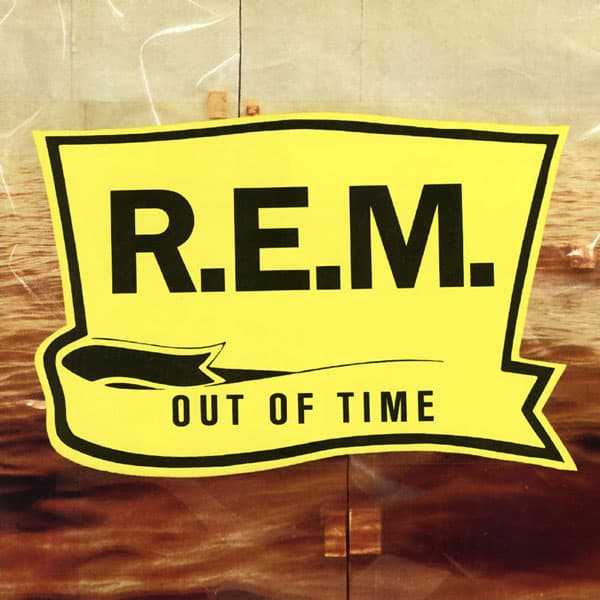
Losing My Religion is built on a mandolin guitarist Peter Buck had just bought and was learning. They refused to tour the album at all.
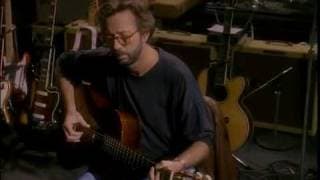
Will Jennings helped finish a lyric Clapton wrote after his four-year-old son died; three Grammys followed in 1993.
McCready's riff was a Ten outtake, and Vedder improvised a lyric he has been rewriting onstage ever since.
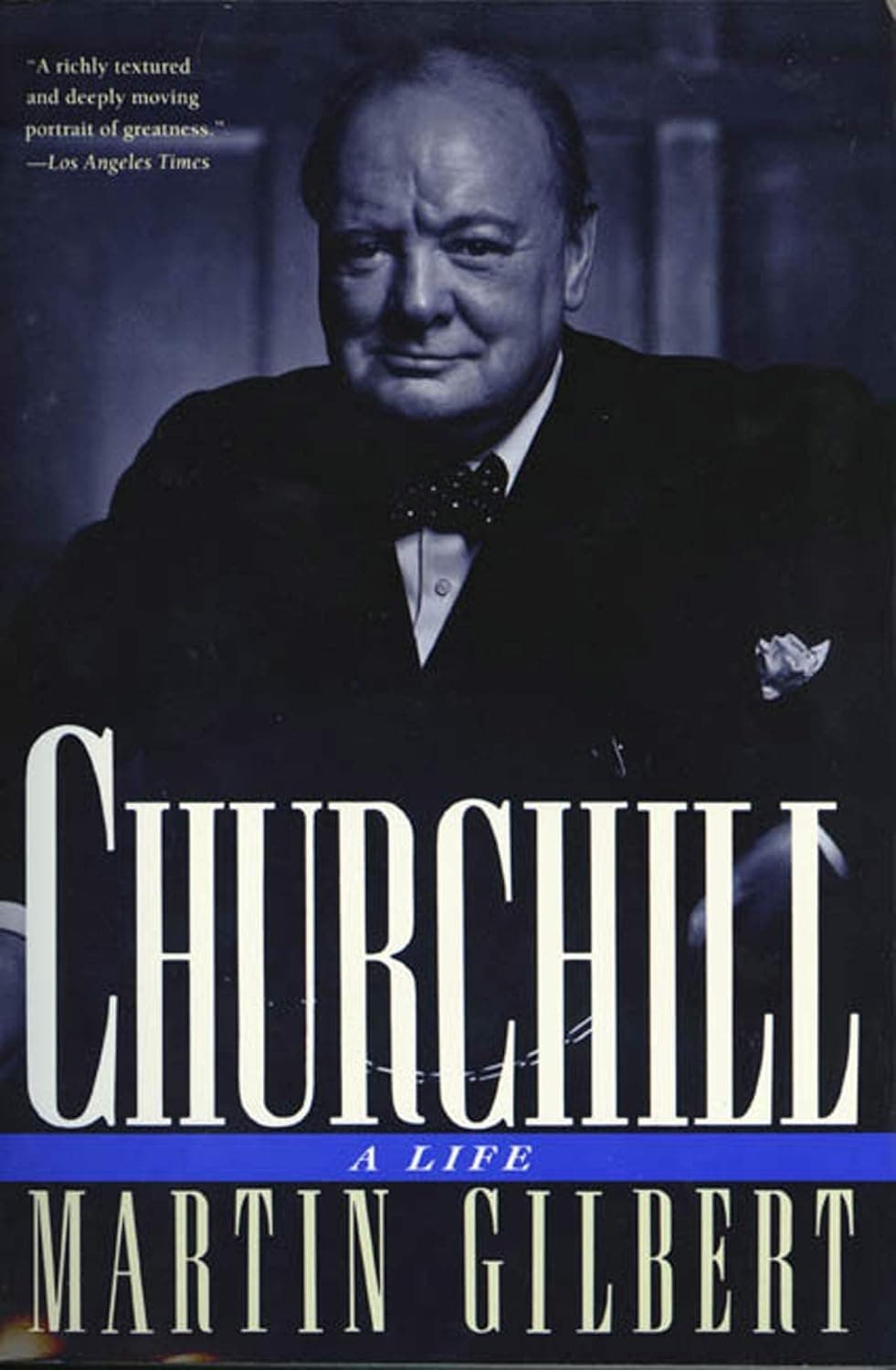
Having written six volumes of Churchill's official biography, Gilbert put the whole life into one book, from the cavalry charge at Omdurman to 1965, drawing on twenty years inside the papers.
Petty and Jeff Lynne wrote Eddie's rise and fall as one unbroken story; Johnny Depp played him on screen.
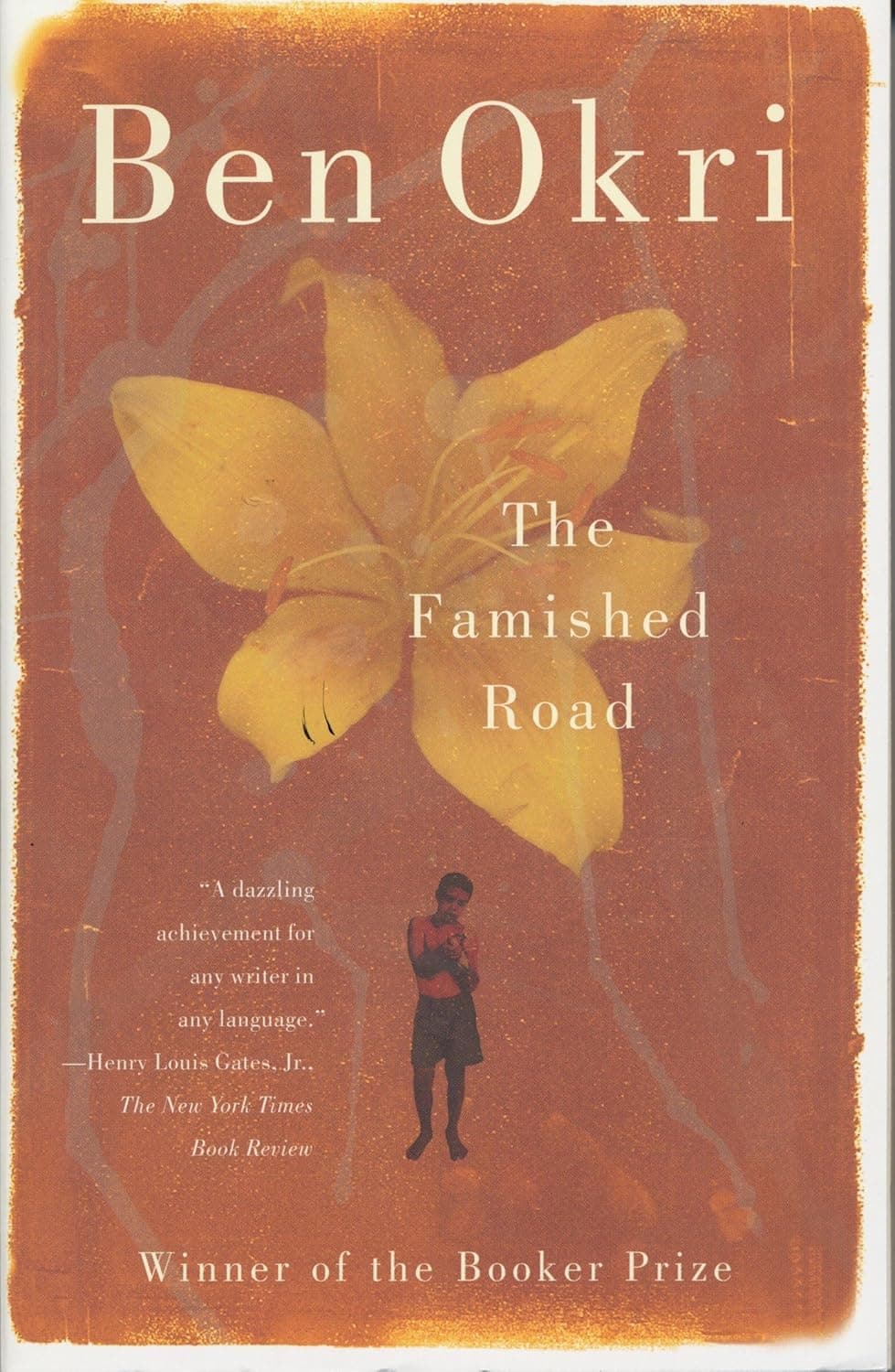
Azaro is an abiku, a spirit child who keeps refusing to die, and Okri sets him loose in a Nigerian slum where ghosts crowd the bar and political thugs hand out poisoned milk.

Kien spends the peace gathering the dead from the jungle that swallowed his battalion, and the war returns out of sequence. Bao Ninh enlisted at seventeen among five hundred, and ten came home.
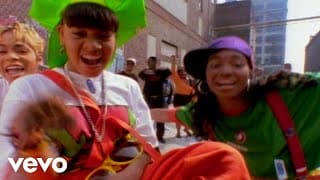
Dallas Austin stacked seven samples, an Average White Band loop sped up, and Left Eye wrote the rap.

Wonder was never innocent, Greenblatt argues. Reading Columbus's landfall and the travel writers around him, he catches the moment when amazement at a new world hardens into a claim to own it.
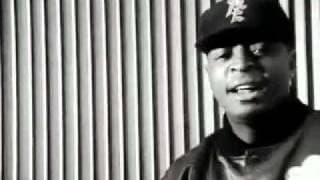
Chuck D aimed it at corporations that profit off Black neighborhoods without reinvesting, and Pete Rock's remix outgrew the original.
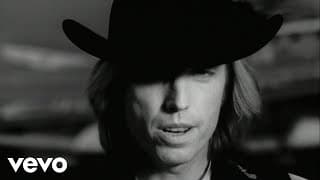
Four chords, F, C, A minor, G, looping unchanged while Petty and Jeff Lynne make uplift sound effortless.
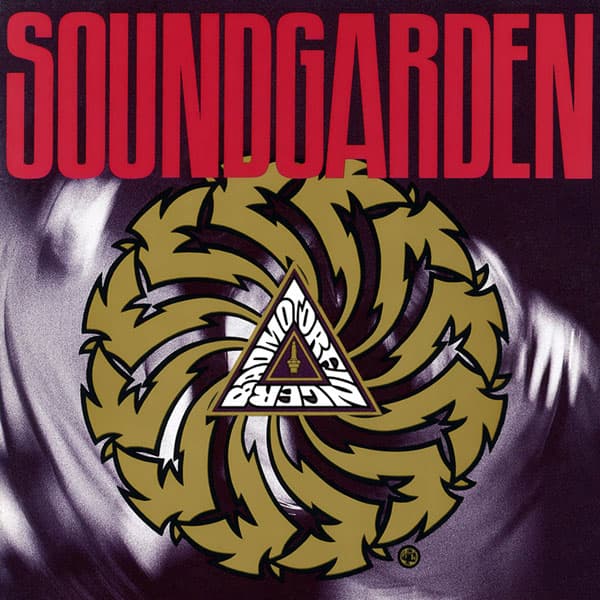
It came out two weeks after Nevermind and got buried. Soundgarden spent the tour opening for Guns N' Roses instead.
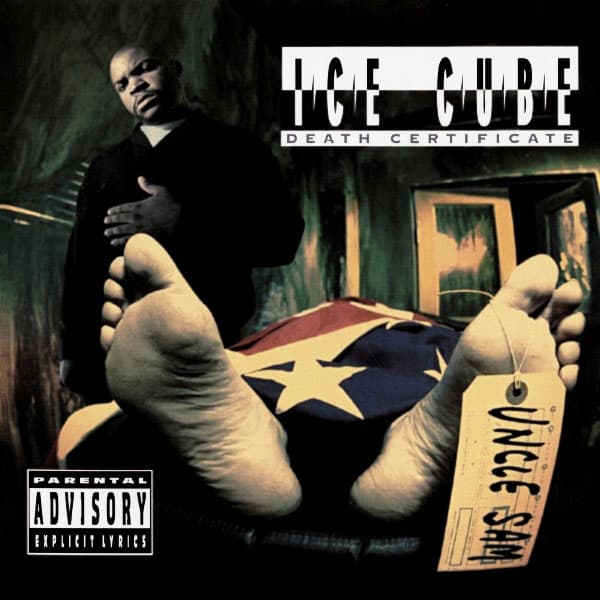
Cube split it into a death side and a life side. Several chains refused to stock it and Billboard ran an editorial against it.
I do wish we could chat longer but...I'm having an old friend for dinner.
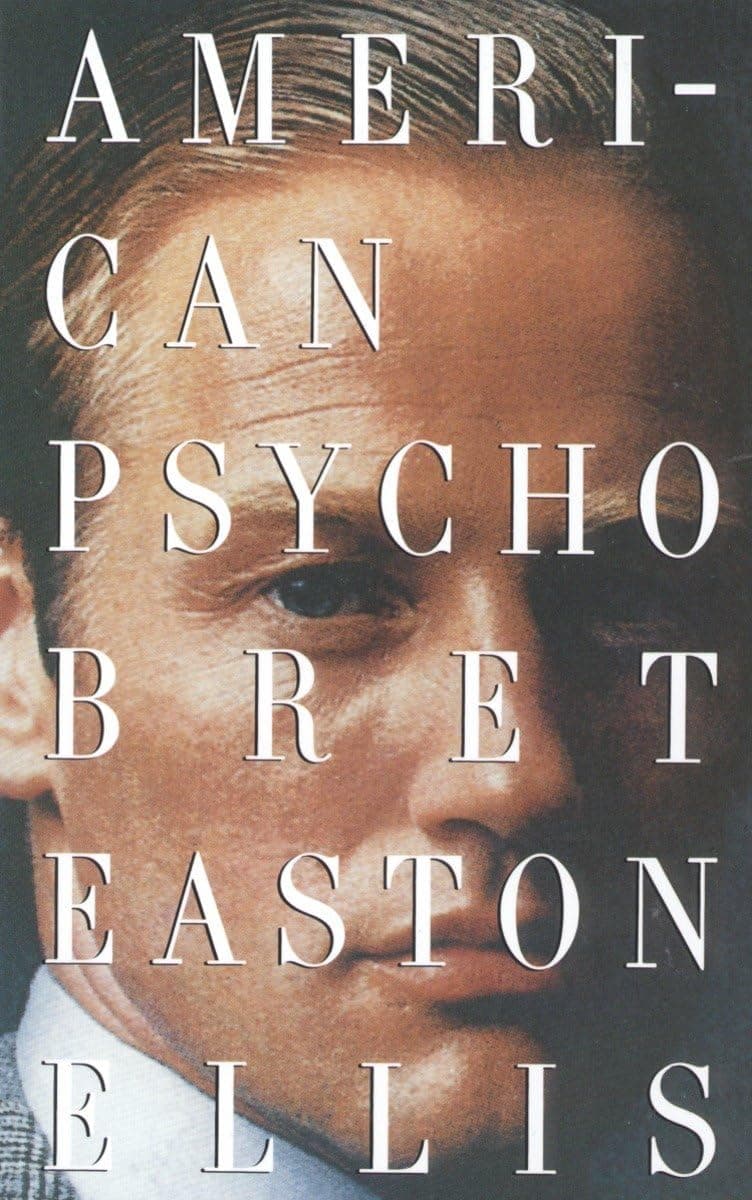
Patrick Bateman works mergers and acquisitions, agonizes over the typeface on a colleague's business card, and narrates atrocities in the voice he uses for Huey Lewis albums. Reagan's Wall Street becomes horror comedy.
Treach turned a fatherless East Orange childhood into verse, with Marley's chorus supplying the only comfort on offer.
Clivilles and Cole of C+C Music Factory built the disco lift; Carey's whistle register handles everything above it.
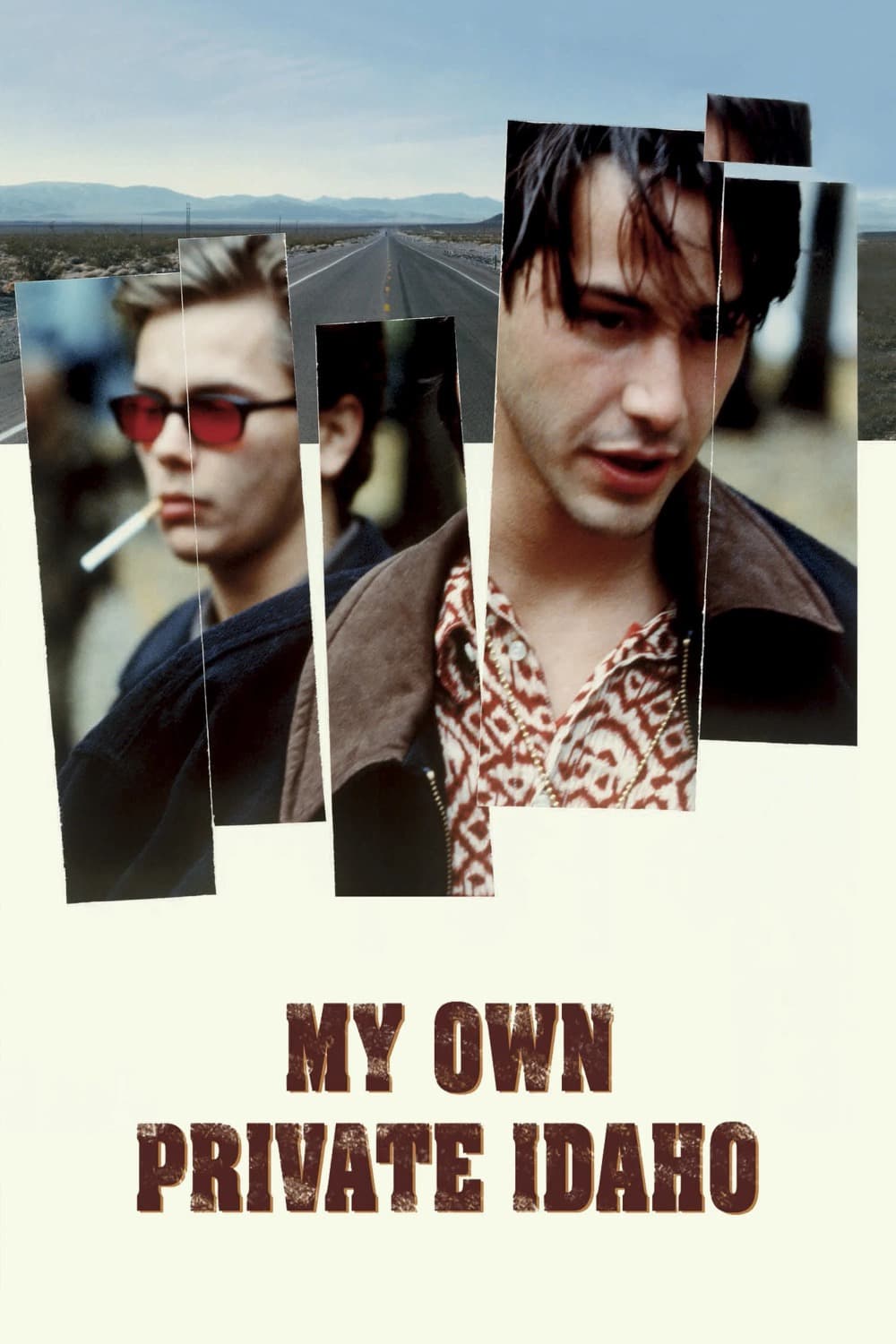
River Phoenix wrote the campfire scene himself and nothing else in the film touches it: Van Sant runs Shakespeare's Henry plays through two street hustlers on the Pacific Northwest road.
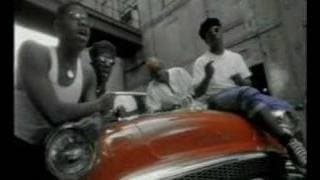
Four voices, no instruments, a 1975 Cooley High ballad rebuilt a cappella and carried to number two.
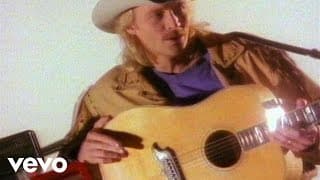
Jackson leaned against a wobbly jukebox in a Virginia lounge, left with the title, and George Jones got name-checked.

This is where DJ Premier worked out his method of chopping a record into single notes and rebuilding the melody from the pieces.
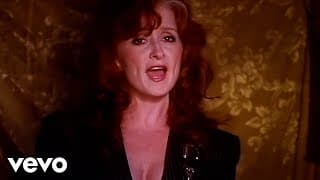
A Shirley Eikhard song Raitt carried to number five, her biggest American hit, and a Grammy for that vocal.

Both volumes were recorded together and released the same day, because the band could not agree on what to leave off a single album.

Knockin' on Heaven's Door is a Bob Dylan song written for a western. The video for Estranged cost around four million dollars to make.
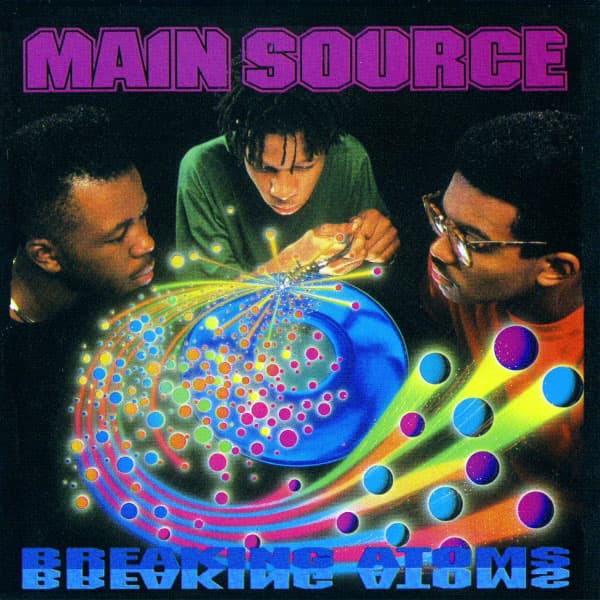
Nas was seventeen and turns up for one verse near the end, which is where most people first heard him.
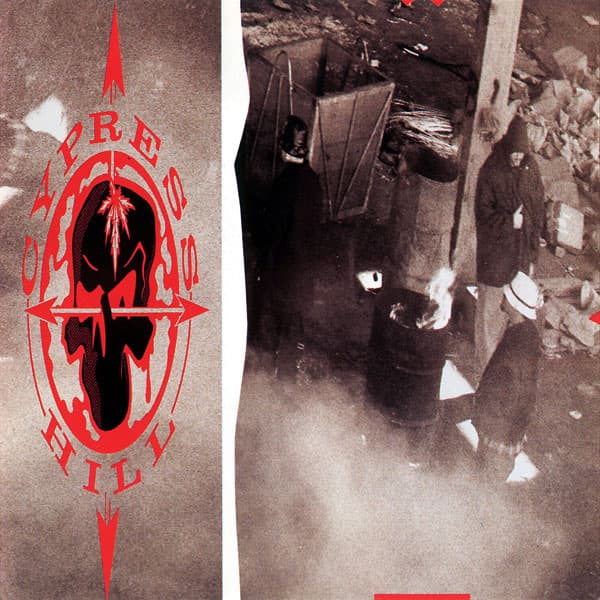
B-Real pitched his voice up into that nasal whine on purpose, because he thought his normal one was too easy to ignore.
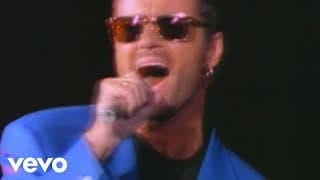
Elton John joined Michael onstage near Chicago in October 1991, and the live duet topped both charts.
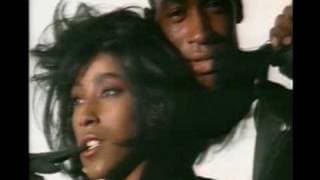
Martha Wash sang the hook uncredited, then sued; her settlement put vocalist credits on MTV, and the floor still fills.
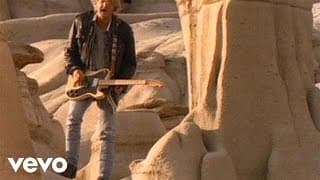
A Red Rider demo called "Love Is a Highway", revived after Cochrane's World Vision trip to eastern Africa.
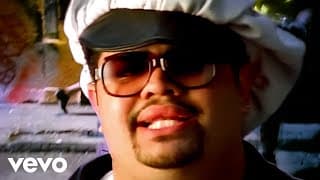
Eighteen years after the O'Jays cut it in Philadelphia, Teddy Riley rebuilt it as hip-house for Heavy D.
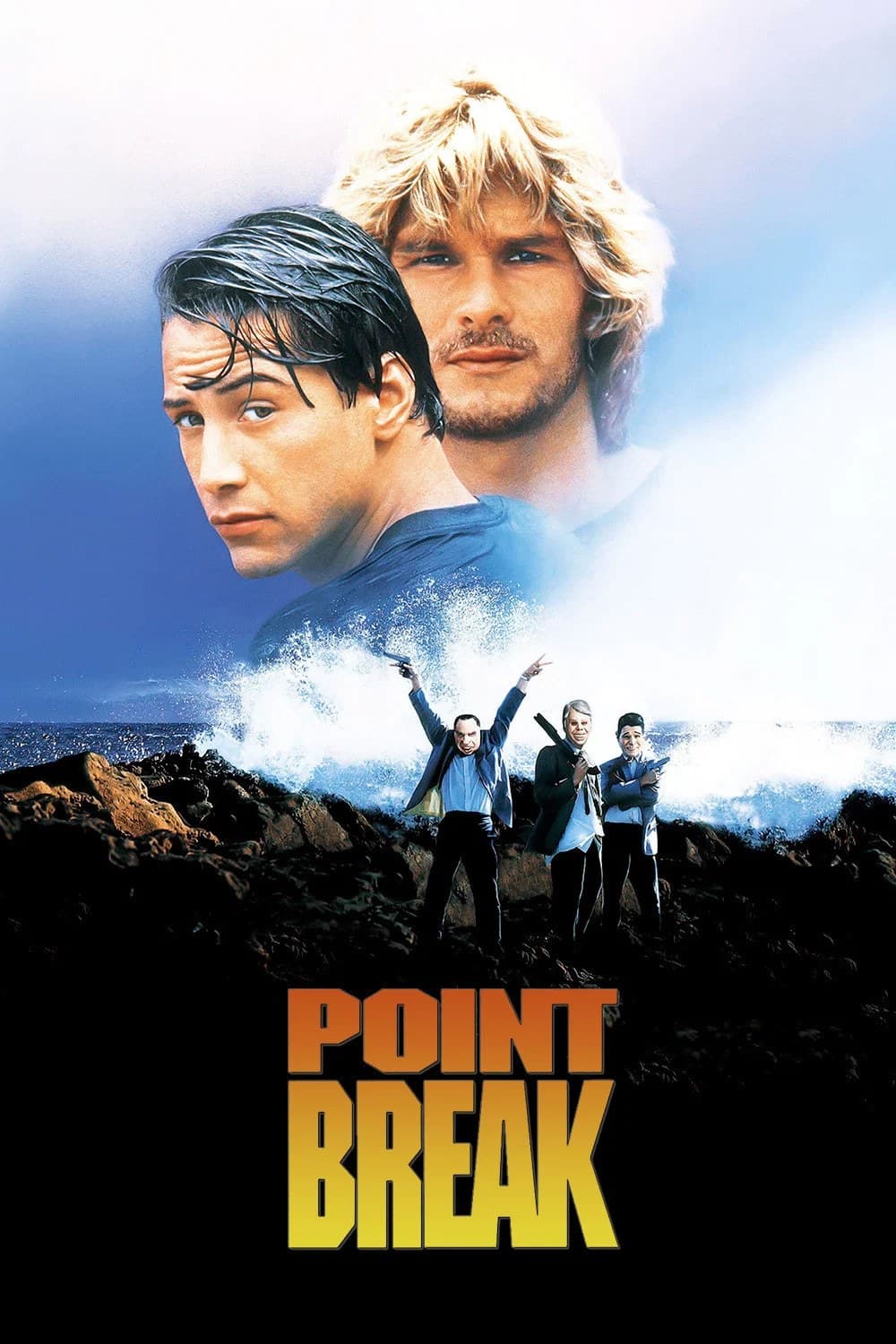
Kathryn Bigelow made the most physically committed action film anyone had attempted: an FBI agent infiltrates a crew of surfers who rob banks in president masks, and starts preferring their company.
Branford Marsalis blowing a jazz solo across Narada Michael Walden's production, and Shanice sounds like she is actually smiling.
Sixteen straight weeks at number one in Britain, from a ballad Adams and Lange wrote in forty-five minutes.
I can’t make you love me if you don’t. You can’t make your heart feel something it won’t.
Any fool with a dick can make a baby, but only a real man can raise his children.
I'm a connoisseur of roads. I've been tasting roads my whole life. This road will never end.