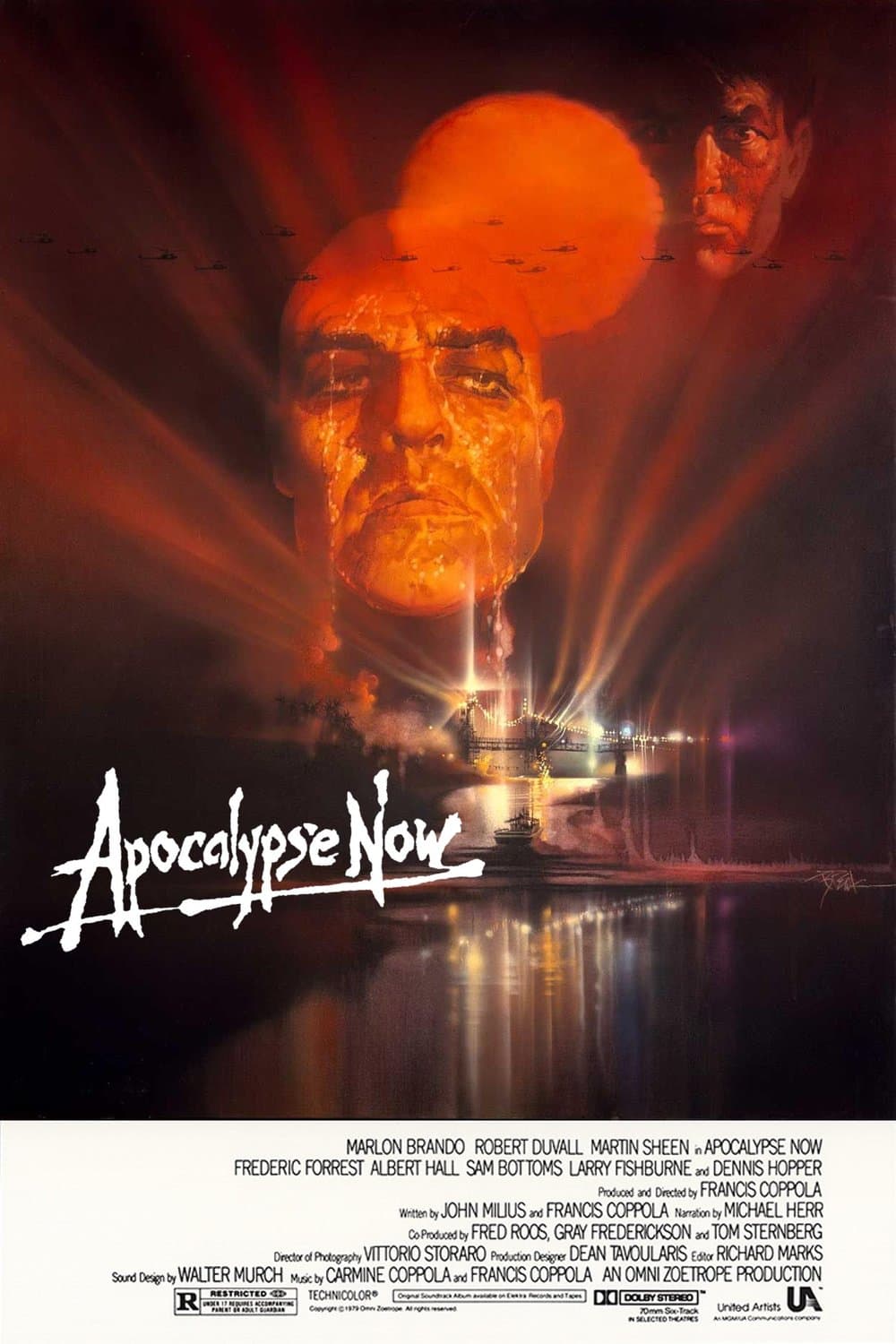
Apocalypse Now
Directed by Francis Ford Coppola
1979
No production has ever gone further off the rails or shown it more clearly: Coppola's Vietnam abandons the war film for pure hallucination, and the helicopters over the trees are permanent.
★ 9.7
 skopia
No production has ever gone further off the rails or shown it more clearly: Coppola's Vietnam abandons the war film for pure hallucination, and the helicopters over the trees are permanent.
Strummer borrowing the BBC's wartime call sign to announce the end of the world, and sounding thrilled about it.
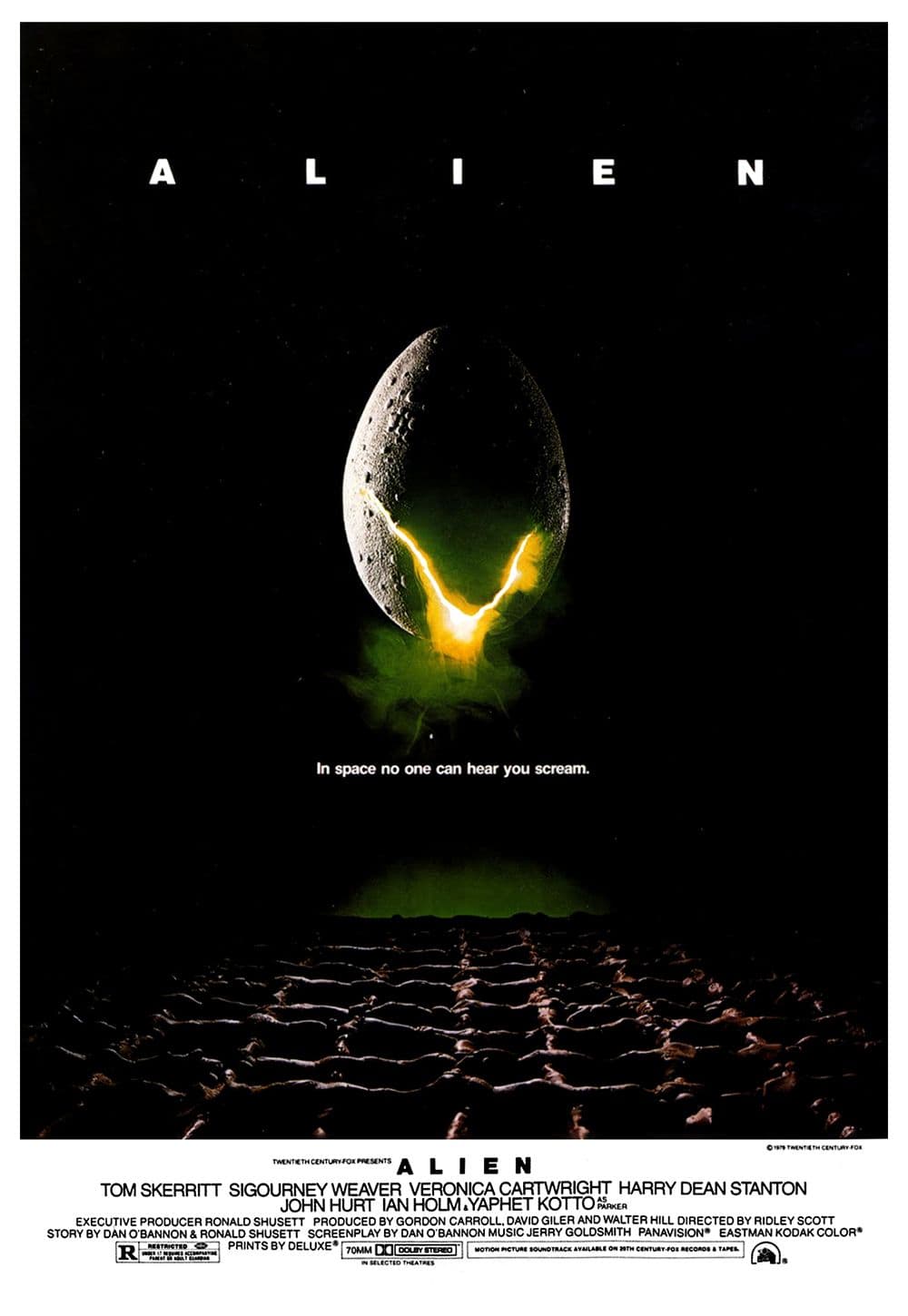
Giger's creature is still the most frightening thing anyone has designed for a screen: Scott fused haunted house and space opera, and put a woman at the center of both.
Big Bank Hank auditioned outside the pizzeria where he worked, rapping lines borrowed from Grandmaster Caz's notebook.
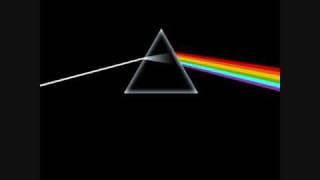
A tranquilizer shot before a 1977 Philadelphia show gave Waters the lyric; Gilmour brought the chords and the solo.
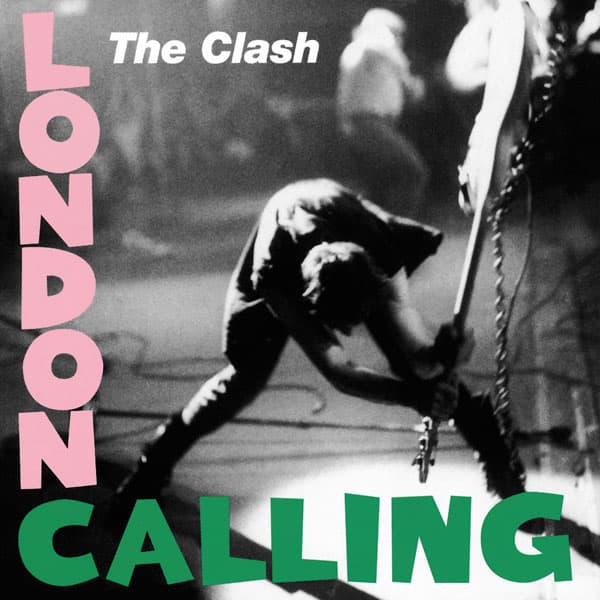
Their producer motivated the sessions by swinging ladders around the studio and pouring wine into the piano. The sleeve copies Elvis's first album.
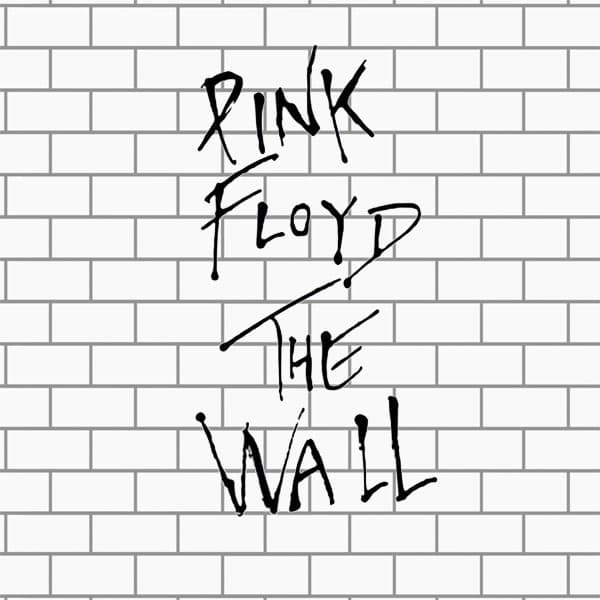
Roger Waters got the idea after spitting at a fan in Montreal and being appalled at himself. A school near the studio supplied the children's choir.
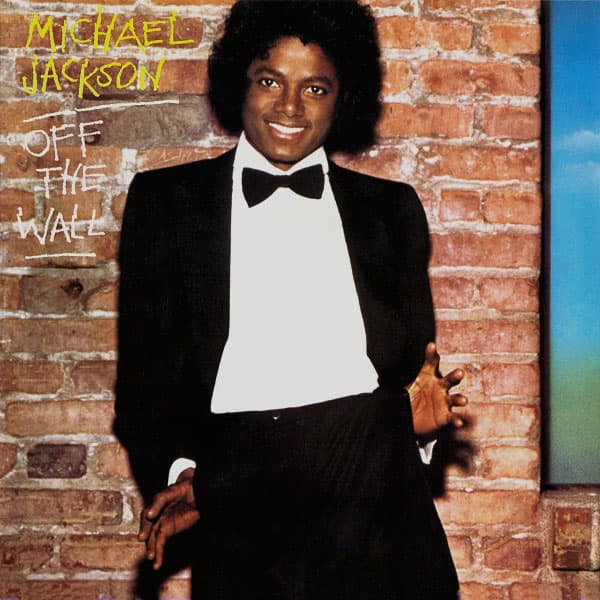
Jackson was twenty-one and wrote the two best songs on it himself. It won a single Grammy, which he took as an insult.
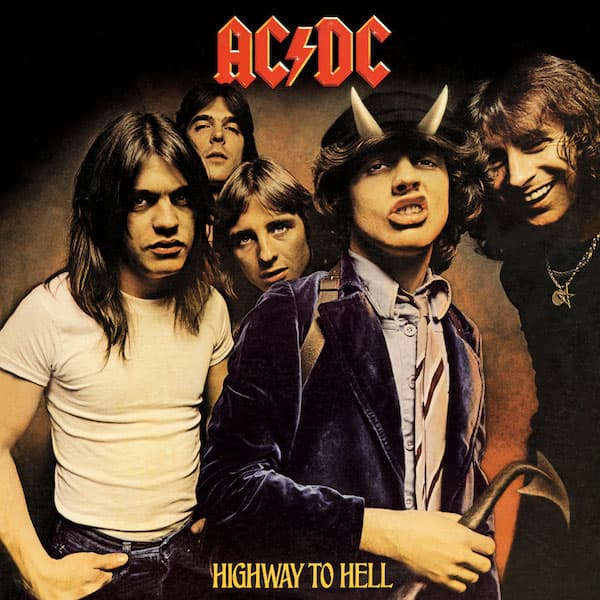
Bon Scott was dead six months after it came out. It was the first record they made with a producer who cared about choruses.
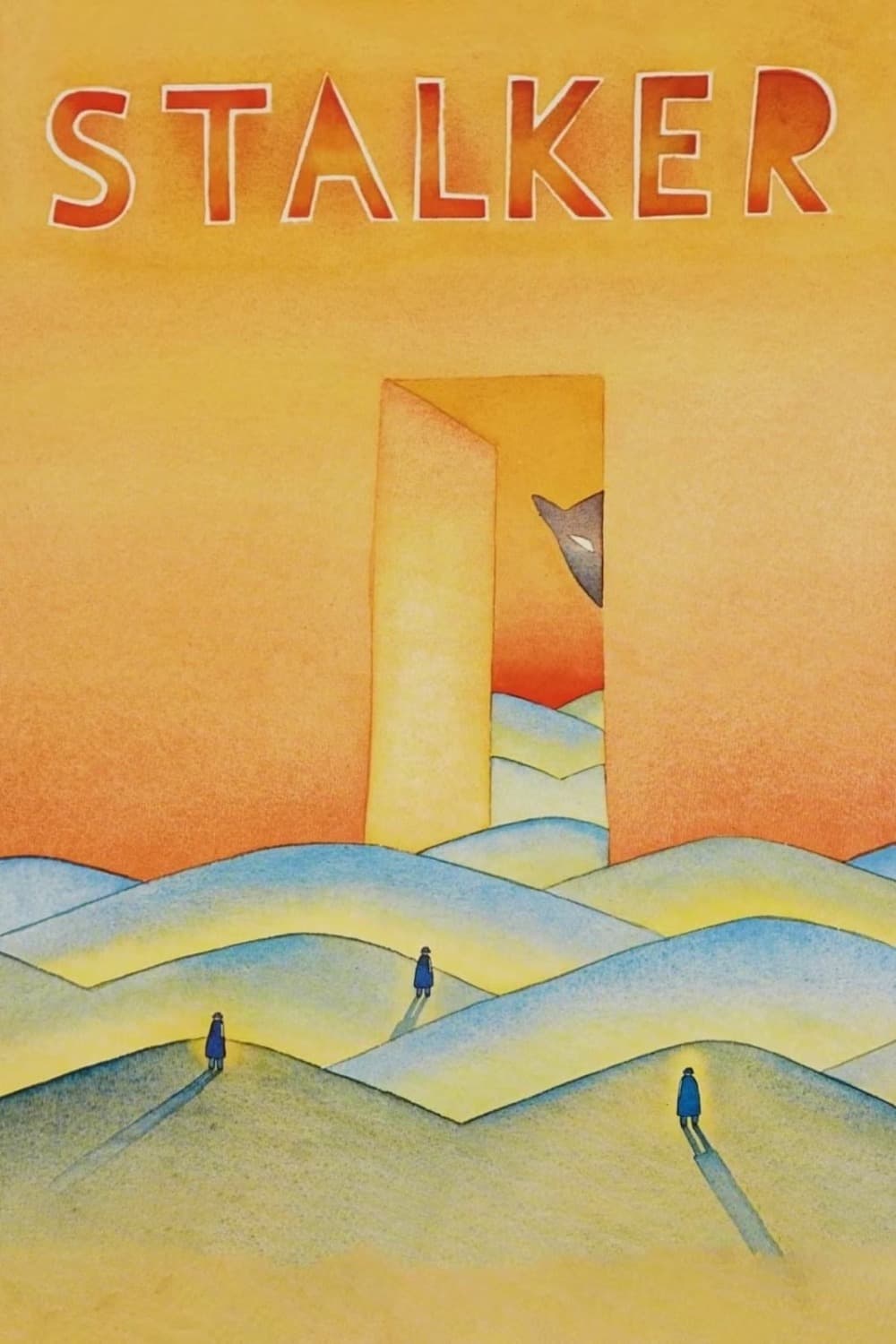
Nothing else in cinema moves this slowly and holds this completely: Tarkovsky walks three men into a forbidden zone for nearly three hours, and almost nothing happens.
Jackson wrote it himself and steered the session; a whisper, a water-bottle rattle, then Louis Johnson's bass takes over.
Edwards' bassline turned up on Rapper's Delight within months; the settlement put Chic's names on rap's first pop hit.
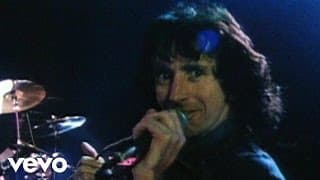
Mutt Lange took over production, the band cut it in London in 1979, and America finally caught on.
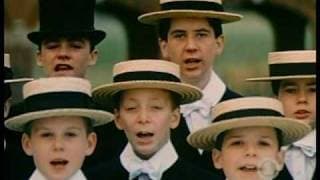
Ezrin sent Gilmour to the discos, and twenty-three Islington schoolchildren got forty minutes to sing themselves onto a number one.
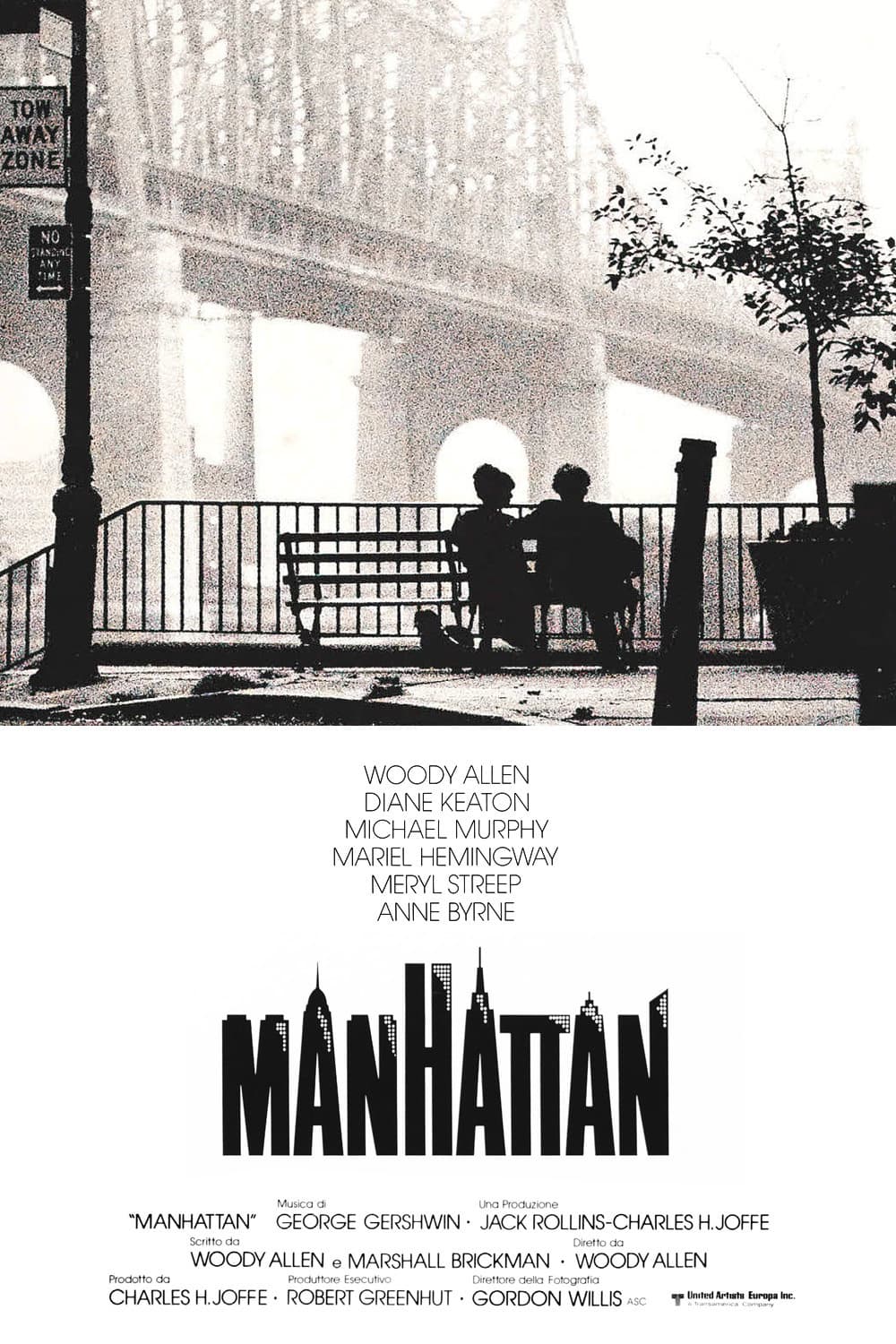
It opens with the best love letter any city has received: Gershwin over black and white Manhattan, and then two hours of people ruining their lives beautifully.
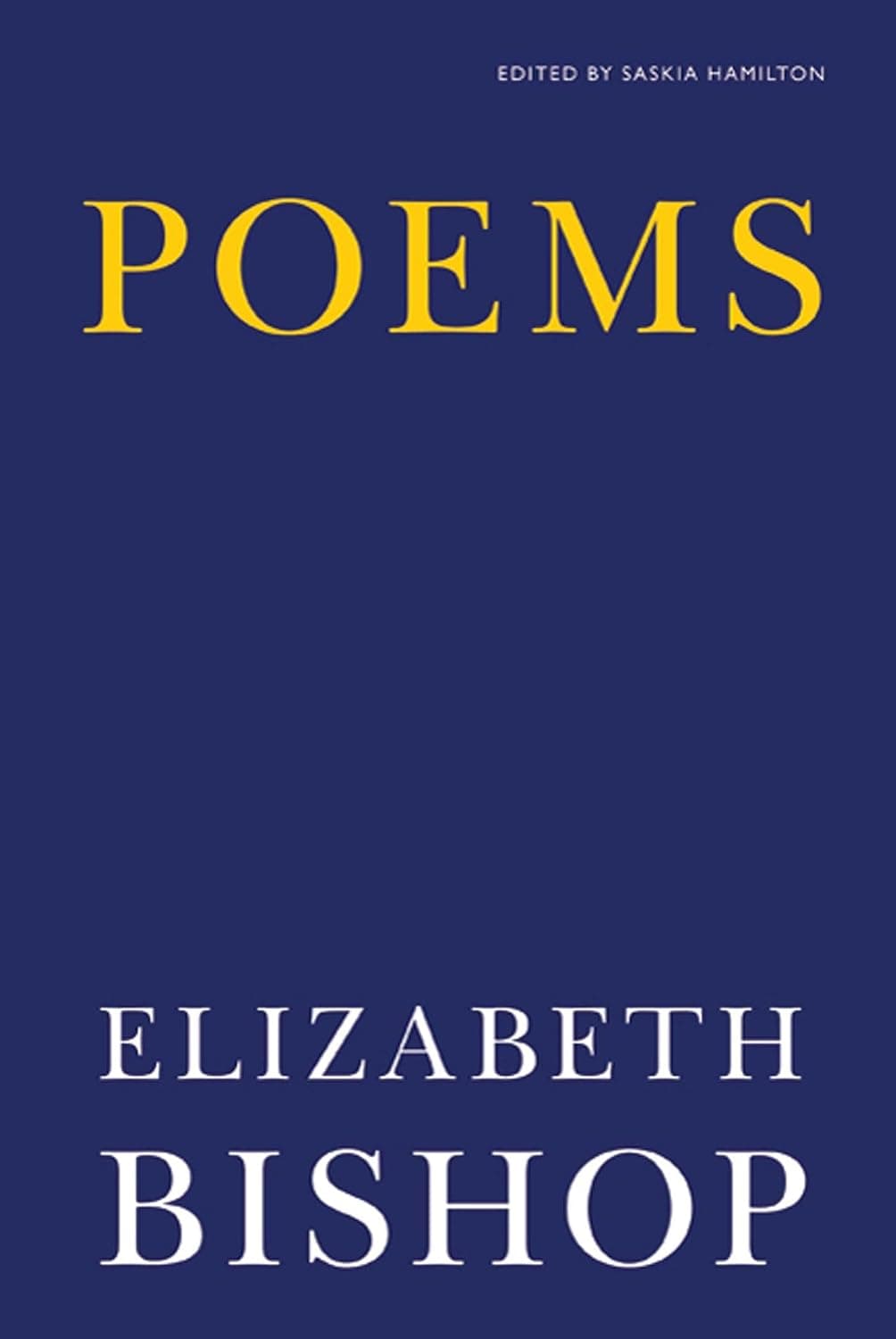
Bishop looks at a fish, a filling station, a moose in the road, and never tells you what to feel. In "One Art" she calls losing things an art you can master.

You buy a Calvino novel, the copy is faulty, and the hunt for the rest keeps dropping you into the opening chapter of some other book. Ten beginnings, each hard to leave.
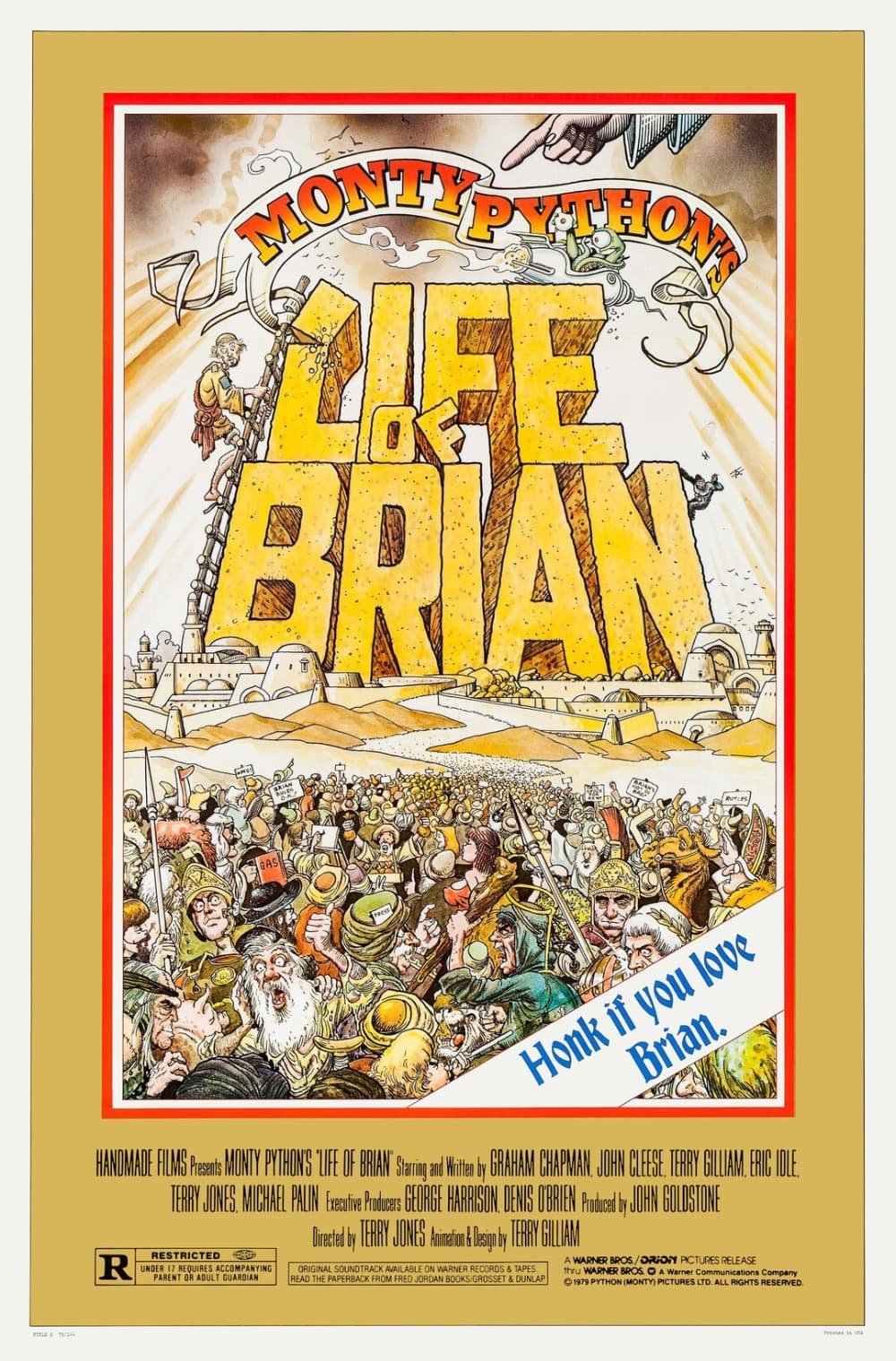
Councils across Britain banned it and Norway would not show it at all: the Pythons went after zealotry rather than faith, which is exactly why it still works.
Rod Temperton offered it to Karen Carpenter first; Quincy Jones and Jackson took it to number one.
De Niro called the first theme too weak, so Kander and Ebb wrote this one in anger.
Recorded live at San Francisco's Boarding House in 1978, and Devo's Mothersbaugh handed Young the phrase that titled the album.
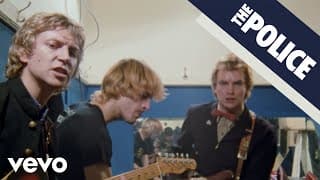
Summers' arpeggiated riff, Sting's castaway pleading over it, and the first of the Police's five UK number ones.
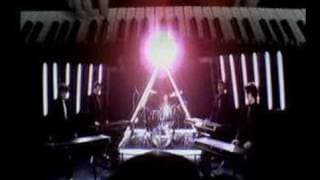
By Numan's account a road-rage scare in London started it; a bass riff, a Polymoog, and a UK number one.
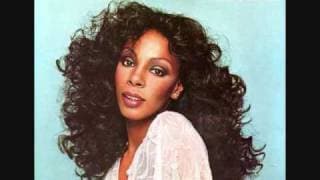
Moroder's four-on-the-floor, Jeff Baxter's rock guitar solo bolted on, and the first female rock vocal Grammy.
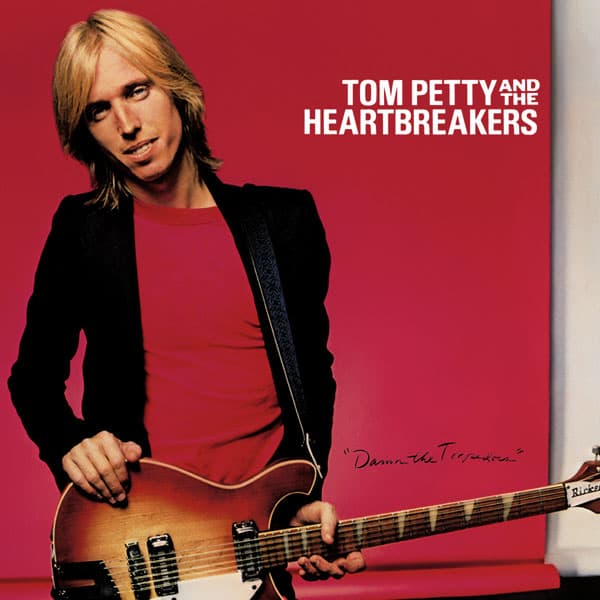
Petty declared bankruptcy in the middle of making it, to get out of a contract he had signed without reading properly.

How does a self arise from parts that have none? Hofstadter answers by braiding Godel's proof that no system can prove all its truths with Escher's staircases and Bach's canons into strange loops.

Americans stopped building selves and started managing images, Lasch argued in 1979: competence and civic obligation traded away for therapy, celebrity, and a permanent hunger to be admired by strangers.

Czech propagandists airbrushed a purged minister out of a state photograph and left his fur hat on the leader's head. From that erasure Kundera builds seven stories about everything power wants forgotten.
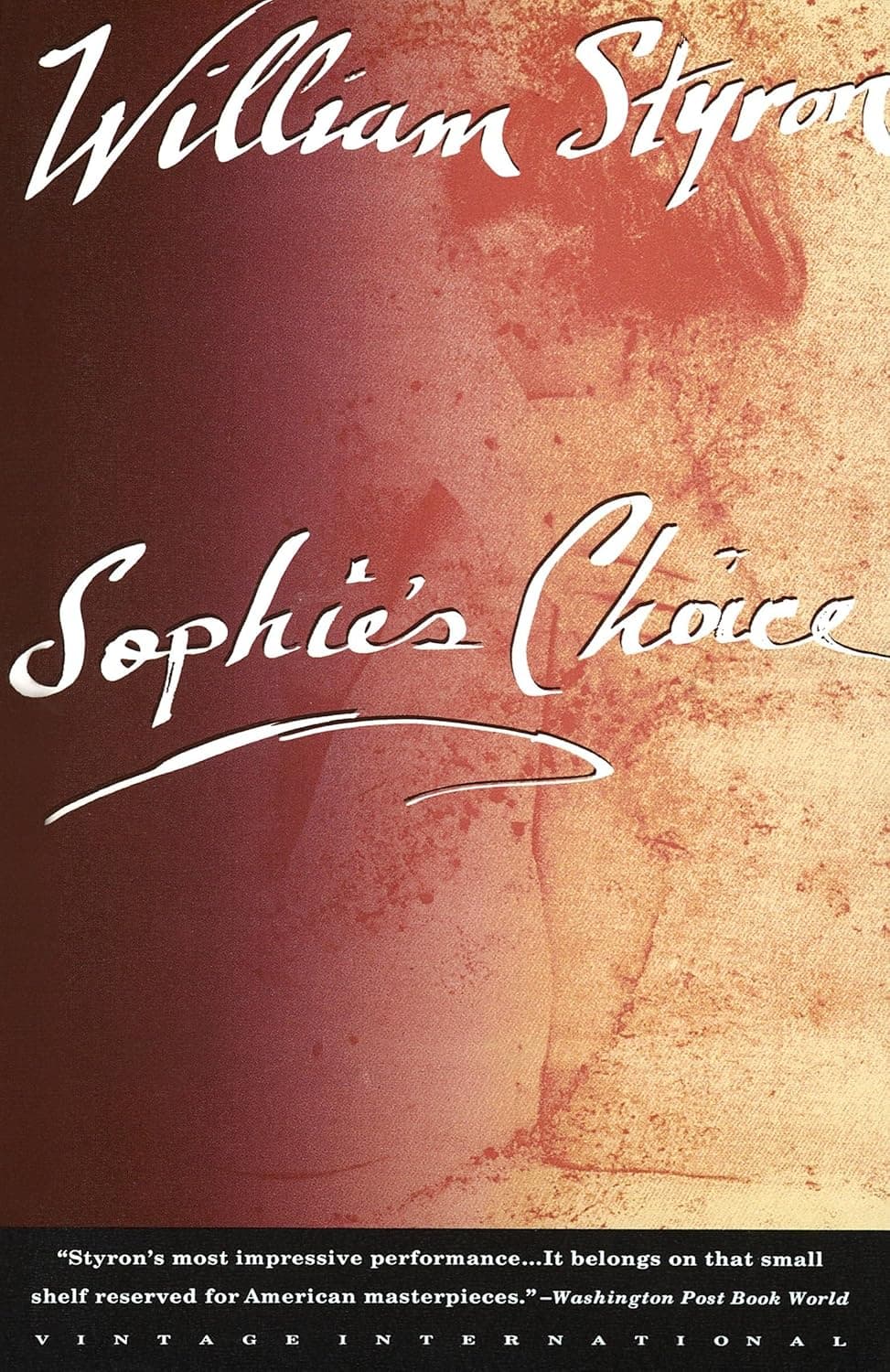
In a Brooklyn rooming house in 1947, a Southern writer falls in with Sophie, a Polish Catholic who survived Auschwitz, and her violent lover. The title is now English for an impossible decision.
Mick Jones wrote it overnight for an NME flexi-disc that fell through, and the printed sleeves never listed it.
Honeyman-Scott's guitar lick came first, and Hynde told her producer he could release the thing over her dead body.

Grand stories that once justified science, progress, and human emancipation have lost their credibility, Lyotard argues. His phrase for the condition, incredulity toward metanarratives, carried postmodernism from the arts into philosophy.
Sixteen national number ones, then a second life at 12:01 a.m. on 1 August 1981 as MTV's first video.
Harry turned a 1973 stalker into a chase song, and Nigel Harrison's riff supplies the relentless forward motion.
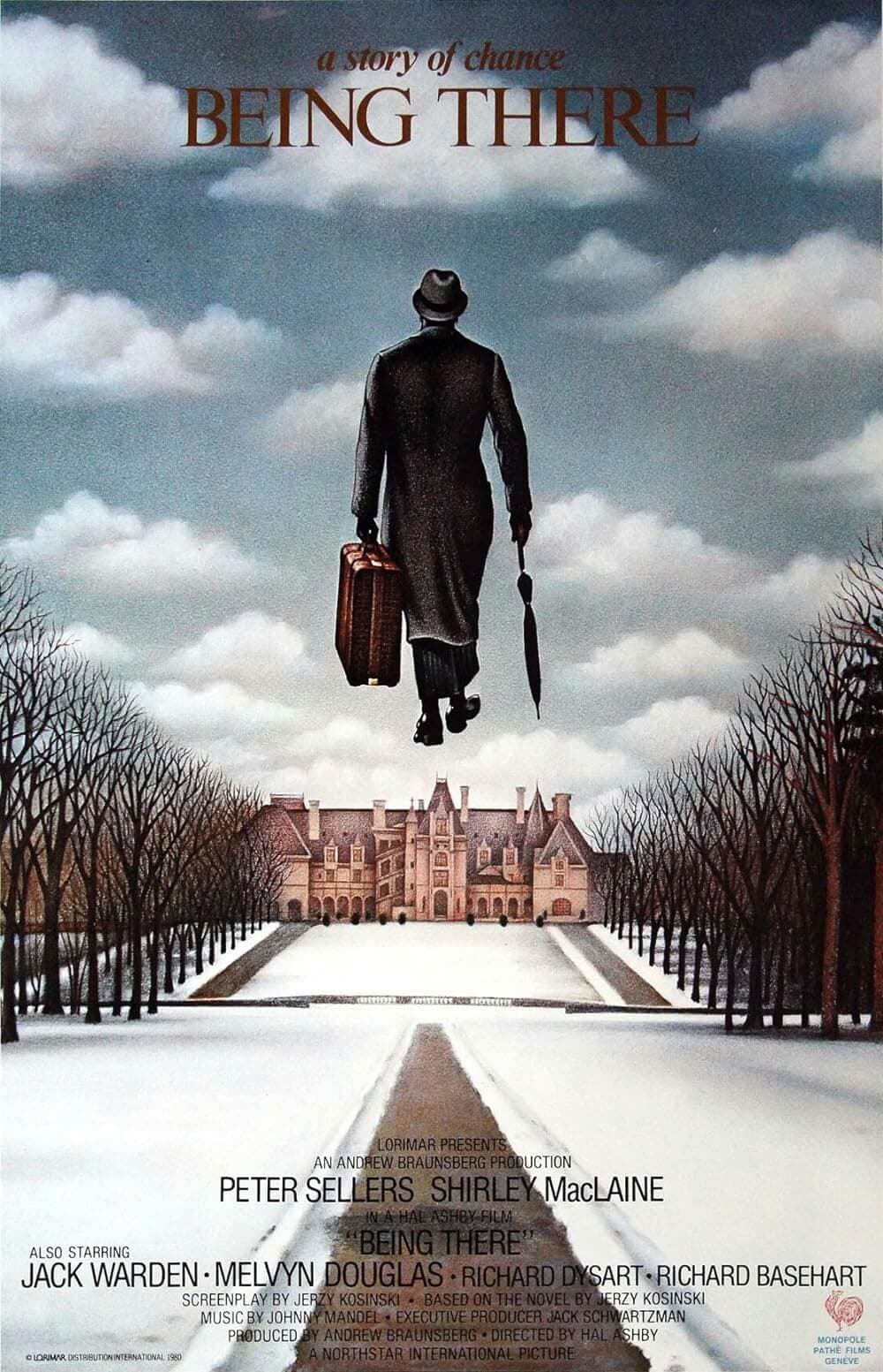
Peter Sellers chased this part for years and considered it the best work he ever did: a gardener who has only ever watched television is mistaken for a sage.
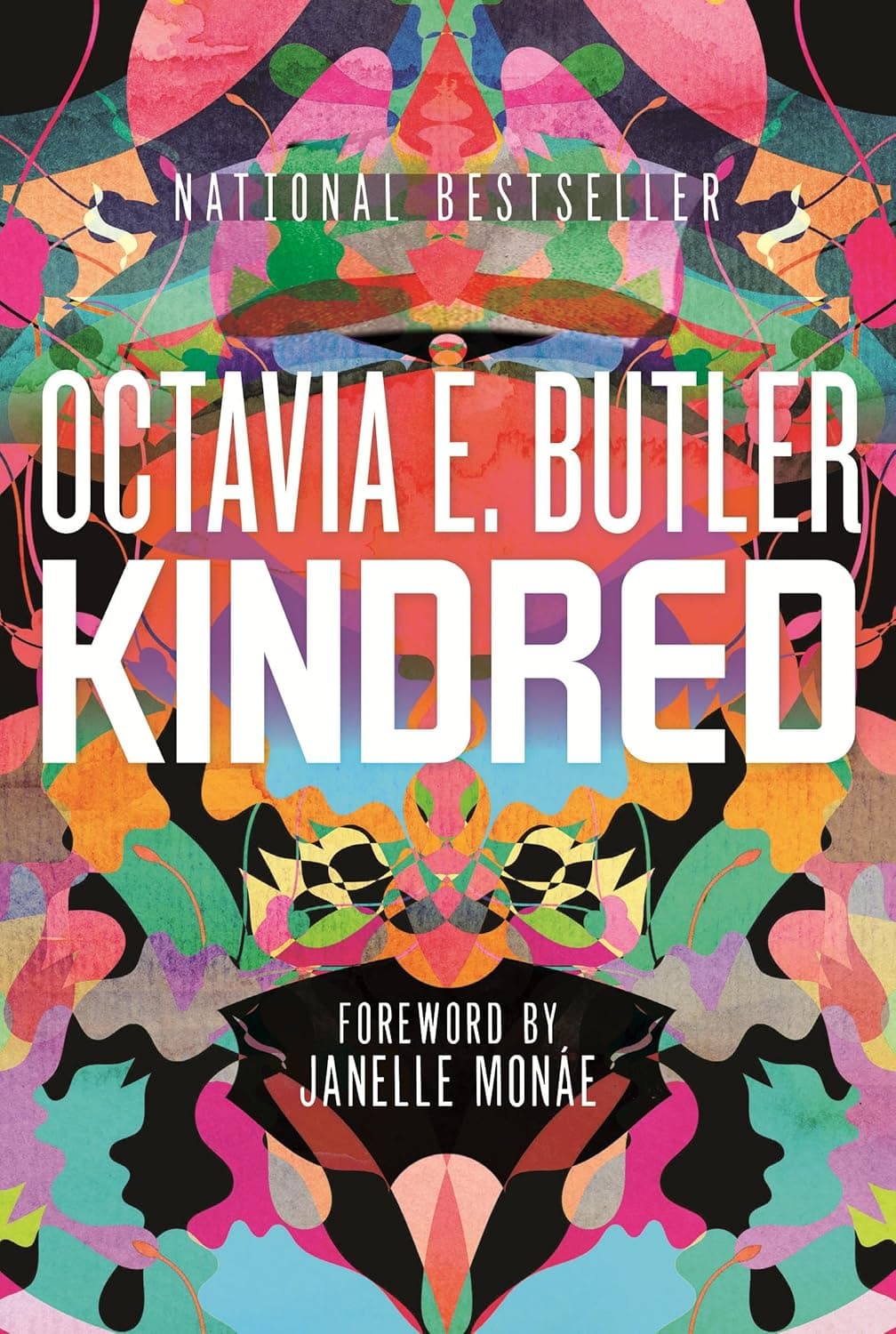
Dana, a Black writer in 1976 Los Angeles, is pulled to a Maryland plantation and made to keep alive the white boy who will father her line. Each return costs her more.
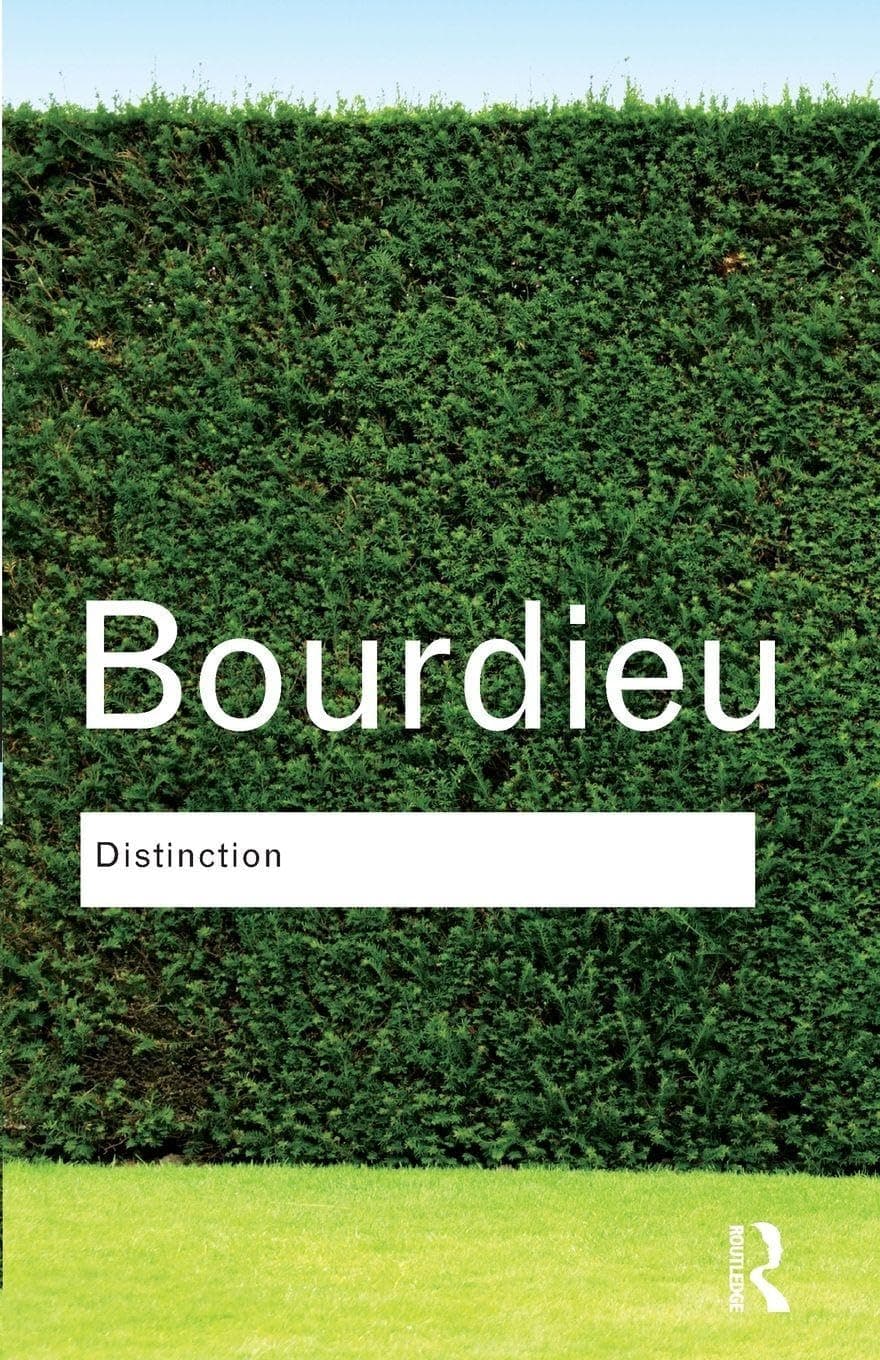
Taste is class in disguise, Bourdieu argues, and his survey of French preferences in music, food, and interiors proves it. The pure aesthetic judgment Kant called universal is a privilege of the comfortable.