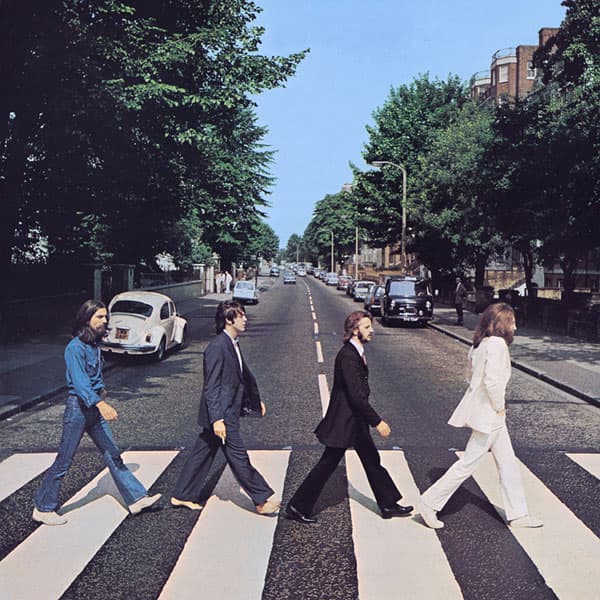
Abbey Road
1969
The last album they recorded together, with side two stitched out of songs nobody had finished. The cover shoot took about ten minutes.
★ 9.7
 skopia
The last album they recorded together, with side two stitched out of songs nobody had finished. The cover shoot took about ten minutes.
Page's riff, Plant's howl, and a theremin freakout in the middle that still sounds like the roof coming off.
Harrison wrote it in Clapton's garden while skipping a business meeting, and it sounds exactly like that relief.
Merry Clayton's voice cracking on "murder" is the sound of the sixties ending, mid-take, in one syllable.
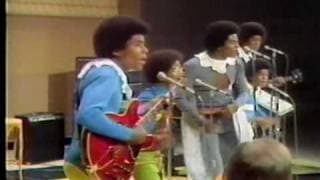
A child singing about regret over the springiest bassline Motown ever cut, and selling it completely.

Merry Clayton was called in at midnight, heavily pregnant, to sing on Gimme Shelter. Her voice cracks on the third take and Jagger whoops.
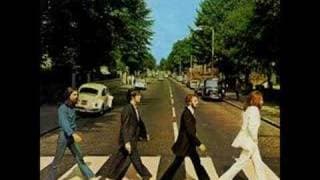
Lennon started it as a campaign song for Timothy Leary, then Ringo muffled his drums with tea towels.
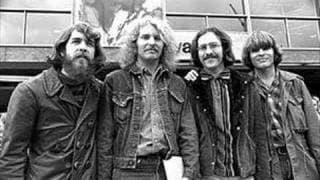
Twenty minutes of writing, and Fogerty had the sound of every draft board sending someone else's son.
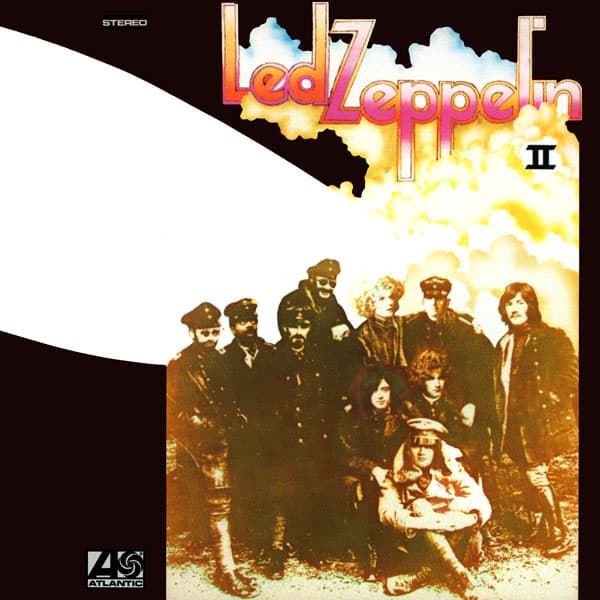
Written and recorded in snatched hours in studios across two continents while touring. Willie Dixon later sued over the words to Whole Lotta Love.
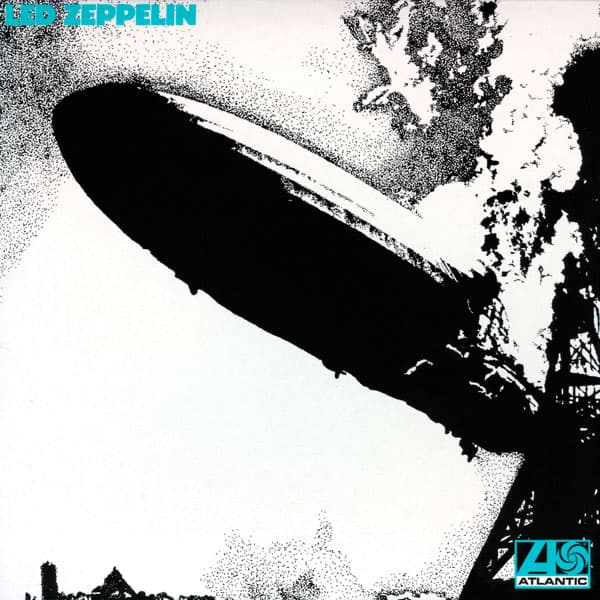
Guitarist Jimmy Page paid for the sessions himself and the record took about thirty-six hours of studio time. Nobody had heard drums recorded like that.
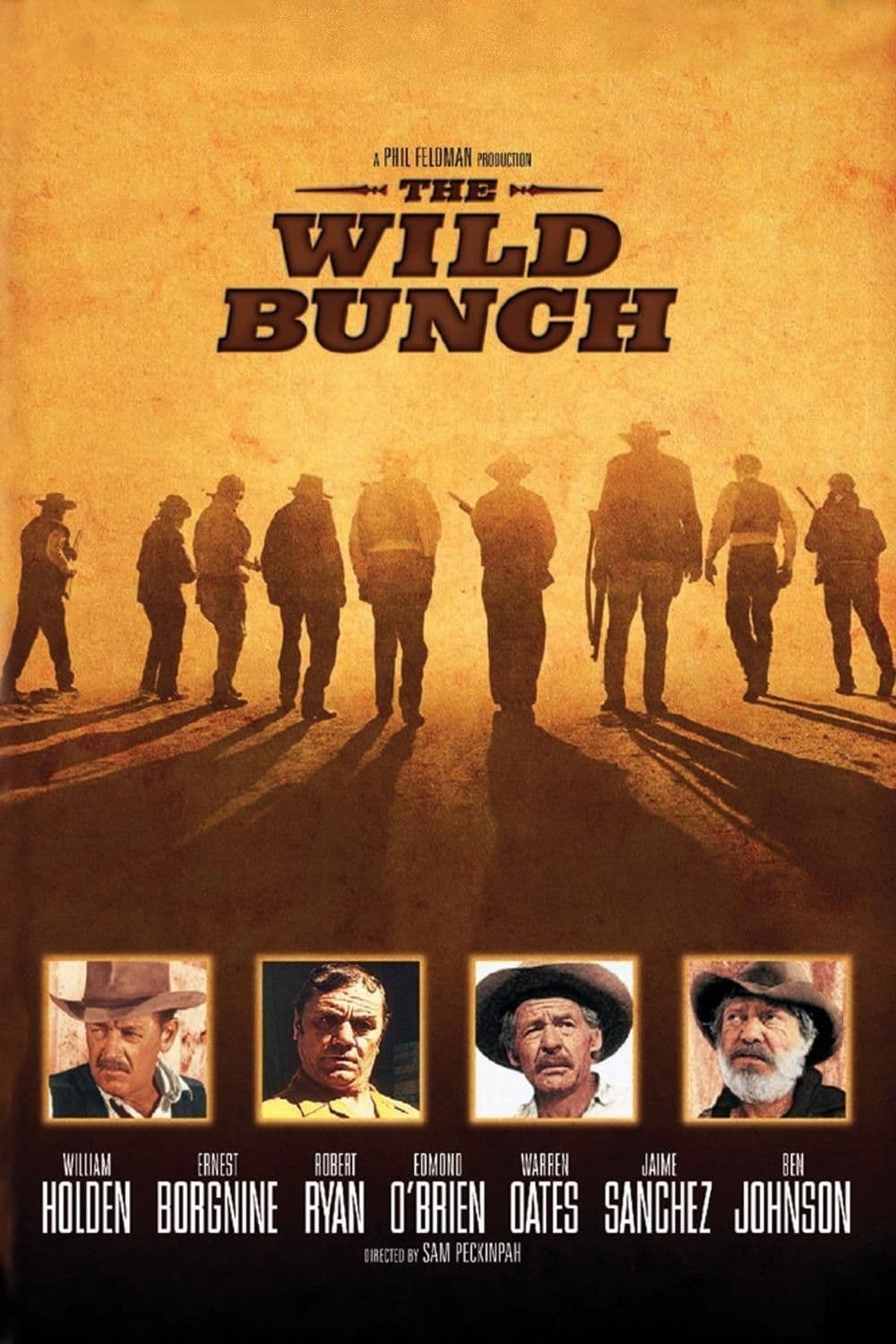
Peckinpah showed at once what the new ratings system had licensed: slow motion, six cameras firing together, and a body count that made every western before it look polite.
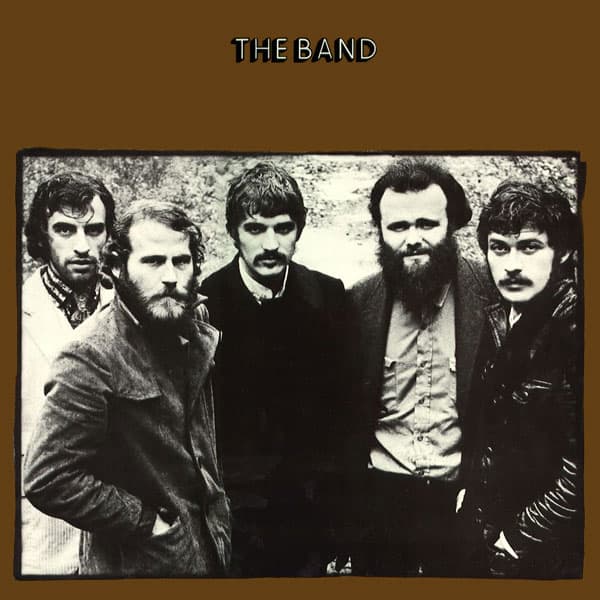
They converted the pool house of a rented Hollywood home into a studio. Most of these songs about the American South were written by a Canadian.
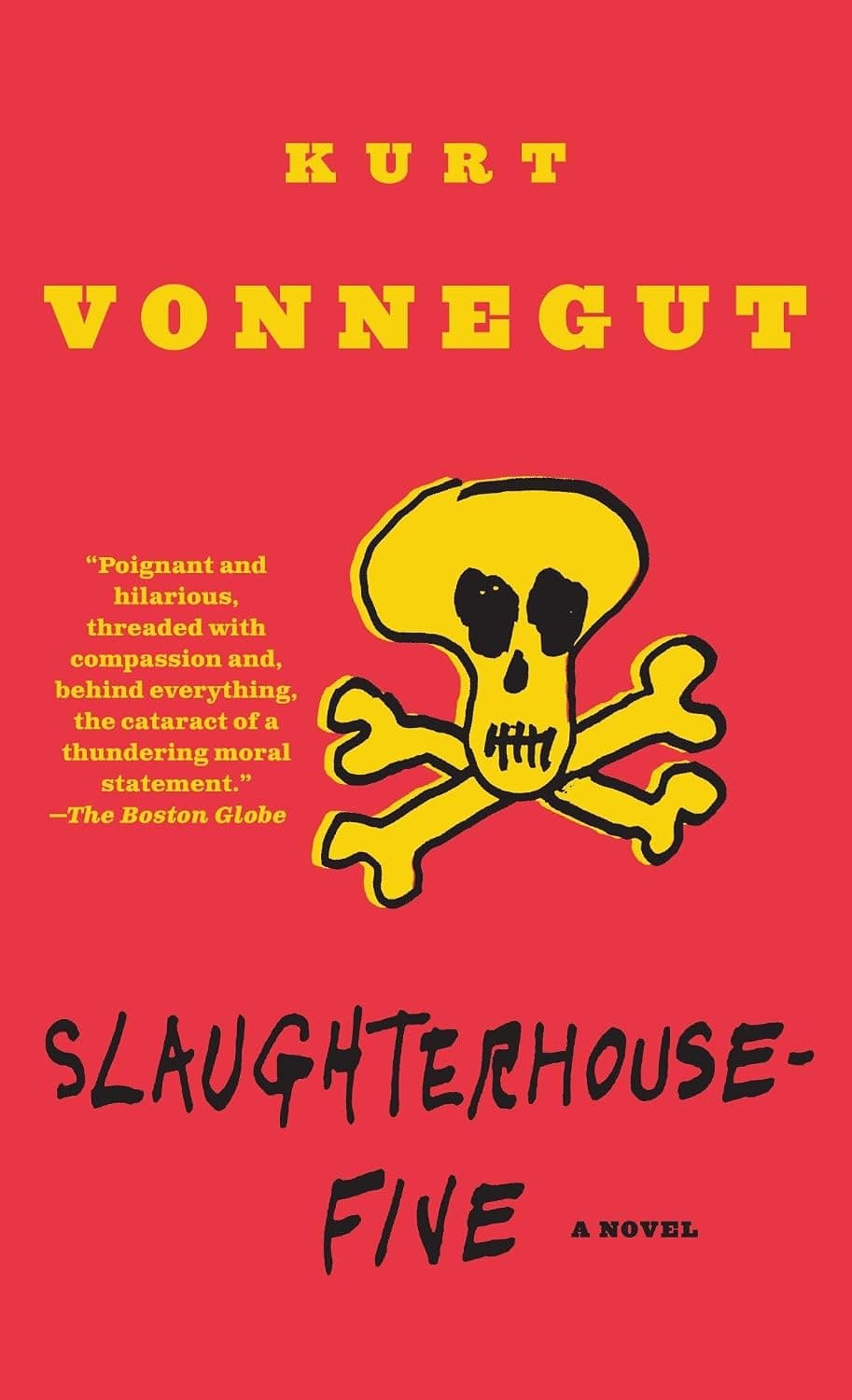
Billy Pilgrim comes unstuck in time, between a Dresden meat locker during the firebombing and a zoo on another planet. Vonnegut was in that cellar, and writes "So it goes" after every death.
Anka typed the lyric overnight in New York asking what Sinatra would say, then handed him a life's summing-up.
Mark James flopped with it first, in the same Memphis studio; Moman then handed Presley his last American number one.
Harrison lifted the opening line from James Taylor and wrote the first Beatles A-side that wasn't Lennon or McCartney.
Released five days before Apollo 11 launched, with a children's Stylophone buzzing under an astronaut who never comes home.
A choral intro from the London Bach Choir, Al Kooper on French horn, and producer Jimmy Miller on drums.
Fogerty came out of the National Guard and wrote it in two days, Beethoven's Fifth hiding in the intro.
Larry Graham slapping and popping the bass line credited with inventing the technique, and a verse quoting their own hits.
Bert de Coteaux's twelve-piece string section, overdubbed a week later, carried King's minor-key blues onto pop radio.
Producer Jimmy Miller opens it on cowbell, and the single arrived in Britain the day after Brian Jones died.
Over a hundred hours of work, and that cannon-shot snare is Hal Blaine playing beside a Columbia elevator shaft.
Three chords, sleigh bells, and Cale leaning on a single piano note throughout. Punk starts here.
Townshend wrote it to flatter a pinball-obsessed critic, then called it the clumsiest thing he ever wrote.
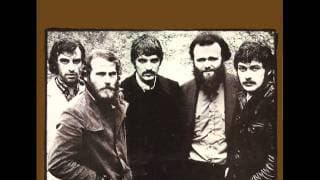
Eight months on one lyric, Helm doing the library research, and a drummer from Arkansas singing the defeat.

One track runs thirteen minutes and another uses a talk box to make the two singers argue through their instruments about race.
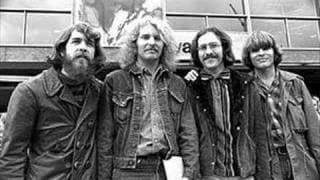
Fogerty wrote it after a hurricane scene in a 1941 film, then set the apocalypse to a cheerful rockabilly stomp.

Two men have never been better company on screen: Newman and Redford spend the film running out of frontier and enjoying each other far too much to panic.
Jake Holmes wrote it in 1967, the Yardbirds absorbed it, Page cut it at Olympic with a violin bow.
Young wrote it in bed with a 103-degree fever, and Crazy Horse stretched it to nine ragged minutes.

Freud sits on a wooden chair in three panels, wrenched out of shape and still unmistakably himself. Bacon painted his friend and rival.
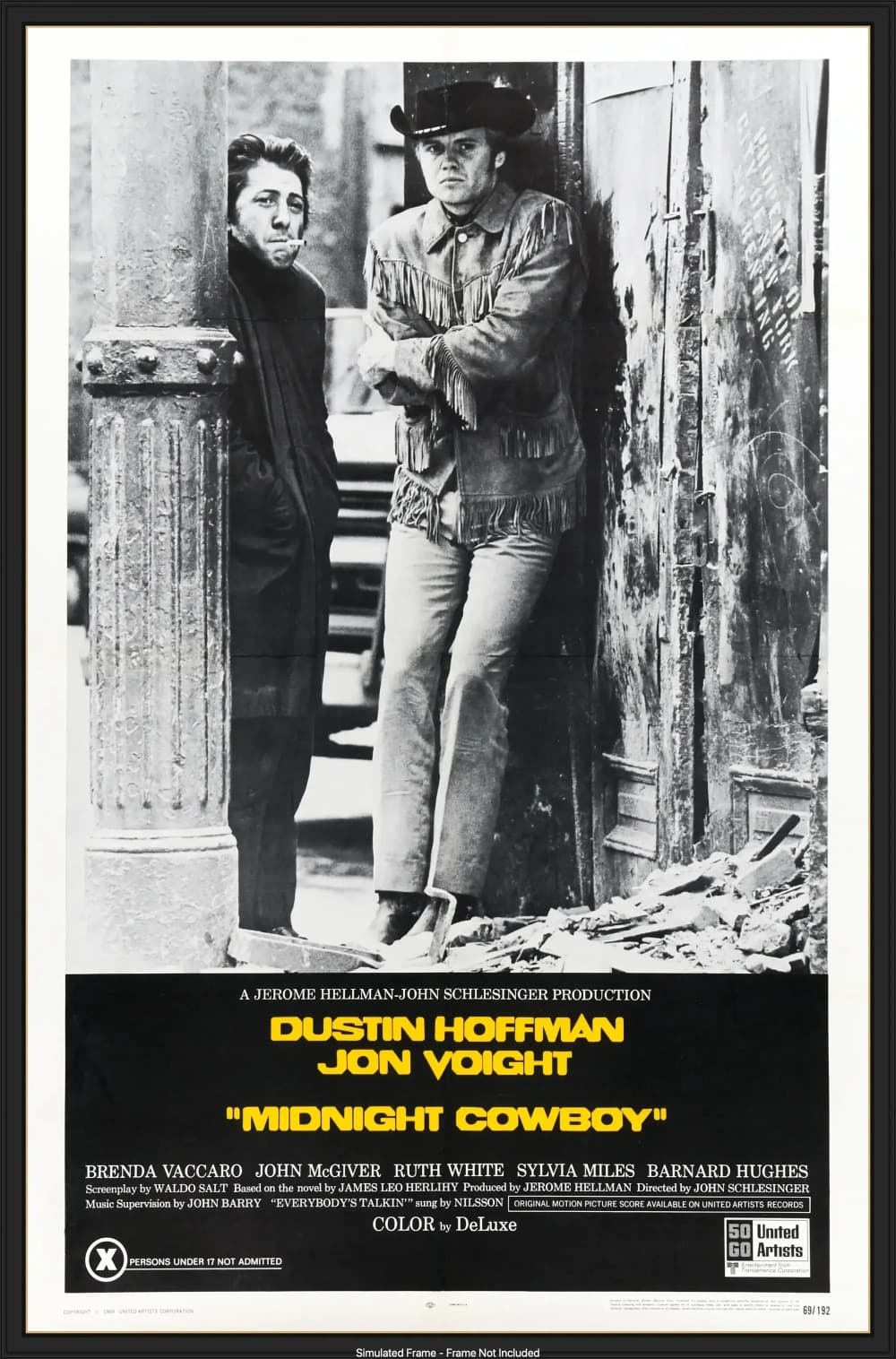
The only X-rated film that ever took Best Picture: a Texas hustler and an ailing con man share a condemned New York apartment, and the friendship is the whole thing.
Stills nailed the seven-minute basic track in one take, then all three sang into a single microphone.
An ironing board cover, charcoal from spent matches, and Berry Oakley's bass counting the intro in eleven menacing beats.
Written in Topanga during a 103-degree fever, double drop D tuning, and a solo that stays on one note.

The three of them first sang together in a living room and knew immediately. The house on the cover was demolished before they could reshoot it.

Springfield was so intimidated by the Memphis players that she could not sing in front of them. Her vocals were added later in New York.