good kid, m.A.A.d city
2012
Subtitled a short film, and the story runs in order across one day. The interludes are voicemails from his parents asking where the van is.
★ 8.6
 skopia
Subtitled a short film, and the story runs in order across one day. The interludes are voicemails from his parents asking where the van is.
Days before it came out, Ocean published an open letter about falling in love with a man, and then let the record speak.
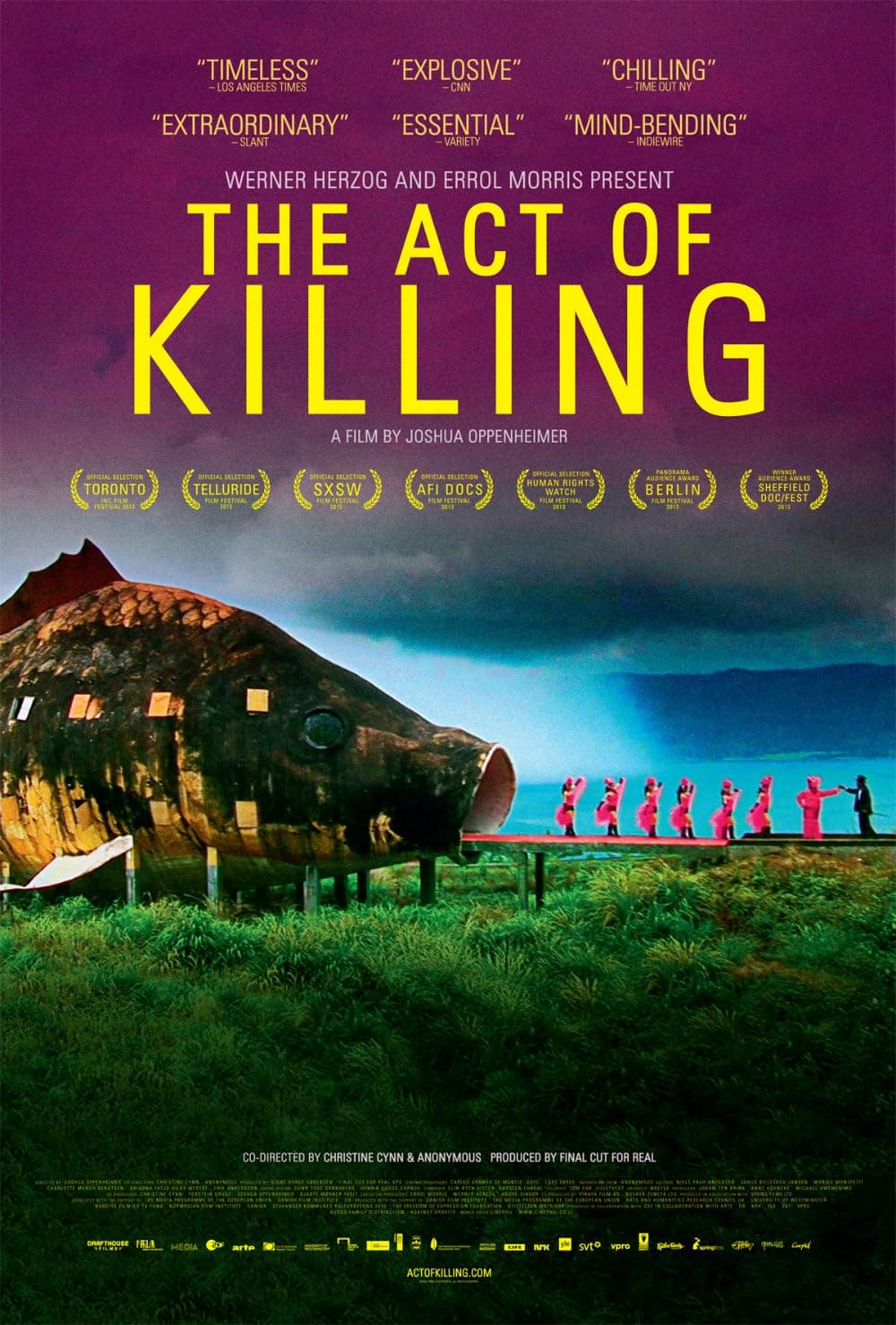
Oppenheimer asked the men who carried out Indonesia's mass killings to restage them as movie scenes, and they agreed gladly: no documentary has ever been braver or harder to sit through.
Sounwave and THC build the first half, Terrace Martin the second, and MC Eiht walks in from Compton's own past.
DJ Dahi slowed Beach House's guitar intro and ran it backwards, and Jay Rock's verse steals the whole record.
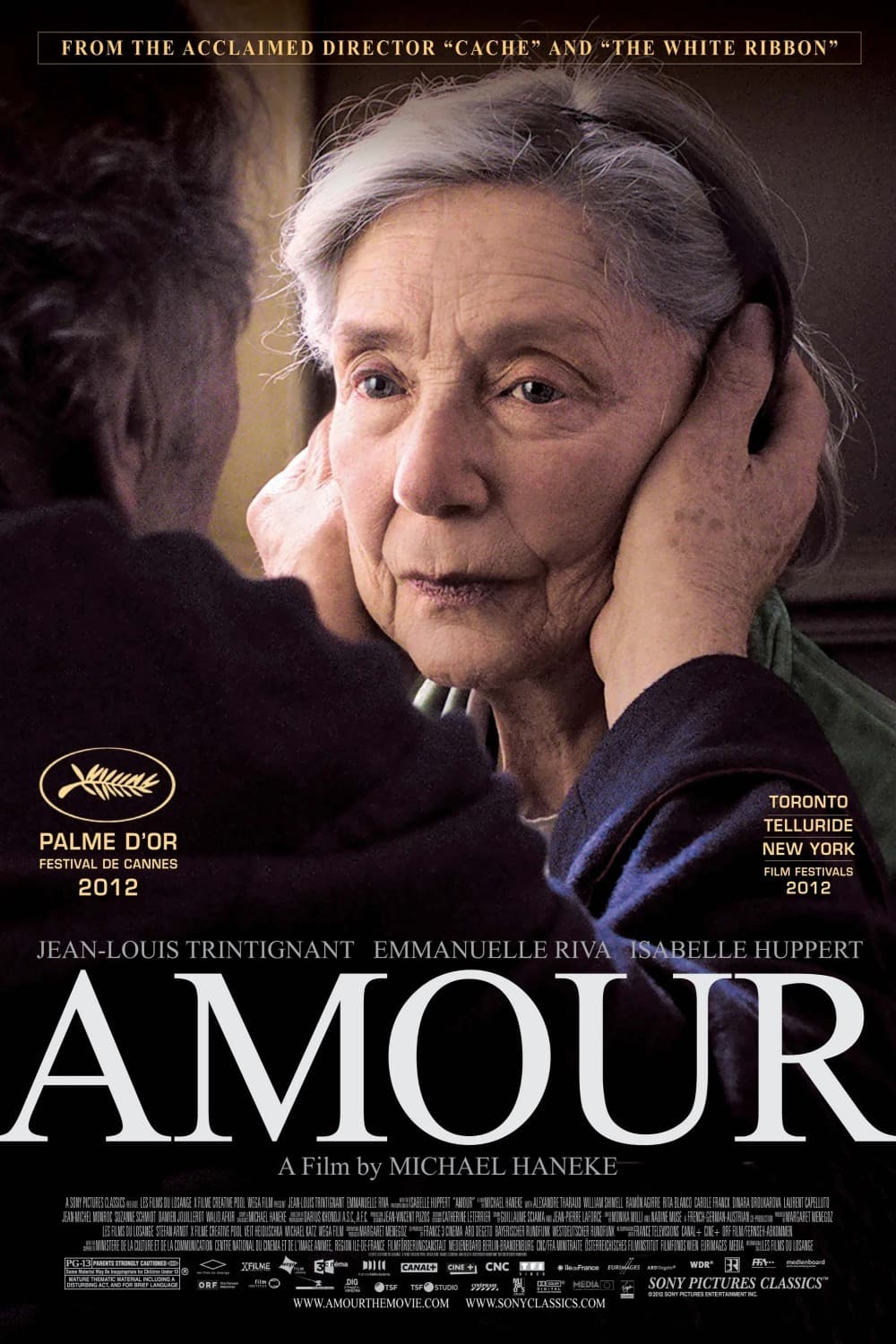
The film everyone should see once and nobody wants to see twice: Haneke barely leaves one Paris apartment while a marriage of decades reaches its last stretch.
Ocean wrote it for Bridget Kelly's album, kept it instead, and the falsetto he reaches for does the rest.
T-Minus made the beat for Trey Songz, who passed; Lamar turned the rejected demo into a study of addiction.
Cleopatra dragged into the present, two halves hinged on a midpoint beat switch, and John Mayer's uncredited closing solo.
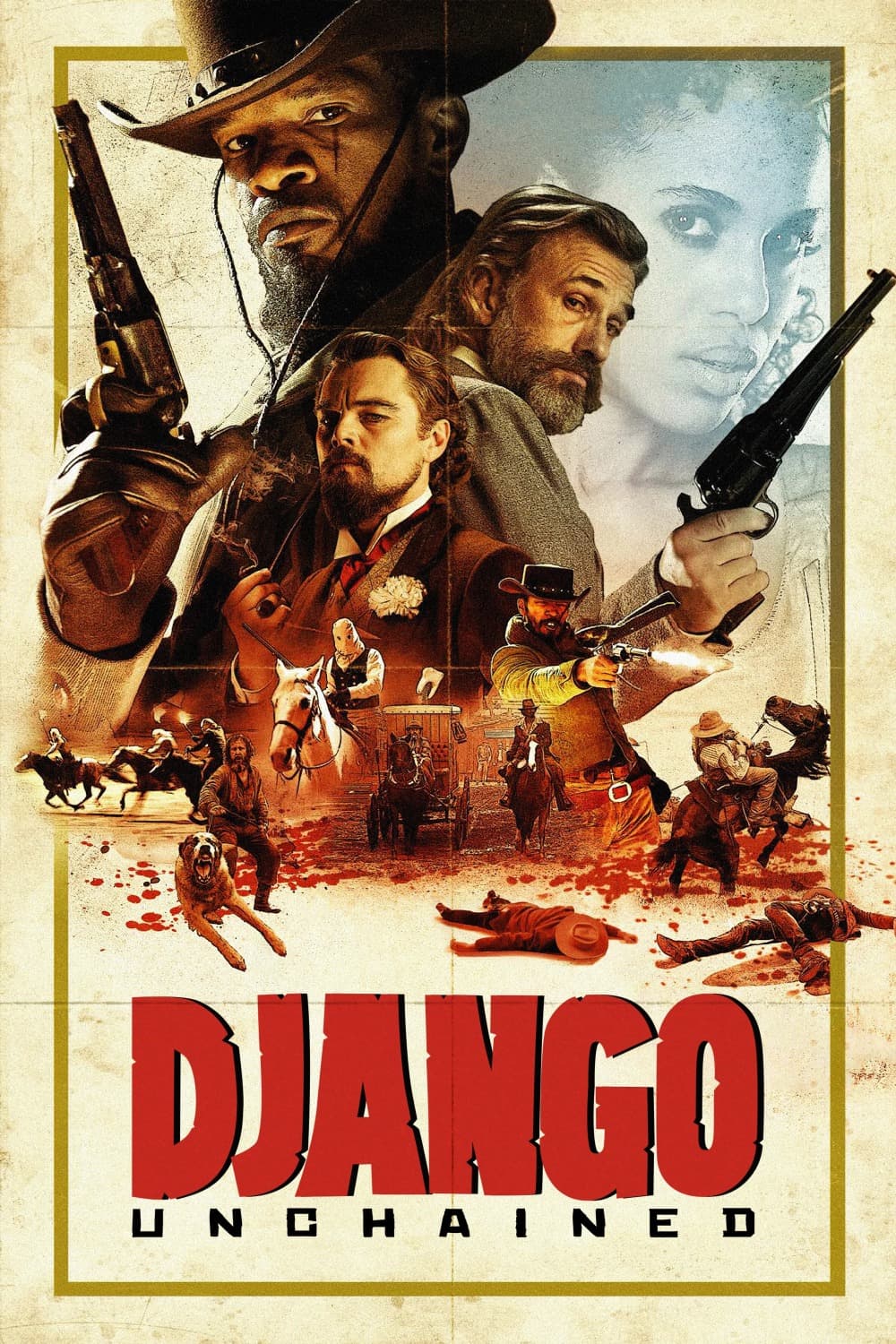
Tarantino turned American slavery into a spaghetti western and got away with it: a freed slave rides with a German bounty hunter, and the dialogue never stops crackling.
Bigelow filmed a decade-long manhunt as pure procedure and let the audience sit with what it cost: the torture scenes started an argument that has never been settled.
Doc McKinney and Illangelo built the guitar figure and the fog; Tesfaye gave away House of Balloons for free.
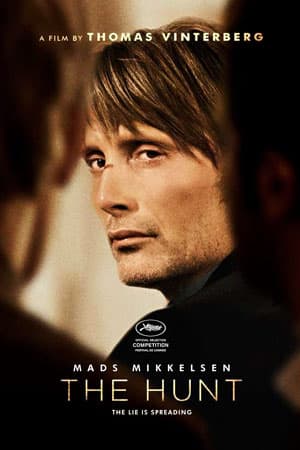
Few films are this hard to endure: a kindergarten teacher is accused of something he did not do, and Vinterberg shows how fast a village makes up its mind.
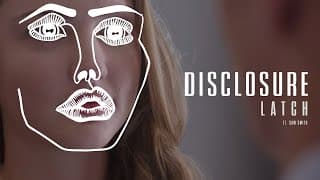
Too weird for radio, not clubby enough for clubs, by the duo's own reckoning; Sam Smith's falsetto settled it.
A wobble bass drop grafted onto a country breakup song, and Swift's full move to pop became inevitable.

Three years of humiliation as Kennedy's vice president, then Dallas, and Johnson seizes a stunned government. Caro tracks it week by week to the civil rights bill the South had blocked for decades.

Clark reconstructs the July crisis of 1914 and finds no villain, only leaders watchful but unseeing, each rational step carrying Europe closer. He reopened the fiercest fight over war guilt in decades.

Boo spent three years in Annawadi, a slum beside the Mumbai airport, following a teenage garbage trader, a woman scheming her way to power, and the neighbor whose self-immolation puts them on trial.
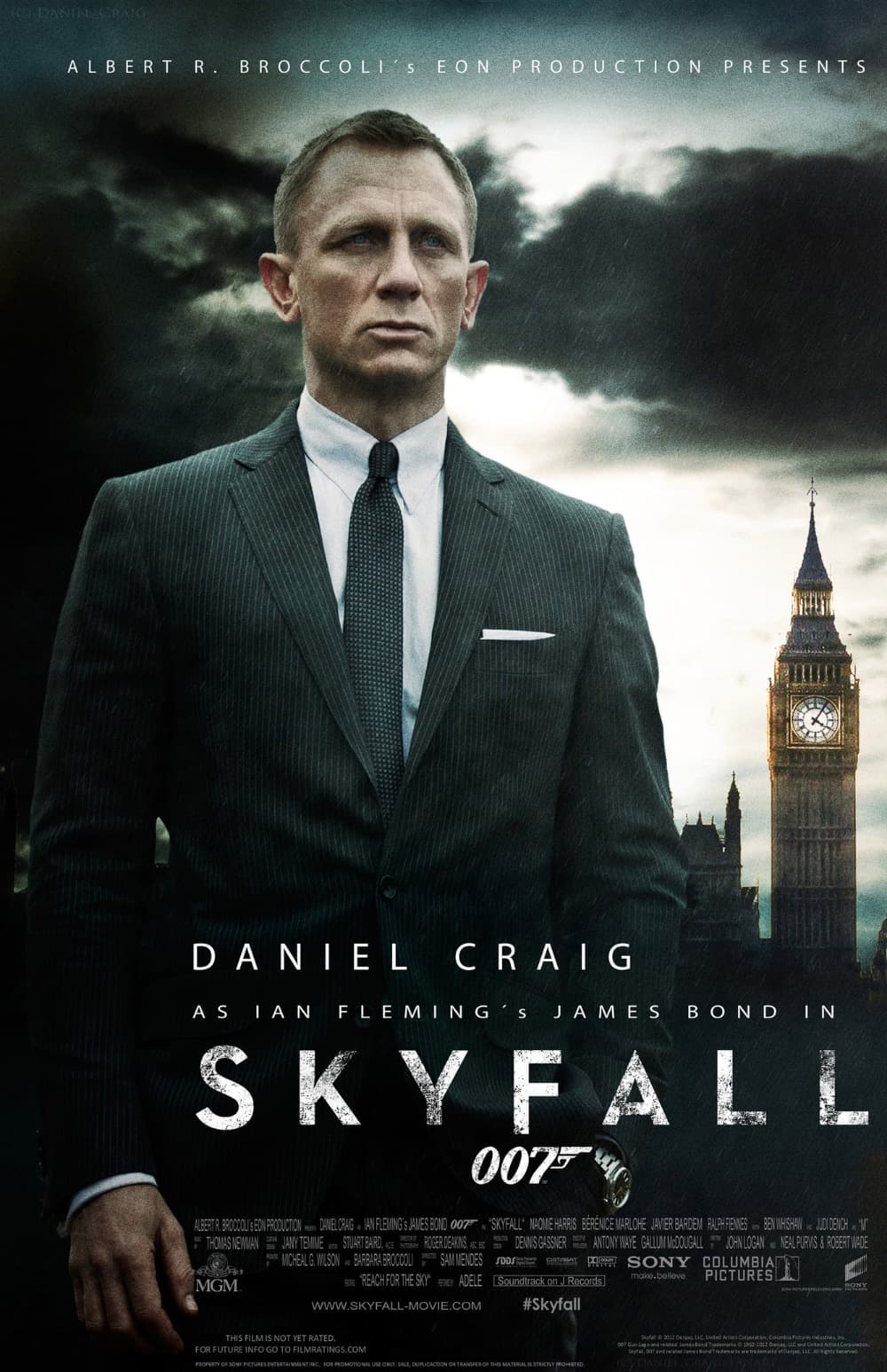
Roger Deakins photographed a James Bond film and the series has never looked the same: the Shanghai fight plays out in silhouette against neon, and the plot finally asks what Bond is for.
Projected onto sixty-six buildings worldwide before anyone had heard it, with Frank Ocean closing over a Hungarian prog sample.
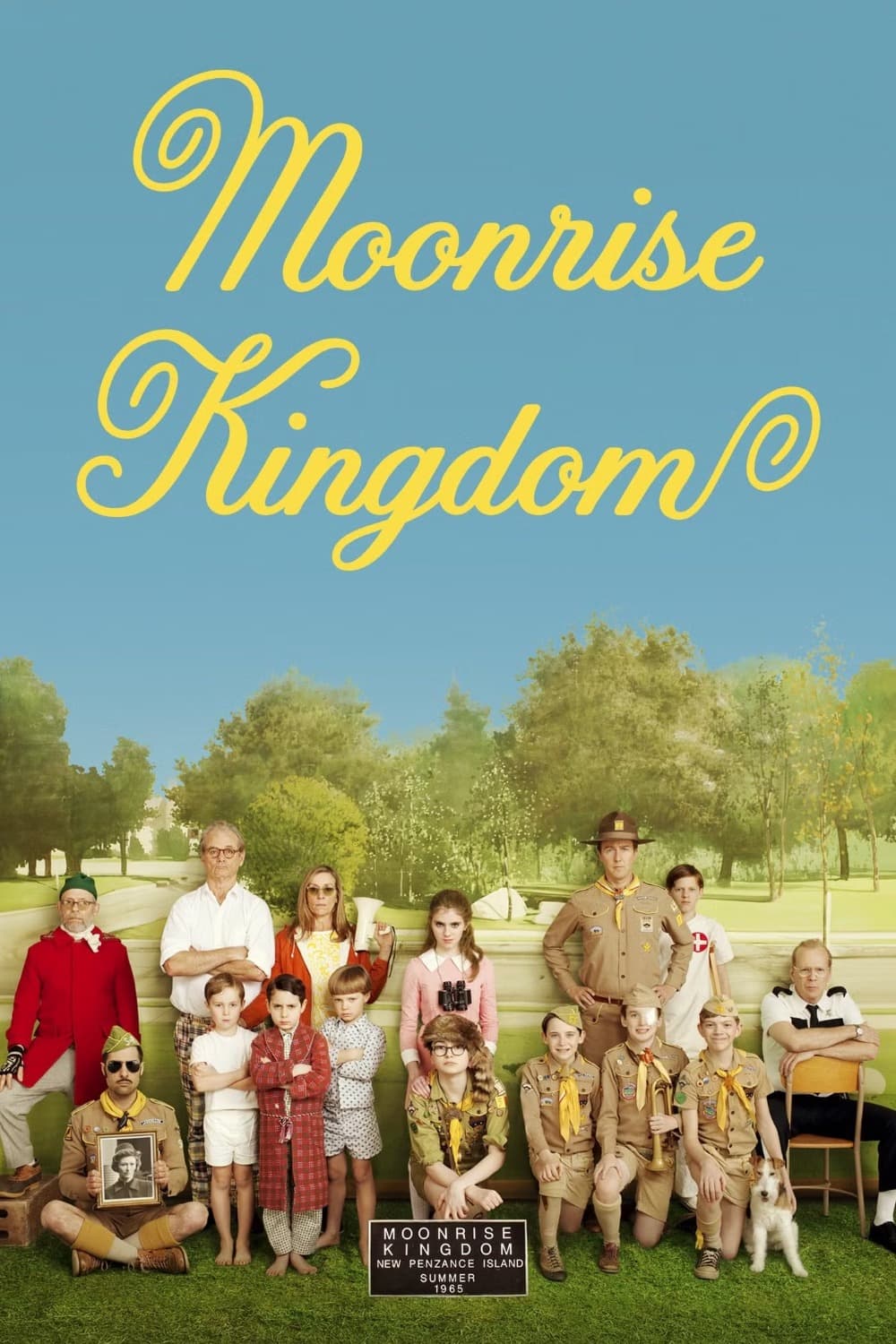
Twelve-year-olds run away together across a New England island in 1965: Wes Anderson's warmest film, and the adults chasing them are lonelier than the children they are trying to catch.
Twenty-five minutes with Max Martin and Shellback, by Swift's account, and her first Hot 100 number one followed.
Two labels rejected Cedric Gervais's remix; Radio 1 played it anyway, and the remix took a Grammy and number six.
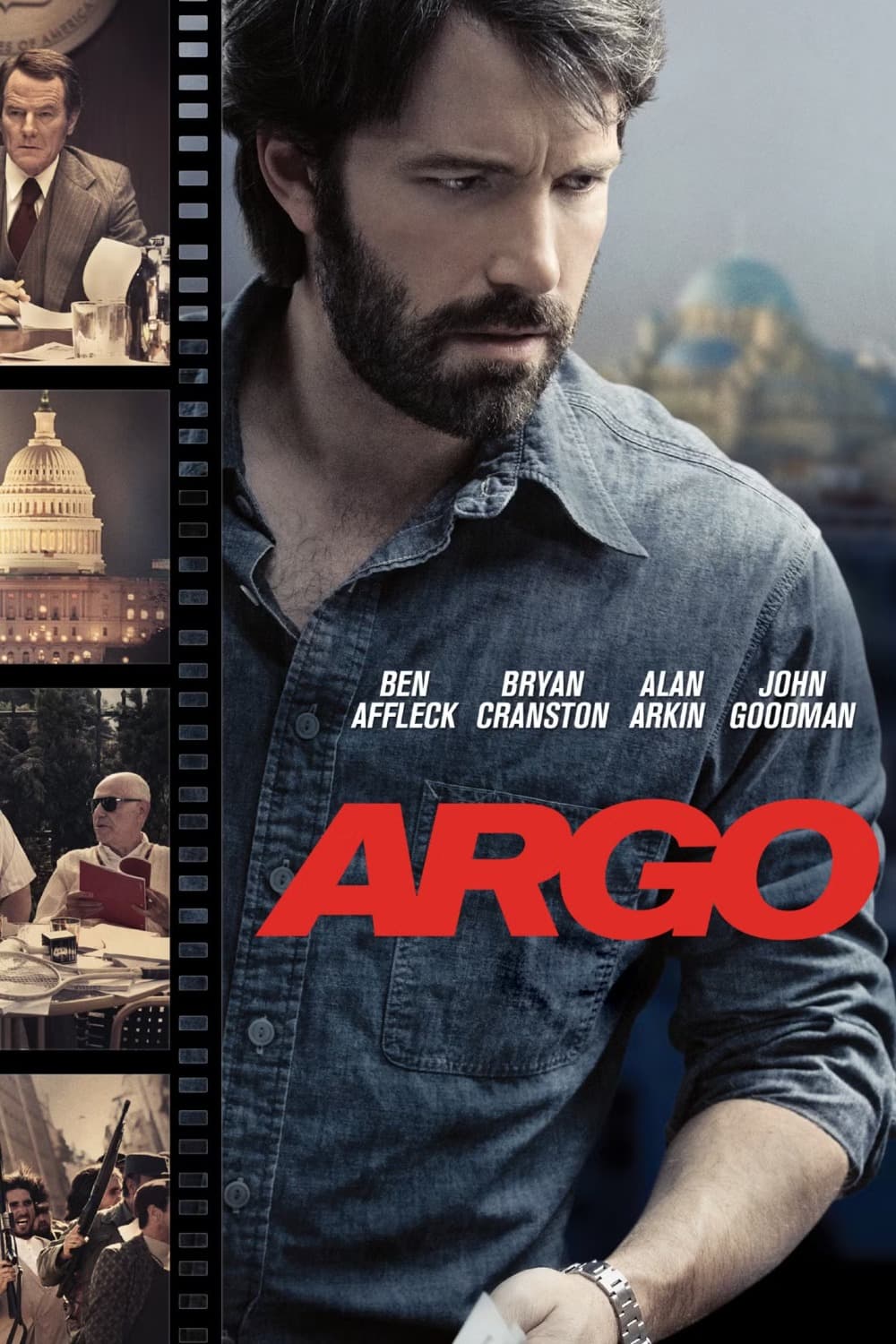
The CIA really did produce a fake science fiction movie to get six Americans out of Tehran, and kept it classified until 1997: Affleck plays the operation completely straight.
Scoop DeVille built it from Janet Jackson's "Any Time, Any Place", heard on the studio radio, and Drake glides in.
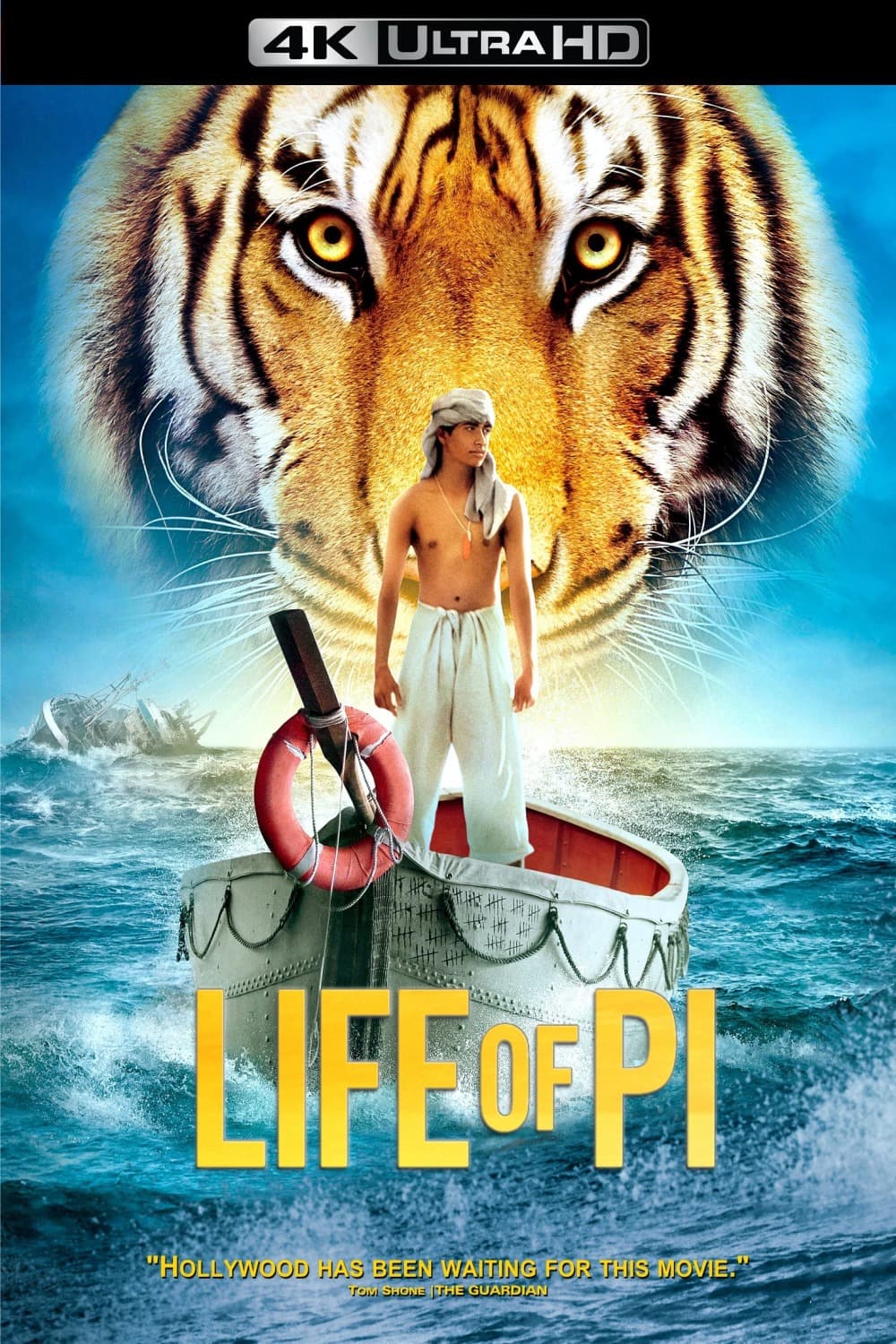
The tiger is almost entirely digital and you will not be able to tell: Ang Lee made the most beautiful 3D film there is, about a boy sharing a lifeboat with a predator.
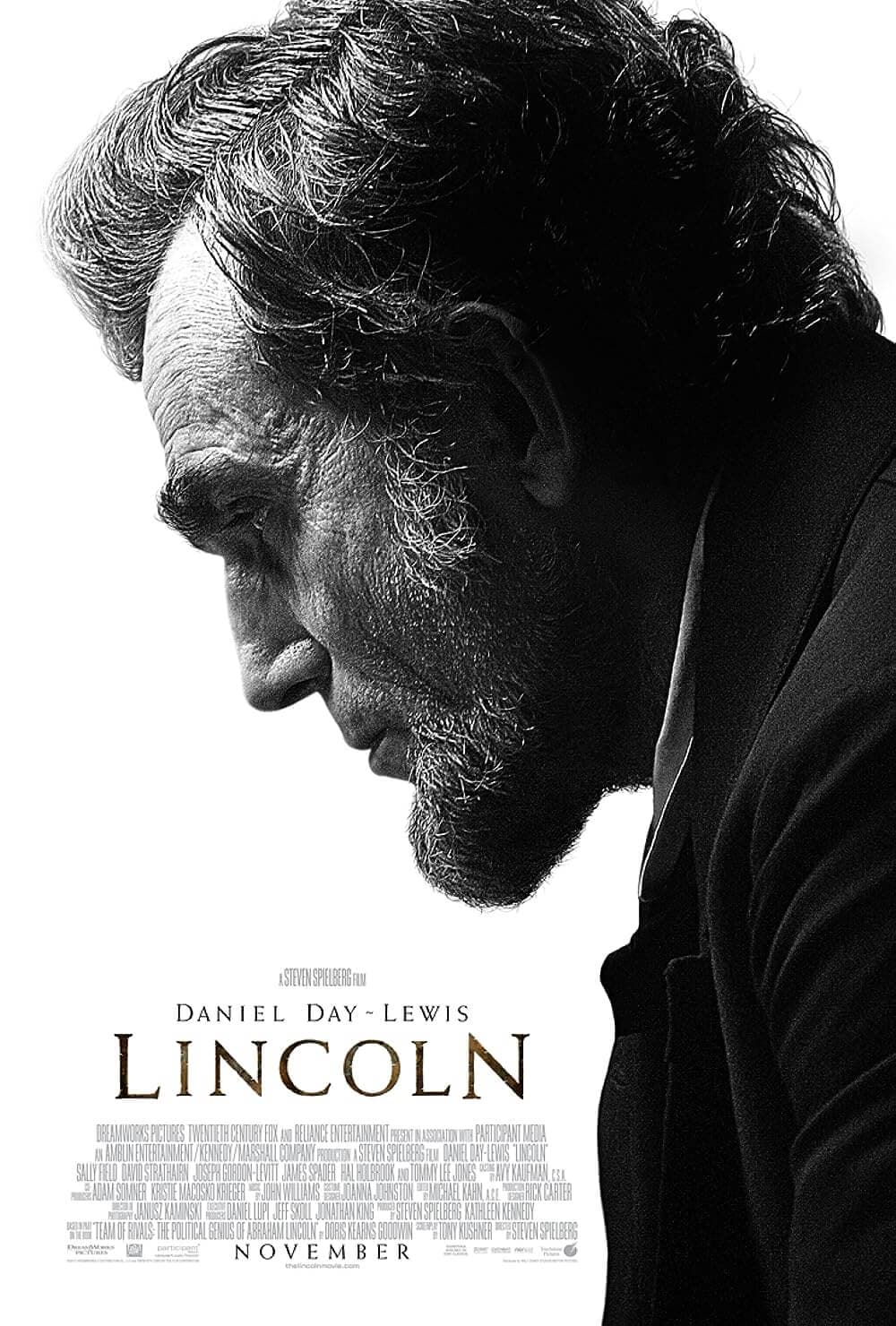
Day-Lewis found a high, reedy voice for Lincoln because the historical accounts describe one: Spielberg and Tony Kushner build a whole film out of counting votes for the Thirteenth Amendment.
An old dancehall toast opens it, the beat switches mid-song, and 2 Chainz walks off with the whole posse cut.
A pun on two Marys, overheard from a co-writer's mother, seeded a debut single that won a Grammy.
Greg Kurstin's four-on-the-floor and mid-nineties Erasure worship turned the Quins into a dance-chart number one.
Four Alabama day-jobbers paid for their own sessions at a Nashville home studio, and Rolling Stone named it 2012's best.
Del Rey wrote it with Emile Haynie and Dan Heath, then sings a doomed vow over surf guitar and strings.
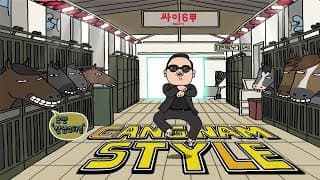
First video on YouTube to pass a billion views, built on a horse dance Psy worked out over thirty nights.

No more passionate voice ever sounded in twentieth-century Russian poetry, the poet Brodsky said of Tsvetaeva. She came back from exile to Stalin's Russia, where the secret police took her husband and daughter.
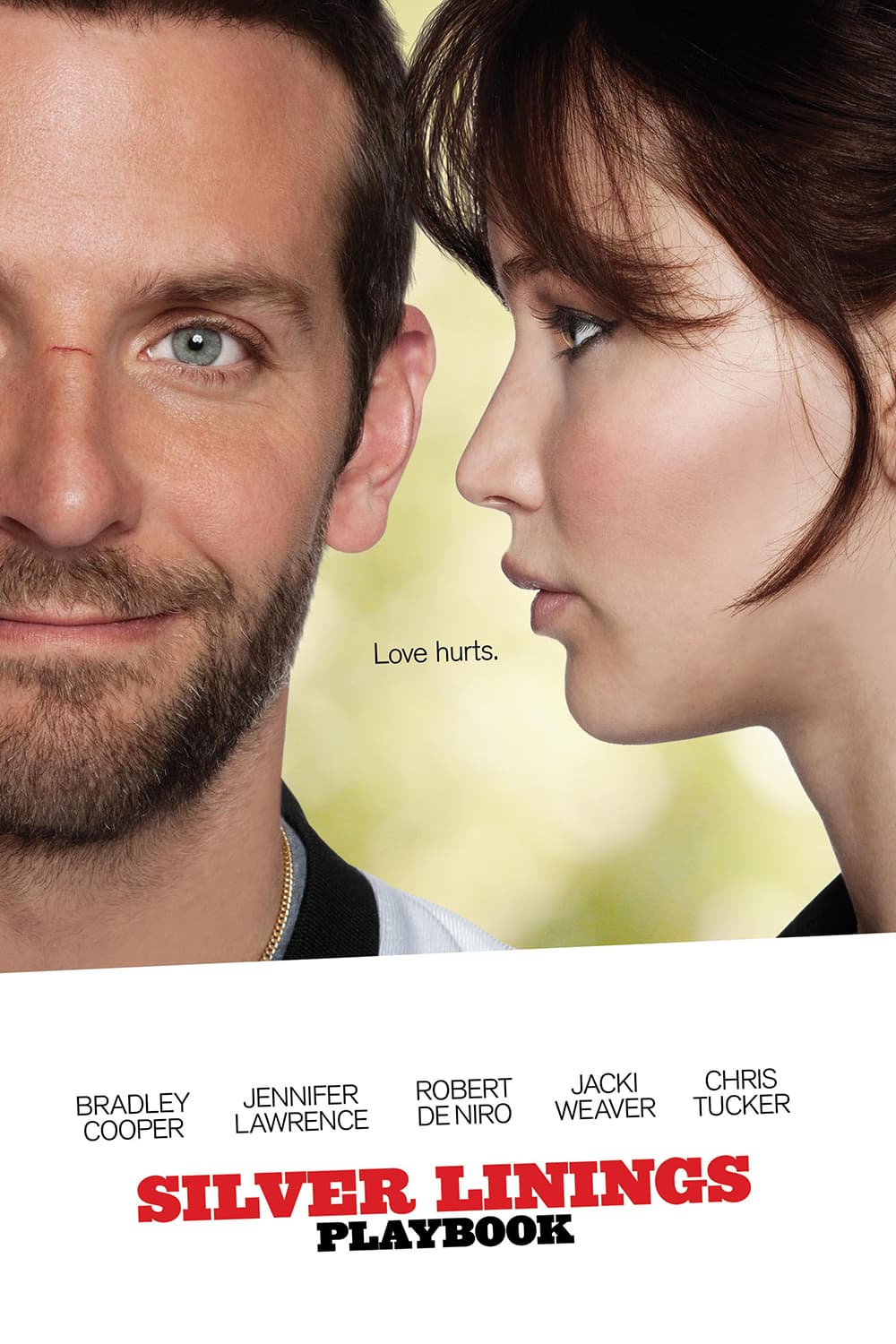
A widow and a man just out of a state hospital strike a deal: David O. Russell keeps the camera close enough to be uncomfortable, and Jennifer Lawrence shot it at twenty-one.
A folk song on tour until Josh Ramsay poppified it, then nine weeks at the top of the Hot 100.
Mike Mogis produced it; the Söderberg sisters name Gram and Emmylou, June and Johnny, and sing harmony like devotion.
Voice and piano, nothing else, Mars playing it himself at Levcon and singing a regret he cannot take back.
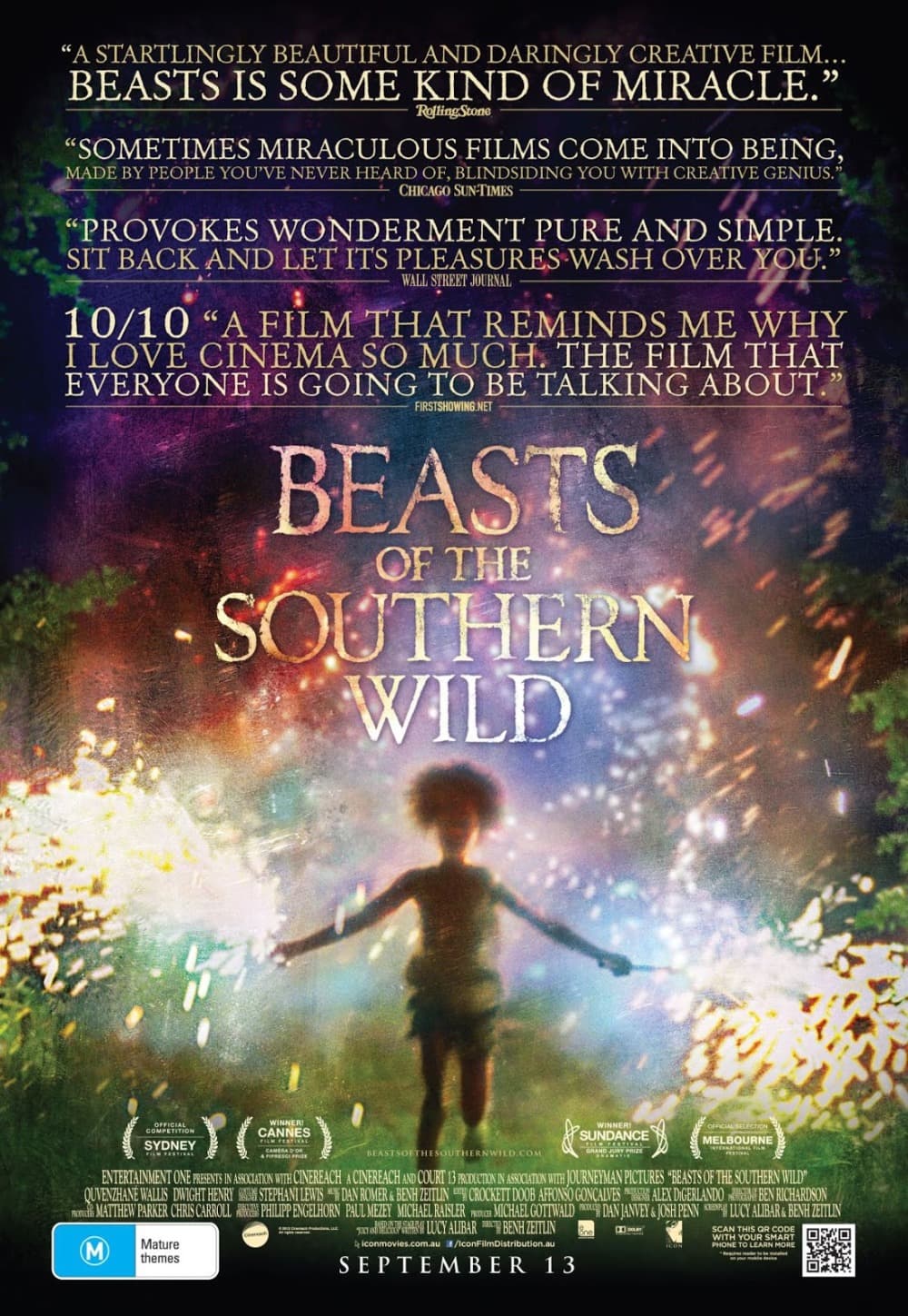
Quvenzhane Wallis was five when she auditioned and became the youngest Best Actress nominee ever: a bayou community below the levee refuses to leave, filmed like a child's own mythology.
Cut in the trio's Glasgow basement studio, sibling estrangement wrapped in synth glitter and Mayberry's bright clean vocal.
Mercer wrote it in his living room about his marriage, with Greg Kurstin on guitars, Mellotron and piano.
Charli XCX passed on her own demo; Icona Pop roughed it up, and HBO's Girls did the rest.
Michel Zitron lifted the chorus line straight from his father, John Martin sang it, and the trio had its farewell.
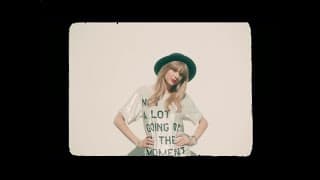
An acoustic guitar riff opens it, then Max Martin and Shellback's synthesizers turn a birthday into a full night out.
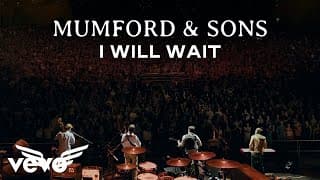
Markus Dravs produced Babel; the video was shot at Red Rocks, banjo running flat out under a vow.
Byrne argues that music is written backward from the room it will fill, cathedral or CBGB. He works outward through recording, technology and money, explaining everything that shapes what reaches your ear.
Nietzsche by way of a co-writer's mother, Greg Kurstin's production, and Clarkson's third number one.
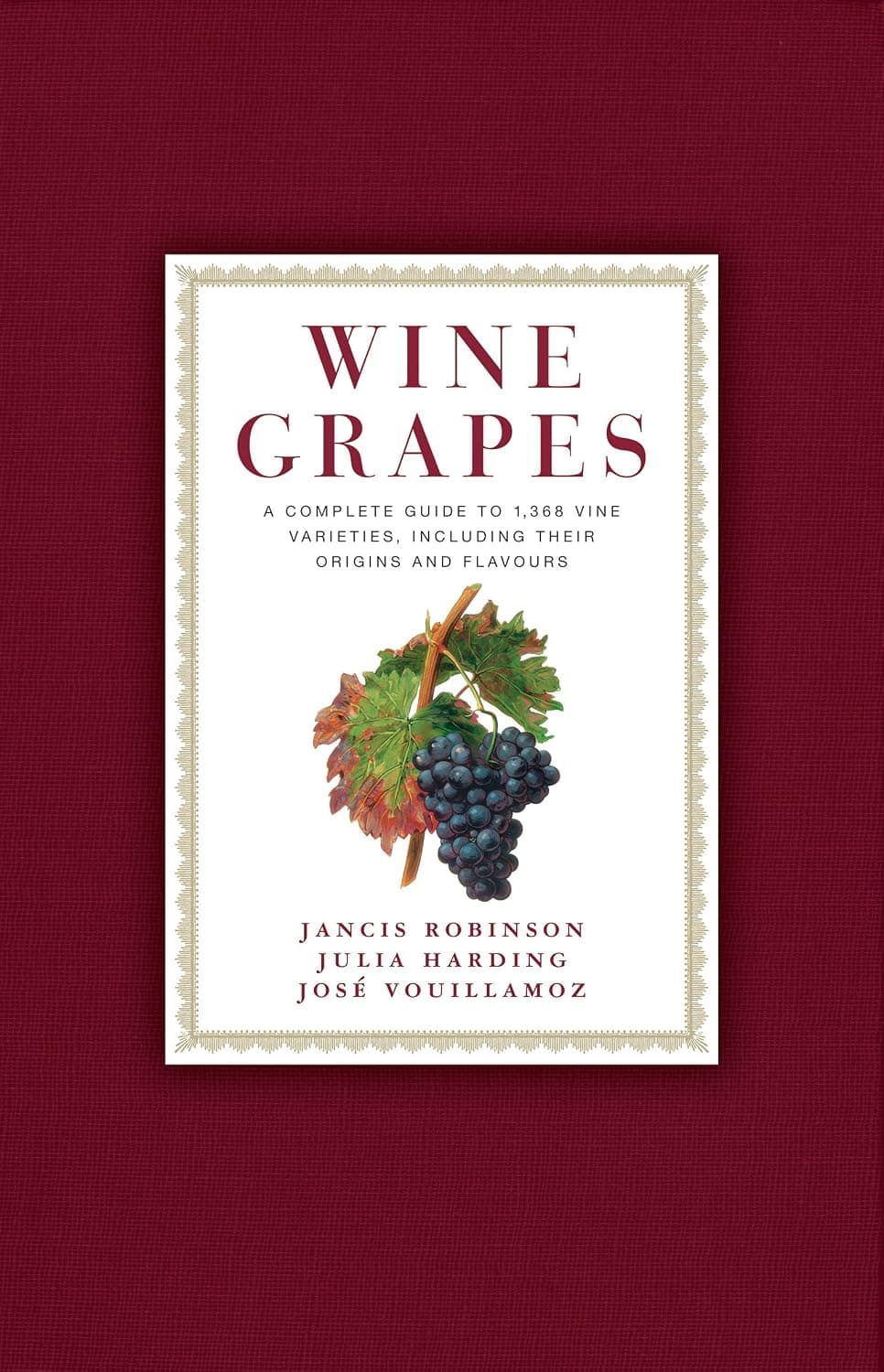
Every grape that makes wine, 1,368 of them, traced by DNA to its parents and described by flavor. Zinfandel is revealed as a Croatian vine, and Sauvignon Blanc descends from Savagnin.
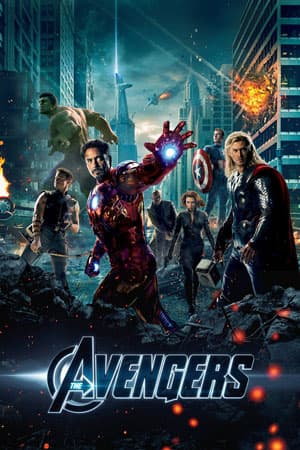
Five years of separate films paid off in one: nobody had tried a shared universe at this scale, and the circling shot of the assembled team explains why every studio copied it.
Cut to 24-track analog tape at Sonic Ranch in Texas, gauzy organ, Legrand singing a relationship dissolving.
Angelakos built each verse from a man in his own family who immigrated, then set financial ruin to synths.
Ester Dean's hook borrows Geoff Mack's 1959 I've Been Everywhere; Calvin Harris and Dr. Luke supply the drop.
A looping saxophone, a software test engineer named Wanz on the hook, and six weeks atop the Hot 100.

Stephen Chbosky wrote the novel, wrote the screenplay and directed it himself, which almost never works: a freshman is taken up by two seniors, and the tunnel scene earned its reputation.
Beats emailed from Montreal to Halifax, and James turning anatomy into a love language over Roddick's synths.
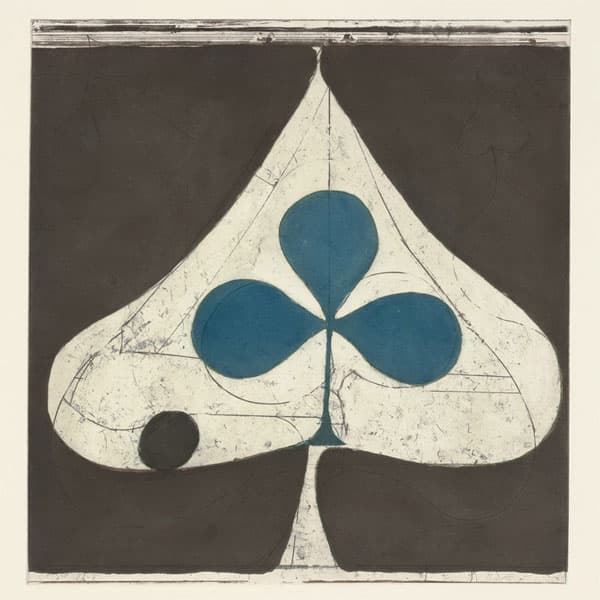
They threw away a year's work and began again. All four of them write, which is why nothing quite resolves the way you expect.
Twenty-four weeks atop the country chart, a Nelly remix, and the first country single ever certified diamond.
Ruess wanted a hip hop producer and Paul Simon's harmonies; the sleeper took seven months to reach number three.
Schultz wrote those shouts to snap indifferent Brooklyn crowds to attention; the record sat sixty-two weeks on the Hot 100.
Three sisters gave this away as a free download in February 2012; NME named it the year's fourth best track.
Written for her own concert film with Max Martin and Dr. Luke, it climbed to number two in America.
You can't just sit there and put everybody's lives ahead of yours and think it counts as love.
Richard Linklater put it in Boyhood and its trailer, and the Keefe brothers' harmony now sounds like growing up.
As he read, I fell in love the way you fall asleep: slowly, and then all at once.
Freedom is life's great lie. Once you accept that, in your heart, you will know peace.
RedOne, Carl Falk and Rami Yacoub behind the board, Minaj's vocals cut at Conway, diamond certified in America.
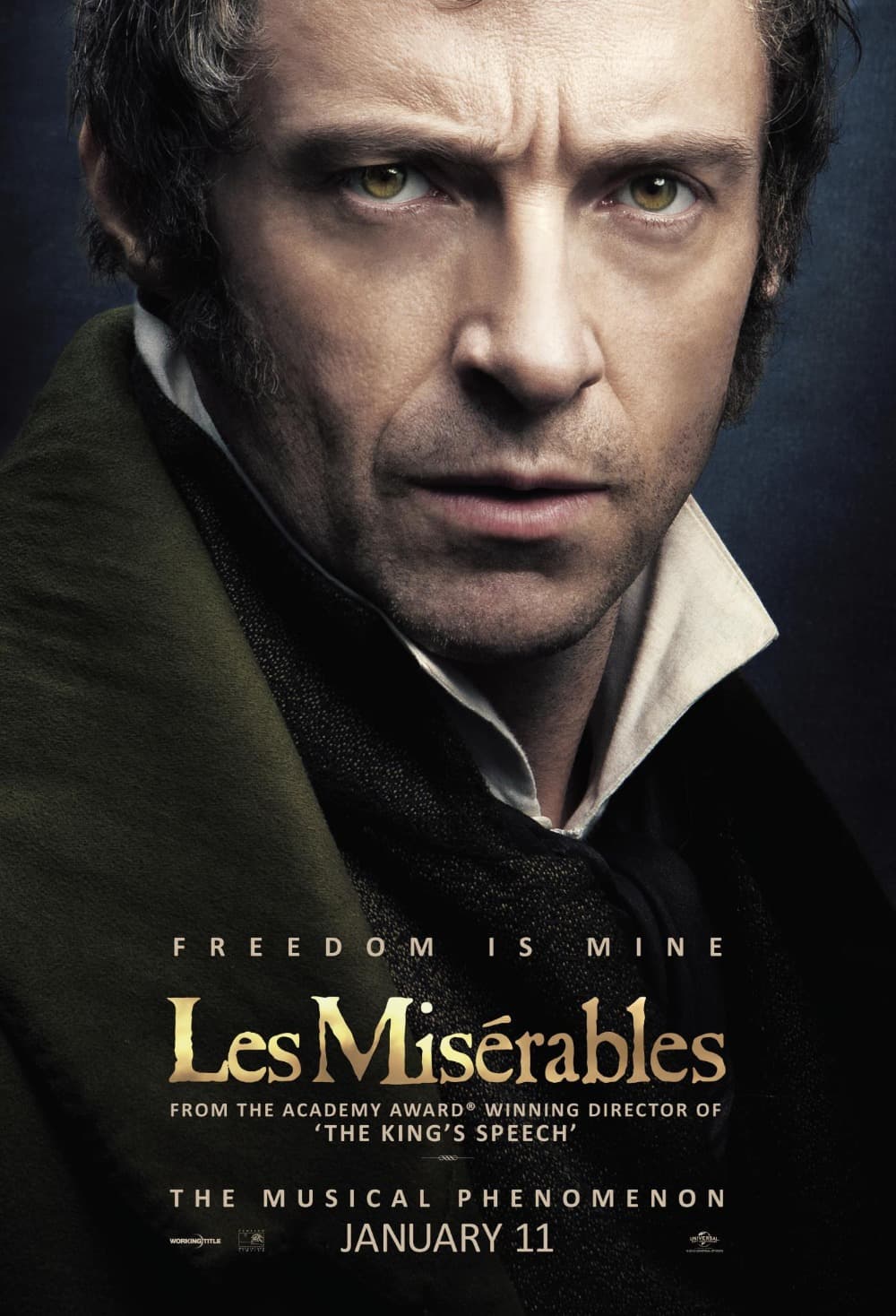
Every note was sung live on set instead of lip-synced to a recording, which nobody had attempted at this scale: the camera sits inches from faces the entire time.
Roddick emailed tracks from Montreal to James in Halifax, and the album took its title from this song's lyric.

Josh Alexander played every instrument on it, and Billy Steinberg's melodic instincts date back to Like a Virgin.
Rosenberg cut it in a Sydney studio with Australian session players, and a Dutch fan's email set it loose.
Clarkson wrote it for the ten-year mark since Idol, and the chorus lands like someone taking stock mid-sprint.
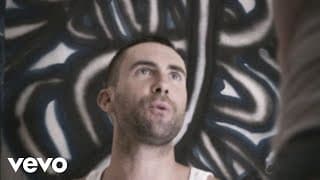
Nine weeks at number one, Maroon 5's longest Hot 100 reign, and a reggae lilt under the ache.
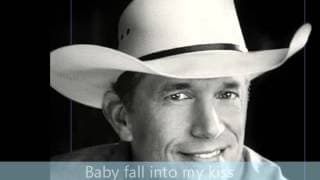
A fan campaign called 60 for 60 pushed it to a Mediabase number one, Strait's sixtieth, at sixty.