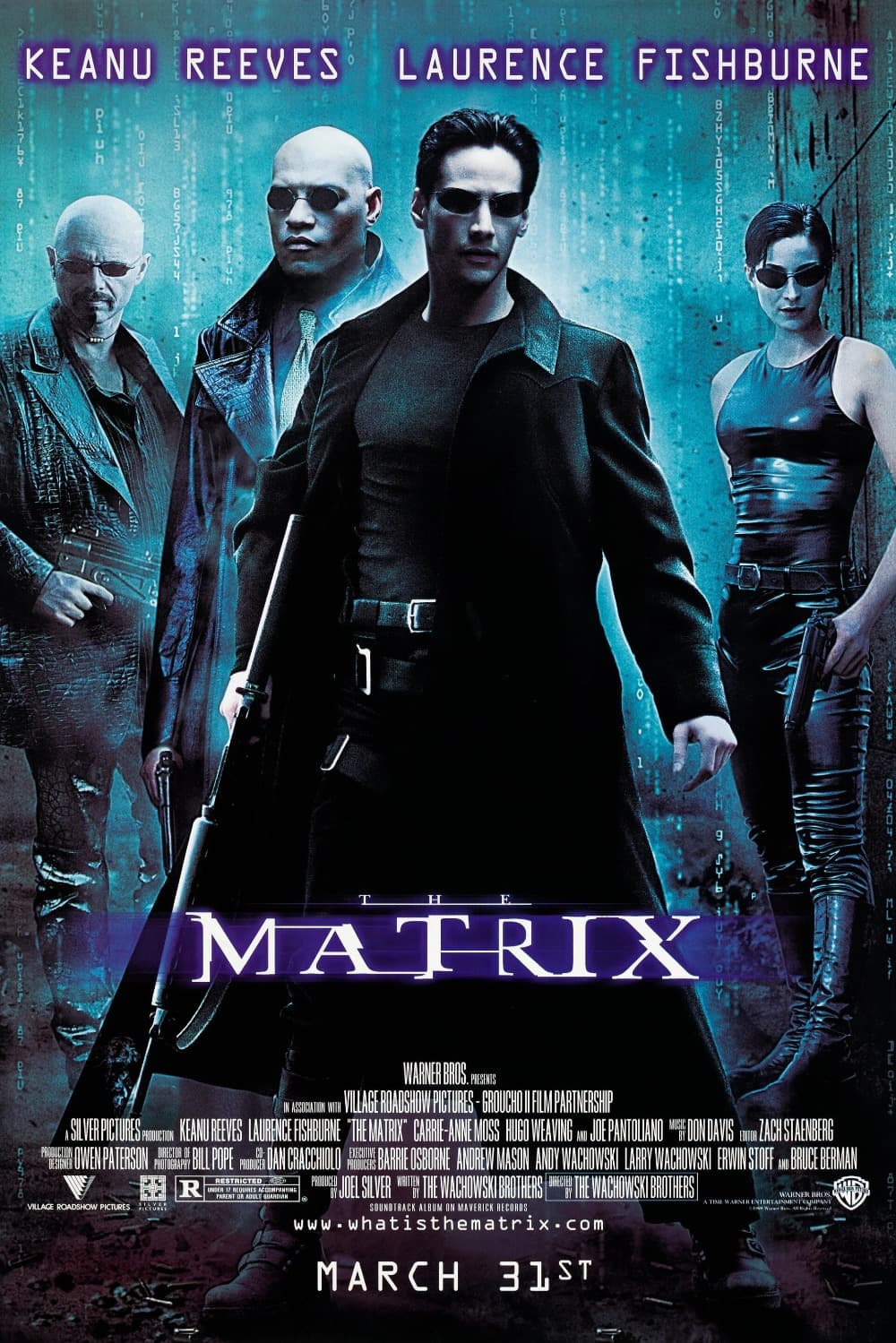
The Matrix
Directed by The Wachowskis
1999
Action filmmaking divides neatly into before and after this one: the Wachowskis fused Hong Kong wire work with a philosophy seminar's premise and everyone spent five years copying it.
★ 8.9
 skopia
Action filmmaking divides neatly into before and after this one: the Wachowskis fused Hong Kong wire work with a philosophy seminar's premise and everyone spent five years copying it.
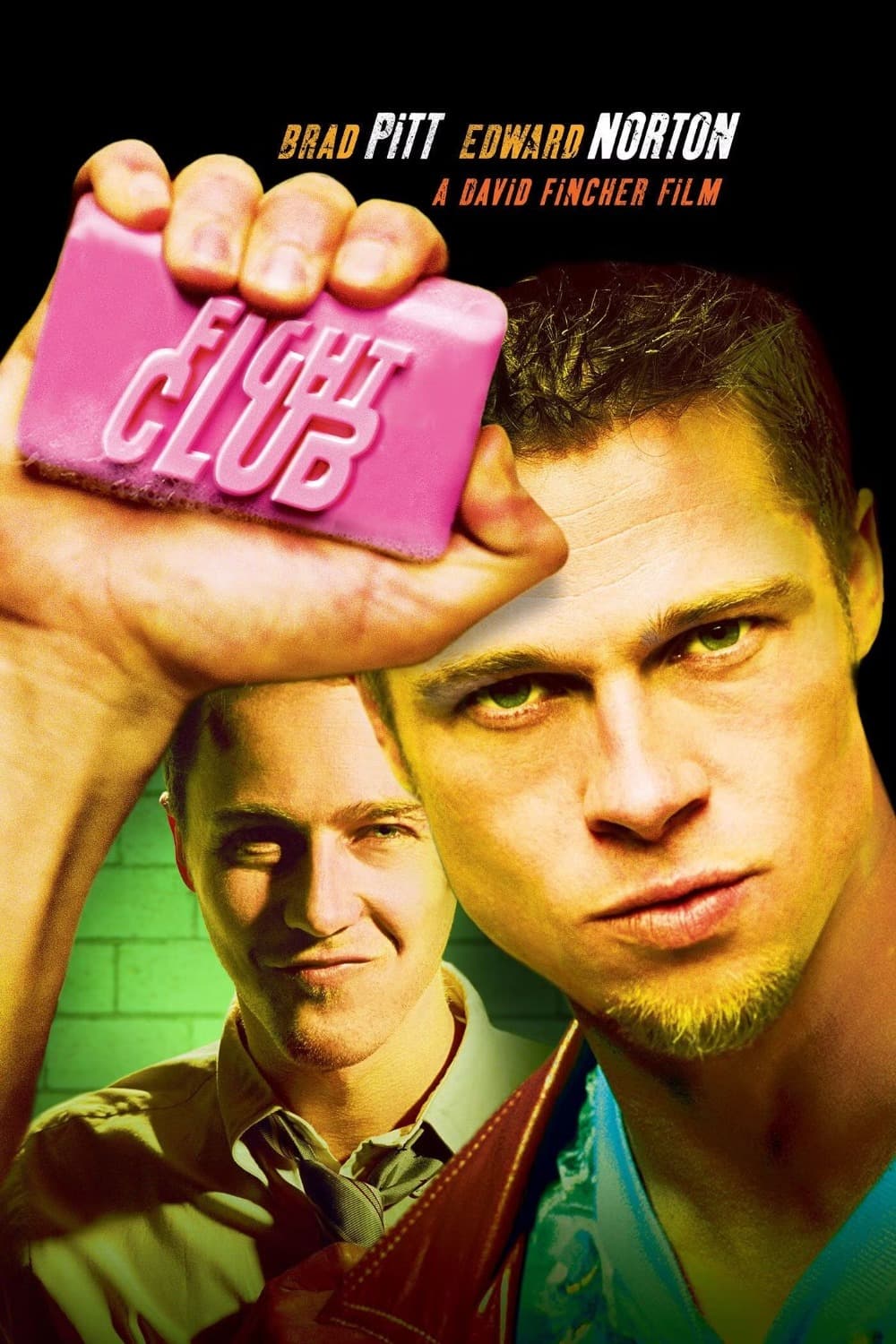
Twenty-five years of argument have still not settled what it is actually saying: Fincher made consumer despair look genuinely thrilling, which is either the joke or the problem.
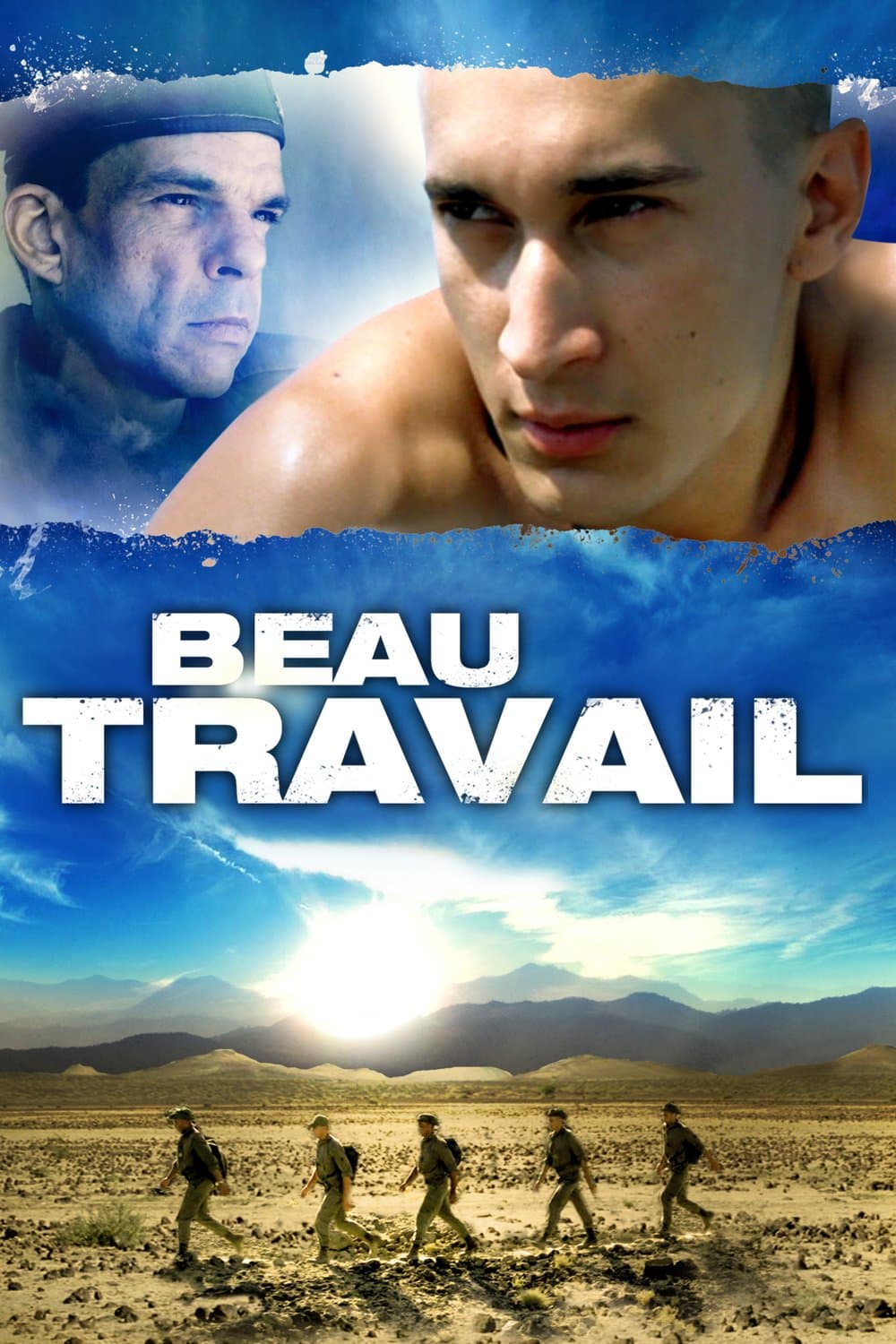
Denis turned Melville's Billy Budd into something closer to dance than to drama: Foreign Legionnaires drilling in the Djibouti heat, all bodies and sun and things nobody will say.
Jay-Z wrote every line of it, Scott Storch played the piano figure, and Dre's seven-year album silence ended.
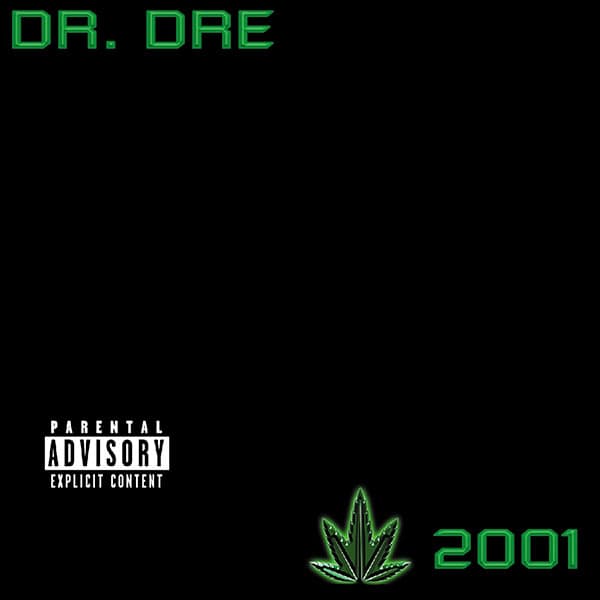
Dre hired live musicians instead of sampling, and had Jay-Z write the words to Still D.R.E. for him. Eminem turns up throughout.
Rodney Jerkins chopped the beat into stop-start halves, and a phone call full of suspicion became two Grammys.
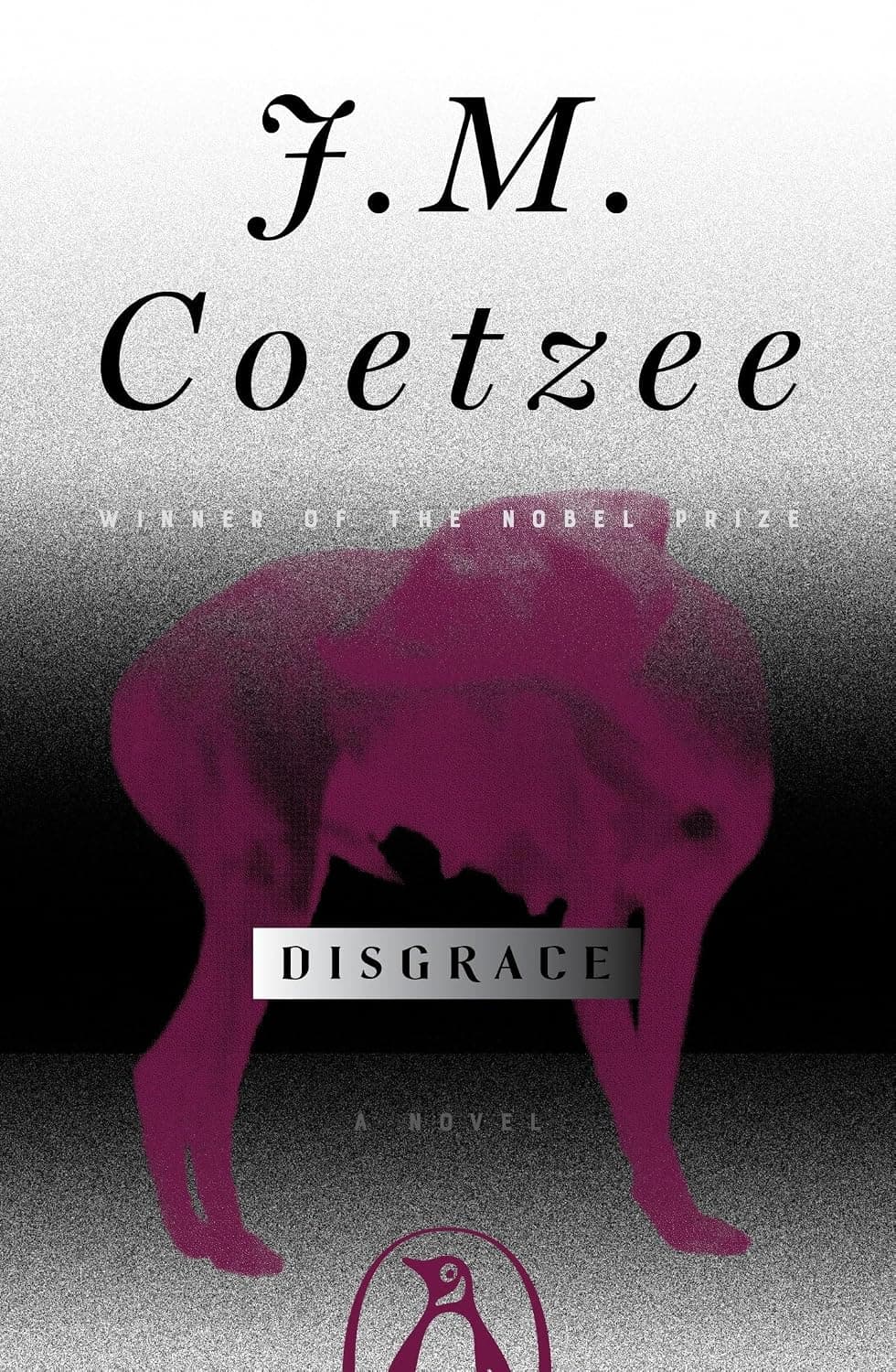
David Lurie loses his professorship over an affair with a student and retreats to his daughter's farm in the new South Africa, where three men arrive. Coetzee offers no comfort and no absolution.
Dre and Mel-Man built it on a David McCallum orchestral cut from 1967, arranged by Axelrod, and Nate Dogg closes.

Timbaland looped a flute from a 1957 Egyptian record, and Pimp C nearly turned the beat down for sounding pop.
Mannie Fresh's violin line over a bounce beat, Lil Wayne's chant at the close, and New Orleans bounce gone national.
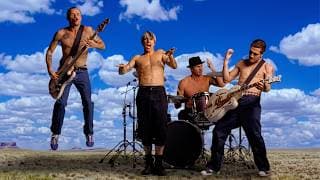
Frusciante drew the sparse riff from The Cure's "Carnage Visors" on his first album back, and Kiedis indicts Hollywood.
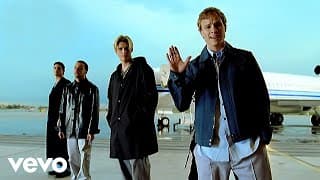
Cut at Cheiron in Stockholm with a chorus that contradicts its verses; the coherent version got shelved.
Jill Scott's hook, re-sung by Badu at the label's request, and Questlove driving the outro into drum and bass.
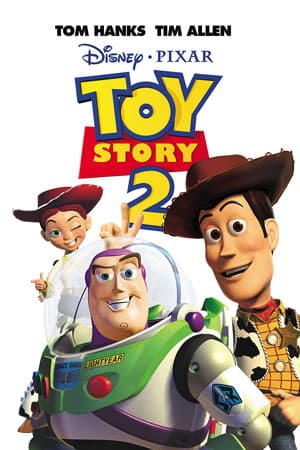
Pixar scrapped the whole film and rebuilt it in nine months, and it came out better than expected: the song about being outgrown is what people remember.
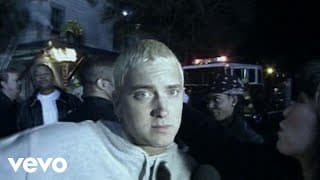
Eminem wrote the verses as a reference for Snoop Dogg, by Dre's account, and Dre kept the guide vocal.
I don't have a girlfriend, I just know a girl who would get really mad if she heard me say that.
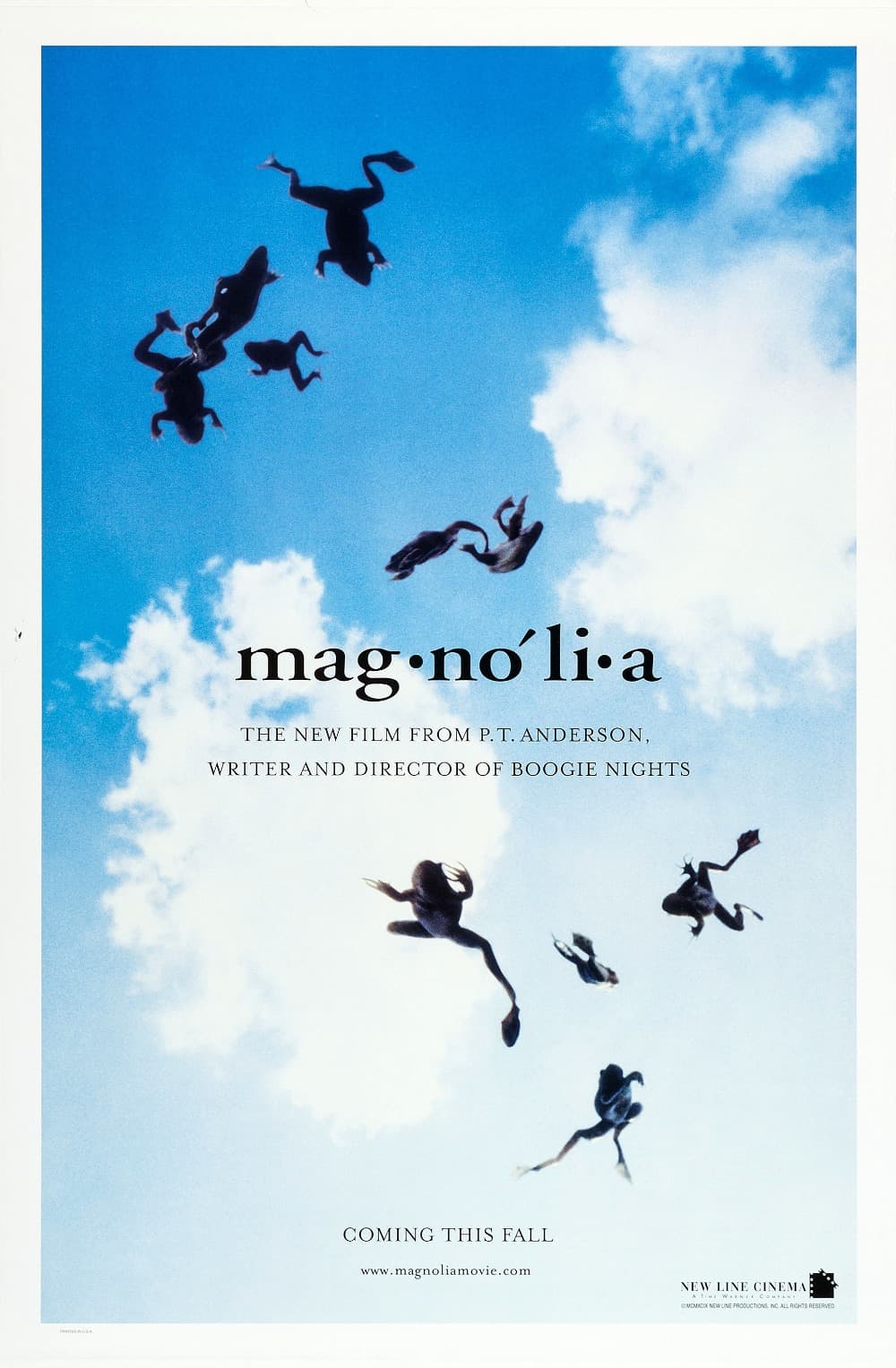
Three hours, nine storylines, and a last act nobody sees coming: Anderson made the most ambitious American film of the nineties and dared it to collapse under itself.
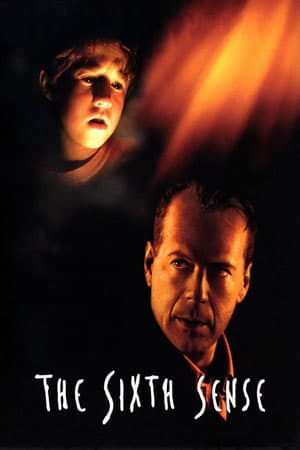
The ending changed how an entire generation watched films, and it is genuinely unguessable: a child psychologist takes on a boy who is frightened of something very specific.
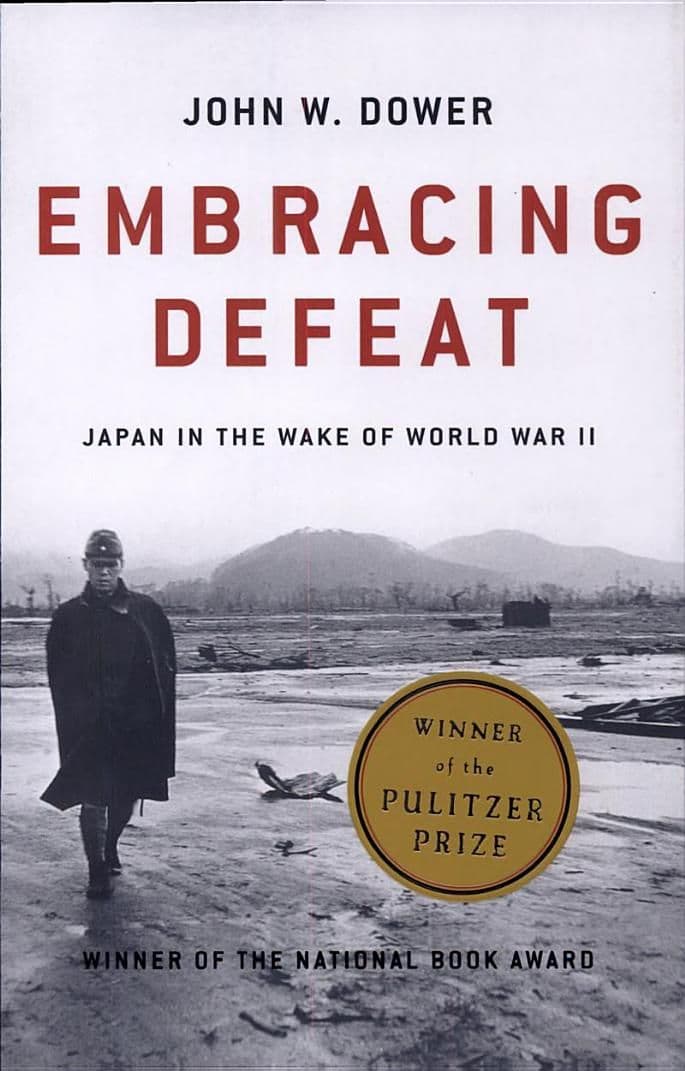
Defeated Japan is starving and occupied. Dower tells the years after 1945 from street level, through black markets, pulp magazines, and letters to MacArthur. The Japanese emerge remaking themselves rather than remade.
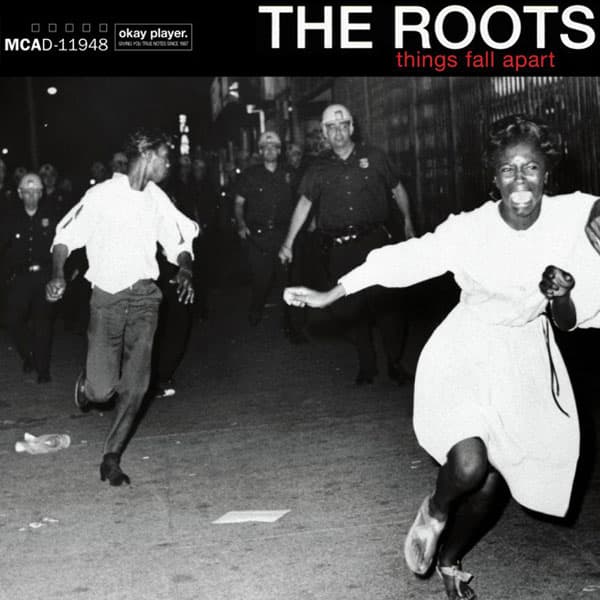
Questlove and Black Thought began by busking on Philadelphia street corners, which is why a live band plays everything here rather than a sampler.
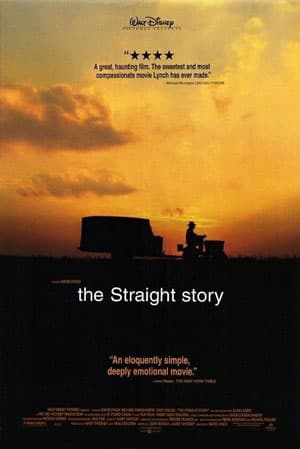
The strangest thing in David Lynch's filmography is this: a G-rated Disney picture in which an old man drives a riding lawnmower from Iowa to Wisconsin to reach his estranged brother.
Frusciante's slide guitar on his first record back with the band, then sixteen weeks atop Billboard's modern rock chart.
Palm-muted C major at 150 beats a minute, Roger Manning's synth on top, and a boy-band parody video.
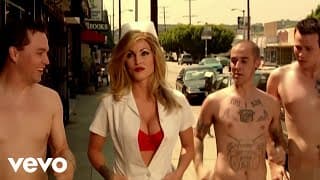
Hoppus was twenty-six and picked twenty-three purely for the rhyme; MCA made them drop the title "Peter Pan Complex".

Borges wrote criticism the way he wrote fiction, in short pieces with trapdoors, on subjects from Dante to King Kong. Every writer creates his own precursors, he argues, and literary history rearranges itself.
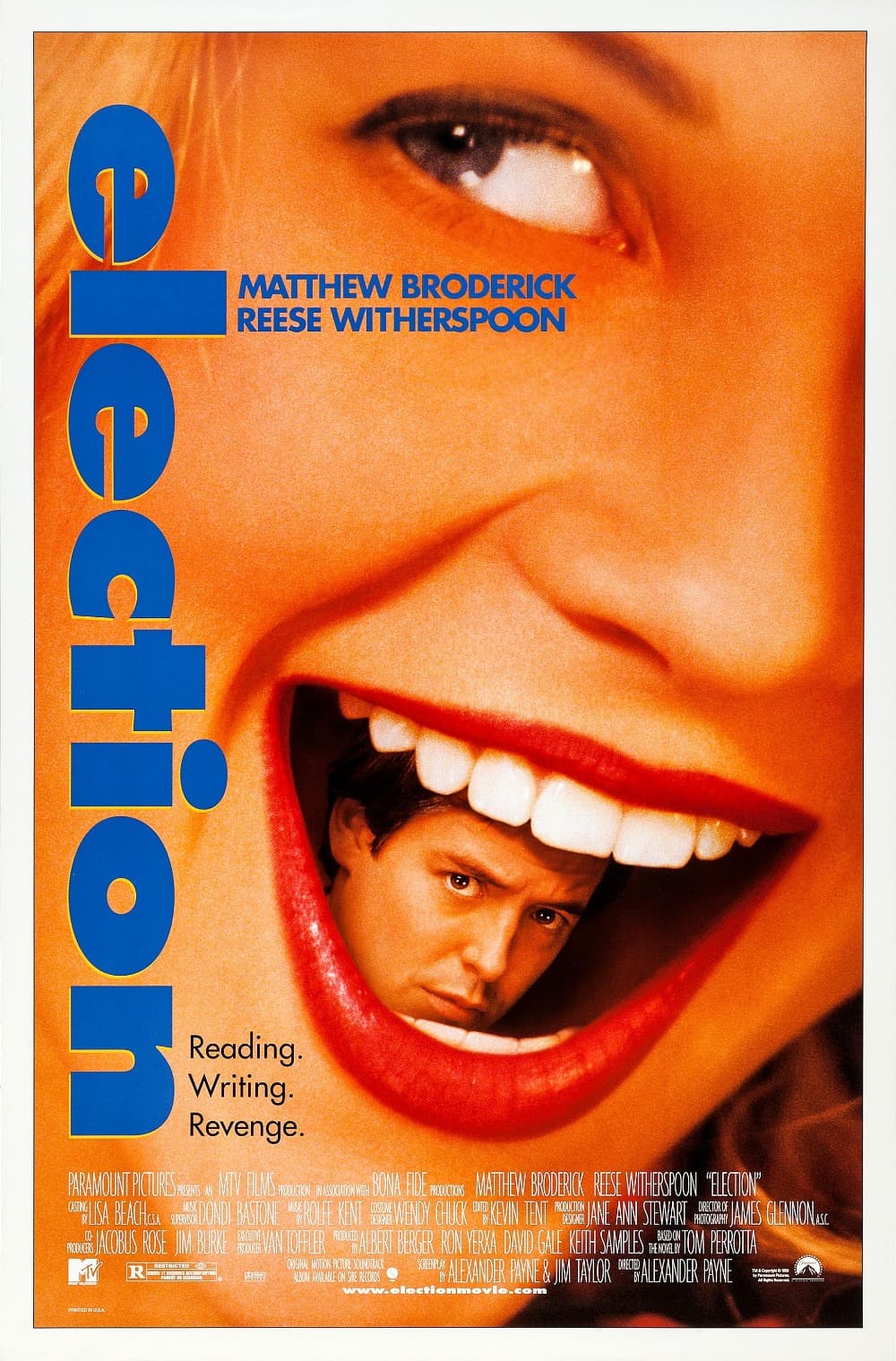
Reese Witherspoon has never been better used: a high-school student council election becomes a study of ambition and resentment, and Payne refuses to let a single character off the hook.
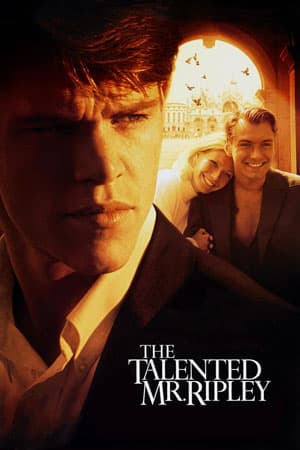
Nothing else captures the pull of wanting somebody else's life this well: Minghella fills the Italian coast with sunlight and good clothes, and lets a young man's envy curdle in plain sight.

Ayatollah looped the chorus of Aretha's 1965 Columbia single "One Step Ahead", and Mos Def narrates a romance collapsing.
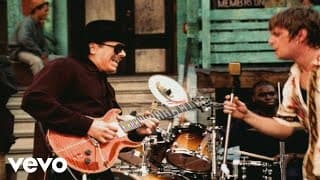
Itaal Shur wrote it as "Room 17"; Rob Thomas rewrote the melody and Santana's guitar answers him line for line.
Neptunes production at its bounciest, with Kelis on the hook a month before her own debut single.
Five weeks at number one, reportedly the first chart-topper built entirely in Pro Tools, and Latin pop's door kicked open.