C.R.E.A.M.
1994 · From Enter the Wu-Tang (36 Chambers)
RZA looped a lonely piano figure from the Charmels, and Inspectah Deck's second verse became hip hop scripture.
★ 8.9
 skopia
RZA looped a lonely piano figure from the Charmels, and Inspectah Deck's second verse became hip hop scripture.
Premier built the beat on the spot; Nas nailed verse one in a take, muttering doubt into the intro.
Poke and Combs looped Mtume's Juicy Fruit, and Wallace told the rags to riches story that hip hop kept retelling.
Buckley learned it from John Cale's version and cut over twenty takes at Bearsville; the edit sounds like one breath.
Yauch's bass line started it, Ad-Rock turned a joke about their producer into a scream, and Jonze filmed the rest.
Ahmad Jamal's piano figure, a hook Pete Rock sang himself, and the most hopeful stretch of Illmatic.
A Leslie speaker gives the guitars their swirl, and Cornell built the title from a misheard news broadcast.
Carey and Afanasieff wrote it fast in 1994 from Spector chords, and it reached number one twenty-five years later.

Armstrong rewrote it around his undiagnosed panic attacks, cut it at Fantasy Studios, and sold punk to the suburbs.
Gallagher wrote it in 1991, before Oasis had a record deal, pitching plain optimism against everything grunge was selling.
Chucky Thompson built it on the Isley Brothers' Between the Sheets, and Biggie made charm sound entirely effortless.
Six and a half hours in Stephenson's house, a slide guitar loop, and a hook mocking Beck's own rapping.
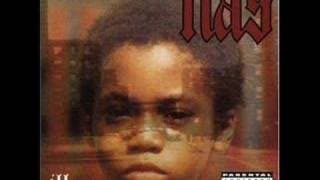
AZ's first appearance on record, the only rapper Nas let onto Illmatic, and his father Olu Dara closing on trumpet.
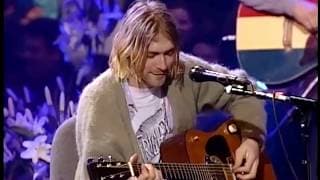
Closing the Unplugged set at Sony Studios, a Lead Belly song, and a last verse Neil Young called unearthly.
No I.D. looped George Benson, Common told hip hop's story as one woman, and Ice Cube took it personally.
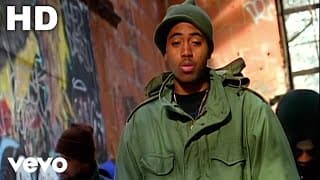
Large Professor looped Human Nature into a hush, and Nas closed Illmatic with his most dazzling stretch of technique.
Warren G looped four bars of Michael McDonald in a Long Beach bedroom, and Nate Dogg sang his half.
Cuomo thought it too cheesy to release; Ocasek insisted, then Spike Jonze spliced the band into Happy Days footage.
Q-Tip built the beat in his grandmother's basement from a Ronnie Foster loop, and Phife traded lines with him.
O'Riordan answering the 1993 Warrington bombing by trading jangle for distortion, then six weeks atop America's alternative chart.
Roback's guitar and Sandoval's half-whisper, the band's only Hot 100 entry, and television's favorite shortcut to longing.
Cuomo's working title was "The Classic Rock Song"; Ocasek produced, and the clean offbeat chords carry a family's addiction.
RZA cut it at Firehouse Studio on almost no budget, Method Man co-produced, and the chorus became the Clan's motto.
Malkmus turned a fake band advert into a hook, and Pavement's snipe at image became their biggest hit.
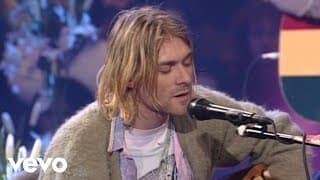
Fourteen songs, one take, November 1993; Cobain plays Bowie through an amp and makes the song permanently his.
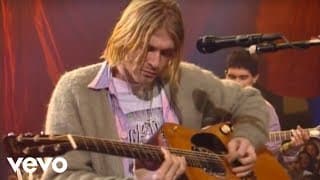
Cobain wrote it in 1988, reportedly after playing Meet the Beatles all day; the Unplugged take topped Modern Rock.
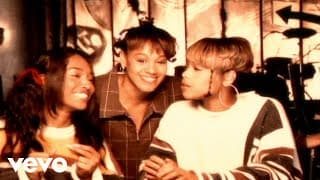
A trumpet loop, T-Boz half-whispering, and Left Eye objecting so strongly she threatened to tape her mouth shut.
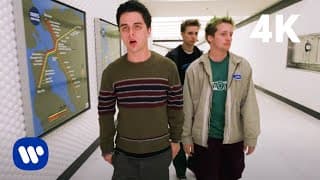
Four palm-muted chords, Dirnt's bass doing the melodic work, and a lyric Armstrong wrote after fighting with Adrienne.
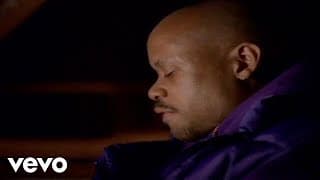
A joke about radio playlists, built on Vic Juris's "Horizon Drive," and it became Gang Starr's most recognizable record.
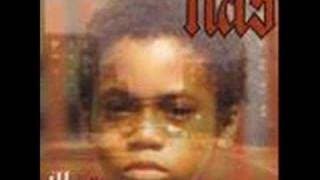
Nas was twenty and already writing memoir here, over DJ Premier's loop of a Reuben Wilson organ.
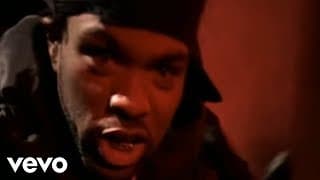
RZA's murk, Method Man's first single away from the Wu-Tang, and a title Chris Rock borrowed for his 1996 special.
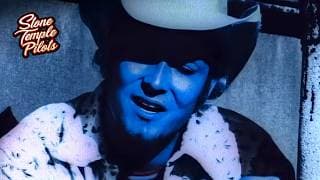
Robert DeLeo worked it out as a bossa nova on nylon strings; Weiland nailed the Atlanta vocal in one take.
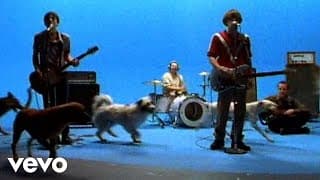
Ocasek produced it, Cuomo aimed for the Velvet Underground, and the party-chatter intro made a sad song sound hilarious.
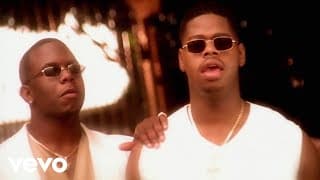
Babyface wrote it and the group nearly turned it down; fourteen weeks at number one settled that argument.
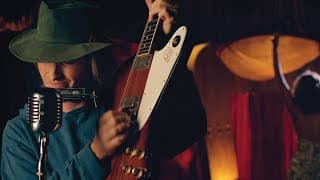
Rubin produced, Petty blew the harmonica, and MTV solved one lyric by simply running the word backwards.
DJ U-Neek's beat, Shatasha Williams on the hook, and the harmonized Cleveland flow Eazy-E had to be talked into releasing.
Armstrong wrote it about squatting in a West Oakland warehouse, and the Dookie re-recording is the one everyone knows.
Easy Mo Bee built that beat for Apache, who was on tour; Mack took it and made 1994's sparest hit.
Fifteen years old, a debut single that went top five, and Aaliyah already sounding unhurried and completely in command.
Sly and Robbie cut it over the Bam Bam riddim, and Omarion, Pitbull and Jason Derulo all borrowed it later.
Written as a comedy number for a meerkat and a warthog until John objected, and it took the Oscar.
Written in 1987 and abandoned in a corner, it took Batman Forever to make it Record of the Year.
Sam Sneed and J-Flexx started it as 'The Heist'; Dre and Cube's first record together since N.W.A.
Snoop wrote the hook but label trouble kept him off the record; Warren G took it to number nine.
Enigk wrote it as a solo acoustic song; the band took it over, and his cracked howl carries it.
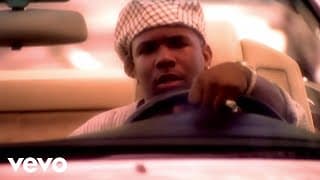
Only the Beatles had replaced themselves at number one before Jimmy Jam and Terry Lewis handed the group this.
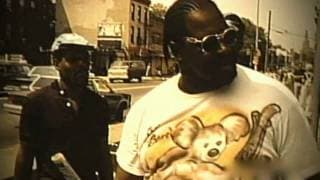
Butler moved the crew to Brooklyn and cut it live over programmed drums, jazz-rap turned dusty and political.
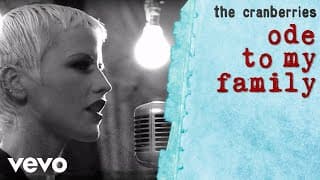
A homesick lullaby from No Need to Argue, with a string arrangement O'Riordan scored herself over Noel Hogan's chords.
Twelve weeks at number one on the R&B chart, a record then, and one of 1994's smoothest hooks.
Bryan Dobbs looped Lakeside's 1980 hit, and Coolio rode it to number three dreaming of somewhere trouble-free.
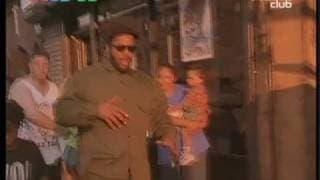
Salaam Remi's remix bolts a Taana Gardner sample to that Land of 1000 Dances chorus, and Kamoze went number one.
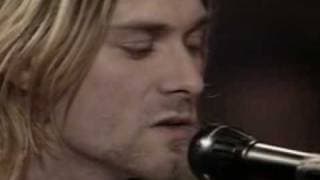
Curt Kirkwood wrote it for Meat Puppets II, then stood onstage playing it while Cobain sang his obscure song to millions.
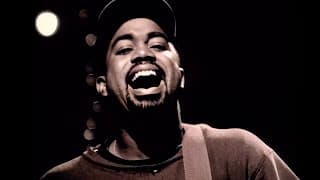
Rucker flipped the genders when he wrote it; by his account the addiction in the song was his own.
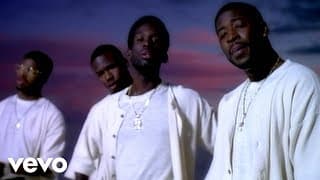
Four voices, one Babyface song about a relationship drying up, and another number two for the Philadelphia group.
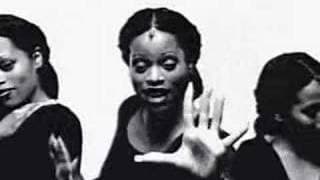
Written out of a breakup and a Shakti Gawain self-help book, then re-released in Britain three times until it stuck.
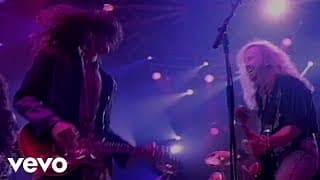
Desmond Child helped Tyler and Perry finish it, and Liv Tyler's debut video kept MTV busy through 1994.
Popper wrote it about an unrequited crush, then watched it sit on the Hot 100 for forty-nine weeks.
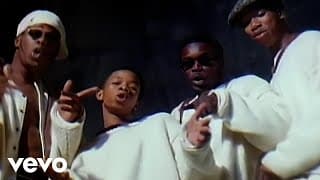
Trackmasters built it on a Minnie Riperton bassline, and Heavy D took four Wyandanch brothers to number one R&B.