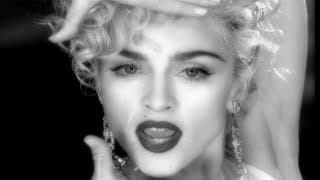
Nothing Compares 2 USinead O'Connor
Nothing Compares 2 U
1990
Prince wrote it for a side project that went nowhere; O'Connor's tears in the video were real, and unplanned.
★ 7.9
 skopia
Prince wrote it for a side project that went nowhere; O'Connor's tears in the video were real, and unplanned.
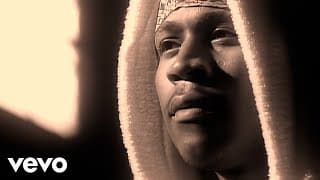
His grandmother told him to knock them out; Marley Marl looped Funky Drummer, and the Grammy followed.
Gore wrote it as a harmonium ballad; Wilder and Flood put a dance beat under it over his objections.
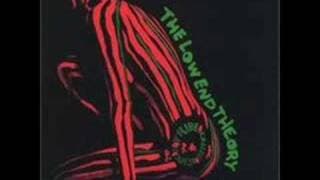
An Average White Band loop, Q-Tip and Phife trading lines, and a Queens rooftop that Linden Boulevard still remembers.
Michael refused to appear, so Fincher had five supermodels lip-sync while his Faith leather jacket burned onscreen.
Written with Ben Margulies in a studio behind his father's cabinet factory, and the whistle-register note that reset pop singing.
Bud Lee forgot his wallet, joked that he knew the cook, and Brooks took it to number one.
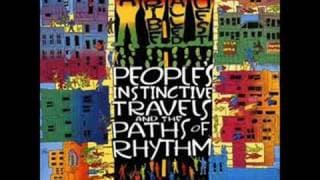
Q-Tip read Miles Davis on space, then rapped conversationally over a Rotary Connection loop and made desire sound utterly relaxed.
Angus called it a little guitar trick; Malcolm added the rhythm underneath, and it lands before Johnson sings a word.
Bob Andrews cut it in 1988 to no interest; Lillywhite's remix made it Britpop's founding jangle.
Jerden heard Livin' on a Prayer driving to the studio and suggested the talk box that defines it.
Trevor Horn spent about three months producing it; Seal built the chorus from a world visibly changing.
Elliot Straite, as Dr. Freeze, turned a letter to an ex-girlfriend into new jack swing at its sharpest.
A Sly Stone drum loop, a fake nose, and Shock G inventing Humpty Hump, the funniest alter ego in rap.
Rick James sued over the Super Freak riff and settled for a co-writing credit; Hammer's pants did the rest.
Guitar jangle, Wheeler's voice, and a US Modern Rock number one that Britain never received as a single.
A new jack swing pivot from L.A. Reid and Babyface, and by Reid's account the vocal took one take.
Steinberg brought a verse and chorus, the four writers finished it the next day, Australia sent it to number one.
Two voices and one acoustic guitar, dropped into a funk metal album, and A&M got a number one.
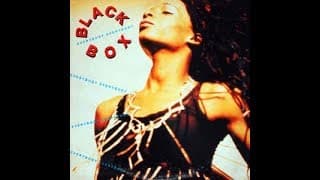
Martha Wash sang it, a model mimed it, and her lawsuit changed how dance records credit their singers.
A riff written on a bike ride, a sample Rick Rubin cleared free, and a surprise American number one.
Romania in February 1990, weeks of upheaval still fresh, and Edwards came home to write pop's happiest history lesson.
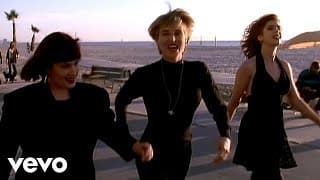
Chynna Phillips drew the words from AA's one-day-at-a-time, Glen Ballard produced, and it topped Billboard's 1990 year-end chart.
Phenix Horns brass over Nathan East's bass, on a song Collins first wrote for The War of the Roses.
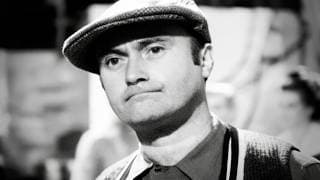
Clapton plays the lead over Padgham's production, the closest Collins had then come to writing a blues song.
Three writers, a Pretty Woman soundtrack slot, and the most cheerful denial ever to reach the American top ten.
Marley Marl looped an Eddie Kendricks record; Ace, co-producing his own debut, made Brooklyn sound like a place to watch.
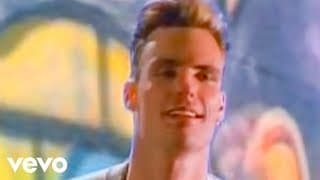
Queen and Bowie went uncredited until a settlement, and hip hop had its first Hot 100 number one.
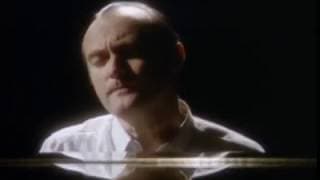
A slow burn, Hugh Padgham at the desk, Stephen Bishop harmonising behind, and Collins's fourteenth and final American top ten.
Eugene Record and Barbara Acklin wrote it for the Chi-Lites in 1971; Hammer's hushed remake reached number four.
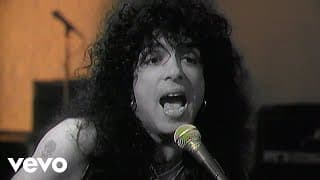
Paul Stanley and Michael Bolton co-wrote the ballad that returned Kiss to the Top 40 after eleven years away.
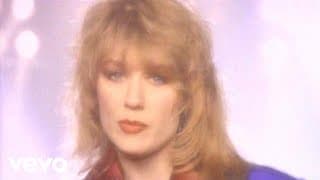
Mutt Lange's hitchhiker story gave Heart a number two the Wilsons openly disliked; Ann called its message hideous.
Wayne Kirkpatrick co-wrote it, Dann Huff played the guitar, and Christian radio's searching ballad reached number six pop.
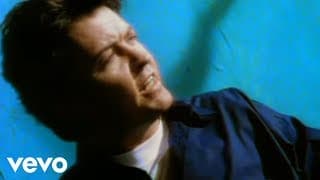
Eugene Record's Chi-Lites ballad, harmonica and all, remade by Young in 1990 for a number eight American hit.