Fight the Power
1989 · From Fear of a Black Planet
Spike Lee asked for a defiant anthem, and the Bomb Squad answered with layered samples and Branford Marsalis's saxophone.
★ 9.0
 skopia
Spike Lee asked for a defiant anthem, and the Bomb Squad answered with layered samples and Branford Marsalis's saxophone.

It uses well over a hundred samples, which would be unaffordable to clear today, and it sold so badly the label gave up on them.
Patrick Leonard co-wrote it, Prince played the intro guitar, and Pepsi pulled its five million dollar ad but paid anyway.

They sampled so freely that the Turtles sued them, and the case helped make sample clearance the expensive business it has been ever since.
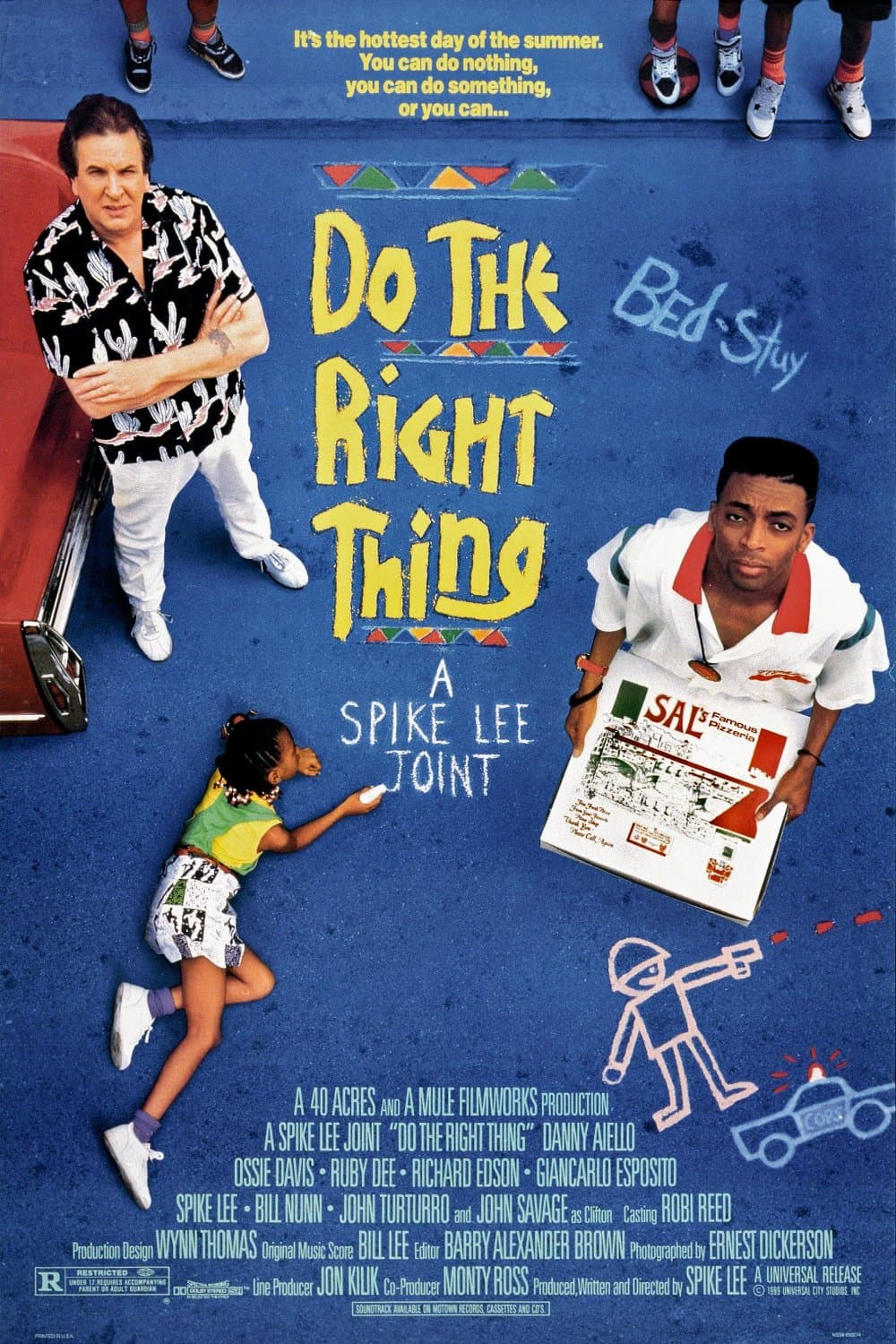
No American film has been braver about refusing to resolve: one Brooklyn block on the hottest day of the year, and Lee will not tell you who was right.

Driving across England in 1956 to see the housekeeper he worked beside, a butler remembers the Nazi sympathizer he served with pride. What he cannot bring himself to say is the whole novel.
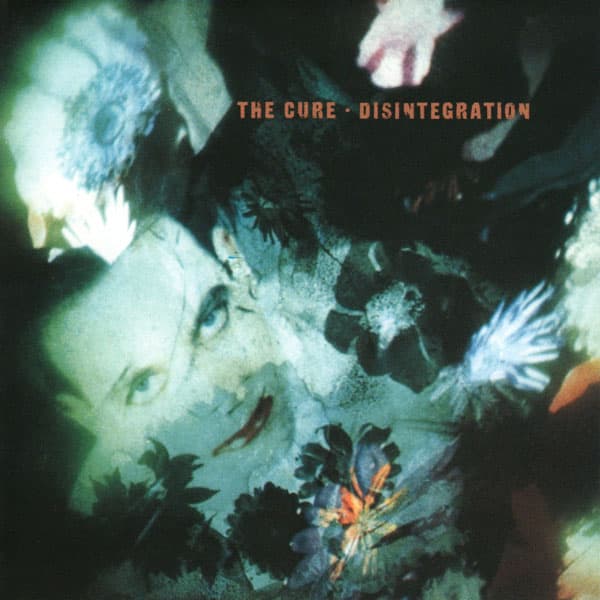
Robert Smith turned thirty, decided he was finished, and made the biggest record of the band's life about it.
Priscilla Presley's memoir gave Gore the idea, Flood cut it in Milan, and Cash later called it evangelical.
Two days of writing with Jeff Lynne, Mike Campbell's twelve-string, and Ventura Boulevard turned into the whole San Fernando Valley.
Sampedro joked about the free world after a Soviet tour collapsed, and Young debuted the song in Seattle unrehearsed.
Prince Paul flipped Funkadelic's Knee Deep; De La Soul resisted the beat, then got their only R&B number one.
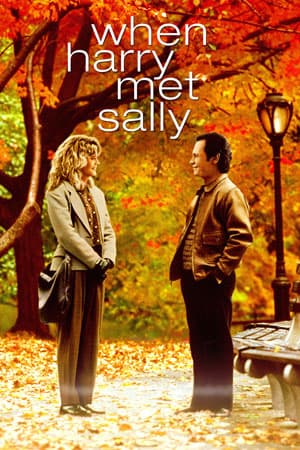
Every romantic comedy since has been trying to write this conversation: two people argue for twelve years about whether men and women can be friends, and Ephron's dialogue wins.
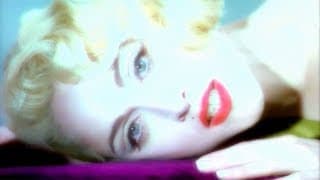
Madonna and Stephen Bray built it on horns and handclaps; Fincher's Metropolis video cost a reported five million dollars.

Casting Sean Connery as the father was the best idea the series ever had: the bickering carries a treasure hunt that would otherwise just be a rerun.
Don Was suggested welding a fifteen-minute jam to a shouted chorus, and Cindy Wilson's tin-roof ad-lib stayed in.
Gil Norton brought in two cellos and two violins, and Black Francis rhymed ocean pollution with borrowed numerology.
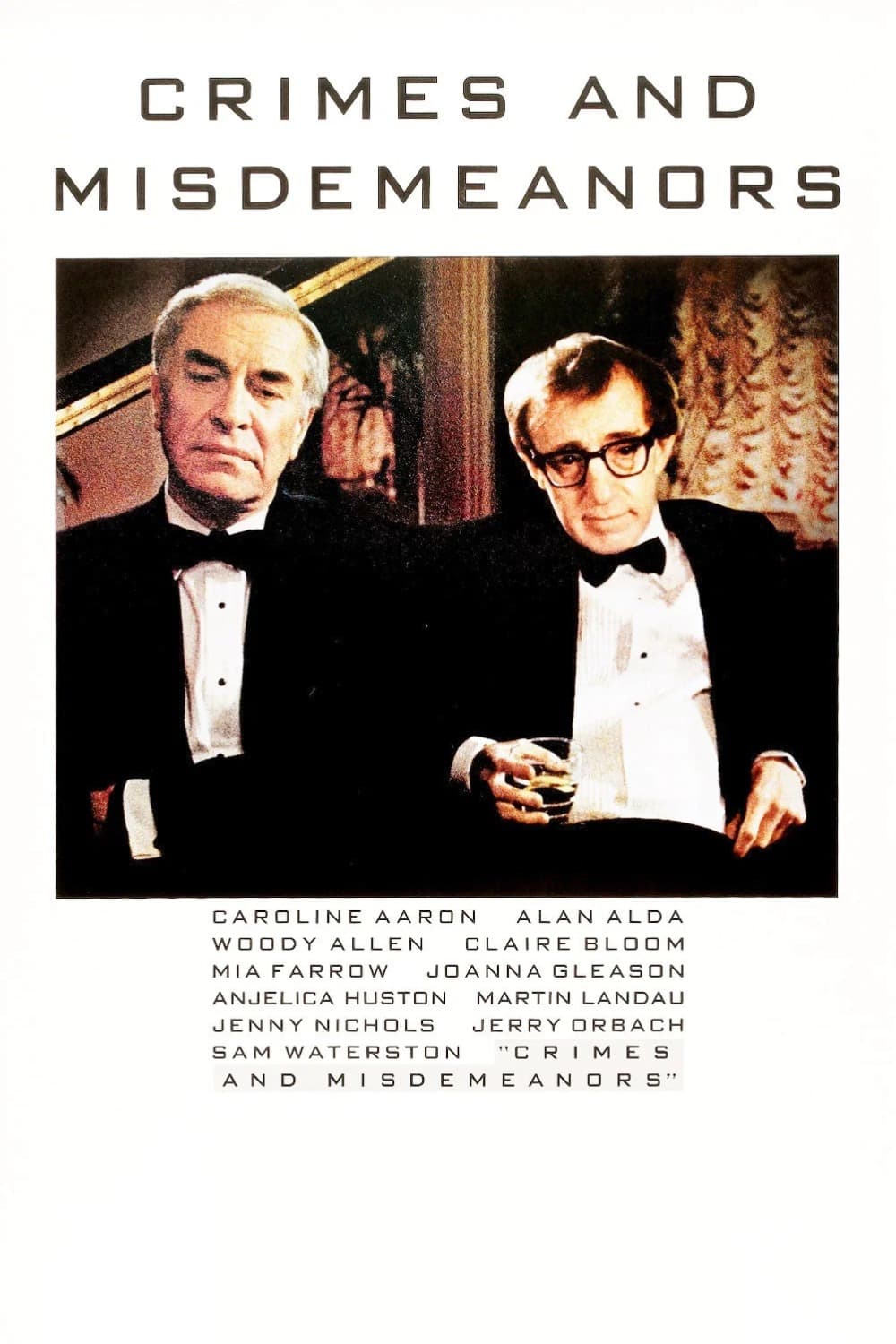
Allen's most serious film, and his only one that asks whether anyone is watching at all: a respected doctor is cornered by a woman he cannot pay off.
A house fire left Smith with photographs of Mary salvaged from his wallet, and one became the single's sleeve.
Harrison on acoustic guitar and harmonies, Lynne producing, and Petty answering the arsonist who burned his house down.
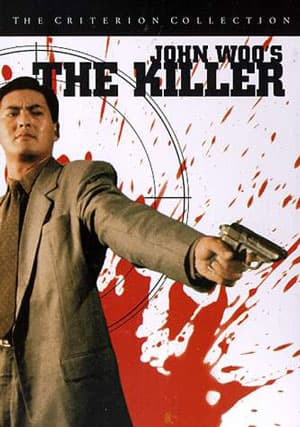
Woo shoots gunfights the way other directors shoot musical numbers: two pistols, slow motion, doves, and underneath it a straight-faced story about honor between a hitman and the cop hunting him.
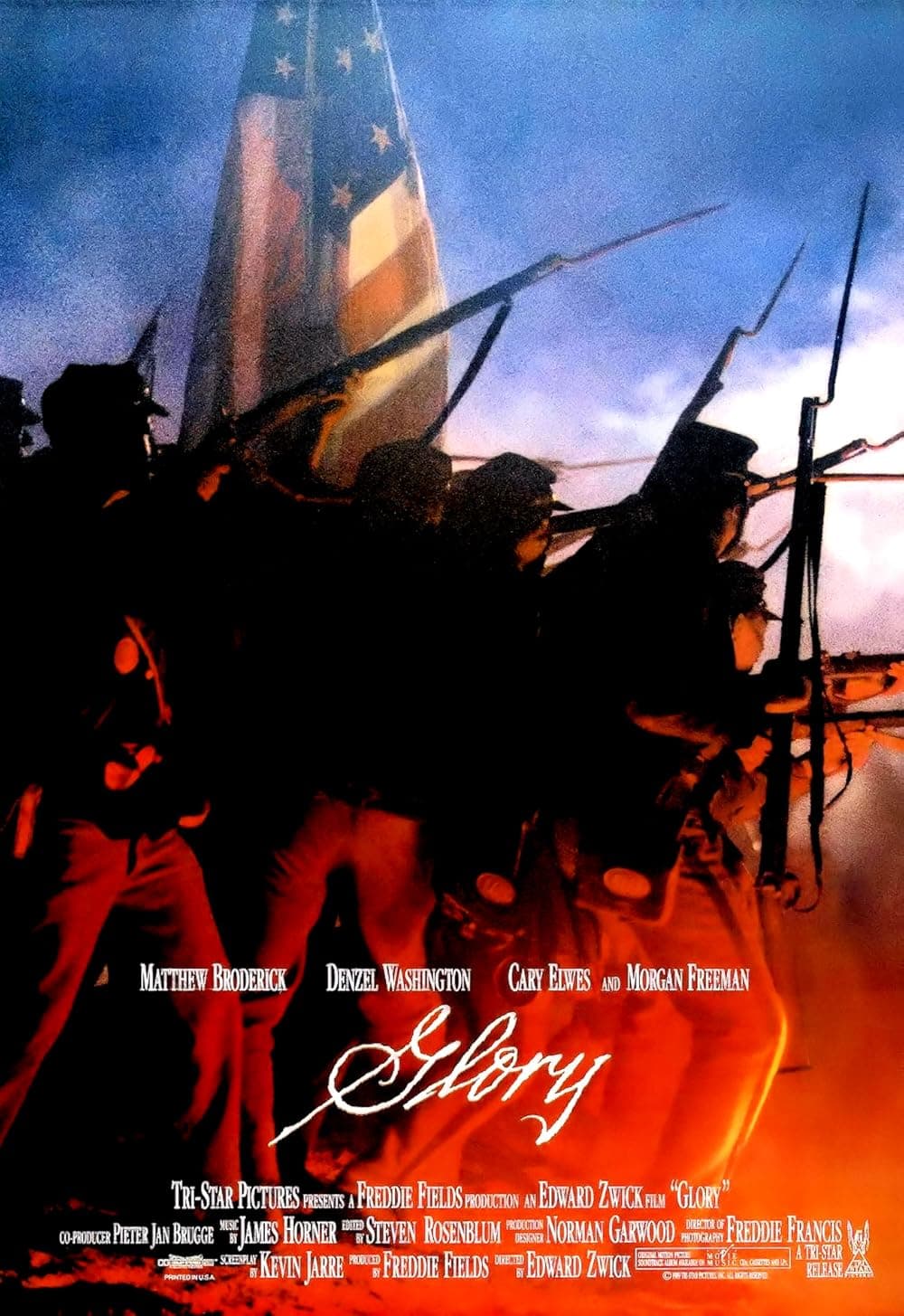
The Civil War film that finally noticed who else was fighting it: the 54th Massachusetts fights for boots, for pay equal to white soldiers, and for permission to be used at all.
Mike Campbell's fuzz riff, then a closing solo of nearly two minutes he nailed in a single take.
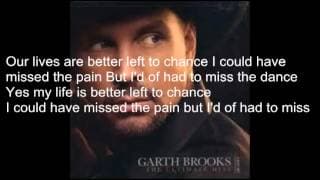
Tony Arata's lyric works as a breakup song or an elegy, and Brooks' video chose the elegy.
Freddie Scott's "(You) Got What I Need" rebuilt on piano, with Markie singing the hook himself, flat and irresistible.
A teenage demo the band mocked as their Tom Petty song, until Gil Norton talked it onto Doolittle.

Violence was not the French Revolution's tragic accident but its engine, Schama argues, and the Terror merely 1789 with a higher body count. The book drew furious rebuttals from historians on the left.
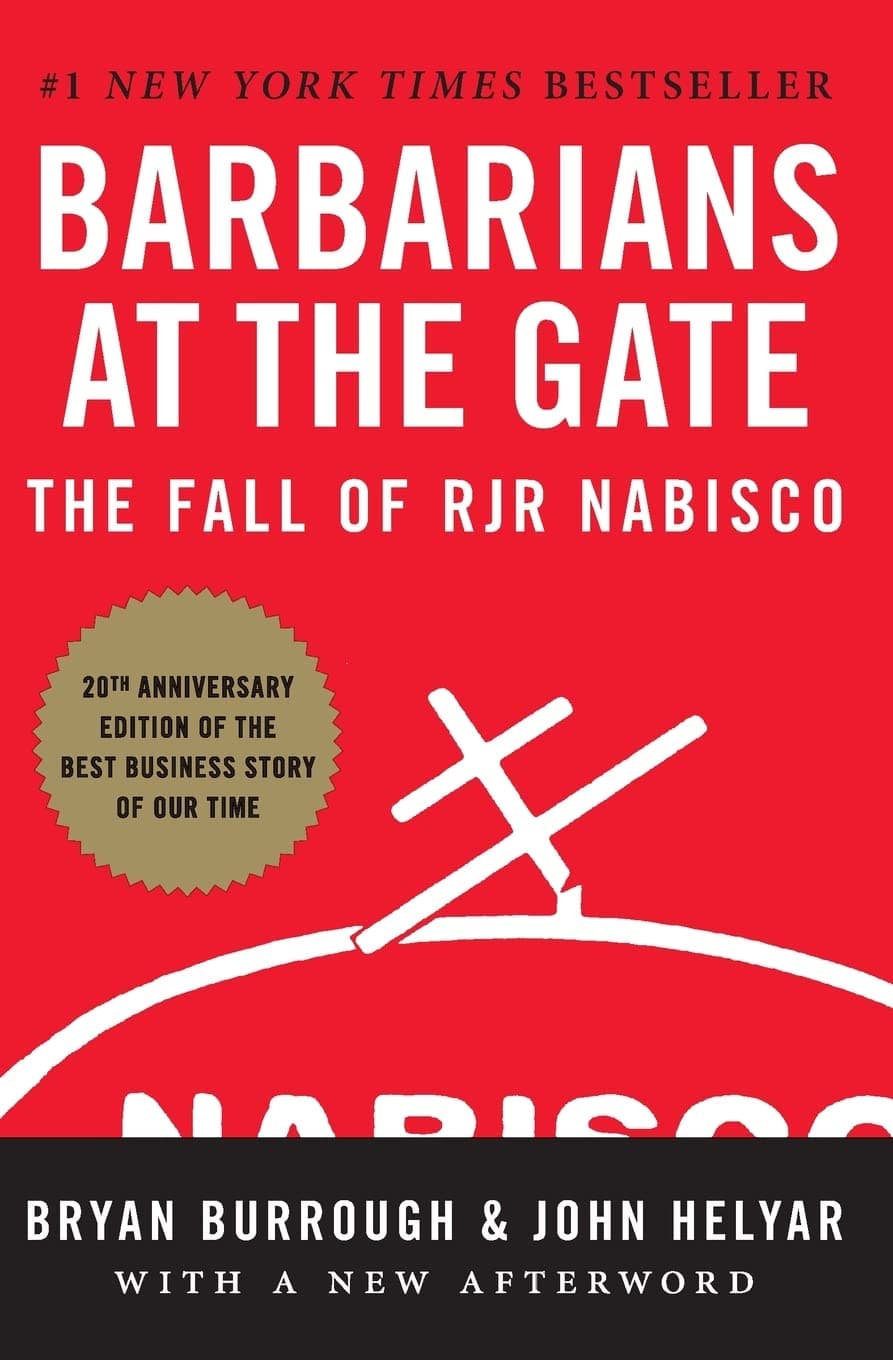
In 1988 the chief executive of RJR Nabisco moved to buy his own company and set off a bidding war that closed at $25 billion. Burrough and Helyar put you inside every meeting.
Bottum, Gould and Bordin had the riff before Patton arrived; the bass and that piano coda did the rest.
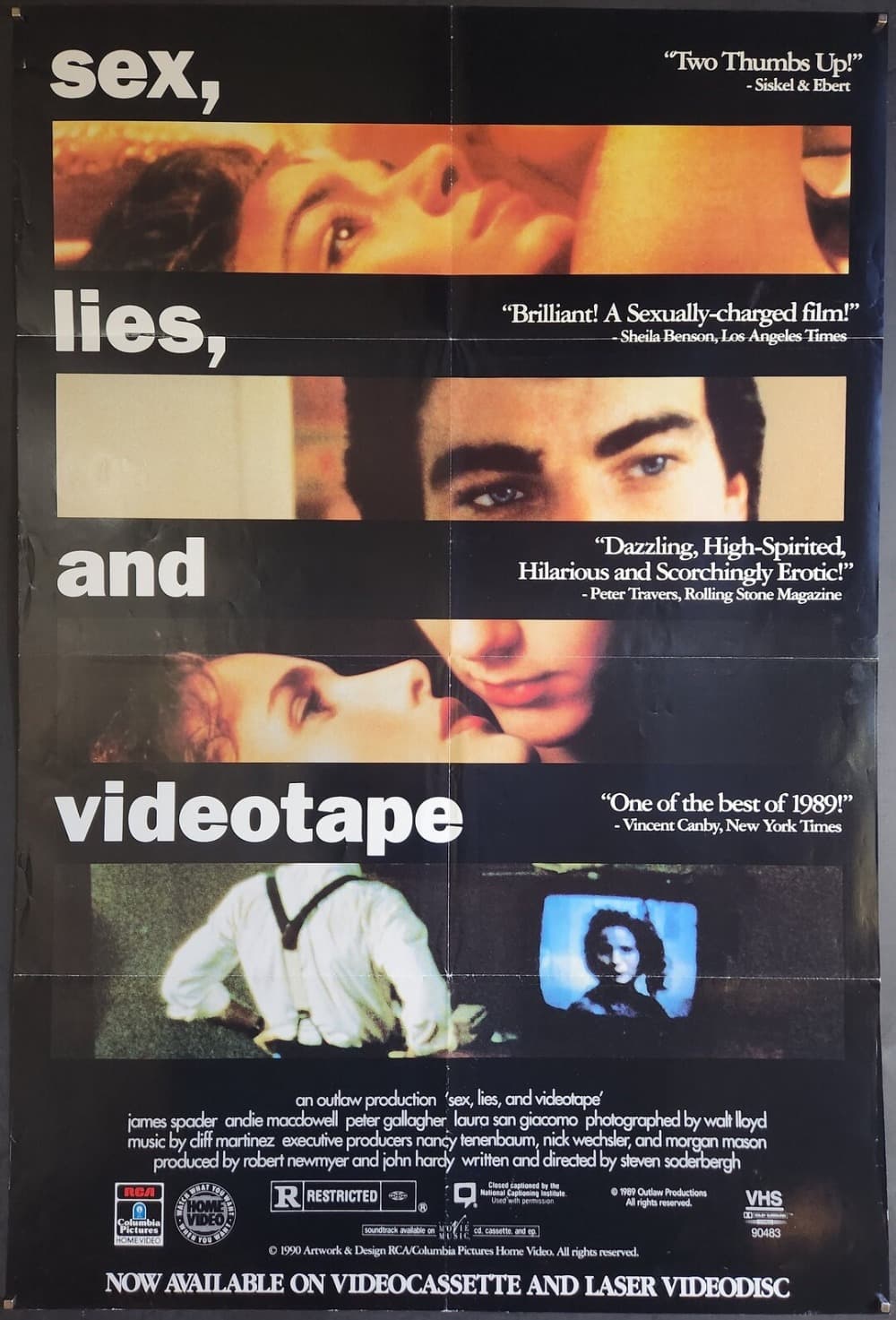
American independent film became a business the week Soderbergh took the Palme d'Or at twenty-six: he made it for a million dollars, and it is four people talking about what they want.
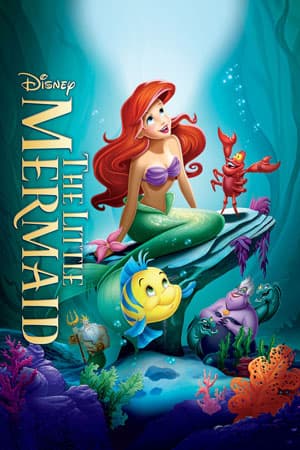
Disney's renaissance starts here: Howard Ashman and Alan Menken wrote the songs like Broadway numbers, and the studio remembered how to make an animated musical that adults would sit through.

Four women who fled China met over mahjong in San Francisco, and when one dies her daughter takes the empty seat. Tan's sixteen interlocking stories carry the mothers' buried lives across.
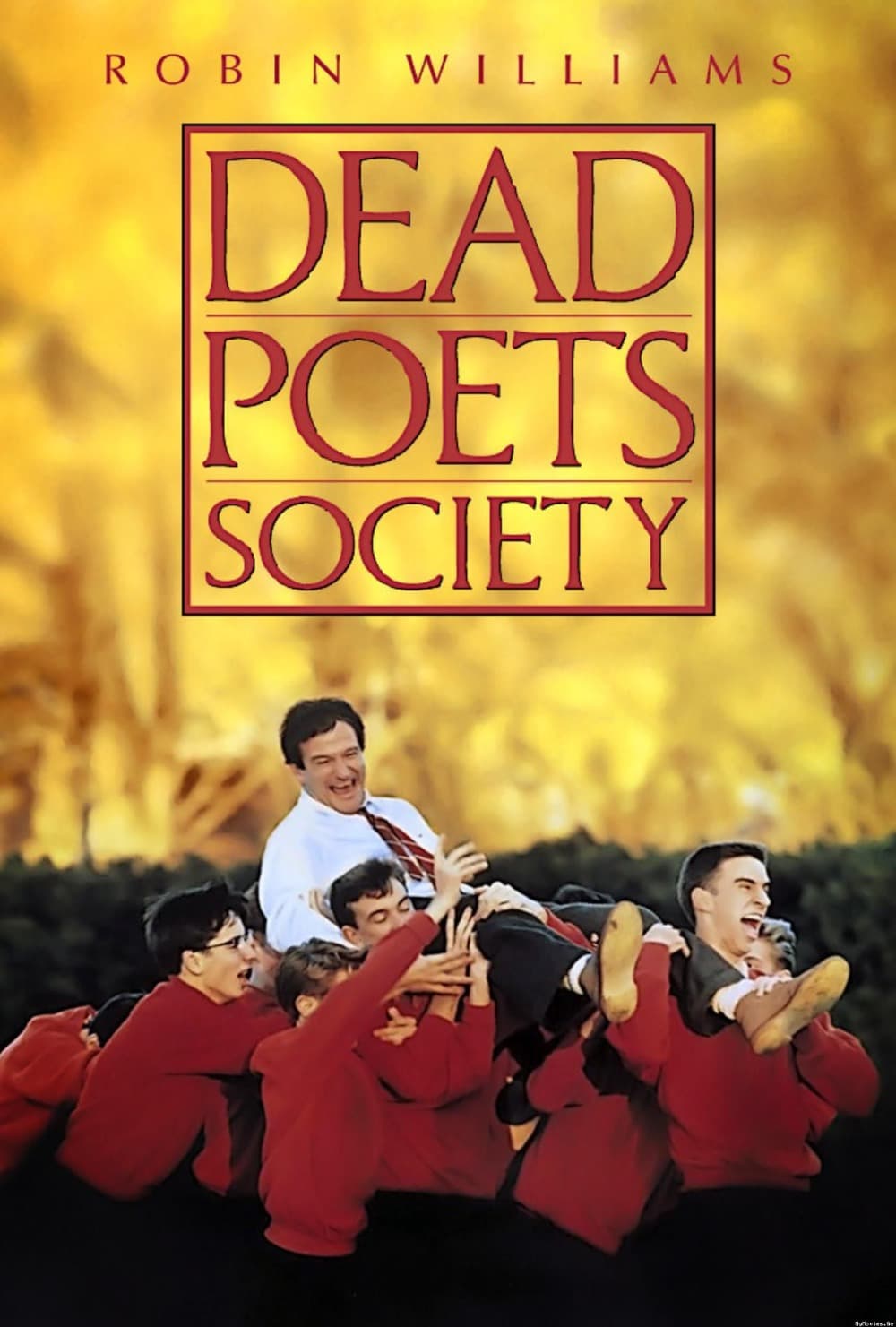
Nobody who saw it at the right age has stopped quoting it: Robin Williams plays a teacher who tells boys at a 1959 boarding school that poetry is worth risking something for.
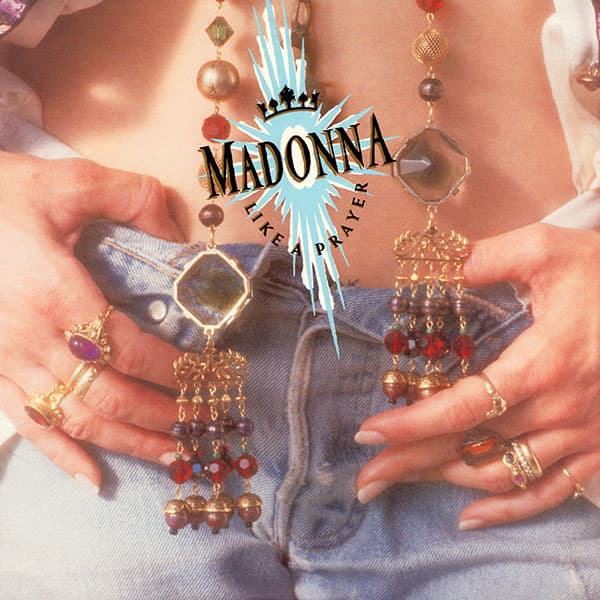
Pepsi paid five million dollars to use the title song, then dropped the advert within a day when the video appeared.
Bonnie Tyler recorded it first; Turner asked Holly Knight for the bridge and key change it lacked.
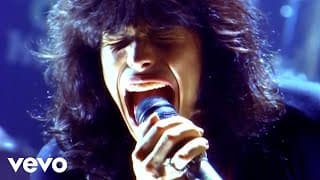
Tyler spent nine months on the lyric, Fincher directed the video, and the Grammy went to Aerosmith's bleakest hit.
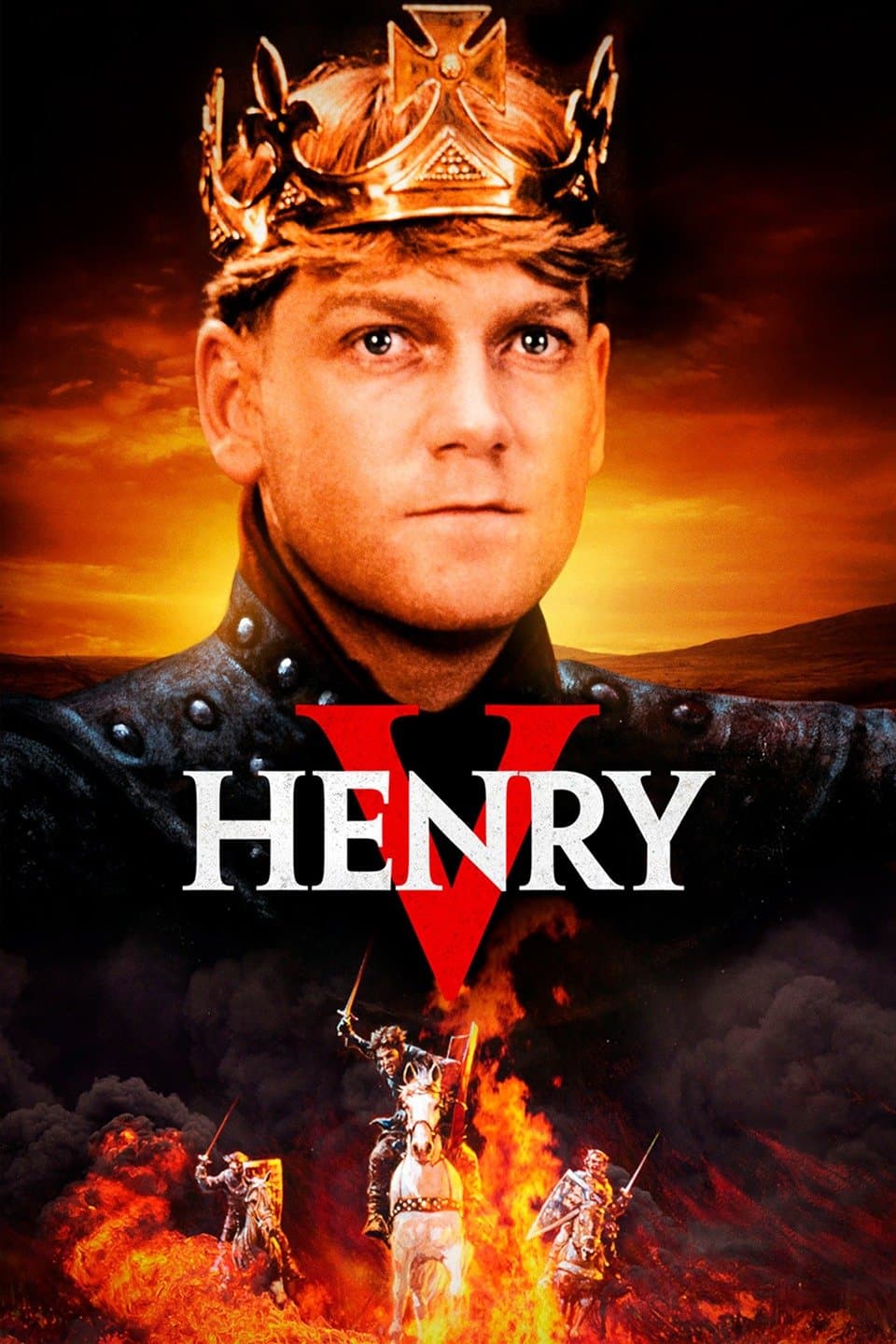
Branagh was twenty-eight and directing himself in Shakespeare, which should have been a disaster: the long single take across the mud after Agincourt is the finest shot in eighties British cinema.

Rezzori rebuilds vanished Czernowitz, the eastern edge of the Habsburg world, through the five people who filled his childhood. His father hunts, his mother panics, and his nursemaid teaches him about death.
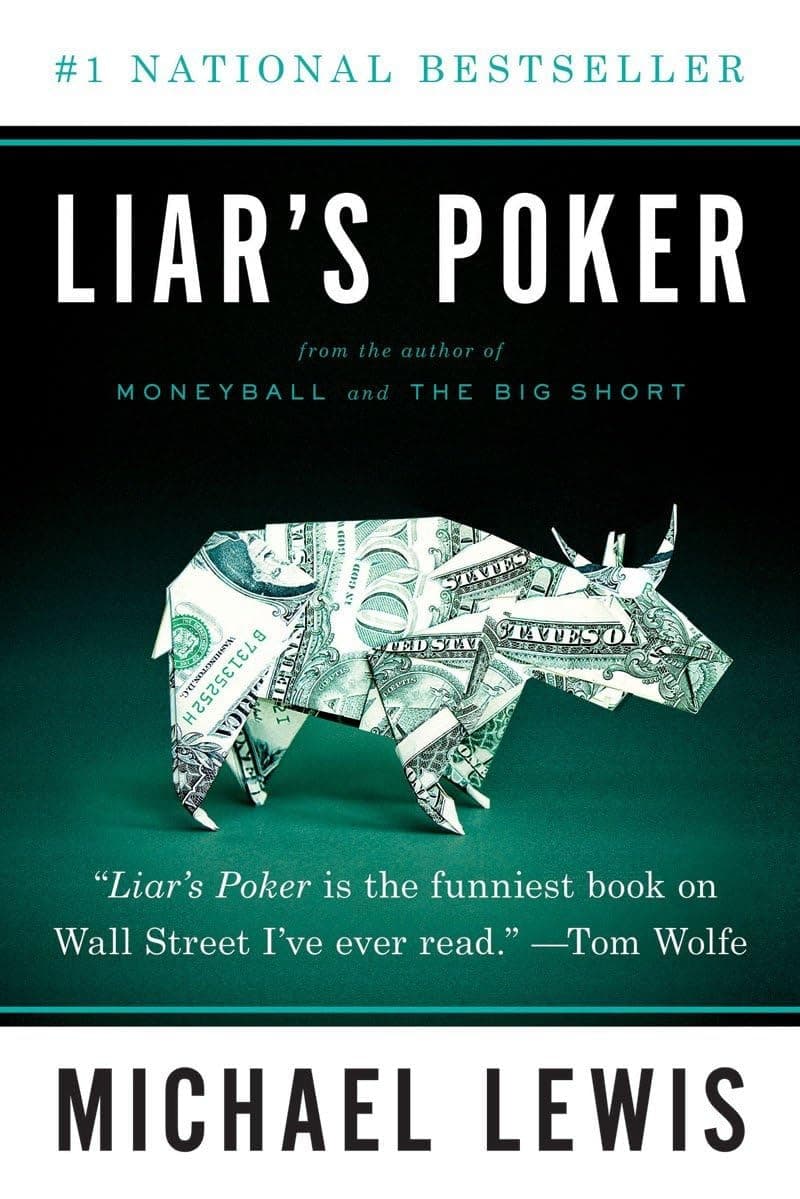
Twenty-four and ignorant of bonds, Lewis was handed millions of other people's money by Salomon Brothers. He wrote the trading floor as farce, and a generation read it as a career guide.
Diane Warren got on her knees begging Cher to cut it; the video was shot aboard the USS Missouri.
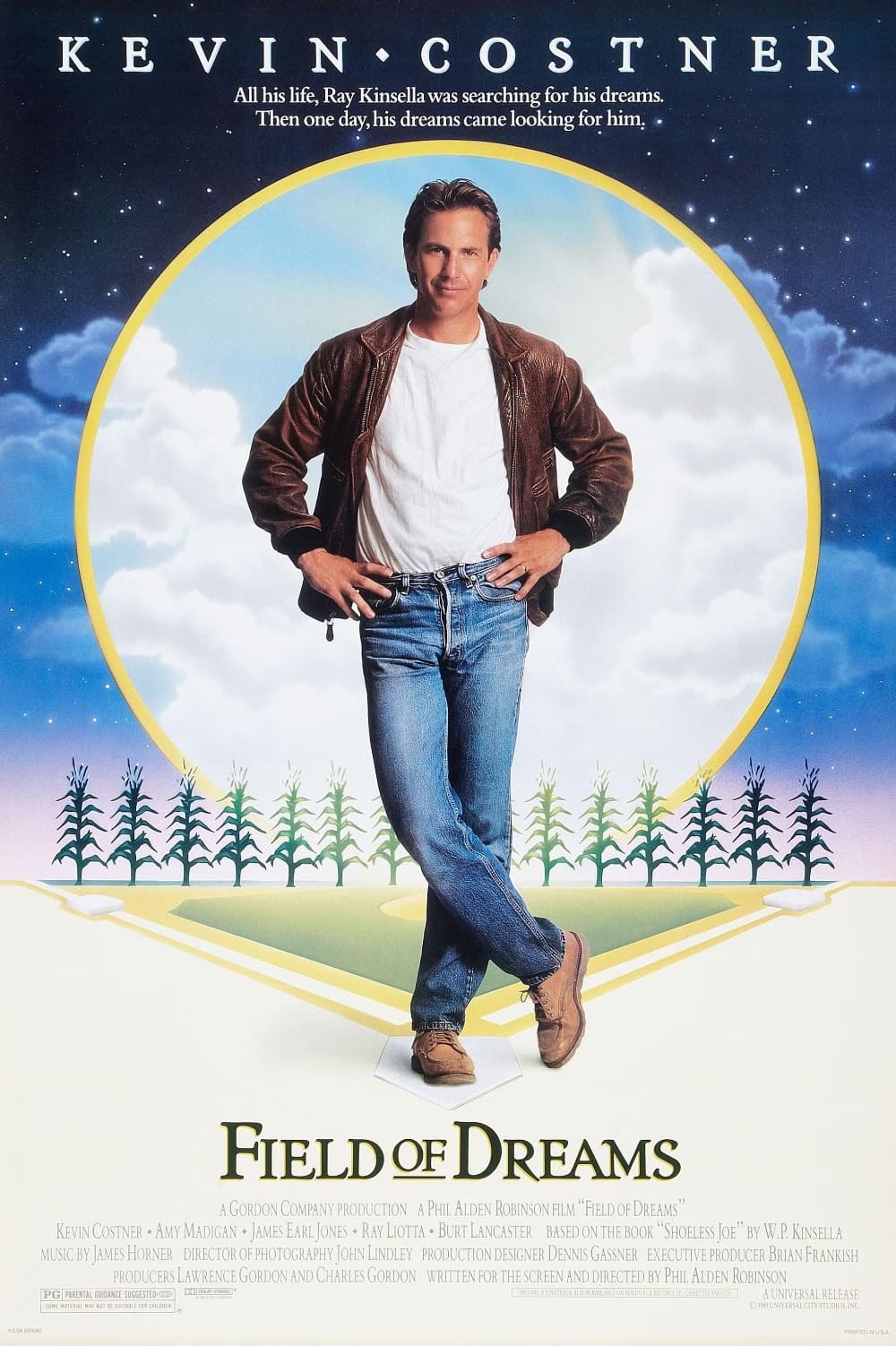
They built the field on an Iowa farm and people still drive to see it: a man plows under his corn because a voice tells him to, and the last reel gets everyone.

The finest modern life of a poet. Holmes walks Coleridge's roads and brings him back talking, from "The Ancient Mariner" and Wordsworth's company to the laudanum and the sailing for Malta.
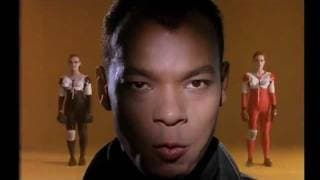
Cut at Paisley Park with David Z, the snare a drumhead struck with a wooden ruler under Gift's falsetto.

Sent to a Cascade logging town to live with a violent stepfather, a boy who calls himself Jack lies and steals his way toward escape. Wolff renders his adolescence with merciless clarity.
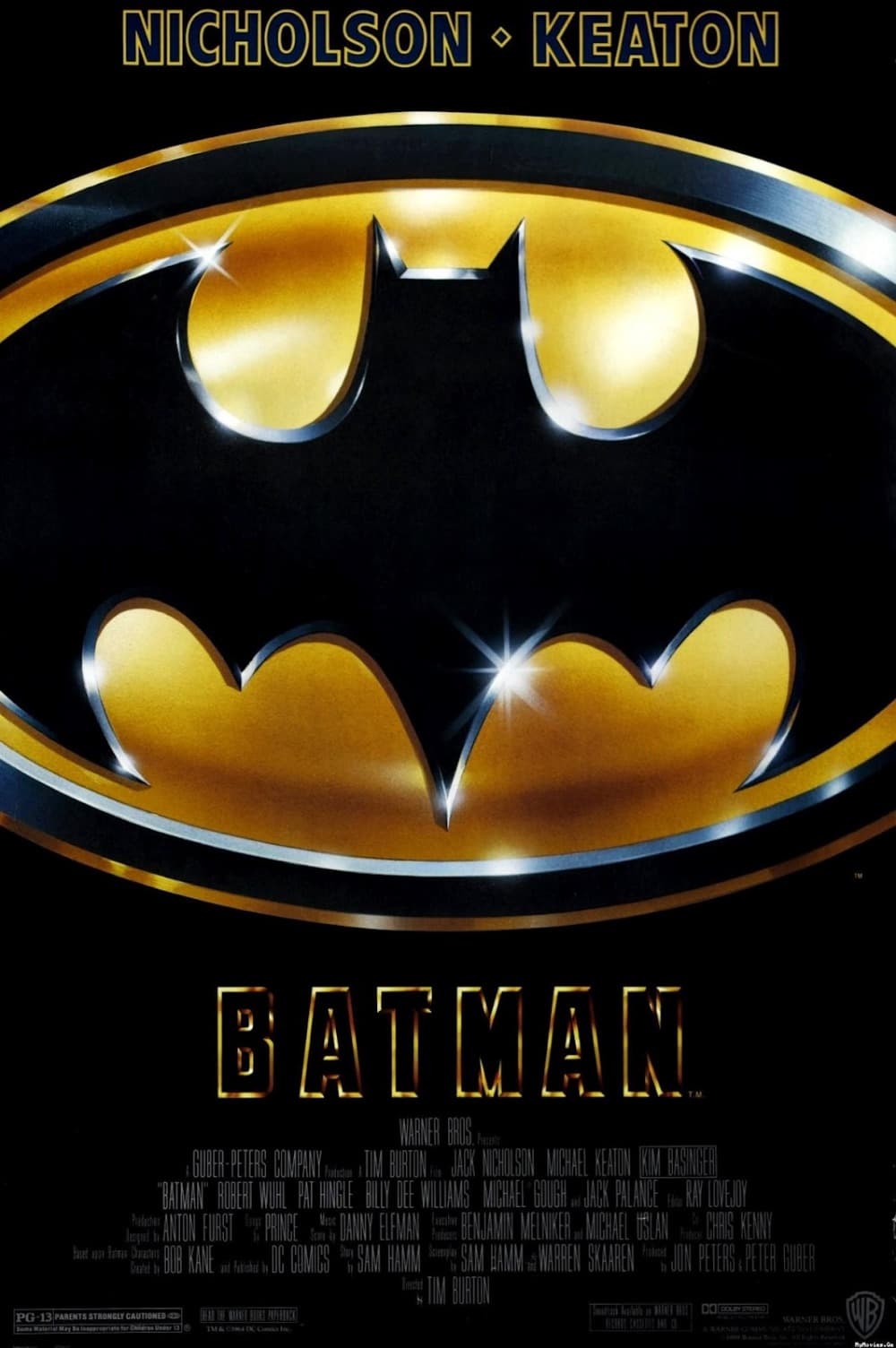
Fifty thousand people wrote to Warner Bros protesting the casting of a comedy actor as Batman: Burton and Michael Keaton made the character gothic, and Prince wrote the songs.
Kent Blazy had the first verse down seconds after hearing the idea, and it gave Brooks his first number one.
Campbell cut the track at home before Henley and Souther added words, and forgiveness never sounded so hard-won.
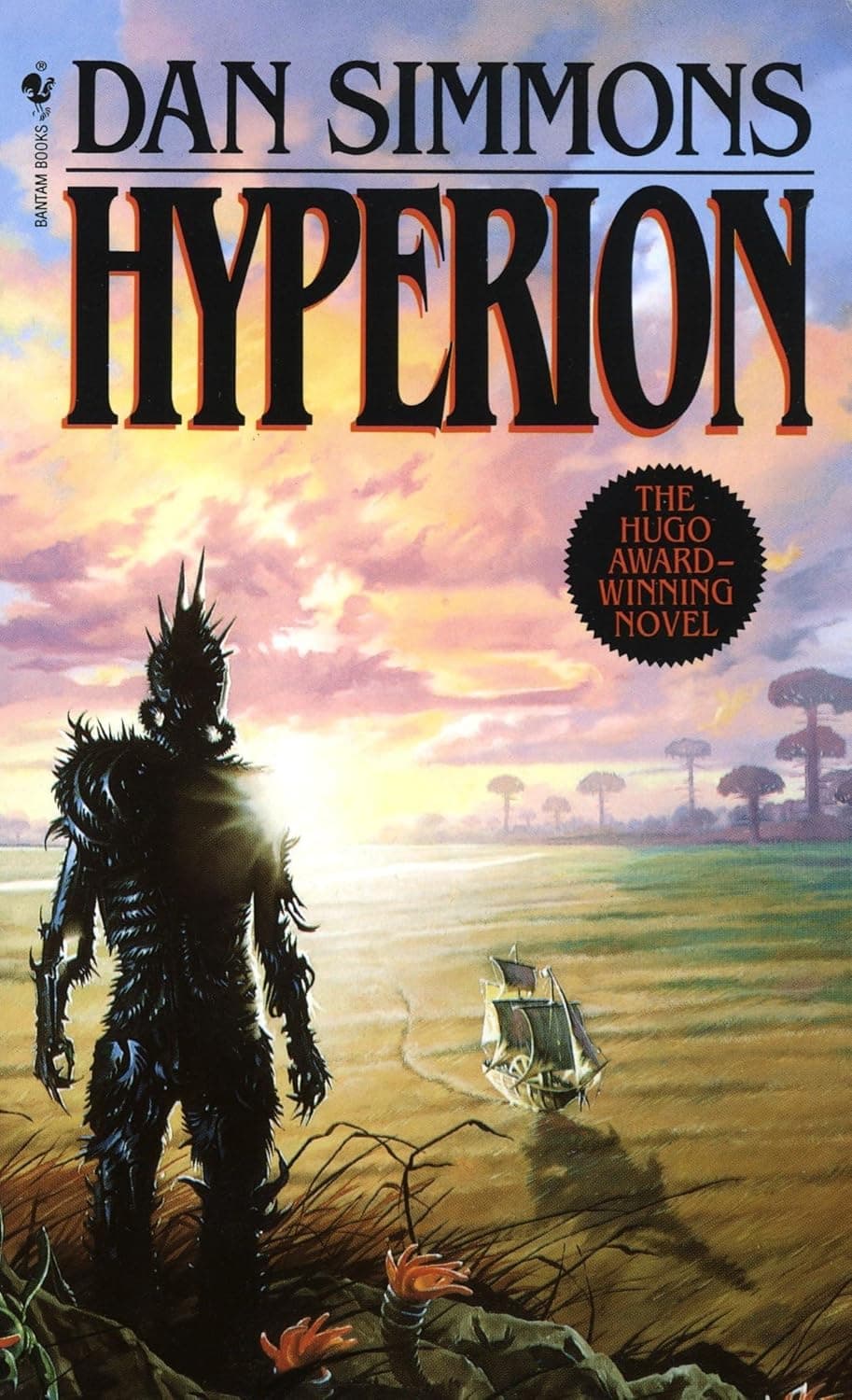
The Canterbury Tales in deep space: seven pilgrims travel to the Time Tombs and the blade-covered creature guarding them, each telling the story that brought them. Simmons switches genre with every tale.
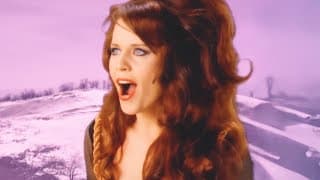
A rare B-52's lyric from an outsider, Robert Waldrop, and Pierson and Wilson make wanderlust sound weightless.

Tradition forbids the youngest daughter to marry, so Tita cooks, and everything she feels enters the food. Her quail in rose petal sauce sends a sister off naked with a Mexican revolutionary.