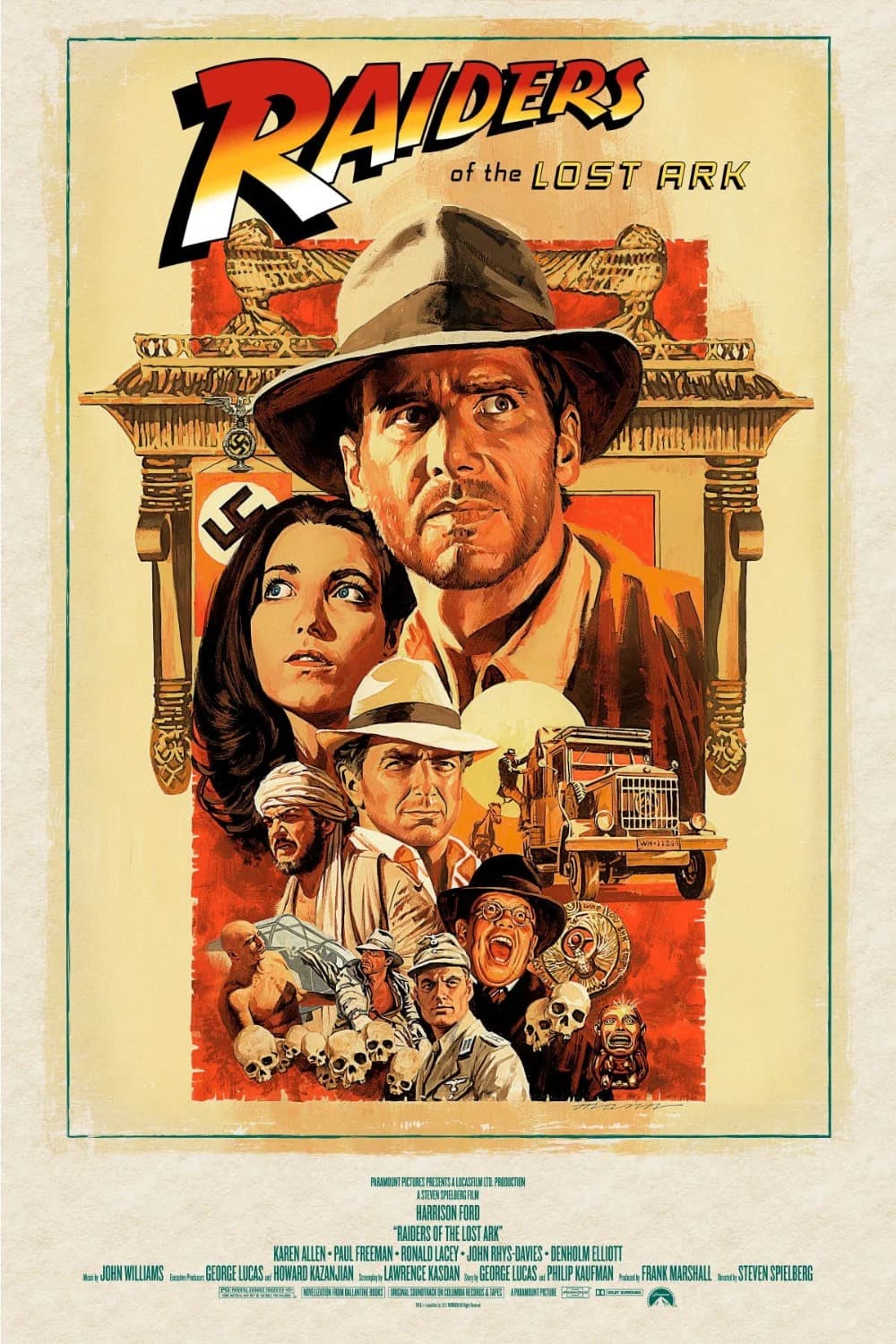
Raiders of the Lost Ark
Directed by Steven Spielberg
1981
Every adventure film since is measured against it: Spielberg and Lucas built a machine of chases and near misses so efficient that forty years of imitation have not worn it out.
★ 9.5
 skopia
Every adventure film since is measured against it: Spielberg and Lucas built a machine of chases and near misses so efficient that forty years of imitation have not worn it out.
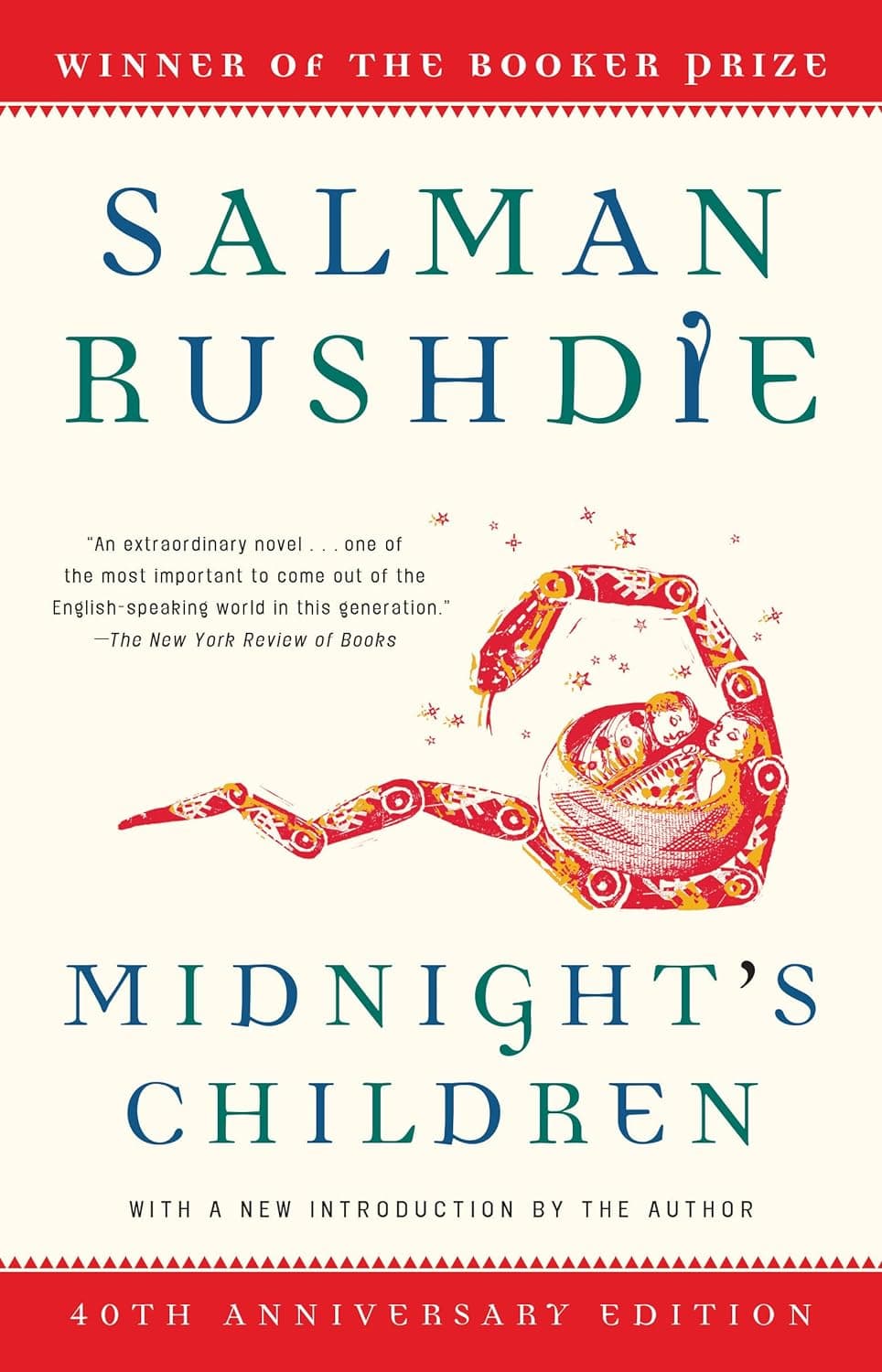
Saleem Sinai is born at the exact midnight India becomes independent, which gives him telepathy and welds his life to the country's. Sixty years of history arrive as one unreliable, delighted confession.
Bowie lived near Mountain Studios, dropped in, and one evening's jam became a UK number one with a disputed bassline.
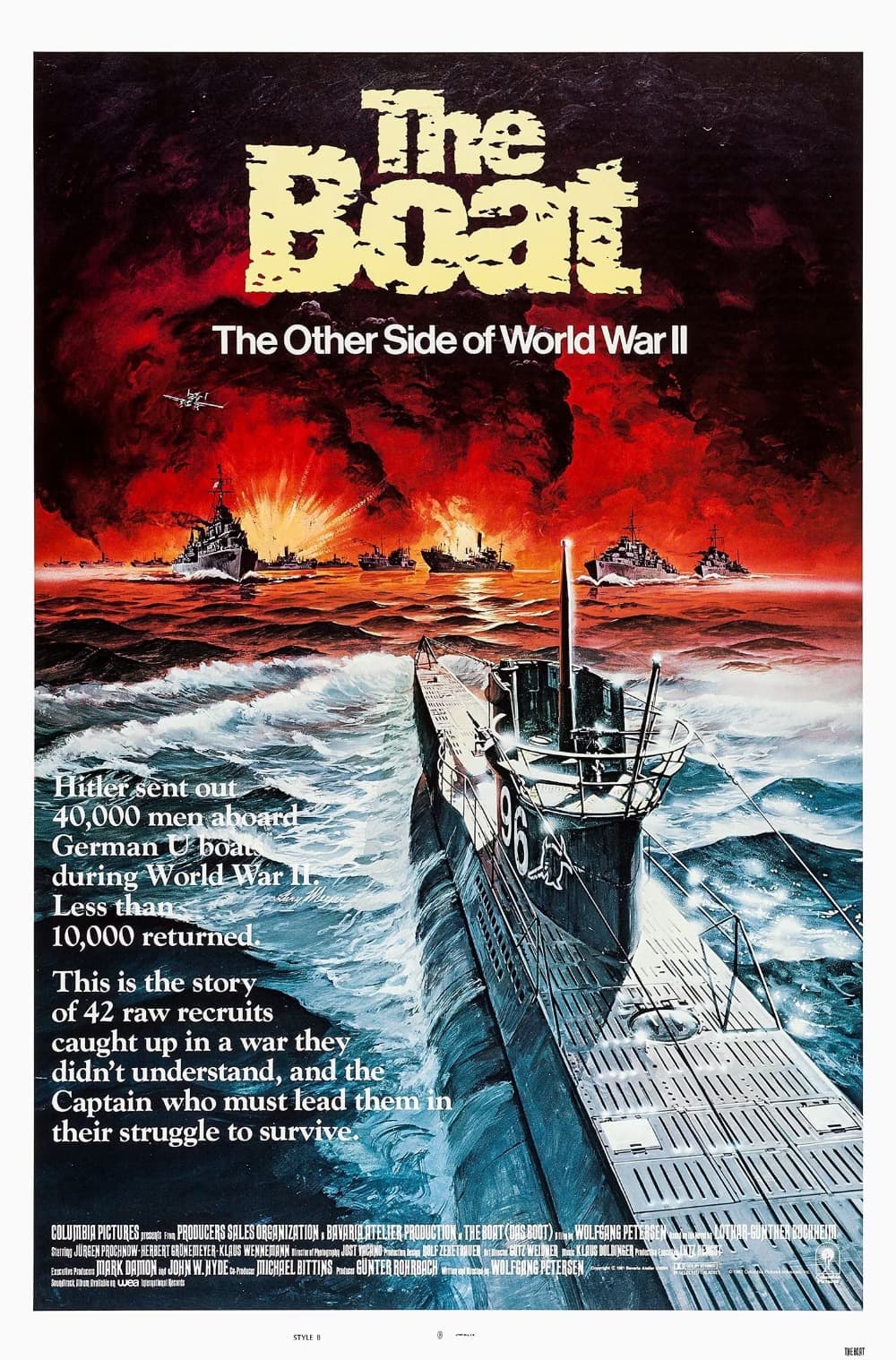
No war film has ever been this claustrophobic: Petersen ran a camera the length of a U-boat again and again until the steel walls start pressing in on you.
Padgham's talkback-microphone accident on Peter Gabriel's third album, a Roland CR-78 pattern, and pop's most anticipated drum entrance.

Oakey thought it the weakest thing on Dare; it became Britain's best-selling single of 1981 and Christmas number one.
Hib-Tone pressed about a thousand copies in 1981, and Stipe mumbled lyrics he hadn't finished writing.
A Northern soul flop from 1964 rebuilt on synthesizers at Advision, Marc Almond's first vocal take kept intact.
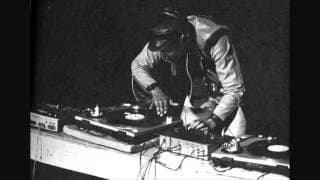
Three turntables, two mixers, ten to fifteen takes, and a record built entirely out of ten other records.
Cain lifted the title from his father's advice, and the chorus stays hidden until the last fifty seconds.
Cut in Leamington Spa on eight tracks, the flute squeezed onto full brass, number one while Britain burned.
In this present crisis, government is not the solution to our problem; government is the problem.
Two rock takes buried under dozens of abandoned reggae versions, dug out of the vault while assembling Tattoo You.
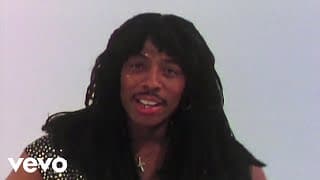
The Temptations sang backup, and the bass line James dismissed as silly later won him a Grammy through Hammer's sample.
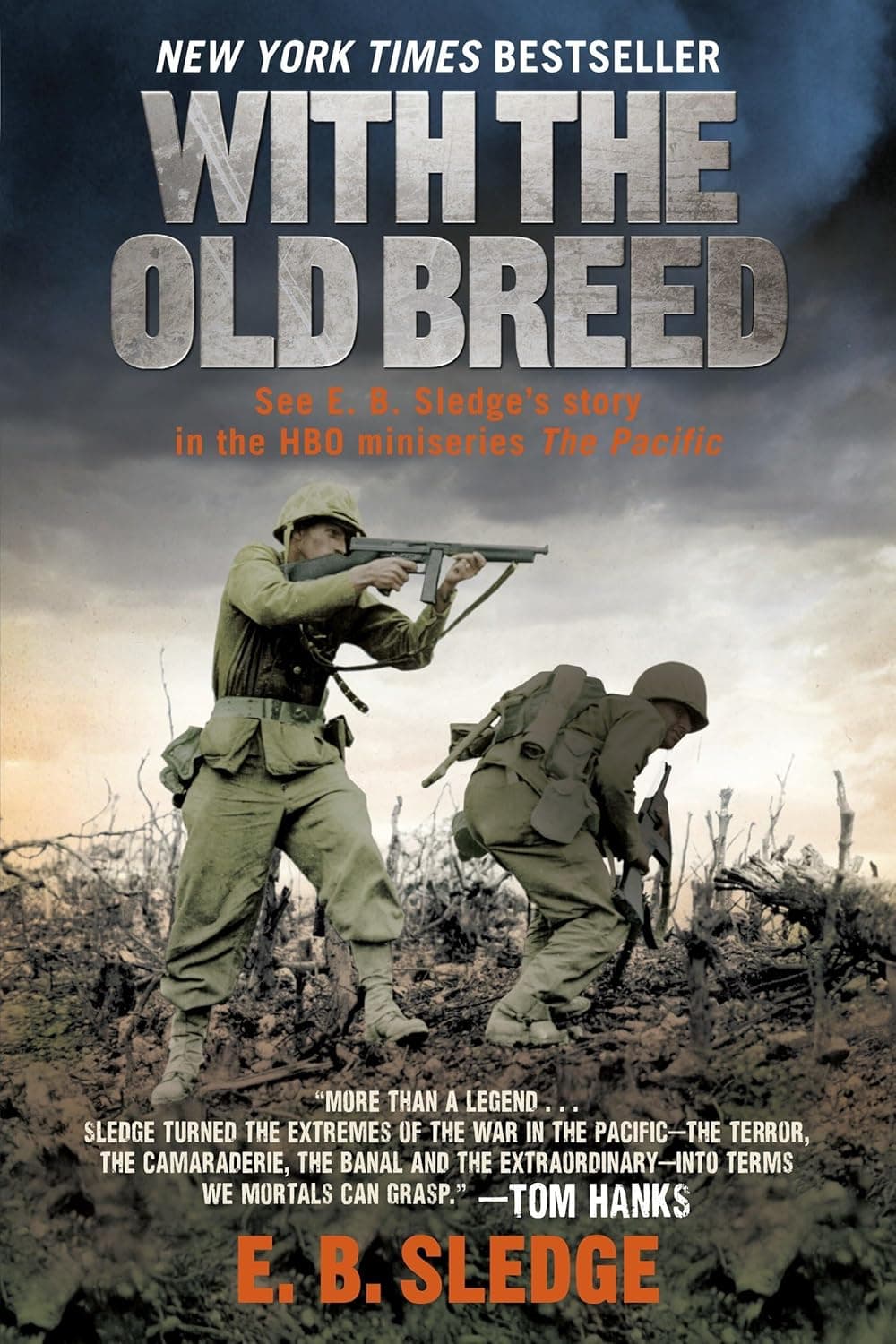
Sledge fought as a Marine mortarman on Peleliu and Okinawa, then set down the mud, the maggots, and the looting of corpses. The critic Paul Fussell ranked it with the finest war memoirs.

Working nights in a Massachusetts basement, a crew of young engineers races to build a new computer in a year, and Kidder catches every argument. Nobody had made engineering a literary subject.
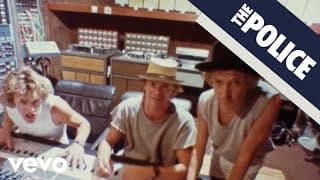
Four years in Sting's drawer before The Police cut it, and Jean Roussel's piano overdubs are why it soars.

Two brothers spend a morning announcing they will kill Santiago Nasar over their sister's wedding night, and nobody stops them. García Márquez reconstructs it from the witnesses who let it happen.
MacDonald's track came first, Withers added the words, and Washington's saxophone carried it to number two in 1981.
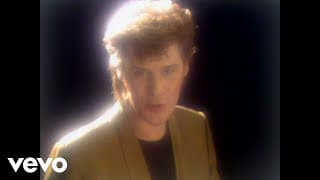
Hall started with a Roland preset and a Korg bass line, the one Jackson borrowed for Billie Jean.
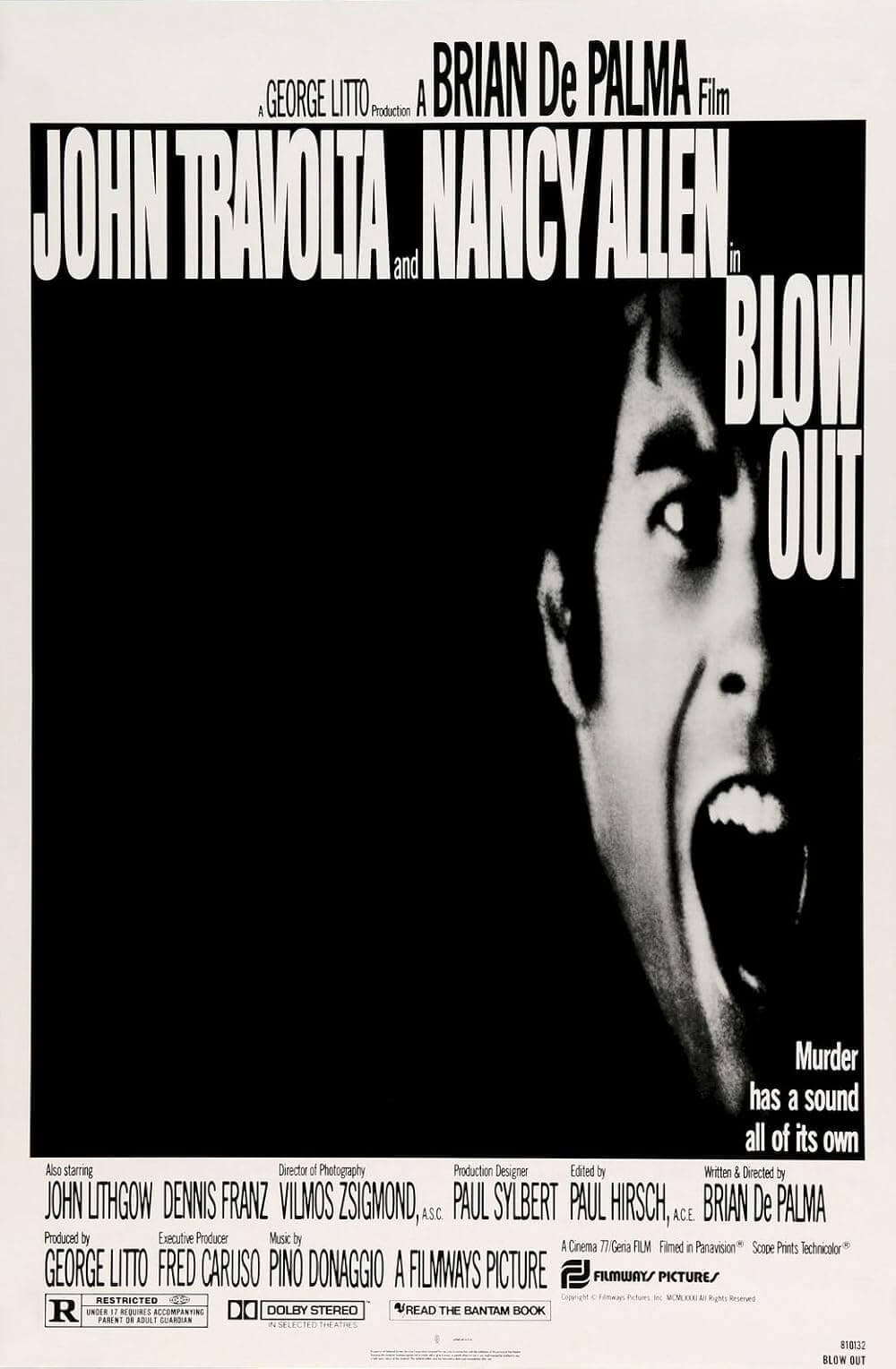
Travolta's best performance is in a thriller that flopped and spent forty years being rediscovered: a movie sound man records an accident and hears something that should not be on the tape.
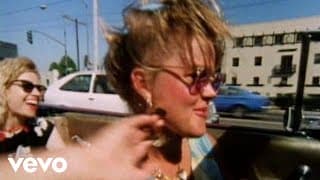
Written by post after Wiedlin and Hall's 1980 tour romance, and it still sounds like a secret being kept.

Daniel Miller sequenced it on a Roland MC-4, Vince Clarke's last single for the band and still a terrace chant.

A DeShannon album track from 1975 until Bill Cuomo's Prophet-5 riff arrived; nine non-consecutive weeks at number one followed.
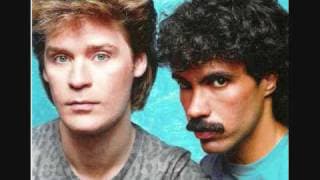
A rare Yamaha CP-30 supplies the riff, and Oates traced the song to Delta blues jammed against Texas swing.
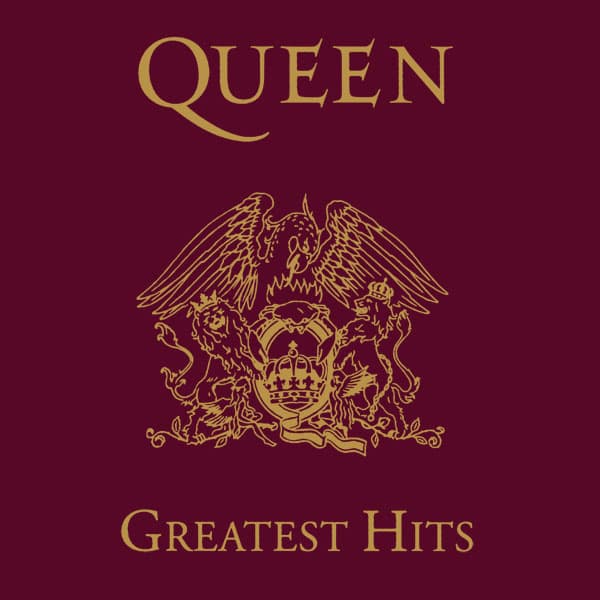
The best-selling album in British history, with roughly one copy sold for every three households in the country. Almost every track was a single.
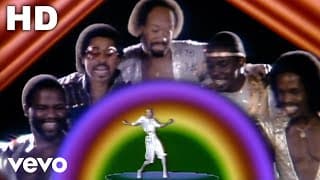
A vocoder hello, Philip Bailey's falsetto, and eight weeks at the top of the soul chart.

Trevor Horn's desk, Anne Dudley's strings, and Fry making his own jilting sound like the most glamorous thing available.
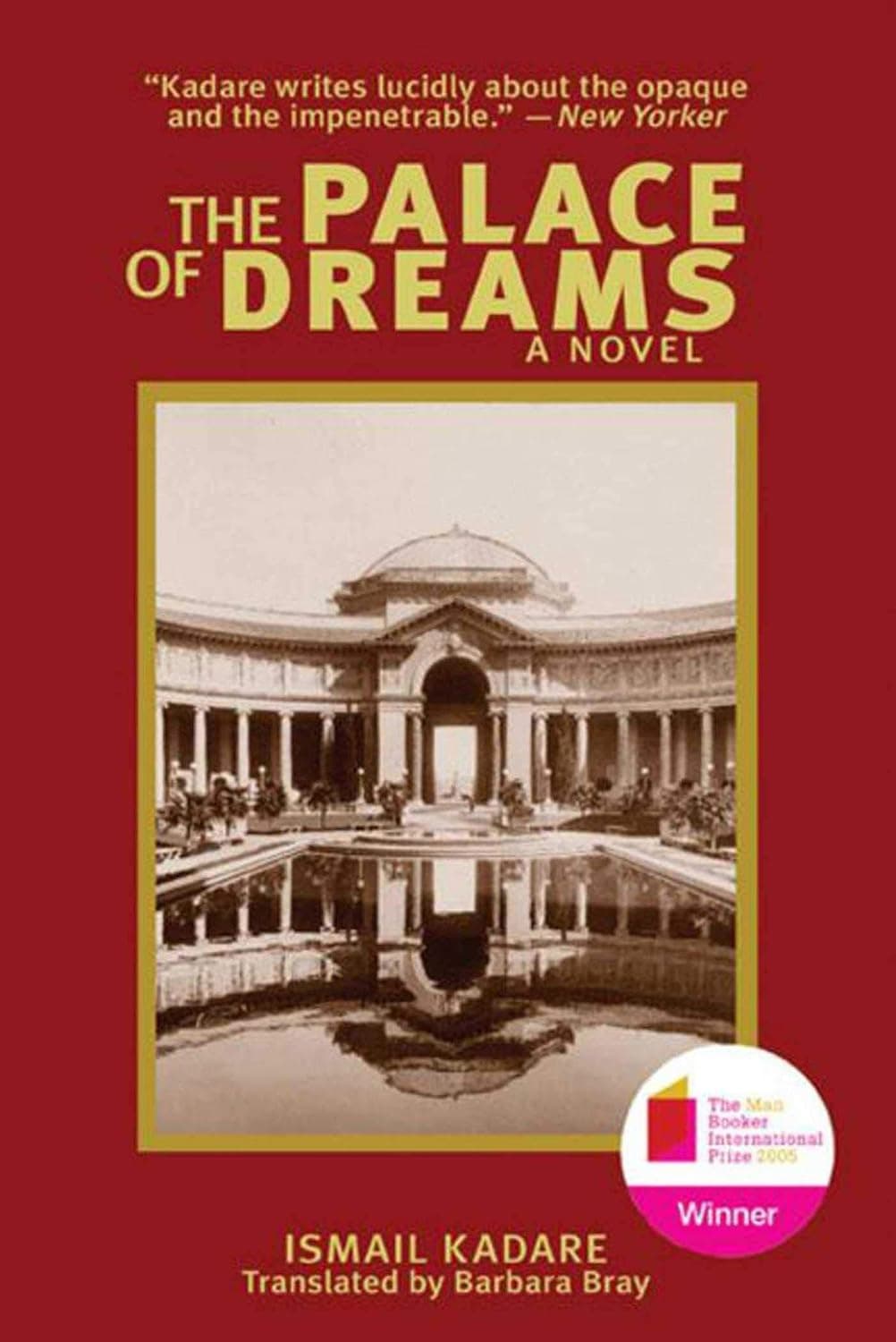
Clerks in an Ottoman ministry collect the dreams of every subject and sift them for the one that foretells the empire's fate. Albania's dictatorship banned it within months, after twenty thousand copies sold.
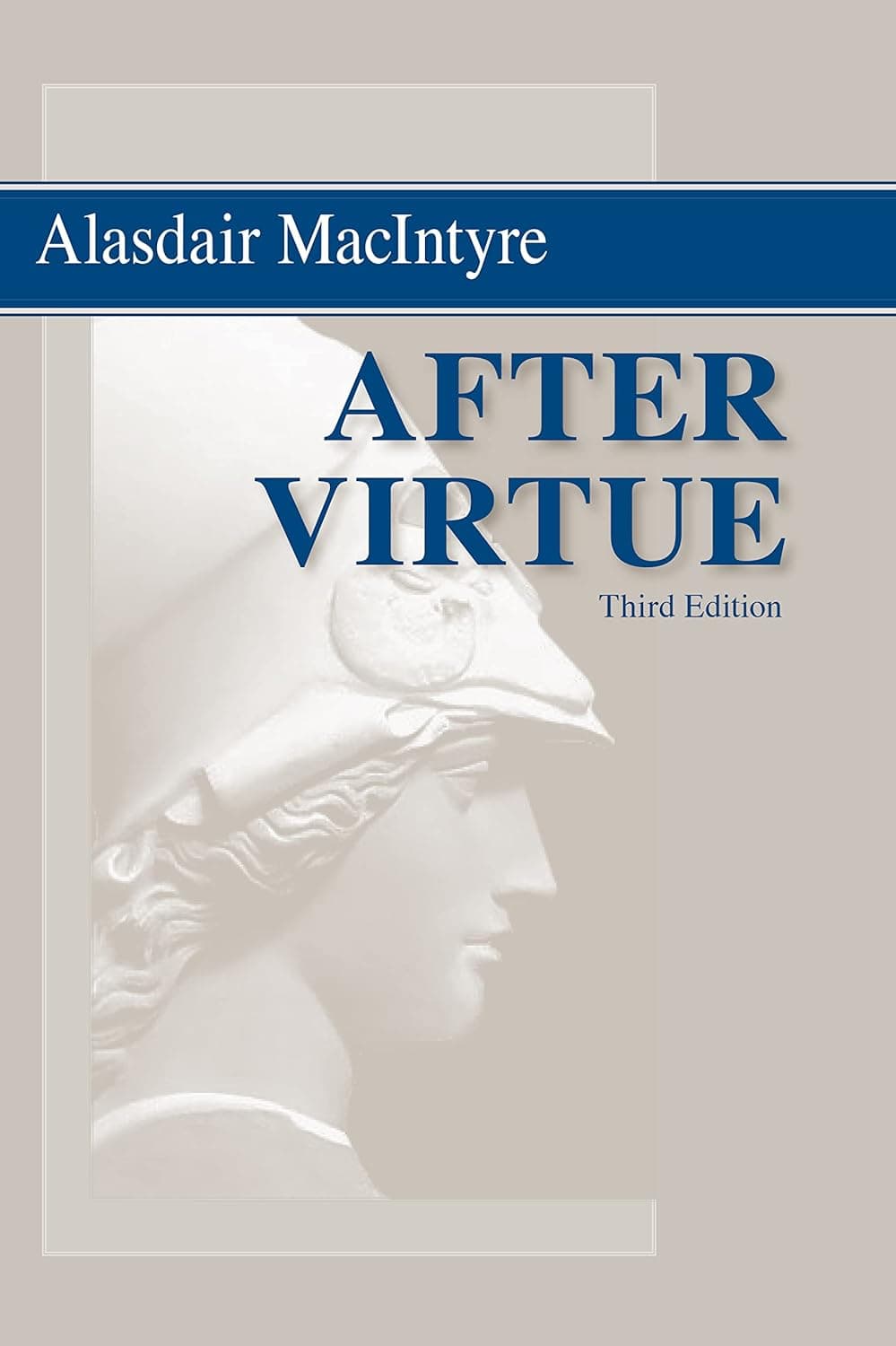
Modern moral argument never ends, MacIntyre says, because we speak in fragments of a tradition we have forgotten. He sent philosophy back to Aristotle's virtues and made ethics a fight about character again.
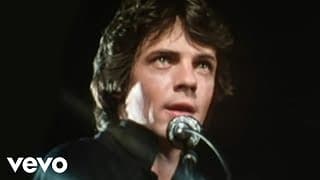
A Pasadena stained-glass class, a friend's girlfriend, and Neil Giraldo's guitar turning ordinary envy into a number one.
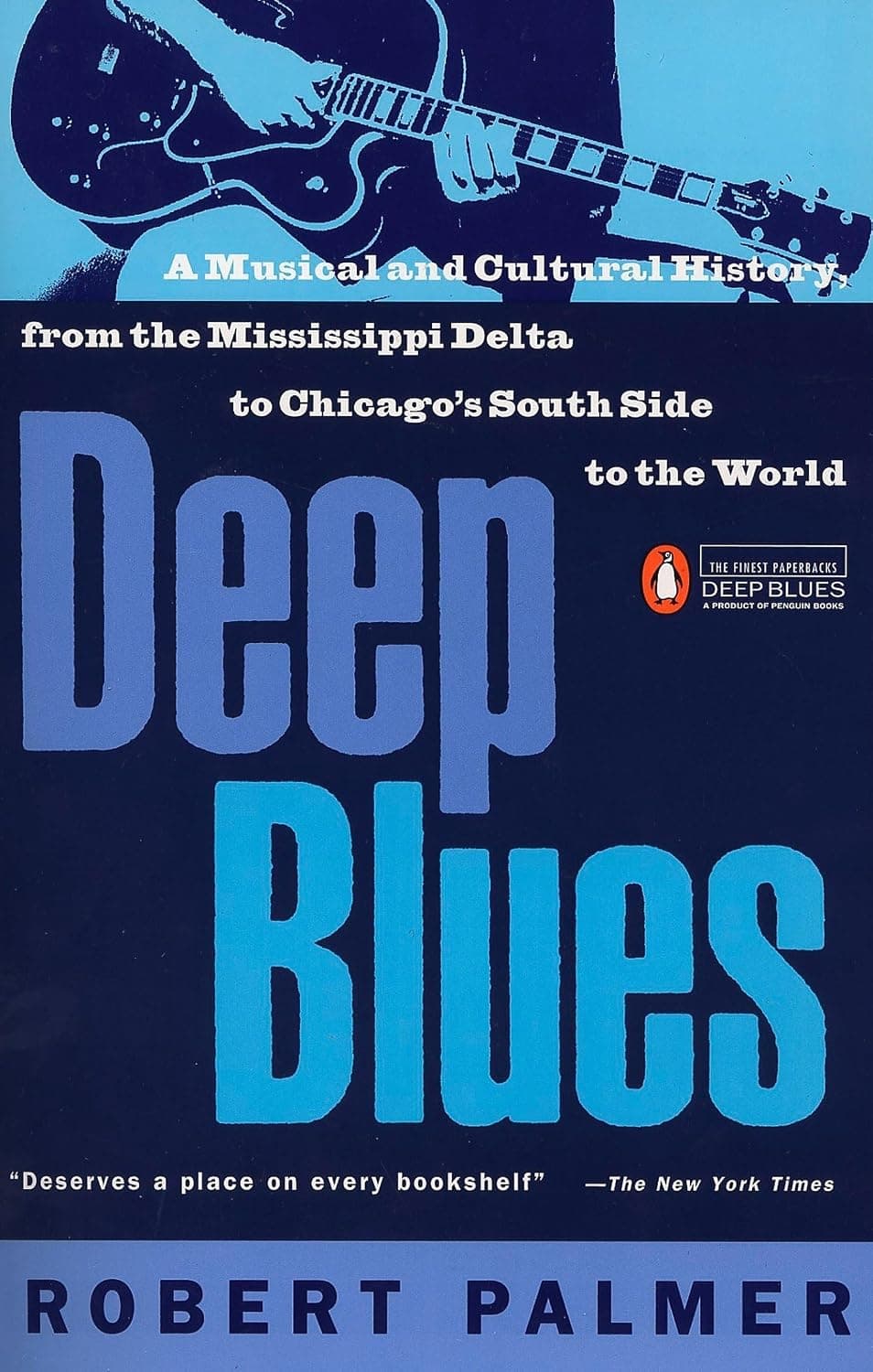
Palmer traces the blues from Mississippi Delta plantations through Memphis to Chicago's South Side, and he hears exactly what Charley Patton, Robert Johnson, and Muddy Waters were doing on the strings.
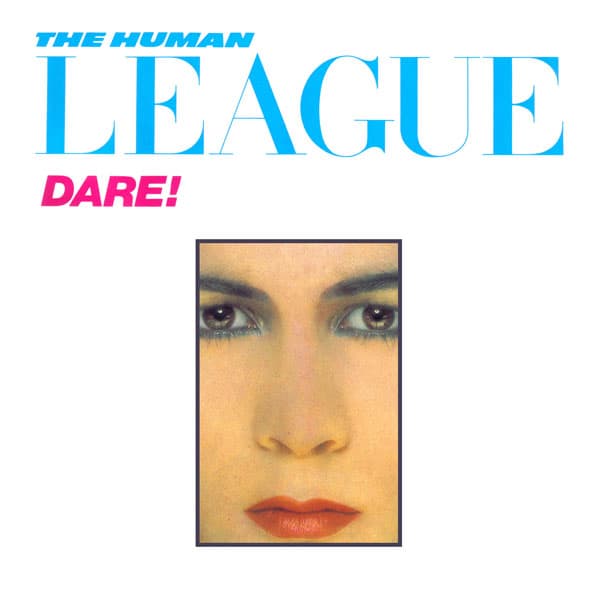
Singer Phil Oakey found two of his backing vocalists dancing in a Sheffield nightclub and put them on stage within weeks. Neither had sung professionally.

Basquiat was twenty-one and two years out of graffiti. His figure in a policeman's cap is penned in by a grid and scrawled words.

Widowed after thirty years, a Senegalese teacher writes to her closest friend about the husband who took her daughter's teenage friend as a second wife. It won the first Noma Award.
There is only one question which really matters: why do bad things happen to good people?
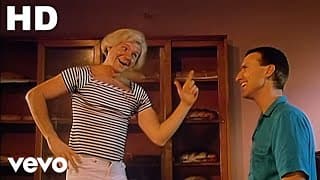
Greg Ham played the flute hook as a joke; it carried Hay's tale to number one in seven countries.
Vangelis scored the film alone on synthesizers, won the Oscar, and needed twenty-two weeks to reach number one in America.

Written for Rod Stewart, declined by Tina Turner, and parked at number one for ten weeks by Newton-John.

In the Brazilian backlands a wandering preacher gathers thousands of the destitute, and the young republic sends four armies to wipe them out. Vargas Llosa grants every fanatic in it his own reasoning.

One collapsing season with the Portland Trail Blazers, three years after their title, and Halberstam turns it into an anatomy of how television money and race were remaking professional basketball from the inside.
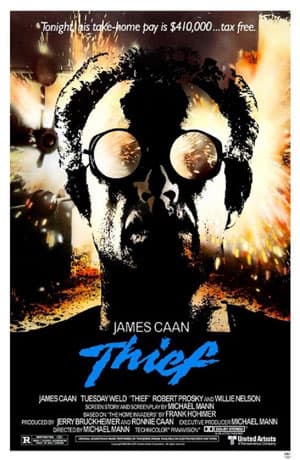
Michael Mann's first theatrical feature, with Tangerine Dream on the score and real ex-burglars advising: a safecracker who has planned his whole future on a diner napkin tries to buy his way out.
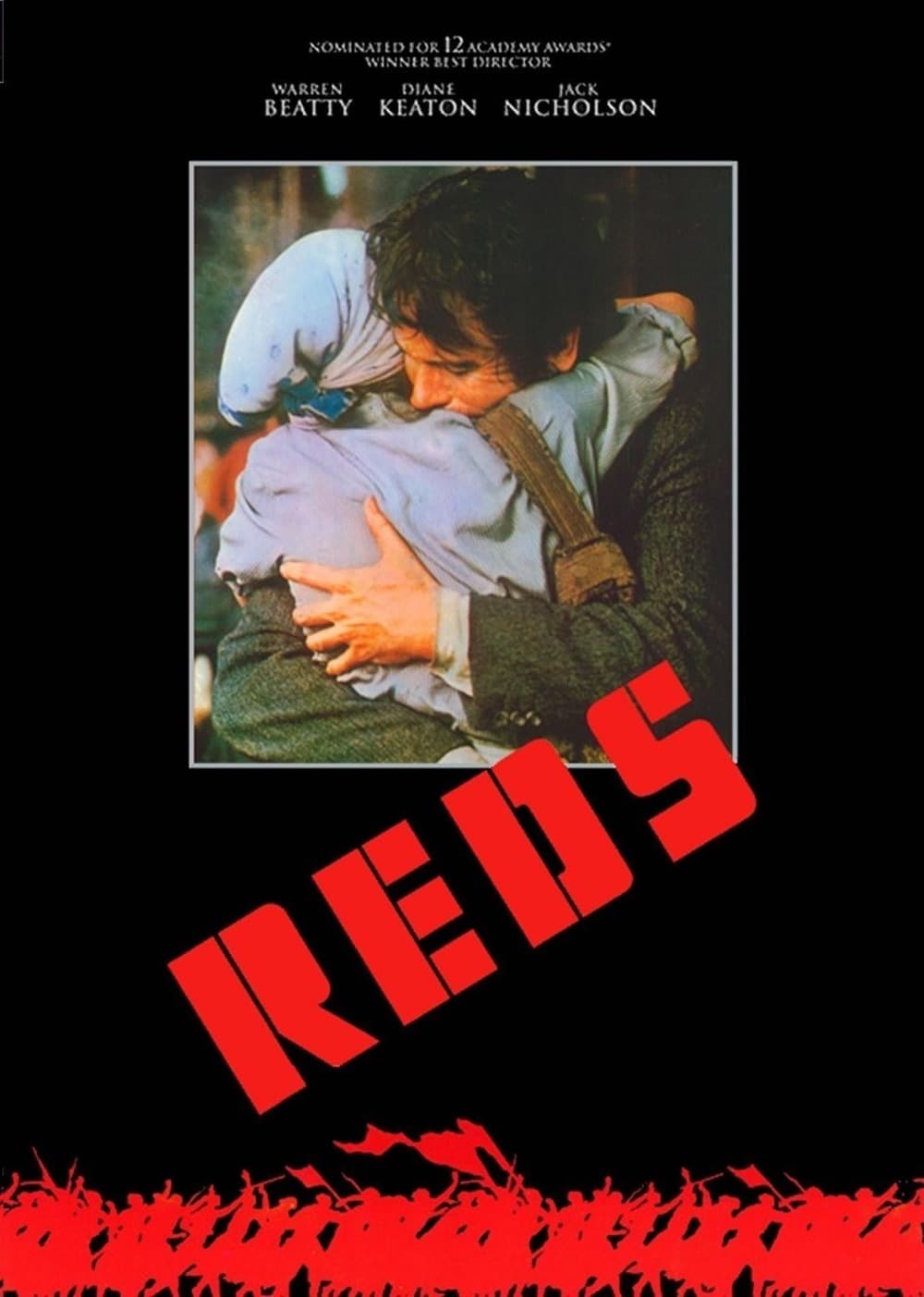
Beatty tracked down dozens of surviving witnesses and cut their interviews straight into the film: the Russian Revolution seen through two American radicals who cannot stop arguing.
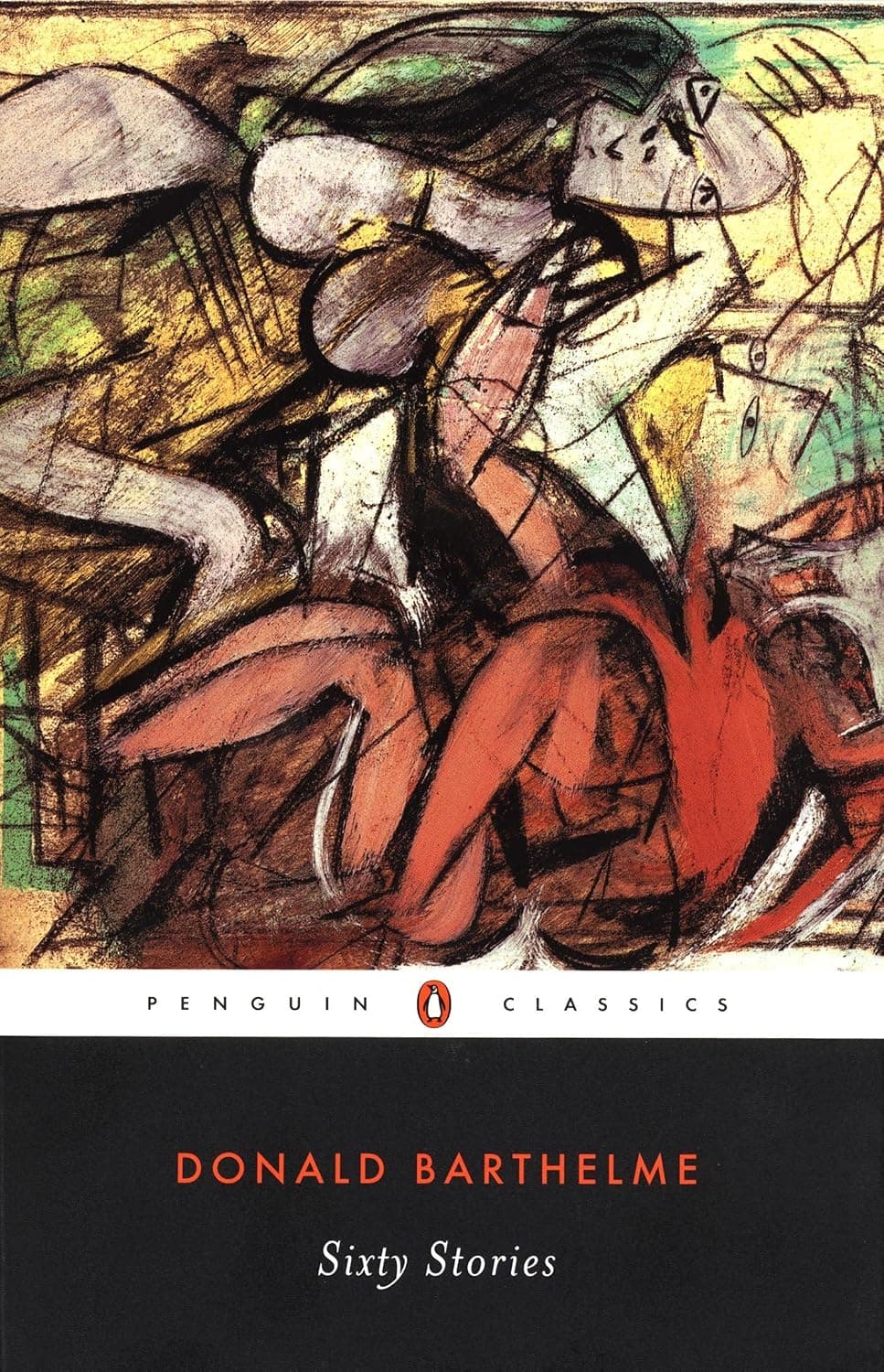
A balloon settles over forty-five blocks of Manhattan and New Yorkers read meanings into it. Barthelme's deadpan collages taught two generations of American writers that a story need not make ordinary sense.
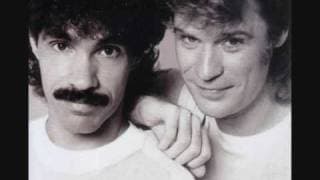
Written with Janna Allen and kept as the demo take; by Hall's account Van Halen borrowed its synth for "Jump".
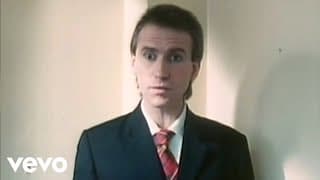
Hay wrote the music in a Bermagui treehouse, and Greg Ham's saxophone hook does the rest.
Nine weeks at number one, from vocals Richie and Ross cut around three in the morning in Reno.
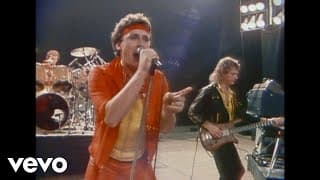
Dean found an empty beach midweek and wondered where everyone was; Reno turned waiting for the weekend into working.
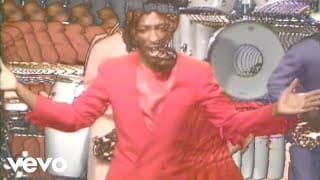
Deodato's production strips it to bassline and handclaps, and J.T. Taylor asks the only question a dancefloor needs.

Morgan Leafy, a British diplomat in a fictional West African state, must bribe an incorruptible Scottish doctor, conceal a venereal infection, and remove the maid lightning killed before the Duchess arrives.
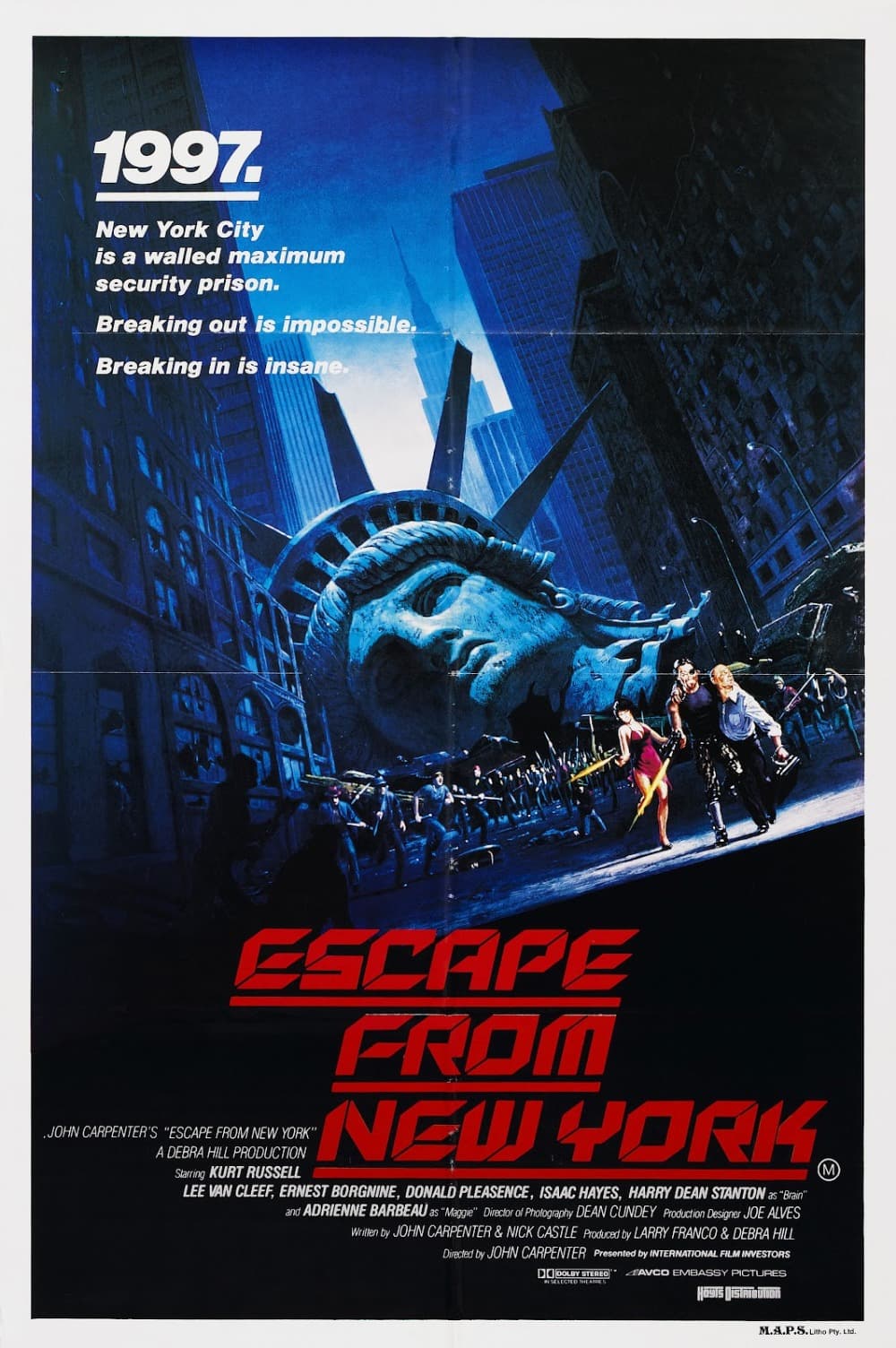
John Carpenter turned Manhattan into a prison on a shoestring and it still looks right: Kurt Russell plays a convict given twenty-two hours to retrieve the president, and enjoys none of it.
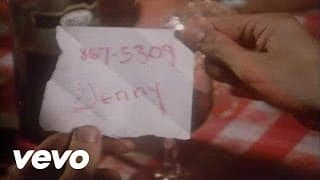
Alex Call says there was no Jenny, just a backyard afternoon, four chords and seven digits America dialed for decades.
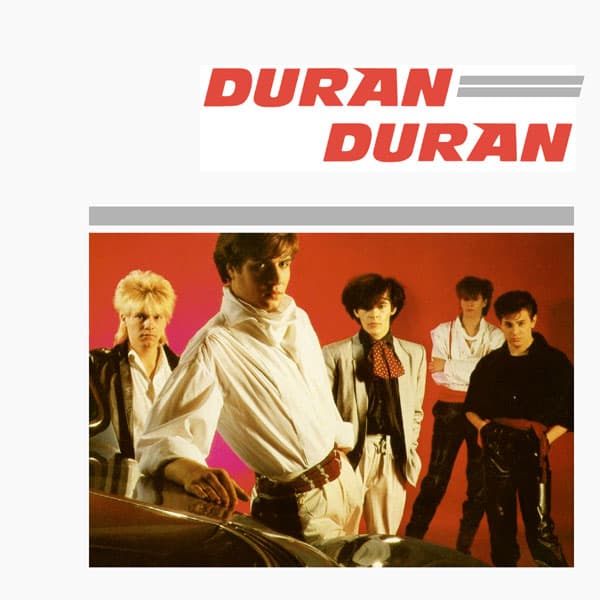
John Taylor's bass carries the tunes the way a lead guitar normally would, which is what separates this from the synth-pop around it.
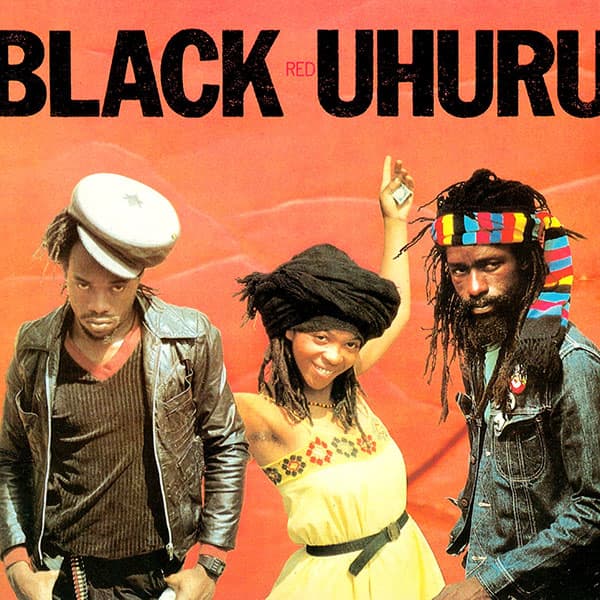
Sly Dunbar plays an electronic drum on it, which almost nobody in reggae was doing, and it gives the whole record its metallic snap.
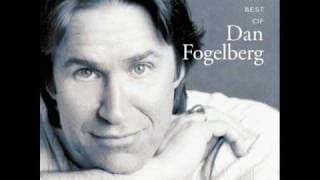
Fogelberg wrote it for his father Lawrence, a working bandleader who lived to hear it and talk about it.
Graydon, Lukather and Champlin wrote it for a greatest hits album, Porcaro programmed the Linn drum, and it won a Grammy.

Epic wanted a different follow-up single; the band held out for Richrath's chain of hearsay and reached number five.
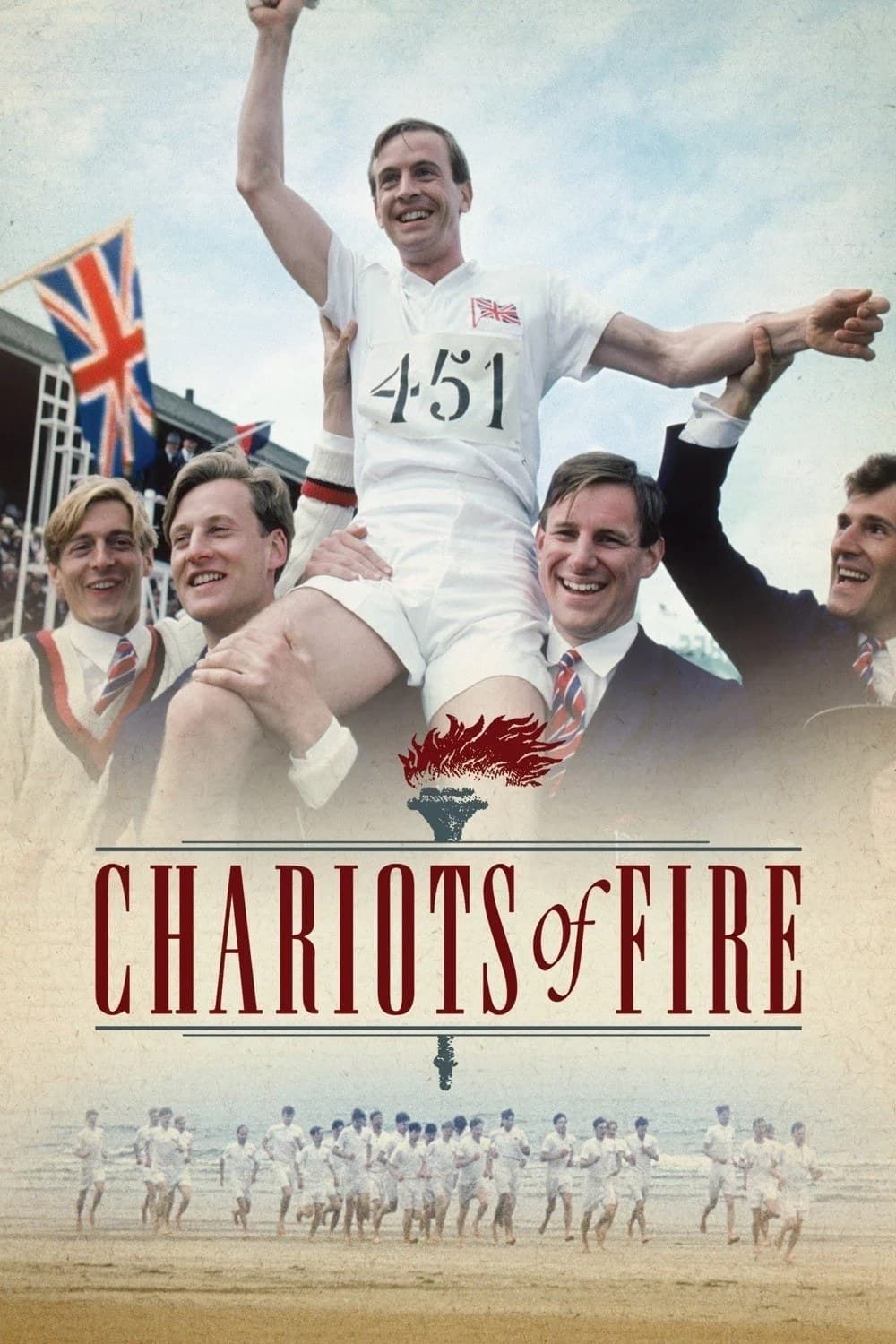
The Vangelis theme is so famous that people forget the film underneath is about religion: two runners at the 1924 Olympics, one running for God and one against English antisemitism.

Chip Taylor wrote it after hearing Ruby Tuesday, Connie Francis passed on it, and Newton reached number four.
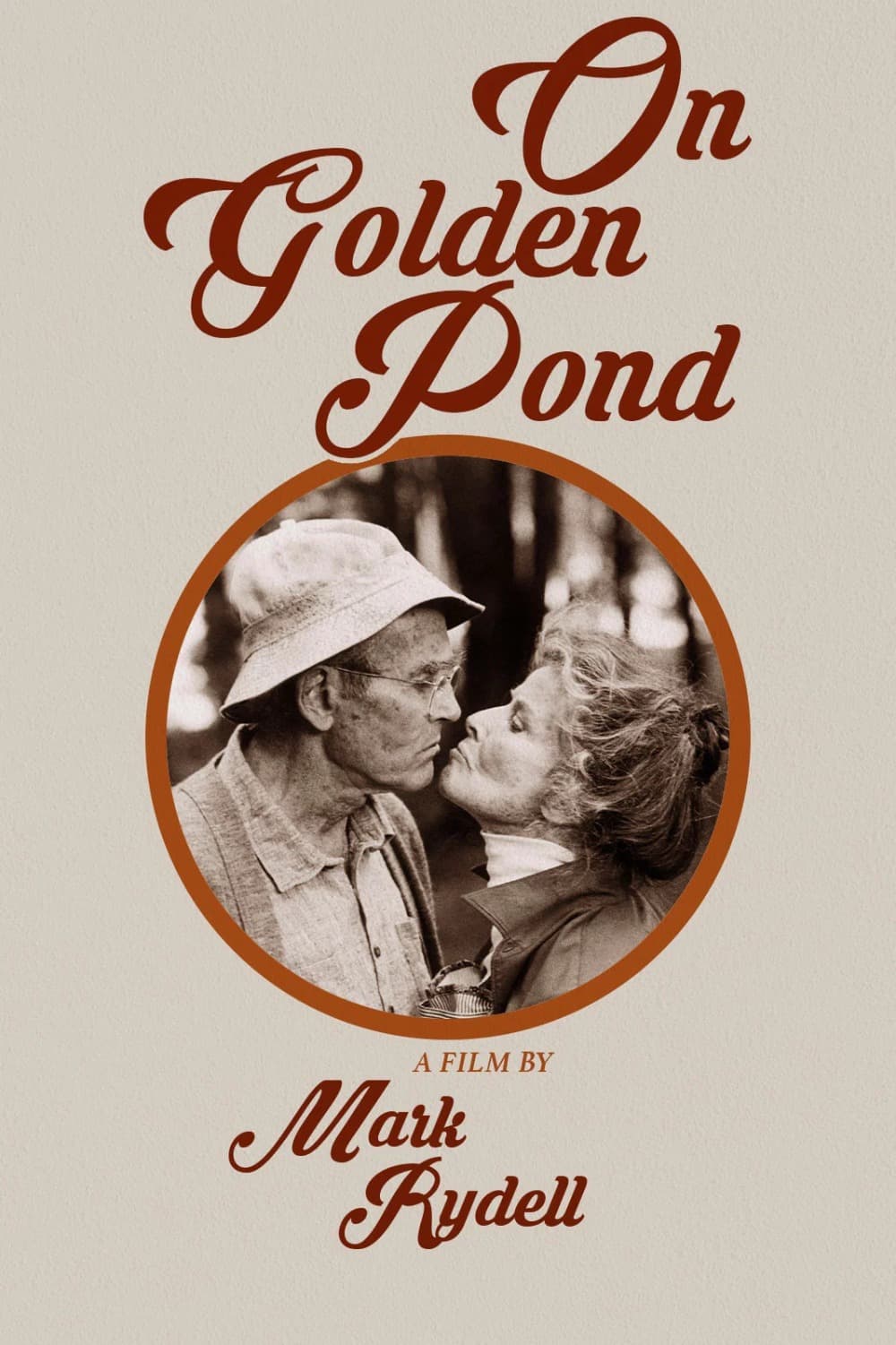
Henry Fonda won his only competitive Oscar at seventy-six and died four months later: he and Jane Fonda play an estranged father and daughter, which was not much of a stretch for either.
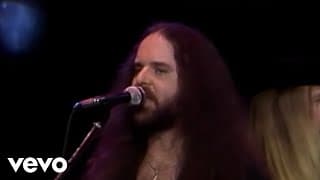
Jim Peterik of Survivor co-wrote it with Barnes and Carlisi, and it gave the band their first top ten.
Those who say that we're in a time when there are not heroes, they just don't know where to look.