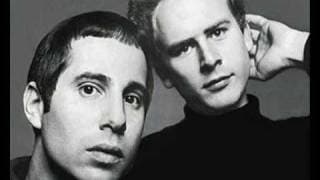
Bridge Over Troubled Water
1970
Garfunkel's voice climbing a gospel staircase, the last verse arriving like the cavalry.
★ 9.5
 skopia
Garfunkel's voice climbing a gospel staircase, the last verse arriving like the cavalry.
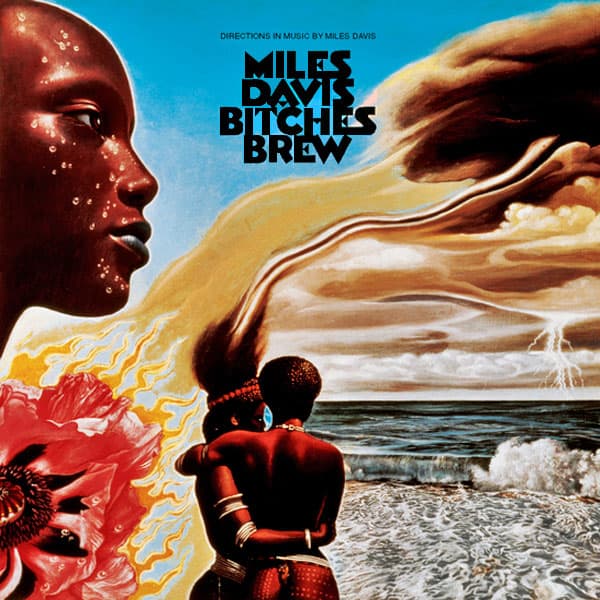
Davis gave the players almost no written music, and his producer Teo Macero cut the tapes together afterward with a razor blade.
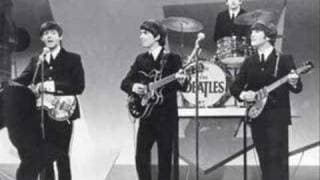
McCartney dreamed of his mother Mary telling him it would be all right; Harrison cut two different solos.

Simon wrote the title song and gave it to Garfunkel to sing alone, and spent years regretting it. They had broken up by release.
Iommi's riff arrived as three-minute filler for the album, Butler wrote the words fast, and Sabbath had their biggest UK hit.

Recorded mostly in the basement of his Topanga house, with an eighteen-year-old Nils Lofgren on piano, an instrument he had not played before.

It took roughly eight hundred hours of studio time, and by the end the four of them were barely speaking to each other.
Called Walpurgis until the label balked at the witchcraft, and Butler aimed the lyric at politicians who start wars.

Clapton wrote it about his best friend's wife. The long piano ending was brought in by the drummer, and he was paid for the co-write.
Osbourne heard Iommi's riff and called it a big iron bloke walking; Butler built the science fiction around that.
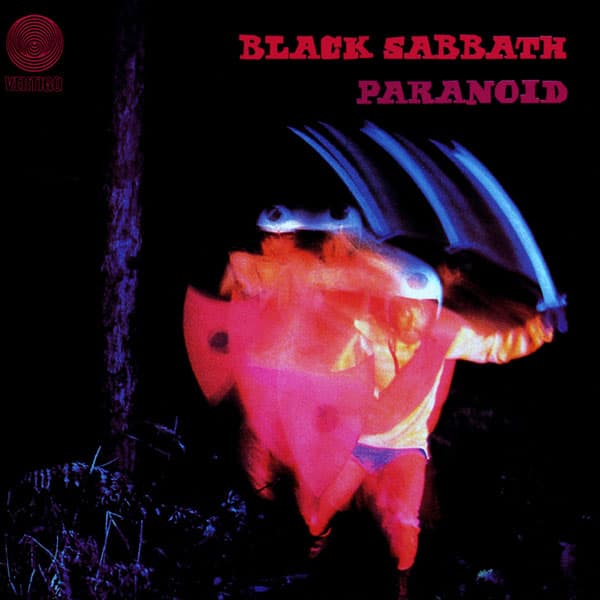
The title song was written in about twenty minutes as filler. Tony Iommi plays with plastic fingertips after losing his in a factory.
One of Brown's first dates with the new J.B.s, Bootsy Collins on bass at eighteen, Bobby Byrd answering every line.
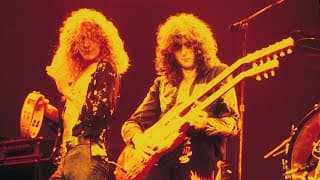
Zeppelin played Reykjavik in 1970, and Plant came back with Vikings, Valhalla, and that double-tracked wail.
Taupin scribbled the lyric over breakfast at a kitchen table, and Buckmaster's strings turned it into John's first Top 10.
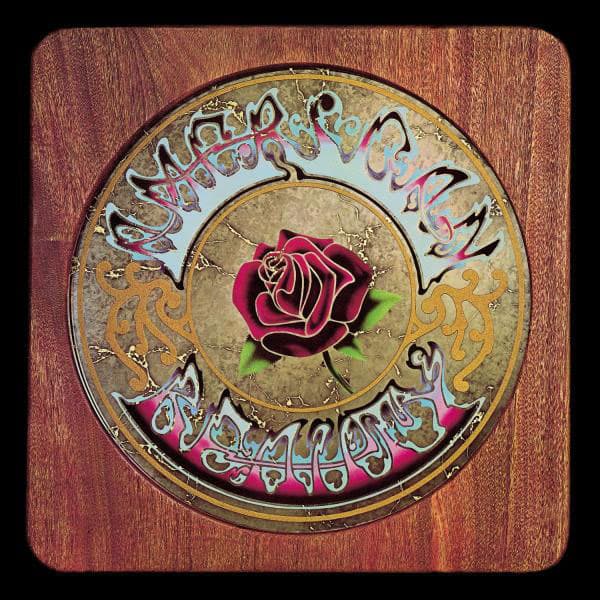
The bassist Phil Lesh wrote Box of Rain while his father was dying, and sang it himself. The Dead had never written this plainly before.
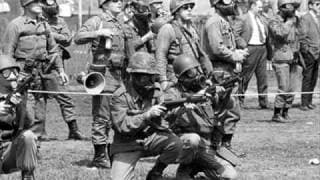
Seventeen days between the Life photographs from Kent State and four voices cutting it live in a Los Angeles room.
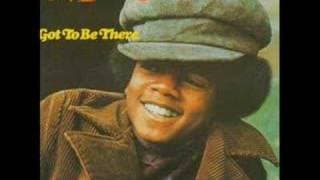
Hal Davis cut it at Hitsville West in June 1970, and Michael, eleven years old, made the ballad sound lived-in.
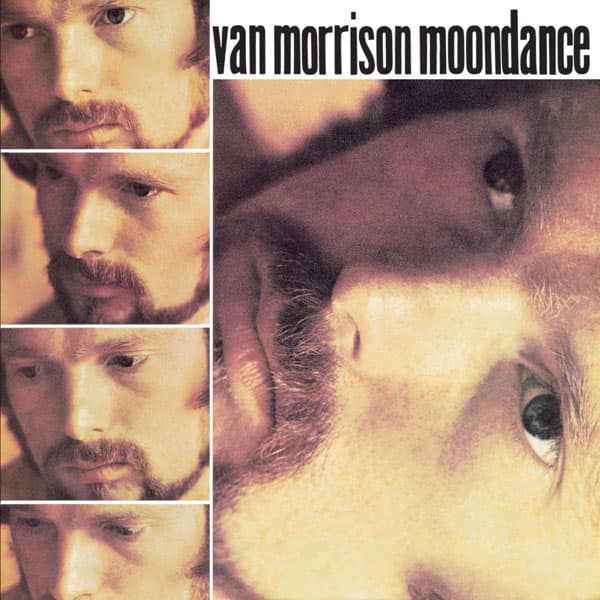
Morrison arranged the horns himself and has spent decades saying he does not much like the record. Everyone else disagrees.
Tucker was pregnant, so Yule played bass and drums, and the bridge stayed missing from the mix for twenty-five years.
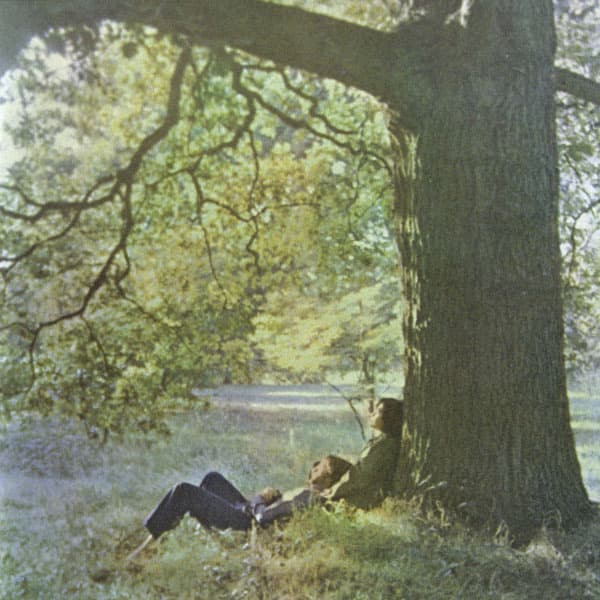
Lennon made it straight after four months of primal scream therapy, with almost nothing on it but piano, bass and drums.
Written first as 'Into the Misty', recorded at A&R in New York, and the warmest thing Morrison ever sang.
Harrison started it backstage in Copenhagen, gave it to Billy Preston first, then took the first ex-Beatle number one.
Booked into Abbey Road as Billy Martin, McCartney played every instrument in a day and declined to release a single.
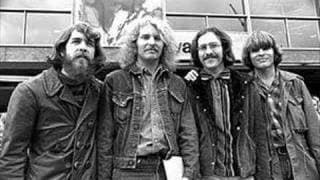
Fogerty said the rain falling on a sunny day was Creedence breaking up around him; the record aches accordingly.
Kunkel's brushes, Carole King's piano, and three verses that hold a death, an addiction and a band's collapse.
Leslie Kong cut it in 1969, Hibbert called the subject karma, and The Harder They Come carried it worldwide.
Master Henry Gibson's congas drive it, the horns arrive like good news, and Britain sent it top twelve.

Tito Puente wrote it as a 1962 cha-cha-cha; Gregg Rolie's Hammond organ replaced the horn section.

Osip Mandelstam wrote sixteen lines mocking Stalin and died in a camp for them. His widow Nadezhda memorized the poems to keep them alive, then set down exactly how the fear worked.
A melody Morrison worked out on soprano sax first, then Jack Schroer's alto solo swinging over Jef Labes' piano.
Mitchell threw back a Hawaii hotel curtain, saw mountains above a parking lot, and wrote pop's sunniest protest song.
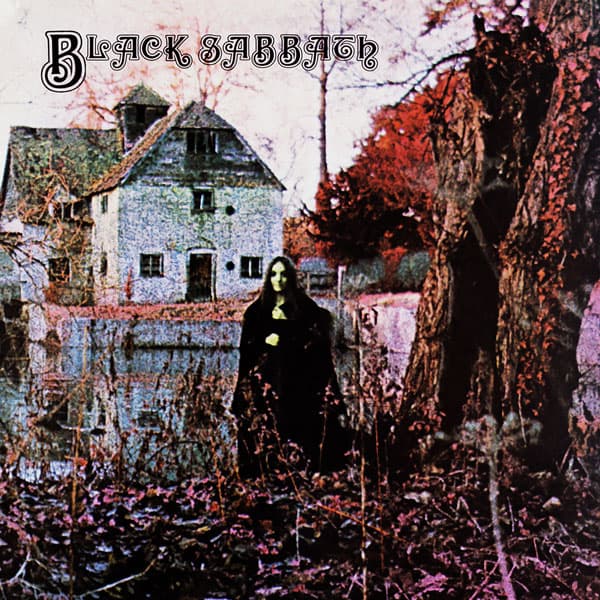
Recorded in a single day for a few hundred pounds and released on a Friday the thirteenth. The riff is a devil's interval.

The band called their rehearsal warehouse the factory, because John Fogerty had them in there every day. Five singles came out of it.
Piano and Bill Peterson's flugelhorn, cut at Young's Topanga home studio, written for a Dean Stockwell screenplay.
Hunter's lyric folds in a 1970 New Orleans bust, and the Library of Congress declared the record a national treasure.
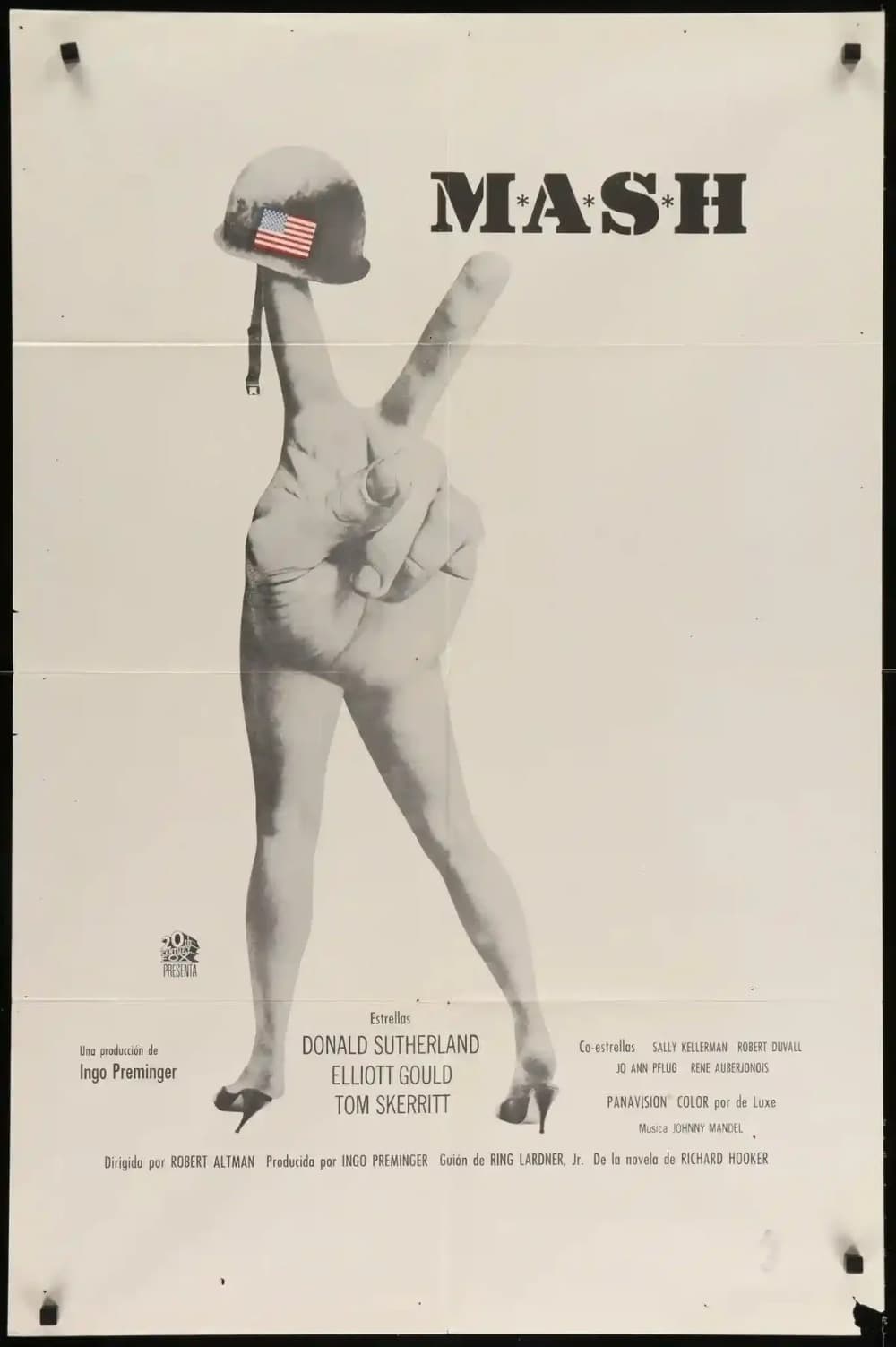
Altman's overlapping dialogue turns up fully formed: army surgeons in Korea behave appallingly in order to stay sane, and the film was really about Vietnam all along.

Thirty years of broken treaties, forced marches, and massacres, told from inside the Cheyenne, Navajo, Apache, and Lakota camps. Dee Brown ended the frontier myth for a generation of American readers.
Friends banged on a piano bench at a party; Simon and Halee looped the thumping into a rhythm track.
David Grisman's mandolin threading Hunter's London lyrics, a benediction the Dead tucked onto the B-side of "Truckin'".
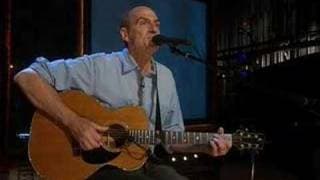
Taylor wrote it driving through the Carolinas to meet his newborn nephew, a cowboy lullaby in waltz time.
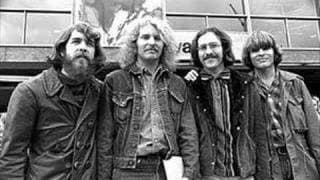
A B-side to "Travelin' Band" that outgrew it, Fogerty's unhurried strum and a question about Vietnam still hanging.
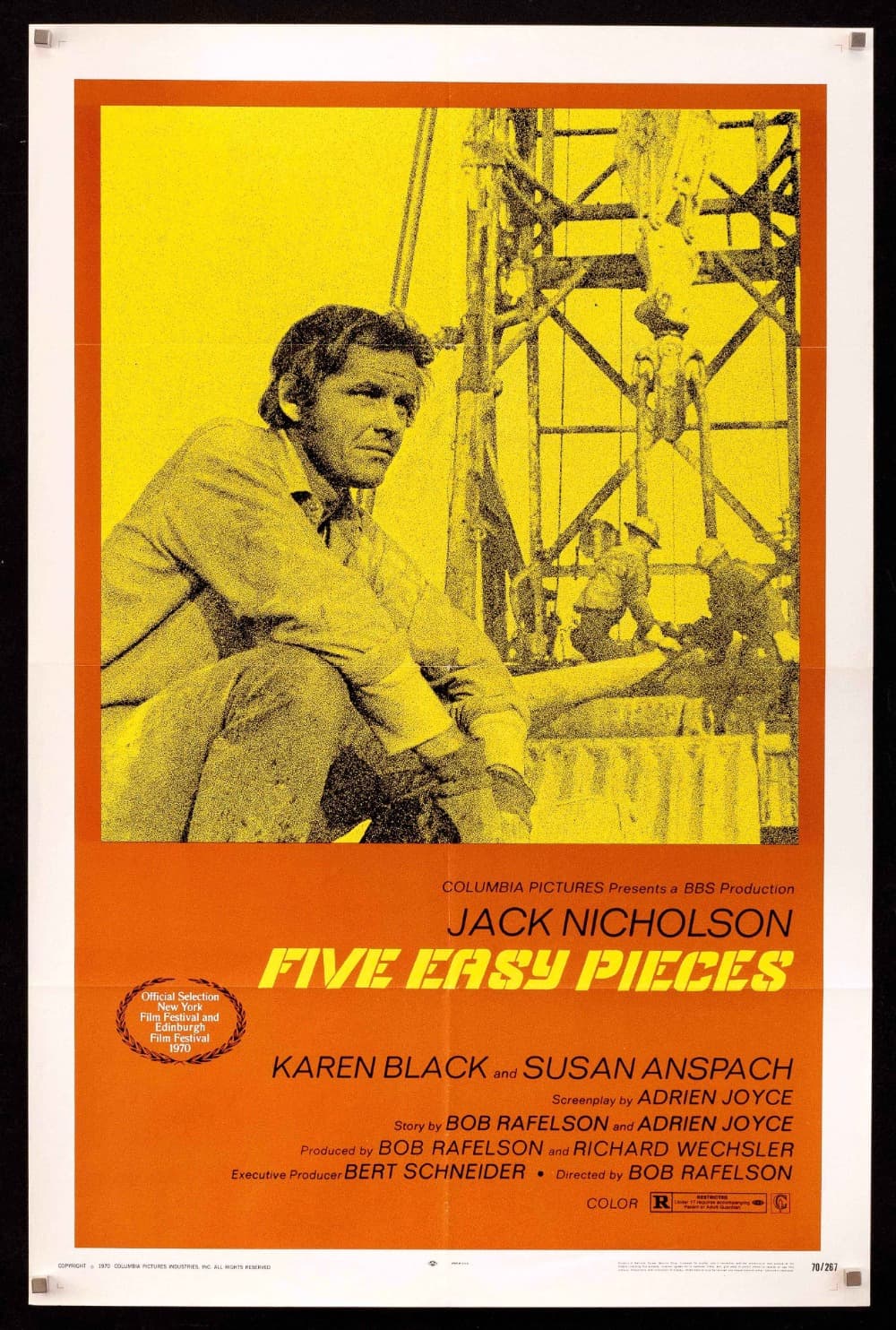
The diner scene has outlived the film's whole era: a classical pianist walked away from his family to work oil rigs, and nobody here will explain him or forgive him.
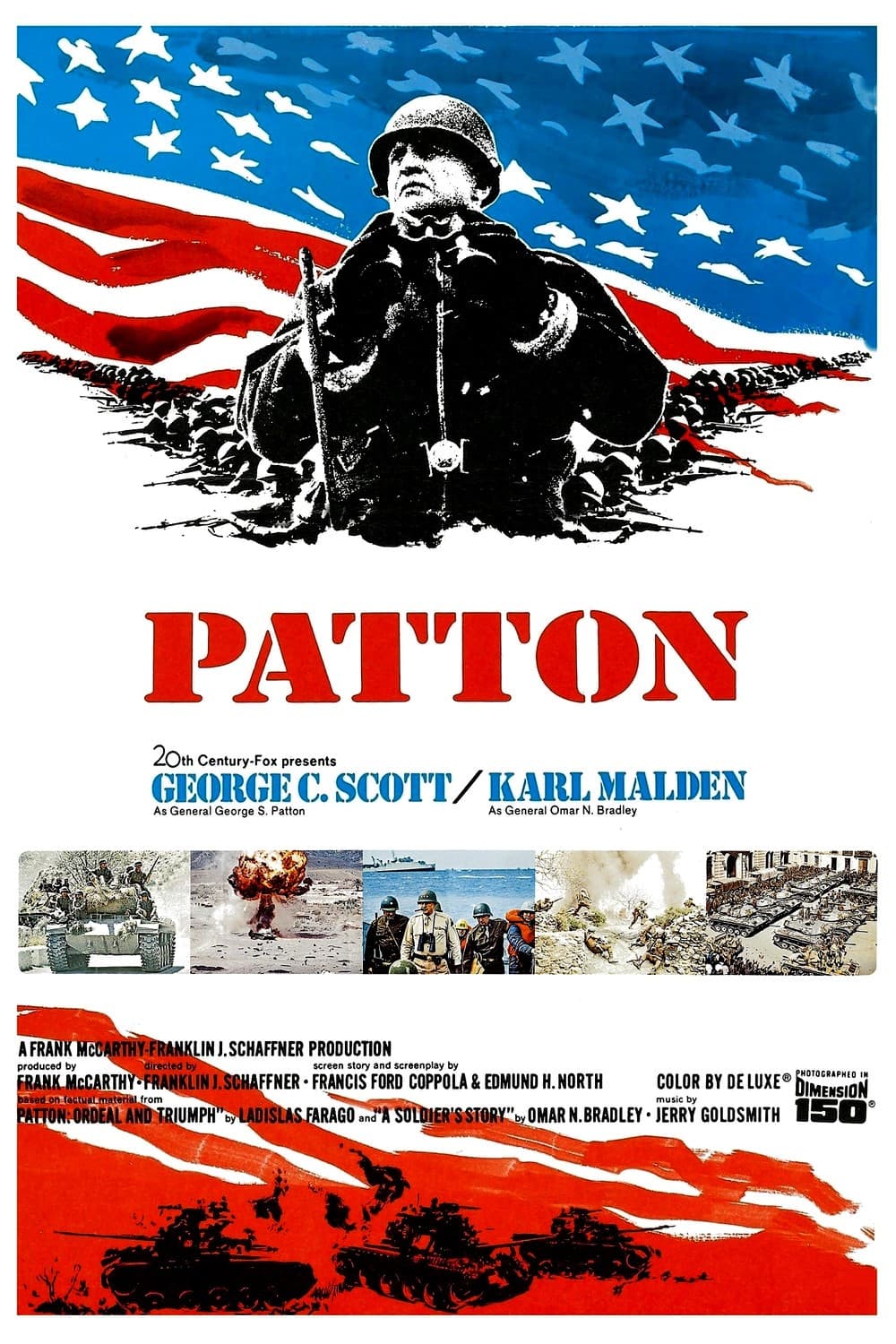
Coppola co-wrote it before The Godfather and George C. Scott refused the Oscar: a monologue in front of an enormous flag opens the most ambivalent film Hollywood ever made about a general.
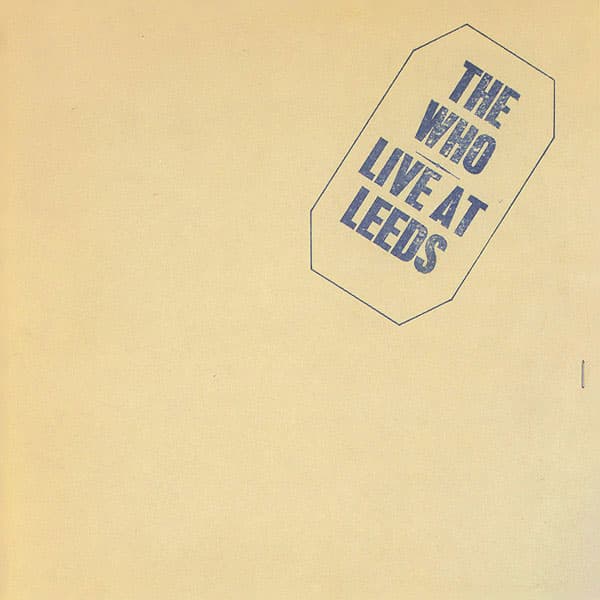
They burned the tapes of every other show on the tour and kept this one, packaged deliberately to look like a bootleg.
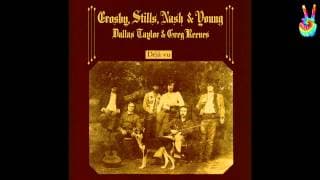
One of three Deja Vu tracks the four cut together, Young keening about the Ontario town of his childhood.
Ezrin cut an eight-minute jam down to three, and John Lydon mimed along to it to join the Sex Pistols.
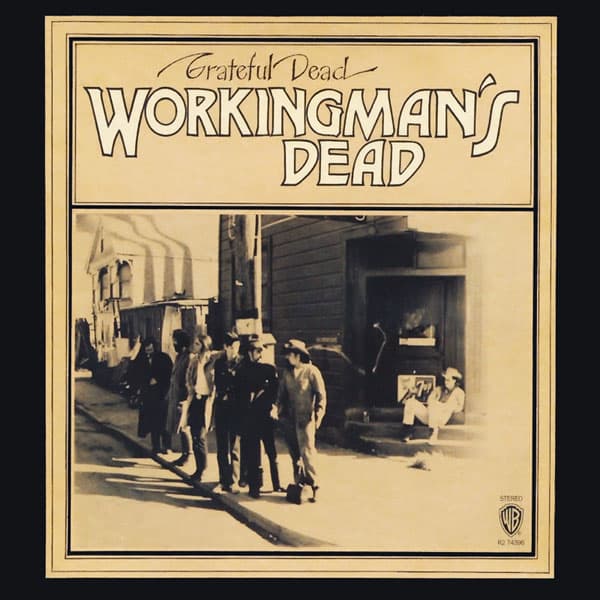
They made it in about nine days, in debt and facing charges after a New Orleans arrest, singing harmonies learned from Crosby, Stills and Nash.
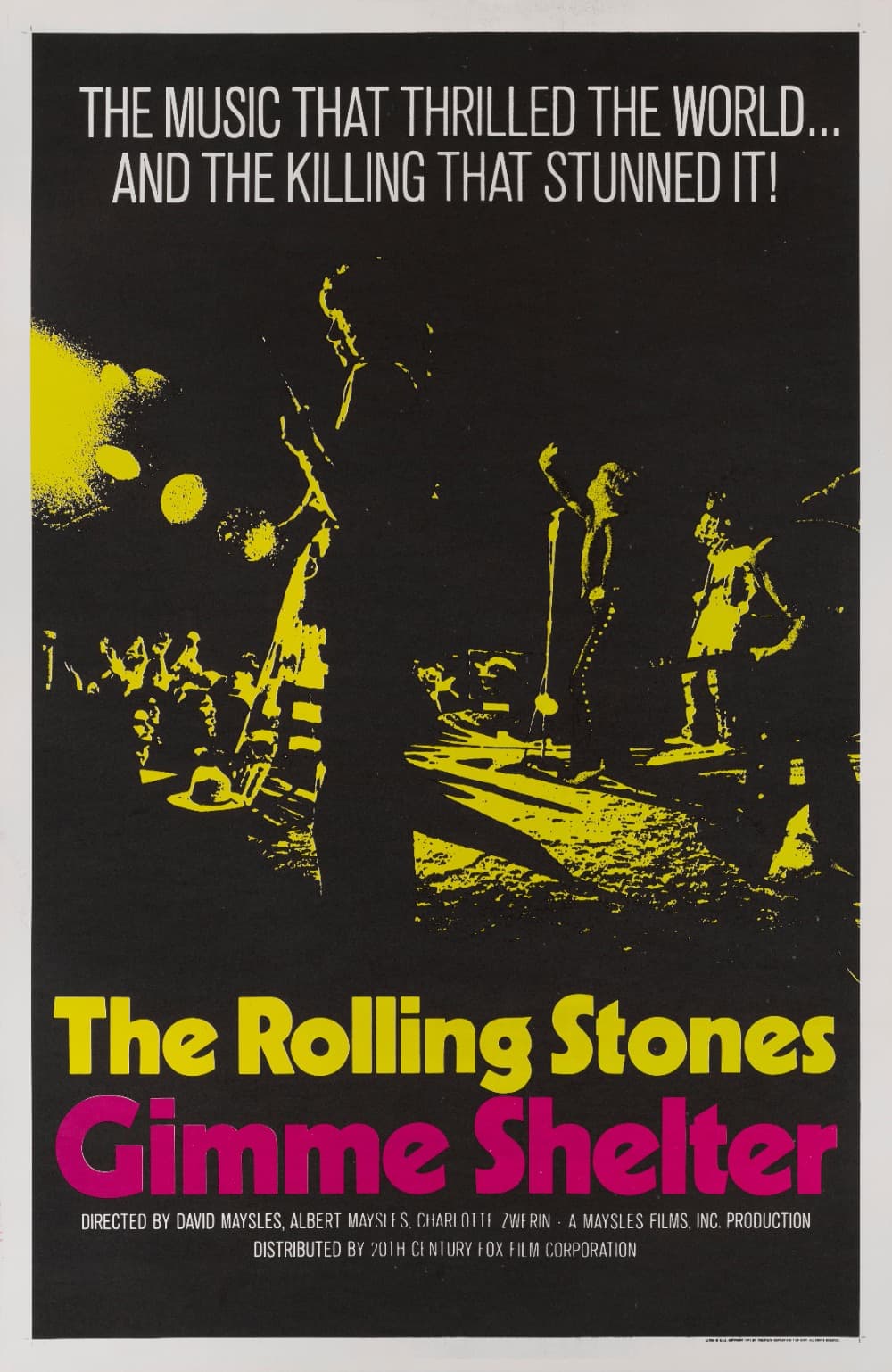
The sixties end on camera here: the Maysles followed the Rolling Stones to a free concert at Altamont, then sat Mick Jagger at an editing bench and made him watch what happened.
Lamm looked at his watch at 3:35 a.m. and had a title; Cetera sang it with his jaw wired together.
Stan Vincent's song sat on a B-side until it broke out in Philadelphia and Detroit and climbed to number eight.

Stevens called it his parting song for Patti D'Arbanville, and Jimmy Cliff took it into the UK top ten.
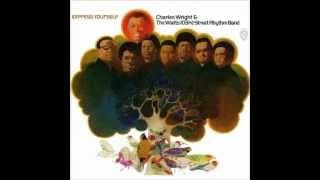
Wright wrote and produced it, took it to number three R&B, and nineteen years later N.W.A sampled the groove.
Tucker was pregnant, so Doug Yule played drums, bass and the solo; Reed's Jenny finds her life on the radio.
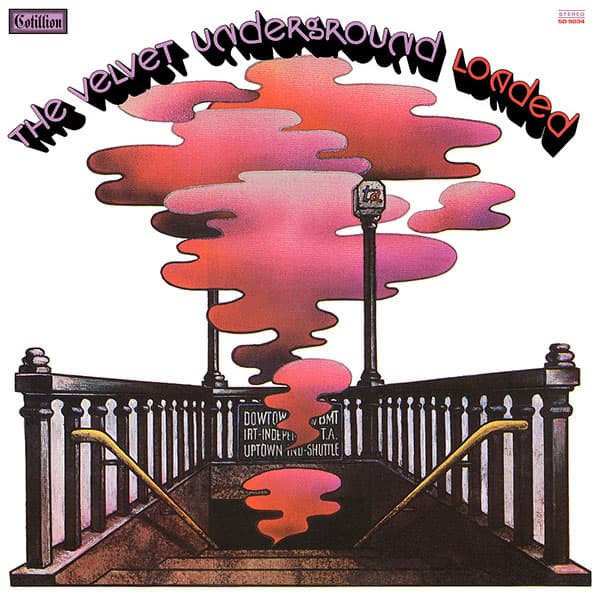
The label asked for an album loaded with hits, so they called it that. Lou Reed quit the band before it was released.