A Change is Gonna ComeSam Cooke
A Change is Gonna Come
1964 · From Portrait of a Legend
Cooke wrote it after a motel turned him away, and sang it like a hymn he already knew by heart.
★ 9.7
 skopia
Cooke wrote it after a motel turned him away, and sang it like a hymn he already knew by heart.
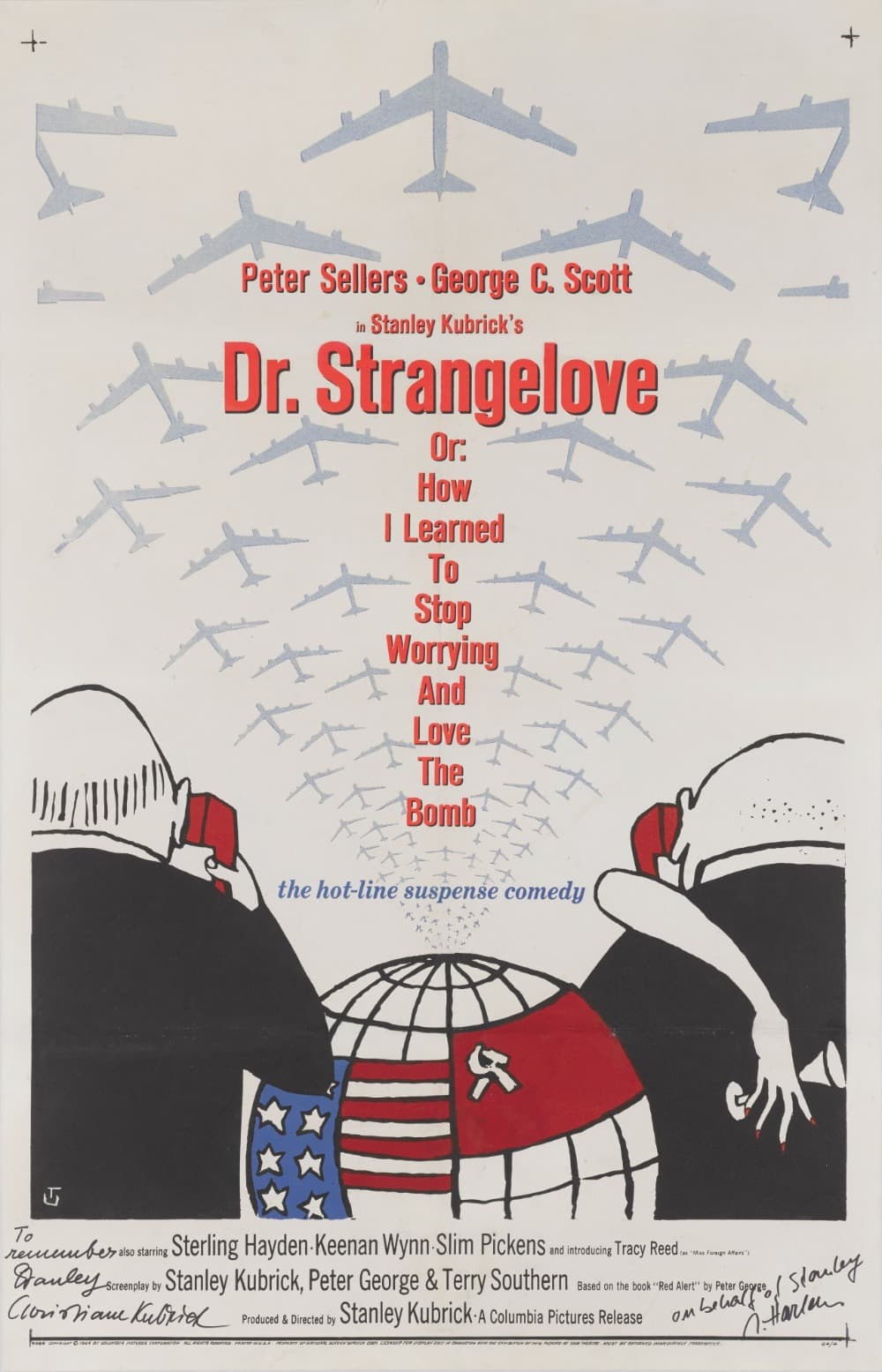
Nuclear annihilation has never been this funny, and never will be again: Kubrick worked out that the strategy was already absurd, and simply let his generals talk.
For the loser now will be later to win, For the times they are a-changin'.
Smokey Robinson wrote it for his wife Claudette, then handed David Ruffin his first Temptations lead vocal.
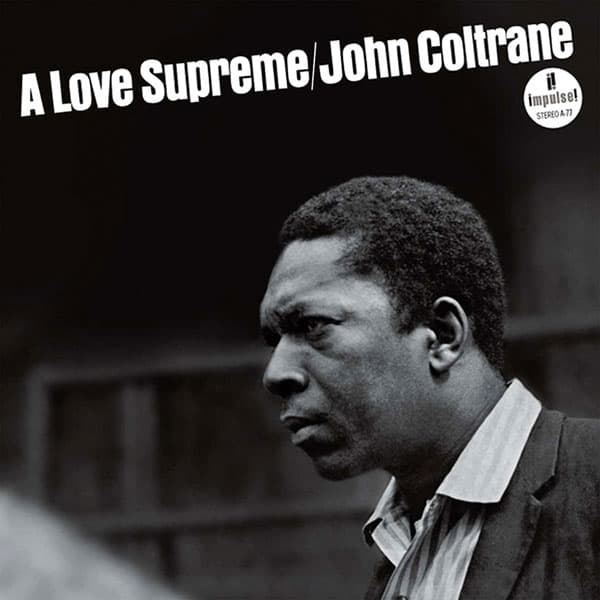
Coltrane recorded it in one December session and meant it as a prayer. On the last movement he plays a psalm he had written out.
Spector printed 3:05 on the label of a 3:45 record, and it became the century's most-played song on American radio.
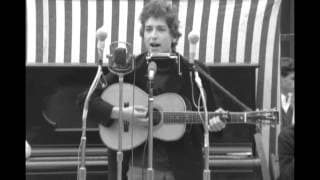
Bruce Langhorne's giant Turkish frame drum gave Dylan the image, and the Byrds' cover turned it into folk rock.
Gaye co-wrote it and cut an early version; Reeves heard block parties in it and needed two takes.
Hilton Valentine's arpeggio, one take at De Lane Lea, and four and a half minutes when singles ran two.
Dave Davies took a razor blade to his little Elpico amp's speaker cone, and distortion arrived on British radio.
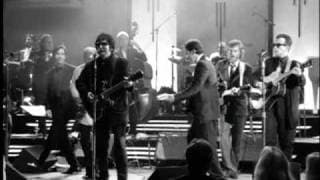
Claudette said she was going out, Dees answered that a pretty woman never needs money, and the riff followed.
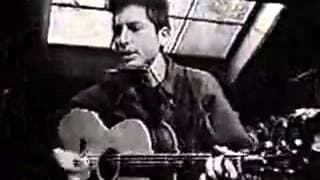
Dylan set out to write an anthem on purpose, borrowing the cadence of Irish and Scottish ballads, and got one.
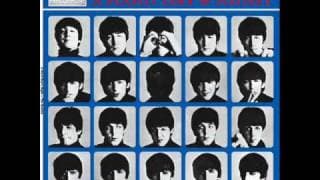
Starr's slip of the tongue supplied the title, and the opening chord is still argued over by musicologists.
Never a professional singer, Gilberto sang at the 1963 session because she spoke English; Record of the Year followed.
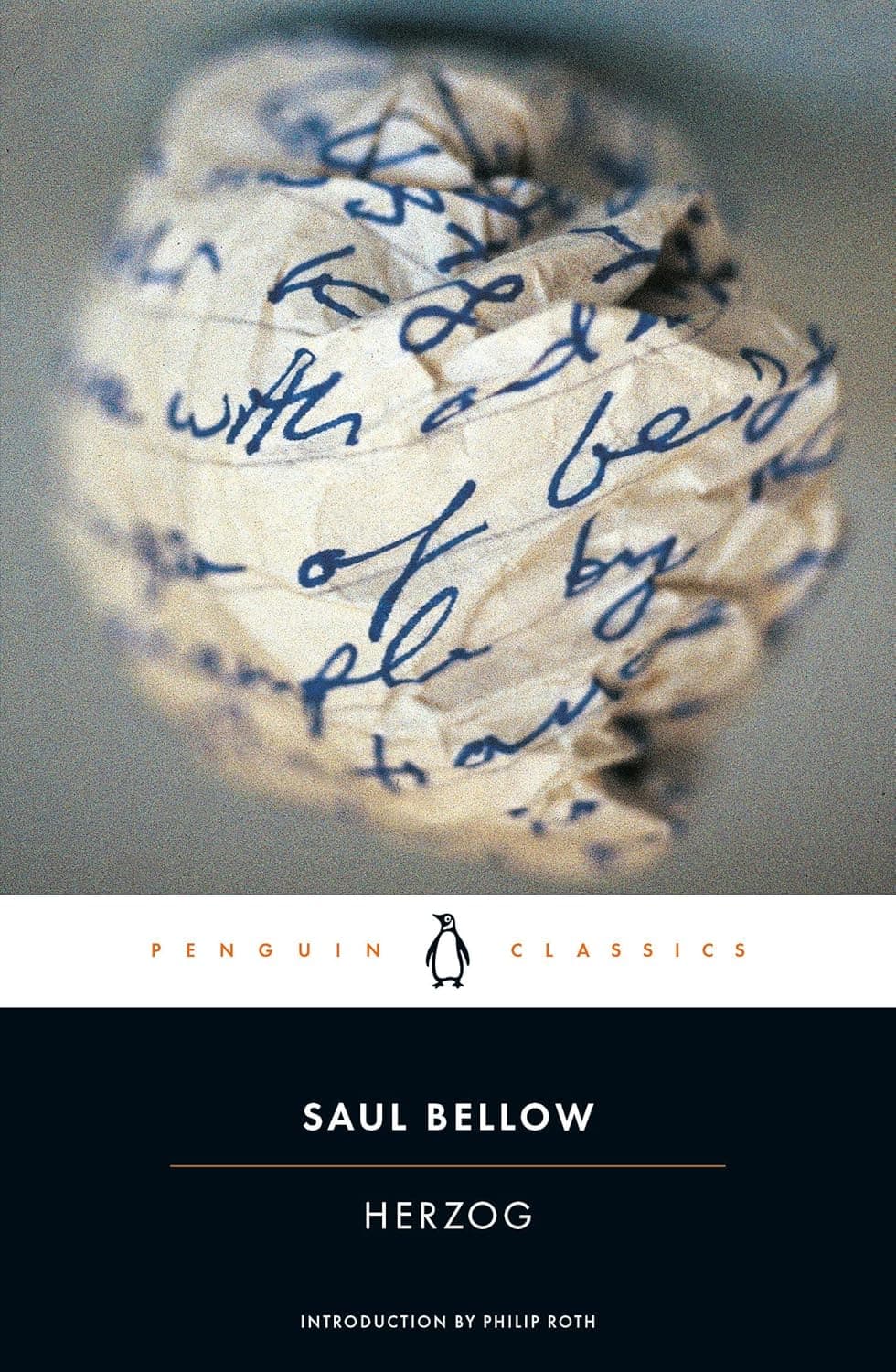
Moses Herzog, a professor whose wife left him for his closest friend, comes apart and writes furious unsent letters to philosophers, ex-wives, and the dead. Bellow makes a breakdown enormous fun.
Howard wrote a waltz; Quincy Jones swung it into four for Basie, and Apollo crews played it in orbit.
Last song of a twelve-hour day, Lennon's throat gone, one usable take, and the Beatles' only million-selling cover.
Come mothers and fathers, Throughout the land And don't criticize What you can't understand.
A B-side until Murray the K's listeners voted it up, cut live at Bell Sound with Warwick barely raising her voice.

Magritte called the floating apple a kind of self-portrait, about how much we want to see the thing that is being hidden.
Ray Davies's publisher wanted to sue the Doors over the riff; Davies declined, and the snarl outlived the argument.
Two point one million American advance orders, and behind them a Paris hotel upright where McCartney wrote it.
Holland and Dozier said the Marvelettes turned it down; Ross sang lower over Mike Valvano's foot stomps to number one.
Wilson heard Be My Baby, resolved to answer it, and took the title phrase from his girlfriend Marilyn Rovell.
Gordy asked for another Where Did Our Love Go, and Holland-Dozier-Holland answered with footstomps, a sax break, and Ross cooing.

The girl is Ruby Bridges, walking into a New Orleans school in 1960 between four marshals whose faces Rockwell cut off at the shoulders.
Shadow Morton's teenage melodrama, a motorcycle revving through the mix, and a BBC that refused to play it.
A minor key, a Hohner Pianet solo, and a debut single Argent wrote to fit Blunstone's upper range.
Holland-Dozier-Holland gave Gaye a rare uncomplicated love song, and that rolling piano and the Andantes carried it to number six.

Marcuse argues that rich societies control people by satisfying them. The needs advertising invents get met, dissent gets absorbed and sold back, and the capacity to imagine a different arrangement quietly withers away.
Written in federal prison, cut at Chess in January 1964, and the happiest wedding song rock and roll made.
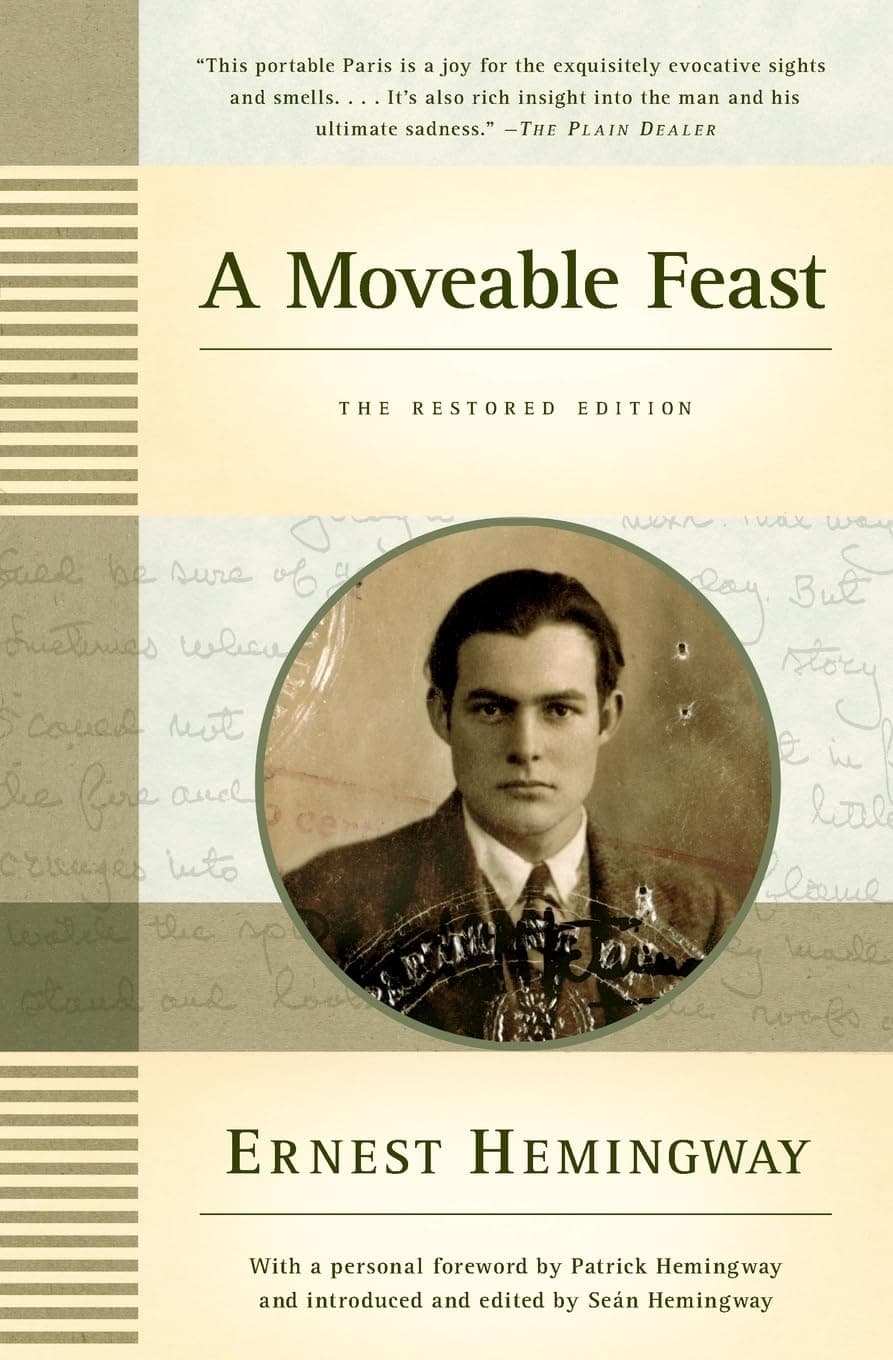
Paris in the 1920s, where a young writer works in cafes, borrows books from the bookseller Sylvia Beach, and takes the measure of Gertrude Stein and Scott Fitzgerald. Hunger sharpens everything he sees.
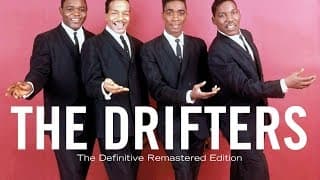
Rudy Lewis died the night before the session; Johnny Moore took the lead, and the güiro shrugs it all off.
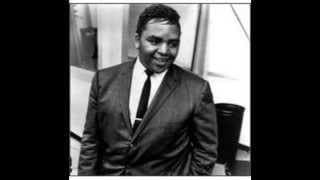
Burke's own band was at the session, so Tom Dowd cut it, and Burke delivered it as a sermon.
Straightforward Kink copying, by Townshend's own admission, with the Ivy League on harmonies and Shel Talmy at the desk.
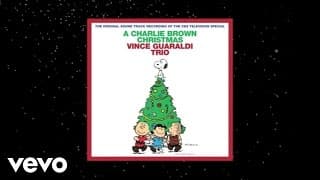
A piano vamp, Budwig's bass, Bailey's drums, taped in San Francisco in 1964 and welded to Peanuts ever since.
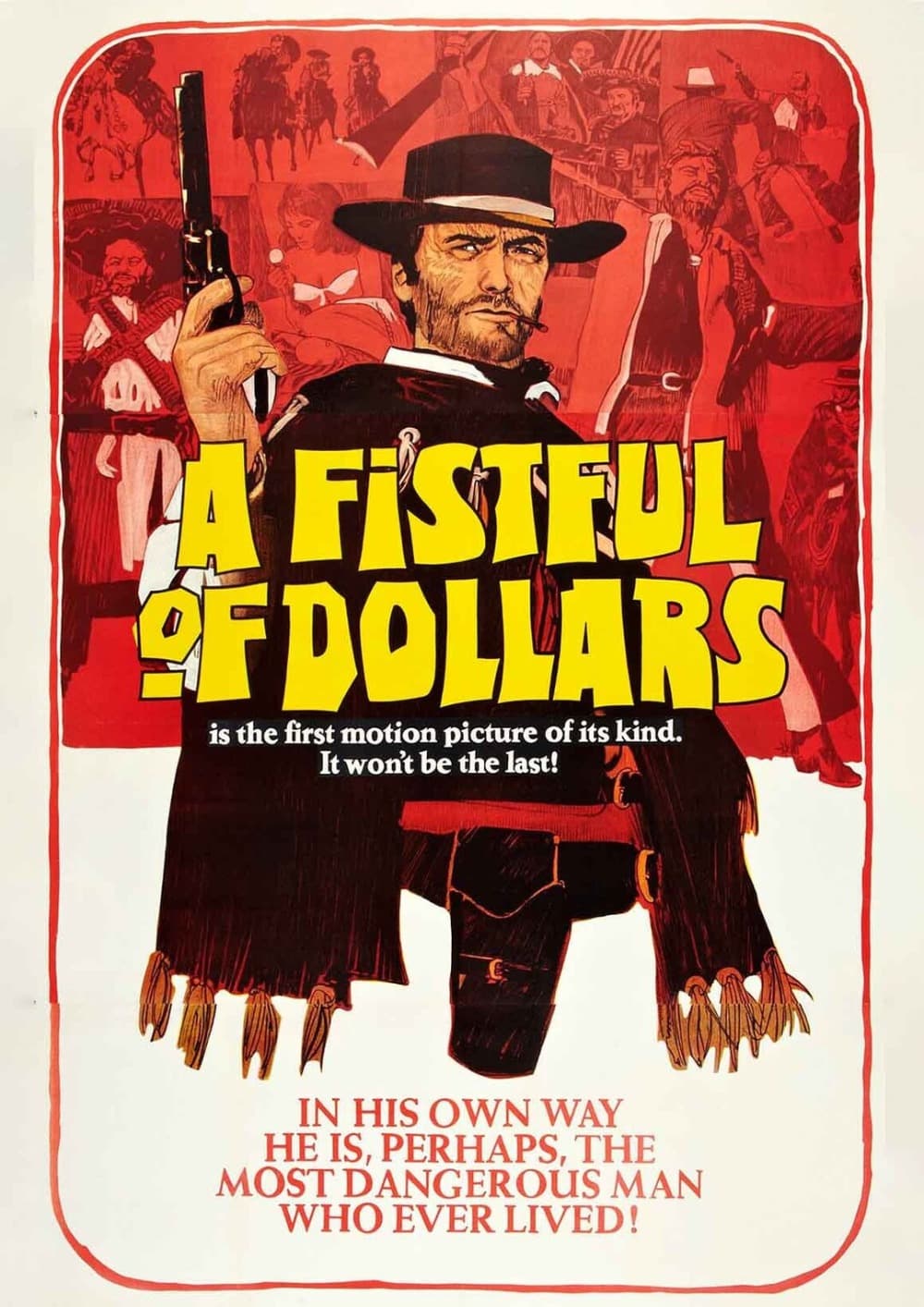
The spaghetti western became a genre with this, and Clint Eastwood became a star: Ennio Morricone's whistle, a poncho and a cheroot, and a drifter who tells nobody what he wants.

Five golden tickets get five children inside Willy Wonka's factory, and only Charlie Bucket, half starved and poor, is neither glutton nor brat. Dahl trusted children to relish the punishments.
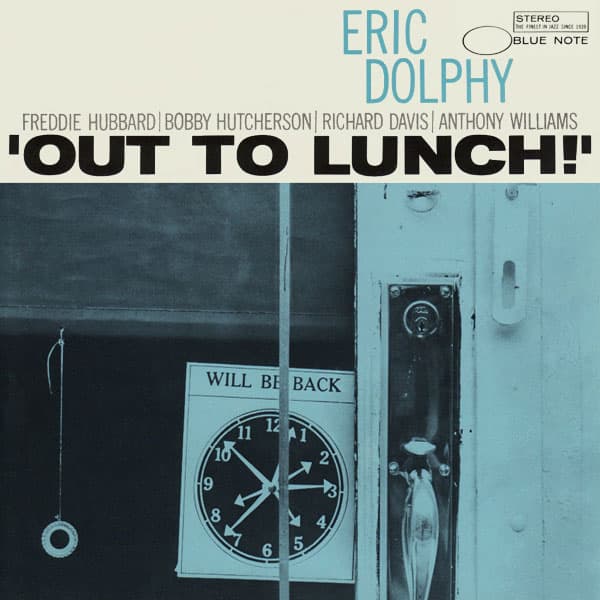
There is no piano on it, just Bobby Hutcherson's vibraphone holding the harmony loosely enough that the tunes never quite settle.
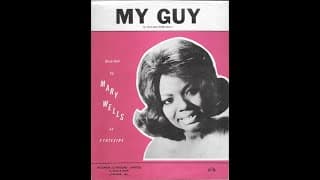
Three days after Wells turned twenty-one, Smokey Robinson's tune gave the Motown label its first number one.
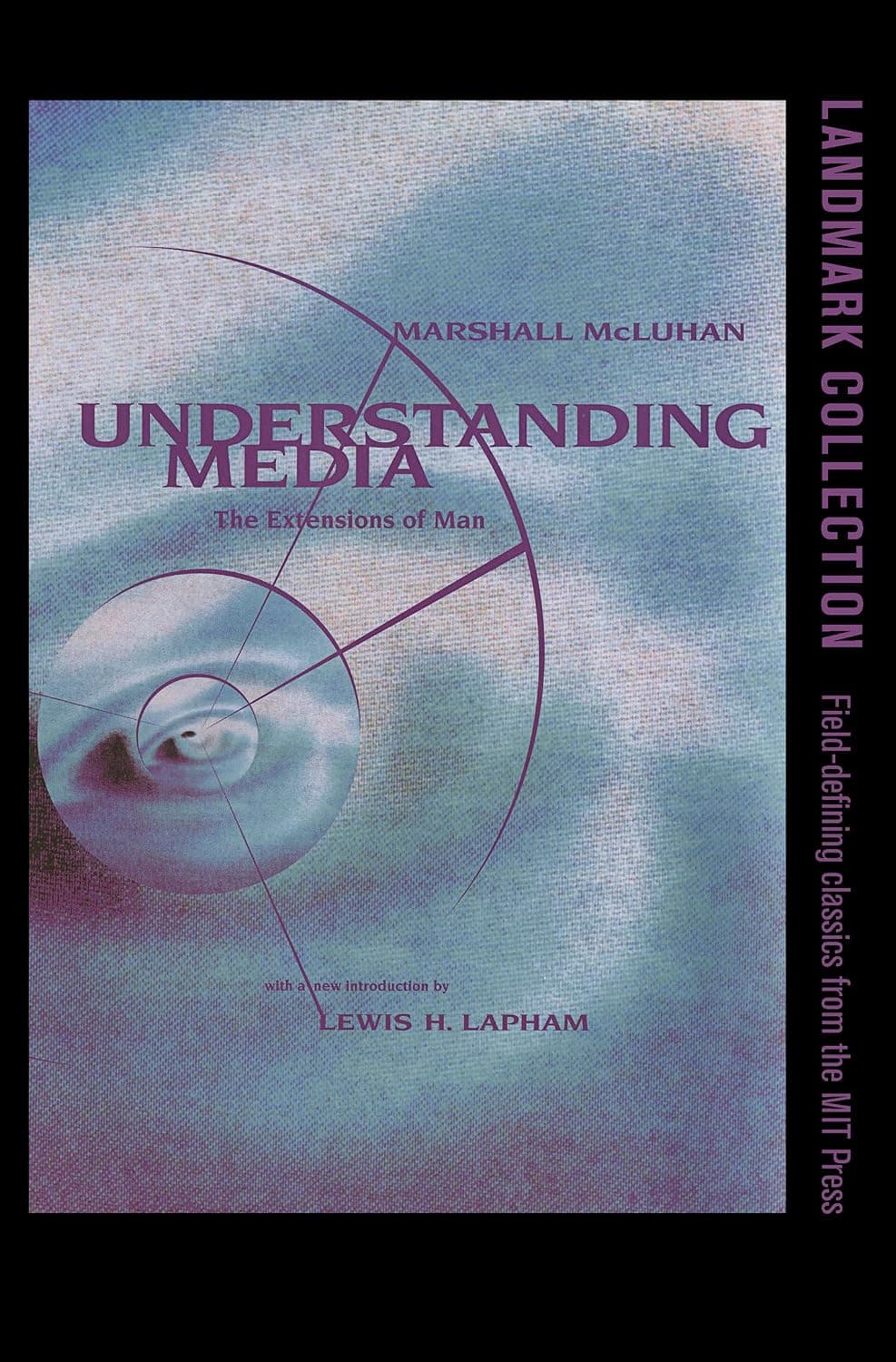
The medium is the message, McLuhan wrote in 1964: a technology reshapes perception regardless of what it carries. Everyone arguing about what screens do to us is working inside the frame he built.
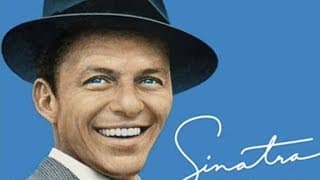
Kern's melody took the 1936 Academy Award; Nelson Riddle's 1964 arrangement made Sinatra's the most imitated reading.
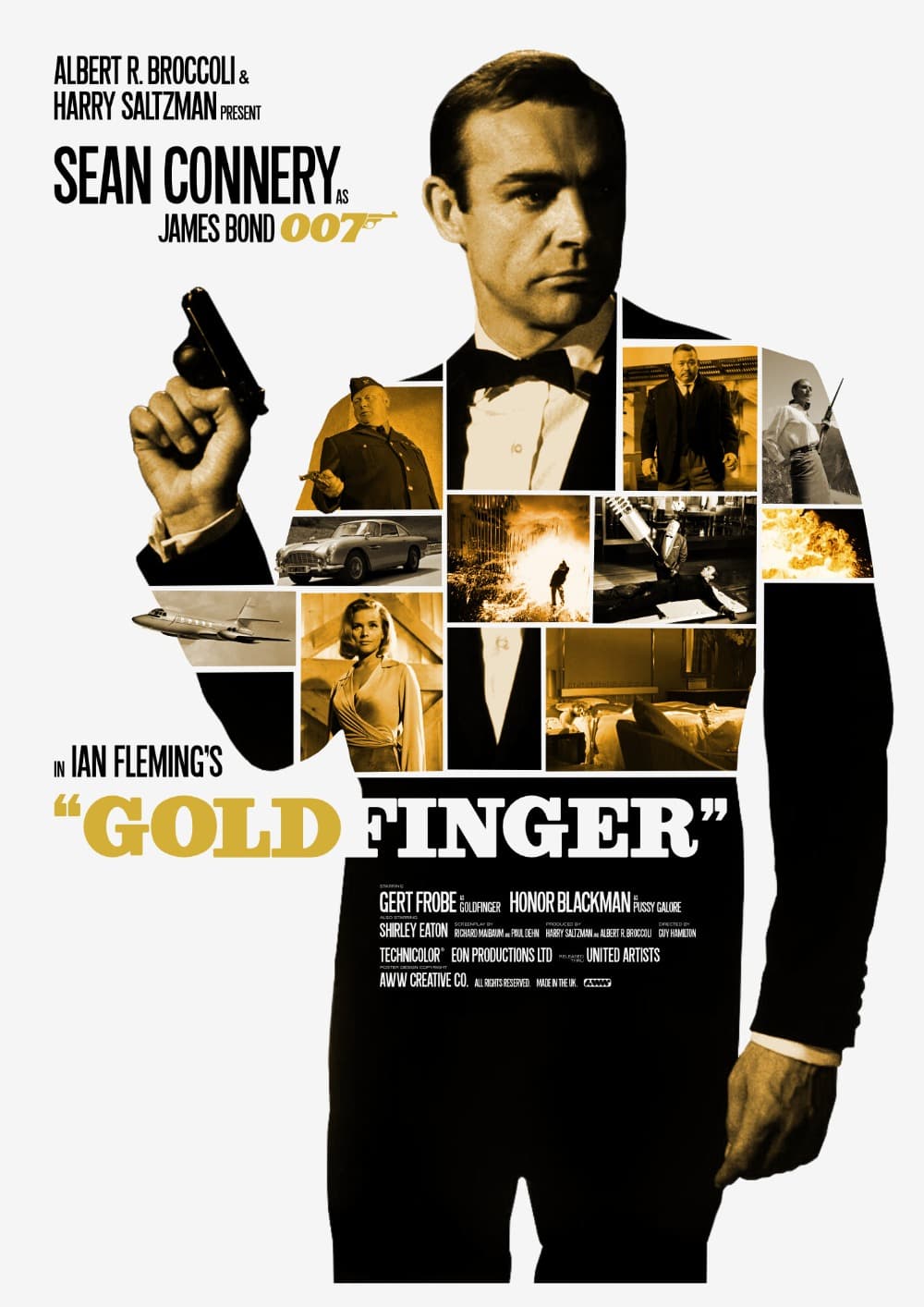
Everything the Bond series still does was fixed here: the Aston Martin, the title song belted over the opening credits, the death trap the villain explains, and a henchman with a signature weapon.
Jamerson's bass, Levi Stubbs pleading, Holland-Dozier-Holland at the board, and the Four Tops' first million seller.
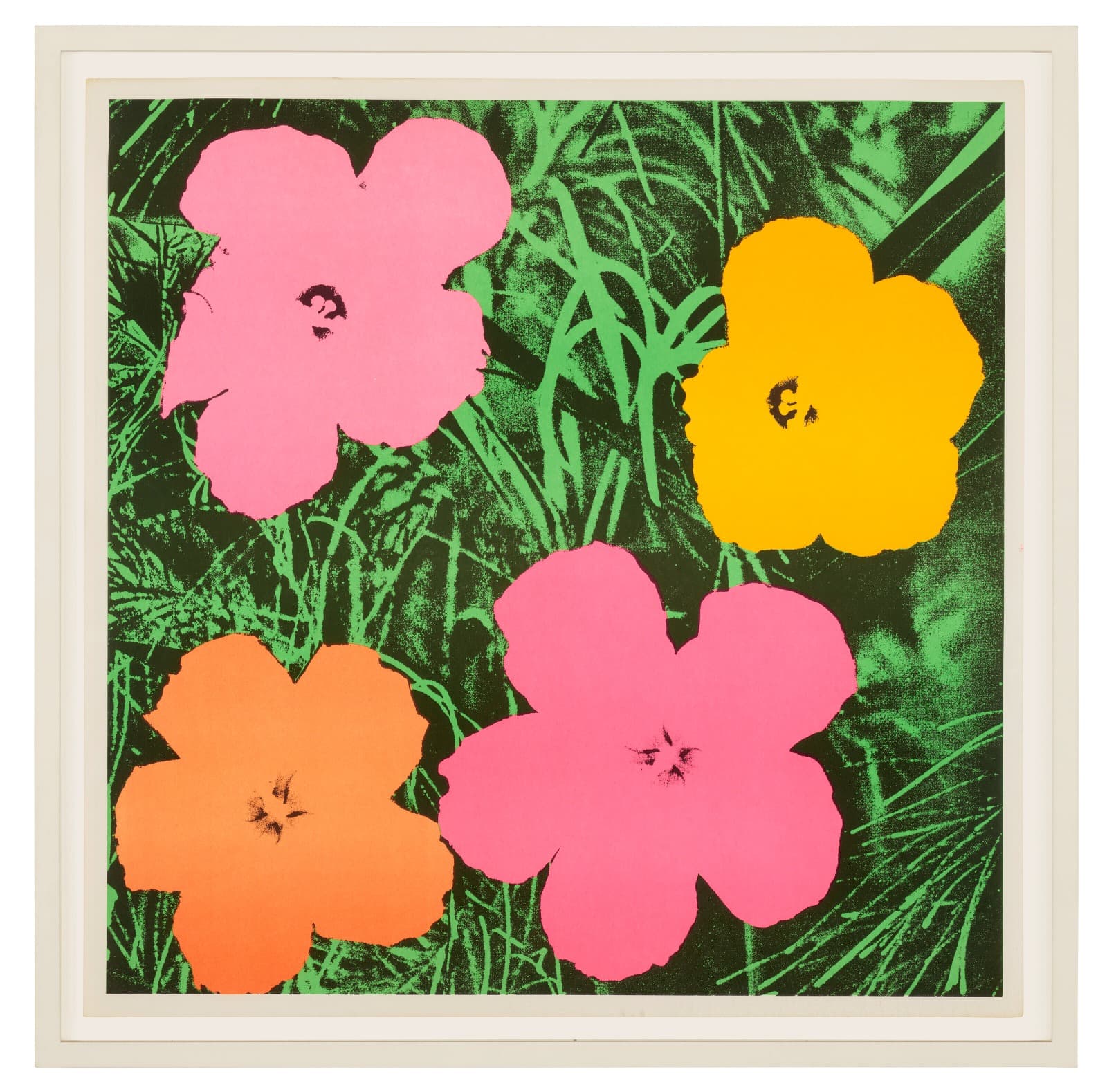
Four flat hibiscus blossoms on green, silkscreened from an ordinary photograph and reproduced in any color, over and over, on demand.
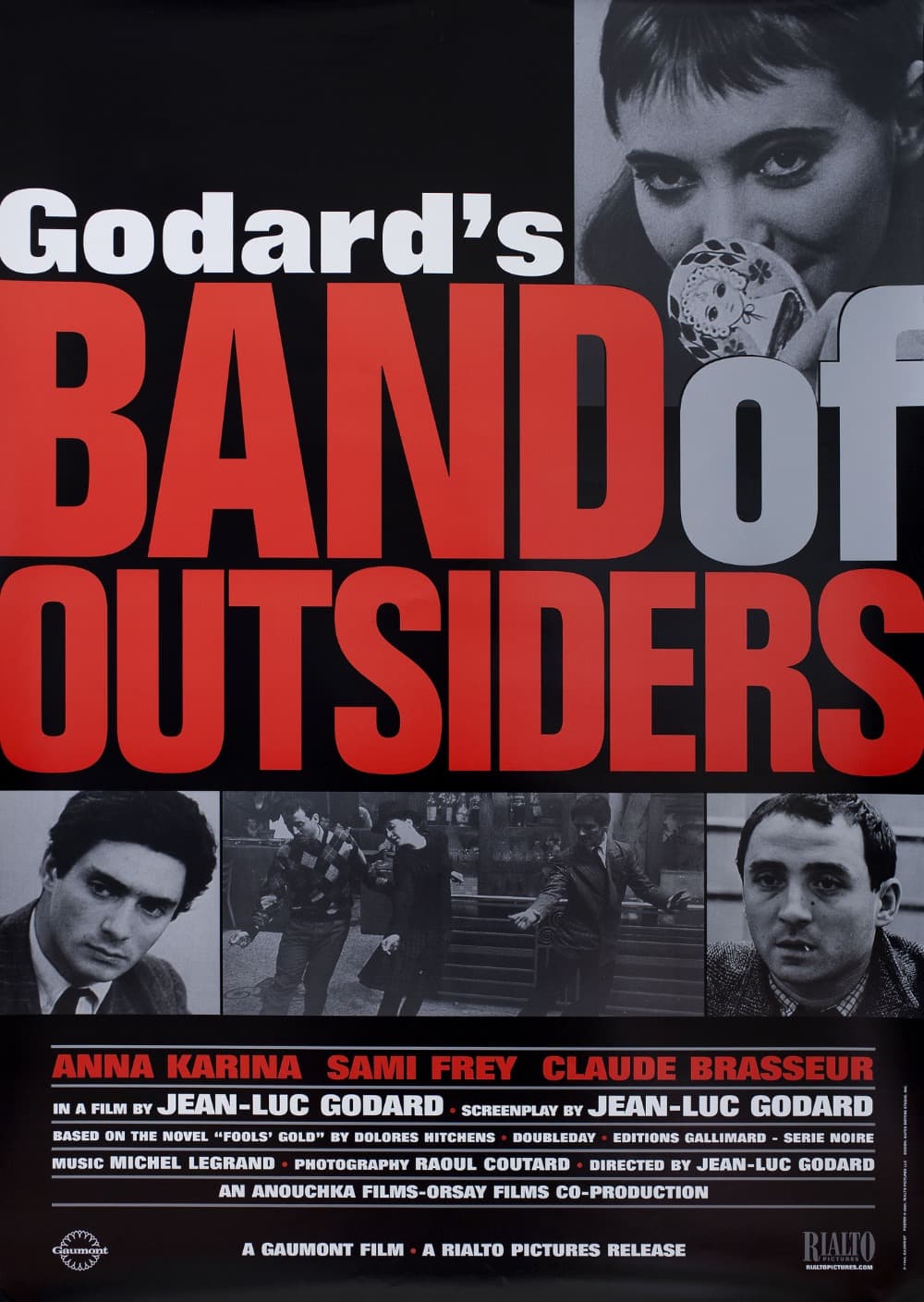
Tarantino named his production company after this film: three young Parisians run through the Louvre in nine minutes and dance the Madison in a cafe, and Godard makes crime look like play.
Shadow Morton had never written a hit when he cut this demo, seagull effects and all, to prove he could.
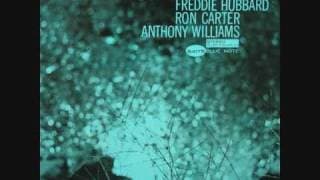
Hubbard on cornet, Van Gelder engineering, June 1964; Us3 later looped Hancock's vamp into the Top 10.
Nella Dodds's cover reached shops first, so Motown rushed theirs out; the Supremes took it to number one.
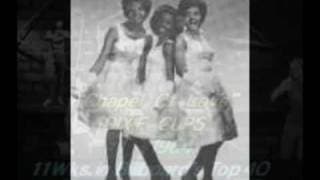
Red Bird's first single, written by Barry, Greenwich and Spector, and it knocked the Beatles off number one.
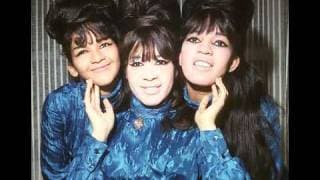
Thunder and lightning cut into the mix, a Mann and Weil melody, and Ronnie daydreaming the boy she hasn't met.
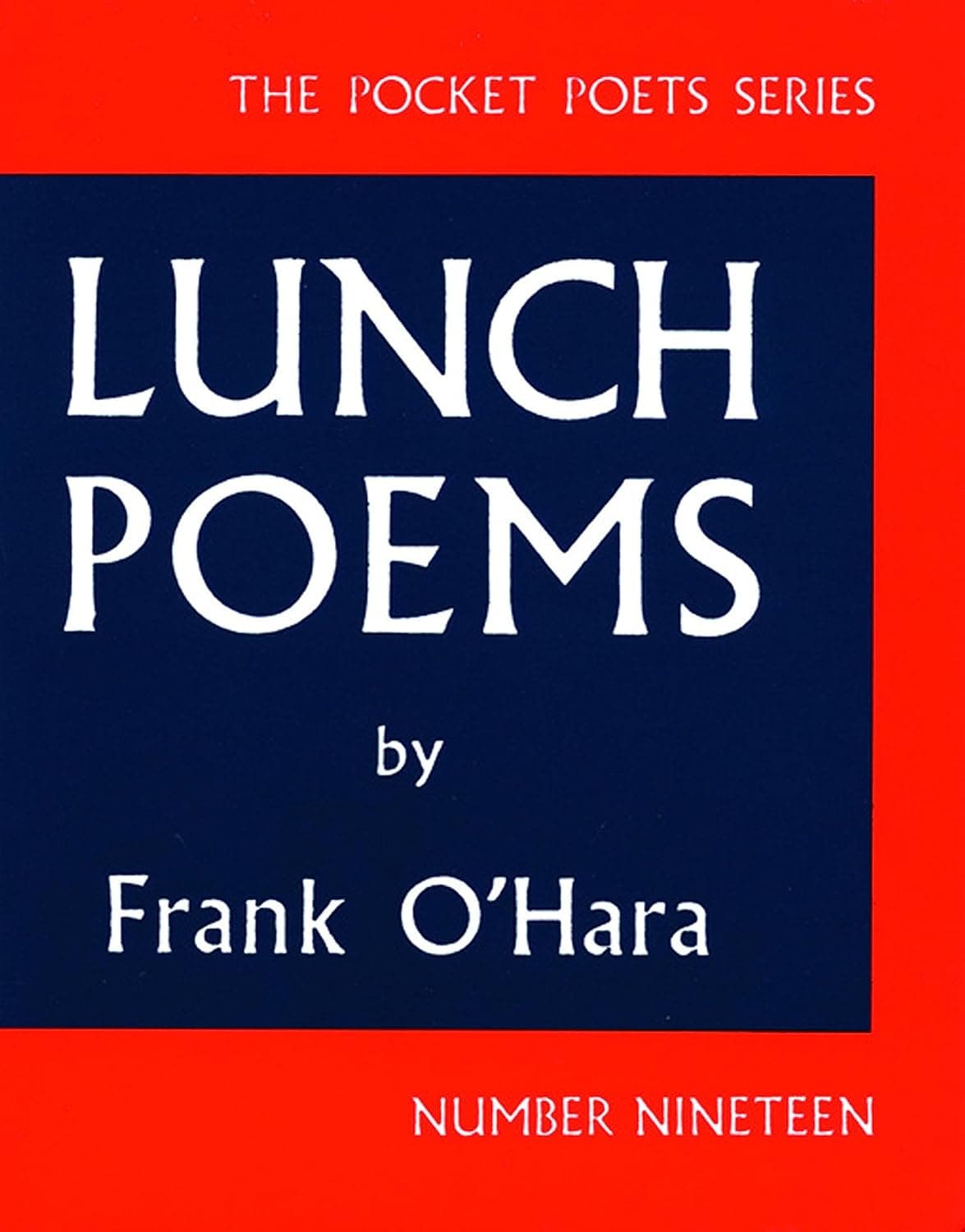
O'Hara wrote these on lunch breaks from the museum, turning an ordinary Manhattan hour into art. "The Day Lady Died" runs through his errands until Billie Holiday's face on a newspaper stops everything.