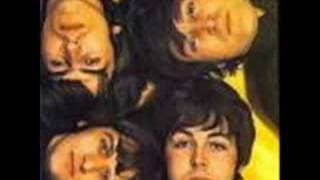
Yesterday
1965 · From Help!
McCartney dreamt the melody, called it "Scrambled Eggs" for weeks, then let a string quartet make it immortal.
★ 9.5
 skopia
McCartney dreamt the melody, called it "Scrambled Eggs" for weeks, then let a string quartet make it immortal.
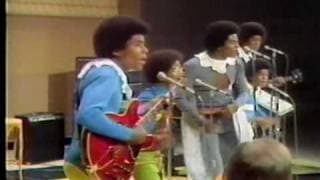
A child singing about regret over the springiest bassline Motown ever cut, and selling it completely.
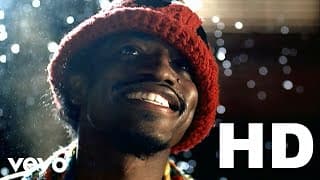
Andre 3000 apologizing to Erykah Badu's mother, who liked it enough to buy a Ms. Jackson license plate.
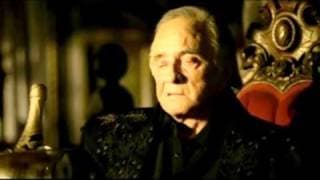
Rubin handed Cash a Nine Inch Nails song, and Reznor watched the video and said it was no longer his.
Hilton Valentine's arpeggio, one take at De Lane Lea, and four and a half minutes when singles ran two.
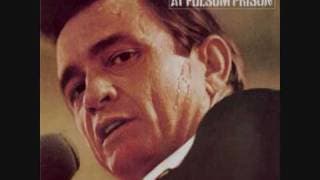
A prison film in Germany gave Cash the song; he borrowed the melody from Gordon Jenkins and later paid up.
Released as a B-side until DJs flipped it, with a mandolin credited only to a name Stewart said slipped his mind.
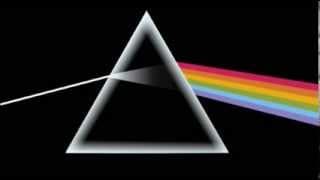
Alan Parsons taped antique-shop clocks as a quadraphonic test; Mason's rototoms follow, and the alarms still land like panic.
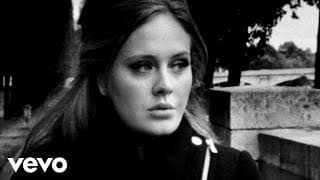
Dan Wilson of Semisonic at the piano, Adele singing, nothing else added; five weeks at number one.
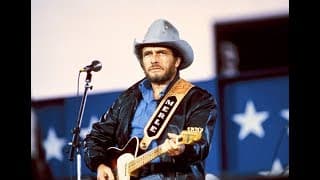
Three years in San Quentin behind him, Haggard gave his narrator a life sentence he never served himself.
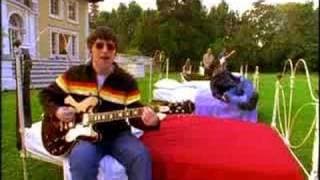
Noel's first lead vocal on an Oasis single, a phrase lifted from a Lennon tape, Manchester's anthem ever since.
Shinoda's piano figure under Bennington's chorus took nu metal to number two, and the RIAA finally certified it diamond.
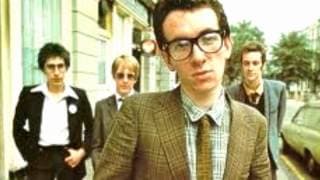
Costello glimpsed a supermarket checkout girl, Clover backed him before the Attractions existed, and one line titled his debut.

A piano riff Martin nearly saved for the next album, rescued by their manager, then Record of the Year.

Fourteen weeks at number one, two soul interpolations underneath, and Carey singing softly rather than belting.
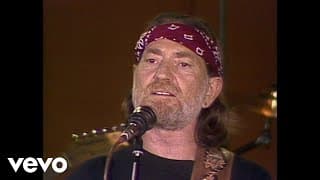
Haggard passed on it at the Pancho and Lefty sessions, so Nelson stayed behind and cut it himself after hours.
A wobble bass drop grafted onto a country breakup song, and Swift's full move to pop became inevitable.
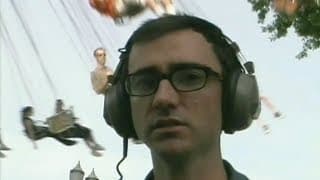
Sub Pop pressed it as a one-off single in 2001; three years later Garden State made it a generational password.

One out-of-tune Liverpool piano, an attempt at a Harrison song abandoned, and the chord run Martin kept instead.
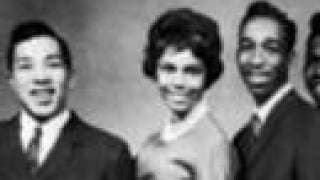
Robinson's falsetto over a slow Funk Brothers groove, with Pete Moore co-writing and stacking the harmonies behind him.
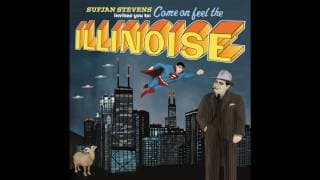
Sleigh bells, trumpets and a choir stacked into one crescendo, and Stevens cut five different versions of it.
Cale spotted a celesta in the studio, Warhol suggested paranoia, and the last track cut became the album's gentle opener.
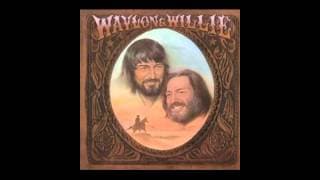
Nelson cut his part after midnight, fetched Haggard from his bus, and kept the one take Haggard wanted redone.
Moby nearly left it off Play; a reversed string sample from the Exodus score, cut in his Little Italy apartment.
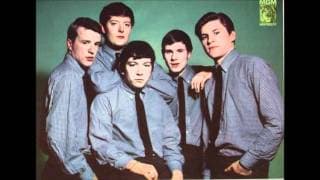
Written after Horace Ott quarreled with his girlfriend, and sped from Simone's ballad into Burdon's pleading.
Twenty minutes at the tail end of the Fire session, and Hendrix trading fire for something quiet and blue.

A vocoder over a Strokes drawl: Casablancas welded two Daft Punk demos together and sang about a chance he missed.

Slade wrote it after mentoring a troubled teenager at a Denver camp, and Grey's Anatomy did the rest.
Guitar jangle, Wheeler's voice, and a US Modern Rock number one that Britain never received as a single.

In his father's Wisconsin hunting cabin, Vernon shaped the melody wordlessly, then wrote his gambling losses into it.
Diane Warren got on her knees begging Cher to cut it; the video was shot aboard the USS Missouri.
Barlow says it took fifteen minutes to write; the BRIT Awards debut pushed the release forward to an instant number one.
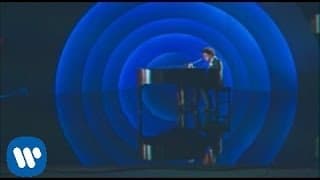
Voice and piano, nothing else, Mars playing it himself at Levcon and singing a regret he cannot take back.
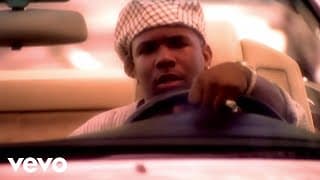
Only the Beatles had replaced themselves at number one before Jimmy Jam and Terry Lewis handed the group this.
John Cale's viola and harpsichord circle Drake's plea for a second chance, and Wes Anderson later borrowed it.
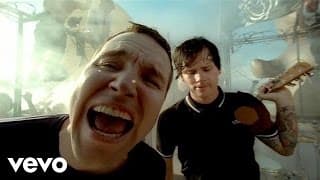
Hoppus and DeLonge wrote in separate rooms, choruses and verses, and Barker's beat locked them together in a day.
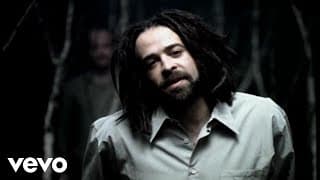
Duritz wrote it before dawn while a friend lay in hospital, and the band cut it almost entirely live.
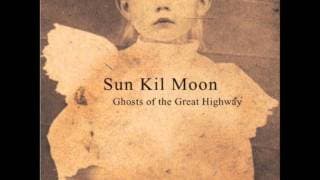
Kozelek grew up in Massillon, Ohio, and this is what he sends back: an apology set to ringing acoustic guitars.
Campbell cut the track at home before Henley and Souther added words, and forgiveness never sounded so hard-won.
A 1966 Four Seasons song rebuilt as a medley, John Edwards out front, and two weeks at British number one.

Spiccato strings, a skipping piano, and a breakup lyric; Malkovich and Hugh Laurie costar in the period video.
Buckland gave up on a guitar part and played maracas instead, and Martin's slow crawl back still aches.
Cut for Victor in July 1918 by the singer billed as Queen of the Blues; jazz kept it.

Hucknall wrote the words at seventeen, his punk band cut it first, and the chorus made it an American number one.
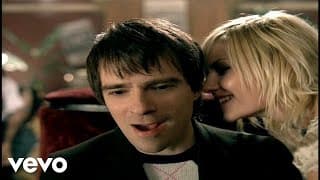
Cuomo re-recorded it after crowds sang his original melody back at him, and it topped alternative radio for four weeks.
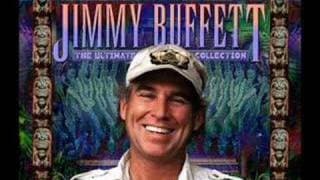
Buffett was twenty-seven when he wrote it, about a Chart Room regular in Key West and a life at sea.
Foster brought in three Toto members and saved Chicago's horns for the coda, returning the band to number one.
Jim Jonsin and Rico Love built the beat, and Nelly took the heartbreak to number three.
Patrick's blackouts and a father's disappointment sit behind it, six minutes of guitar haze on Title of Record.
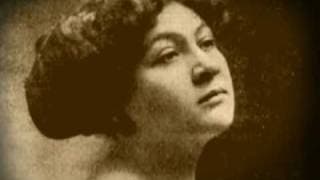
Tucker's maid pressed Shelton Brooks's song on her in 1910, and it stayed her signature for the rest of her career.

Seven minutes long, never a single, self-produced by the trio, and the longest slow burn on Writer's Block.
Beckett and Crowley wrote it after two bandmates' breakups, and Lambert and Potter's production held number one for three weeks.
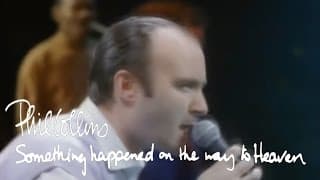
Phenix Horns brass over Nathan East's bass, on a song Collins first wrote for The War of the Roses.
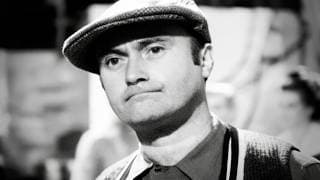
Clapton plays the lead over Padgham's production, the closest Collins had then come to writing a blues song.
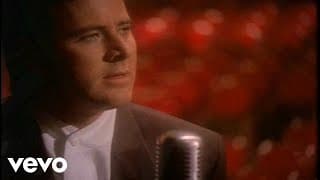
Gill and John Barlow Jarvis turned an apology for neglect into a ballad, and Gill's first country number one.
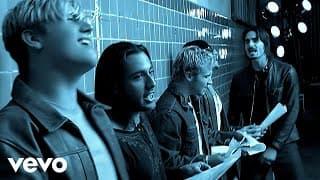
Max Martin and Rami built it with Lisa Miskovsky, and the video sat atop TRL for sixty-five days.
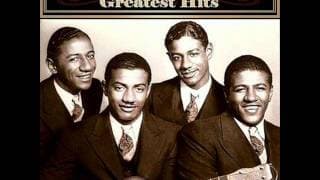
Doris Fisher's music, Allan Roberts's lyric, four voices in close harmony, and a B-side, "Till Then," that charted too.
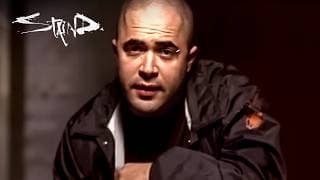
Written in 1996 for an acoustic side project and shelved, it returned to spend twenty weeks atop Mainstream Rock.
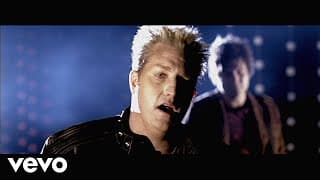
Mark Wills cut it first in 2003; Dann Huff's production turned Steele and Robson's ballad into a country number one.
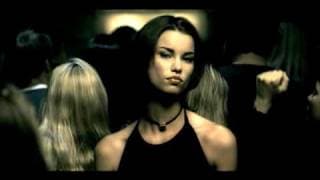
Forty-five minutes to an hour, by Kroeger's account, then more US radio plays than any song of the decade.