Like a Rolling Stone
1965 · From Highway 61 Revisited
A snare crack, a sneer, and Kooper's uninvited organ swirling through the song that split rock open.
★ 10.0
 skopia
A snare crack, a sneer, and Kooper's uninvited organ swirling through the song that split rock open.
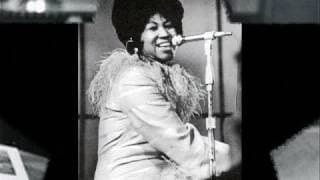
Aretha takes Otis Redding's song away from him for good, spells out the demand, and never gives it back.
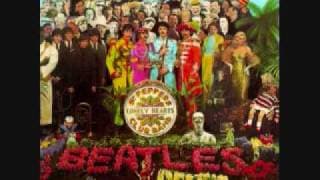
Two unfinished songs bolted together, an orchestra climbing to nothing, and the last piano chord in pop.
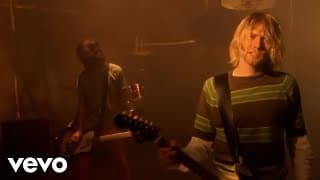
Four chords, a mumble nobody could decipher, and the riff that ended one decade of rock and started another.
Party chatter, a sax that sighs, and Gaye asking the question Motown begged him not to ask.
Keith dreamt the fuzz riff, taped it half-asleep, and woke up holding the sound of teenage frustration.
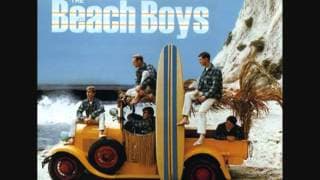
Brian Wilson's pocket symphony, months and a fortune spent chasing one shimmering theremin line into the sunlight.
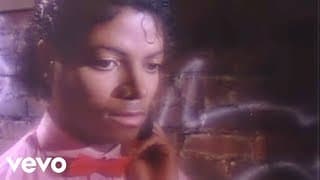
That bassline, mixed and remixed until it gleamed, and the four minutes that integrated MTV.
Chuck Berry's intro lick is rock's opening statement, a country boy's origin myth now drifting past the solar system.
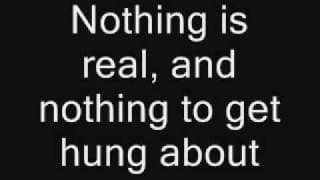
Two takes in different keys and tempos spliced into one, a Mellotron haze over Lennon's Liverpool childhood.
Cooke wrote it after a motel turned him away, and sang it like a hymn he already knew by heart.
It opens by admitting doubt and spends the next two minutes refuting it; McCartney still calls it the greatest.
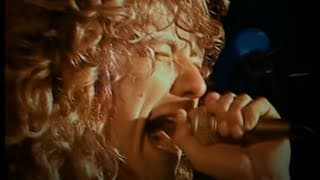
Page's riff, Plant's howl, and a theremin freakout in the middle that still sounds like the roof coming off.
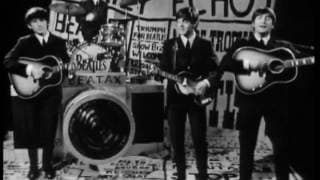
Handclaps, that leaping chord under "I can't hide," and five weeks later America belonged to them.
Elvis's first RCA single, all cavernous echo and empty rooms, the loneliest number one ever cut.
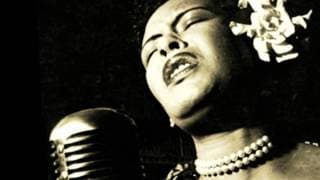
A Bronx schoolteacher's poem about lynching, sung in a single spotlight, still the bravest three minutes on record.
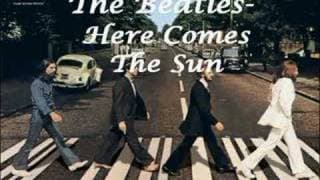
Harrison wrote it in Clapton's garden while skipping a business meeting, and it sounds exactly like that relief.
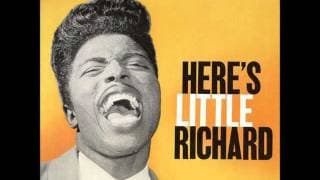
A nonsense holler cleaned up just enough to press, and the moment rock and roll stopped asking permission.
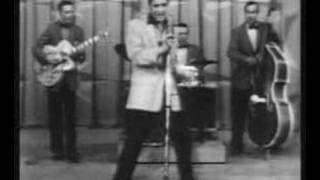
Leiber and Stoller wrote it for Big Mama Thornton; Elvis took it, sped it up, and set it on fire.
Seven minutes, four of them just na-na-na, and somehow nobody has ever wanted it to end sooner.
The record that proved hip hop could report and not just party, and the edge everyone's been close to since.
McCartney dreamt the melody, called it "Scrambled Eggs" for weeks, then let a string quartet make it immortal.
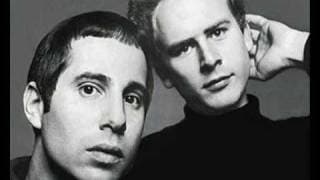
Garfunkel's voice climbing a gospel staircase, the last verse arriving like the cavalry.
Barry Gibb's falsetto over a drum loop so metronomic that paramedics still use it to time chest compressions.
Merry Clayton's voice cracking on "murder" is the sound of the sixties ending, mid-take, in one syllable.
Months of wall-of-sound overdubs poured into one getaway car, and every word still sounds like escape.
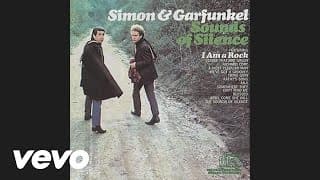
A folk flop until a producer secretly overdubbed electric guitars, and the duo heard their number one on the radio.
That four-note bassline, a gospel hymn turned into a promise, and one of the warmest vocals ever recorded.
Eight minutes that climb from recorders to Page's solo, never released as a single and never needing to be.
Hal Blaine's four-beat drum intro is the most imitated in pop, and Ronnie Spector owns everything after it.
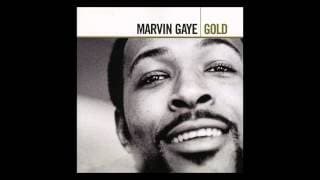
Motown shelved Gaye's version for over a year; it came out sounding like paranoia set to a Funk Brothers groove.
Moroder's pulsing synth track, Summer floating above it, and the record Eno reportedly called the sound of the future.
Dolly pleading with her rival rather than fighting her, written the same day as "I Will Always Love You."
Berlin's snowless Christmas song, the best-selling physical single ever pressed, and the sound of every soldier's homesickness.
Two chords and all the space in the world, Davis proving that less was the most radical idea in jazz.
Van Halen dropped in, played the solo for free, and Jackson made rock and pop the same building.
Vincent Price cackling over a disco-funk groove, and a fourteen-minute video that turned pop into event television.
Hendrix took Dylan's parable and lit it, and Dylan has played it Hendrix's way ever since.
Strummer borrowing the BBC's wartime call sign to announce the end of the world, and sounding thrilled about it.
Nine questions, no answers, and the song the civil rights movement adopted whole and never gave back.
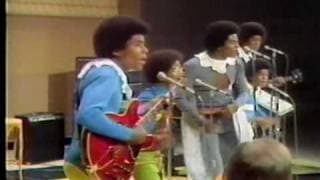
A child singing about regret over the springiest bassline Motown ever cut, and selling it completely.
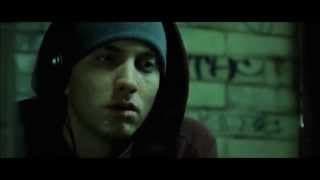
Written between takes on a film set, delivered like a man with exactly one shot at everything.
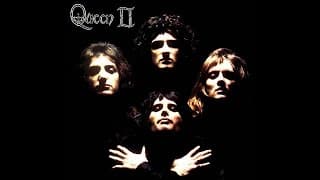
Six minutes with no chorus and so many vocal overdubs the tape wore transparent. Still nothing else like it.
Armstrong's twelve-second opening cadenza announced that jazz had a soloist, and everything since has been the answer.
A guitar pitched down to fake a bass, and the seven-note riff every stadium on earth now sings.
Wonder wrote that clavinet riff for Jeff Beck, heard it back, and sensibly kept it for himself.
Seventeen and gliding across the floor, the rare disco record that sounds like joy and ache at once.
Recorded beside the Berlin Wall, Fripp's feedback howling while Bowie sings himself hoarse over a single defiant day.
The record where the beat moved to the one and funk quietly began. James Brown never looked back.
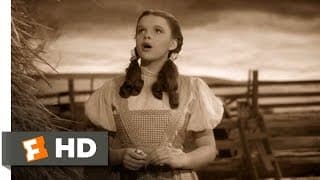
MGM cut it from the film twice until Arthur Freed threatened to quit; Garland was sixteen.
Lennon's first draft listed bus stops in Liverpool; Martin's piano solo, taped at half speed, sounds baroque.
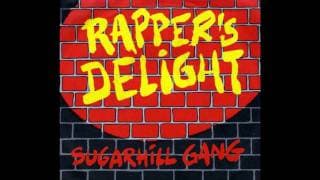
Big Bank Hank auditioned outside the pizzeria where he worked, rapping lines borrowed from Grandmaster Caz's notebook.
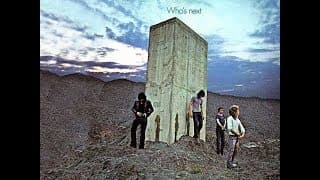
That opening arpeggio is a Lowrey organ's marimba repeat function; Dave Arbus's violin sends the ending careening.
Smokey Robinson wrote it for his wife Claudette, then handed David Ruffin his first Temptations lead vocal.
Twelve minutes left at a Pennsylvania dance, so Charles improvised it on his Wurlitzer and many stations banned it.
Byrne borrowed a preacher's cadence, Eno hummed the chorus melody, and the band looped its own jams like samplers.
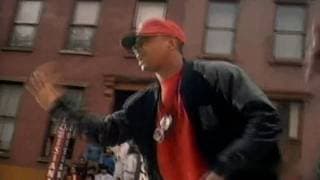
Spike Lee asked for a defiant anthem, and the Bomb Squad answered with layered samples and Branford Marsalis's saxophone.
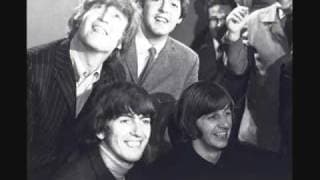
No Beatle plays an instrument on it; George Martin's string octet does everything, sawing away at two solitary lives.
Nicks wrote it in a black velvet studio room at Sausalito's Record Plant; it remains the band's only US number one.