I'm Too SexyRight Said Fred
I'm Too Sexy
1991
A gym joke about mirror preening, built on a riff lifted from Hendrix's Third Stone from the Sun.
★ 0.9
 skopia
A gym joke about mirror preening, built on a riff lifted from Hendrix's Third Stone from the Sun.
May and Taylor wrote it, Mercury sang it, and Queen waited until 2019 to give it a video.
Eugene Record's Chi-Lites ballad, harmonica and all, remade by Young in 1990 for a number eight American hit.
Track three on The Antidote, cut-and-paste funk from the album Theo Keating built alone after his partner left.
Recorded alone in Sussex in the summer of 1979, every instrument McCartney's own, and a UK number six by January.
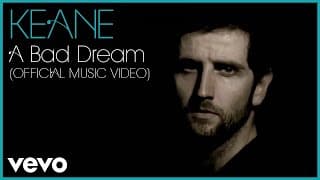
Rice-Oxley built it from Yeats's poem about an Irish airman, a pilot too high up to hear the guns below.
Decker's rap began as syncopated nonsense syllables, and she overdubbed herself into a duet nobody could play live.
Dub reggae bass and Indian strings under a nod to Shampoo's 1994 hit "Trouble", produced by The Partysquad.
Loso's Way yielded exactly one charting single, produced by The-Dream and Tricky Stewart, peaking at number fourteen.
Jeff Fortgang wrote it fresh out of Yale; the Persuaders cut it first, and Stewart took it to number ten.
Diplo and Switch wrapped a breakup song in dubstep, and a Microsoft browser ad made it a worldwide hit.
A slow burn, Hugh Padgham at the desk, Stephen Bishop harmonising behind, and Collins's fourteenth and final American top ten.
A glimpse of an ex on the London Underground, her new man beside her, and a transatlantic number one.
A 1966 Ventures instrumental on loop, twice a minor British hit, then a Mitsubishi advert made it inescapable.
Peretti, Creatore and Weiss built the melody on a 1784 French air, and UB40 held number one for seven weeks.
Critics heard the Kinks' Lola in the strum, and a Dancing on Ice slot lifted it to number fourteen.
Written in a garden shed at Farrington's father's house, stalled at fifty-eight in Britain, then Napoleon Dynamite happened.
Rutherford and B.A. Robertson had both just lost their fathers; Carrack, who lost his young, sang it.
An anarchist collective from Leeds, a sample from Brassed Off, and a chorus about ordinary people refusing to stay down.
Toni Wine and Carole Bayer Sager set lyrics to a Clementi sonatina rondo; Eric Stewart sang it to number two.
Nick Rhodes of Duran Duran co-produced it, and Limahl rode the hook to two weeks at UK number one.
A DX7 electric piano, a drum machine, and Don Myrick's saxophone taking a number one out quietly.
Three writers, a Pretty Woman soundtrack slot, and the most cheerful denial ever to reach the American top ten.
Fink wrote the whole album around his split with Laura Marling; this became its first single, and its way out.
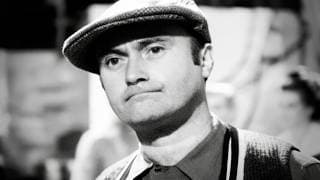
Clapton plays the lead over Padgham's production, the closest Collins had then come to writing a blues song.
Morrison wrote it as a prayer for Avalon Sunset; Stewart's reading turned it into a wedding standard.
Phenix Horns brass over Nathan East's bass, on a song Collins first wrote for The War of the Roses.
Stowe, Vermont, a mobile studio, the Mark II lineup back after eleven years, and Lord's organ doing the heavy lifting.
Martin called it a blatant Jeff Buckley attempt, cut at Rockfield with Ken Nelson, and the chorus soars anyway.
Curnin called it an indictment of dishonest politicians, Rupert Hine produced it, and America took it to number four.
Romania in February 1990, weeks of upheaval still fresh, and Edwards came home to write pop's happiest history lesson.
Her brother Rollo co-produced it, and the chorus flatly refuses to concede a relationship everyone knows is over.
A father's blessing written for the kids Stewart missed while touring, and similar enough to Dylan's song that they share royalties.
The last number one of the eighties and the first of the nineties, with David Crosby singing behind Collins.
A riff written on a bike ride, a sample Rick Rubin cleared free, and a surprise American number one.
Coverdale began it as a Tina Turner idea, Geffen told him to keep it, and it climbed to number two.
An Arabic descant improvised by Cheb Mami without hearing Sting's lyric, and both halves came out about longing.
Written out of a breakup and a Shakti Gawain self-help book, then re-released in Britain three times until it stuck.
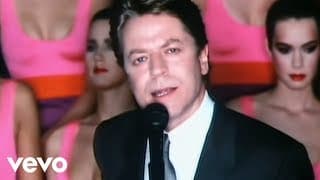
Number two in America, three weeks atop the rock chart, and the video that closed Palmer's mannequin trilogy.
Criteria Studios in Miami, Kenny Laguna producing, the Strangeloves' 1965 hook over Barbarossa's Bo Diddley drums.
Ray Davies cut it at Konk in 1977, a department store Santa mugged by kids who want jobs, not toys.
Van Eede scribbled the title down the night it occurred to him; Terry Brown drummed it on Neil Peart's snare.
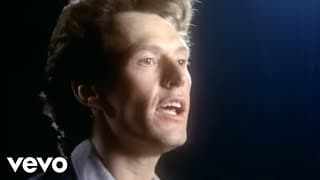
Every instrument on it is Winwood alone; the 1982 single stalled, and Tom Lord-Alge's 1987 remix reached the top ten.
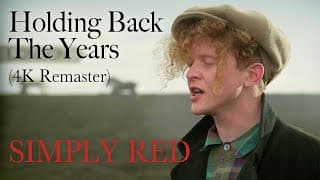
Hucknall wrote the words at seventeen, his punk band cut it first, and the chorus made it an American number one.
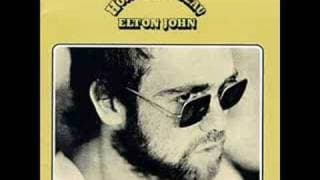
Taupin's first New York, gunfire outside the hotel window, a rose borrowed from Spanish Harlem, all cut in France.
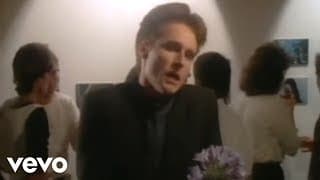
Waite heard a guitar melody on cassette and improvised the first verse on the spot; its chorus is pure denial.
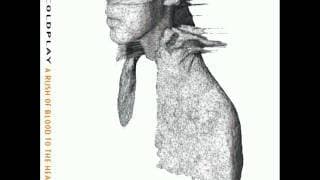
Martin wrote the verse in Amsterdam and the outro in Iceland; the closing track waits minutes before the guitars arrive.
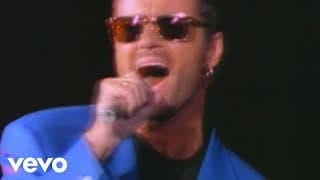
Elton John joined Michael onstage near Chicago in October 1991, and the live duet topped both charts.
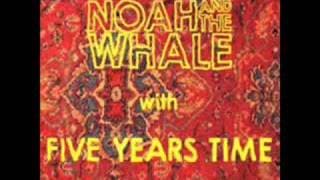
Laura Marling's ukulele and Charlie Fink's deadpan flopped in 2007; a 2008 re-release carried the sunshine to number seven.
Cut at AIR Montserrat with the classic band reunited, and Stevie Wonder's harmonica lifting it clean off the ground.
Three days at RAK Studios in London, a row patched up, and marimbas in place of the usual dance-floor sheen.
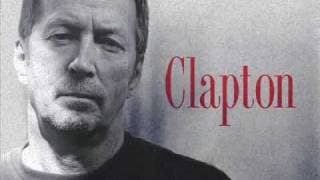
Wynonna Judd cut it first as country; Babyface gave Clapton a soul groove and the Grammys gave back three.
Buckland gave up on a guitar part and played maracas instead, and Martin's slow crawl back still aches.
Dolby storyboarded the video before writing a note, then had TV scientist Magnus Pyke shout the title's last word.
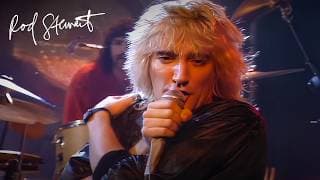
Stewart heard Jorge Ben's Taj Mahal at Rio Carnival, absorbed the melody unwittingly, and signed the royalties over to UNICEF.
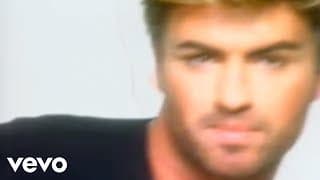
A MIDI malfunction at Sarm West handed Michael that squelching bassline; the BBC then confined it to after the watershed.
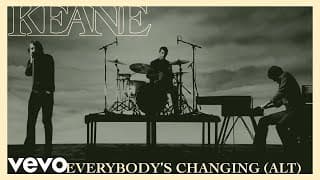
Rice-Oxley wrote it after the guitarist quit, which is why a rock band's biggest hook is played on piano.
Recorded low at first until BenZel pushed her up an octave, and the falsetto turned touring loneliness into something weightless.
A 1960 Boudleaux Bryant song the Everly Brothers cut first, remade by McCafferty's rasp into the version everyone knows.
Nile Rodgers brought the riff and the Borneo Horns; the band, down to three, answered its own bad press.
Ann Orson and Carte Blanche on the credits, a Motown duet pastiche that held British number one for six weeks.
Hollywood Records turned it down for McCartney; Tedder recut it in a new key and Cowell called it the one.
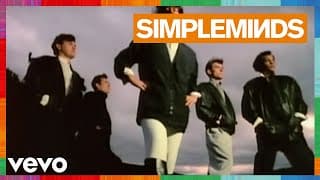
Robin Clark, credited as additional lead singer, answers Kerr line for line while Iovine pushes everything skyward.
Stalled at 43 as a studio single until the live version on Frampton Comes Alive! reached the top twelve.
One drum loop, a phone call that brought Nick Rhodes over, and Tessa Niles unleashing the diva on the chorus.
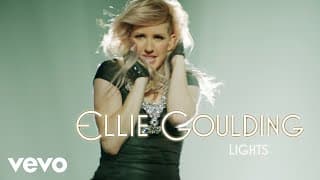
Goulding wrote it about a childhood fear of the dark, and the Hot 100 kept it fifty-two weeks.

Charli offered it to Hilary Duff, whose team passed; a film soundtrack turned that chorus into a top-ten smash.
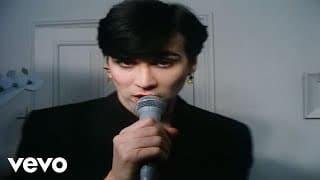
Martin Rushent's last Human League production for seven years, with four band members trading lines over a restless synth hook.
Kimberley Rew called it simple fun; the 1985 re-recording added horns and carried the band into the American top ten.
Jam and Lewis wrote it in Minneapolis, and Oakey called that vocal the best he ever gave.
Guitarist John Spinks wrote it, Tony Lewis sang it, and producer William Wittman pushed the band past their softer demo.
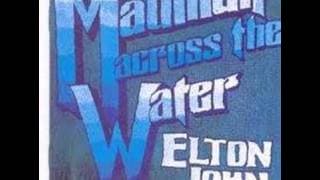
Buckmaster spilled ink across his orchestral score and rewrote all of it in a day; Spedding's electric guitar prowls underneath.
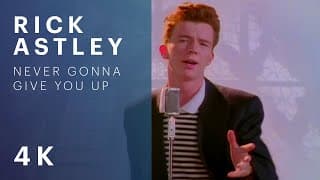
Waterman handed Astley the title after hearing him talk about his girlfriend; five weeks at number one followed.
Cut in Venice Beach with Danielle Brisebois, then adopted by The Hills and every graduation slideshow since.
A letter to an ex, sung over acoustic guitar, fiddle and McLagan's Hammond, and another UK number one.
Barley fields outside Sting's Wiltshire house, Kathryn Tickell's Northumbrian smallpipes, and a promise meant to last a lifetime.
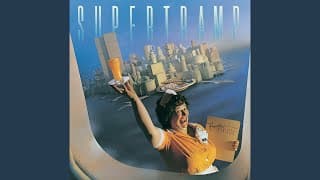
Davies wrote and sang it, Hodgson answered in falsetto, and that Wurlitzer figure runs the whole drifter's farewell.
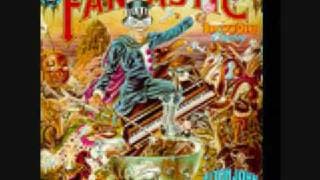
Baldry talked Elton out of a wedding in 1968, and Taupin wrote him into the chorus as Sugar Bear.
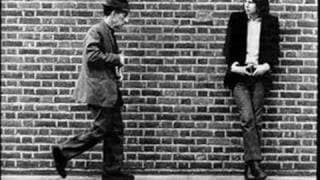
Voice, guitar and strings went down together at Sound Techniques, Robert Kirby scoring the sound of coming up short.
John Cale's viola and harpsichord circle Drake's plea for a second chance, and Wes Anderson later borrowed it.
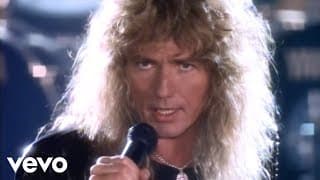
Jon Lord's Hammond organ on the 1982 original, a heartbreak song Coverdale wrote in Portugal, later a number one.
Cut in the trio's Glasgow basement studio, sibling estrangement wrapped in synth glitter and Mayberry's bright clean vocal.
Justin Hawkins in full falsetto, cut at Chapel Studios, on a riff Q placed among its 101 greatest guitar tracks.
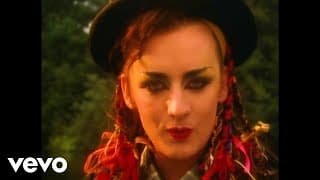
Judd Lander's harmonica, six weeks at number one in Britain, and Boy George singing about pleasing everybody.
Gillespie had gone off to Primal Scream, so a drum machine drives the Reids' highest UK charting single.
John Hughes reshot Pretty in Pink's ending and asked for 120 BPM; OMD turned it around in a day or two.
Written in 1987 and abandoned in a corner, it took Batman Forever to make it Record of the Year.
One voice layered roughly twenty times into a choir, and a settlement that added Petty and Lynne.
Cut at Paisley Park with David Z, the snare a drumhead struck with a wooden ruler under Gift's falsetto.
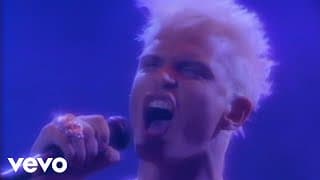
Idol's 1981 studio take missed the Hot 100 entirely; the live 1987 version knocked Tiffany off number one.
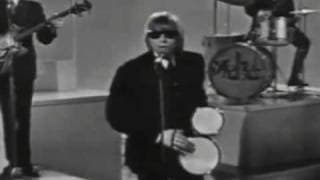
Brian Auger's harpsichord and Denny Piercy's bongos on a pop single, with Clapton confined to the middle break before quitting.
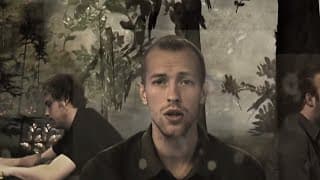
Recorded four times before Ken Nelson kept one, and Martin, by his account, apologizing for behaving badly toward his band.
Taupin rewrote his Marilyn Monroe lyric for Diana, George Martin added strings hours after the funeral, and 33 million sold.
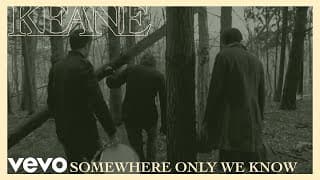
Rice-Oxley hammered it out on piano after "Heroes", and Keane proved a rock band could skip guitars entirely.
Mishra cut it in his bedroom on an Atari ST, sampling a 1932 muted trumpet, and topped the UK chart.
Pappalardi and Gail Collins wrote new words over a shelved "Lawdy Mama" take, and Clapton borrows Albert King wholesale.