In the City
2013
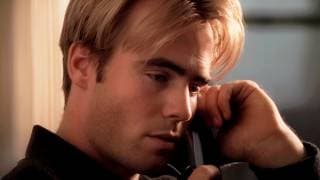
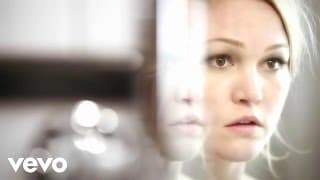
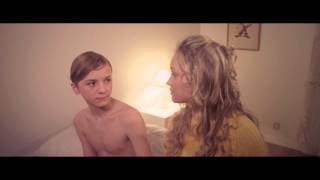
Recorded at Brooklyn's Rumpus Room with Nick Stumpf producing, and Julia Stiles stars in the video.
★ 0.9
 skopia
Recorded at Brooklyn's Rumpus Room with Nick Stumpf producing, and Julia Stiles stars in the video.
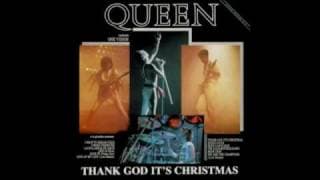
May and Taylor wrote it, Mercury sang it, and Queen waited until 2019 to give it a video.
Powter sketched it on the ferry from Victoria to Vancouver; American Idol adopted it and Billboard called it 2006's biggest.
Todd Pipes drew the lyric from Roman Holiday, swapped in a different Hepburn title, and Britain sent it to number one.
Stapp built it from a recurring dream he learned to control, and it sat atop Mainstream Rock for seventeen weeks.
Trace Cyrus, Billy Ray's adopted son, and Mason Musso built a synth hook that went double platinum.
Recorded alone in Sussex in the summer of 1979, every instrument McCartney's own, and a UK number six by January.
Mutt Lange's hitchhiker story gave Heart a number two the Wilsons openly disliked; Ann called its message hideous.
The first ballad Kid Rock ever cut, its opening lines written, by his account, in a jail cell.
Rice-Oxley built it from Yeats's poem about an Irish airman, a pilot too high up to hear the guns below.
Estrin mailed Robb an instrumental demo; the lyrics came from scraps in a journal, the strings from Capitol.
Sugar Ray's drummer co-wrote it about touring temptation and a faithful girlfriend; the album title joked about vanishing fame.
Paul Stanley and Michael Bolton co-wrote the ballad that returned Kiss to the Top 40 after eleven years away.
A shuffle borrowed from Tears for Fears, cut on day one, with Bryan Adams singing near the end.
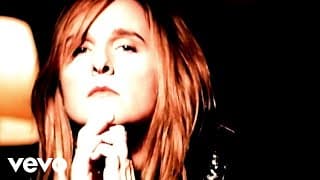
Padgham and Etheridge co-produced it, and Gwyneth Paltrow starred in the video shot at an old Los Angeles hotel.
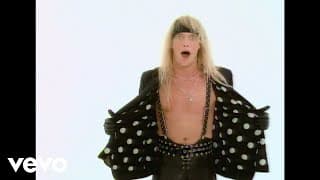
A pizza box in a Florida Hard Rock Cafe holds the lyric Lane dashed off at the label's insistence.
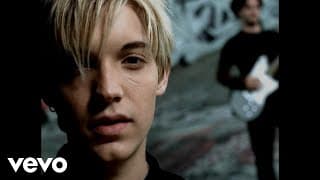
Kamin wrote it after a funeral, imagining the widower left behind; it then held Adult Top 40 for twenty-three weeks.
Foster showed Parr a news clip about Rick Hansen's wheelchair world tour, and the pair wrote it that Friday afternoon.
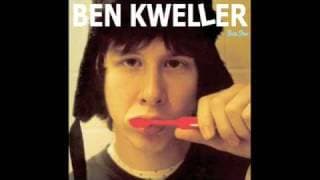
Twenty years old when Sha Sha arrived, Kweller later played this one through a nosebleed at Austin City Limits.
Long Island power pop, written overnight for the girlfriend Hampson later married, cut in Atlanta with Nick DiDia.
Two days was all Petty and Lynne needed; Mayer's acoustic version, taped at the Nokia Theatre, became a single itself.
Twelve weeks at number one on Alternative Airplay, with Brett Scallions selling every syllable of Carl Bell's chorus.
Lewis finished the words onstage in Biloxi with Fred Durst singing along, and that live take became the hit.
Paco de Lucía's flamenco guitar runs through it, cut for Don Juan DeMarco, and it held number one five weeks.
Alone in a Hollywood hotel room missing his son, Scantlin turned the ache into ten weeks atop Mainstream Rock.
Gilbert traded shred for acoustic guitar behind Martin's teenage lyric, and hand claps carried it to number one.
Brad Arnold and the band shot the video aboard the USS George Washington, then held Mainstream Rock seventeen weeks.
Funk metal aimed at a Bad-era Jackson hit; he vetted the video himself and asked for scenes reshot.
Rob Thomas called it a song for people who feel alone; eighteen weeks at Adult Top 40 number one.
Falco rapped Mozart's debts over a Bolland and Bolland production, and gave the Hot 100 its only German-language number one.
Diplo and Switch wrapped a breakup song in dubstep, and a Microsoft browser ad made it a worldwide hit.
Duritz dislikes writing to order, then handed Shrek 2 an Oscar-nominated rush of helpless, hurtling infatuation.
Sonefeld's idea, written by committee on acoustic guitars, and Rucker addressing time itself like it owed him something.
Cut at John Alagia's home studio in Maryland, it topped Adult Pop Songs for nine weeks and became a wedding standard.
Jerry Harrison of Talking Heads produced it, and Roberts sang three verses about strange childhoods in a startling baritone.
Scannell wrote it about a friendship he wanted to be more, and it became Billboard's most-played single of 2000.
Three weeks at number one, a Bahamas video, and Hayes and Lewis making long-term commitment sound like a holiday.
A fight with his brother Caleb, a Denver station spinning the demo, and Slade's chorus everywhere by 2006.
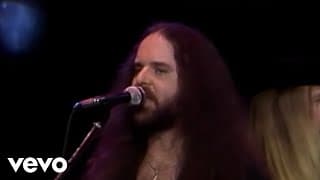
Jim Peterik of Survivor co-wrote it with Barnes and Carlisi, and it gave the band their first top ten.
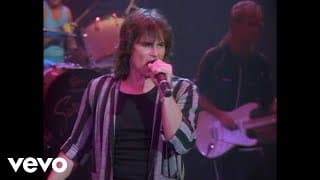
Stallone commissioned it for Rocky IV, and Peterik and Sullivan answered with East-versus-West dread over a marching riff.
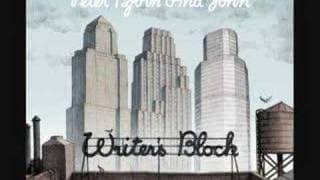
Track four on Writer's Block, self-produced by the trio, and its plainest study of being left behind.
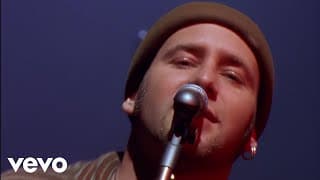
Cut at Ardent Studios in Memphis, re-recorded in 1997 for the band's second album, and a number eleven hit.
Rutherford and B.A. Robertson had both just lost their fathers; Carrack, who lost his young, sang it.
Rick Parashar cut it across three studios, and Arnold's ballad about missing someone became an unofficial anthem in Iraq.
Kravitz wrote, arranged and produced it alone, cut it from an album, then won a third straight Grammy.
Roland wrote it about a souring relationship with the band's first manager, then rode nine weeks atop rock radio.
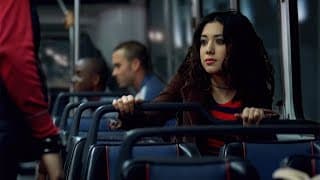
A debut-album cut that Branch wrote alone, produced by John Shanks, and her first trip into the top ten.
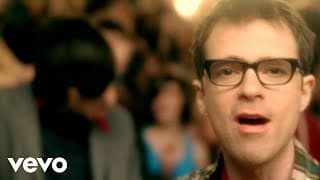
Rick Rubin produced it, the video was shot at the Playboy Mansion, and Cuomo swears the longing was sincere.
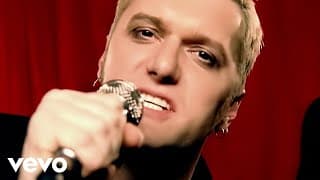
An anarchist collective from Leeds, a sample from Brassed Off, and a chorus about ordinary people refusing to stay down.
Scalzo sang lead from behind the bass, Hammond organ carrying it, and Machine Gun Kelly later borrowed the chorus.
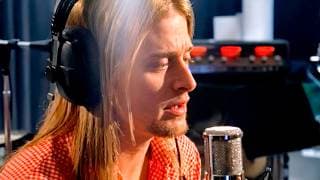
Crow's label blocked the radio rights, so Allison Moorer re-cut the female vocal; it still became Kid Rock's biggest hit.
Page and George wrote the music touring with Adam Ant; John Lang set a Greek prayer on top.
Diane Warren's first number one, written with Albert Hammond for Mannequin and sung like the odds were nothing.
Richards wrote it after a talk with his ten-year-old neighbor, and calling God "her" brought death threats.
Forty-five minutes to an hour, by Kroeger's account, then more US radio plays than any song of the decade.
Death Cab's first number one on alternative radio, and its video was performed live in one unbroken take.
A video at Bethesda Fountain, a six-dollar hat, and a hook that pushed the album past five times platinum.
James Iha guests on guitar, and the lyric hangs on a quarterback in the pocket as noise falls away.
Mercer sang falsetto for the first time here at Burton's urging; Christina Hendricks plays the android in the video.
Roger Moutenot produced the album, Zach Rogue wrote every word, and a Zune advert gave this one legs.
Chip Taylor wrote it after hearing Ruby Tuesday, Connie Francis passed on it, and Newton reached number four.
Drummer Stan Frazier sang the hook on his way out of the studio, and the chorus borrows Malo's Suavecito.
Ward got the idea riding a bus of Elvis fans to the tenth Graceland vigil, and Myles won a Grammy.
Fifty-five weeks on the Hot 100 without ever passing number sixteen, and Sheik got a Grammy nomination out of it.
Previte and DeNicola wrote it in 1984; Carmen cut it in an Ohio studio and Dirty Dancing did the rest.
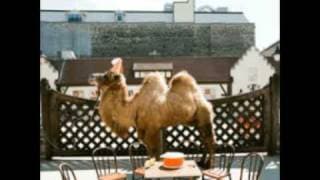
González singing about taking responsibility over Winterkorn's organ, the track AMC used to send Breaking Bad off.
Tweedy and Feist trading a chorus about two people trying to hold it together, Wilco's first album duet.
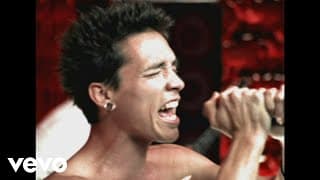
Scott Litt produced it at NRG, and Boyd wrote the lyric amid two deaths and a collapsing relationship.
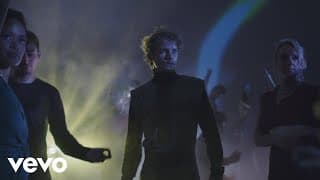
Mercer tried a falsetto in the booth, doubled the take, and Broken Bells arrived sounding like the Bee Gees.
David Woodford's sax on the record, a different player miming in the video, and Frey's biggest solo hit.
Bazilian wrote it in one night to impress the woman he later married; Osborne's vocal earned three Grammy nominations.
Written in 1996 for an acoustic side project and shelved, it returned to spend twenty weeks atop Mainstream Rock.
Wade wrote it in about five minutes, and it never hit number one yet finished 2001 as America's biggest single.
Thomas wrote it after meeting his future wife, then it spent thirteen weeks atop the Adult Top 40.
A chorus close enough to All the Young Dudes that Bowie got a writing credit, and Butch Vig produced.
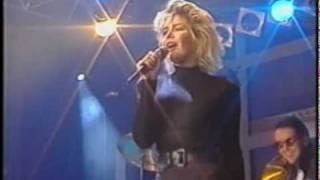
Wilde rebuilt the Holland-Dozier-Holland original as hi-NRG and became the second act to take it to number one.
Credited to all four members, it climbed to fifteen; Phillips says it is about how quickly epiphanies vanish.
Codependency as a love song, Serletic producing, and the only Matchbox Twenty record to reach number one.
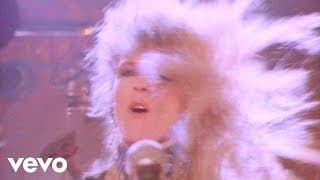
Recorded first by the band Toronto in 1982 and shelved, it became Heart's first Capitol single, with Grace Slick harmonizing.
Cut at EMI Studios in Stockholm, Gessle's deliberate pastiche of overblown American FM rock, and it hit number one.
Ric Ocasek produced it, and the spoken verses lift straight from Gloria Winters' 1964 teenage charm and popularity guide.
Jon Bon Jovi wrote it for a film he then disowned; Kalodner found the track and pushed a re-recording.
Phillips wrote it after a trip to Orcas Island, keeping the placeholder lyrics because nothing he tried afterward worked better.

Epic wanted a different follow-up single; the band held out for Richrath's chain of hearsay and reached number five.
Phenix Horns brass over Nathan East's bass, on a song Collins first wrote for The War of the Roses.
Rucker quotes Blood on the Tracks in the verses; the 1995 out-of-court settlement with Dylan cost the band $350,000.
Beckett and Crowley wrote it after two bandmates' breakups, and Lambert and Potter's production held number one for three weeks.
Kate Pierson's guest vocal, Mark Bingham's waltzing strings, and R.E.M.'s only top ten hit in both Britain and America.

Seven minutes long, never a single, self-produced by the trio, and the longest slow burn on Writer's Block.
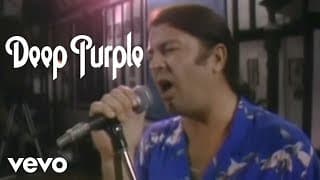
Stowe, Vermont, a mobile studio, the Mark II lineup back after eleven years, and Lord's organ doing the heavy lifting.
Folds went back to a trio for Songs for Silverman, and made its lead single a phone call home.
Jason McGerr shaped the drums after the Purdie Shuffle, and Gibbard turned the 2007 California wildfires into something almost calm.
Martin called it a blatant Jeff Buckley attempt, cut at Rockfield with Ken Nelson, and the chorus soars anyway.
Patrick's blackouts and a father's disappointment sit behind it, six minutes of guitar haze on Title of Record.
A song Foreman wrote to talk himself into moving, cut twice, the 2003 version the band's biggest hit.
Curnin called it an indictment of dishonest politicians, Rupert Hine produced it, and America took it to number four.
Written by all four members in 1989, David Crosby added backing vocals, and the debut album sold twenty million.
Sixteen straight weeks at number one in Britain, from a ballad Adams and Lange wrote in forty-five minutes.
Two hours walking New York on a day off, and Roland returned with four weeks atop album rock.
Romania in February 1990, weeks of upheaval still fresh, and Edwards came home to write pop's happiest history lesson.
Harrison bought the James Ray original in Illinois in 1963; Jeff Lynne turned it into his last American number one.
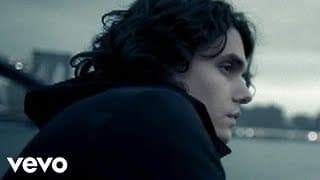
Steve Jordan on drums, Pino Palladino on bass, and a Grammy for a chorus about feeling politically stuck.
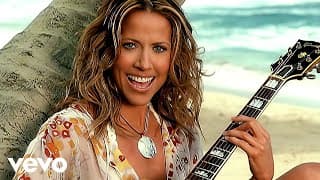
Crow and Jeff Trott wrote it on a plane out of rainy Portland; Liz Phair turned up to sing backup.
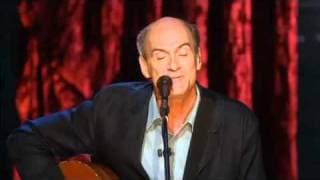
Taylor played this at his Apple audition to land the deal, and Harrison lifted its title for "Something".
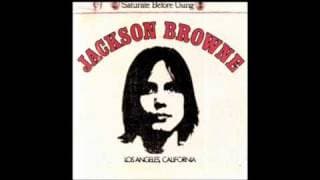
Clarence White on acoustic guitar, and the demo that led David Geffen to found Asylum Records and sign Browne.
Foster brought in three Toto members and saved Chicago's horns for the coda, returning the band to number one.
A father's blessing written for the kids Stewart missed while touring, and similar enough to Dylan's song that they share royalties.
The last number one of the eighties and the first of the nineties, with David Crosby singing behind Collins.
Stipe found the word on a New York apartment door and gave the night shift its lullaby, post-Berry R.E.M.
Written on tour opening for Journey, buried on a movie soundtrack first, and number one nearly two years later.
Scalzo read about an elderly Texas couple who drove off and never came back, then wrote them a happier ending.
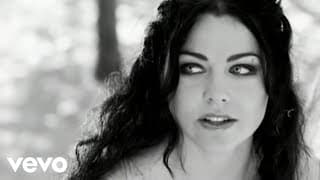
Lee and Moody wrote it at fifteen; the album kept her raw demo vocal, radio got Campbell's grieving strings.
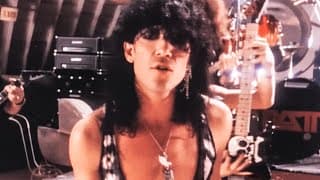
Three writers bouncing riffs between cassettes in a Hollywood apartment, and Milton Berle in the video that broke them.
Coverdale began it as a Tina Turner idea, Geffen told him to keep it, and it climbed to number two.
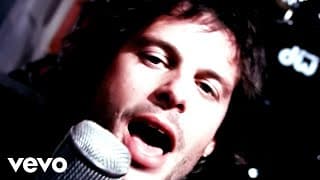
Jesse Valenzuela had the chords by the time the sessions ended; the double A-side climbed to number nine.
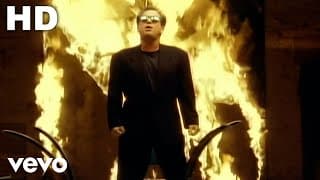
Joel wrote it at forty, after a twenty-one-year-old told him the fifties were dull; he has called the melody terrible.
DeYoung wrote it for a rock opera about outlawed music; Stan Winston designed the suit, the vocoder did the rest.
Rzeznik hid a teenage pregnancy story inside the sunniest jangle of 1998; it topped Modern Rock and Adult Top 40.
Popper wrote it about an unrequited crush, then watched it sit on the Hot 100 for forty-nine weeks.
Sean Mackin's violin cutting through the guitars, and an avenue that is really a boulevard in Atlantic Beach, Florida.
Carly Simon sings harmony behind her husband, David Sanborn takes the sax, and Holland-Dozier-Holland's Motown tune turns Californian.
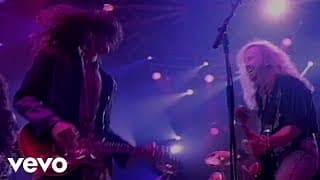
Desmond Child helped Tyler and Perry finish it, and Liv Tyler's debut video kept MTV busy through 1994.
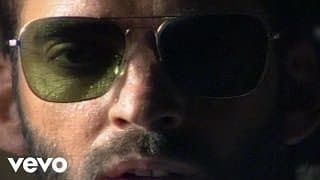
Four acts turned it down before Loggins said yes, and Moroder's synth roar stalled at two behind "Sledgehammer."
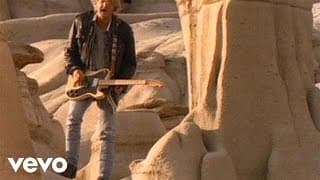
A Red Rider demo called "Love Is a Highway", revived after Cochrane's World Vision trip to eastern Africa.
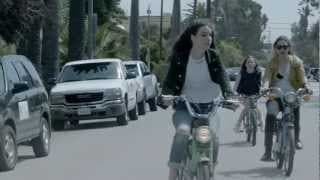
Three sisters gave this away as a free download in February 2012; NME named it the year's fourth best track.
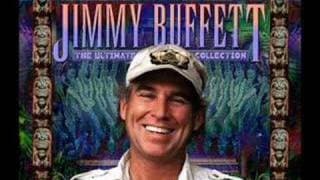
Buffett was twenty-seven when he wrote it, about a Chart Room regular in Key West and a life at sea.
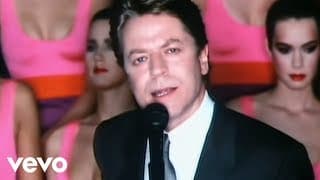
Number two in America, three weeks atop the rock chart, and the video that closed Palmer's mannequin trilogy.
Vedder lifted the opening chord from Tuolumne, an Into the Wild instrumental, and Willie Nelson later took the song.
Criteria Studios in Miami, Kenny Laguna producing, the Strangeloves' 1965 hook over Barbarossa's Bo Diddley drums.
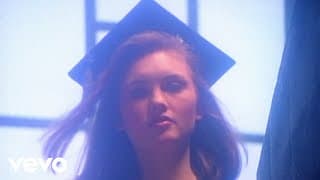
Drummer Kelly Keagy wrote it about his kid sister Christy; Jack Blades misheard the name and Christian stuck.
Ray Davies cut it at Konk in 1977, a department store Santa mugged by kids who want jobs, not toys.
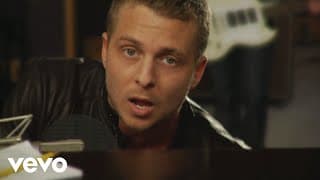
Tedder wrote it, Timbaland remixed it, and radio played the result 10,394 times in a single week.
A four-track cassette machine in the rehearsal space Earley half lived in, and a boy who runs with wolves.
Taupin and Martin Page wrote it, Nancy Wilson sang lead through a cold, and Heart got their first number one.
Two voices and one acoustic guitar, dropped into a funk metal album, and A&M got a number one.
Rucker flipped the genders when he wrote it; by his account the addiction in the song was his own.
Trombino set it as a 6/8 waltz for two sisters who ran Weezer's fan club; never a single, sung everywhere.
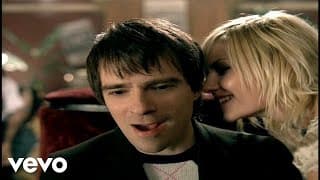
Cuomo re-recorded it after crowds sang his original melody back at him, and it topped alternative radio for four weeks.
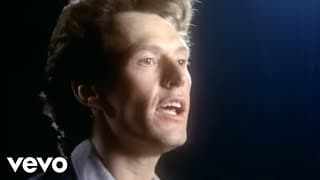
Every instrument on it is Winwood alone; the 1982 single stalled, and Tom Lord-Alge's 1987 remix reached the top ten.
Jack White turned a children's clapping rhyme into a complaint about the phone company, cut in his own living room.
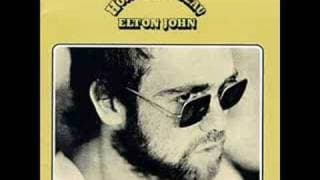
Taupin's first New York, gunfire outside the hotel window, a rose borrowed from Spanish Harlem, all cut in France.
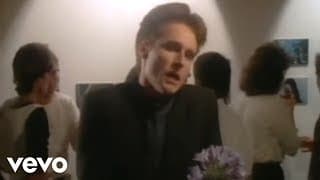
Waite heard a guitar melody on cassette and improvised the first verse on the spot; its chorus is pure denial.
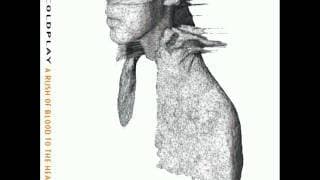
Martin wrote the verse in Amsterdam and the outro in Iceland; the closing track waits minutes before the guitars arrive.
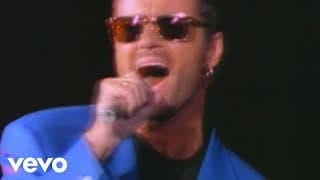
Elton John joined Michael onstage near Chicago in October 1991, and the live duet topped both charts.
Pino Palladino on bass, Ricky Peterson on piano, Steve Jordan producing, and Mayer singing the moment the dream ends.
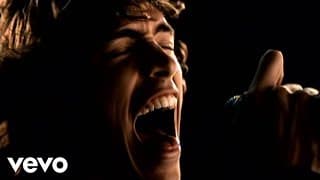
Written late in the Malibu sessions on the street that gave the album its name, Boyd making stillness sound enormous.
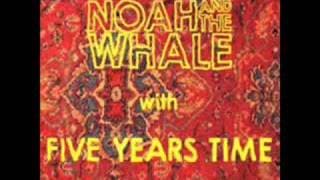
Laura Marling's ukulele and Charlie Fink's deadpan flopped in 2007; a 2008 re-release carried the sunshine to number seven.
Rzeznik twisted tuning pegs until a second high E replaced the B string, and that open ring carries the song.
Weiland called it the gap between kid and young man, and Brendan O'Brien's production leaves the voice bare.
One of four songs on the demo that got Foreigner signed, and Gramm sang it at his audition.
Mayer lobbied his label against releasing it, then won Song of the Year in 2005 and said so onstage.
Told it was impossible, Money phoned Ronnie Spector himself, and she sings her 1963 hook right back.
Jon Blondell's trombone solo quotes Rhapsody in Blue over a ska bounce carrying Nowell's bleakest subject.
Pirner wrote it during a breakdown, and Tony Kaye's video named missing children, region by region, until some came home.
Written at sixteen on a road trip, produced by Ben Keith, from a debut that took two years to break.
Higgenson told a steeplechase runner he had written a song about her, then spent a year making it true.
Cut at AIR Montserrat with the classic band reunited, and Stevie Wonder's harmonica lifting it clean off the ground.
A bullied teenager's death behind it, and Jenkins turned the fifth single off his debut into a plea.
Buckland gave up on a guitar part and played maracas instead, and Martin's slow crawl back still aches.
Unhappy with the mix, Walla squashed the drums through speech-therapy hardware and rebuilt the track around a glove compartment.
Stewart heard Jorge Ben's Taj Mahal at Rio Carnival, absorbed the melody unwittingly, and signed the royalties over to UNICEF.
Rice-Oxley wrote it after the guitarist quit, which is why a rock band's biggest hook is played on piano.
Sub Pop led The Shepherd's Dog with this, the record where Beam's whispered four-track folk grew a full band.
Reed's parade of characters with nothing to their names, sung by Doug Yule over seven closing minutes of Loaded.
Curt Kirkwood wrote it for Meat Puppets II, then stood onstage playing it while Cobain sang his obscure song to millions.
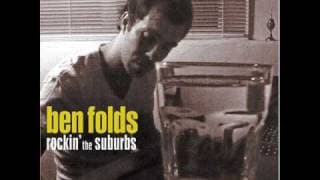
Written for the comedy Loser, which cut the scene, and now the piano ballad people play at weddings.
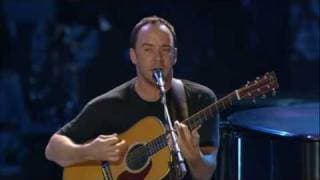
Eight minutes on the album, four on the radio, and Tinsley learned his violin solo the day before.
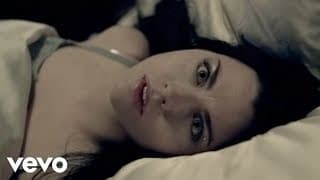
Lee wrote it at nineteen, the label insisted on a male voice, and David Campbell's string section did the rest.
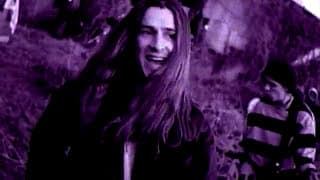
A basement demo meant only for publishers, until an Atlanta college station put it into rotation and Atlantic came calling.
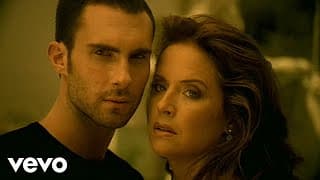
Levine says he and Valentine wrote it in about an hour, drawing on a troubled couple he knew.
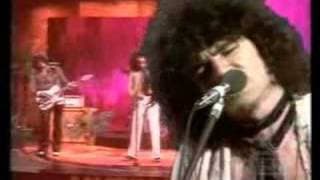
A 1960 Boudleaux Bryant song the Everly Brothers cut first, remade by McCafferty's rasp into the version everyone knows.
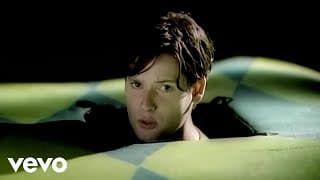
Four in the morning, under an hour of writing, and a fifteen-week grip on the Modern Rock chart.
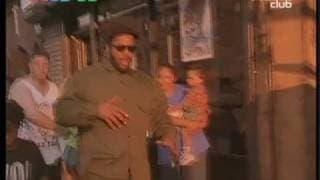
Salaam Remi's remix bolts a Taana Gardner sample to that Land of 1000 Dances chorus, and Kamoze went number one.
Fifty-two weeks on the Hot 100 for a breakup song that began with Cadogan picking up an autoharp.
Thirty pounds bought the song from Cat Stevens, and an ex-Ikette in London charted it before he released his own.
Brian Wilson chased Chuck Berry on the piano into a C-F-G pattern; a surfing friend supplied the beach names.
Cut live at C. W. Post College in 1975, shelved six years, then loosed on every December radio playlist since.
Two chords written in a northeast Portland duplex, and Nate Query put the whole album on his credit card.
Nowell sings the wrong date, April 26, and the band kept the take anyway; he died before the album arrived.
Stalled at 43 as a studio single until the live version on Frampton Comes Alive! reached the top twelve.
Kravitz stumbled on the riff testing an amplifier, nearly buried it as a B-side, and won a Grammy instead.
Piano and Meg's drums instead of a riff, cut at White's Detroit house, thematically the album's one cheerful track.
Flipside of Blue Suede Shoes, cut at Sun with both Perkins brothers, and later Ringo's turn on Beatles for Sale.
Written for Armageddon by Diane Warren after a Barbara Walters interview, it gave Aerosmith their only American number one.
Five minutes of Harmer's bass riff before a word arrives, a krautrock crawl radio edits had to hack apart.
Named for a 1920s pole-sitting fad, cut in Seattle in 1996, and now inseparable from Peep Show's opening titles.
One drum loop, a phone call that brought Nick Rhodes over, and Tessa Niles unleashing the diva on the chorus.
Written in the laundry room of Mellencamp's old house, it makes Indiana sound like enough for one life.
Gibbard wrote it for his girlfriend, Walla produced at a Massachusetts farm studio, ten weeks atop Adult Alternative.
Martin Rushent's last Human League production for seven years, with four band members trading lines over a restless synth hook.
Thomas drew on his mother's cancer fight, and his earlier band Tabitha's Secret put it on record first.
Larry Knechtel on piano, Jim Gordon on drums, and a chorus that arrives like the evening it describes.
Kimberley Rew called it simple fun; the 1985 re-recording added horns and carried the band into the American top ten.
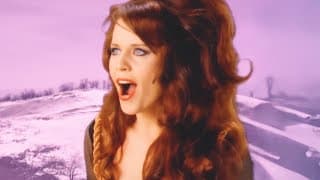
A rare B-52's lyric from an outsider, Robert Waldrop, and Pierson and Wilson make wanderlust sound weightless.
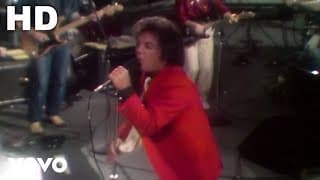
Richie Cannata's sax break, Joel needling critics and fashion alike, and his first American number one.
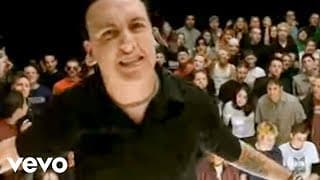
Bassist Tobin Esperance wrote that riff on a piano, and Shaddix built a nu-metal standard about despair over it.
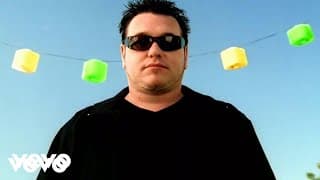
Greg Camp studied the Billboard top fifty for parts, then Shrek used it as temp music and never replaced it.
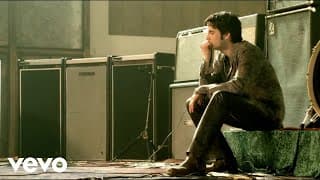
Monahan woke from a dream of his late mother, and Paul Buckmaster's strings carry the whole ache.
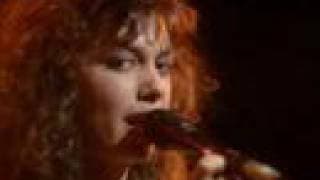
A tape loop, a LinnDrum, and a whistled hook: David Kahne built it while three Bangles split the verses.
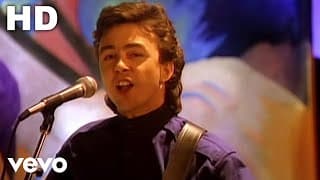
Guitarist John Spinks wrote it, Tony Lewis sang it, and producer William Wittman pushed the band past their softer demo.
Campbell cut the track at home before Henley and Souther added words, and forgiveness never sounded so hard-won.
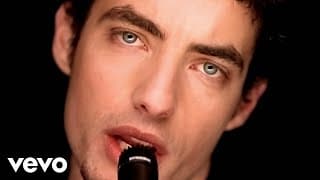
Jakob Dylan wrote it at a Los Angeles kitchen table, then watched it top all three Billboard rock airplay charts.
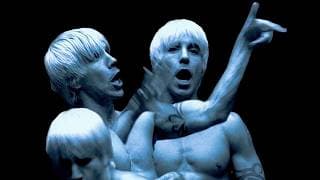
Frusciante back in the band and playing deliberately spare, while Flea's bass run opens Californication at a sprint.
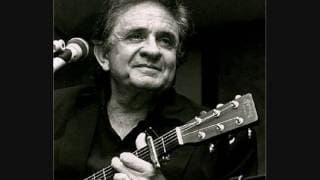
Rick Rubin's arrangement leaves it bare, and Cash, his voice thinned by illness, turns U2's Berlin song into a reckoning.
A Salvation Army band on television gave Presley the idea; he later spent the royalties on crop-circle research.
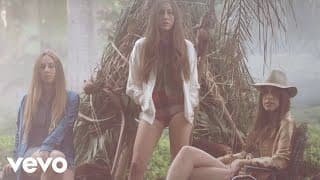
Danielle, Este and Alana wrote it with Morgan Nagler as a stay-strong pep talk, and it moves like one.
Buckmaster spilled ink across his orchestral score and rewrote all of it in a day; Spedding's electric guitar prowls underneath.
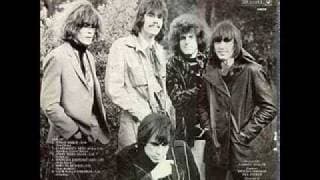
Hoyt Axton's mother held the publishing back over its language; Easy Rider then made Steppenwolf's version unavoidable.
Woolfson took the title from casino surveillance slang; Sirius became the music that introduced Michael Jordan's Bulls.
Blue Oyster Cult passed, .38 Special passed, and Adams kept the riff; the first full take made the record.
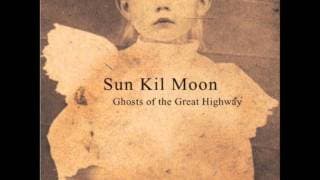
Kozelek grew up in Massillon, Ohio, and this is what he sends back: an apology set to ringing acoustic guitars.
Dean found an empty beach midweek and wondered where everyone was; Reno turned waiting for the weekend into working.
A Shirley Eikhard song Raitt carried to number five, her biggest American hit, and a Grammy for that vocal.
Armstrong spent two months doubting the lyrics until Cavallo pushed him; it went to number one on modern rock radio.
DiFiore's trumpet lick, chords borrowed from Sweet Jane, and McCrea deadpanning a want ad for the ideal woman.
A letter to an ex, sung over acoustic guitar, fiddle and McLagan's Hammond, and another UK number one.
Twelve minutes on the album, and the guide vocal Lorraine Crosby sang under a pseudonym is the one you hear.
Capitol dropped them, so they paid for it themselves; that opening riff bought the whole gamble back.
Walla had to talk the band into keeping it, and Gibbard's throwaway became their singalong.
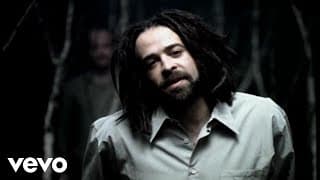
Duritz wrote it before dawn while a friend lay in hospital, and the band cut it almost entirely live.
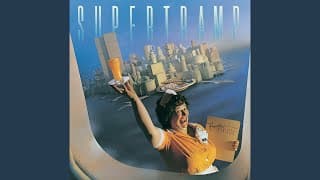
Davies wrote and sang it, Hodgson answered in falsetto, and that Wurlitzer figure runs the whole drifter's farewell.
Two unfinished songs Mutt Lange stitched together, and a kid outside the arena hearing one guitar through the wall.
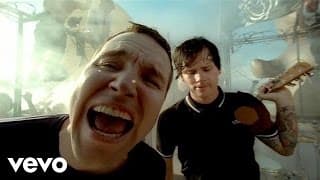
Hoppus and DeLonge wrote in separate rooms, choruses and verses, and Barker's beat locked them together in a day.
Graham Gouldman's father handed him the opening lines; Gouldman finished the middle eight on his own bus to work.
A piano riff hammered like a warning, written by Gramm and Jones, later sampled wholesale by M.O.P.
DeLonge's parents divorced when he was eighteen; Finn produced, and the wrecking-ball video was reshot after September 11.
Justman, the band's keyboardist, wrote it, and his synth hook took a Worcester blues band to six weeks at number one.
Cut first for the Up in Rags EP, all four members co-producing, a clothesline standing in for one-sided love.
One riff played idly in Jones's apartment, and Gramm making him stop and play it again.
Jason Schwartzman still drummed for the band when they cut it; The O.C. later made it a UK top ten.
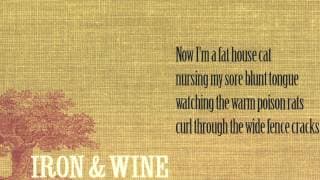
Brian Deck built a loop for Beam to layer guitar over; Stewart reportedly chose it for Twilight's prom.
A piano bridge from session player Roger Joseph Manning Jr. lifts the band's most serious song out of its despair.
Funkadelic's Can You Get to That, looped and sweetened, under the one Sleigh Bells song that whispers.
Mercer wrote it in his living room about his marriage, with Greg Kurstin on guitars, Mellotron and piano.
Baldry talked Elton out of a wedding in 1968, and Taupin wrote him into the chorus as Sugar Bear.
Boyd called it a song about fear, and Scott Litt's production pulls the band down to acoustic guitar.
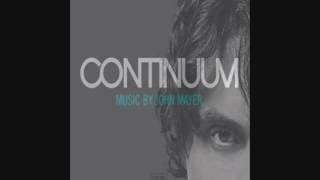
Never a single, still platinum: Mayer, Steve Jordan and Pino Palladino playing a relationship that both parties know is finished.
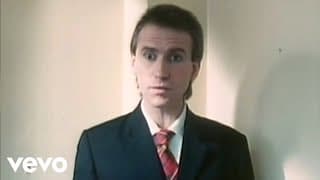
Hay wrote the music in a Bermagui treehouse, and Greg Ham's saxophone hook does the rest.
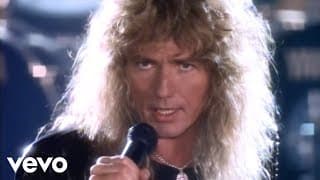
Jon Lord's Hammond organ on the 1982 original, a heartbreak song Coverdale wrote in Portugal, later a number one.
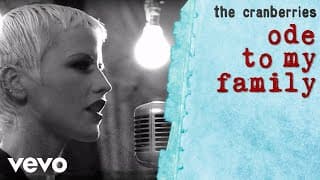
A homesick lullaby from No Need to Argue, with a string arrangement O'Riordan scored herself over Noel Hogan's chords.
Cronin wrote it after his wife confessed an affair; Richrath's Les Paul turned a piano ballad into a number one.
Jankel lifted the bass figure from Ornette Coleman's "Ramblin'"; the BBC banned the single, and Peel played it anyway.
Fifteen years old and stuck in a math class when Arnold wrote it; he sang it from the drum stool.
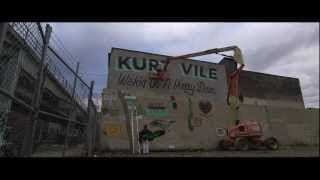
Guitar that unspools for nine and a half minutes, Stella Mozgawa on drums, Vile in no rush anywhere.
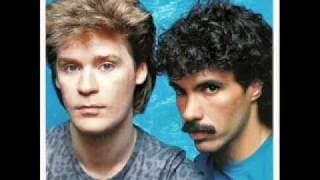
A chorus Oates stumbled into on a synthesizer he could barely operate, and the duo's sixth and last number one.
Justin Hawkins in full falsetto, cut at Chapel Studios, on a riff Q placed among its 101 greatest guitar tracks.
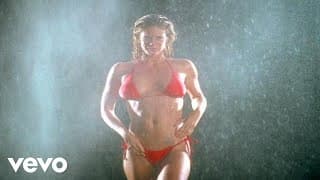
Schlesinger owned up to this one, chasing the Cars; Ocasek assumed the intro was sampled from Just What I Needed.
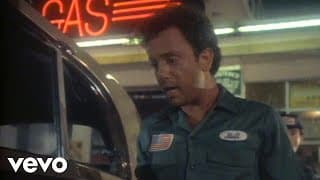
Joel chasing Frankie Valli's falsetto and the Four Seasons' bounce; five weeks at number one, his only UK chart-topper.
Gillespie had gone off to Primal Scream, so a drum machine drives the Reids' highest UK charting single.
Enigk wrote it as a solo acoustic song; the band took it over, and his cracked howl carries it.
Seven and a half minutes, James Murphy at the desk, Haitian percussion, and Bowie volunteering his voice.
By Michaels' account a bad phone call from a Dallas laundromat wrote itself into Poison's only number one.
Guitarist Greg Brown wrote it, McCrea narrates deadpan over trumpet, and the driver keeps racing long after everyone left.
Paich's pounding piano intro, Porcaro's triplet hi-hat, and Lukather's solo, all on a debut single that hit number five.
A club patron asked the band's drummer for funky music; Parissi wrote the answer on an order pad.
Mercer sketched a young lesbian couple stuck in a small town, then floated it on Chiccarelli's widescreen jangle.
Mann and Weil wrote it about Gerry Goffin's drug problems, by Mann's account; the Raiders took it to number four.
Written on acoustic guitar in 1991, recorded by Albini at Pachyderm, and stocked by Walmart under a changed title.
Six weeks at number one, and it began with Ruess singing the chorus, tipsy, at the Bowery Hotel.
Cut in the basement of Mercer's Portland house, a breakup song that starts at a whisper and detonates.
Manuel, Helm and Danko trade verses on Robertson's account of the 1755 Acadian expulsion, Byron Berline's fiddle overdubbed above.
A field recording of distant Seattle freeway noise opens the album, then the guitars come crashing in behind Gibbard.
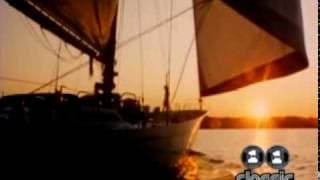
Stills took the Curtis Brothers' 'Seven League Boots', rewrote the words and chorus, and turned a divorce into open ocean.
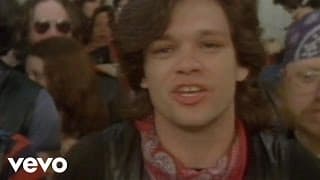
Sixteen weeks in the top ten, more than any other single of the eighties, and Aronoff's drums never let up.
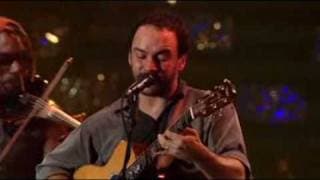
Played live since 1991 and cut twice on record, it rides Boyd Tinsley's violin hook and Beauford's snare.
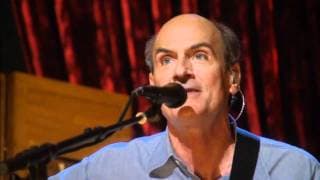
McCartney played bass and Harrison sang uncredited backing on the Apple debut, while Taylor sat in London missing North Carolina.
Alicia Keys sings backing behind Pino Palladino's bass, and Mayer called it the most important song he has written.
Three sisters, one kiss-off, and Ariel Rechtshaid's production splitting the difference between Laurel Canyon soft rock and nineties R&B.
Duane heard Betts's song, told him to sing it himself, and traded solos on one of his last sessions.
Cut live on a darkened Marin auditorium stage with no audience, and somehow the Dead's only Top 10 hit.
DeLonge wrote it after the band's manager complained the album had no feel-good song; a SeaWorld date supplied the rest.
Desire watched from a distance, an acoustic figure circling, and Steve Lillywhite catching all of it at Bearsville.
Tempchin wrote it on a poster back while sleeping on a club floor; Leadon's B-bender guitar does the rest.
Idol's 1981 studio take missed the Hot 100 entirely; the live 1987 version knocked Tiffany off number one.
Neil Sedaka on piano, Darin's own chord discovery, and a wish for an ideal partner that topped Britain.
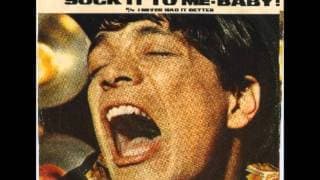
Shorty Long cut it slow and bluesy first; Ryder welded it to Good Golly, Miss Molly and hit number four.
A Mellotron faking the strings, producer Al Kooper credited as Roosevelt Gook, and Van Zant's rambling farewell.
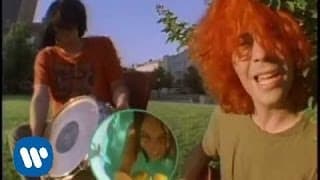
A decade underground, then Beavis and Butt-Head featured the video and the Lips had their only American hit.
Acoustic guitar from James Taylor, a flute solo from Curtis Amy, and King mourning a world where nobody stays put.
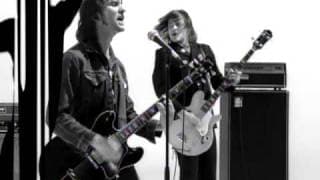
A cough left in from the demo, a Motown-derived stomp, and a riff everyone insisted they had heard before.
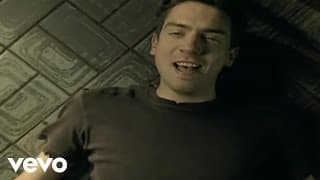
Lightbody's father compared him to a dog chasing a car; a Grey's Anatomy finale sent it worldwide.
A busy signal on Nilsson's telephone became the repeating note, and Chuck Negron sings loneliness to number five.
Brian Auger's harpsichord and Denny Piercy's bongos on a pop single, with Clapton confined to the middle break before quitting.
Newman wrote it for Eric Burdon in 1966, and Cory Wells sings the bewildered party guest straight to number one.
Spoon's eighth album brought in Dave Fridmann and Alex Fischel, and Daniel spends the chorus asking to be understood.
Recorded four times before Ken Nelson kept one, and Martin, by his account, apologizing for behaving badly toward his band.
Piano, bass and a single nagging guitar figure, with Daniel making aimlessness sound like the best available plan.
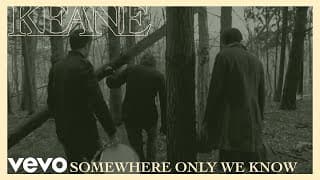
Rice-Oxley hammered it out on piano after "Heroes", and Keane proved a rock band could skip guitars entirely.
Pappalardi and Gail Collins wrote new words over a shelved "Lawdy Mama" take, and Clapton borrows Albert King wholesale.
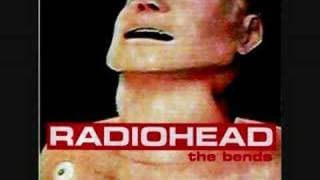
Originally called Planet Xerox until the trademark intervened, drums spliced from other sessions, piano soaked in delay.
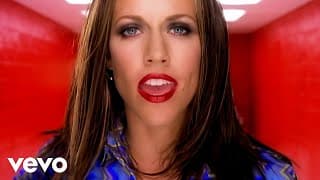
Jeff Trott's hook arrived first, the country arrangement went out, and Crow won a Grammy singing her own backlash.
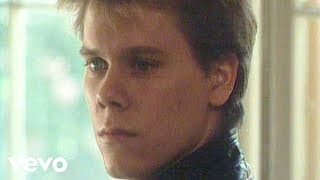
Pitchford wrote the screenplay first, then the lyrics; Loggins supplied the tune and his only number one.
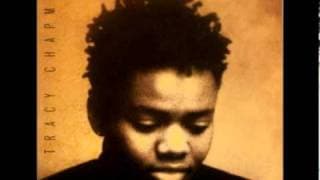
Chapman played it live for seven years before recording it, then a loose blues shuffle became her biggest hit.
Armstrong's father died in September 1982; by his account the words he said that day waited twenty years.
Jimmy Marinos sang it from behind the drum kit; the single stalled at 49 and never went away.
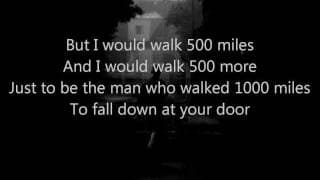
Craig and Charlie Reid wrote it in an Edinburgh flat, sang it in undisguised Scottish accents, America followed in 1993.
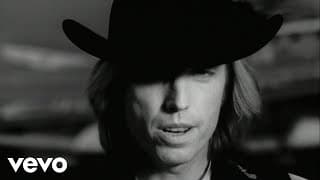
Four chords, F, C, A minor, G, looping unchanged while Petty and Jeff Lynne make uplift sound effortless.
A piano ballad at first, then a synthesizer break, then guitars, angels and a starship headed skyward.
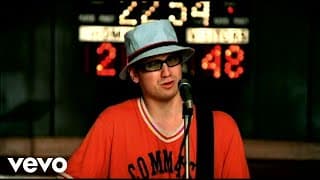
Number one in Australia, number two in Britain, built from Brown's memory of Long Island parents fearing metal records.
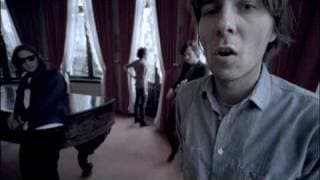
Heine coined the word for Liszt's swooning fans, and Philippe Zdar gave these guitars their chrome shine.
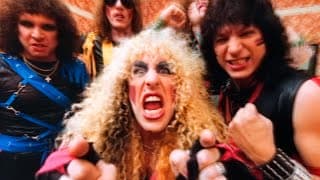
Snider hung the melody on "O Come, All Ye Faithful," and the PMRC filed it under filth anyway.
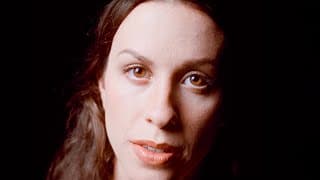
Harmonica played by Morissette herself, Ballard's warm production, and a rare Jagged Little Pill song that is simply grateful.
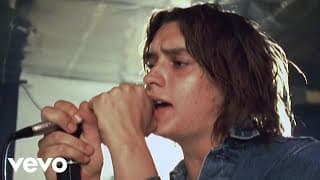
Moretti woke to hear Casablancas inventing the melody in the bathroom, and it became the warmest song on Is This It.
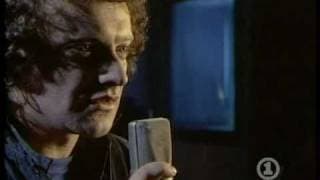
Jones wrote it alone at three in the morning, and the New Jersey Mass Choir carries the final chorus skyward.
King Curtis honks the tenor break, later echoed in Yakety Sax, while Leiber and Stoller turn chores into comedy.
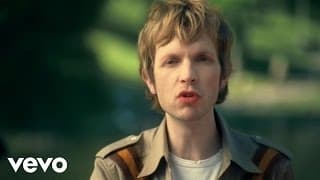
Thirteen seconds of chiptune open it, and the Dust Brothers built the rest around Beck jamming acoustic guitar.
Among Plant's first songwriting credits, a CBS contract having blocked him on the debut, over guitars panning across both channels.
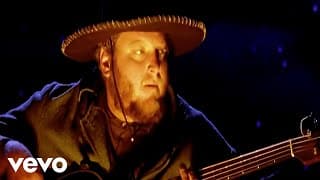
Built on a bassline lifted from a Robbin' the Hood dub, and issued months after Nowell's death.
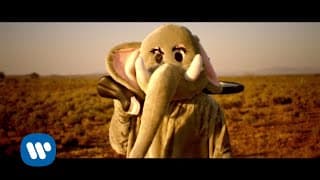
Eno took a co-writing credit and played synthesizers; it became Coldplay's second UK number one and a stadium fixture.
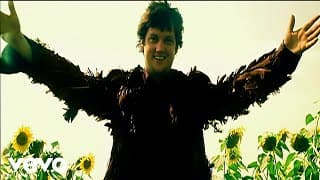
Recorded at Sweet Tea in Oxford, Mississippi, and it turns a hard look at mortality into something close to serene.
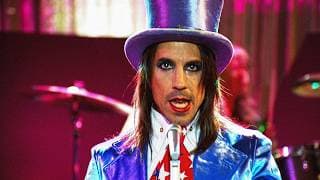
One character, tracked across three albums to her death, and a Frusciante outro built on Purple Haze.
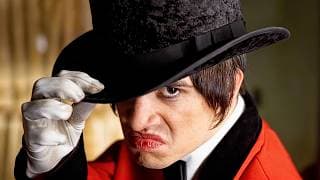
Pizzicato cello, a title lifted from Douglas Coupland, and a circus wedding video that won Video of the Year.
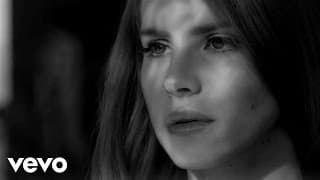
Del Rey wrote it with Emile Haynie and Dan Heath, then sings a doomed vow over surf guitar and strings.

Stalled at sixty-two in 1967, then a brotherhood radio spot pushed the reissue to number five two years later.
A slave trader's sales pitch set to strings and Newman's warmest melody; Bobby Darin later sang it straight.
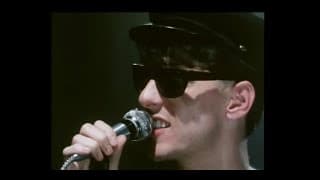
Producer Hugh Jones talked Grey out of shouting, and the nuclear-apocalypse lyric arrives as the warmest chorus of 1982.
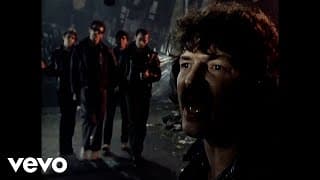
Jeff Porcaro's half-time shuffle carried it to Record of the Year, and drummers have been chasing that groove since.
Haines wrote it on piano in Buenos Aires as a ballad; the tempo went up and panic became a hook.
A slow descending riff, Armstrong's insomnia, and a segue into Jaded that welded the two songs together permanently.
Written on guitar rather than piano, cut live in a bedroom on a few microphones, and unbearably calm.
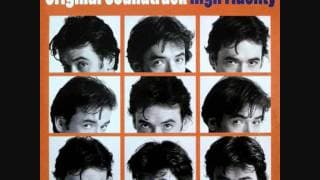
Six minutes that drift, then lift; the track Rob plays in High Fidelity to sell five copies on the spot.
Guitars pushed to sound like synthesizers, and a Roman Coppola video that borrows its neon from Tron.
Vanda and Young cut it at the Let There Be Rock sessions, reworking a 1976 outtake called Dirty Eyes.
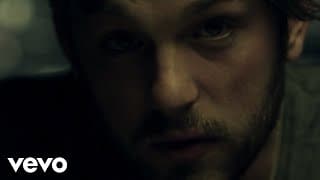
Recorded at Blackbird Studio in Nashville, it spent fifty-seven weeks on the Hot 100 and won Record of the Year.
Strings, harpsichord, a second take cut live, and Ronstadt the only Stone Poney anywhere on the record.
Armstrong wrote it about squatting in a West Oakland warehouse, and the Dookie re-recording is the one everyone knows.
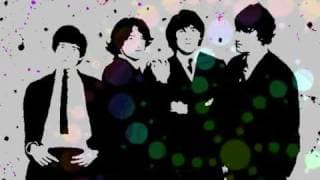
Davies wrote it after seeing his sister's house on an Australian housing estate, turning suburban comfort into a cage.
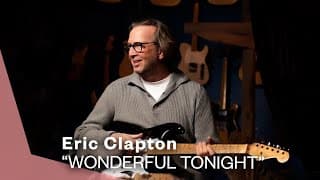
Clapton wrote it on a Martin D-28 while Pattie Boyd got ready for a Buddy Holly party, by his account.