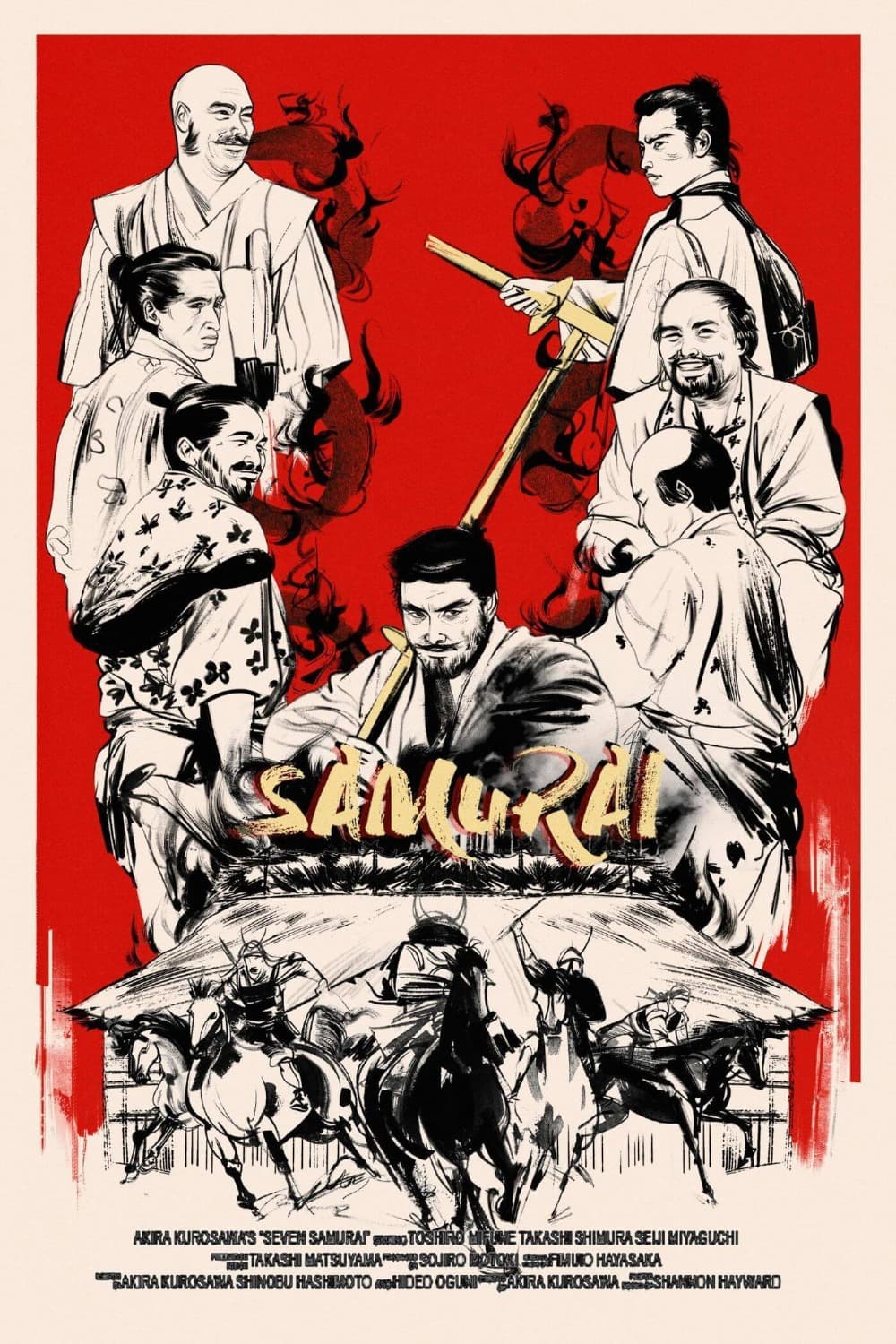
Seven Samurai
Directed by Akira Kurosawa
1954 · Japan
Every film about assembling a team for one last job descends from this one: Kurosawa makes seven men matter, then stages a battle in the mud nobody has equaled.
★ 9.9
 skopia
Every film about assembling a team for one last job descends from this one: Kurosawa makes seven men matter, then stages a battle in the mud nobody has equaled.
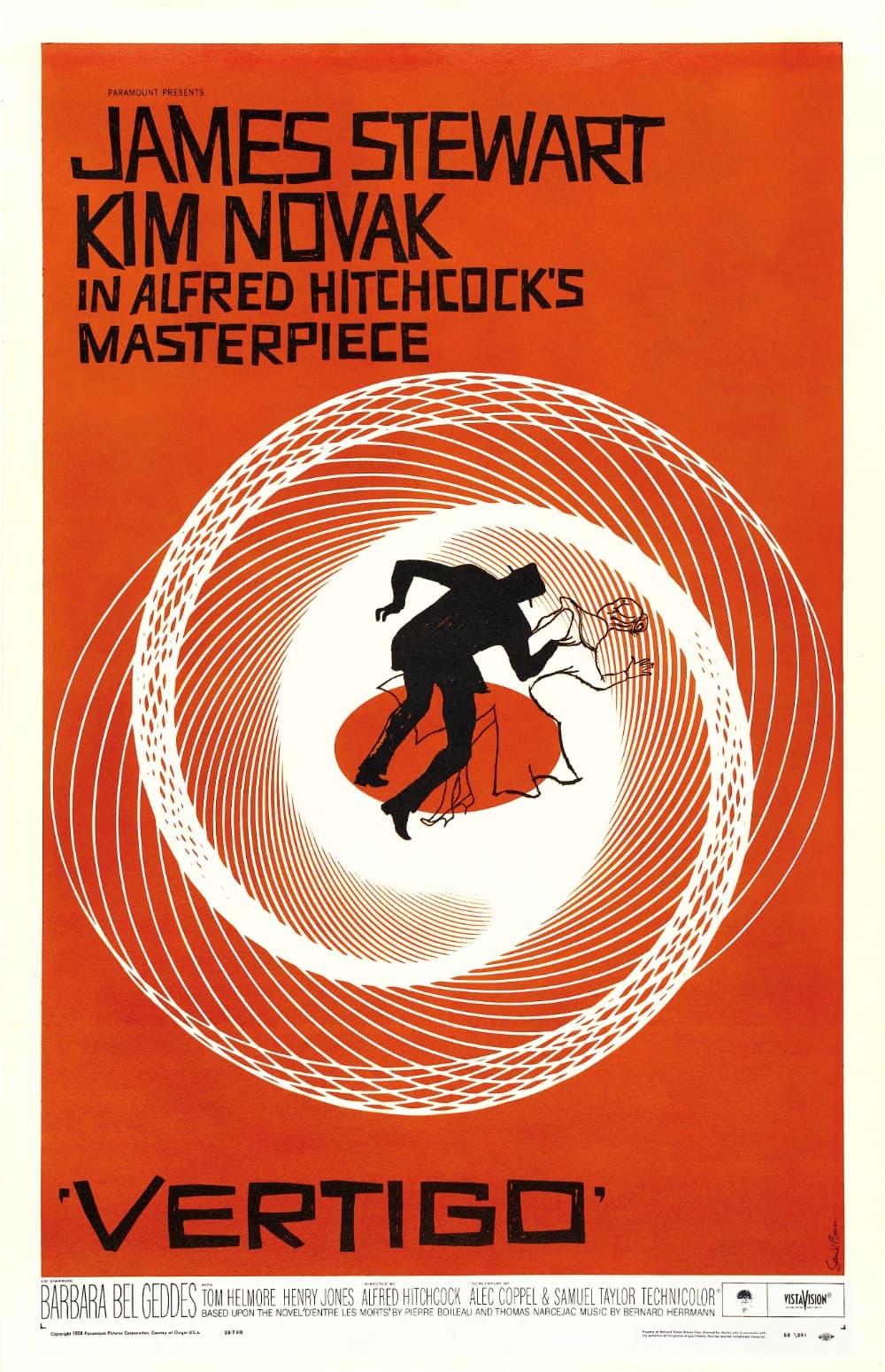
Nobody has ever made obsession look this beautiful or this sick: a man falls for an image instead of a person, and Hitchcock follows him past every point it should stop.
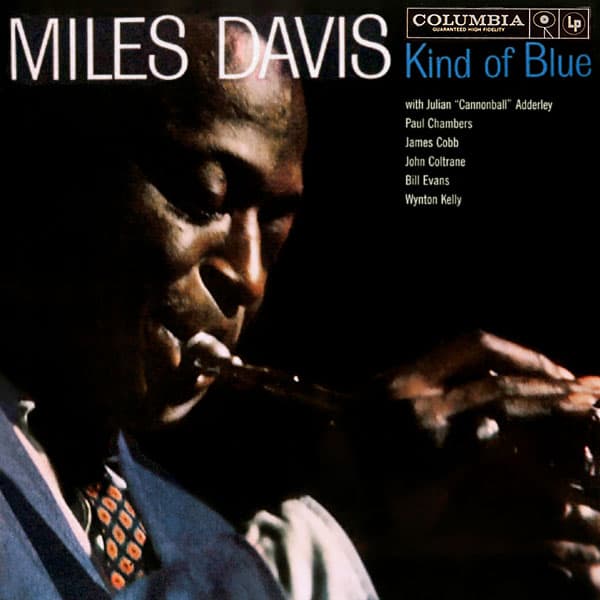
Davis handed the players sketches on the day and most of what you hear is a first take. Two sessions, and it was done.
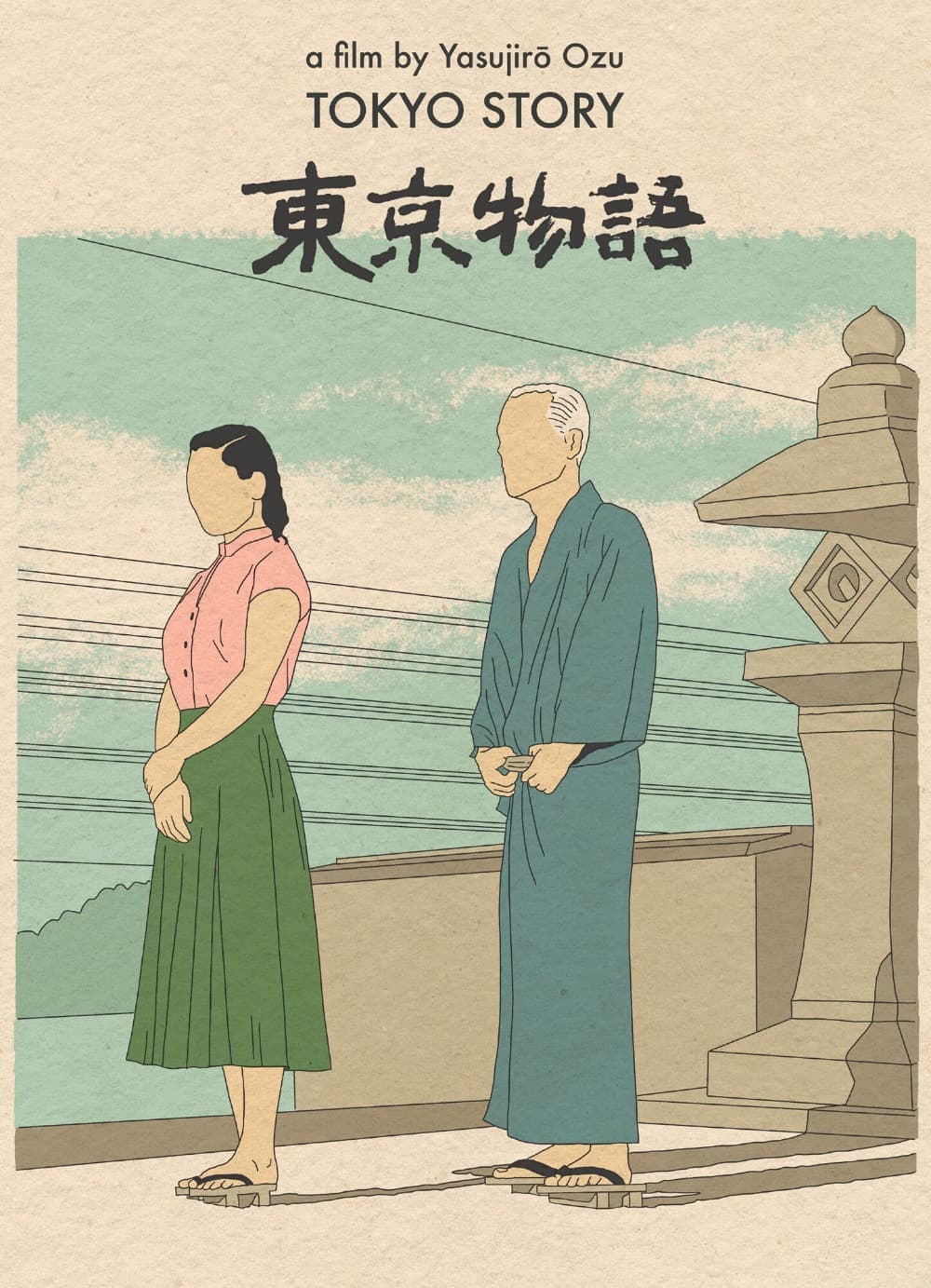
The quiet masterpiece of ordinary life: Ozu finds the ache of a whole century in parents visiting children who have no time for them, and it will find you too.
Chuck Berry's intro lick is rock's opening statement, a country boy's origin myth now drifting past the solar system.
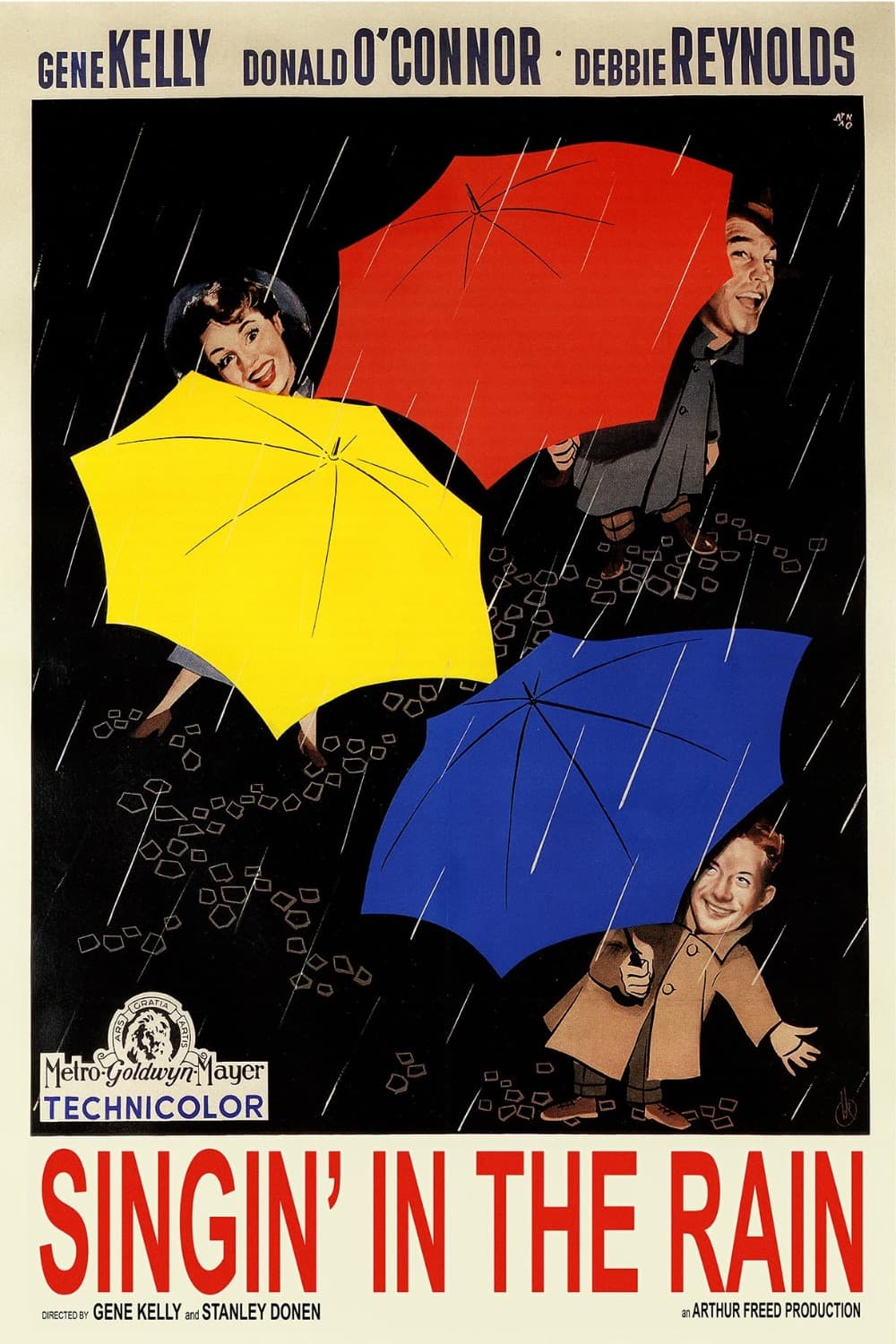
Nothing else on film is this happy, and the subject is an industry in a panic: Hollywood's terror at the arrival of sound became two hours of pure delight.
Elvis's first RCA single, all cavernous echo and empty rooms, the loneliest number one ever cut.
A nonsense holler cleaned up just enough to press, and the moment rock and roll stopped asking permission.
Leiber and Stoller wrote it for Big Mama Thornton; Elvis took it, sped it up, and set it on fire.
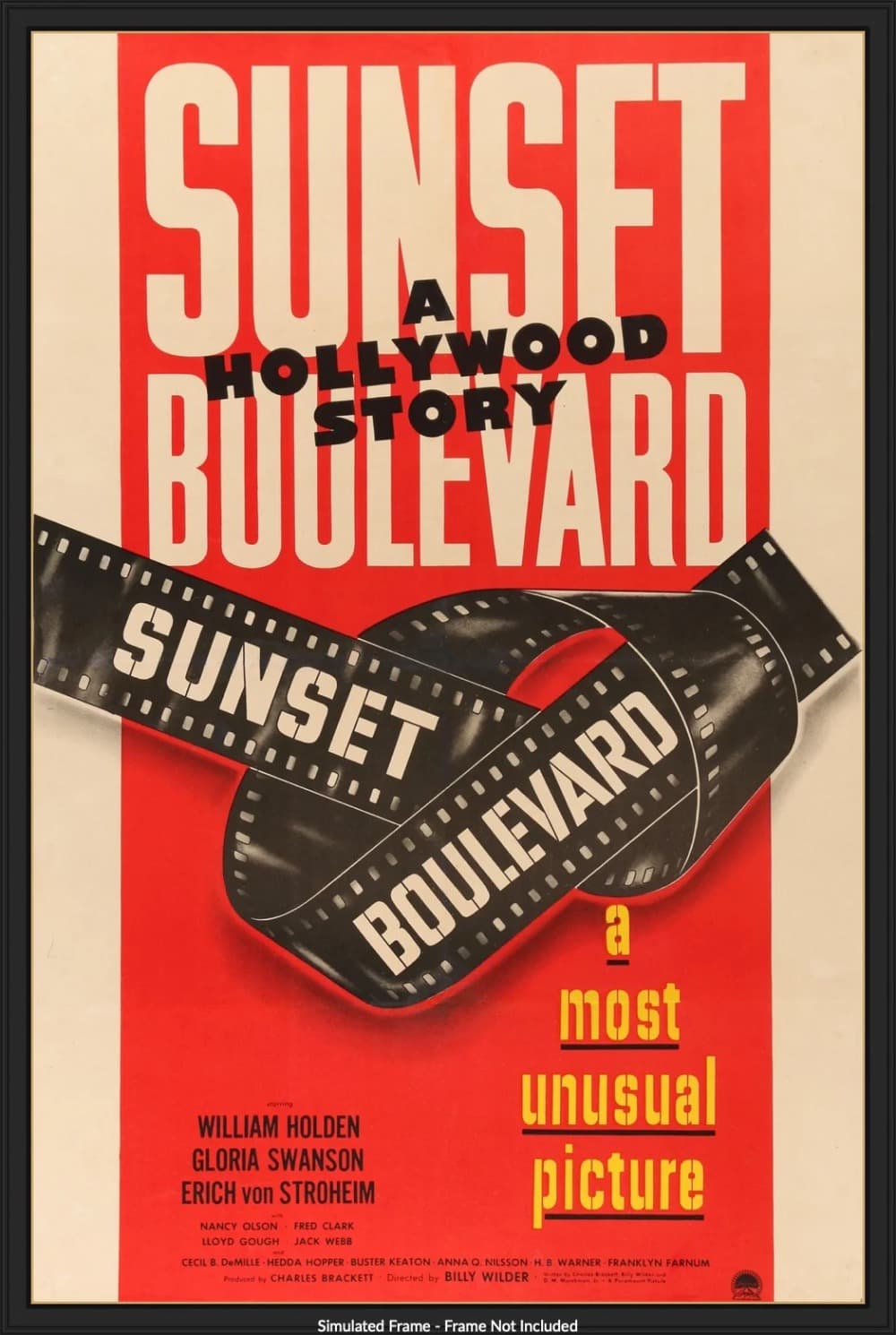
Hollywood has never been crueler about itself: Louis B. Mayer told Wilder he had disgraced the industry, which is the highest praise the film could possibly have received.
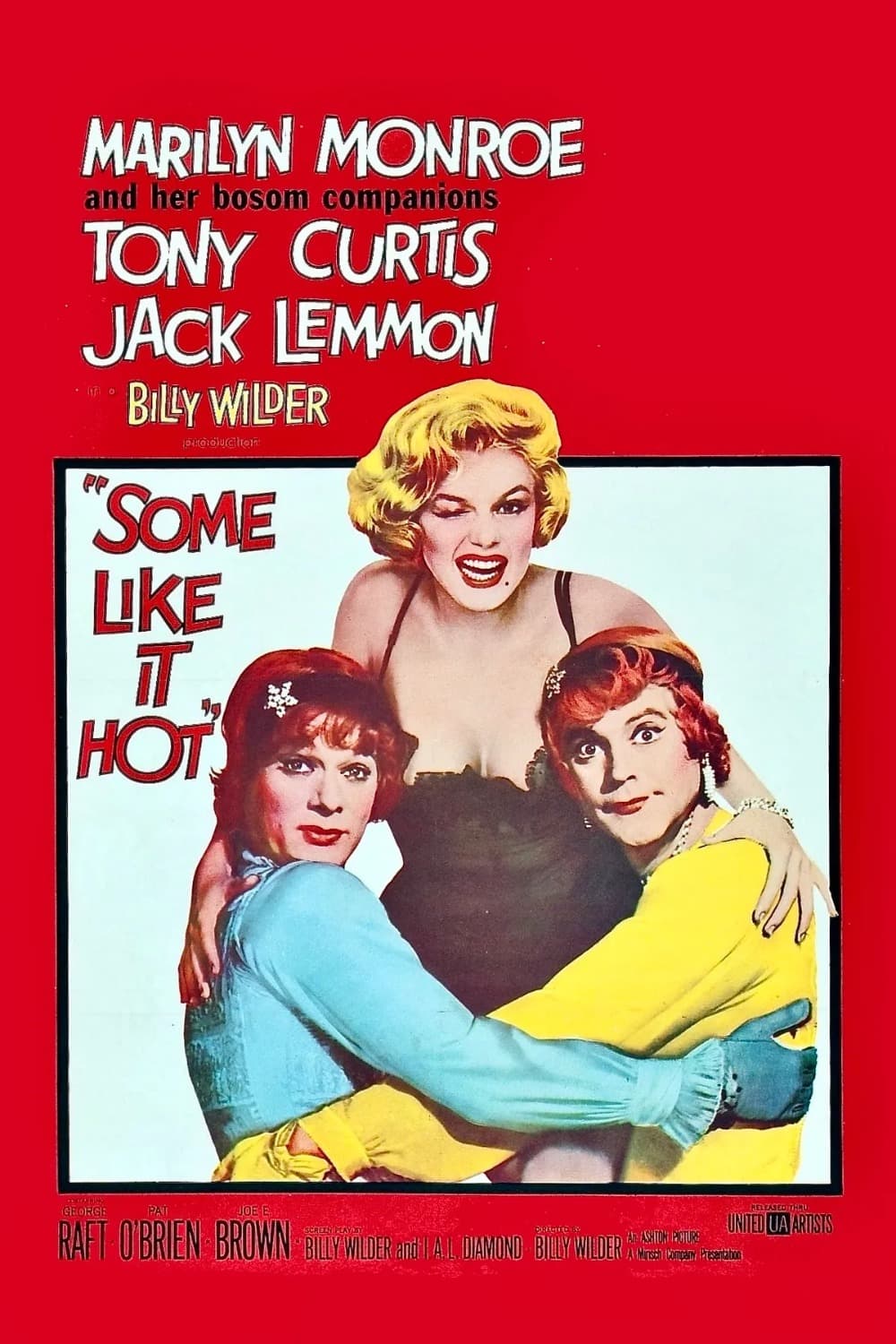
American comedy has never been funnier, and the Legion of Decency was appalled: Wilder ran a single disguise for two hours without ever letting the joke thin out.
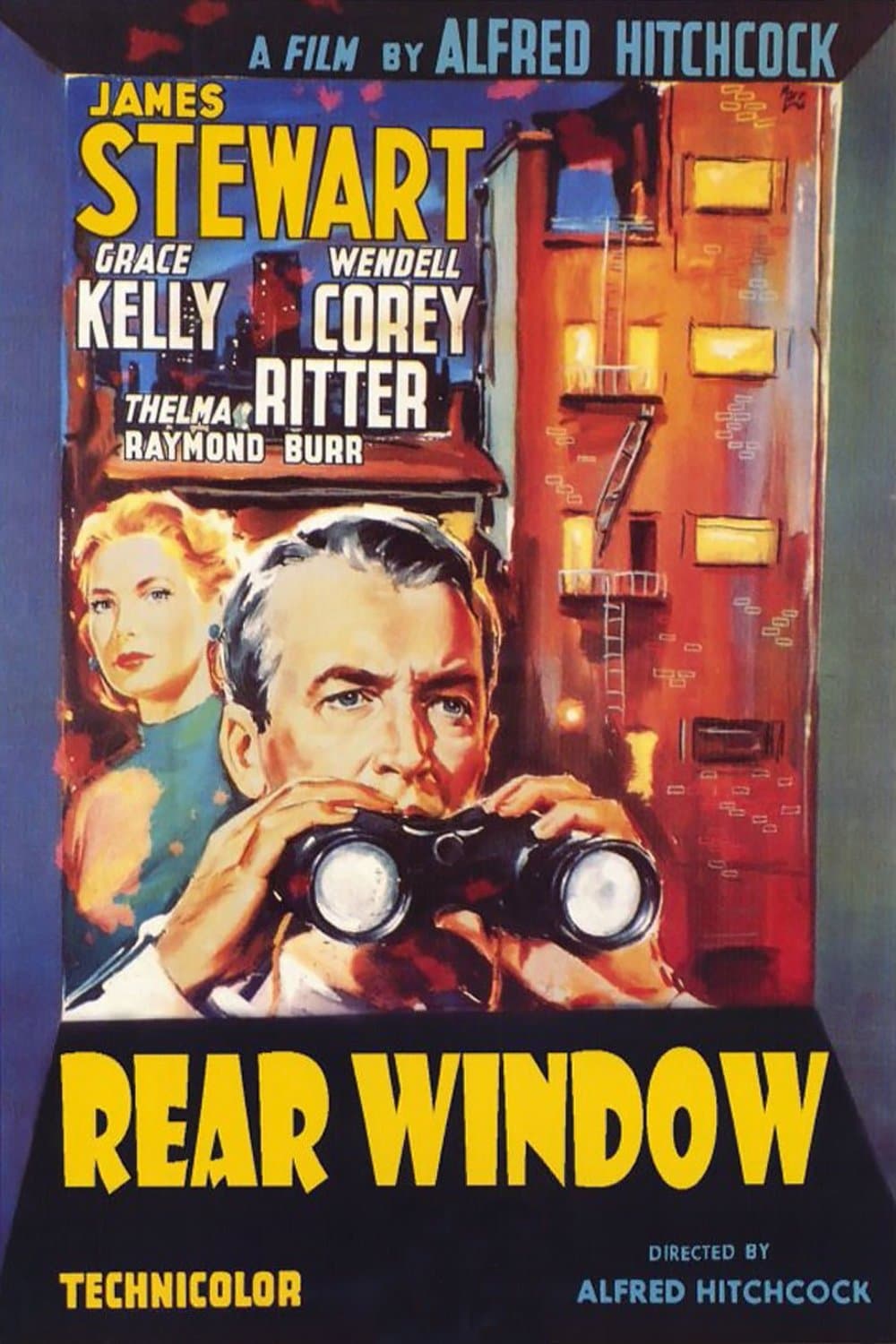
Suspense has never been constructed more purely, and the real subject is the audience: Hitchcock traps you in one room with a man who cannot stop watching his neighbors.
Two chords and all the space in the world, Davis proving that less was the most radical idea in jazz.

Borges invented a library holding every possible book and a man cursed with perfect memory. The stories run ten pages and leave the world looking like something someone made up.
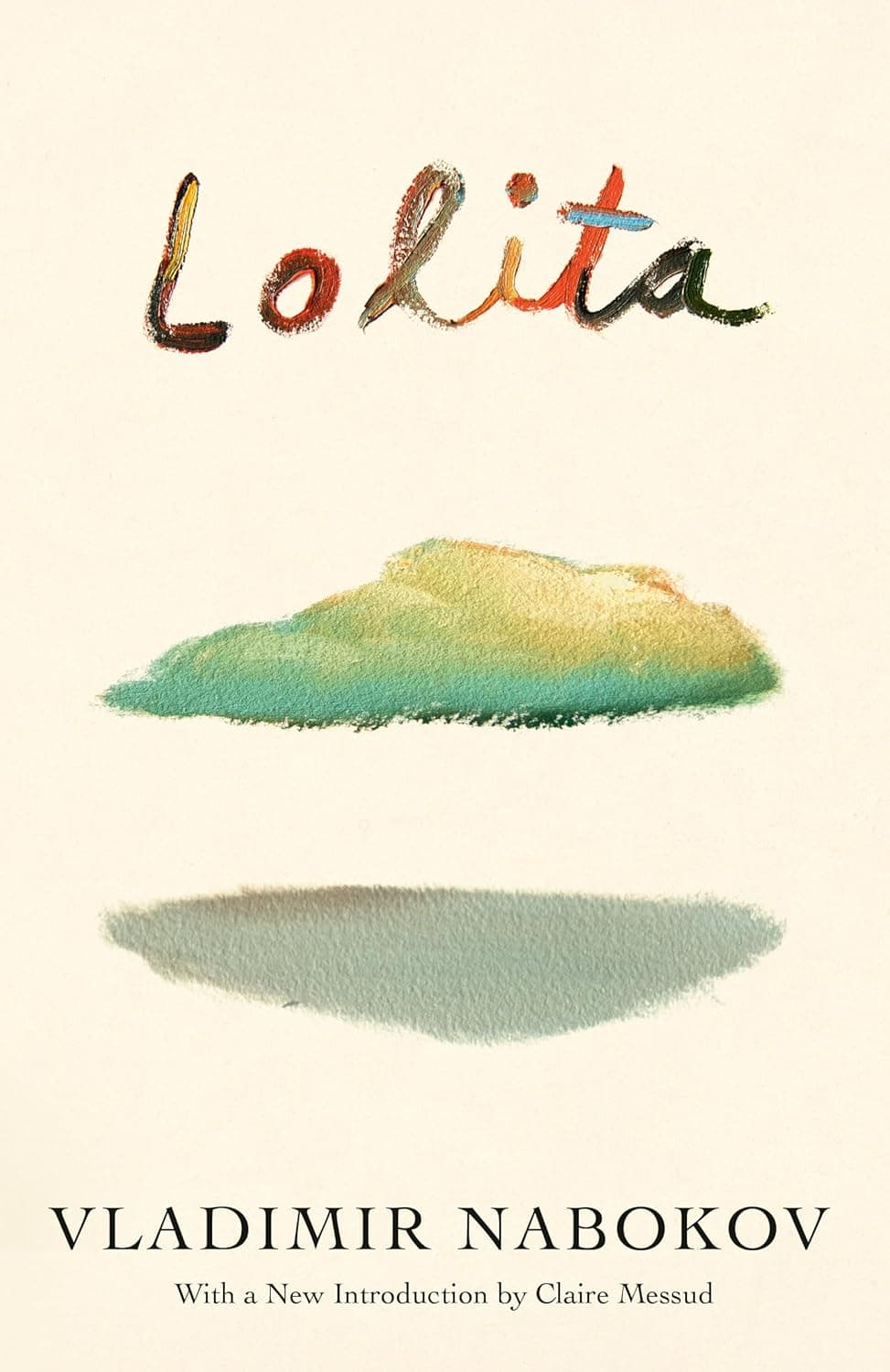
Humbert Humbert explains how he became stepfather to a twelve-year-old girl and drove her across America. Nabokov gives the monster the most beautiful prose in English and dares you to enjoy it.
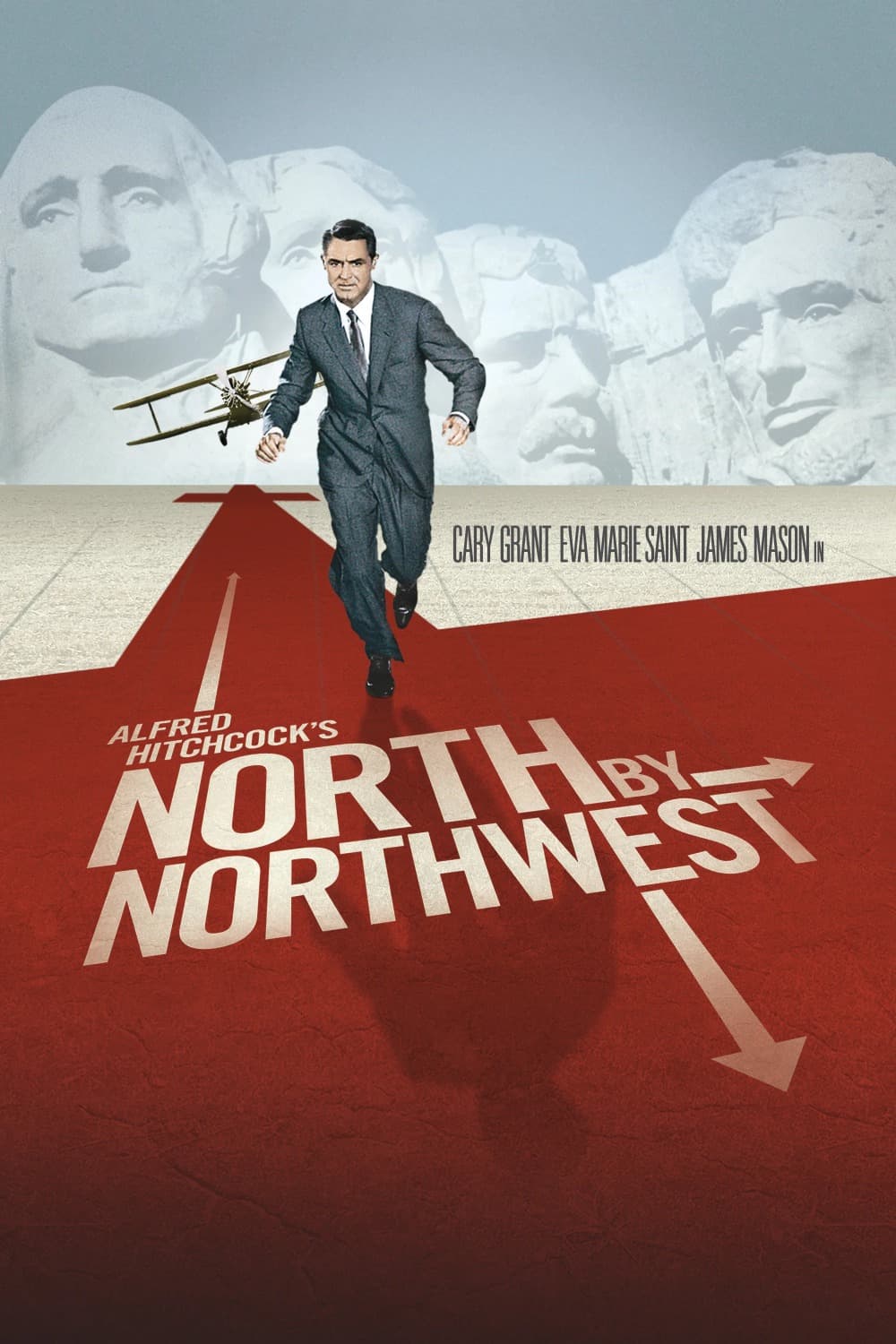
Every spy thriller since owes it something, James Bond most of all: Hitchcock chases an innocent man across America by crop duster and over Mount Rushmore, enjoying himself throughout.
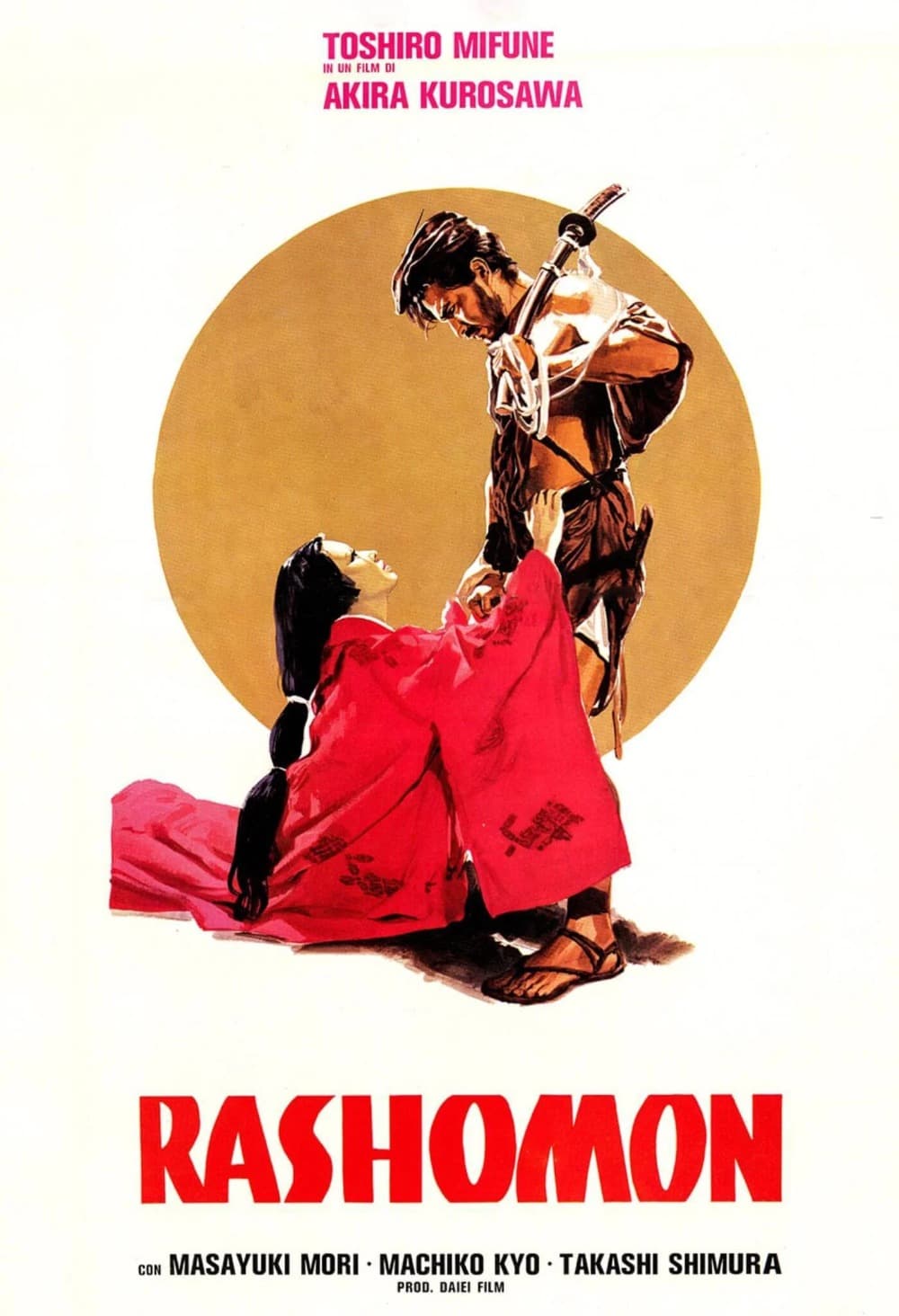
Kurosawa gave the language a word for irreconcilable testimony and opened Japanese cinema to the world: four accounts of one killing, none of which can be squared with another.
Twelve minutes left at a Pennsylvania dance, so Charles improvised it on his Wurlitzer and many stations banned it.
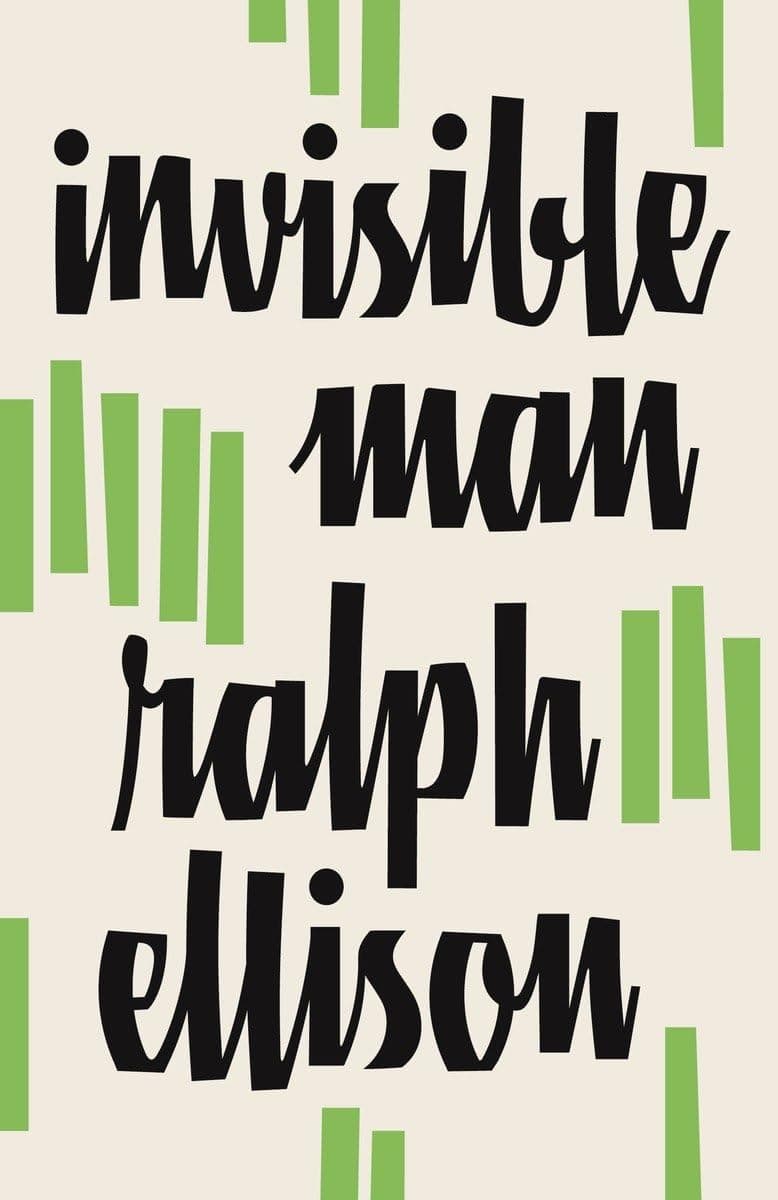
Thrown out of college, then used by a Harlem political movement, a nameless Black man ends up living in a cellar on stolen light. Ellison writes American rage with jazz timing.
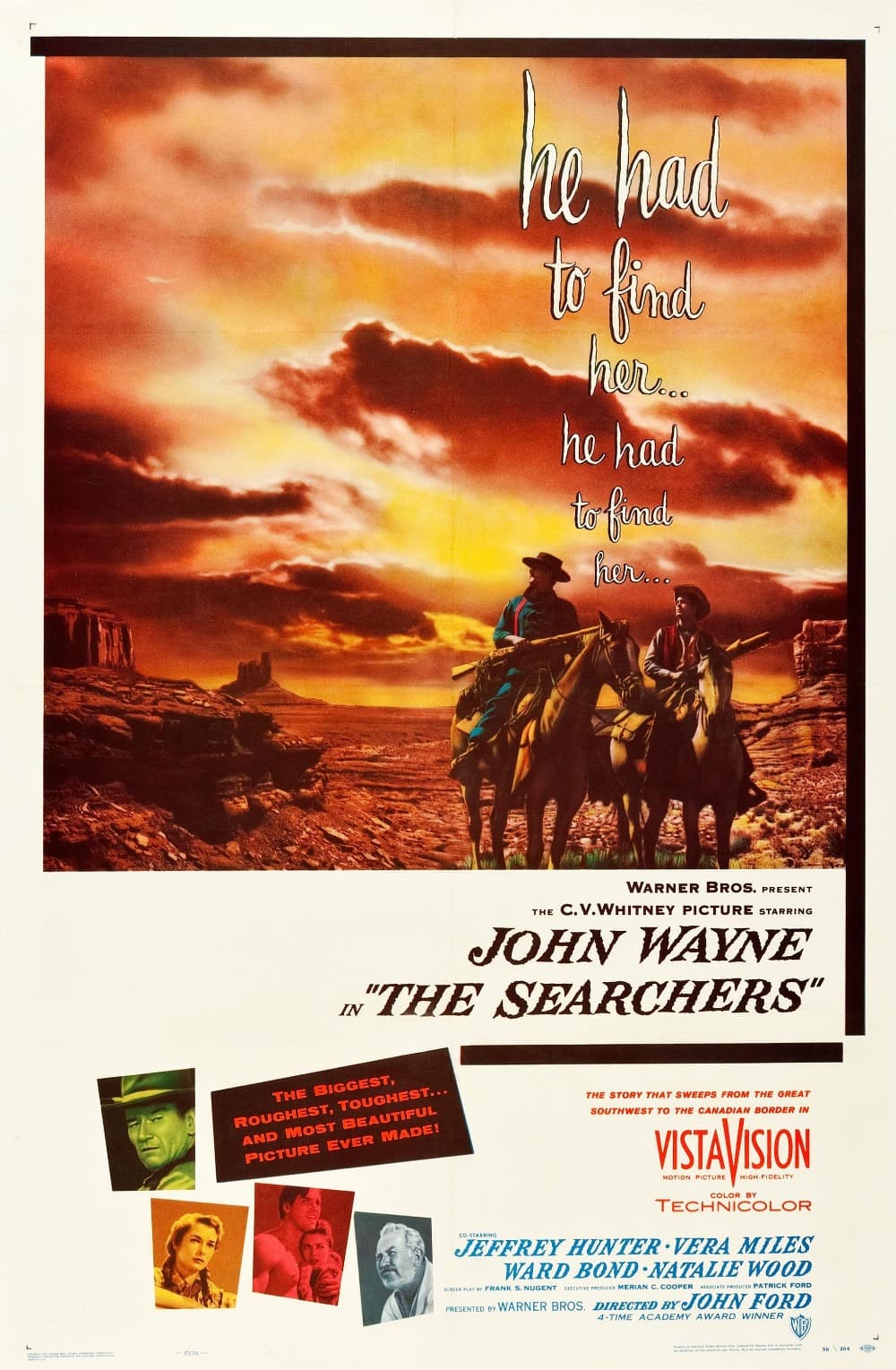
Other directors have been stealing from this western for seventy years: Ford put John Wayne's racism on screen without excusing it, and framed his story in a much-copied doorway.
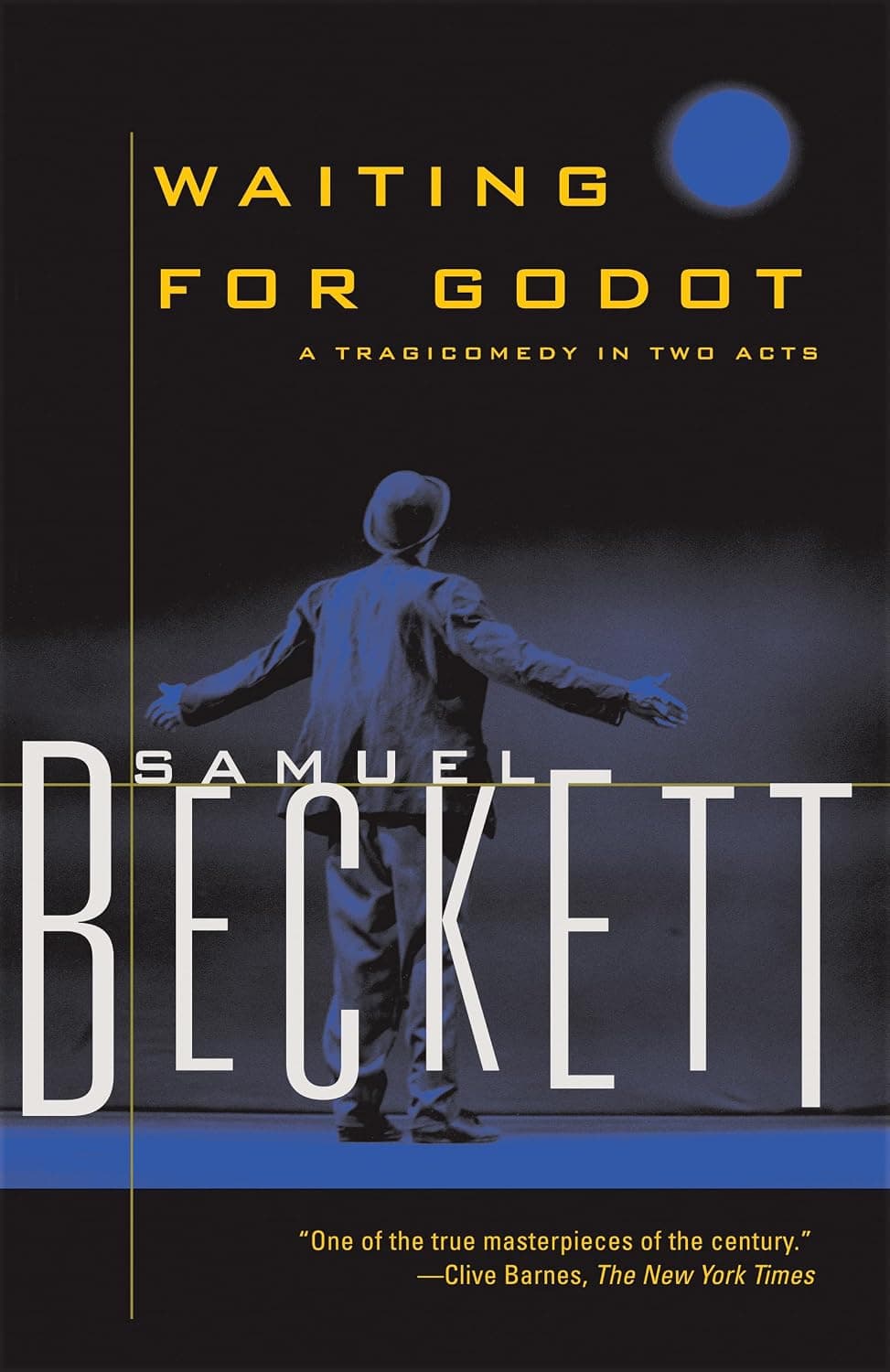
Two tramps wait by a tree on a country road for a man who sends word each evening that he will come tomorrow. Beckett stripped drama to this and it never went back.
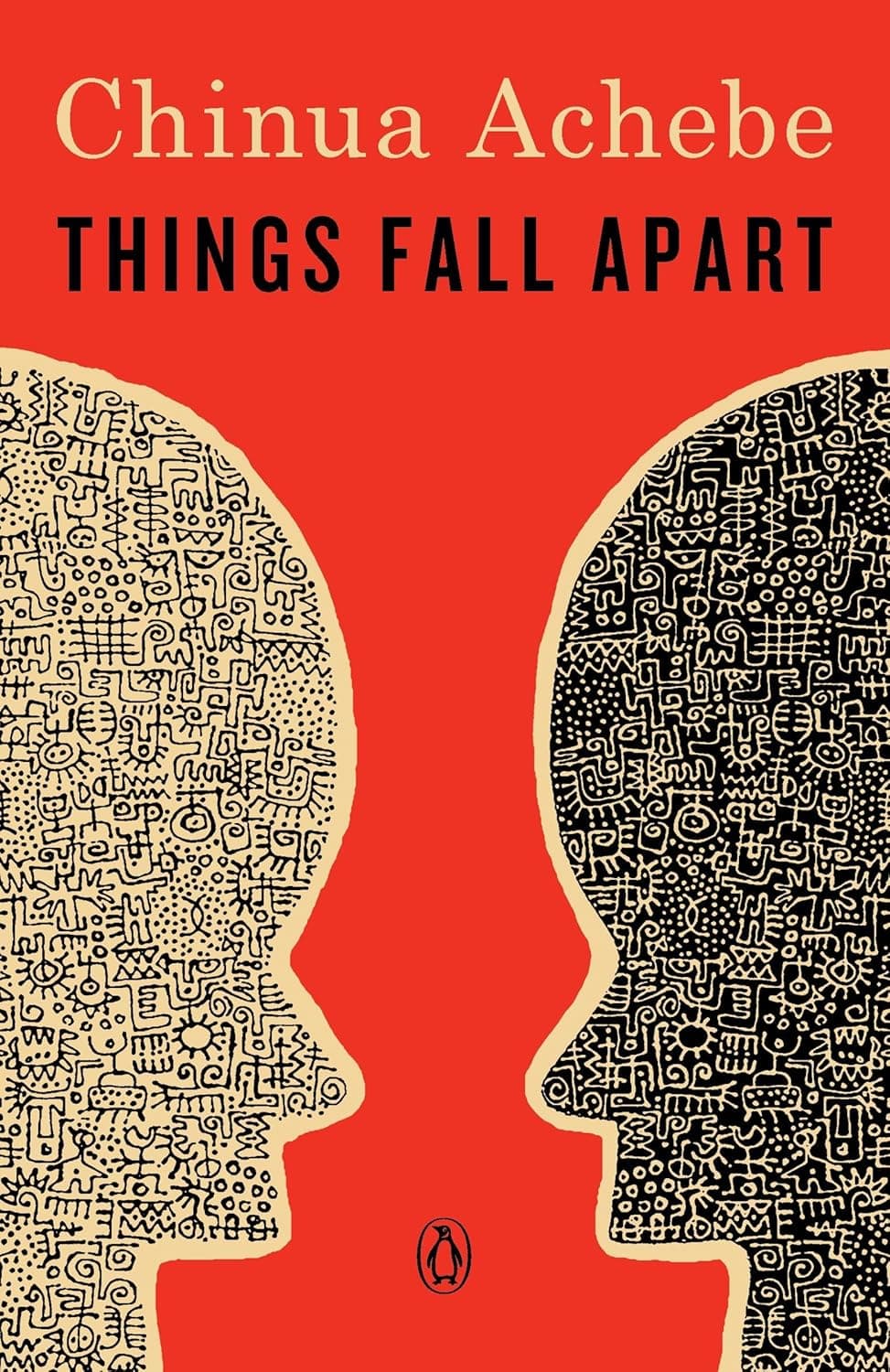
Okonkwo is a wrestler and a hard man in an Igbo village, terrified of resembling his gentle, indebted father, when the missionaries arrive. Achebe builds a whole world before letting it come apart.

Frodo the hobbit inherits a ring that could rule the world and carries it across a continent to destroy it. Tolkien invented its languages first, and modern fantasy still works inside his world.
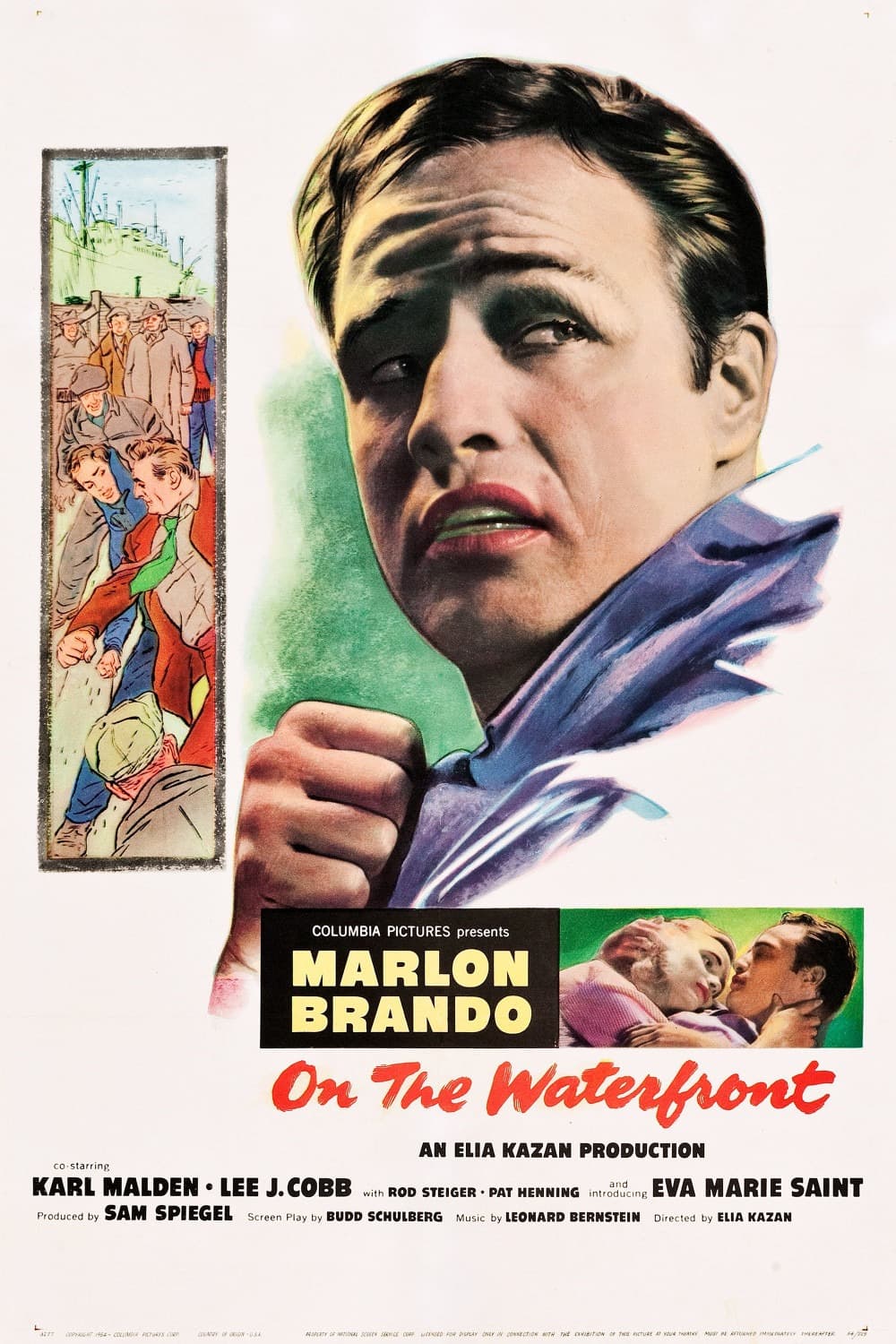
Screen acting changed with Brando in the back of that taxi: Kazan made the film to justify naming names, which gives the whole thing an uncomfortable heat.
Cash slipped paper under his guitar strings for that snare tick, and hums to find each new key.
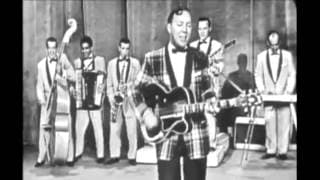
Cut in leftover studio minutes with Sammy Davis Jr. waiting outside, it flopped until Blackboard Jungle put it under the credits.
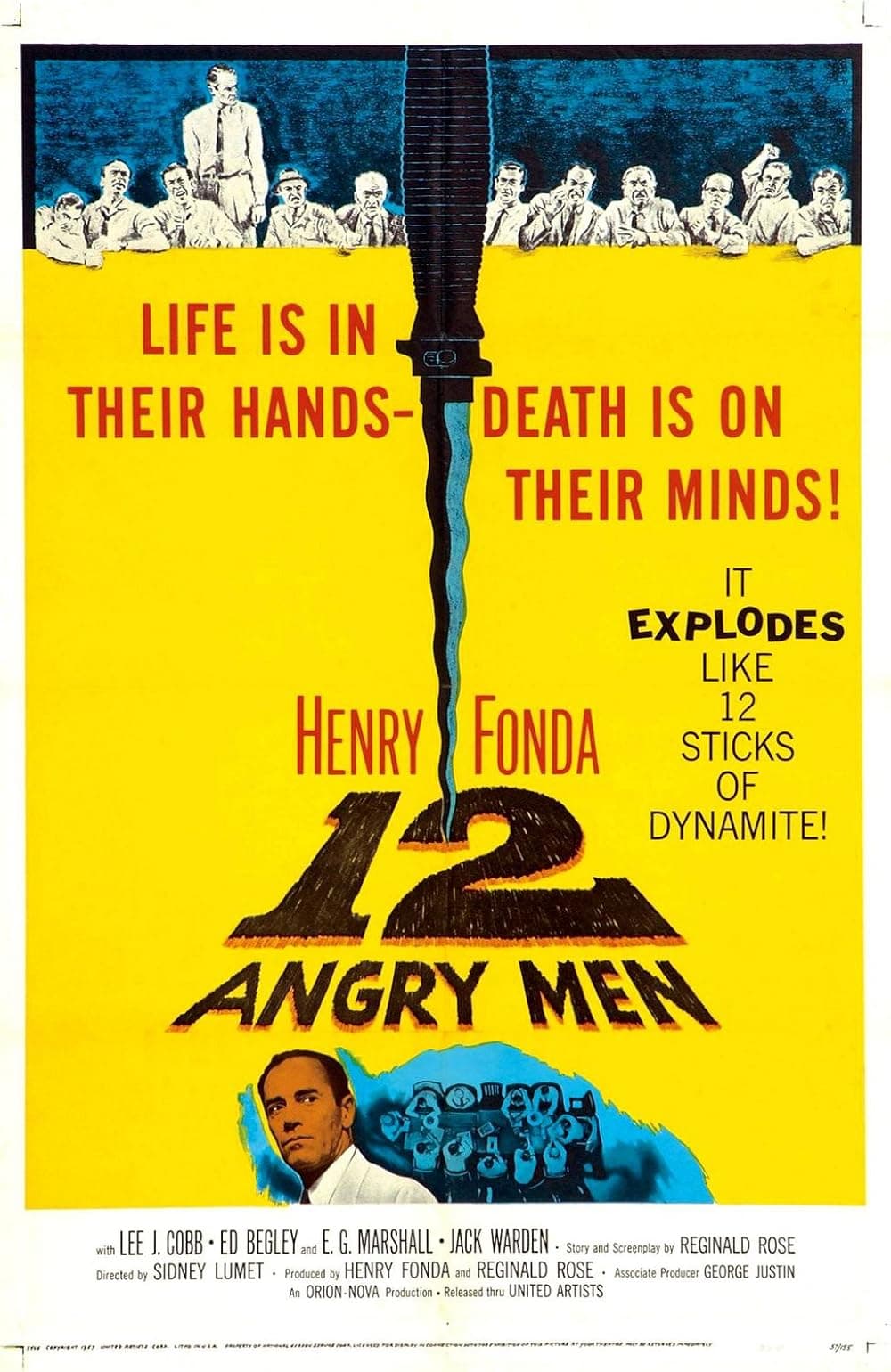
Nothing beats it as a filmed argument, and it happens in a single room: eleven jurors want to go home, one will not, and the temperature keeps rising.
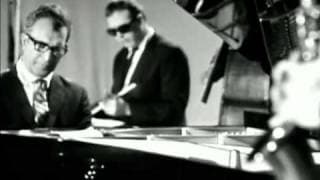
Morello kept soloing in five, so the quartet built him a tune in 5/4; Desmond wrote the theme.

Stevens sold insurance in Hartford and wrote sumptuous poems about what the imagination makes once God is gone. Read "The Emperor of Ice-Cream" aloud and the sound arrives before the sense.
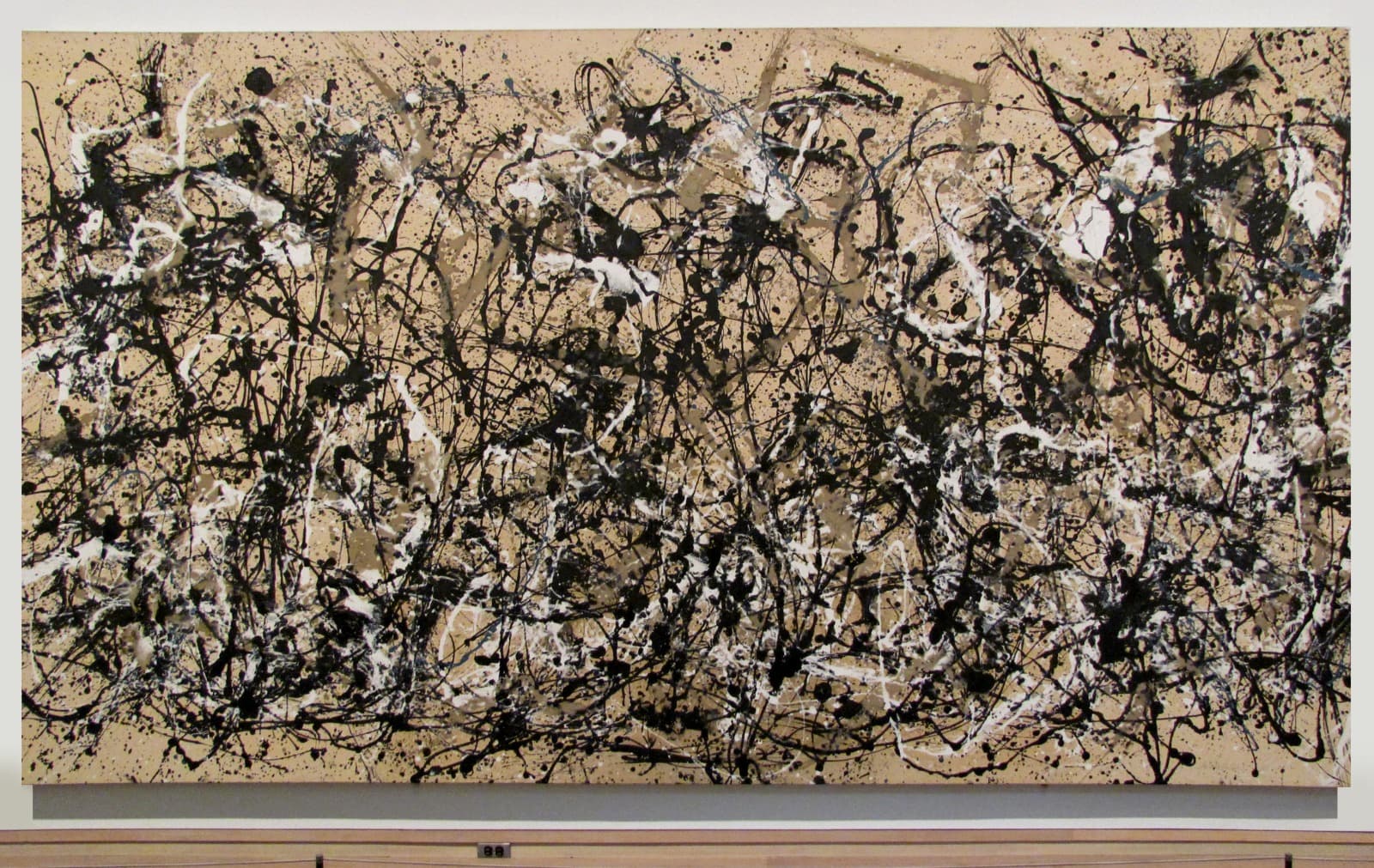
Pollock worked on the floor and moved around the canvas instead of standing at an easel, laying black enamel across raw cotton in 1950.
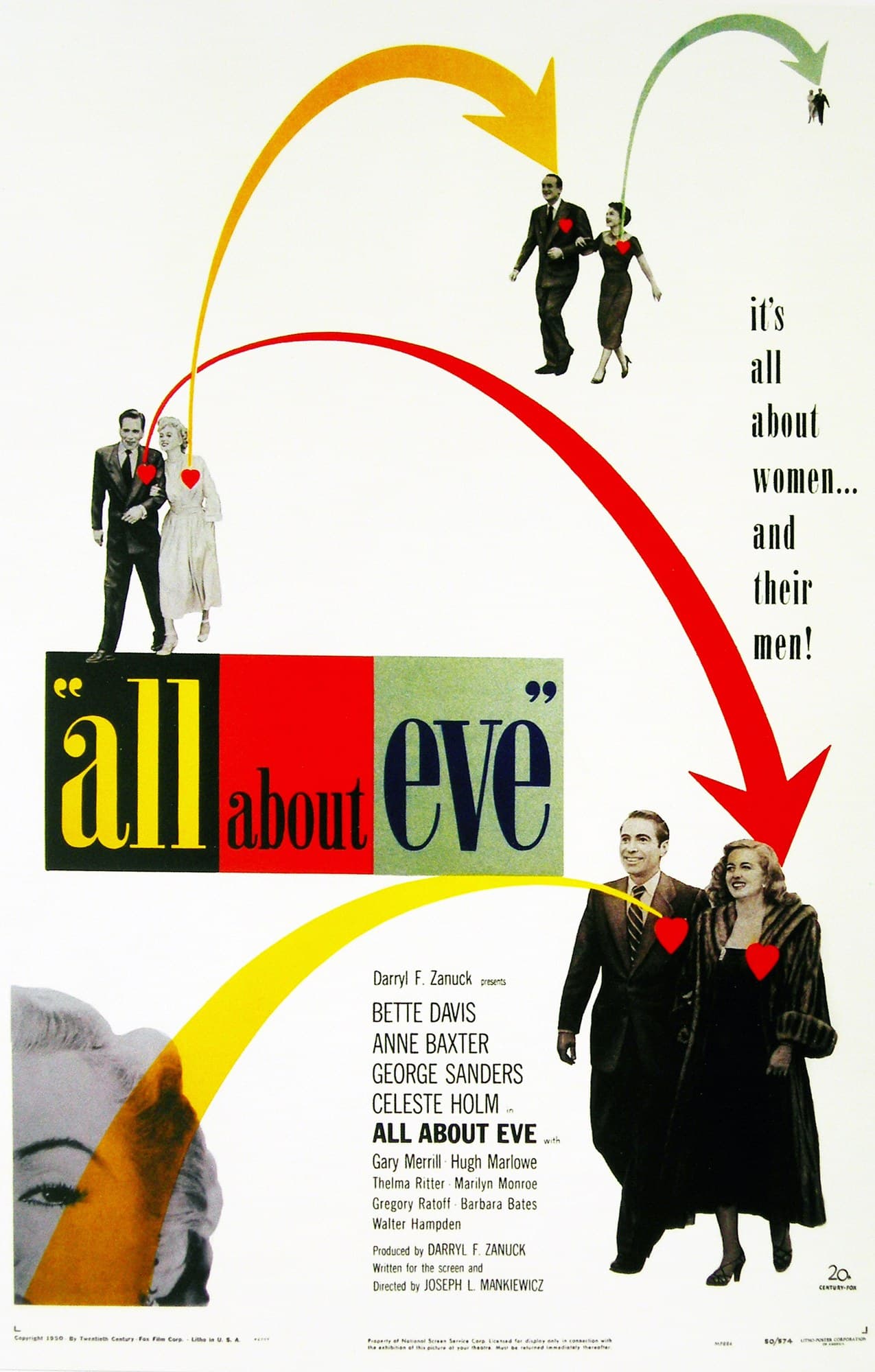
The sharpest script ever written about ambition: an aging star takes in an adoring young fan, and theater people have been quoting the lines for three-quarters of a century.
Presley started clowning through an Arthur Crudup blues on a break; Sam Phillips heard it and rolled tape.
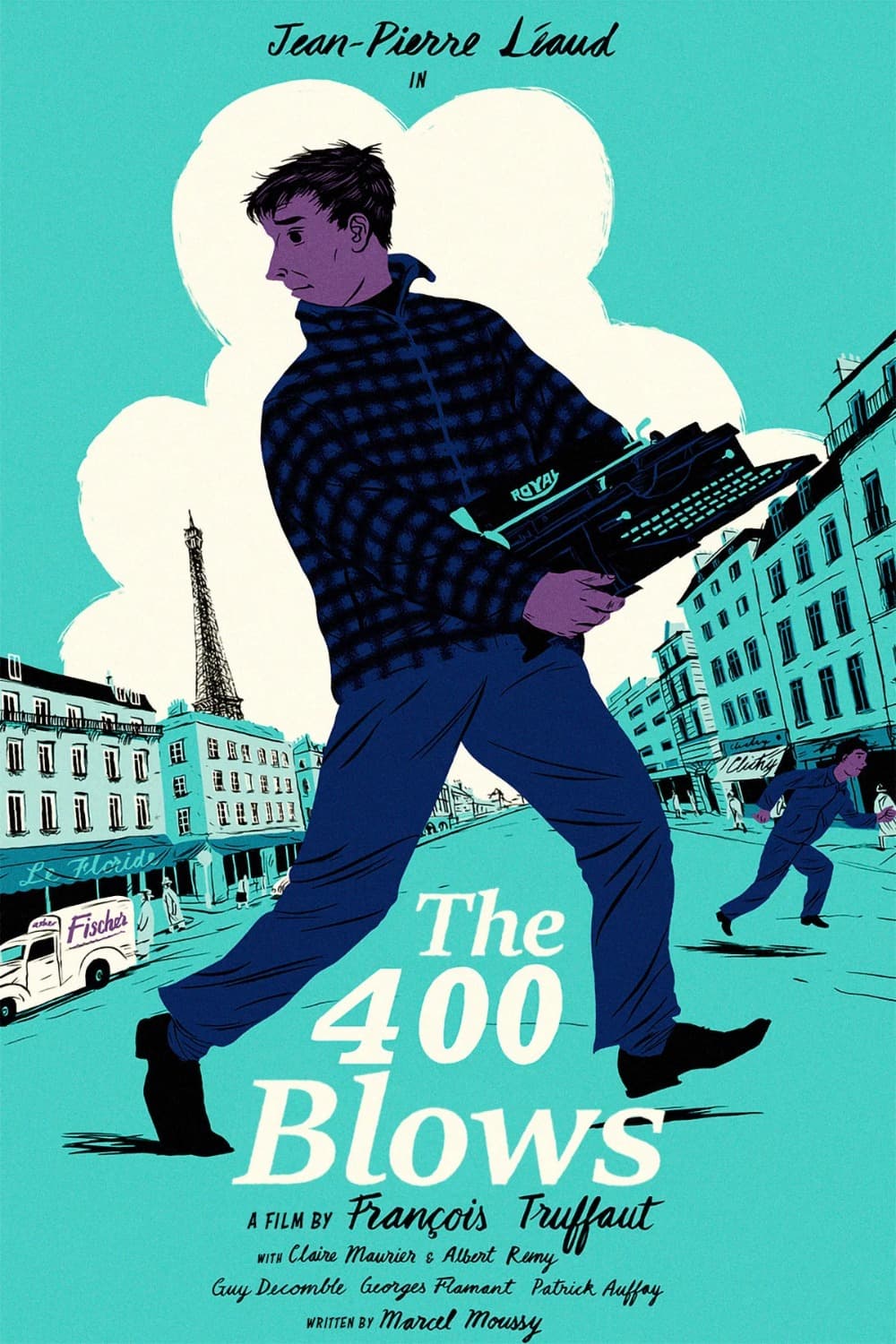
The French New Wave announces itself: Truffaut put his own miserable childhood on screen at twenty-seven, and the last shot changed what an ending was allowed to do.

Indian cinema arrived in the world with this: Ray shot it on weekends with a first-time crew and no money, and the children seeing a train is pure wonder.
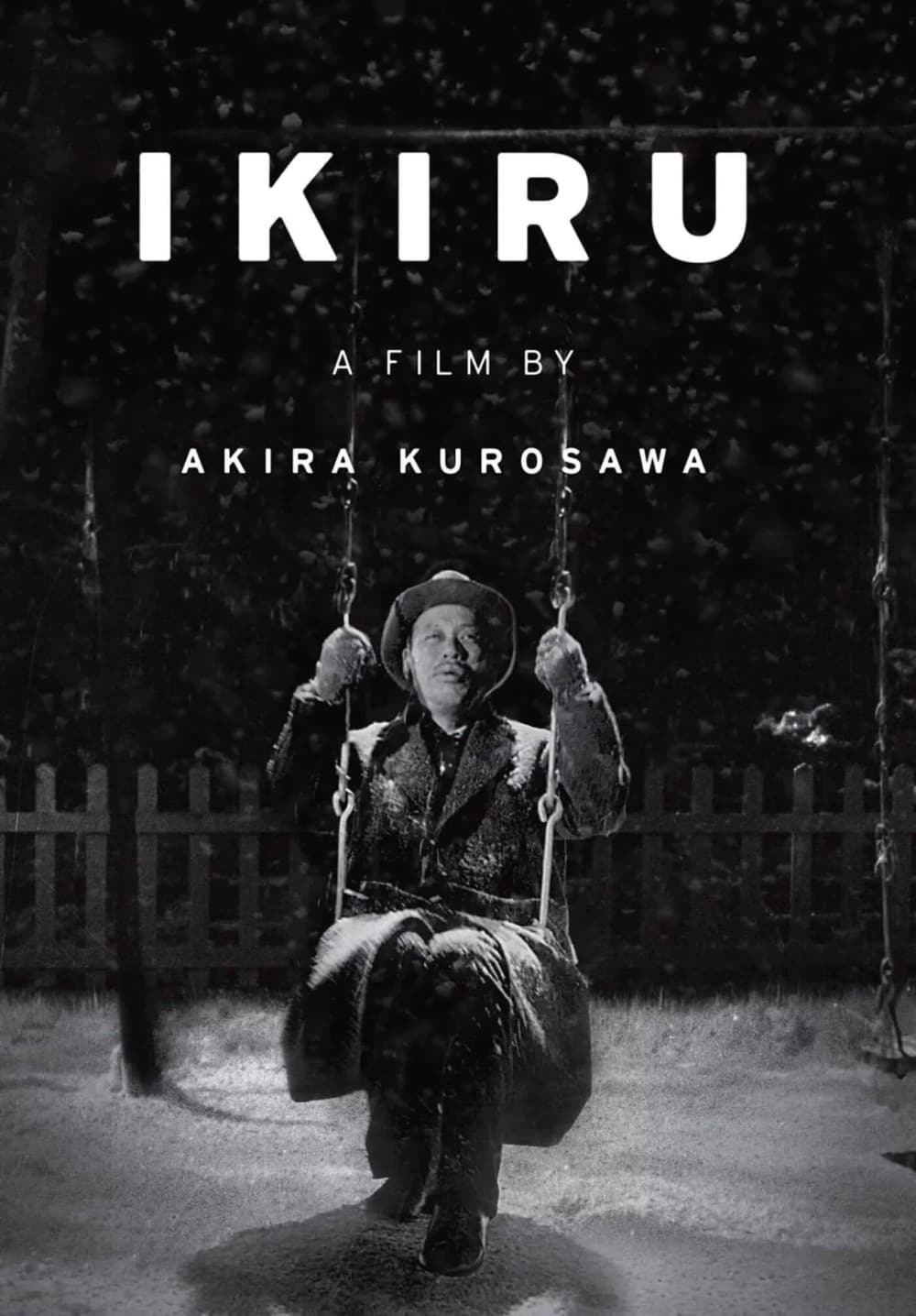
Kurosawa's answer to how a life should be spent: a bureaucrat gets one piece of terrible news and starts spending what is left deliberately, which will change how you see your job.
One chord, no changes, Sumlin's guitar circling, and Wolf's howl answering the trains whose sparks named the song.

Yuri Zhivago, a doctor who writes poetry, is carried through war and revolution and away from the women he loves. Pasternak lets history arrive like weather, and the Soviets banned it outright.

Everything must change so that everything can stay the same, says the prince's nephew as Garibaldi's rebels land in Sicily. Lampedusa writes a class watching itself end with autumnal calm and beauty.
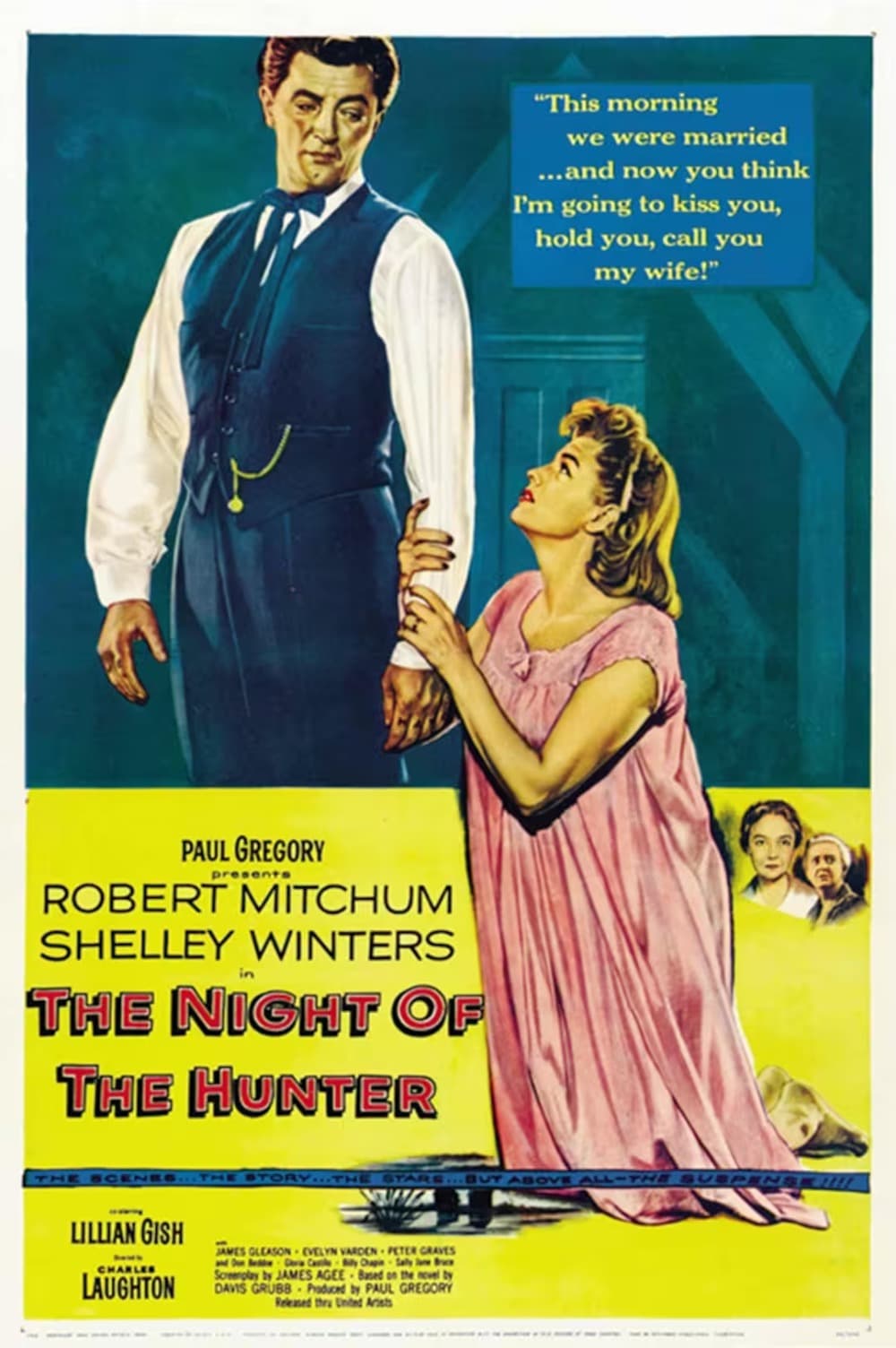
Charles Laughton never directed again after it failed, and critics have spent seventy years calling it a masterpiece: a preacher with tattooed knuckles and two children on a river.

Holden Caulfield is thrown out of prep school and spends three days loose in New York, telling you about it. Salinger got the voice so exact that teenage fiction has echoed it since.
Charles took a gospel record he heard on tour, swapped the subject, and cut soul music's blueprint in Atlanta.
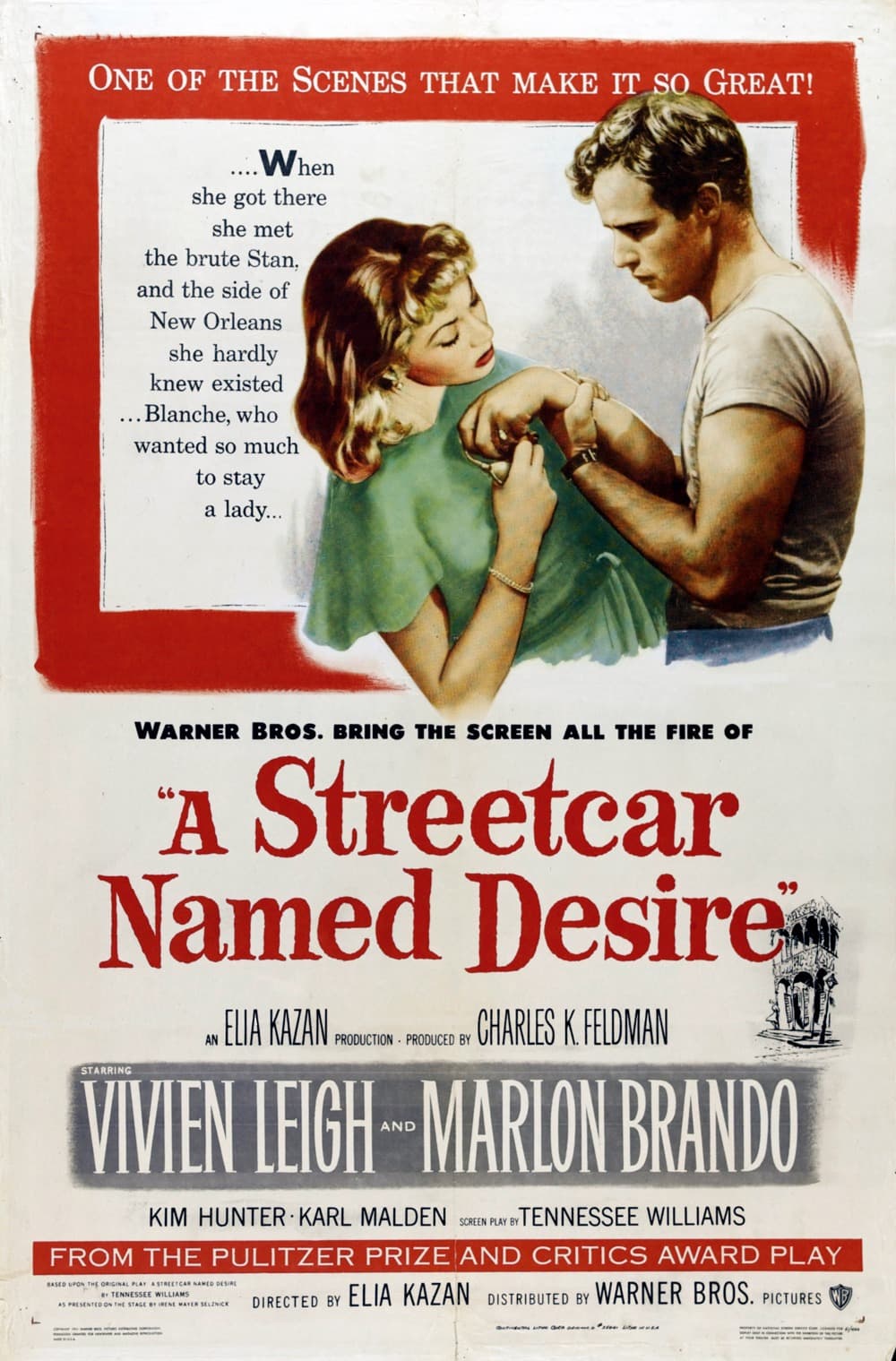
Three of its four leads won Academy Awards and the fourth was Brando: this is where screen acting stopped being theatrical and started being something else entirely.
Ida Red, a 1938 Bob Wills fiddle tune, turned into a car chase, with Johnnie Johnson's piano running underneath.
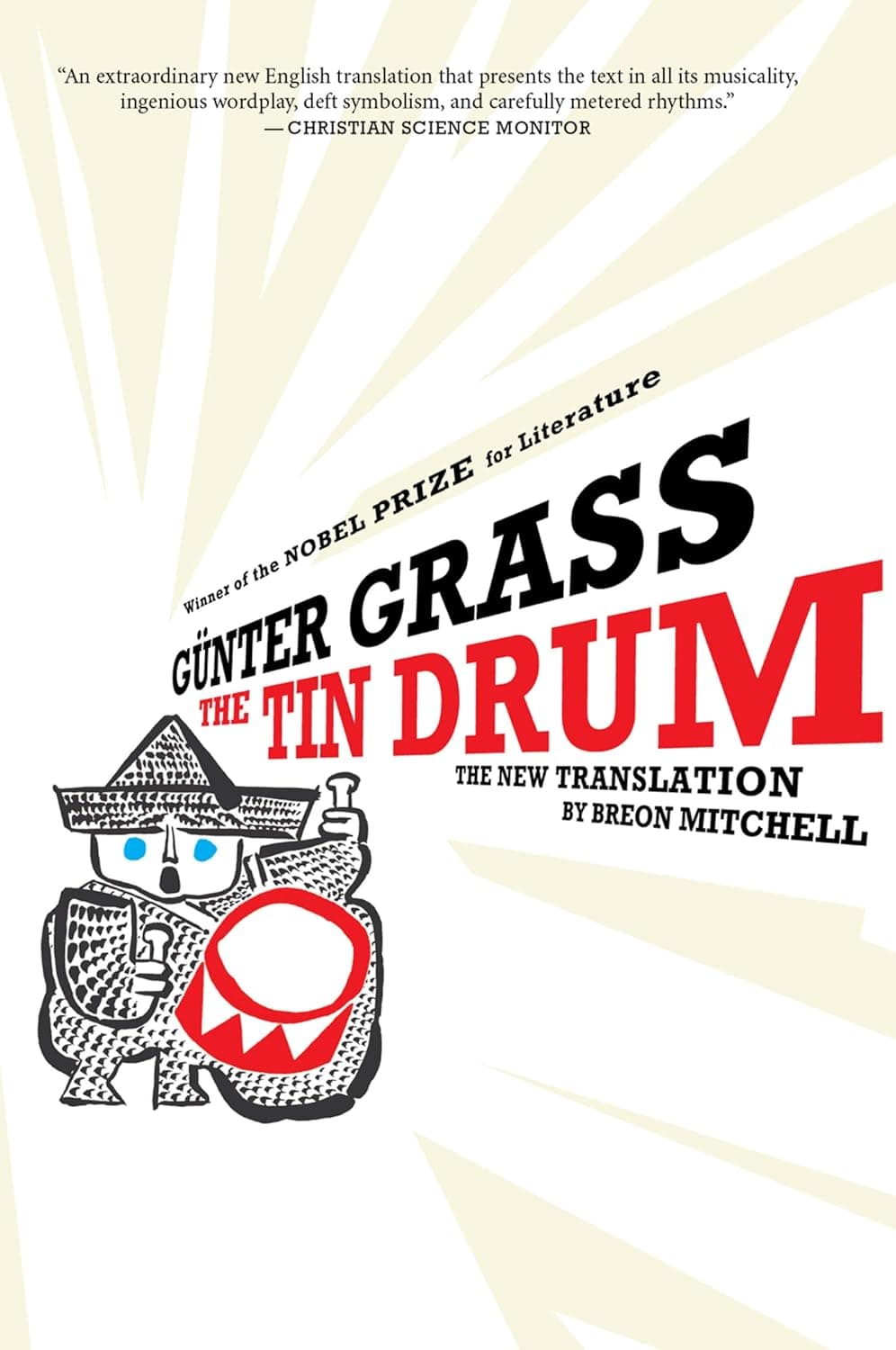
Oskar decides on his third birthday to stop growing, keeps his tin drum, and screams glass to pieces while the Nazis take Danzig. Grass forced postwar Germany to look at itself through him.
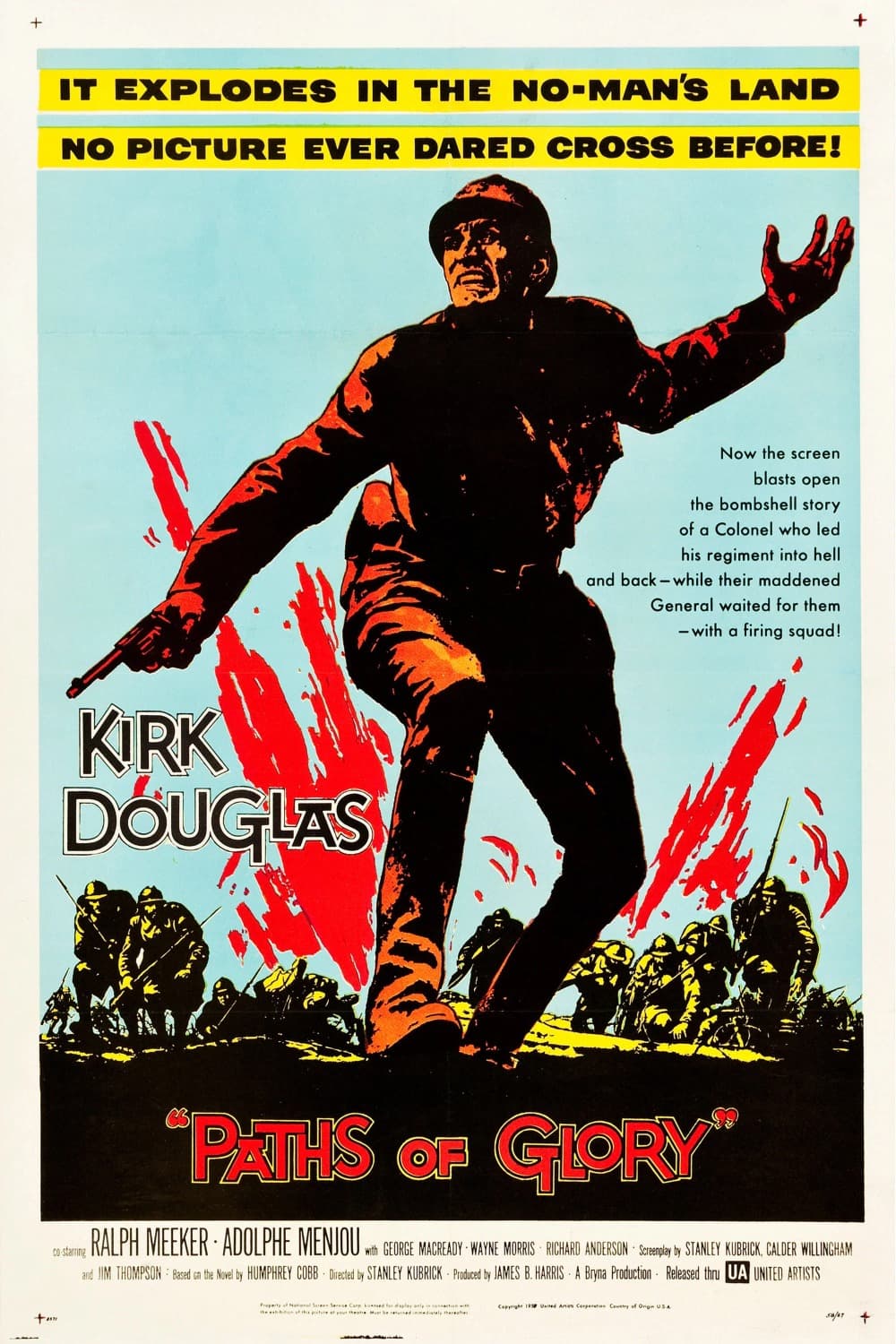
France stayed uncomfortable enough to keep it out of cinemas for eighteen years: Kubrick tracked the camera down the trenches and staged an injustice that still makes people furious.
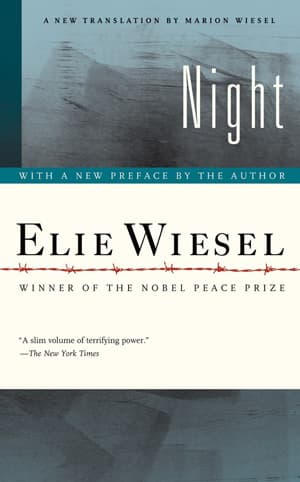
Wiesel was a religious teenager when his town was emptied and he arrived at Auschwitz with his father. He tells it in short flat sentences, and the flatness is unbearable.
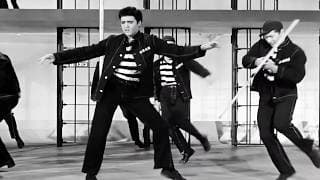
Leiber and Stoller wrote it as a goof; Scotty Moore's solo nearly derails the take and Presley never blinks.
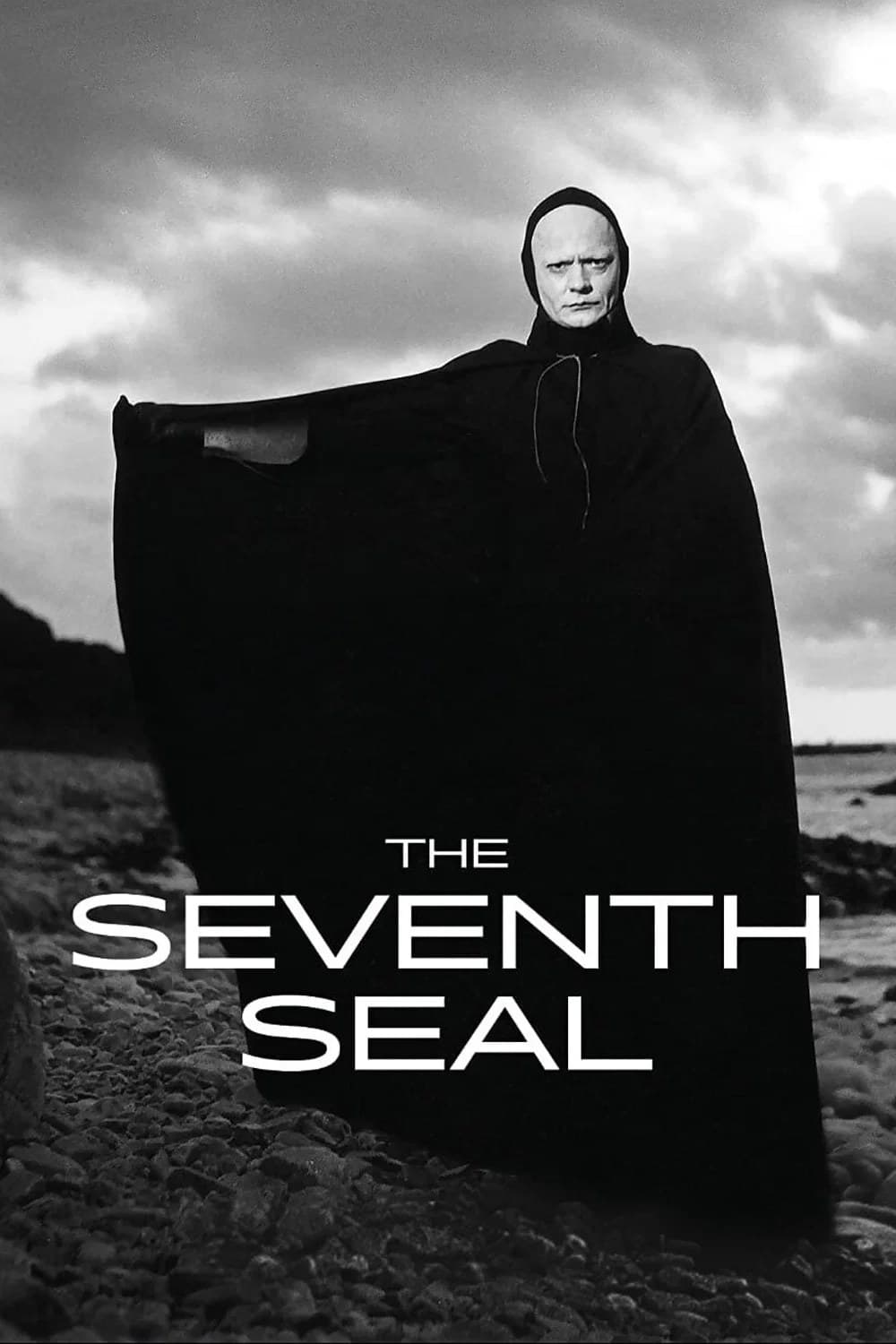
No image from any film has been parodied more: a knight plays chess with Death on a beach, and Bergman is completely serious about the question underneath it.

Lean built an epic about the seduction of a job well done: a British colonel in a Japanese prison camp finds a strange satisfaction in building their bridge properly.
Blackwell gave Presley half the writing credit; the Jordanaires hum behind a vocal so relaxed it barely seems to try.
Holly took the title from a John Wayne line and recut it in Clovis after Decca shelved the first version.
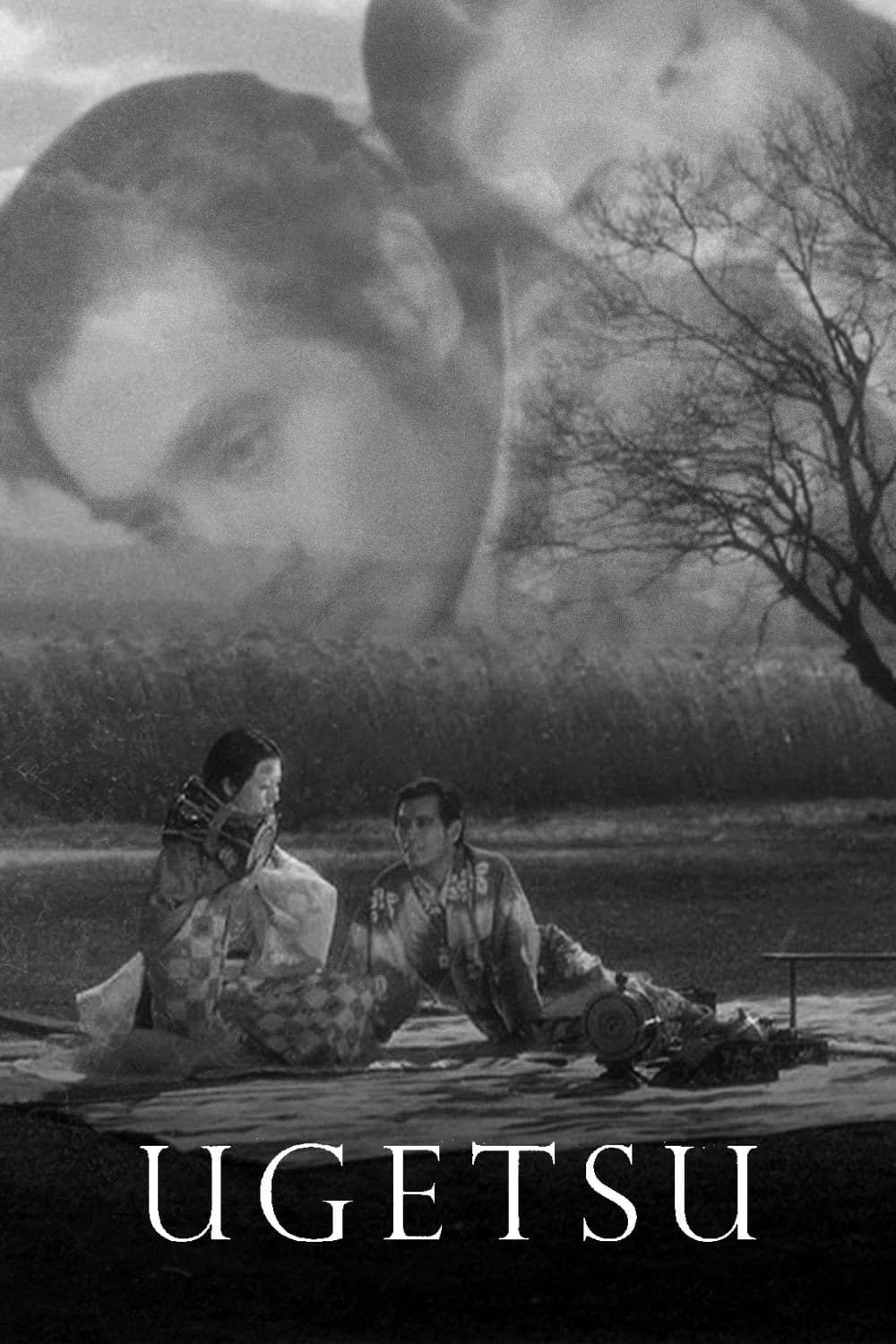
Mizoguchi's ghost story is the one other directors mention when asked what changed them: two peasants chase money through a civil war, and the crossing through fog is unearthly.
Waters answered Bo Diddley's answer to his own song in 1955, holding one chord and a stop-time riff throughout.
A prison film in Germany gave Cash the song; he borrowed the melody from Gordon Jenkins and later paid up.
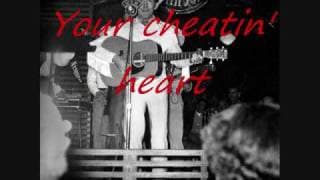
A lyric dictated from a car seat, one last Nashville session, and six weeks at country number one.

Eight ragged dark blue poles lean across the poured web and give it a beat. Australia's purchase in 1973 caused a national row.
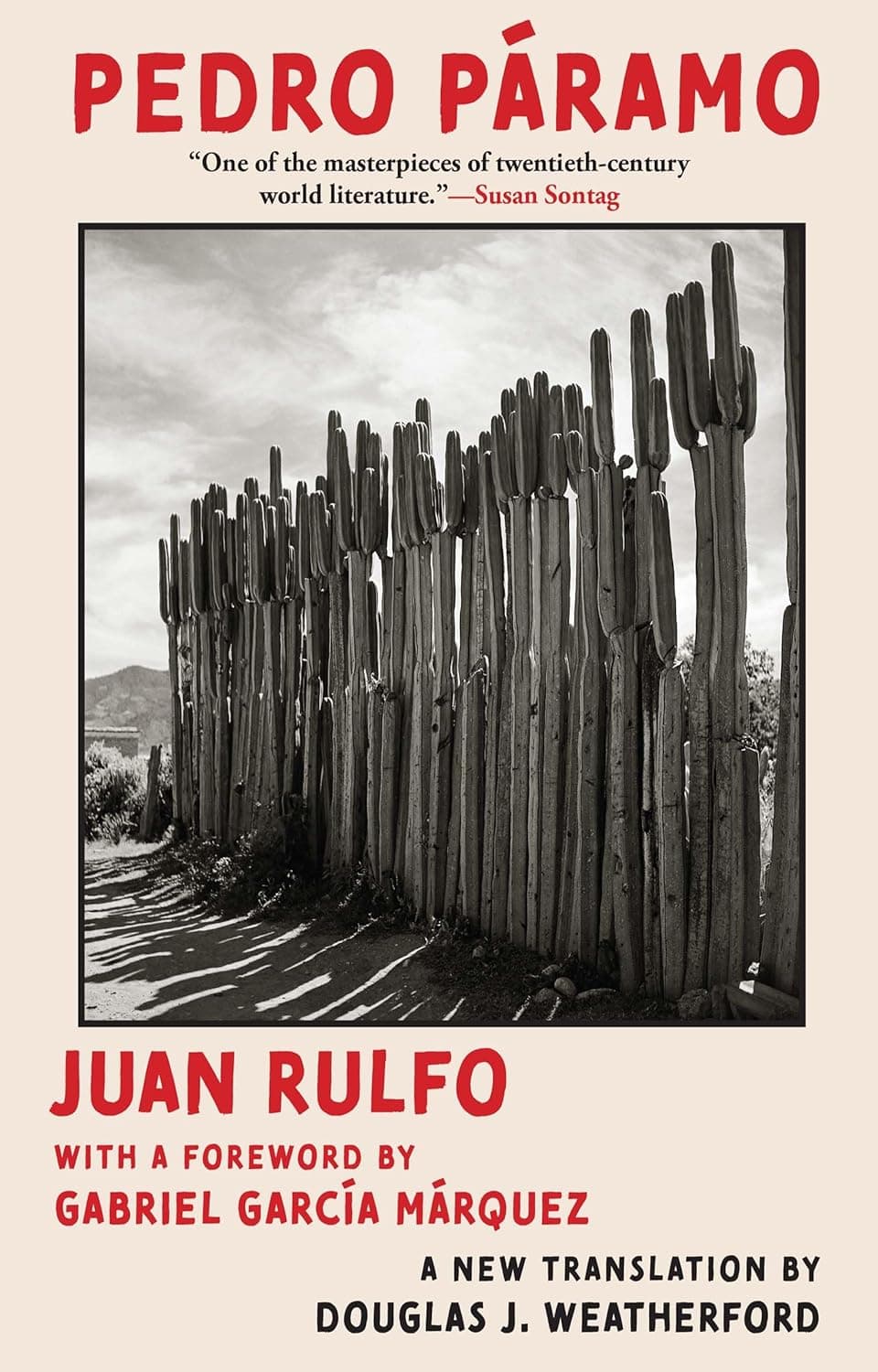
Looking for the father he never met, a man walks into a Mexican town where everyone he speaks to is dead. Voices drift free of their bodies, and magical realism follows.
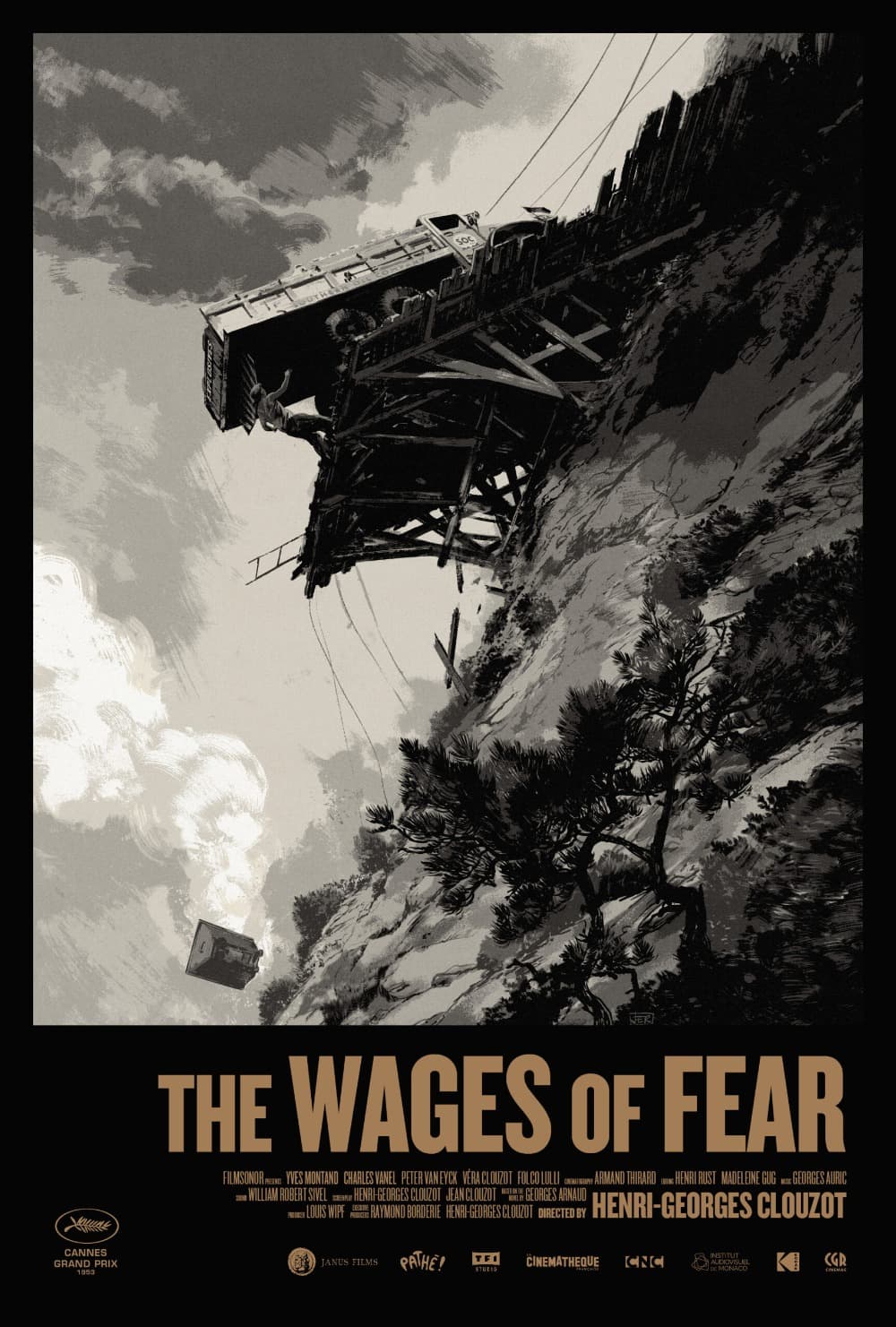
Suspense does not get more physical than this: four desperate men drive truckloads of nitroglycerin over mountain roads, and every rut in the surface becomes an ordeal.

Baldwin buries his father on his nineteenth birthday while Harlem riots, and winters as the only Black man in a Swiss village. He turns his own life into an argument about America.