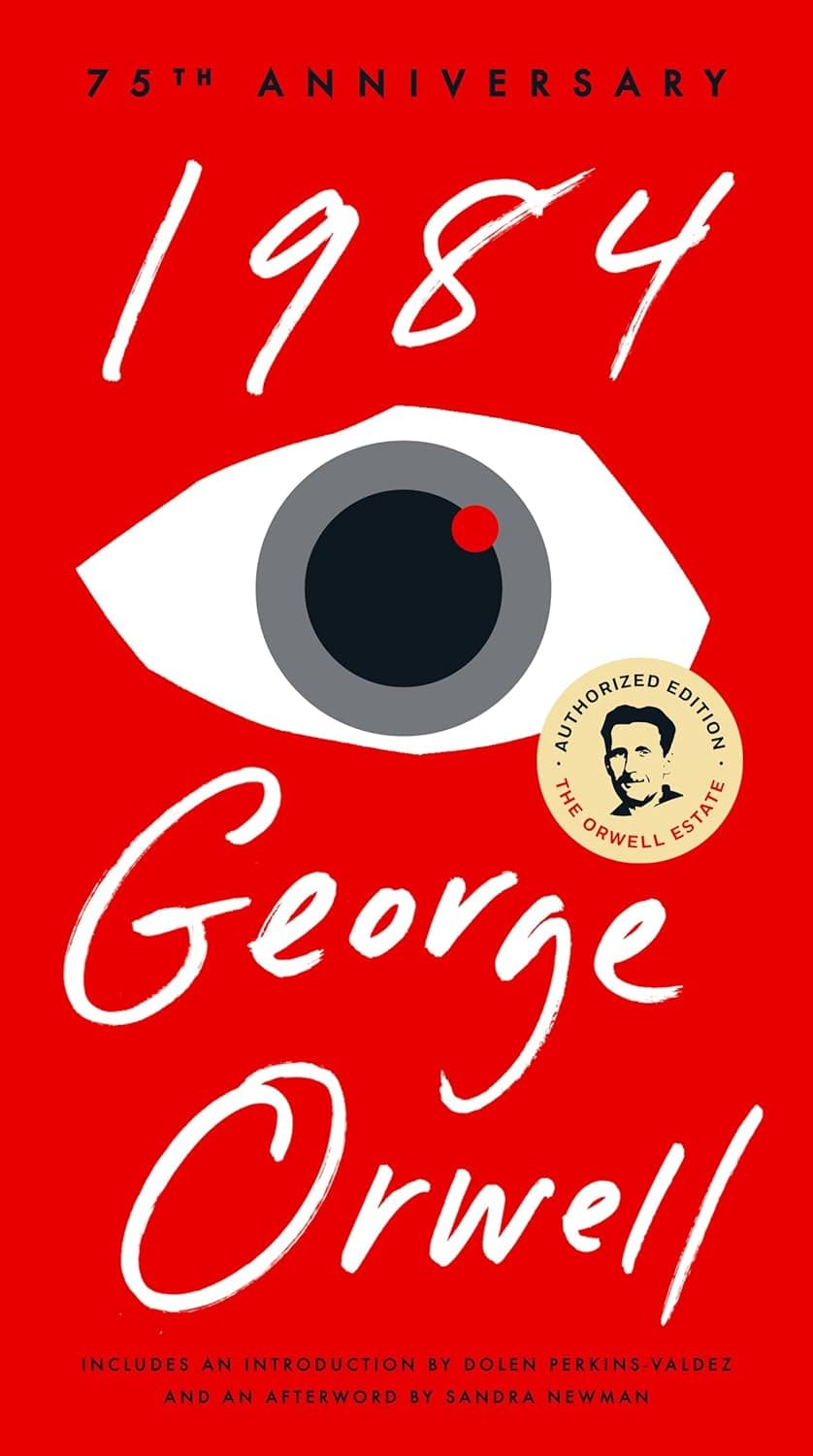
1984
1949 · 328 pages
Winston Smith rewrites old newspapers so history agrees with the Party, then risks a diary and a love affair. Orwell built the machinery so exactly that reading it feels like being watched.
★ 9.1
 skopia
Winston Smith rewrites old newspapers so history agrees with the Party, then risks a diary and a love affair. Orwell built the machinery so exactly that reading it feels like being watched.

Meursault buries his mother without crying, takes a lover, and shoots a man on a hot Algiers beach. At his trial the tears he never shed matter more than the killing.
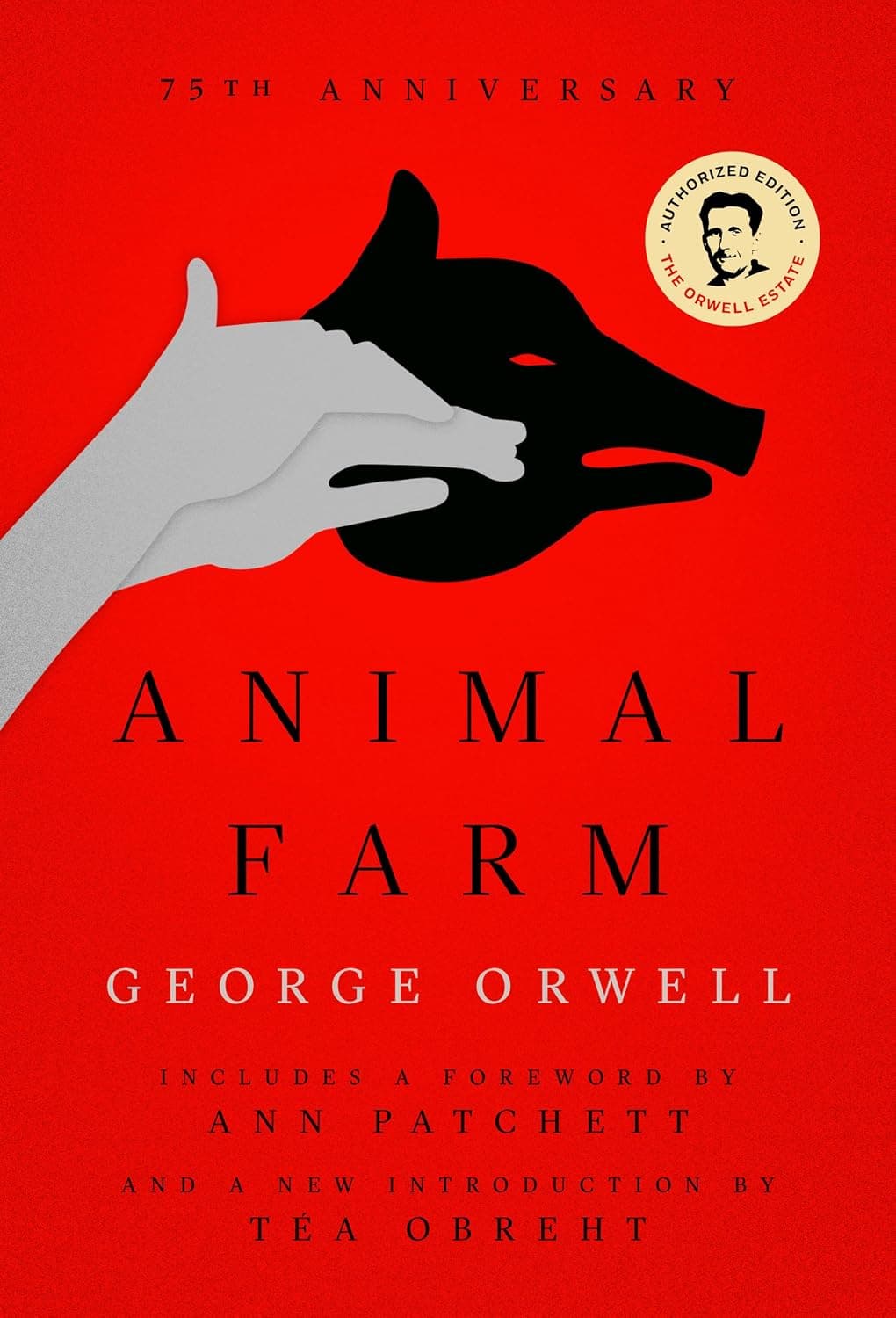
The animals drive out the farmer and run the place themselves, until the rules painted on the barn wall start changing. Orwell reduced the Russian Revolution to a fable no adult forgets.

One is not born a woman, Beauvoir argues, but becomes one. She works through biology, history, myth, marriage, and old age to prove it, and modern feminism begins in these pages.

Willy Loman, a traveling salesman worn down to nothing, argues with his grown sons and with people who are not in the room. Audiences have recognized their own fathers in him since 1949.

Blanche DuBois arrives at her sister's New Orleans apartment with nothing left, and her brother-in-law Stanley sets about destroying what remains. No American play has staged desire and cruelty this nakedly.
Rats die in the streets of an Algerian port, the gates shut, and a doctor named Rieux keeps working. Camus meant the German occupation, and every epidemic since has proved him right.

Levi was an Italian chemist deported to Auschwitz at twenty-four. He survived, then spent months making his way home across a ruined Europe, and reports all of it without raising his voice.

Two years in hiding behind an Amsterdam office, set down by a girl who wrote about her mother, her boredom, and who she meant to become. She was fifteen when they were found.

Crash-landed in the Sahara, a pilot meets a boy from a tiny planet who worries about his rose. Saint-Exupéry writes for children and lands hardest on adults who have stopped looking properly.
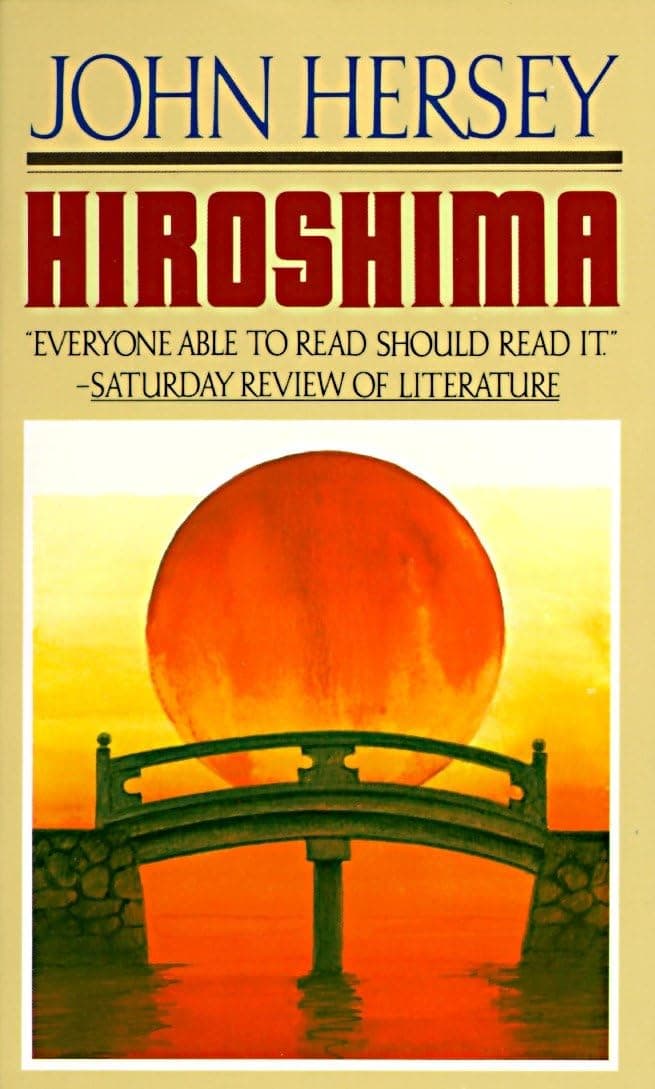
Six people survived the bomb at Hiroshima and Hersey follows them through the year after: a clerk, a widow, two doctors, and two clergymen. He writes flatly and it is unbearable.
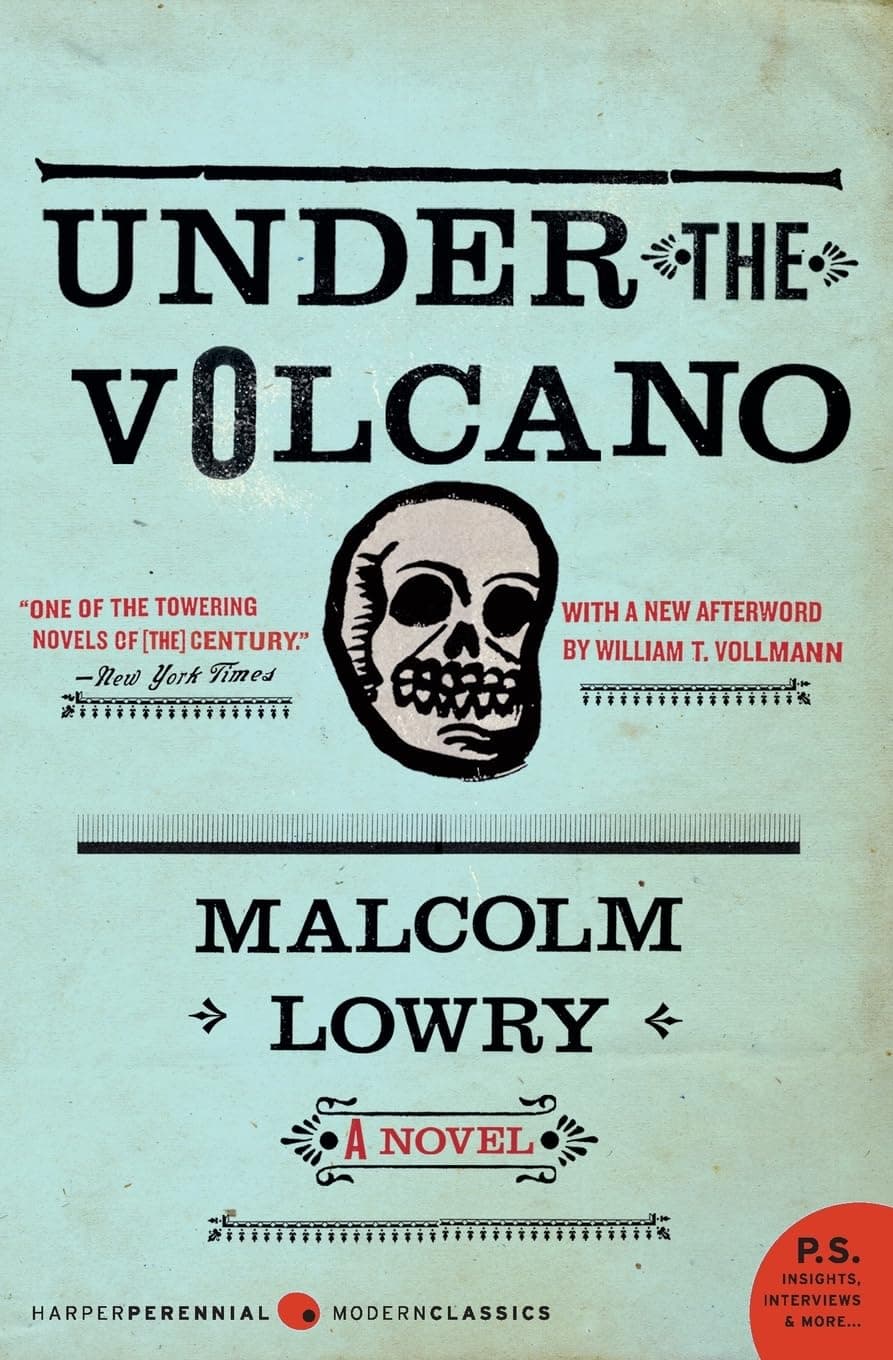
Drinking himself to death in Mexico, a British ex-consul is visited by the wife who left him. Lowry gives them one Day of the Dead, written from inside the bottle.
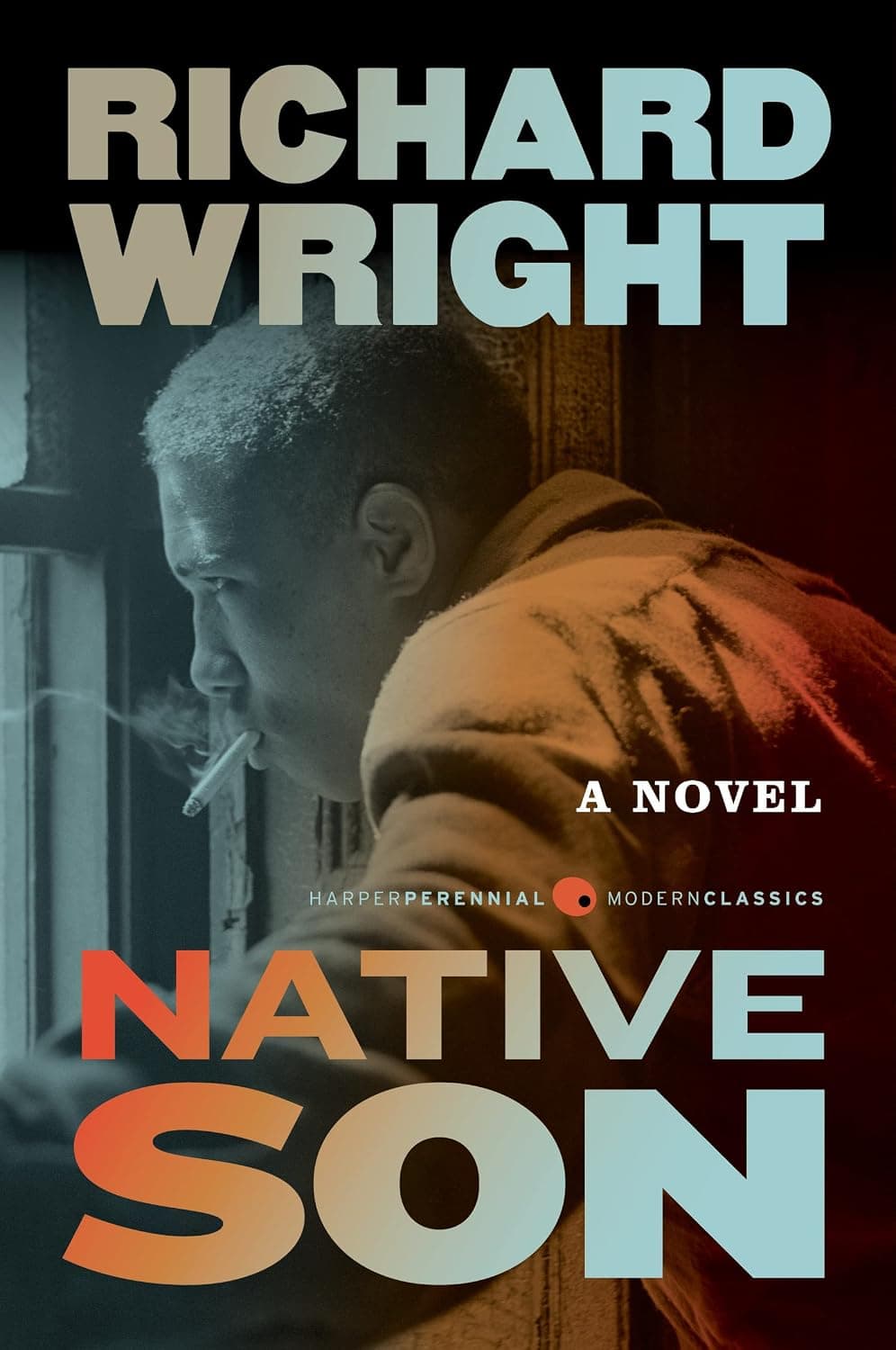
Bigger Thomas drives for a rich white family in 1930s Chicago and kills their daughter in a panic his first night. Wright keeps you inside his head and will not soften him.

The only serious philosophical question, Camus opens, is whether to kill yourself. His answer: the universe will never explain itself, so you live anyway, unreconciled, like Sisyphus happy pushing his rock uphill forever.

Four centuries of Bosnian life pass over one stone bridge, built by an Ottoman vizier taken from these hills as a boy. Andric ends in 1914 and you feel it coming.
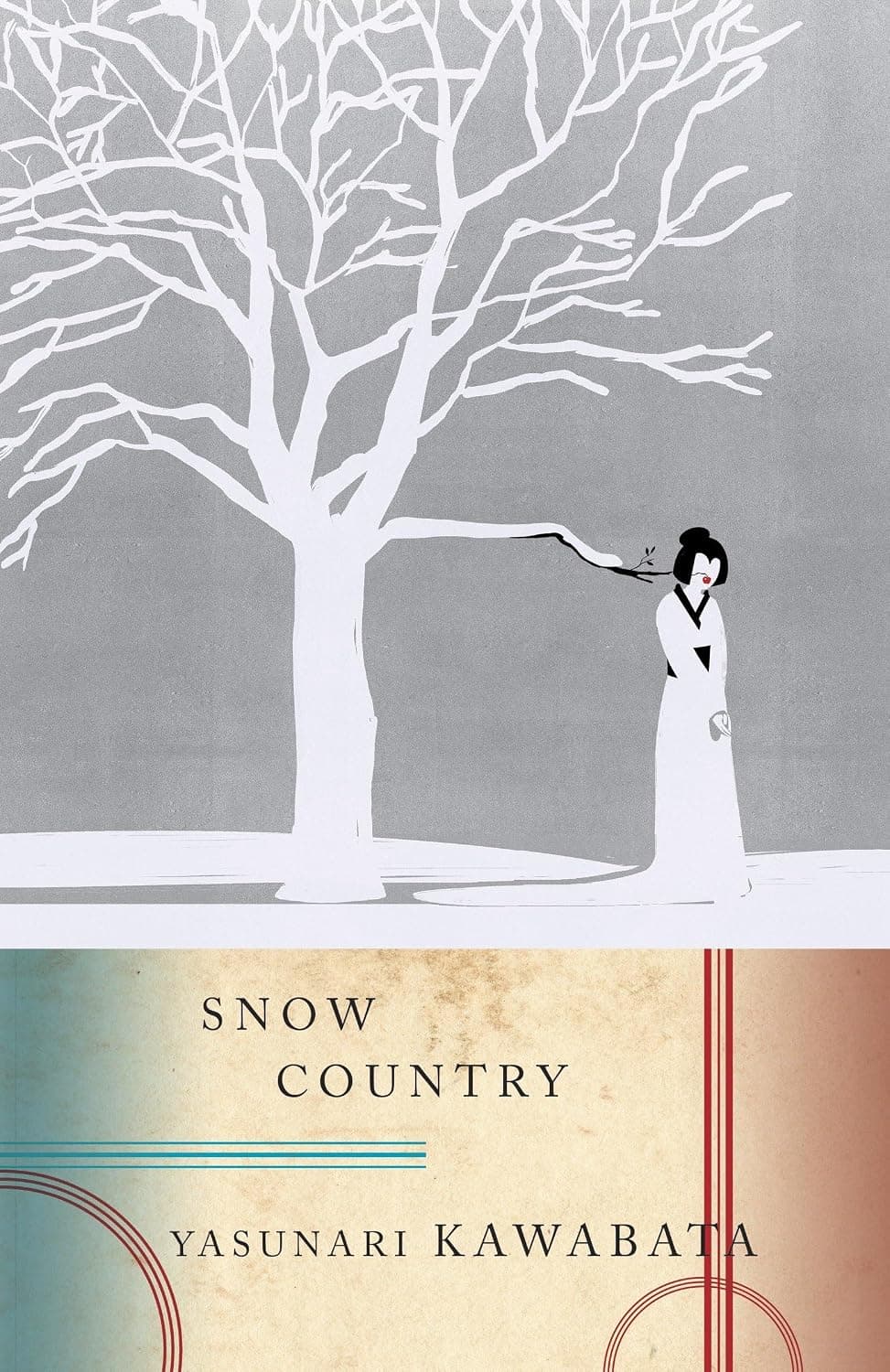
At a hot spring in Japan's snow country, a wealthy Tokyo idler keeps visiting a geisha who loves him past anything he can give. Kawabata states almost nothing and it lands anyway.
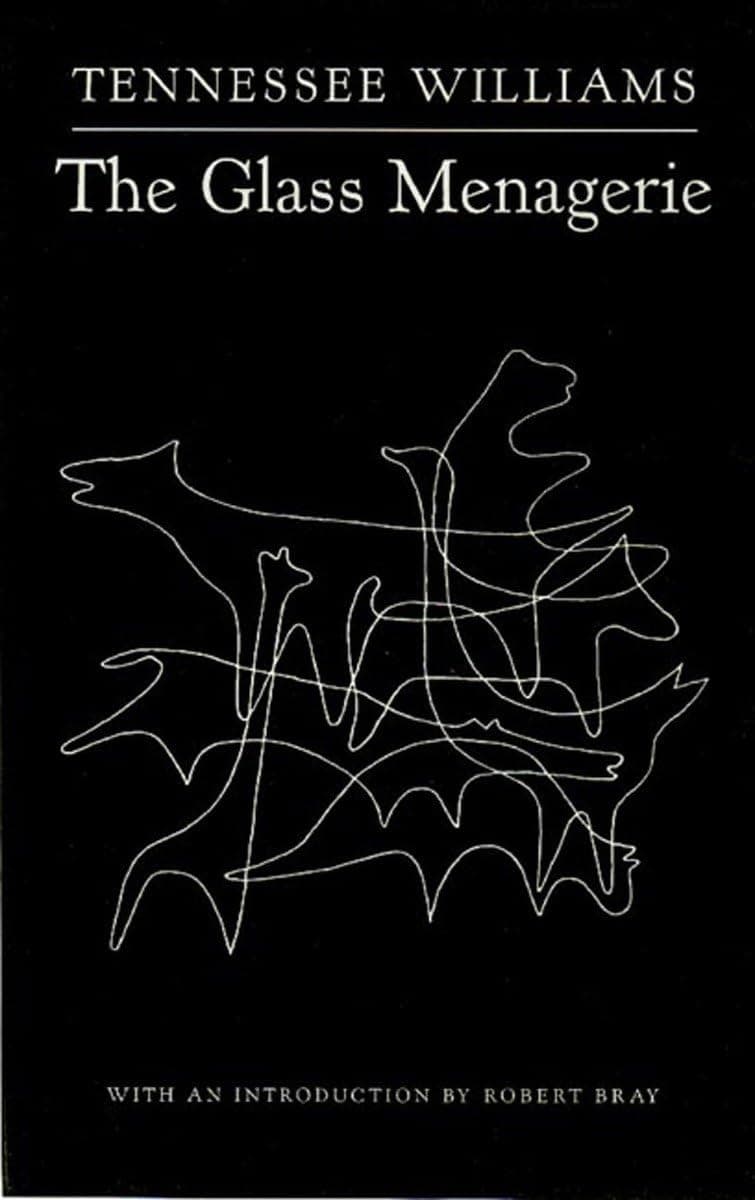
Tom narrates the St. Louis apartment he escaped, where his mother relives the seventeen gentlemen callers of her girlhood and his limping sister tends her glass animals. Everything turns on one visitor.

Charles Ryder, an officer billeted at a requisitioned country house, remembers the Catholic family who owned it: the ruined son he loved at Oxford, the sister he wanted later, and grace closing in.

Sent to Alabama in 1936 to report on cotton tenancy, Agee returned with an act of devotion: three sharecropping families recorded down to the nails in their shoes, alongside Walker Evans's photographs.

Frankl, a Viennese psychiatrist, lost his wife and parents to the camps and survived Auschwitz himself. He watched who endured and who gave up, and named the last freedom: choosing your own response.

Tagore wrote the songs that became the national anthems of India and Bangladesh. His Bengali lyrics address God as a lover who is late, plainly and without a trace of religious machinery.
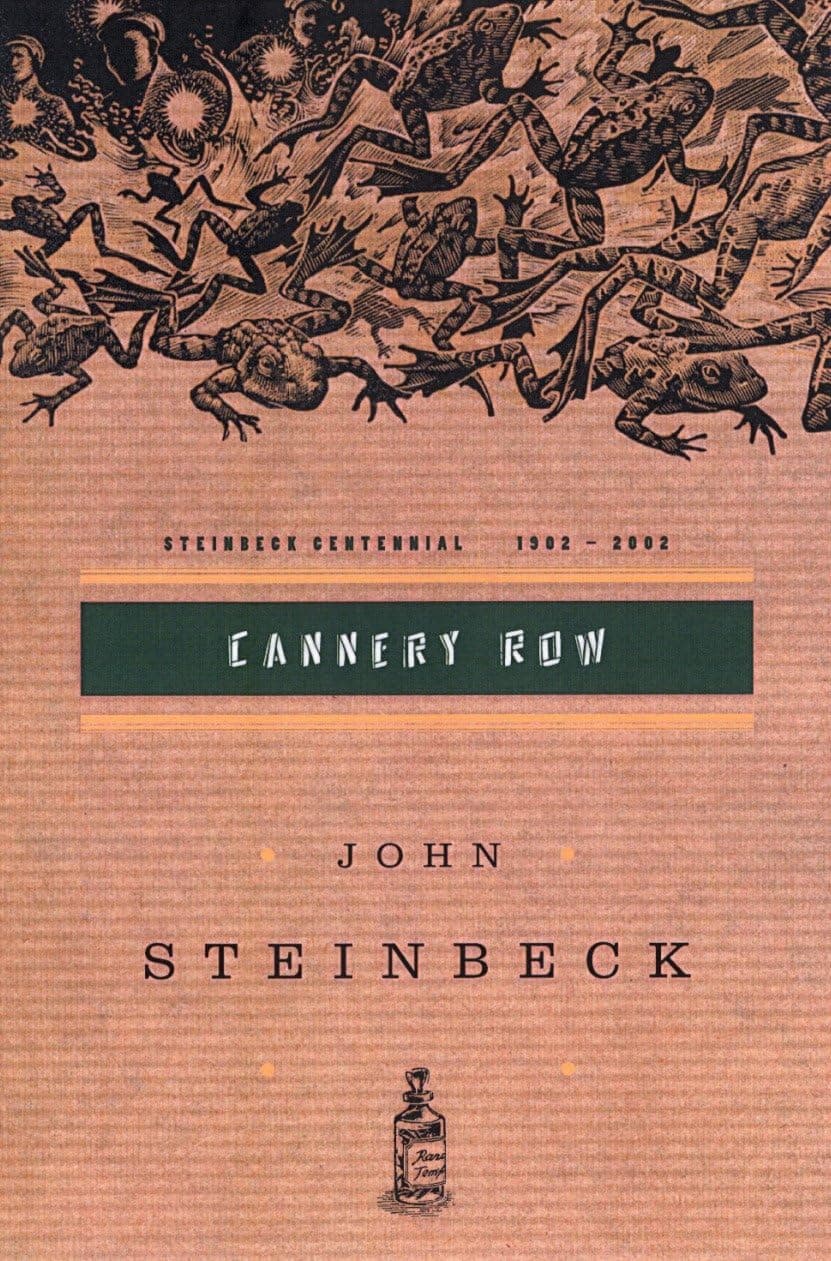
Mack and his friends, unemployed and unhurried, decide to repay Doc the marine biologist with a party. Steinbeck writes a Monterey street of bums and grocers and whores as a functioning society.

Four people in a Georgia mill town confide everything to John Singer, a deaf man who lip-reads them and answers little. McCullers fills the place with people who cannot reach each other.

Hand economic decisions to planners and you lose political freedom too, because someone must decide whose purposes count. Hayek published it in 1944, and it became the founding text of the postwar right.

Reason set out to free humanity from myth and produced new forms of domination instead. The philosophers Adorno and Horkheimer, exiles in California, coined the culture industry to name entertainment that manufactures obedience.

Zweig grew up in a Vienna that believed in security, art, and progress, and lived to watch it burn twice. He mailed this memoir to his publisher the day before he killed himself.

In an unnamed Latin American capital, a beggar's killing of a colonel gives a dictator the pretext to destroy his enemies. Asturias renders the terror as fever dream, in prose that hallucinates.

A fugitive hiding on a deserted island finds the place full of elegant visitors who cannot see him, dancing to the same record week after week. Bioy Casares imagined virtual reality in 1940.
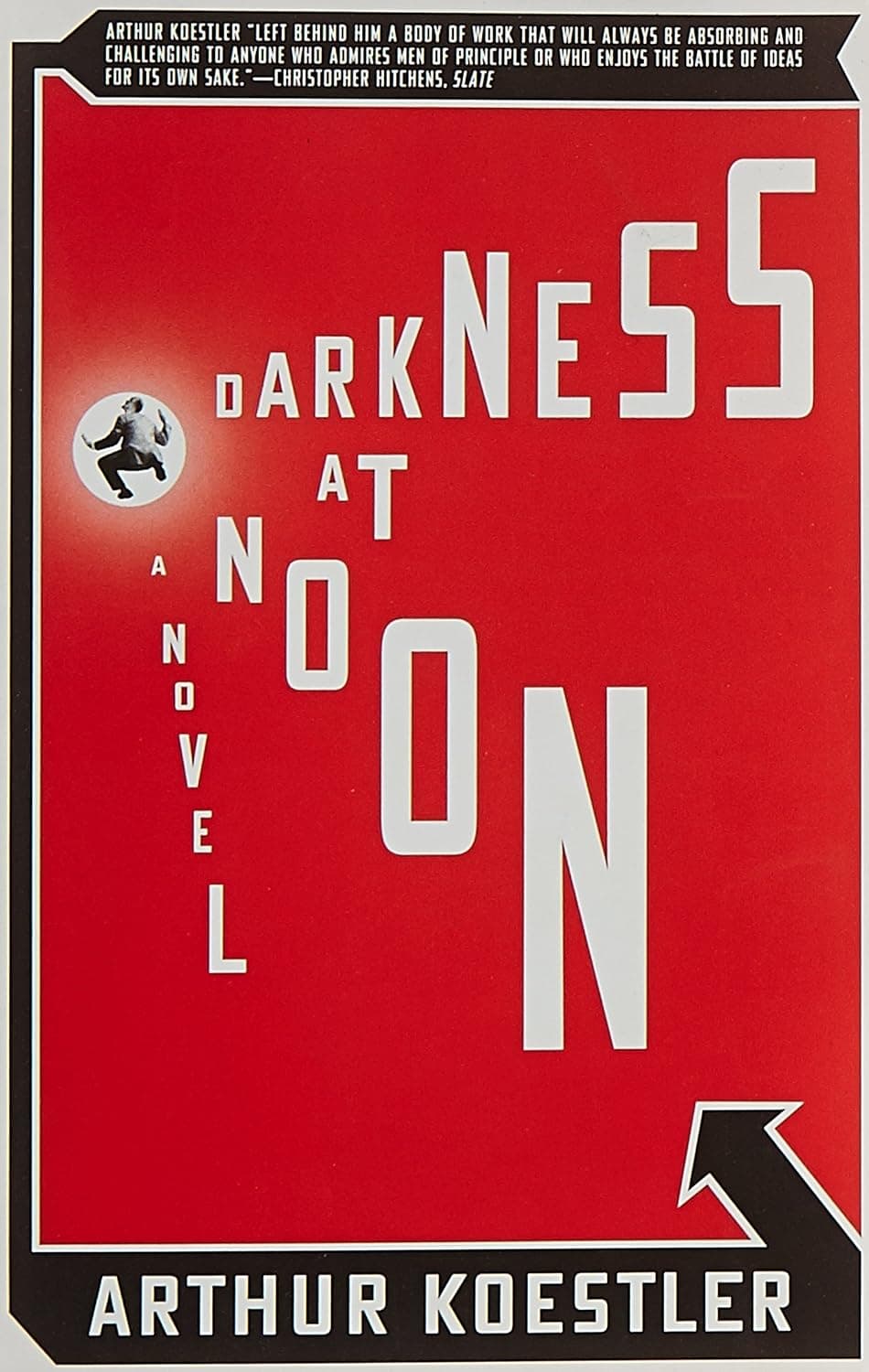
Arrested by the revolution he helped build, Rubashov confesses to crimes he never committed. The novel sold half a million copies in France and pulled a generation of Western leftists away from Moscow.

Willie Stark rises from county treasurer to governor believing good can be made only out of bad. Warren wrote the American novel of power, narrated by the aide he sends to dig dirt.

Bai Liusu, a divorcee her Shanghai family treats as a disgrace, follows a rich bachelor to Hong Kong. Chang writes their courtship as cold accounting until the Japanese bombardment reaches the city.

A Zulu parson goes to Johannesburg to find his son and learns the boy killed a white man who fought for black South Africans. Paton's fifteen million readers made apartheid a world scandal.
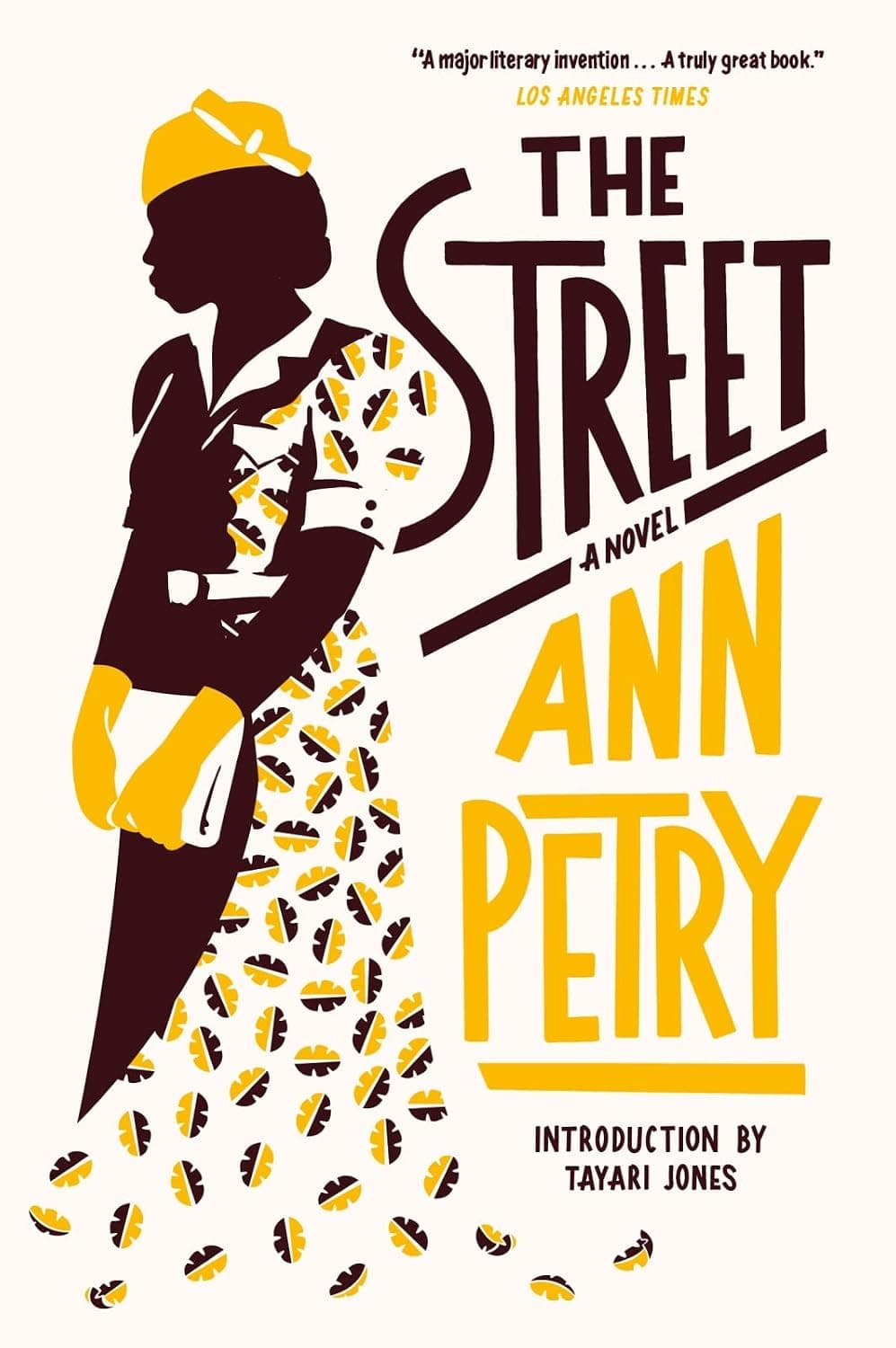
Lutie Johnson believes what Benjamin Franklin promised about work and thrift, and rents an apartment on 116th Street to raise her son. The men who watch her climb the stairs have other plans.
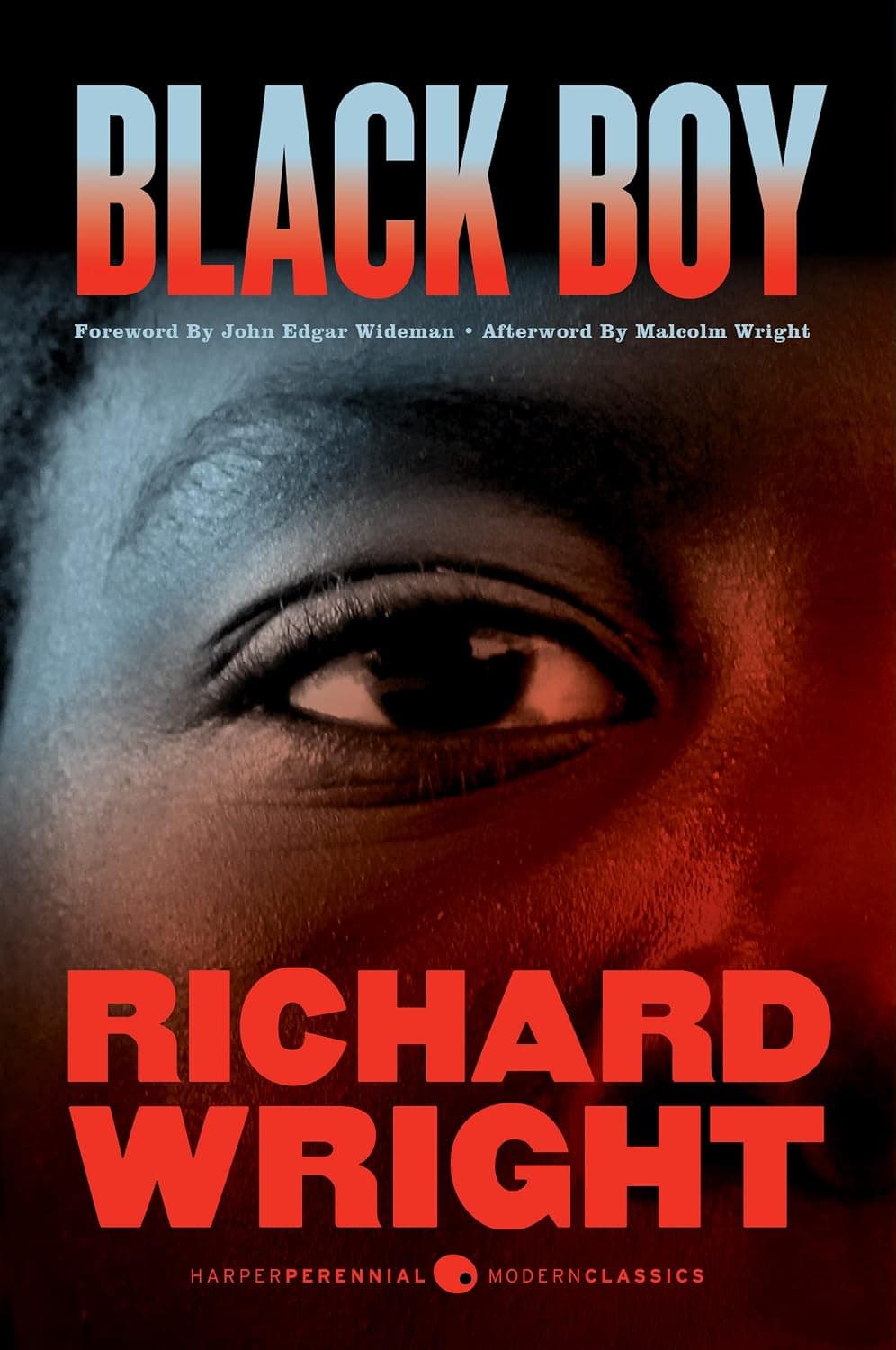
Hunger runs through Wright's Southern boyhood: for food, for books, which he gets by forging notes on a white man's library card. He sets down Jim Crow's cruelty without a word of self-pity.
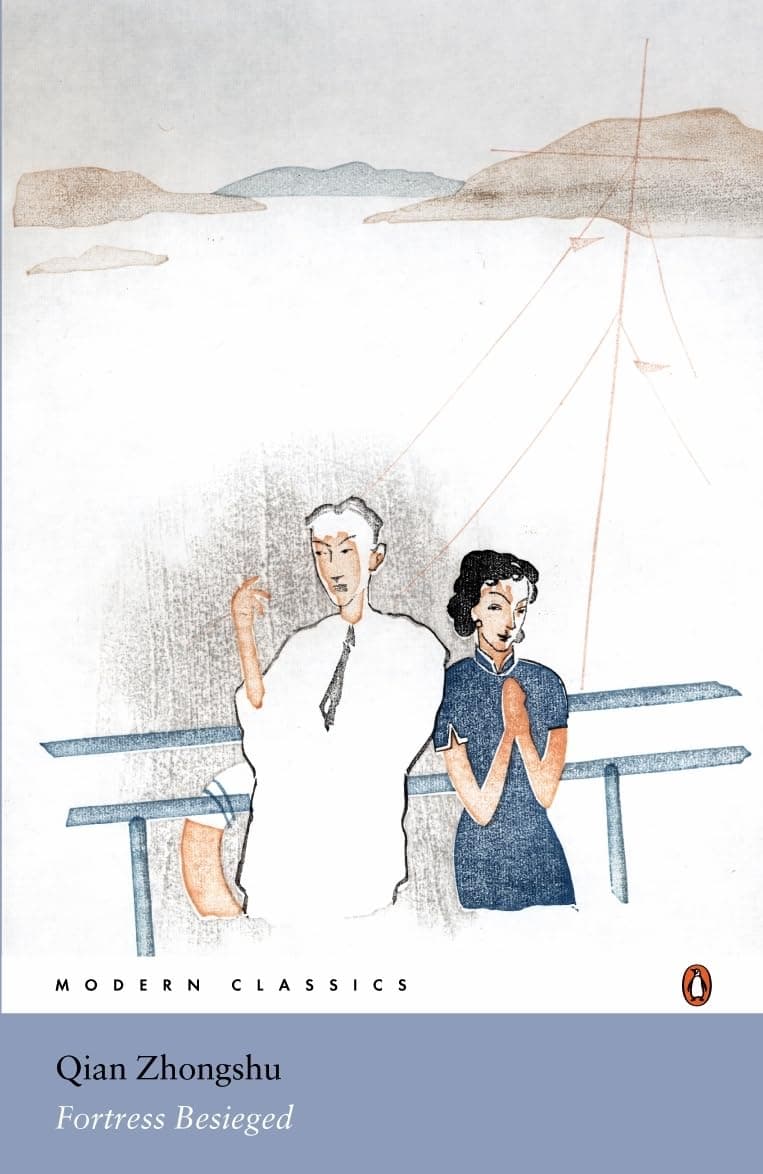
Fang Hongjian returns to wartime China with a mail-order diploma and no plan. Qian gave Chinese its image of the besieged life: those outside the fortress want in, those inside want out.

Out of prison and hunting the girl he lost eight years ago, Moose Malloy sets the private detective Philip Marlowe loose on Bay City, where the police belong to whoever is paying.

Grigory Melekhov loves his neighbor's wife and rides for the Reds, then the Whites, then neither, while war and revolution finish the Don Cossacks. Sholokhov wrote under Stalin and spared no side.
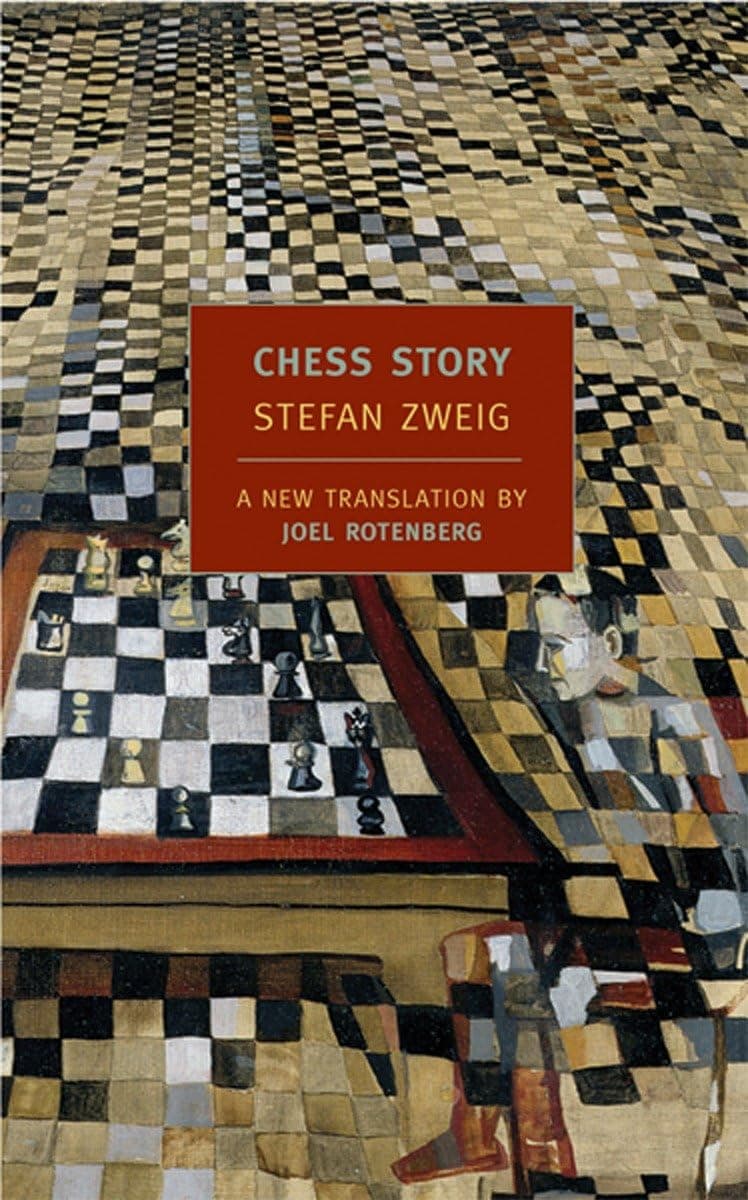
Aboard a liner to Buenos Aires, the world chess champion meets a stranger who learned the game in Gestapo isolation from one stolen book. Zweig makes chess an instrument of torture.

Centuries from now, scholars in the cloistered province of Castalia play a game fusing music, mathematics, and all learning. Joseph Knecht rises to master it, then asks what the world outside is owed.
Campbell read the world's myths and found one story under them: a hero leaves home, survives an ordeal, returns changed. Hollywood took the pattern wholesale, from Star Wars to Disney's animated features.

Two officers who trained together meet for dinner after forty-one years. The general has questions about a morning hunt and his dead wife, and the candles burn down while he circles them.

Hofstadter strips the myths off American statesmen from Jefferson to Franklin Roosevelt and finds one propertied creed underneath. The Emancipation Proclamation, he writes, had all the moral grandeur of a bill of lading.
Hell is other people, and Sartre proves it by locking a coward, a seducer, and a mother who drowned her baby in one bright room with no mirrors and no sleep.

America's novel of the Second World War, published when Mailer was twenty-five and just back from the Philippines. A reconnaissance platoon crosses a Japanese-held island while he tracks every man's fear.
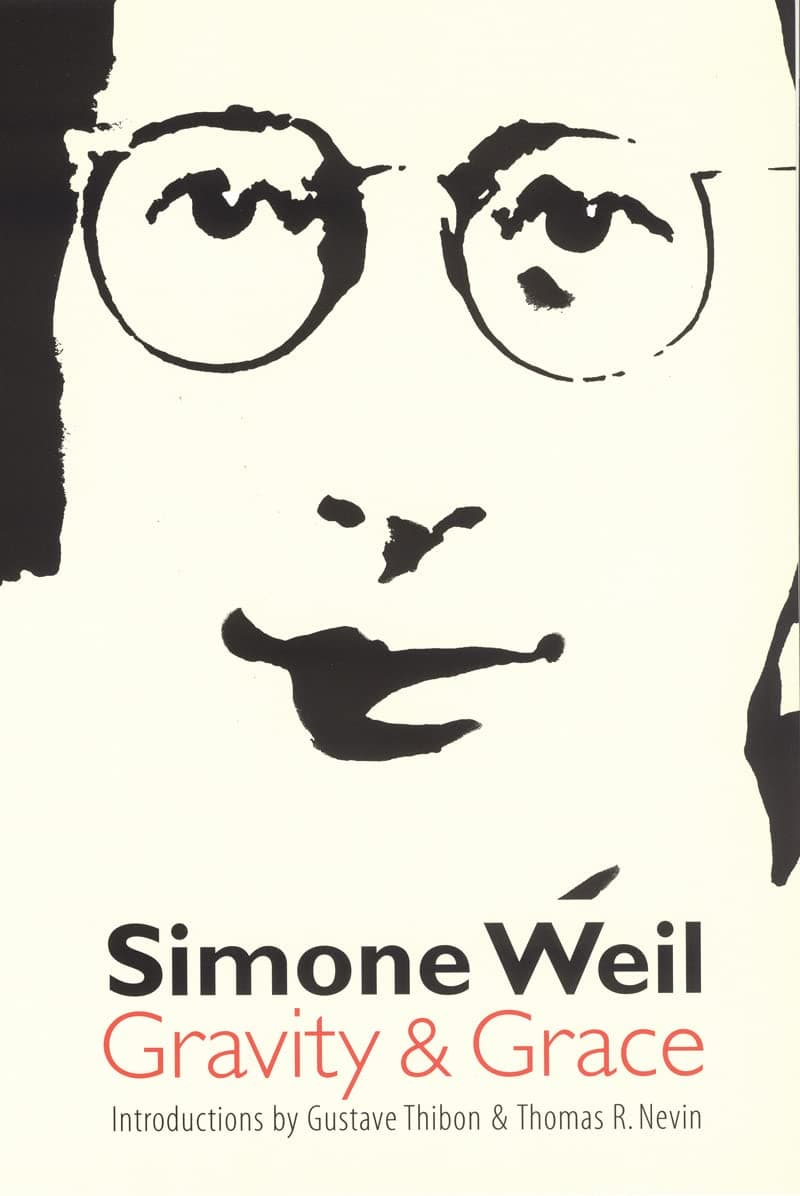
Weil held that the soul falls by a law as fixed as gravity and that grace enters only a void, which is why affliction, stripping everything away, can open a person to God.

A bookish young Greek reopens a lignite mine on Crete and hires Alexis Zorba, an aging laborer who dances, plays the santuri, and treats his employer's reading as a substitute for living.

Banished by Mussolini to a village in the Italian south, a Turin doctor found peasants convinced Christ had stopped short of them. The book made postwar Italy confront a region it had abandoned.

Bloch's son asked what the use of history was. He answered from hiding: history is the science of men in time, and evidence speaks only when questioned. The Gestapo shot him in 1944.
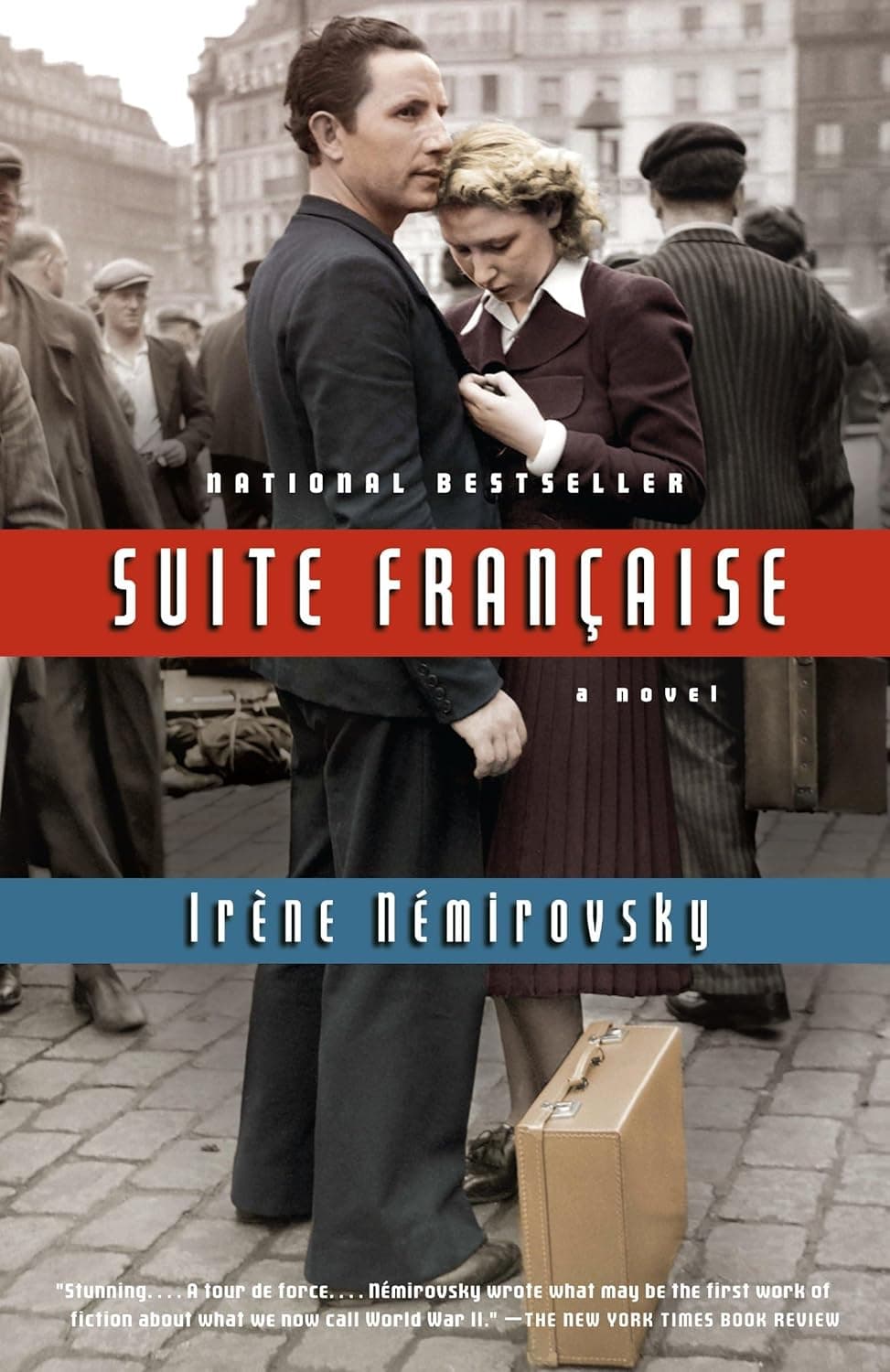
Paris empties in June 1940 and Nemirovsky follows it south, into a village where a woman is drawn to the German officer billeted in her house. She died at Auschwitz in 1942.

Existence precedes essence, Sartre told a packed Paris hall in 1945: you invent yourself by choosing and may blame nothing. The student torn between the Resistance and his mother is told to choose.
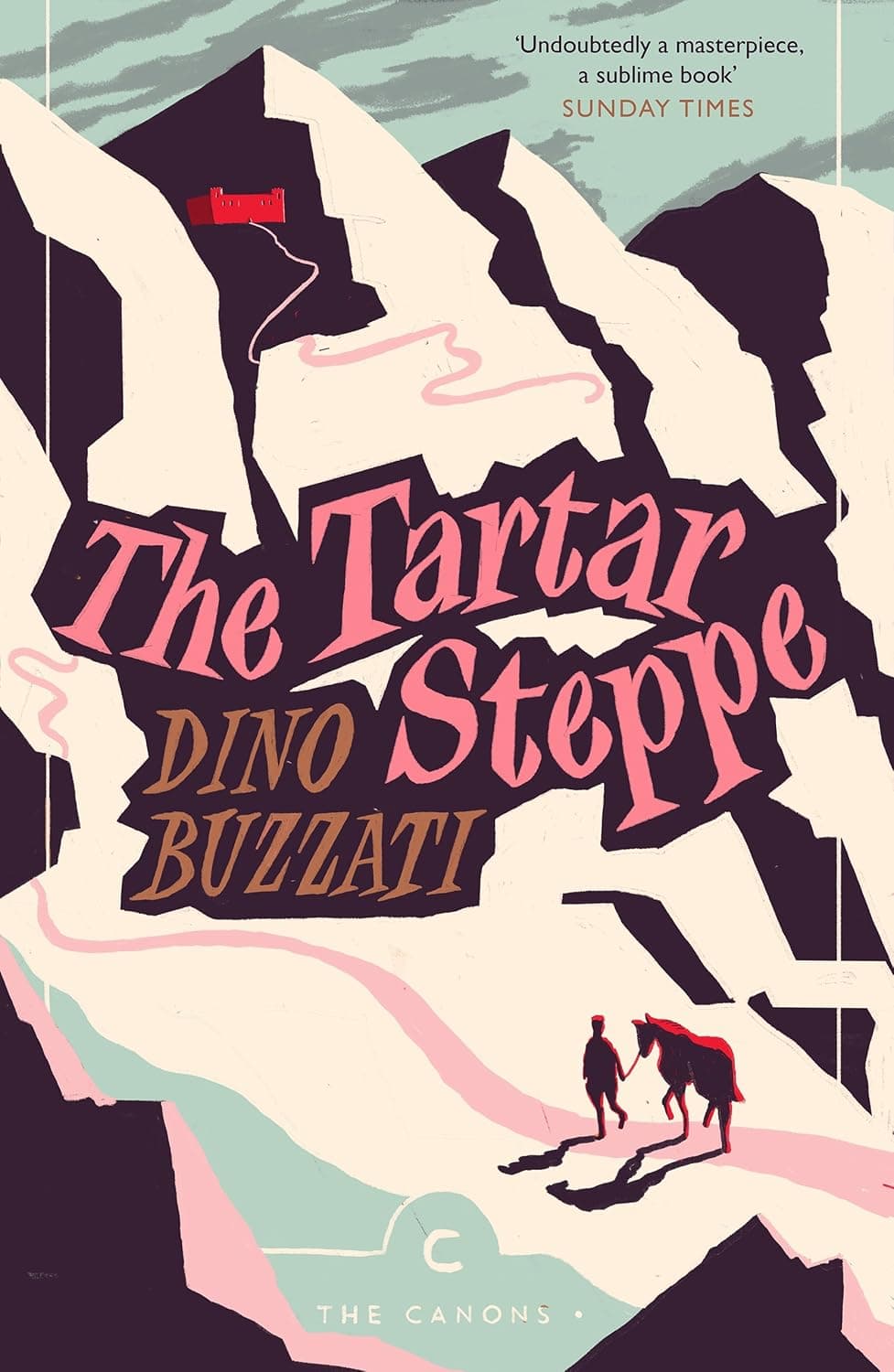
Giovanni Drogo rides out to a frontier fortress and gives it his life, scanning an empty desert for the enemy who would justify it. Buzzati turned postponement into a form of terror.

Sally Bowles, the English cabaret singer who became the heart of Cabaret, sings badly in a Berlin nightclub while Isherwood's narrator calls himself a camera, shutter open, recording the city's slide into Nazism.

Carpentier's preface named the marvelous real: Latin American history already outruns anything the surrealists could invent. He proves it across the Haitian Revolution, watched from below by an enslaved man named Ti Noel.

Rebecca West traveled through Yugoslavia in 1937 and wrote eleven hundred pages. A lamb bled on a Macedonian rock and a Serbian poem of chosen defeat become her account of Europe's death wish.

Leopold shot a wolf and watched the green fire go out of her eyes. Land is a community we belong to, he concluded, and his land ethic became American environmentalism's creed.
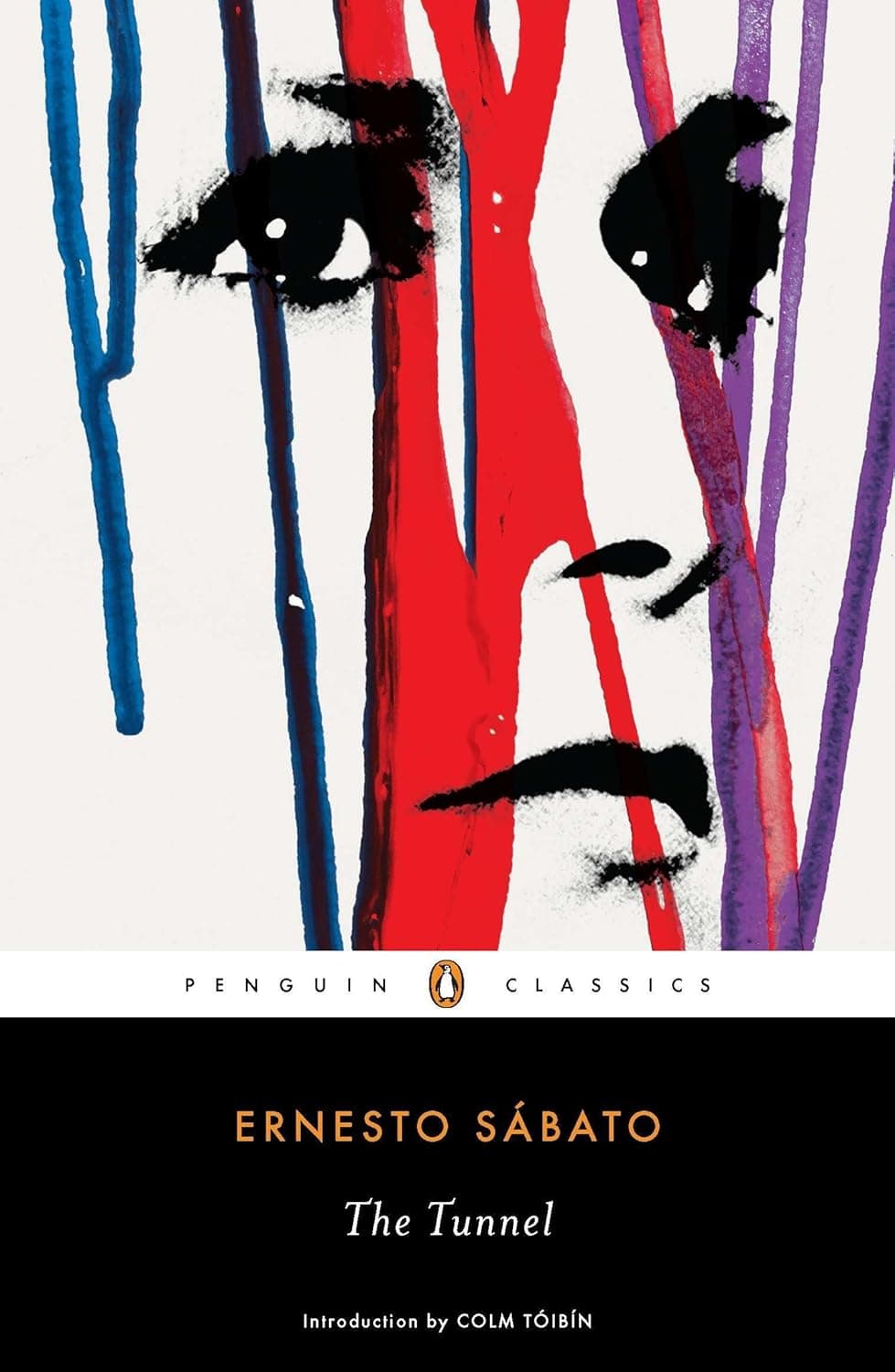
Writing from a prison cell, the painter Juan Pablo Castel explains why he killed the woman who understood his work. Sabato follows a jealous mind step by step until its logic feels ordinary.
Every economic law follows from one fact, Mises argues: people act to relieve uneasiness. Planners without market prices are blind, and three generations of the libertarian right have drawn their economics from him.

Capitalism is not dying into socialism, Burnham argues, but into rule by the managers who actually run production, in Berlin, Moscow and Washington alike. Orwell took Nineteen Eighty-Four's three superstates straight from him.

Capitalism's real conquest is not the factory but the ordinary day, Lefebvre argues: the commute, the meal, the weekend. He sent a generation of radicals looking for revolution in daily routine.
Howard Roark would rather break rock in a quarry than compromise a design, and when his housing project is altered he dynamites it. American individualism has had no more seductive hero.

Raised barefoot in Kenya, Markham hunted with Nandi boys, trained racehorses, and scouted elephants from the air before flying the Atlantic alone. Hemingway said she made him ashamed as a writer.
Occupied Naples, 1944: soldiers and civilians trading cigarettes, sex, and rumor under the arcade. Burns writes Americans who understand nothing of the country they hold, and a bar where gay soldiers breathe.

Uncle Matthew hunts his children across the Oxfordshire fields with bloodhounds. Linda Radlett escapes that house into two bad marriages and a French duke, in the funniest English novel of the interwar aristocracy.
Abandoned in Depression-era Glendale, Mildred bakes pies and builds a restaurant chain, spending every dollar on the gifted, glacial daughter who despises her for working. Cain needs no corpse to write noir.

The comic cycle that became Italian folklore sets a hot-tempered priest against the Communist mayor of a Po Valley village, with the crucifix above the altar talking Don Camillo down from revenge.

Pippi is nine, lives alone with a monkey and a horse she can lift with one arm, and answers to no adult. Lindgren handed children a heroine no grown-up can manage.

Gamow carries a reader from counting to infinity, from atoms to the expanding universe, drawing every illustration himself. The psychologist Steven Pinker traces his science writing to reading this as a boy.

Beauty and utility generate each other, Paul Rand argues, and the designer's job is fusing idea with image. He pulled European modernism into American advertising and made the trade take design seriously.

In the great green room a rabbit says goodnight to the moon and the quiet old lady whispering hush, while the pictures darken page by page until the child hearing it is asleep.