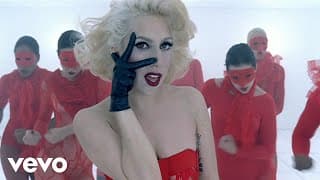
Bad Romance
2009
Written on a tour bus in Norway and premiered at Alexander McQueen's last show, all nonsense syllables and appetite.
★ 8.7
 skopia
Written on a tour bus in Norway and premiered at Alexander McQueen's last show, all nonsense syllables and appetite.
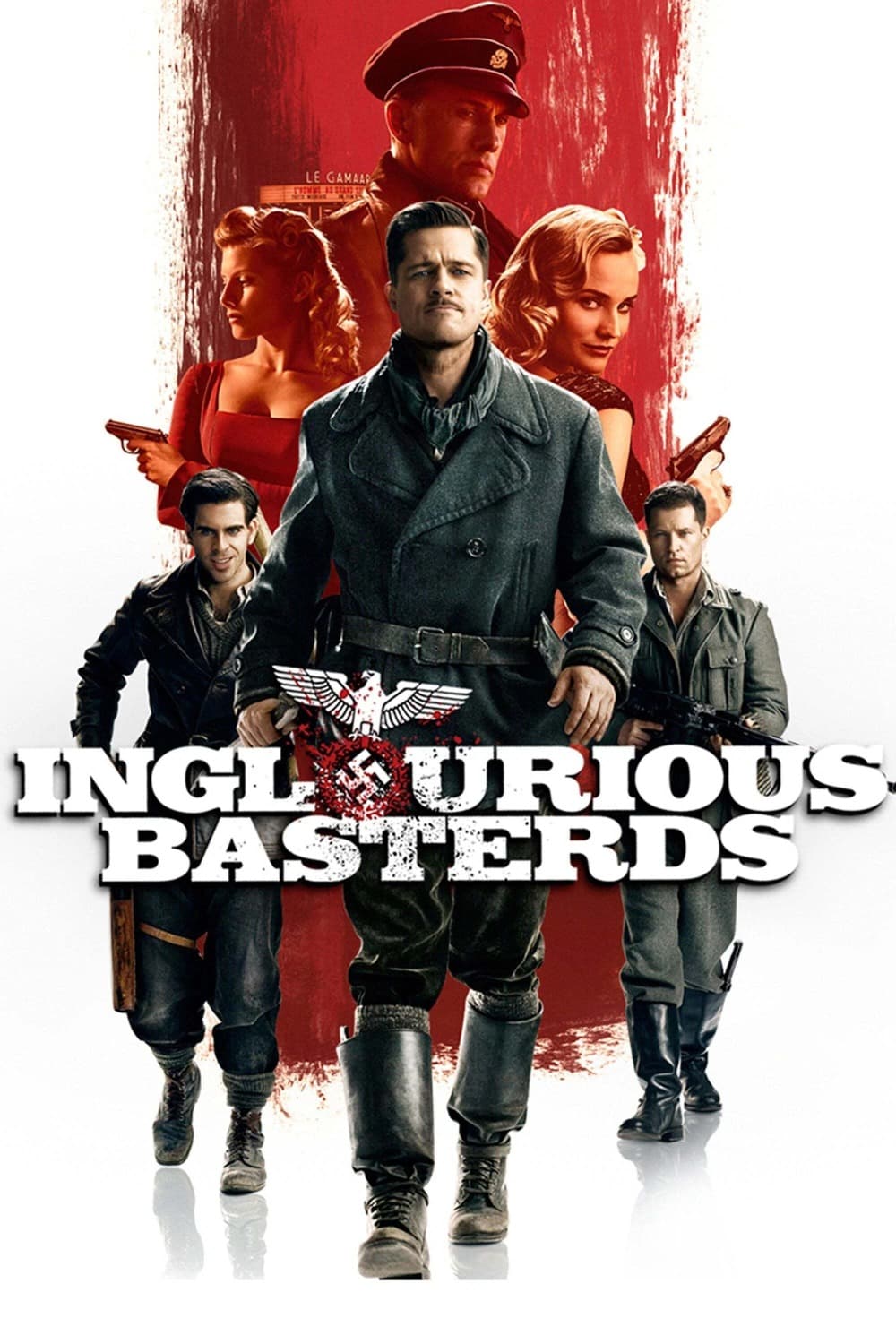
Christoph Waltz plays four languages and makes every one of them frightening: Tarantino builds his scenes as long conversations where somebody at the table already knows too much.
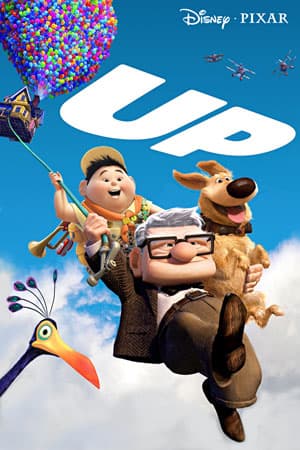
The four-minute marriage montage is the most devastating thing Pixar has ever done, and it is wordless: after that, an old man flies his house away on balloons.
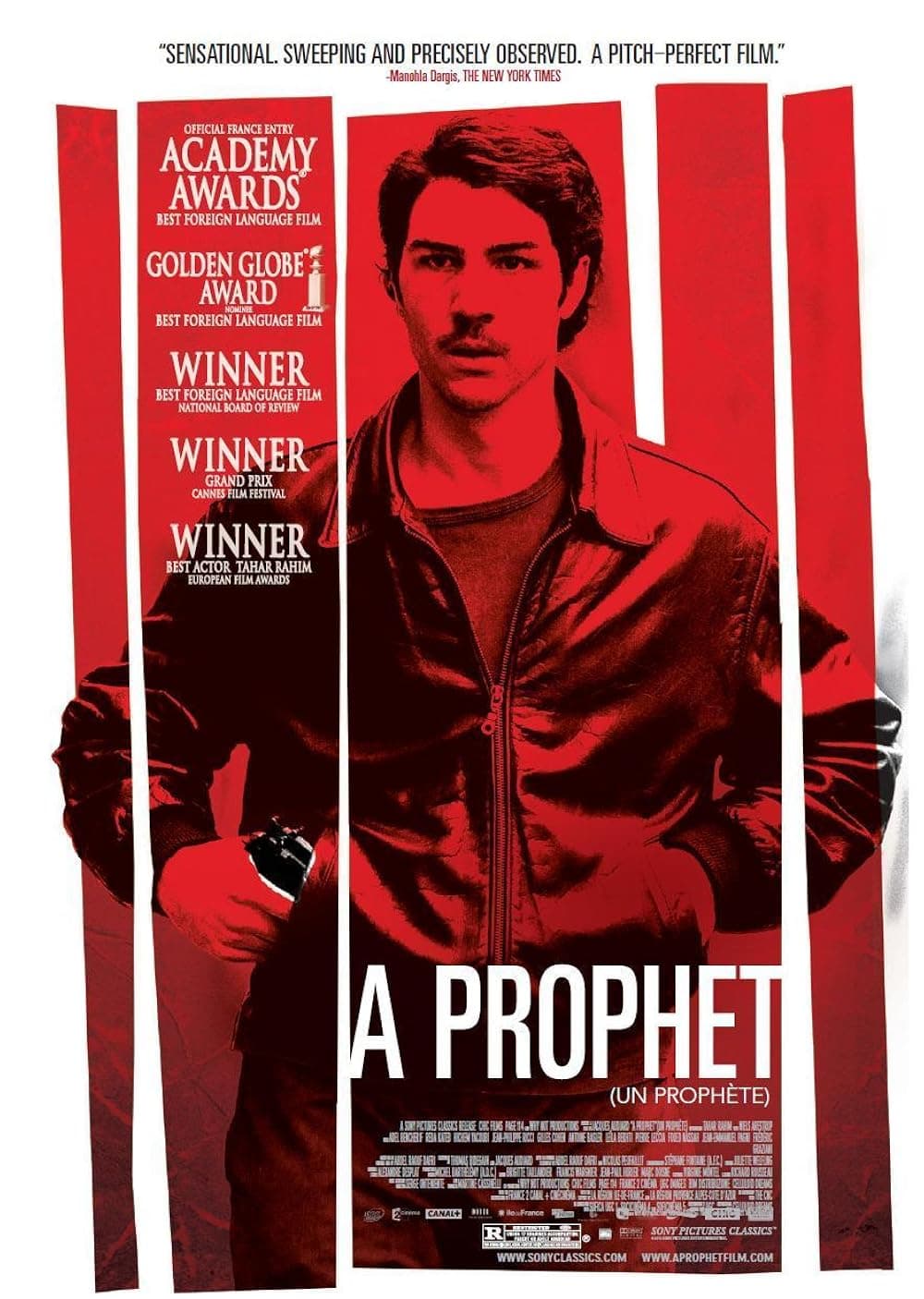
The best prison film of this century, and it works like a business education: an illiterate nineteen-year-old walks into a French jail and starts learning very fast.
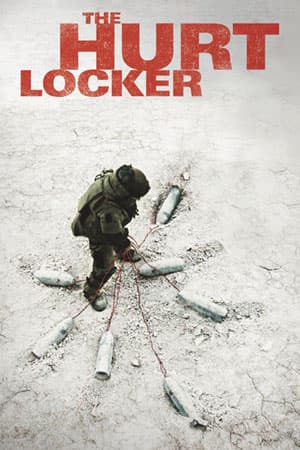
Bigelow made war feel like an addiction rather than a duty: a bomb disposal sergeant works without much fear, and every defusal is stretched until the room turns physical.
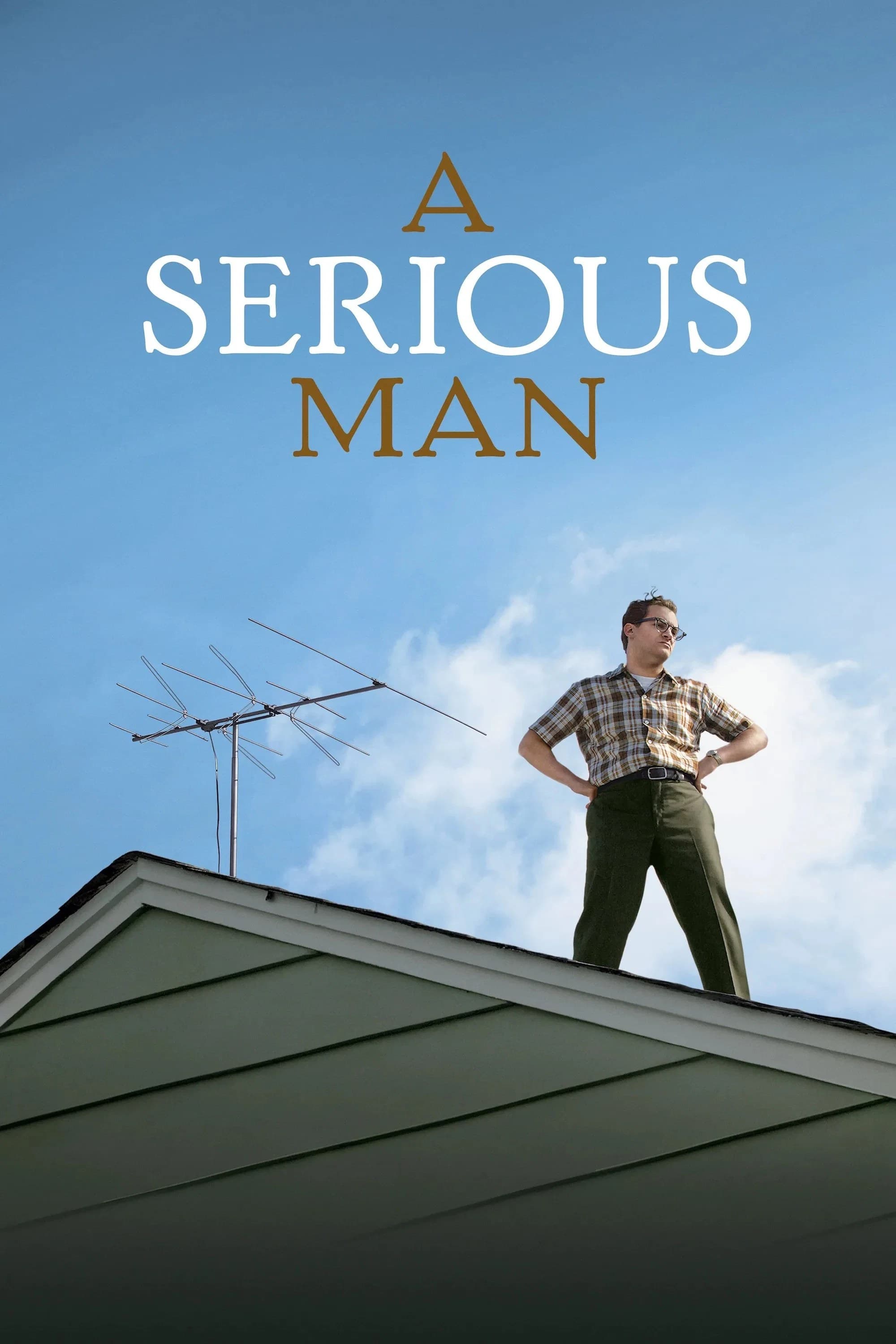
The Coens' most personal film and their least forgiving: a Minnesota physics professor's life comes apart for no reason at all, and nobody in it will explain anything.
Two songwriters homesick in London started it; Keys and a Moments piano loop made Jay-Z's first lead-artist number one.
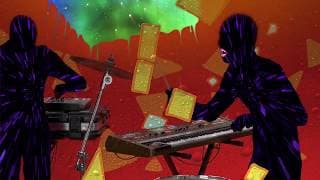
An arpeggio out of Chicago house, a sample from the Cassini Saturn probe, Lennox wanting only a home.
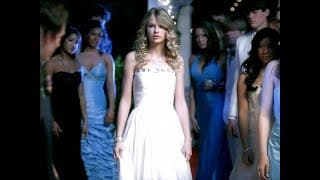
Banjo, fiddle and mandolin under a scene Swift wrote after overhearing a touring musician's phone call with his girlfriend.
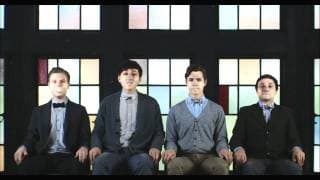
Chris Bear started the piano line on a Cape Cod weekend; Victoria Legrand's stacked harmonies make the rest glow.
A fantasy of Belle Epoque Paris, handed out free online, that then spent thirty-one weeks climbing to alternative number one.
Bedroom pop in the literal sense, a Gary Low disco record slowed to a crawl, and chillwave had its template.
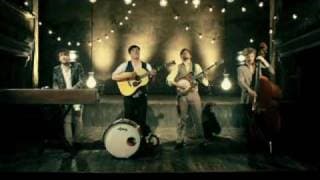
Banjo hammering under a chorus that needed a radio edit, produced by Markus Dravs and voted Australia's song of 2009.
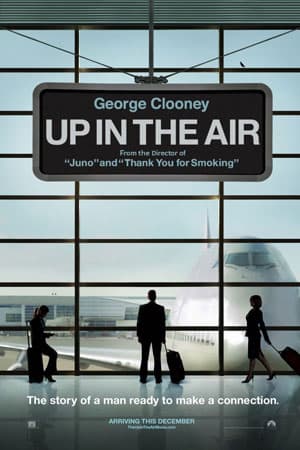
Reitman cast people who had actually just been laid off and filmed them reacting for real: a man who fires strangers for a living has arranged his whole existence around not landing.
Four lines, no instruments, one voice stacked through Auto-Tune into a choir Kanye West later built a song from.
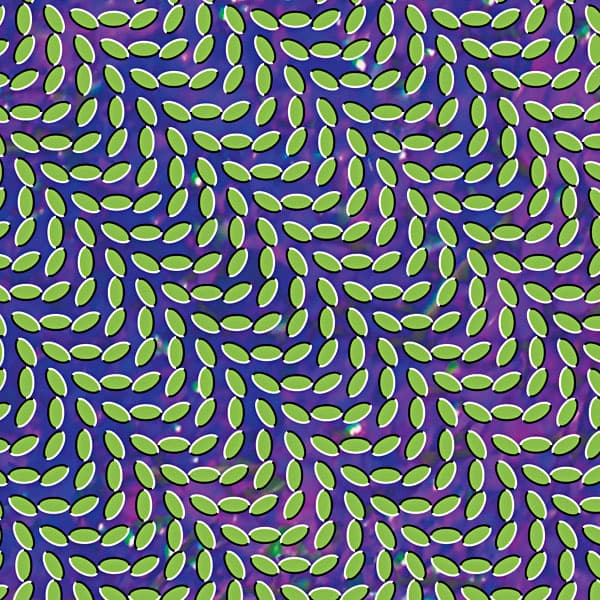
There is no guitar anywhere on it, which for a rock band was the point. It is named after a Maryland concert amphitheatre.
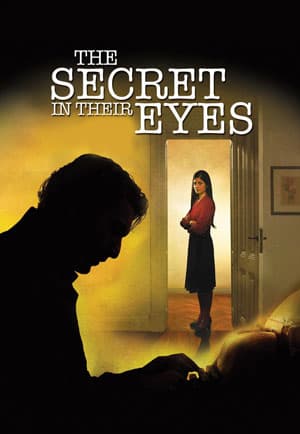
The camera drops out of the sky into a packed football stadium and does not cut for five minutes: an Argentine investigator reopens a case he could never leave alone.
Heine coined the word for Liszt's swooning fans, and Philippe Zdar gave these guitars their chrome shine.

Christianity as a three-thousand-year argument, beginning with Greece and Israel long before Christ. MacCulloch refuses to tell it as a Western story: after eight centuries, Baghdad looked a likelier capital than Rome.

In August 1974 a man steps onto a wire between the Twin Towers. Below him McCann gathers the whole city: an Irish monk living among Bronx prostitutes, Park Avenue mothers grieving Vietnam.
Jessie J wrote it with Claude Kelly, passed on singing it, and Cyrus took it to number two.
Boi-1da's beat was first meant for Kardinal Offishall; Kanye, by his account, rewrote his verse for two days after Eminem.
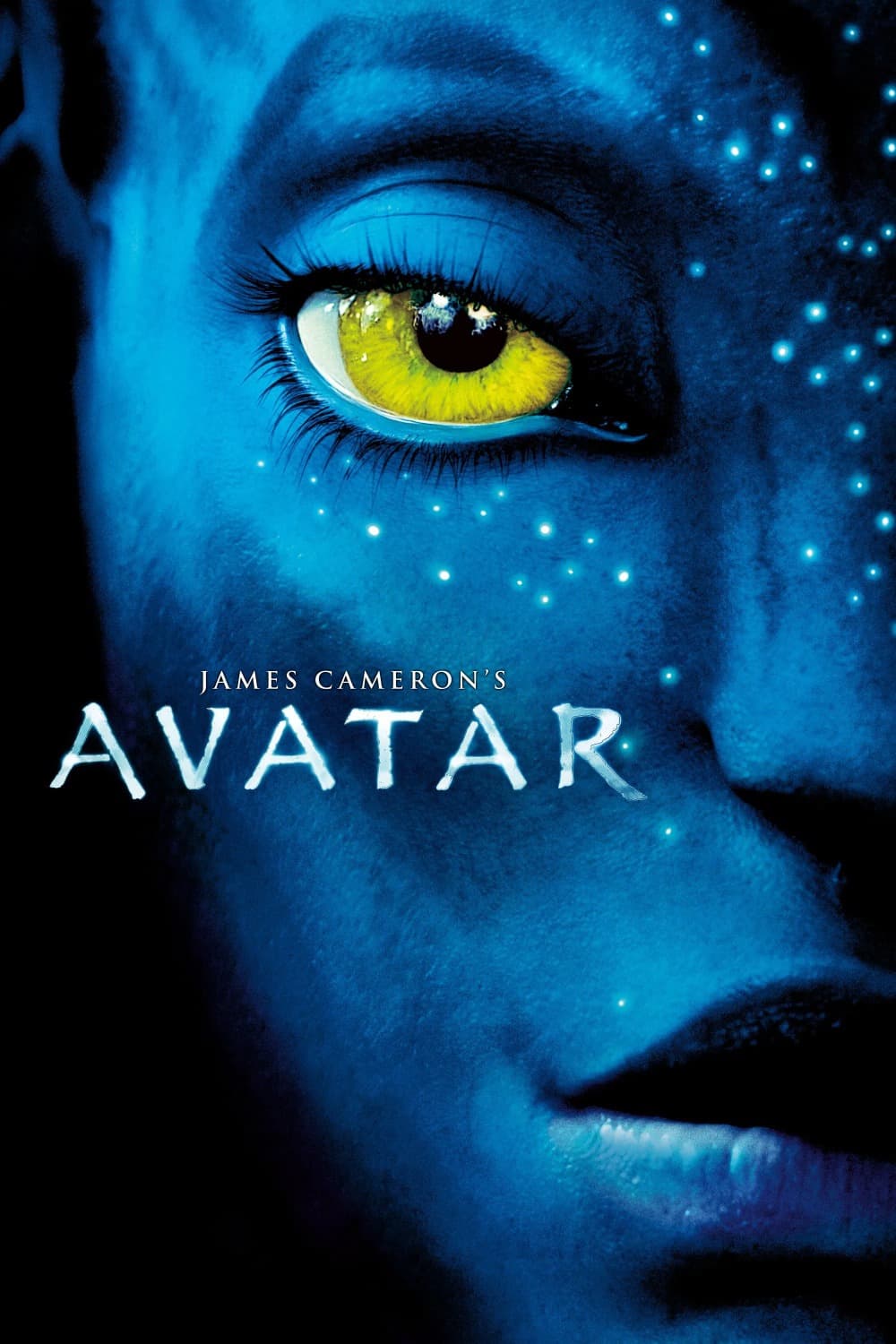
Cameron waited more than a decade for the technology to catch up to his script, then made the highest-grossing film ever released: whatever you make of the story, nothing had looked like this.
Four writers, one late-night phone call, and a chorus that took Record and Song of the Year at the Grammys.
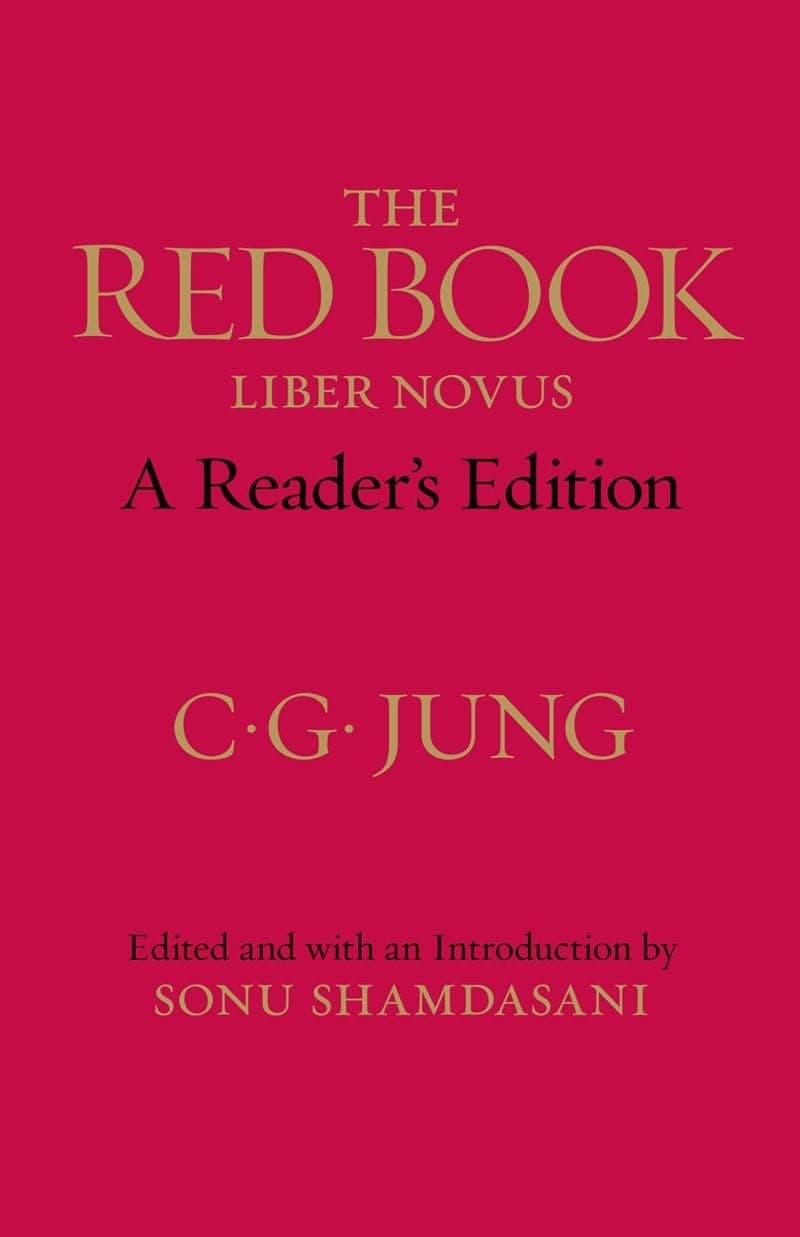
Jung induced his own visions and argued with the figures he met there, then set it down in medieval script and painted mandalas. He said everything he wrote afterward was mere elaboration.
Recorded in Honolulu for 808s & Heartbreak with Jeff Bhasker co-producing, Auto-Tune propping up bravado that keeps slipping.
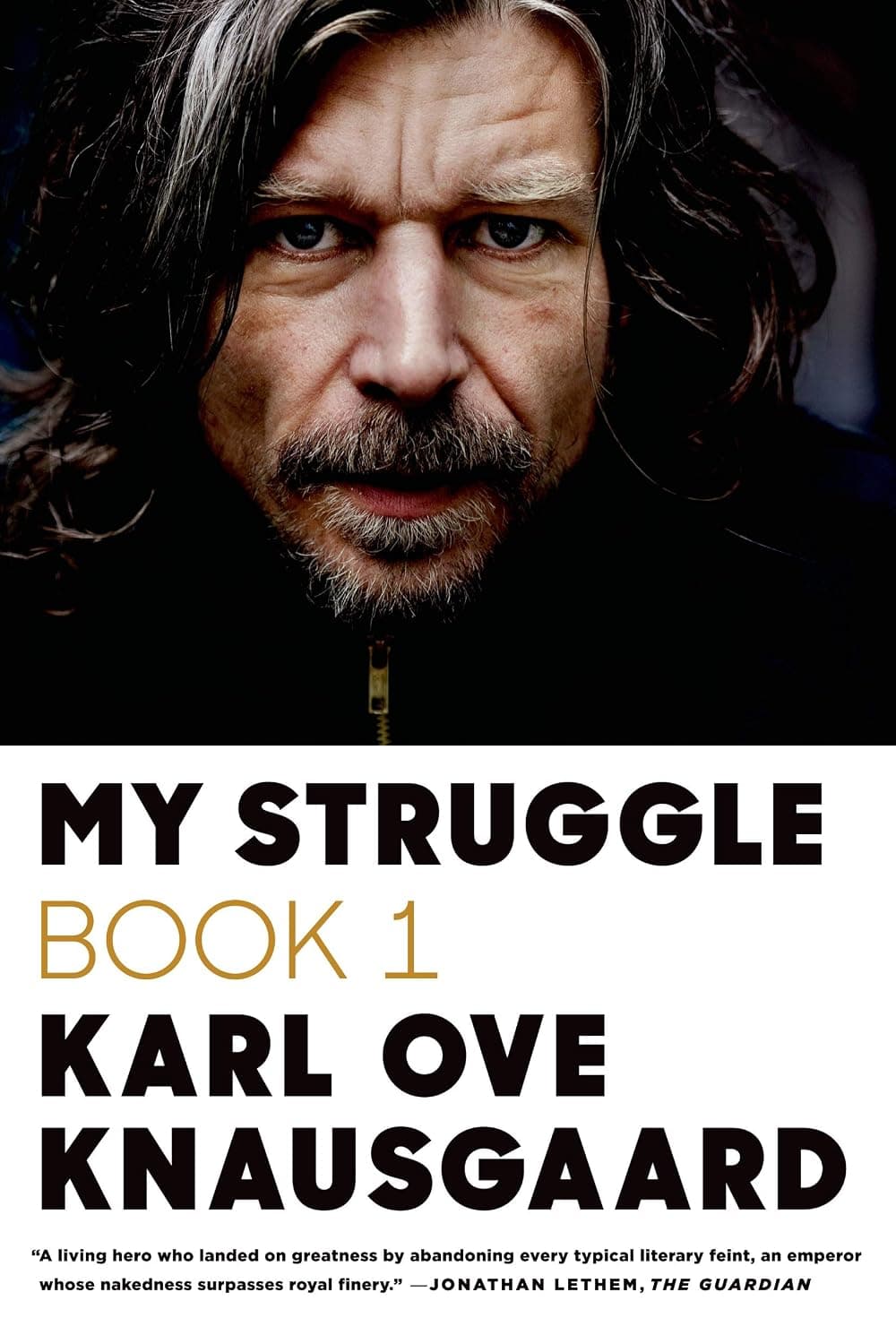
Six volumes of one man's life recorded to the last cornflake and cigarette, and at the center a father who drank himself to death, leaving a house his sons had to scrub clean.
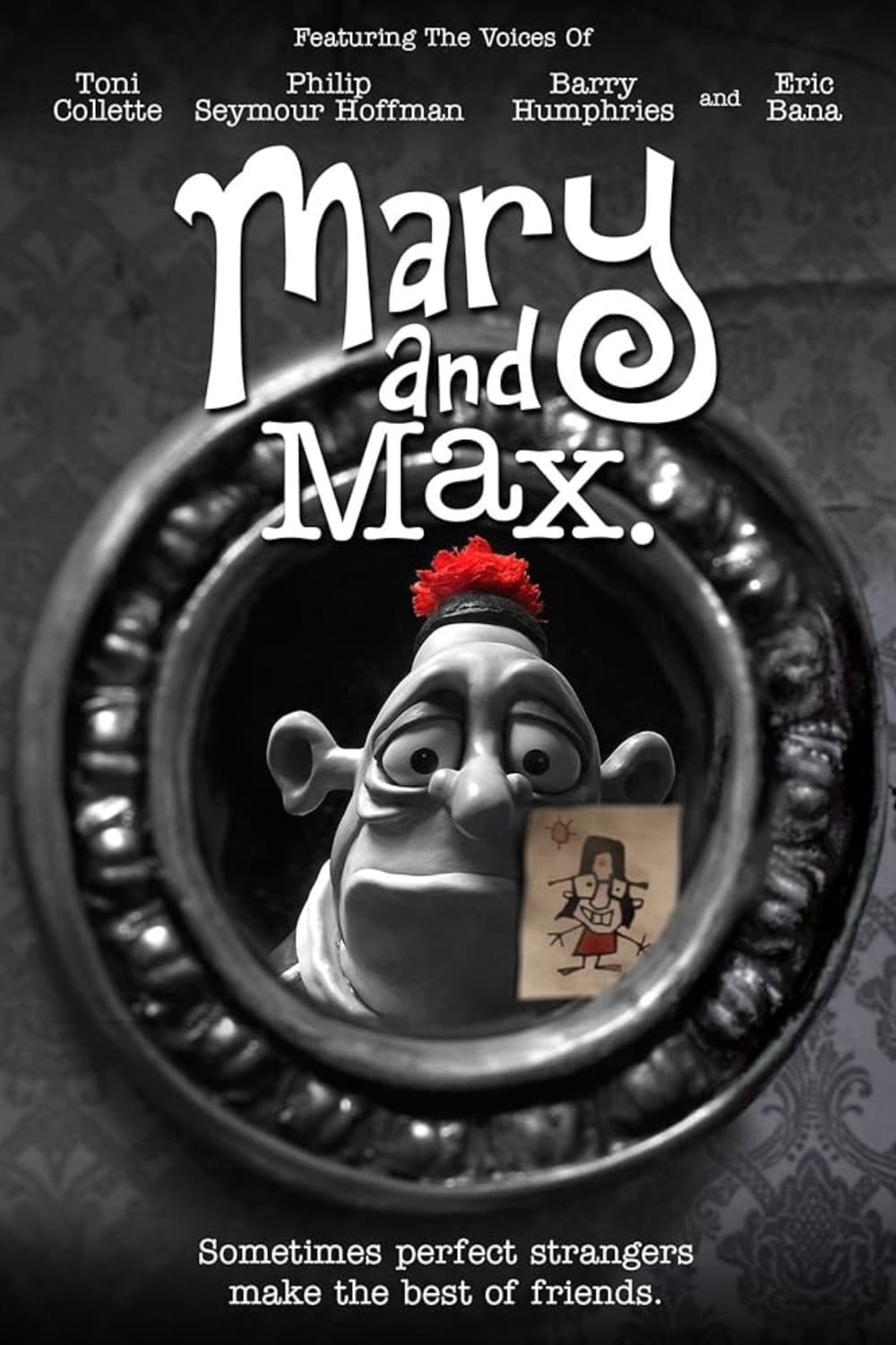
Adam Elliot spent five years making it, fifty-seven weeks of that shooting clay frame by frame: an eight-year-old in Melbourne writes to a middle-aged New Yorker, and they correspond for twenty years.
J. J. Abrams solved the reboot problem by making the new timeline canon rather than a replacement: the crew meets young, the casting is uncanny, and Star Trek became a summer action film.
Written at a soundcheck in an Edinburgh pub, open-D guitar and banjo climbing into a stomp that drew four Grammy nominations.

The artist Robert Irwin gave up the image, then the frame, then the object, until only seeing was left. Weschler recorded three decades of his talk, and reading it retrains your eye.
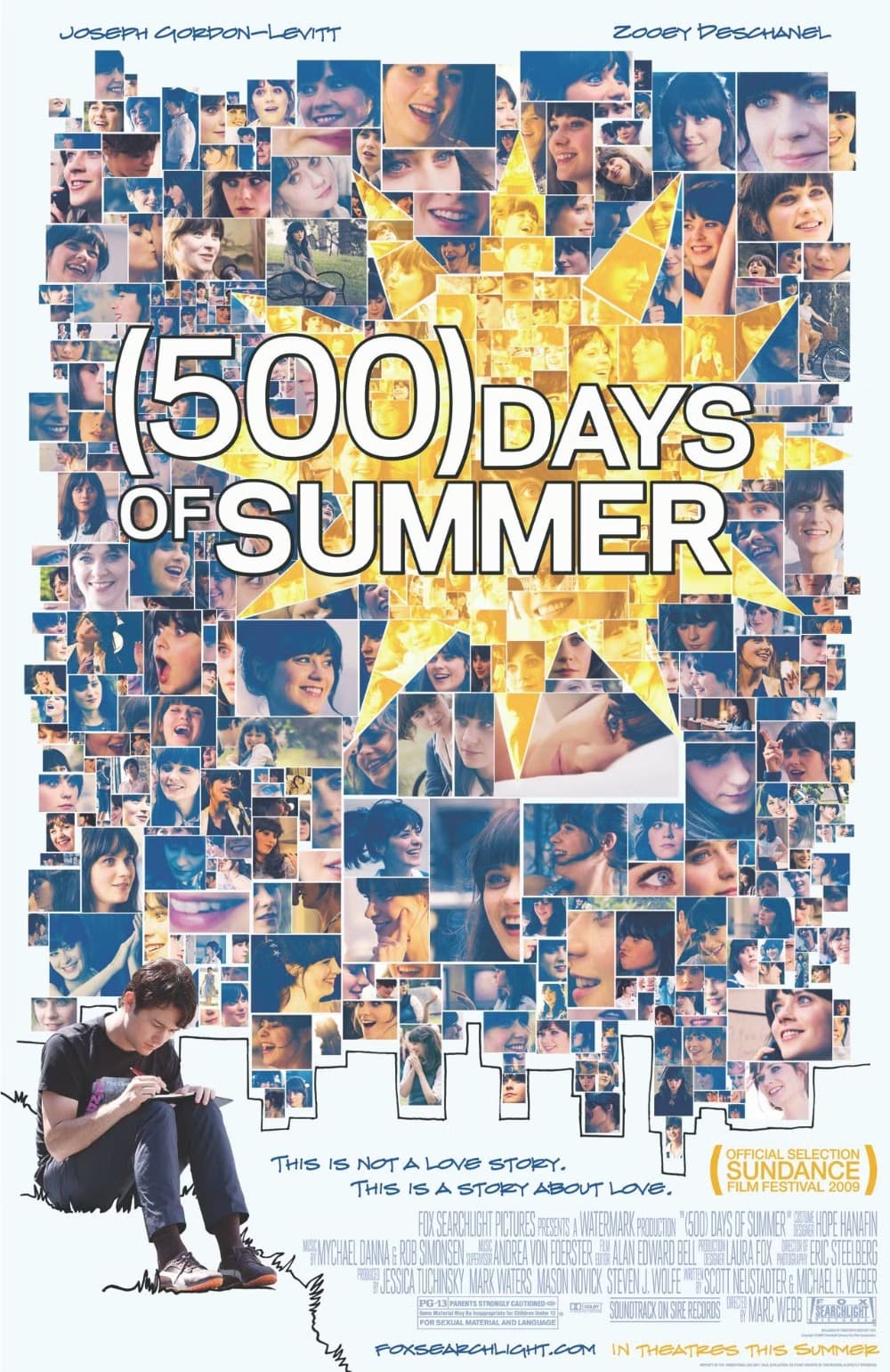
The split screen between what he expects and what happens is the best scene of its decade: a romantic comedy scrambled out of sequence that keeps insisting it is not a love story.
Synth pitched somewhere in early-eighties Prince territory, with Keys singing insomnia as though it were a physical condition.
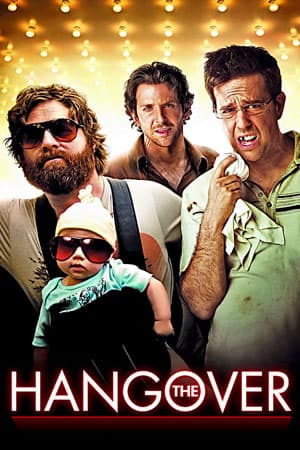
It withholds the night itself and works entirely on reconstruction: four men wake in a wrecked Las Vegas suite with the groom missing, and piece the evening back together from the evidence.
Fourteen straight weeks atop the R&B chart, T-Pain's Auto-Tune at its peak, and a Grammy for the pair.
The band come from Versailles and had spent ten years making records almost nobody outside France bought before this one arrived.
Vedder lifted the opening chord from Tuolumne, an Into the Wild instrumental, and Willie Nelson later took the song.
Nine weeks at number one, the first of the 2010s, and Kesha's talk-sung verses over Dr. Luke's synths.
A song cycle set in a hospice ward, about a worker and a dying patient, that most listeners take as being about something else entirely.
Cut in a converted basement on Block Island, sung in falsetto with the drums stripped out; the Mayflower never sounded lonelier.
As for our common defense, we reject as false the choice between our safety and our ideals.
Guys love it when you can show them you're better than they are at something they love.

Ten winter days in a Block Island basement, a pump organ, and a hush Emmylou Harris later covered.
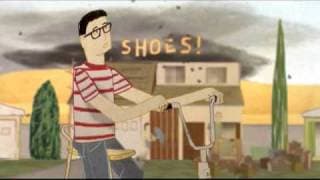
Jason McGerr shaped the drums after the Purdie Shuffle, and Gibbard turned the 2007 California wildfires into something almost calm.
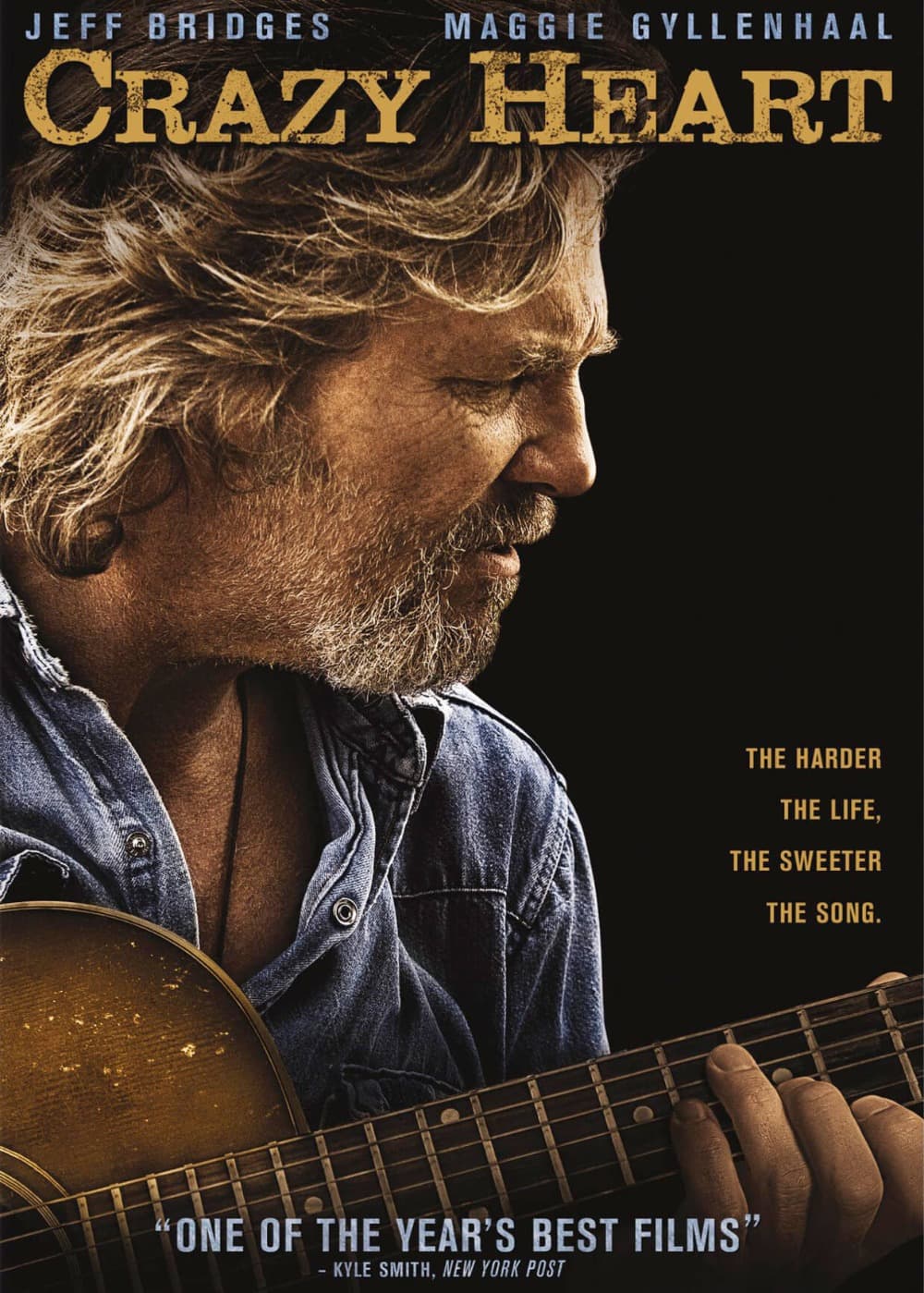
It was set for direct-to-video release until Jeff Bridges' performance changed the studio's mind: a country singer down to bowling alleys in the Southwest, and a reporter who wants his story.
Six names on the writing credit, three voices trading verses, and Danja's production holding a number three hit together.
Cut first as Girl You Know with Omarion, re-sung by Lloyd, and Nicki Minaj's debut single at number two.
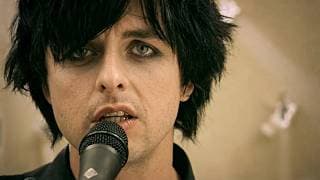
A chorus close enough to All the Young Dudes that Bowie got a writing credit, and Butch Vig produced.
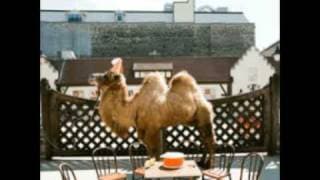
Tweedy and Feist trading a chorus about two people trying to hold it together, Wilco's first album duet.
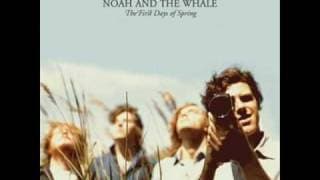
Fink wrote the whole album around his split with Laura Marling; this became its first single, and its way out.
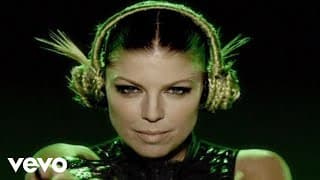
will.i.am heard electro in Sydney nightclubs while filming Wolverine, then rode that beat to twelve weeks at number one.
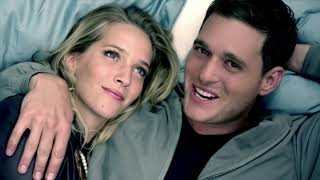
Buble wrote it with Chang and Foster-Gillies while dating Luisana Lopilato, who plays his love interest in the supermarket video.
J.R. Rotem looped Imogen Heap's Hide and Seek under a debut single, and Derulo had a number one within months.
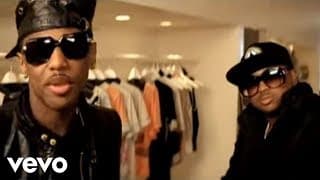
Loso's Way yielded exactly one charting single, produced by The-Dream and Tricky Stewart, peaking at number fourteen.
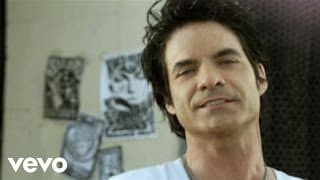
Espen Lind swapped a ukulele in for the guitar line, and Monahan's Burning Man daydream became Train's biggest hit.