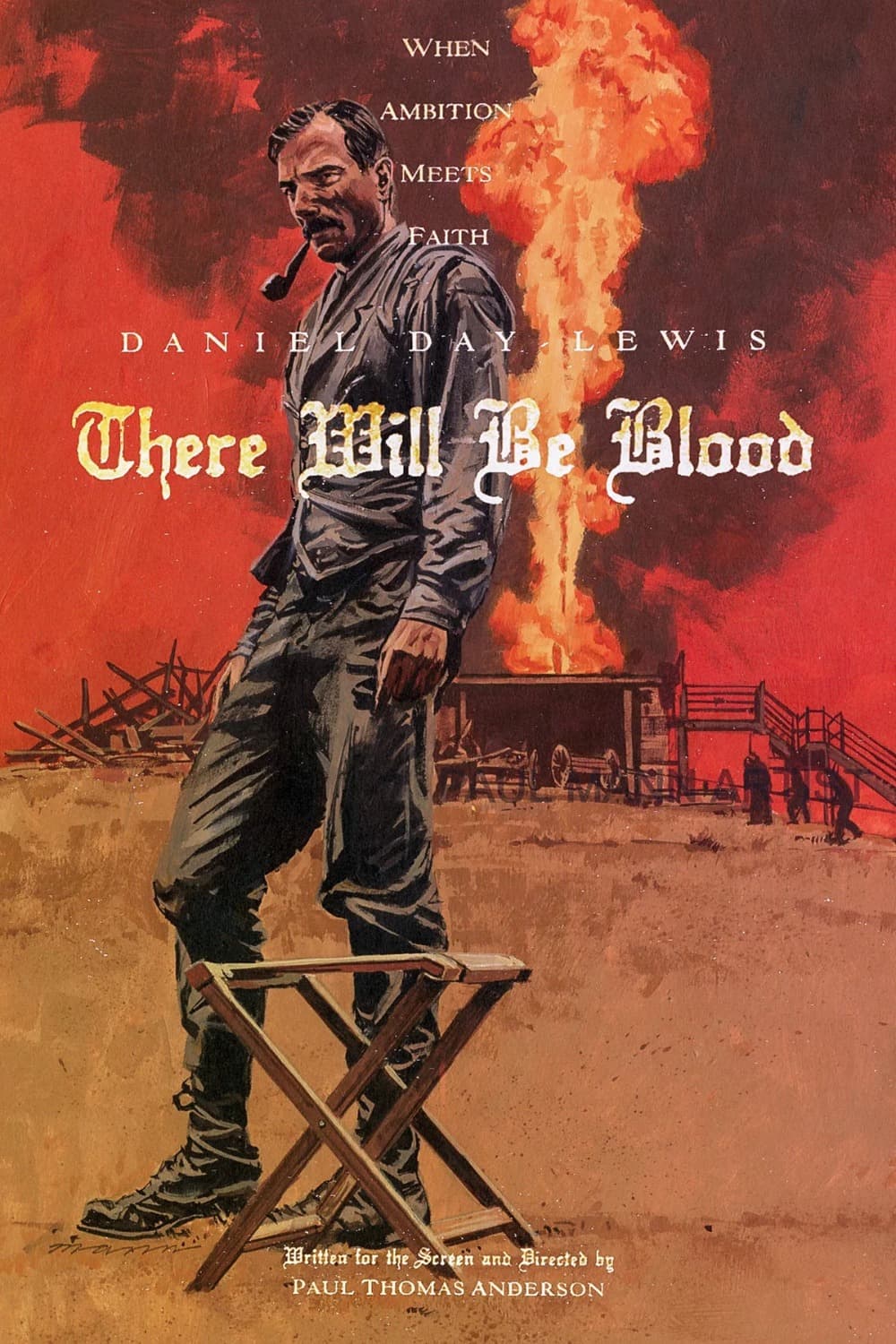
There Will Be Blood
Directed by Paul Thomas Anderson
2007
Day-Lewis builds an American monster out of oil and resentment, and Jonny Greenwood's score scrapes at the nerves for two and a half hours without once letting up.
★ 9.4
 skopia
Day-Lewis builds an American monster out of oil and resentment, and Jonny Greenwood's score scrapes at the nerves for two and a half hours without once letting up.
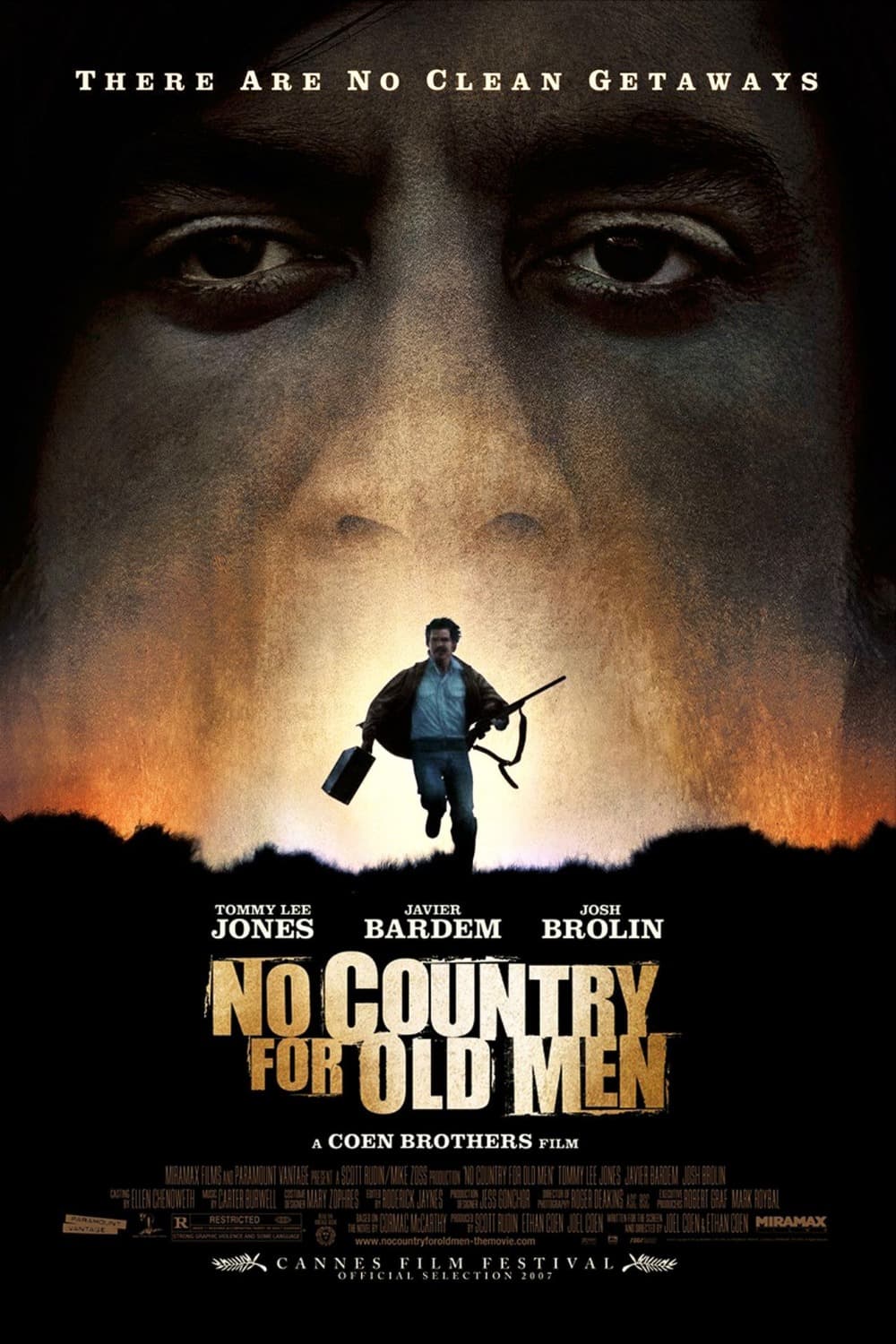
The Coens made a chase film with almost no music in it at all: Javier Bardem's killer with a cattle gun became the most frightening figure of the decade.
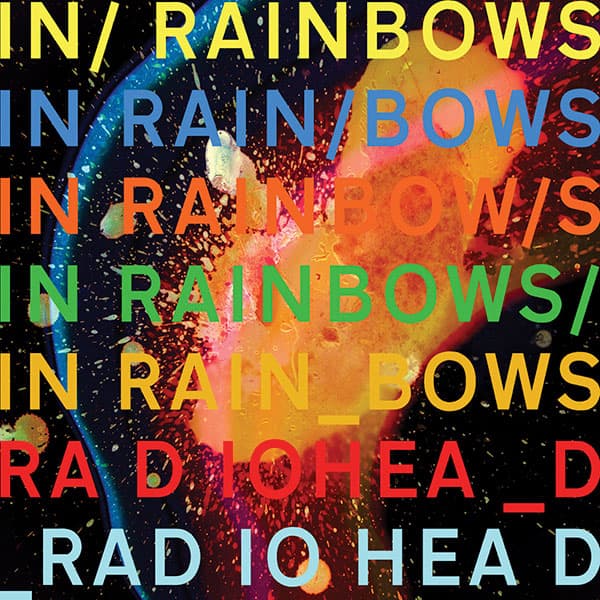
They put it online and let people pay whatever they wanted, including nothing. Some of the songs had been played live for ten years.
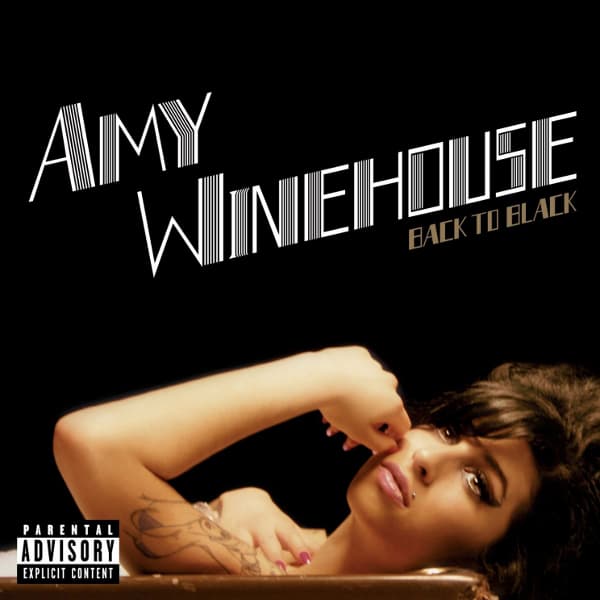
Producer Mark Ronson had a Brooklyn soul band play it live to tape like a sixties session. Winehouse wrote about the man she kept leaving.
West cleared the Daft Punk sample through their manager, had Timbaland reprogram the kick drums, and hit number one.
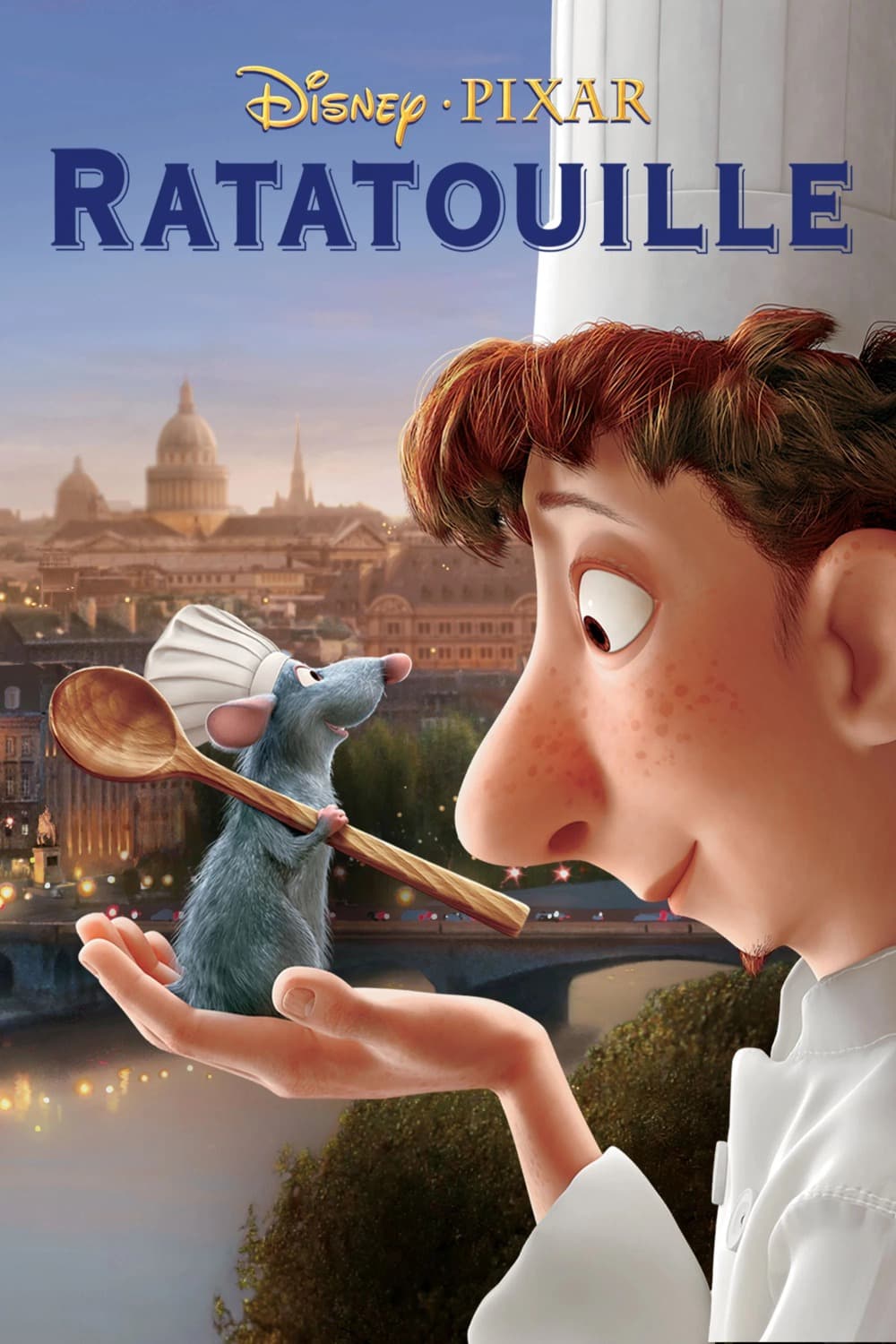
Almost nothing else takes both cooking and criticism this seriously: a rat with a palate steers a hapless human around a Paris kitchen, and the food looks extraordinary.

The Romanian New Wave announced itself with this: an illegal abortion arranged across one day in 1987, filmed in long static takes that give you nowhere to look.
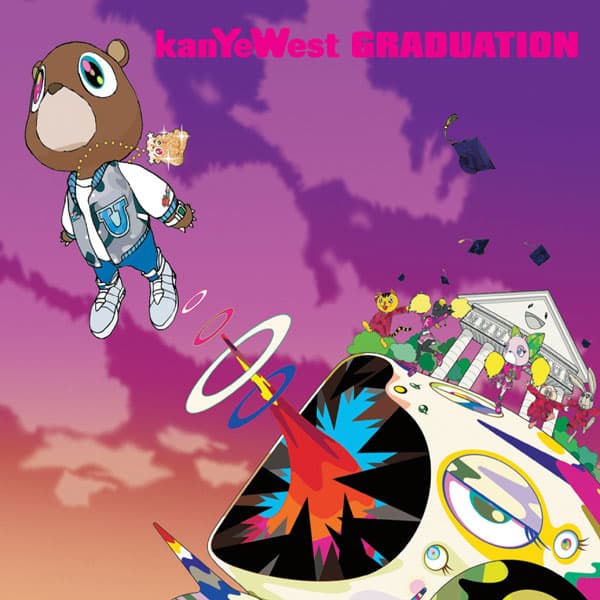
It came out the same day as a 50 Cent album, and the two turned it into a public sales contest. Kanye won by a distance.
DJ Toomp built the beat and bassline, West layered the strings, and Zach Galifianakis lip-synced it on a tractor.
All My Friends is one piano figure repeated for seven and a half minutes while everything else is built up around it.
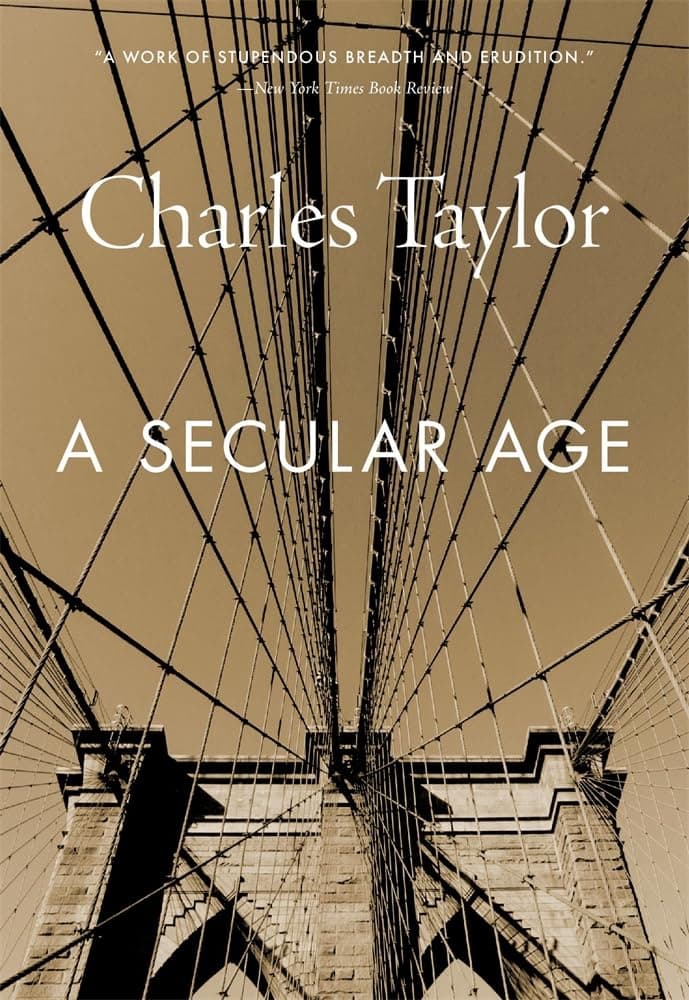
In 1500 disbelief in God was barely possible. By 2000 it is ordinary. Taylor explains the shift not as science clearing away superstition but as Christian reform building a self sealed against transcendence.
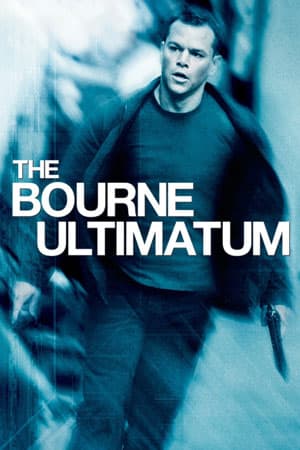
Handheld chases got shakier for a decade because of this film: Greengrass films spying as legwork rather than glamour, and the Waterloo Station chase is the most tightly constructed surveillance sequence ever filmed.

Schnabel put the camera inside a paralyzed man's one working eye and left it there: the memoir it comes from was dictated letter by letter, by blinking, and the film feels weightless anyway.
No chorus, just strings and a rising ache; Kleerup's living-room track became Robyn's first British number one.
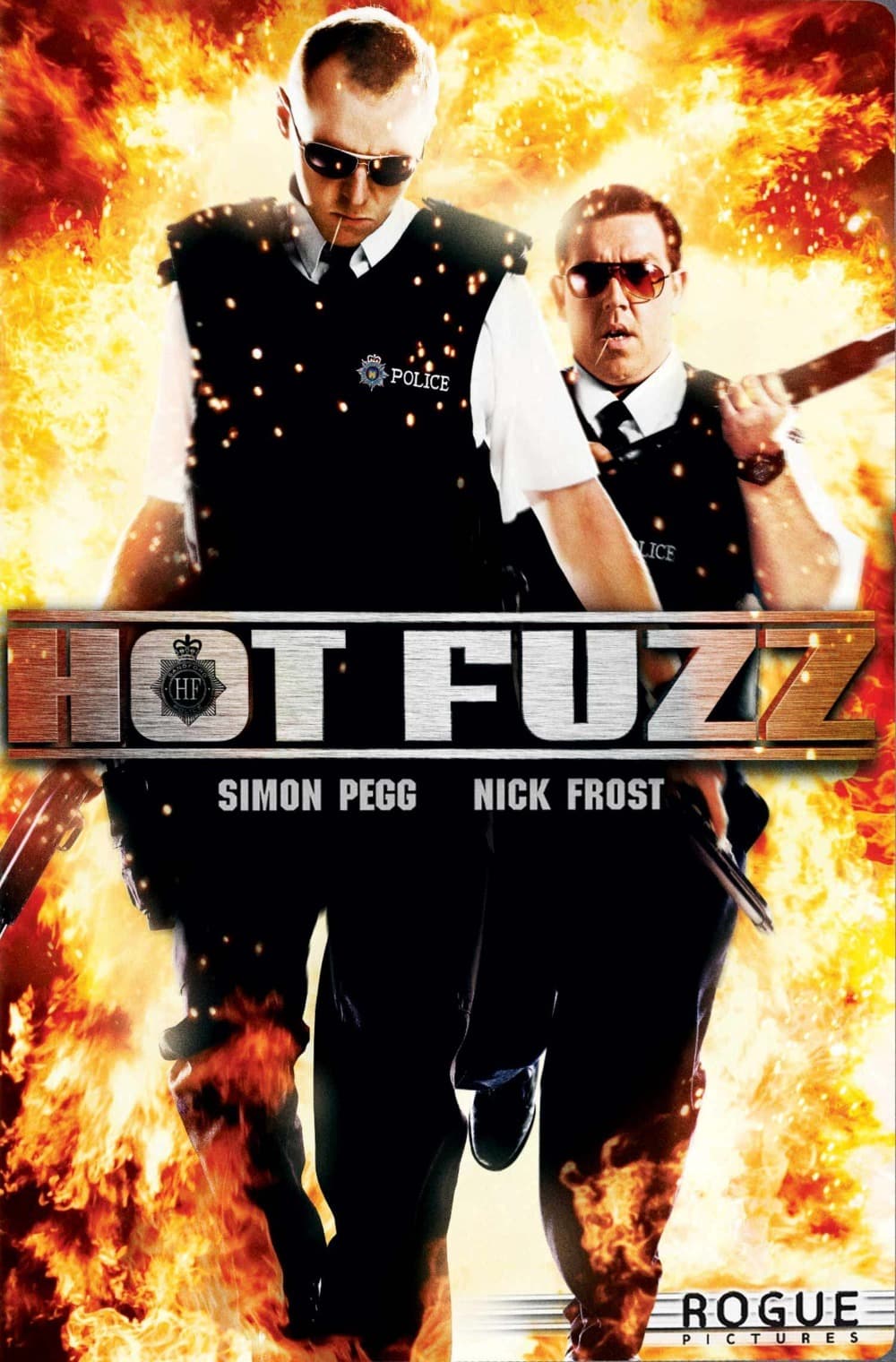
Wright's parody is better constructed than most of the films it mocks: a London supercop is exiled to a picture-perfect village, and the final act is staged better than the real thing.

Guha carries India from independence in 1947 to the present and asks why it never broke apart, given partition, famine and insurgency. He calls it an unnatural nation and an unlikely democracy.
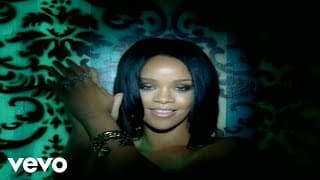
StarGate looped Michael Jackson's chant from Wanna Be Startin' Somethin', and Rihanna took it to number one in ten countries.

Sent to the Maine Lobster Festival, Wallace asks whether boiling an animal alive is defensible. The same scruple drives his reports on a porn awards show and Senator McCain's presidential campaign.

Morse tapped the title into the first telegraph line in 1844. Howe's Pulitzer-winning account of antebellum America argues that communications, markets, and revival religion remade the country while Jacksonian politics took the credit.
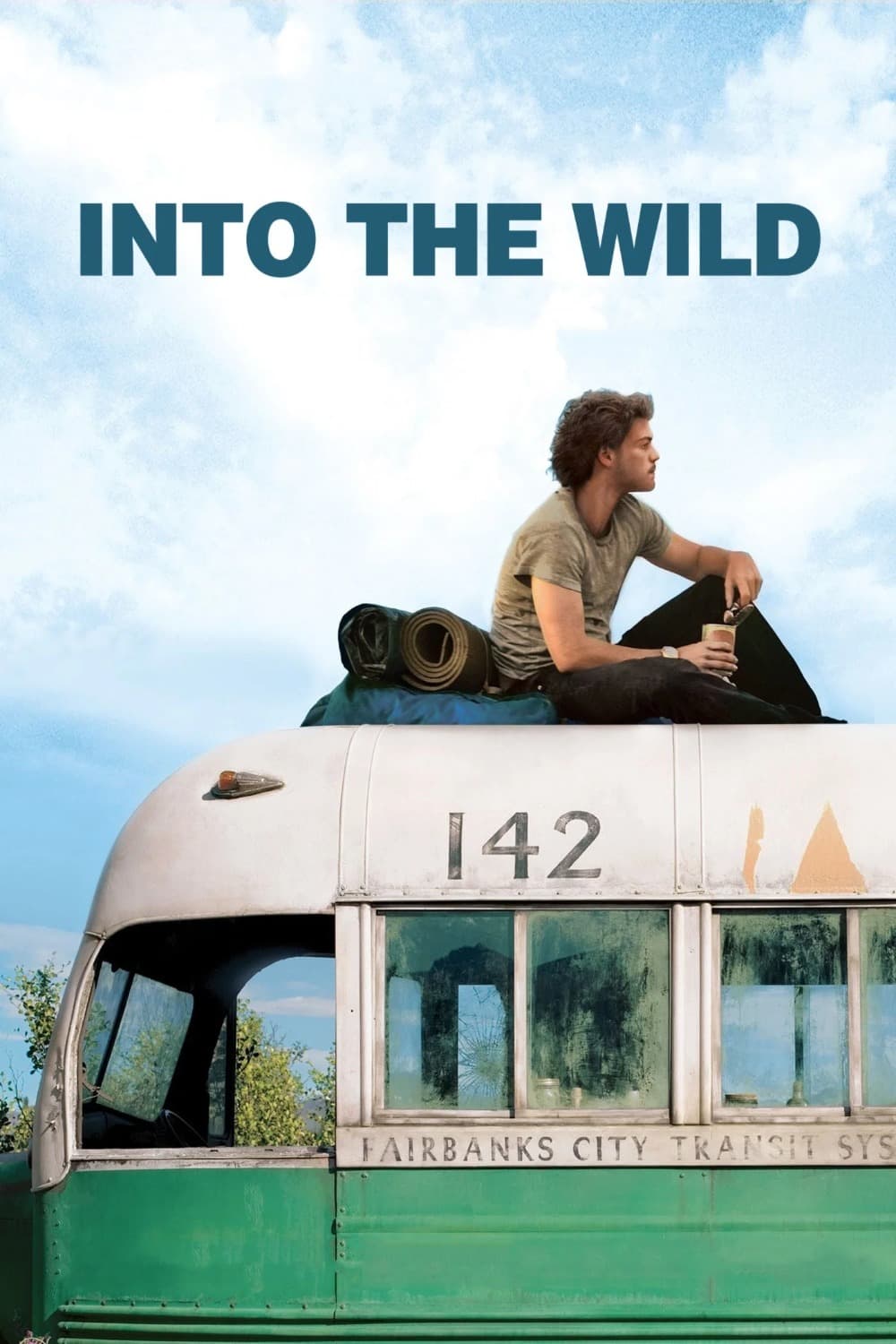
Sean Penn spent ten years persuading the family to let him film this: a graduate burns his savings and walks into the Alaskan interior, and the film neither mocks him nor canonizes him.
West and DJ Toomp sped up Michael Jackson's P.Y.T. into a Grammy-winning glide, T-Pain's hook floating over it.
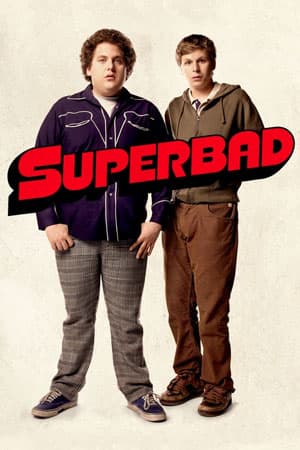
Seth Rogen and Evan Goldberg began writing it at thirteen and it shows: one night, a catastrophic fake ID, and a friendship neither boy can say anything about directly.
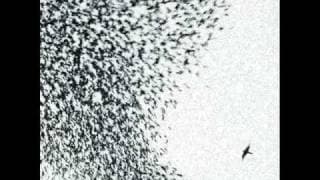
Nels Cline's lead guitar turns a quiet Tweedy song into the twin-guitar epic Rolling Stone compared to Television.
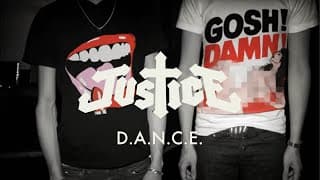
Justice built it from Michael Jackson song titles and handed the chorus to a London children's choir.
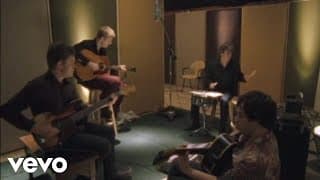
Jon Brion produced this track and no other on the album, adding mariachi-style horns and handclaps to Britt Daniel's warning.
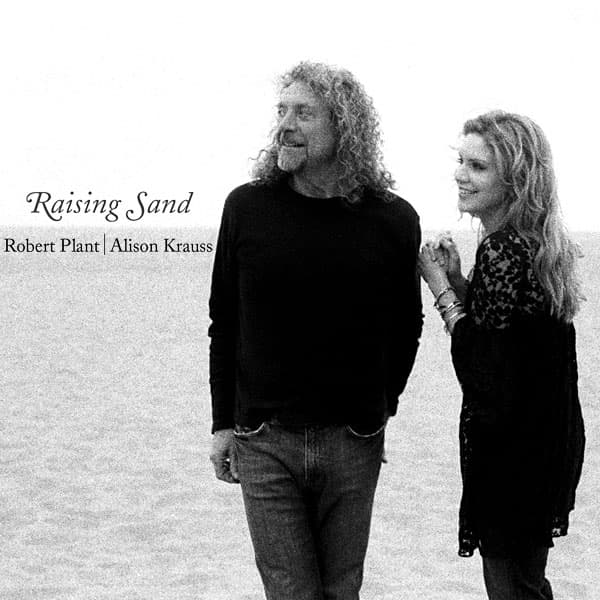
T Bone Burnett chose every song and neither singer had heard most of them. Plant sings underneath Krauss rather than over her.
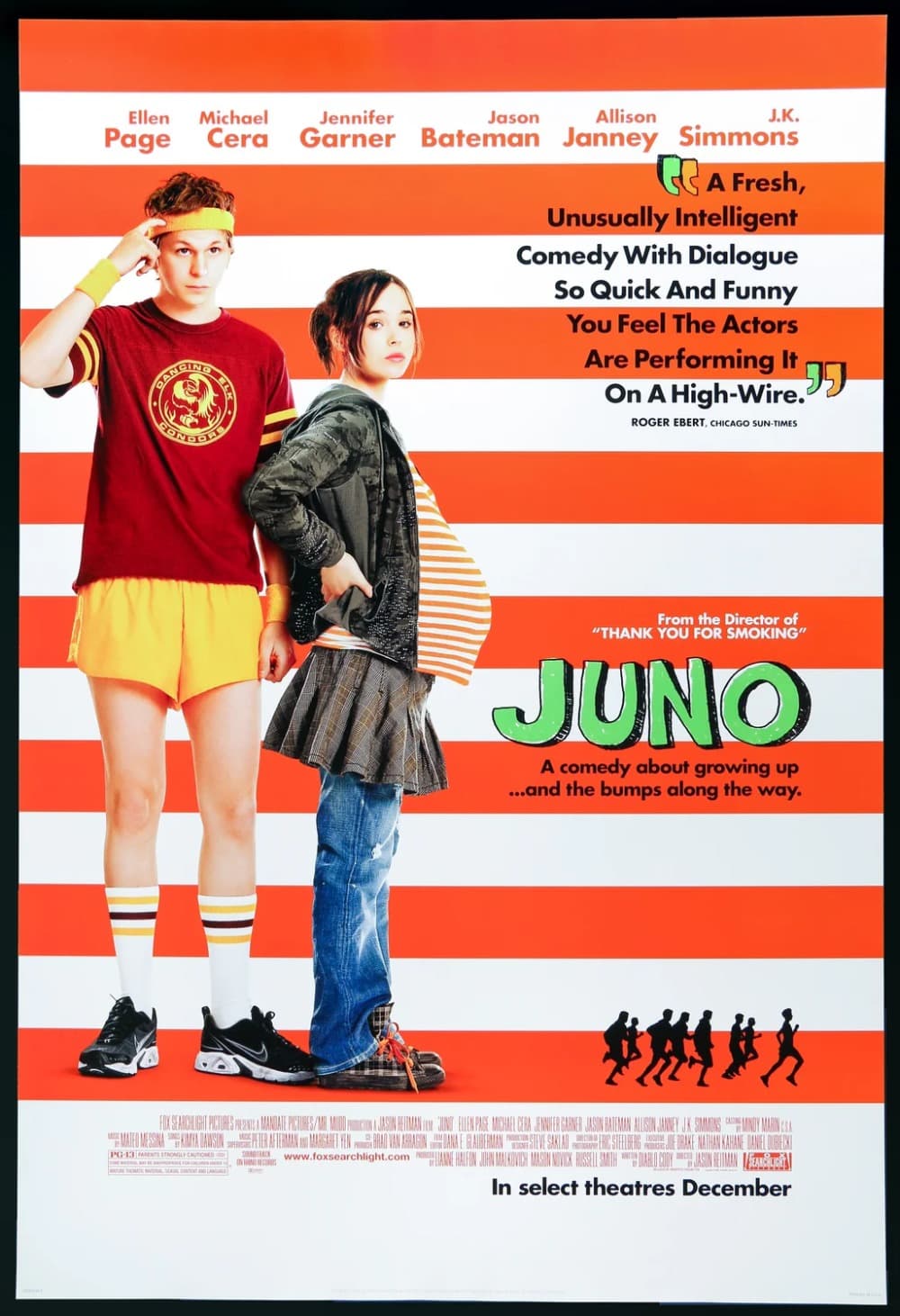
Diablo Cody won an Oscar for dialogue that no teenager has ever spoken, and it works anyway: a sixteen-year-old handles a pregnancy with more composure than every adult around her.
Auto-Tune used as an instrument rather than a fix, T-Pain producing himself, Yung Joc riding a snap beat.
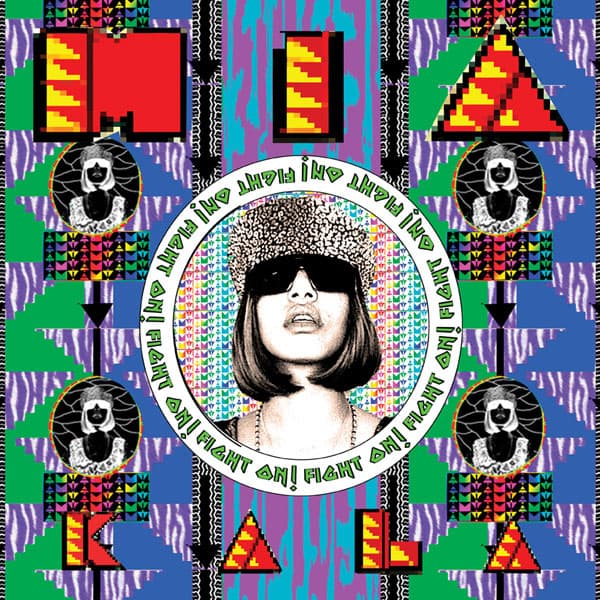
Denied a visa to work in America, she recorded it instead in India, Trinidad, Liberia and Australia, with whoever was in the room.
Swift wrote it in roughly twenty minutes for a ninth-grade talent show, then spent six weeks atop the country chart.

Elio is seventeen the summer a visiting scholar stays six weeks at his family's house on the Italian coast. Aciman renders desire from the inside, every calculation and humiliation of wanting someone.
The way to stop discrimination on the basis of race is to stop discriminating on the basis of race.

Oscar is an overweight Dominican nerd in New Jersey, desperate for love and buried in fantasy novels. Díaz runs his family through Trujillo's dictatorship in footnotes where history and comic books collide.
Nathan Chapman's production stays hushed while Swift and Liz Rose leave the real classmate's name, Drew, in the lyric.
A 1964 Everly Brothers single, rebuilt by T Bone Burnett into swampy menace, won a Grammy.
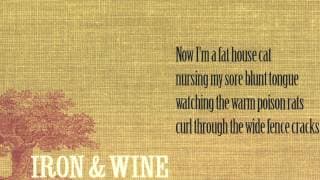
Brian Deck built a loop for Beam to layer guitar over; Stewart reportedly chose it for Twilight's prom.
Cut first for the Up in Rags EP, all four members co-producing, a clothesline standing in for one-sided love.
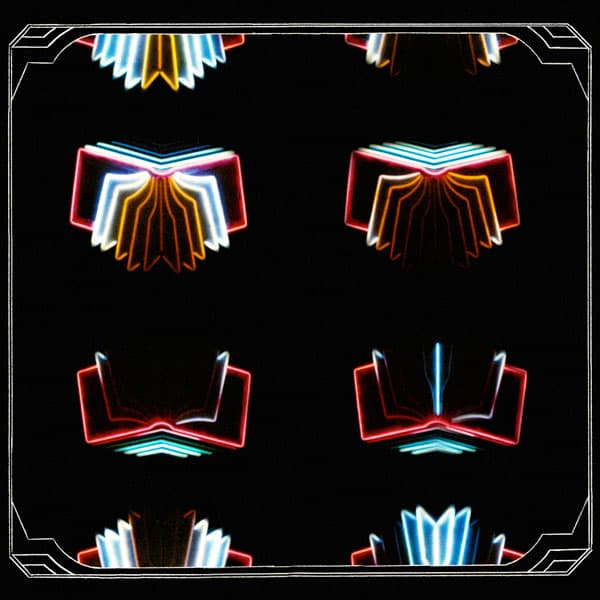
They bought a church in Quebec and recorded in it, using the pipe organ, a military choir and a Hungarian orchestra.
Cut in Virginia Beach with Danja co-producing, Keri Hilson co-writing, and a hook that shrugs at the whole courtship.

Soldiers killed Sepha Stephanos's father in Ethiopia, and seventeen years on he keeps a failing store in a Washington neighborhood gentrifying around him. With two African friends he plays at naming dictators.
A steelpan loop built on a demo copy of FL Studio, seven weeks at number one, three million downloads.
Five minutes of Harmer's bass riff before a word arrives, a krautrock crawl radio edits had to hack apart.
Hollywood Records turned it down for McCartney; Tedder recut it in a new key and Cowell called it the one.
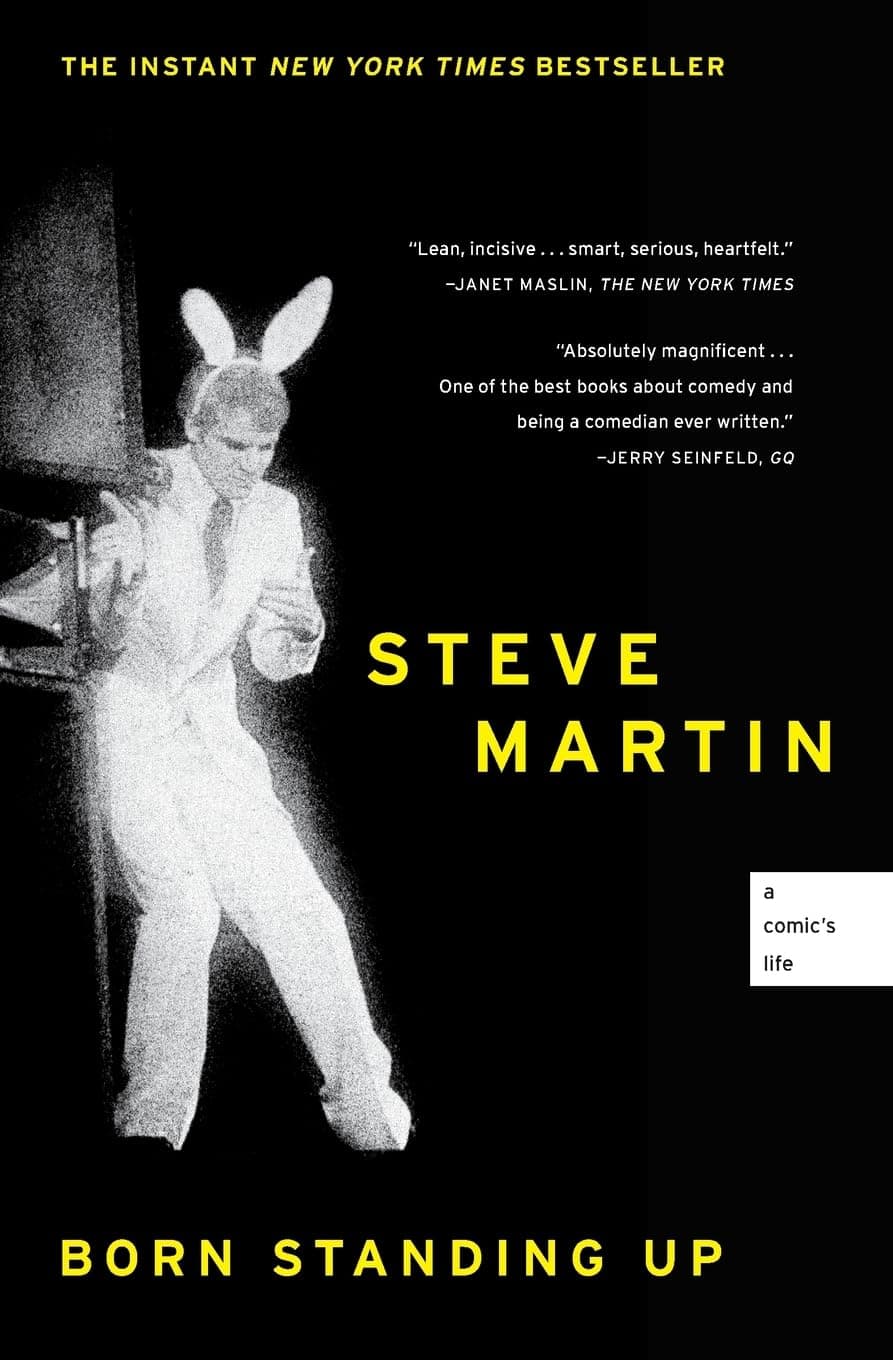
Working the Disneyland magic shop as a teenager, Martin set out to build comedy without punchlines, so laughter had nowhere to land. He filled arenas with it, then quit for good.
Sub Pop led The Shepherd's Dog with this, the record where Beam's whispered four-track folk grew a full band.

Herzog went to Antarctica announcing he would not film penguins, then made the saddest scene about one anyway: he is really there to interview the people who chose the place.
A hangover, a bike ride to Ant's house, and an optimistic beat that became Atmosphere's biggest song.
Laura Marling's ukulele and Charlie Fink's deadpan flopped in 2007; a 2008 re-release carried the sunshine to number seven.
Epic wanted a radio-friendly love song; Bareilles wrote a refusal instead, and that piano riff climbed to number four.
Pino Palladino on bass, Ricky Peterson on piano, Steve Jordan producing, and Mayer singing the moment the dream ends.
DJ Montay's beat, T-Pain on the hook, and the first song to sell four million digital copies in America.
Written first as a Doublemint gum jingle, then extended by Polow da Don into a wedding-aisle staple.
Tedder wrote it, Timbaland remixed it, and radio played the result 10,394 times in a single week.
A guitar line lifted from the Top Gun theme, Mannie Fresh on the boards, and ESPN running it all summer.
Cut at Thomas Crown Studios in Virginia Beach, with a prelude fused to the front of the summer single.
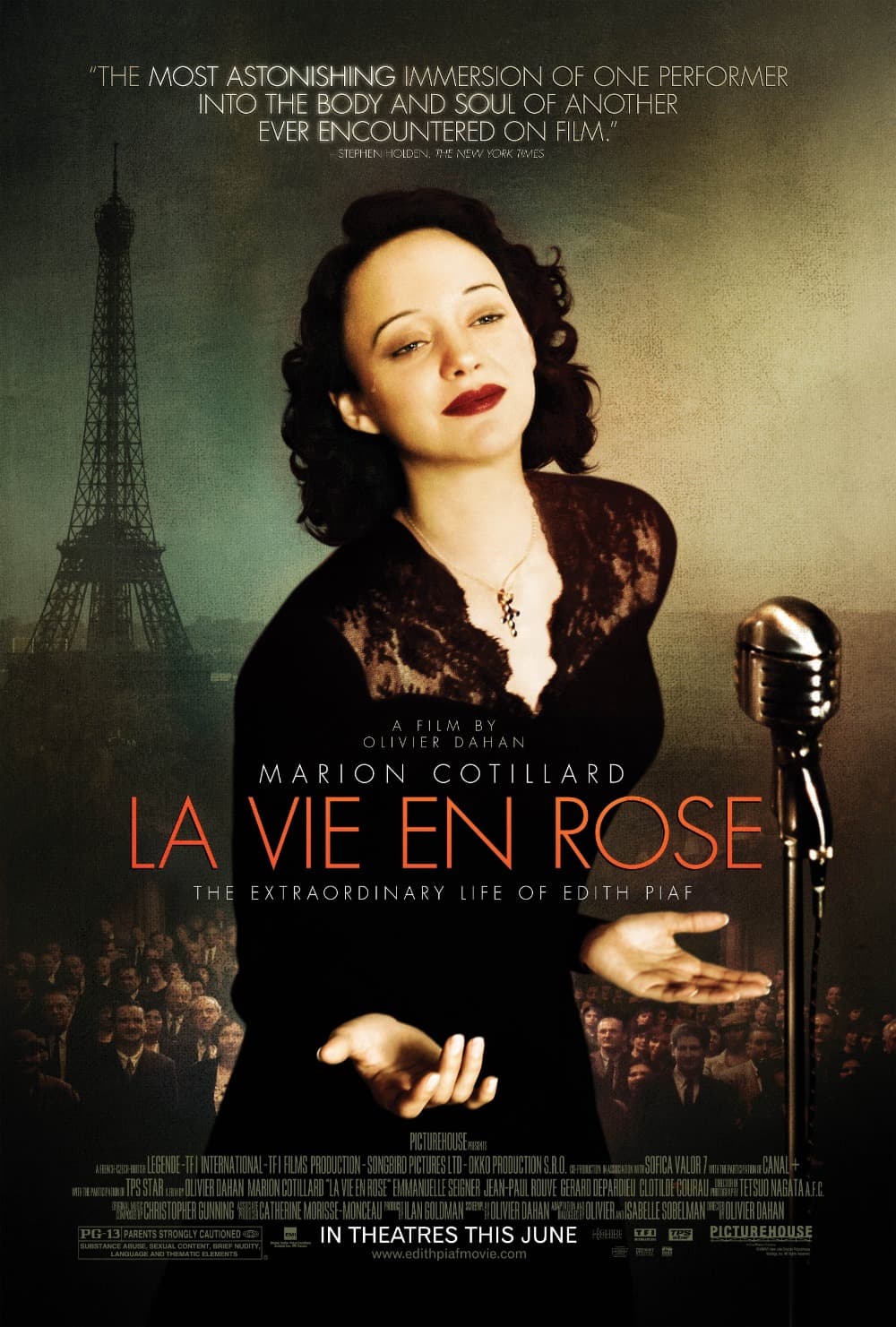
Marion Cotillard ages from a young street singer to the end of Piaf's life and is unrecognizable throughout: the first Best Actress win for a performance given entirely in French.
I have a competition in me. I want no one else to succeed. I hate most people.
Stargate cut it at Battery Studios with Espen Lind on acoustic guitar, and Brown took it to number two.
What can be asserted without evidence can also be dismissed without evidence.
Well, I can tell you about the river Or we could just get in.
Not everyone can become a great artist, but a great artist can come from anywhere.
Ten weeks climbing from number seventy-nine to the top, with a chorus built partly on Marley's Zimbabwe.
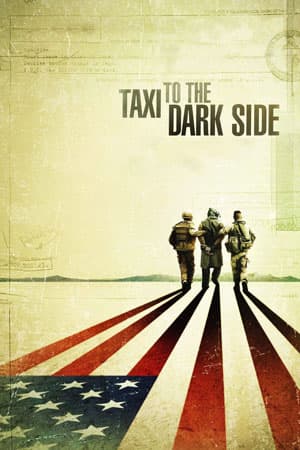
Alex Gibney's father was a naval interrogator and told him to make it: an Afghan taxi driver died in American custody at Bagram, and the film follows the policy up the chain.
Rotem built it on Stand by Me, and Kingston, seventeen, became the first nineties-born artist to top the Hot 100.
Roger Moutenot produced the album, Zach Rogue wrote every word, and a Zune advert gave this one legs.