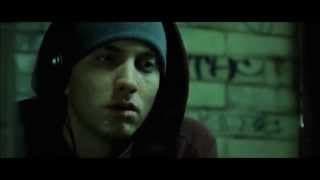
Lose Yourself
2002 · From 8 Mile (soundtrack)
Written between takes on a film set, delivered like a man with exactly one shot at everything.
★ 9.1
 skopia
Written between takes on a film set, delivered like a man with exactly one shot at everything.
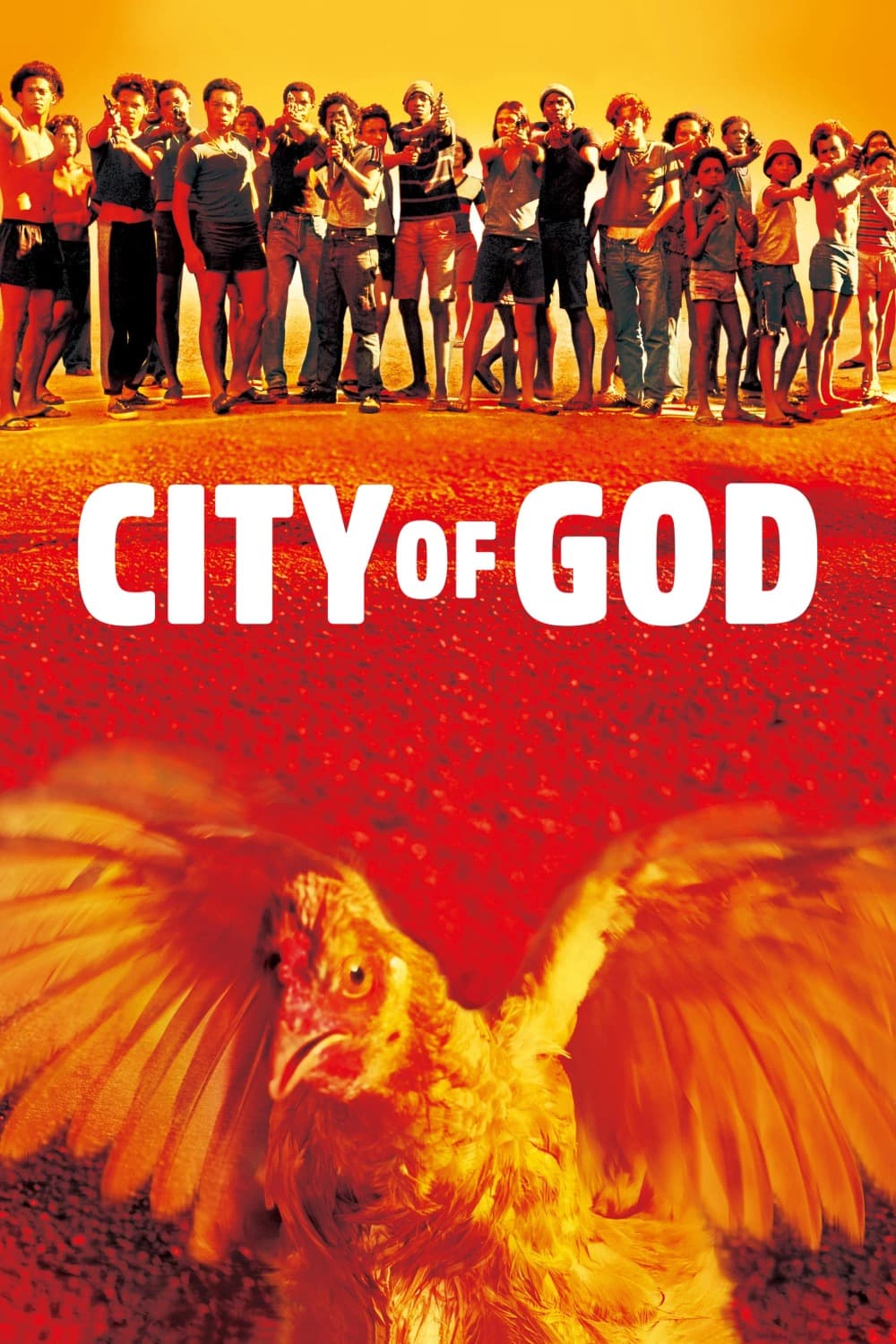
Nothing else moves quite like it: Meirelles cast the favela itself, cut two hours into what feels like twenty minutes, and took a Brazilian crime film to four Oscar nominations.

Gollum changed what a digital character could be: Andy Serkis acted him fully and the industry rebuilt itself around motion capture, all inside a four-month night siege in the rain.
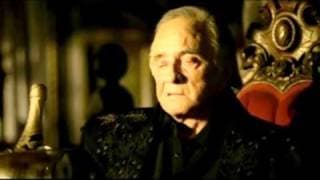
Rubin handed Cash a Nine Inch Nails song, and Reznor watched the video and said it was no longer his.
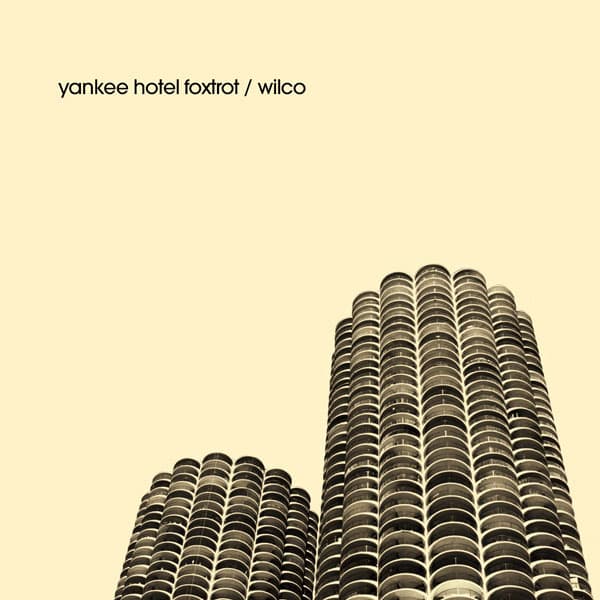
Reprise refused it, so the band bought the tapes back, streamed the record free, and then sold it to another label owned by the same company.
Timbaland's beat under a hook Elliott had reversed, a Run-DMC sample, and ten weeks parked at number two.
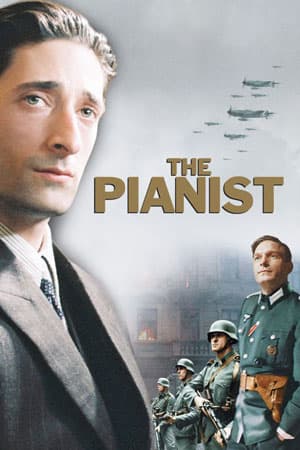
Polanski escaped the Krakow ghetto as a child and waited sixty years to film any of it: a pianist left alone in the ruins of Warsaw, and no heroism anywhere.
Reprise rejected the album, Wilco streamed it free, and a sister Warner label put out these swooning strings instead.
A piano riff Martin nearly saved for the next album, rescued by their manager, then Record of the Year.
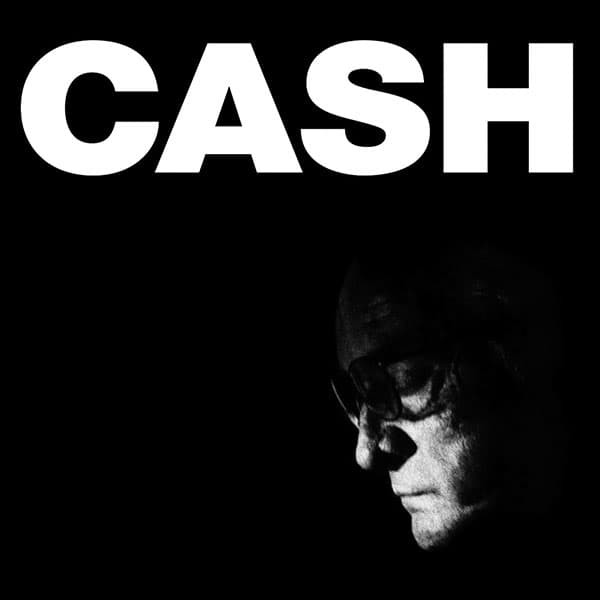
Trent Reznor said that after hearing Cash sing Hurt, the song no longer felt like his. Cash died the following year.
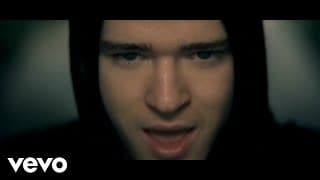
Storch's clavinet, Timbaland's beat, and a breakup Timberlake spent years declining to explain; the Grammy arrived anyway.
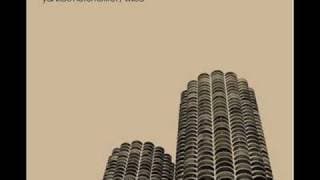
O'Rourke mixed this one song as an audition, won the whole album, and Wilco made it the opening track.
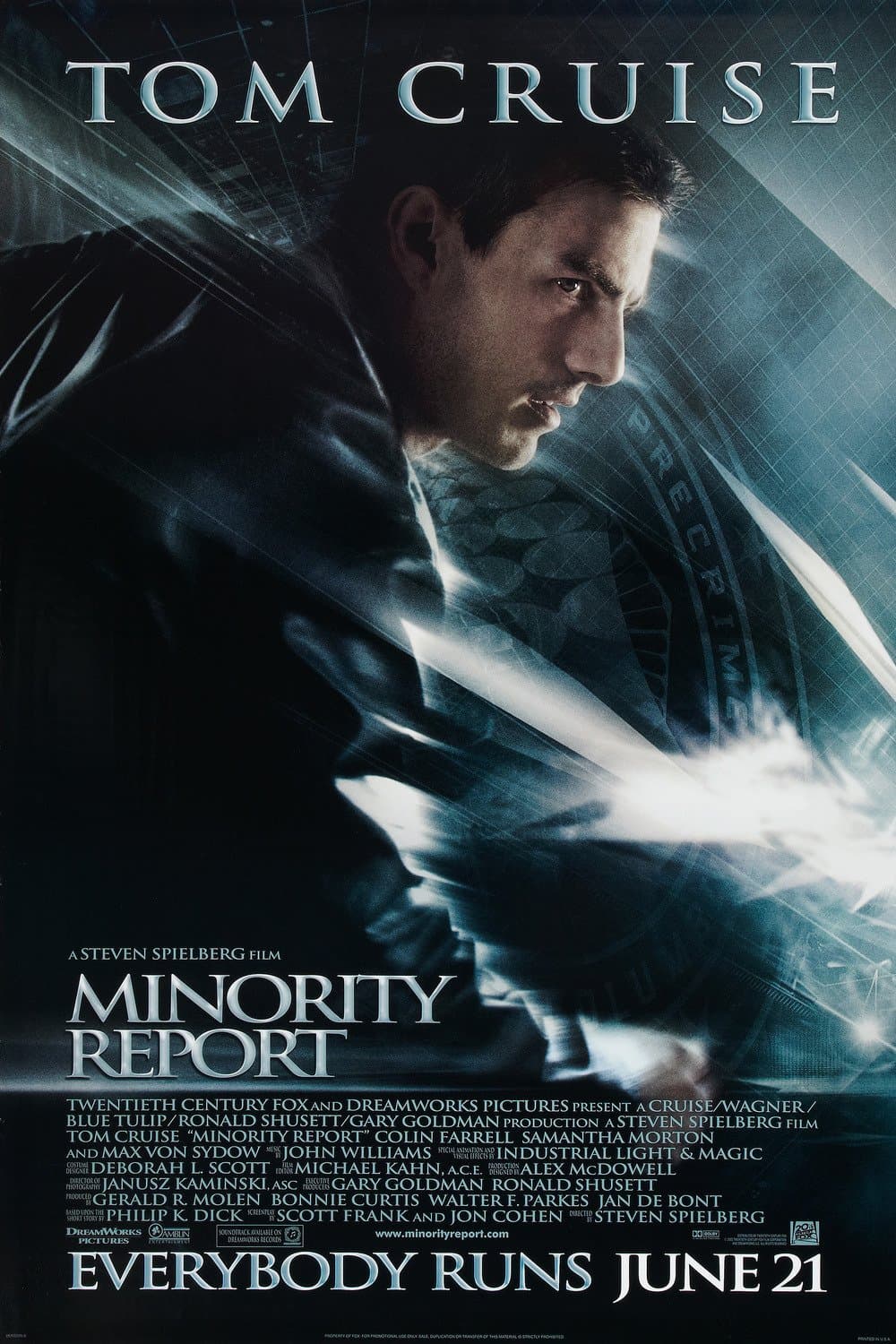
Spielberg hired futurists to design 2054 and most of what they invented has since arrived: gesture screens, targeted advertising, and a police force that arrests you beforehand.
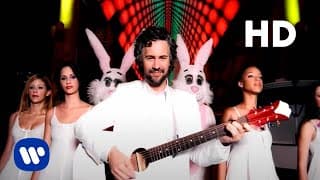
Coyne wrote it during Drozd's recovery, a plain statement about mortality that Oklahoma voted its official state rock song.
Chucky Thompson looped Phil Collins, and Nas rises from a murmur to a roar and back, verse after verse.

One out-of-tune Liverpool piano, an attempt at a Harrison song abandoned, and the chord run Martin kept instead.
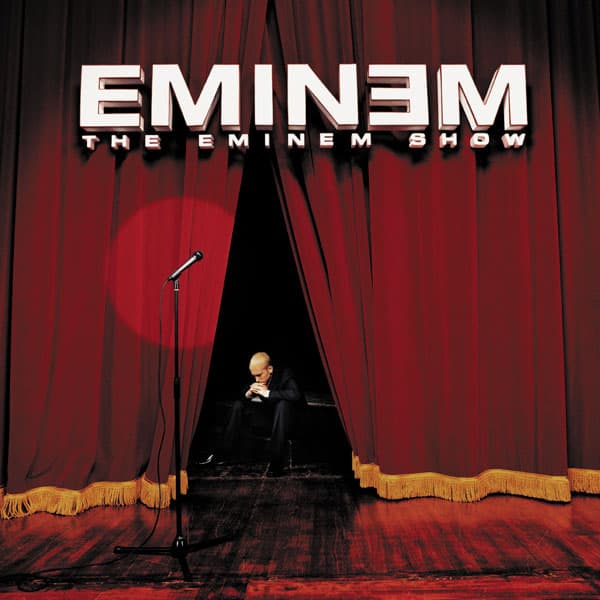
Eminem produced most of this himself rather than handing it to Dr. Dre, and it leaked so widely that the release was moved forward.

Chiang treats theology, linguistics and free will with the rigor of proofs. A linguist learns an alien script written all at once, and it changes how she experiences her whole life.
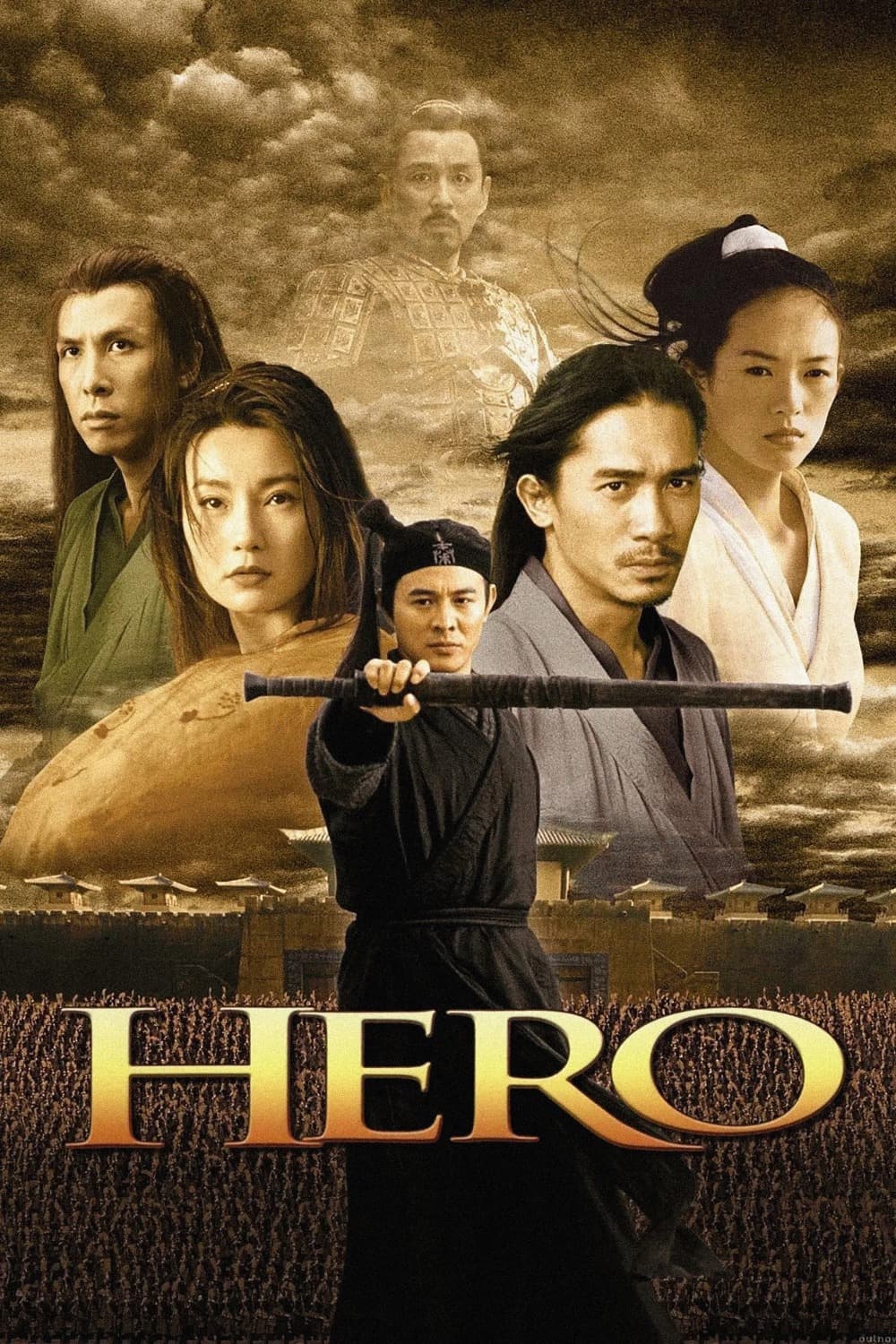
Zhang Yimou shot each retelling of one assassination attempt in a different color: Christopher Doyle's photography is so beautiful that the film's politics start an argument every single time.
Pitchfork's fifteenth-best song of the 2000s, the Dreijer siblings' synth pulse, later stripped to one acoustic guitar by Jose Gonzalez.
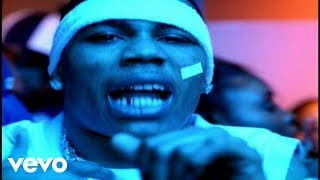
The Neptunes flipped Chuck Brown's "Bustin' Loose," and Nelly rode it to number one and the first male solo rap Grammy.
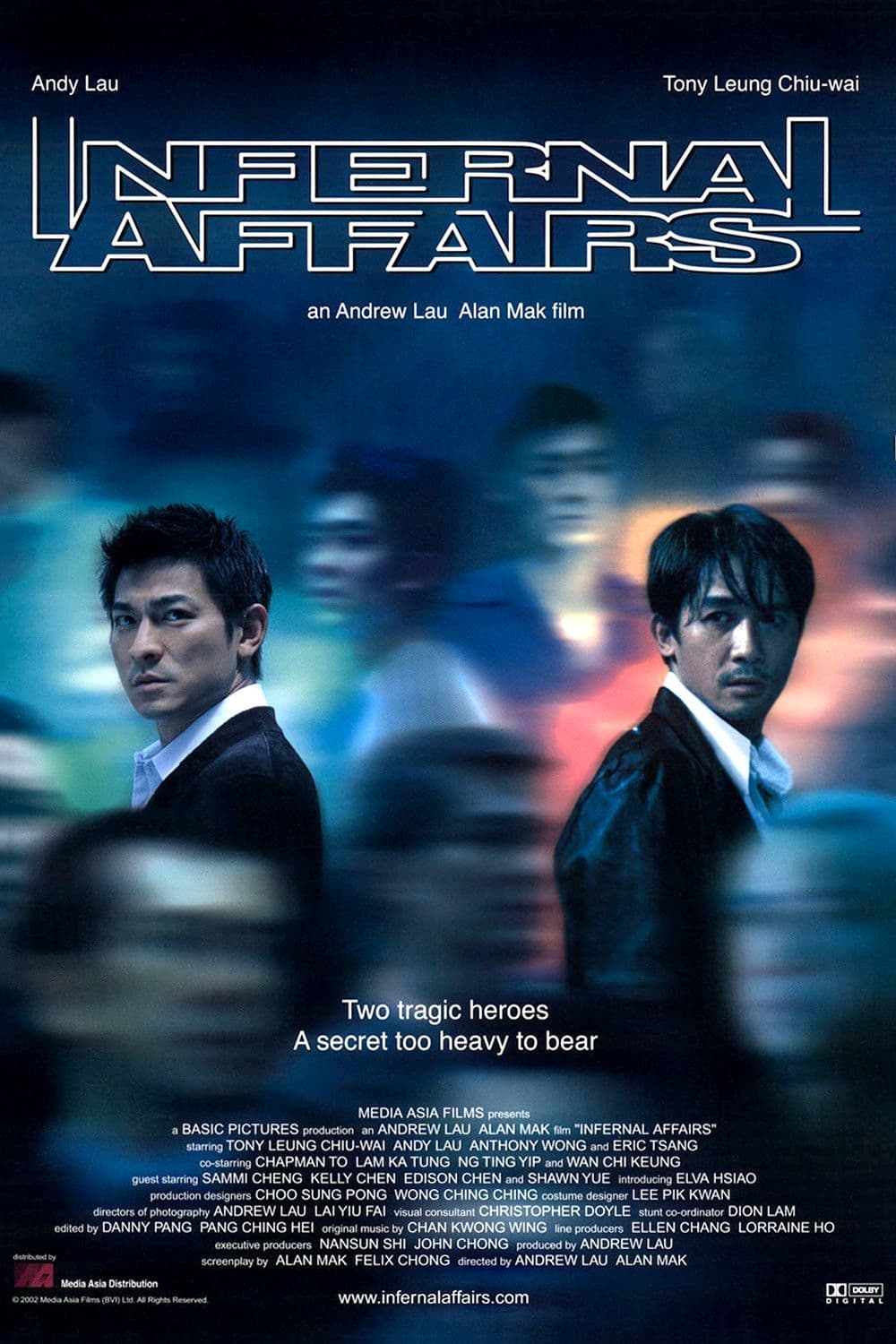
Scorsese's The Departed is a remake of this, and the Hong Kong original is fifty minutes tighter: two moles assigned to find each other, and a plot that never stops to explain itself.
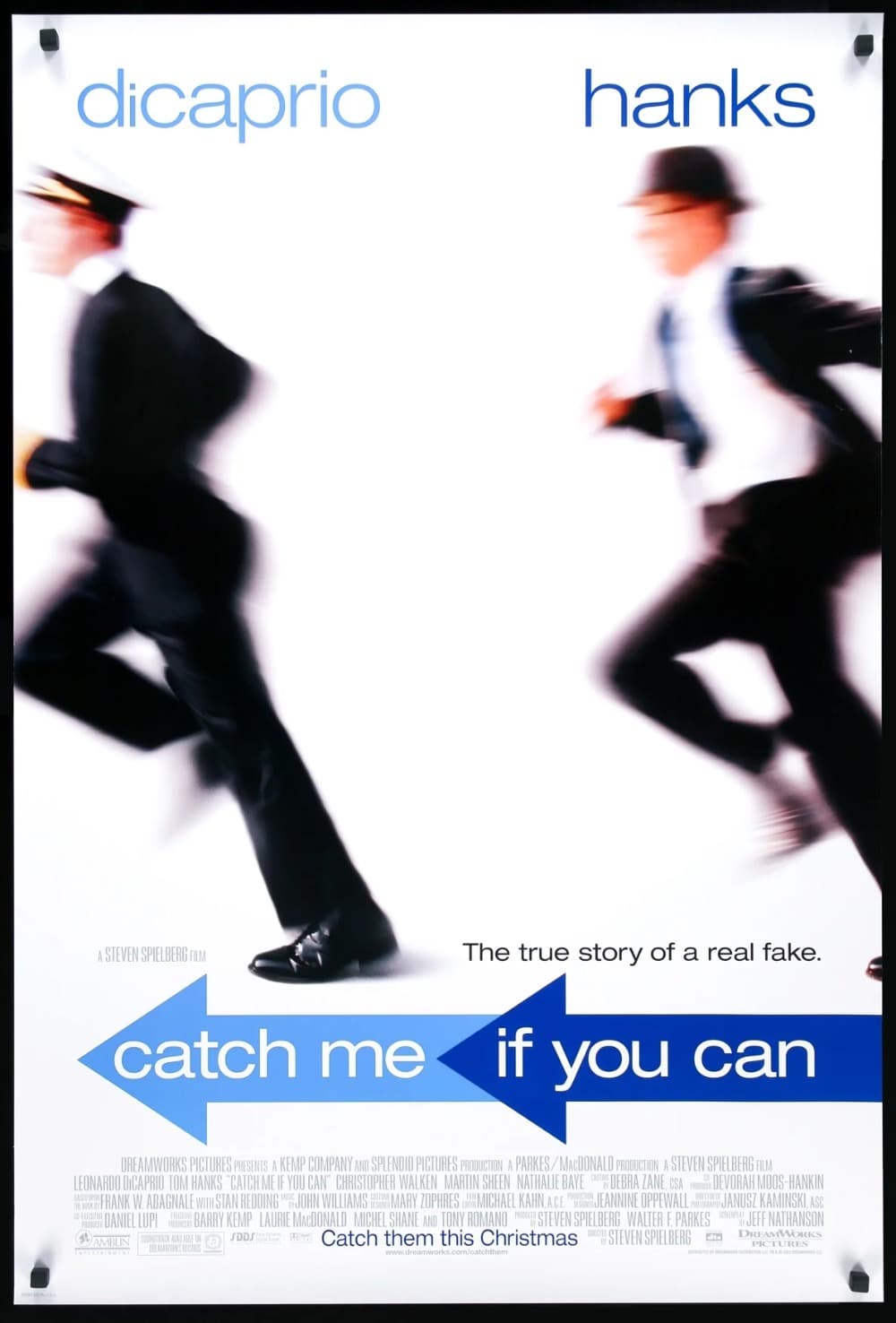
Spielberg's lightest film runs on charm and a great John Williams theme: a teenager talks his way into a pilot's uniform and a doctor's coat, with an FBI agent always one hotel behind.
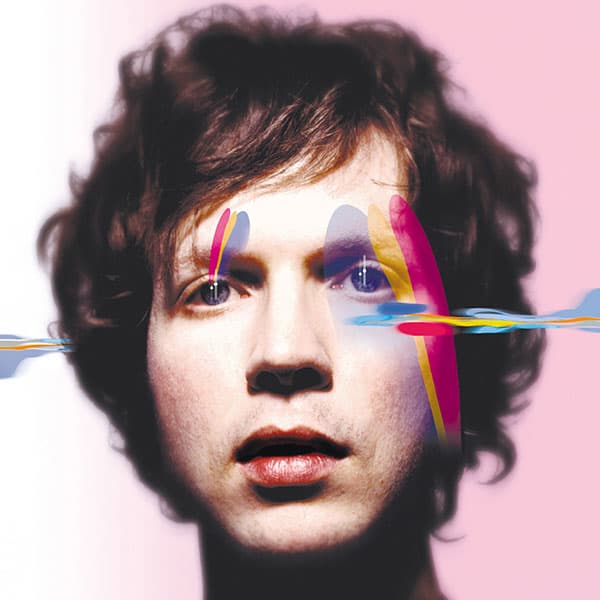
Beck wrote it after a nine-year relationship ended and recorded it in about two weeks. His father wrote the string arrangements.
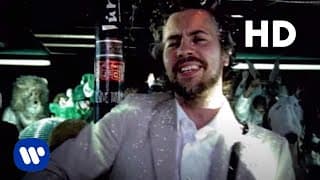
Coyne named his karate warrior after Boredoms drummer Yoshimi P-We, then cast the heroine's disease as pink robots.
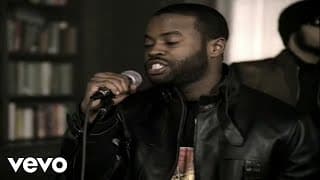
Cody ChesnuTT's four-track bedroom original rebuilt by a live band, his guitar hook intact, Questlove pushing the tempo up.
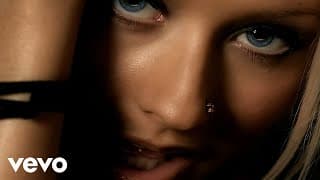
Perry wrote it for herself, then refused Aguilera a retake; the demo vocal is what reached number two.

The piano figure in Clocks turned up so late in the sessions that it nearly missed the record. Everything here is built to fill arenas.
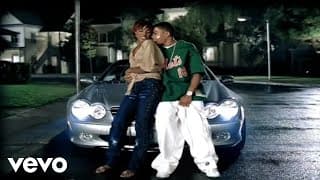
Bowser's beat interpolates Patti LaBelle, Kelly Rowland sings the hook, and it spent ten weeks at number one.
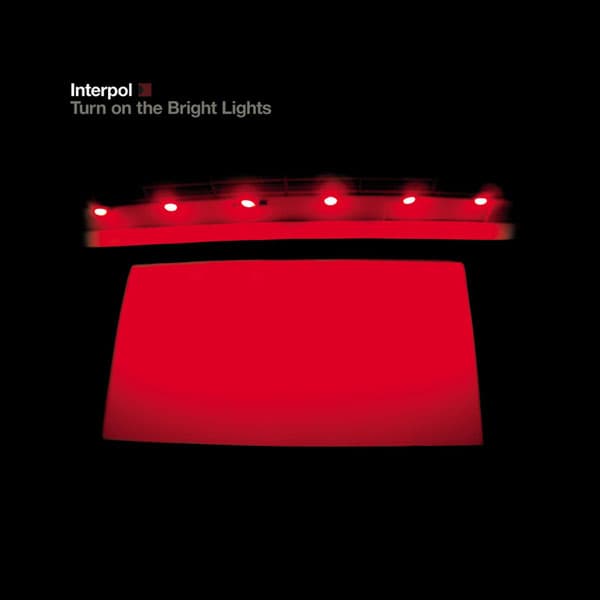
The bass lines run as counter-melodies rather than following the guitars, which is why so much of it sounds like two songs at once.
Five mics from The Source for The Fix, a Mike Dean beat, and Scarface drawing his Houston block affectionately.
Just Blaze built the beat for Memphis Bleek, chopped a Rose Royce vocal, and Cam'ron took it to number four.
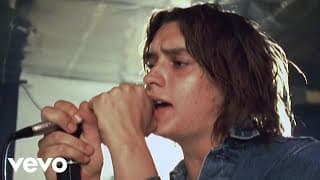
Moretti woke to hear Casablancas inventing the melody in the bathroom, and it became the warmest song on Is This It.
Piano, bass and a single nagging guitar figure, with Daniel making aimlessness sound like the best available plan.

One week of writing after a nine-year relationship ended, and Godrich kept the arrangement to acoustic guitar and brushes.
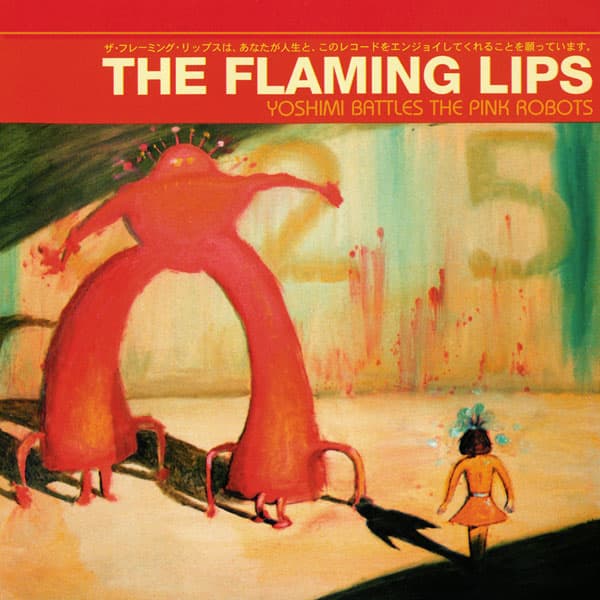
Yoshimi is a real person, a Japanese drummer, and the screams on the record are recordings she made and sent them.
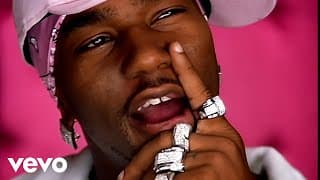
DR Period built it on the Commodores' "Easy," and Cam'ron and Juelz Santana rode it to number three.
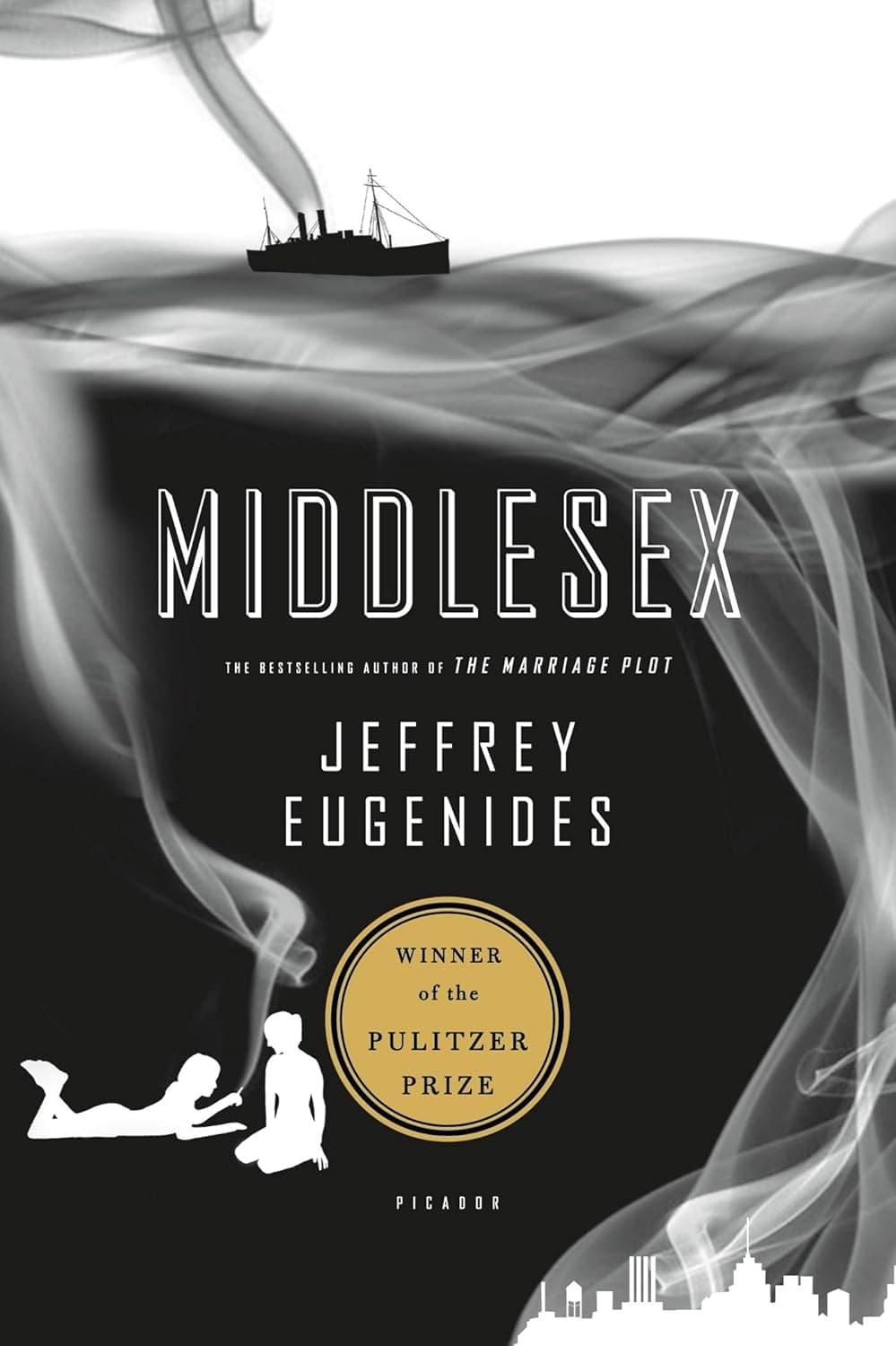
Cal Stephanides was born a girl in Detroit and became a boy at fourteen, and traces the gene responsible back through Asia Minor to grandparents who were brother and sister.
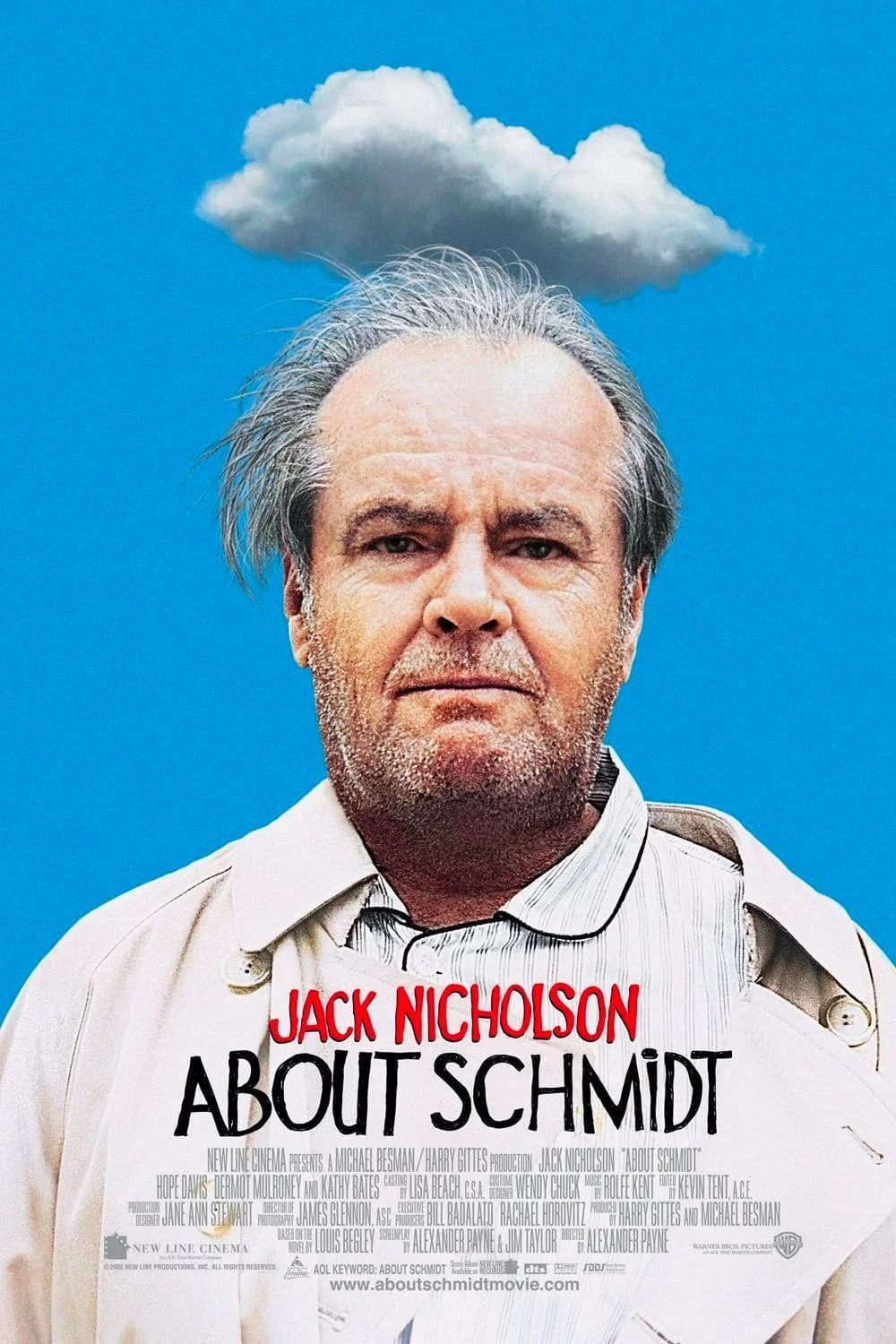
Payne stripped Jack Nicholson of every trick he has: a retired insurance actuary drives a motorhome across Nebraska writing letters to a six-year-old in Tanzania he has never met.
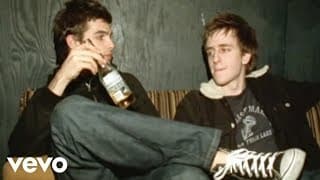
Jason Schwartzman still drummed for the band when they cut it; The O.C. later made it a UK top ten.
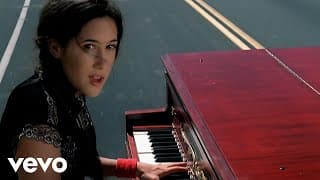
Carlton built that piano figure in about an hour and titled it Interlude; her label insisted on something catchier.
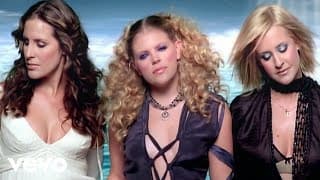
Nicks wrote it in Aspen weighing whether to quit music; the Chicks add three-part harmony and take it top ten.

Two chords written in a northeast Portland duplex, and Nate Query put the whole album on his credit card.
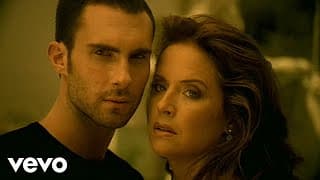
Levine says he and Valentine wrote it in about an hour, drawing on a troubled couple he knew.
Buckland gave up on a guitar part and played maracas instead, and Martin's slow crawl back still aches.

A twenty-two-year-old on a jazz label made a very quiet record, and it sold twenty-seven million copies and swept the Grammys.
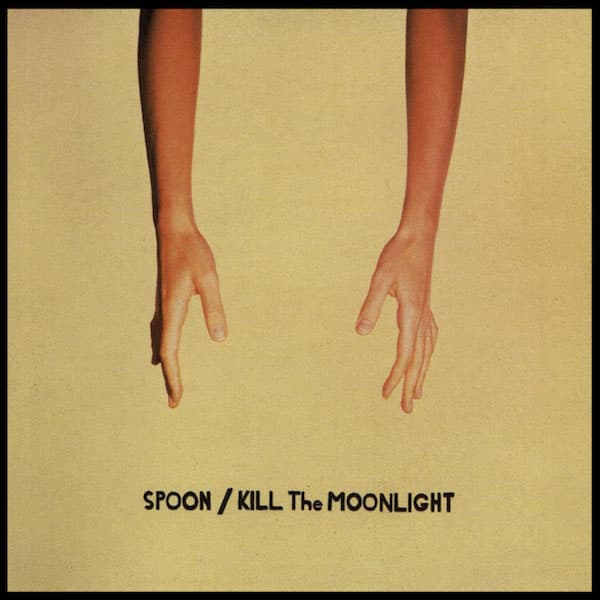
Spoon leave most of the space empty, so a tambourine or a single piano note does the work a guitar solo usually would.
Martin wrote the verse in Amsterdam and the outro in Iceland; the closing track waits minutes before the guitars arrive.
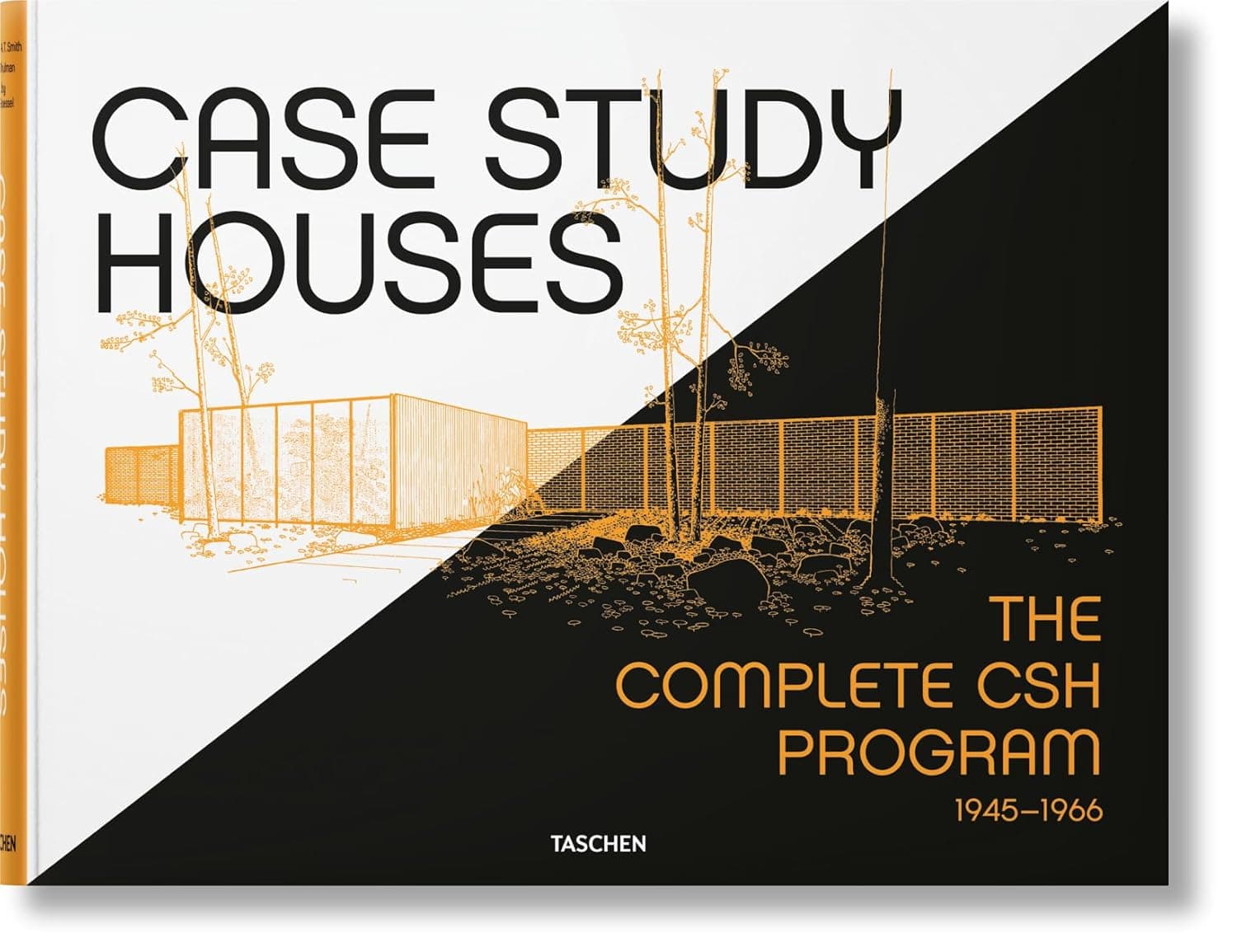
A Los Angeles magazine asked architects how postwar America should live, and Eames, Koenig, and Neutra answered in steel and glass on hillsides. Julius Shulman's photographs sold California modernism to the world.
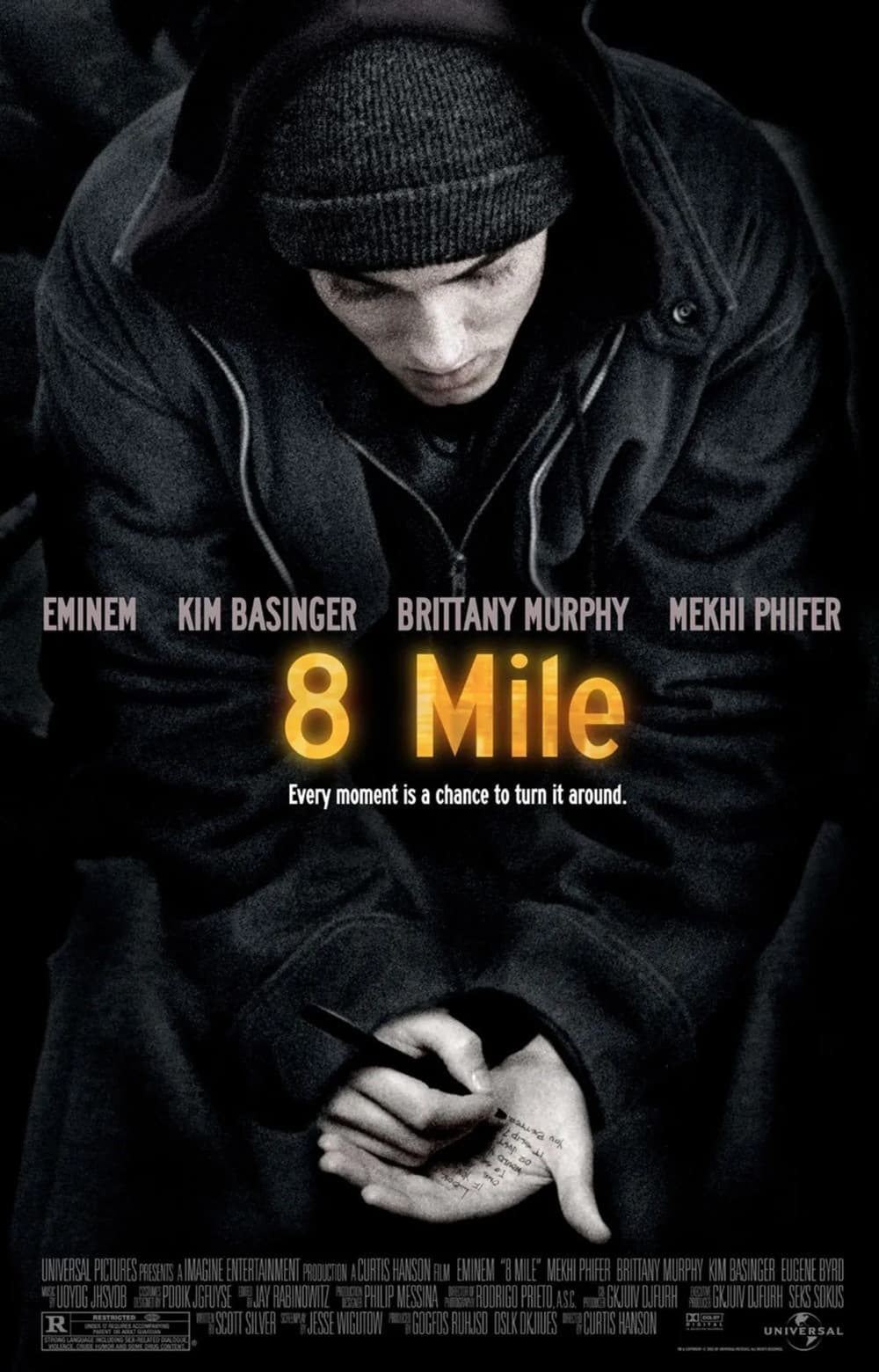
Eminem plays a version of himself and the battle scenes used real crowds: Curtis Hanson films Detroit like a cold documentary, and the first Oscar for a rap song came out of it.
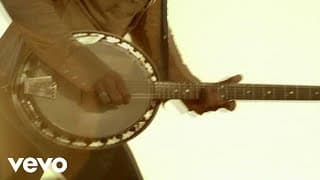
Ganjo, EBow and a cardboard box in the credits; Billboard later named it the country song of the decade.
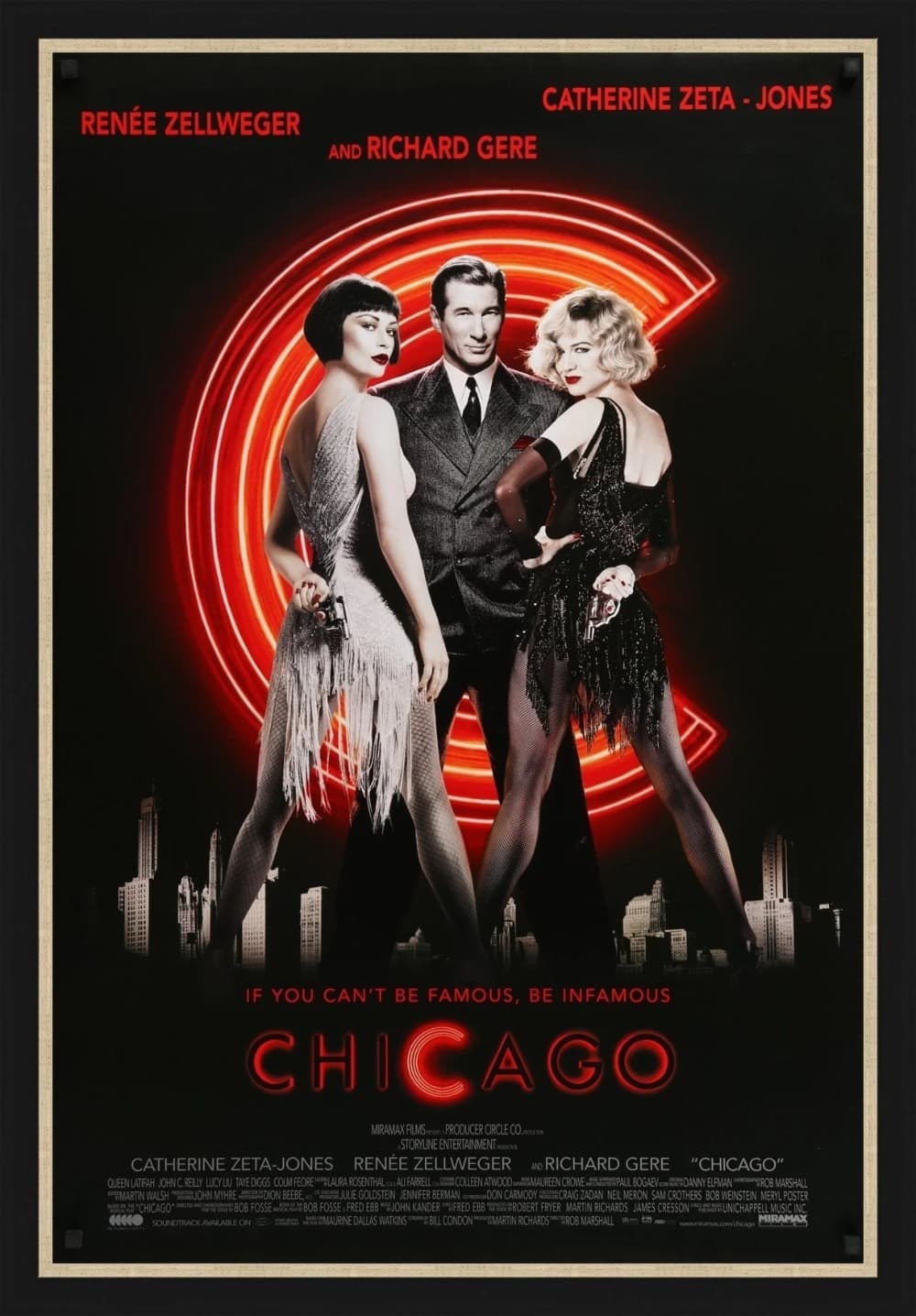
Bob Fosse spent years trying to film his own 1975 stage musical and never did: every number plays inside the head of a woman on trial, and the trial is staged as vaudeville.
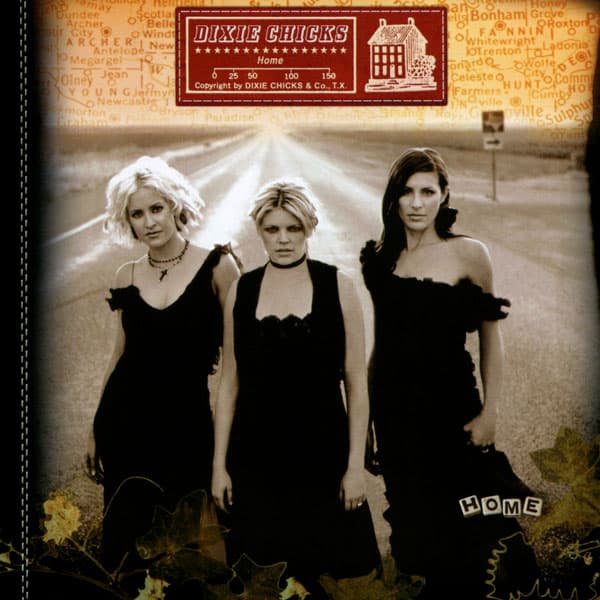
They made it after suing their own record label, on acoustic instruments, with no drums on most of it. It sold six million anyway.

Crow and Jeff Trott wrote it on a plane out of rainy Portland; Liz Phair turned up to sing backup.
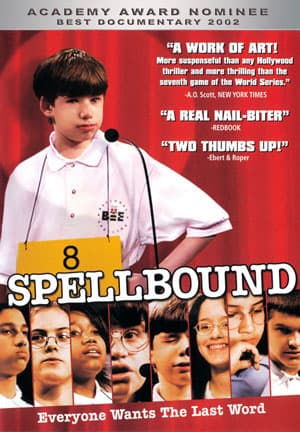
Eight children and one spelling bee, and it is unbearably tense: Jeffrey Blitz found that how American families prepare for it reveals everything about them, and the finals are agony.
Anyone who falls in love is searching for the missing pieces of themselves.
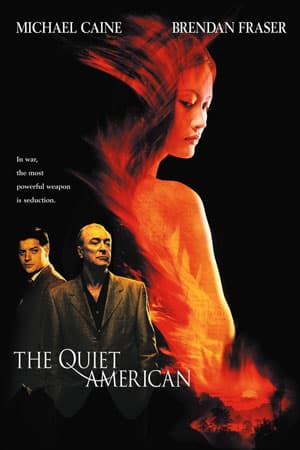
Miramax delayed releasing it after September 11 because the politics looked unpatriotic: Graham Greene's novel about American certainty in 1952 Saigon, with Michael Caine giving his best late performance.
A Boogie Down Productions interpolation under the bridge, and Lopez answering the tabloids without once breaking her stride.
Seven weeks atop the country chart in 2002, and a bartender's story Jim Collins and Craig Wiseman wrote.
Crow's label blocked the radio rights, so Allison Moorer re-cut the female vocal; it still became Kid Rock's biggest hit.
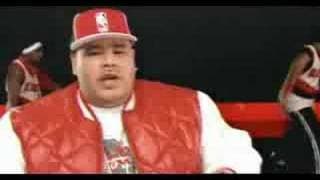
Tina Turner's chorus rebuilt at Crackhouse Studios, and Ashanti became the first woman to hold the Hot 100's top two.
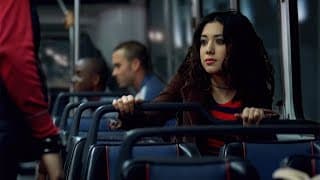
A debut-album cut that Branch wrote alone, produced by John Shanks, and her first trip into the top ten.
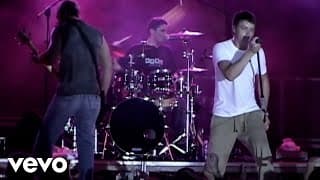
Brad Arnold and the band shot the video aboard the USS George Washington, then held Mainstream Rock seventeen weeks.
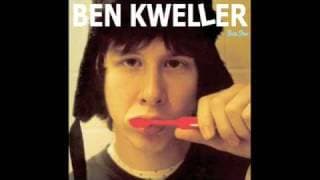
Twenty years old when Sha Sha arrived, Kweller later played this one through a nosebleed at Austin City Limits.
I don't like talking to people I know, but strangers I have no problem with.
That’s the thing about needs. Sometimes when you get them met, you don’t need them anymore.
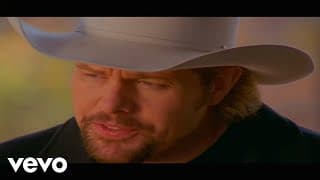
Five weeks atop the country chart for a song about the errands that keep pushing family aside.
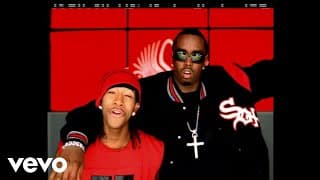
R. Kelly wrote and produced it, Diddy guested, and B2K got their only week at number one.