Karma PoliceRadiohead
Karma Police
1997 · From OK Computer
Named for a tour joke about people behaving badly, with Greenwood's piano circling and a delay unit eating the ending.
★ 8.0
 skopia
Named for a tour joke about people behaving badly, with Greenwood's piano circling and a delay unit eating the ending.
Built on an Andrew Oldham Orchestra recording of a Stones song; Jagger and Richards returned the credit in 2019.
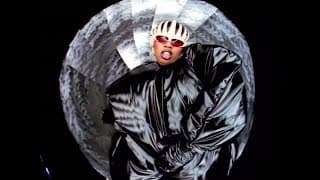
Timbaland flipped Ann Peebles into stuttering space, and Hype Williams shot Elliott in an inflated suit through a fisheye.
Four sections in six minutes, named for Douglas Adams's depressed robot, cut in a sixteenth-century manor near Bath.
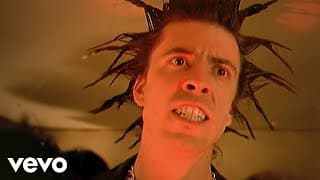
Drums by Grohl, Hawkins not yet in the band, and Louise Post's backing vocals sung down a phone from Chicago.
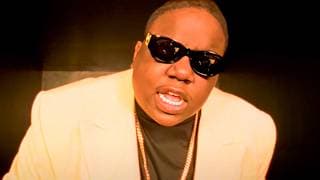
Herb Alpert's Rise looped into a strut, released five days before Wallace was killed, number one within weeks.
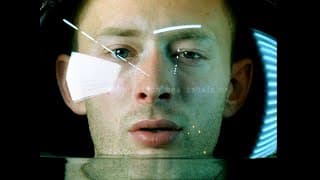
Radiohead cut version after version and kept the first take, glockenspiel and all, a lullaby about suburban despair.
One lyric repeated 144 times over a synth bassline, and Gondry's video giving each instrument its own dancers.
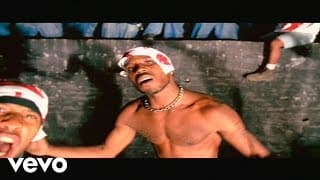
DMX turned the beat down for sounding too rock; his uncles talked him into it, and Swizz Beatz arrived.
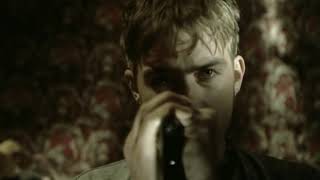
Two minutes and two seconds, track two, number two in Britain, and a whistle on the demo became that woo-hoo.
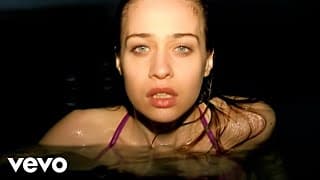
Apple wrote it in forty-five minutes to give the label its hit, then took a Grammy for the vocal.
A lullaby melody hiding a song about alcohol, and one of three Either/Or tracks in Good Will Hunting.
Hoppus turned bumping into an ex into four chords, a Trombino production, and pop punk's great shrug at adulthood.
Armstrong wrote it in 1993 about a girlfriend leaving for Ecuador; Cavallo added the strings while the band played foosball.
Cameron resisted a pop song entirely, then kept Dion's demo vocal, one take, in the finished film.
An answer song to "Walk on the Wild Side," mistaken for a summer hit; its real subject is addiction.
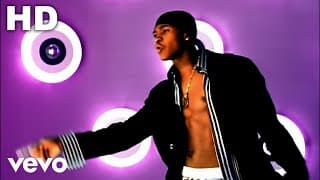
Seven weeks at number two in America and a straight-in number one in Britain, all from Dupri's Atlanta studio.
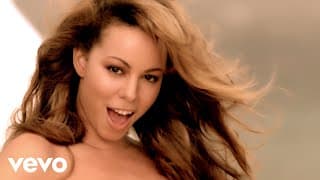
Puff Daddy shaping the hook, the Ummah programming the drums, Carey's third record to debut at number one.
An earlier version with different lyrics sat unreleased until Good Will Hunting sent Smith to the Oscars in white.
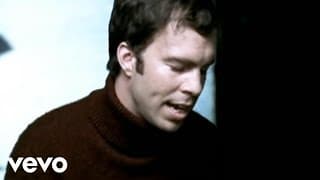
Written on guitar rather than piano, cut live in a bedroom on a few microphones, and unbearably calm.
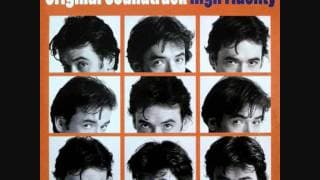
Six minutes that drift, then lift; the track Rob plays in High Fidelity to sell five copies on the spot.
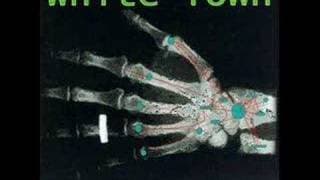
Mishra cut it in his bedroom on an Atari ST, sampling a 1932 muted trumpet, and topped the UK chart.
Taupin rewrote his Marilyn Monroe lyric for Diana, George Martin added strings hours after the funeral, and 33 million sold.
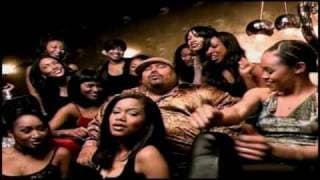
Knobody flipped a Brenda Russell record, Joe sang the hook, and Pun became the first solo Latin rapper certified platinum.
An uncleared Police sample handed Sting the royalties; Faith Evans and 112 turned mourning into eleven weeks at number one.
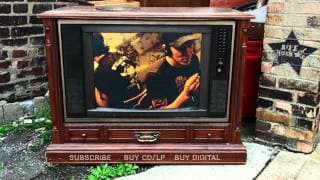
Smith recorded Either/Or in Portland friends' houses and mixed this one himself, a parade watched through sour eyes.
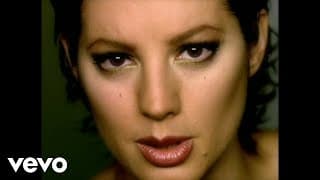
Eight weeks at number one in Canada, a Grammy for Best Female Pop Vocal, and Marchand's production glowing underneath.
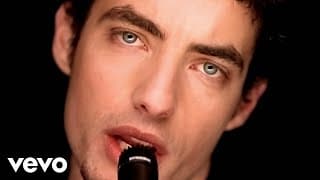
Jakob Dylan wrote it at a Los Angeles kitchen table, then watched it top all three Billboard rock airplay charts.
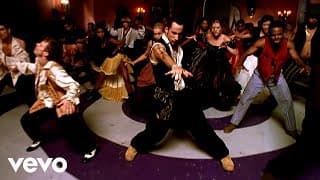
Denniz Pop and Max Martin cut it at Cheiron in Stockholm, and Joseph Kahn's haunted-mansion video did the rest.
Fifty-two weeks on the Hot 100 for a breakup song that began with Cadogan picking up an autoharp.
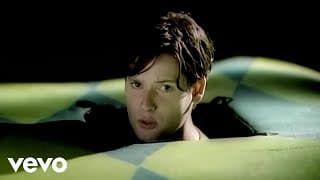
Four in the morning, under an hour of writing, and a fifteen-week grip on the Modern Rock chart.
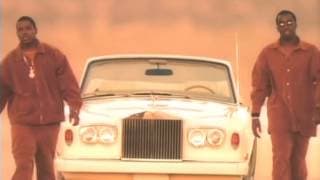
Grandmaster Flash's "The Message" under a "Break My Stride" hook, six weeks at number one, and Mase arrives.
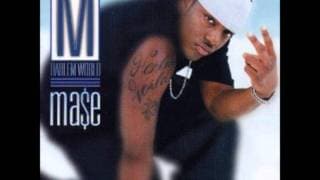
Kool and the Gang's Hollywood Swinging flipped by Puffy and Deric Angelettie, and Mase's drawl making effort look optional.
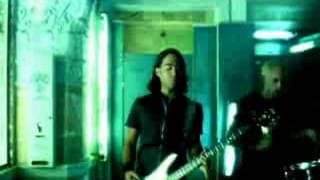
A bullied teenager's death behind it, and Jenkins turned the fifth single off his debut into a plea.
Six weeks at number one on the country chart for a duet McGraw cut with Faith Hill, months into marriage.
Strep throat handed McLean's bridge to Littrell; Clive Calder heard Max Martin's demo and added it late.
Ski built it from Janet Jackson's "Funny How Time Flies" and Skull Snaps drums; two Bronx kids talking pure seventies.