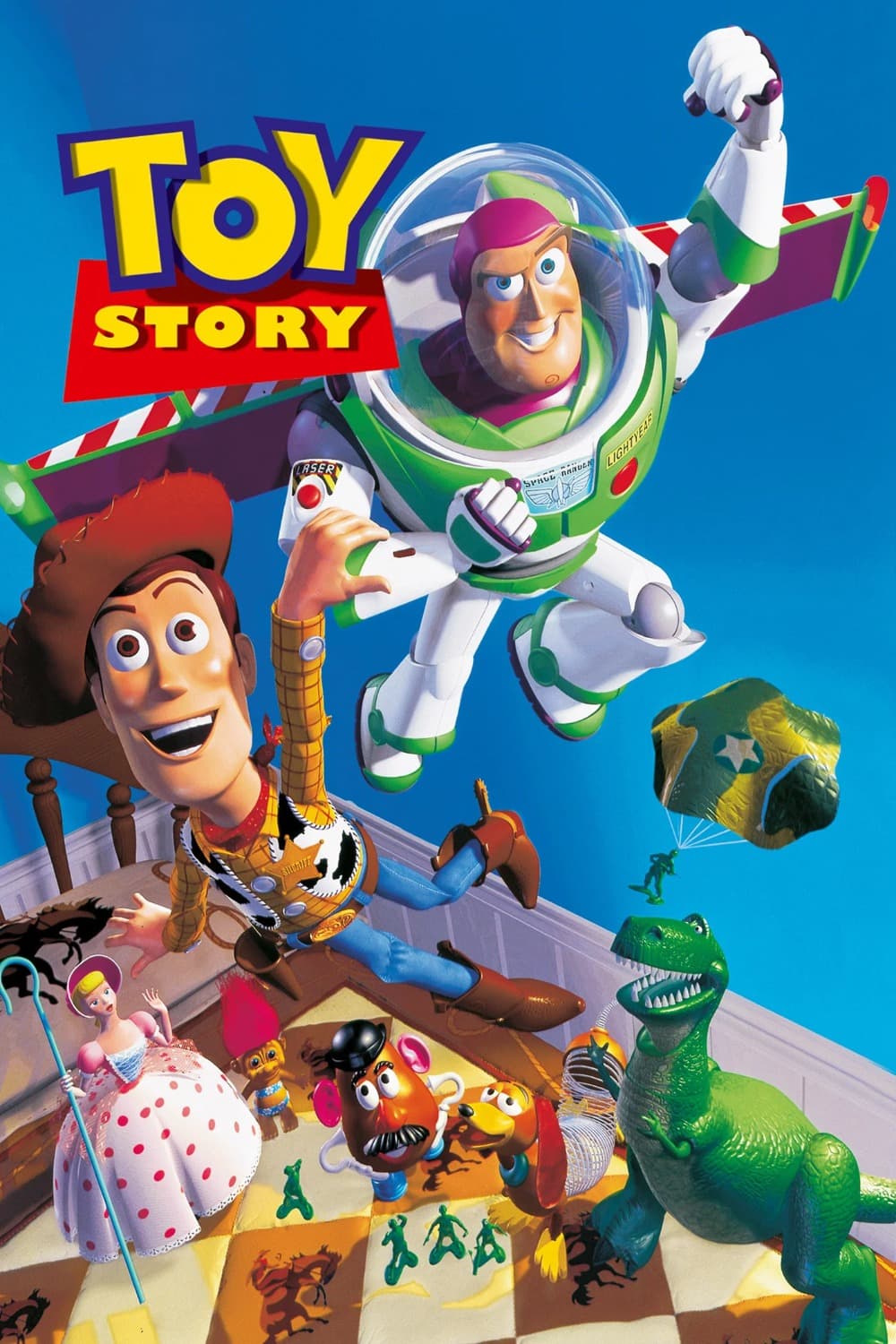
Toy Story
Directed by John Lasseter
1995
First feature film animated entirely on computers, and the start of Pixar's extraordinary run: it holds up because underneath the toys it is a sharp story about jealousy.
★ 8.7
 skopia
First feature film animated entirely on computers, and the start of Pixar's extraordinary run: it holds up because underneath the toys it is a sharp story about jealousy.
Pizarro built it from a Joe Sample loop and the Spinners' Sadie, and the Library of Congress later archived it.
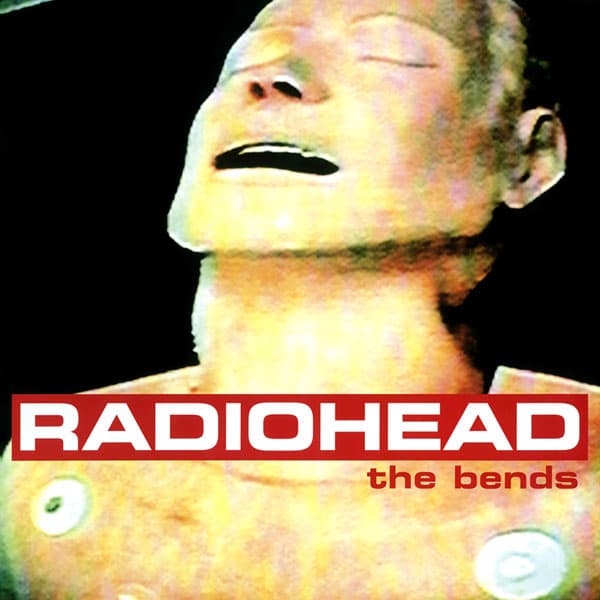
They were exhausted and sick of being the Creep band, and nearly fell apart making it. Nothing on it sounds anything like Creep.
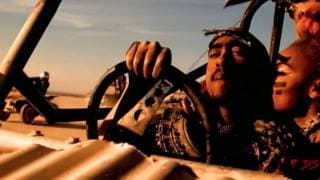
Roger Troutman's talk box over a Joe Cocker sample, and Shakur's first single after Death Row sprang him from prison.
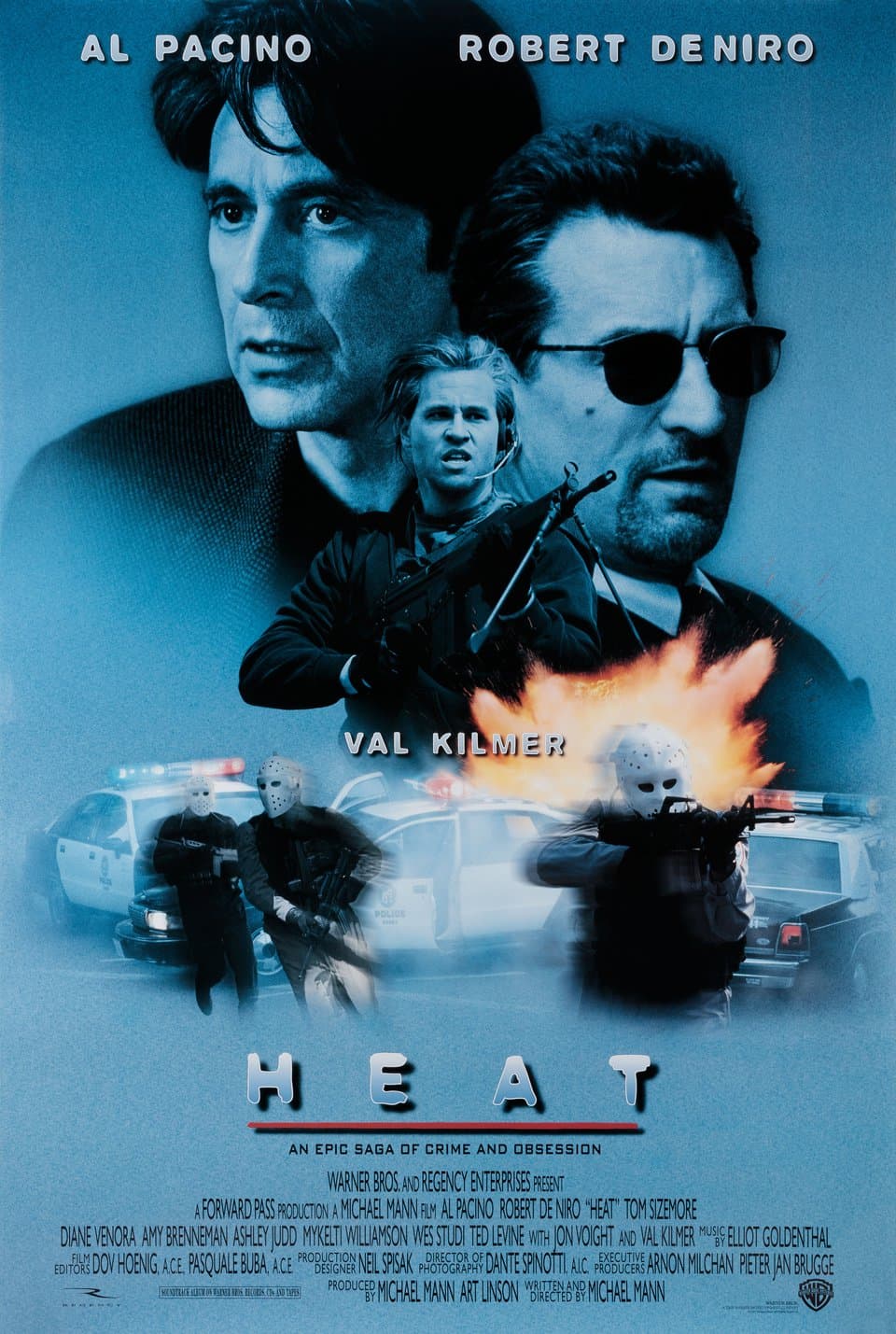
Police forces train on the shootout and every heist film since has copied it: Mann also got De Niro and Pacino into one diner booth for the first time.
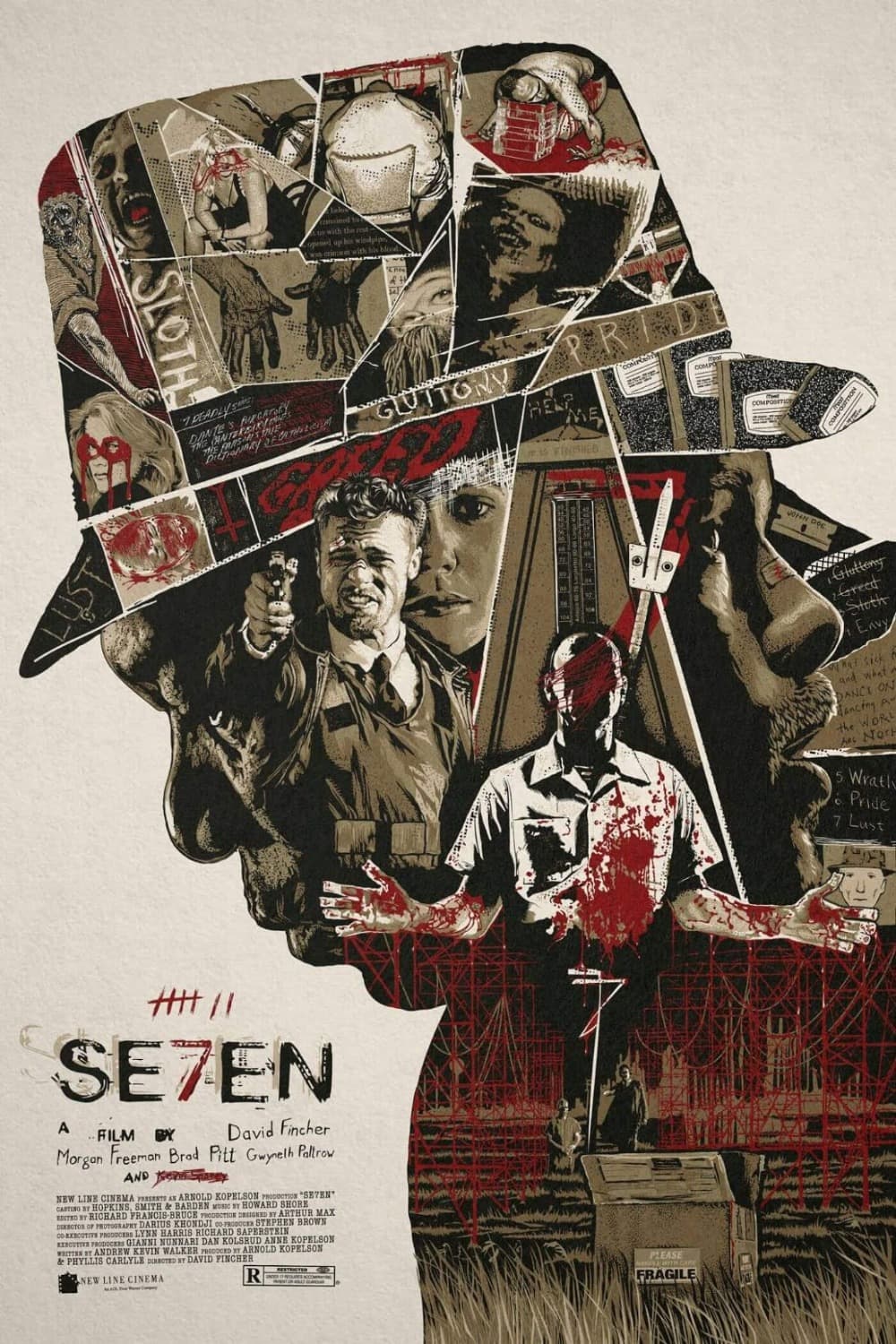
The studio wanted the ending changed and Fincher refused, and studios then spent a decade trying to reproduce the atmosphere: a procedural so bleak the rain never stops.
Havoc built the beat in his Queensbridge bedroom from a slowed Herbie Hancock piano figure and a Daly-Wilson drum break.
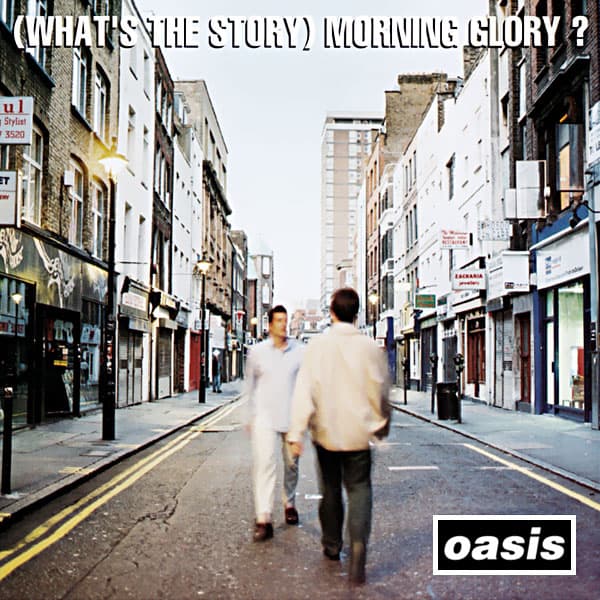
Noel Gallagher wrote most of these songs in a fortnight. A year later, two and a half million people applied to see the band at Knebworth.
Barrow looped Isaac Hayes' Ike's Rap II, Utley added the guitar, and Gibbons sings it like a demand.
Organized Noize's horns, a million-dollar F. Gary Gray video, and the first number one record to confront AIDS.
Yorke came straight from a Jeff Buckley gig, sang three takes at RAK, then burst into tears.
Noel's first lead vocal on an Oasis single, a phrase lifted from a Lennon tape, Manchester's anthem ever since.
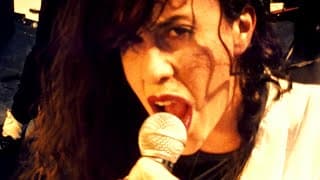
Flea on bass and Dave Navarro on guitar, recorded in Glen Ballard's home studio, behind the nineties' fiercest kiss-off.
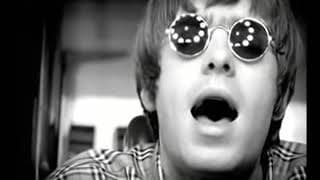
Owen Morris showed Bonehead the root notes for a Mellotron cello, and the track was largely done in a day.
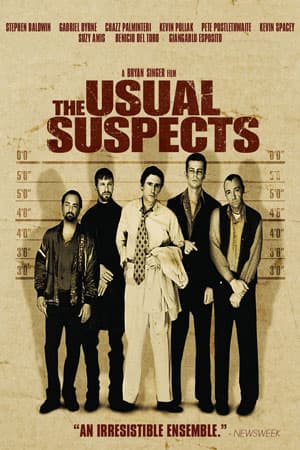
Almost nobody guesses where it is going the first time: five criminals meet in a police lineup, and the whole story reaches you secondhand from an interrogation room.
Seven and a half minutes, Paul Weller on lead guitar, and a lyric Noel admits he chose for the rhyme.
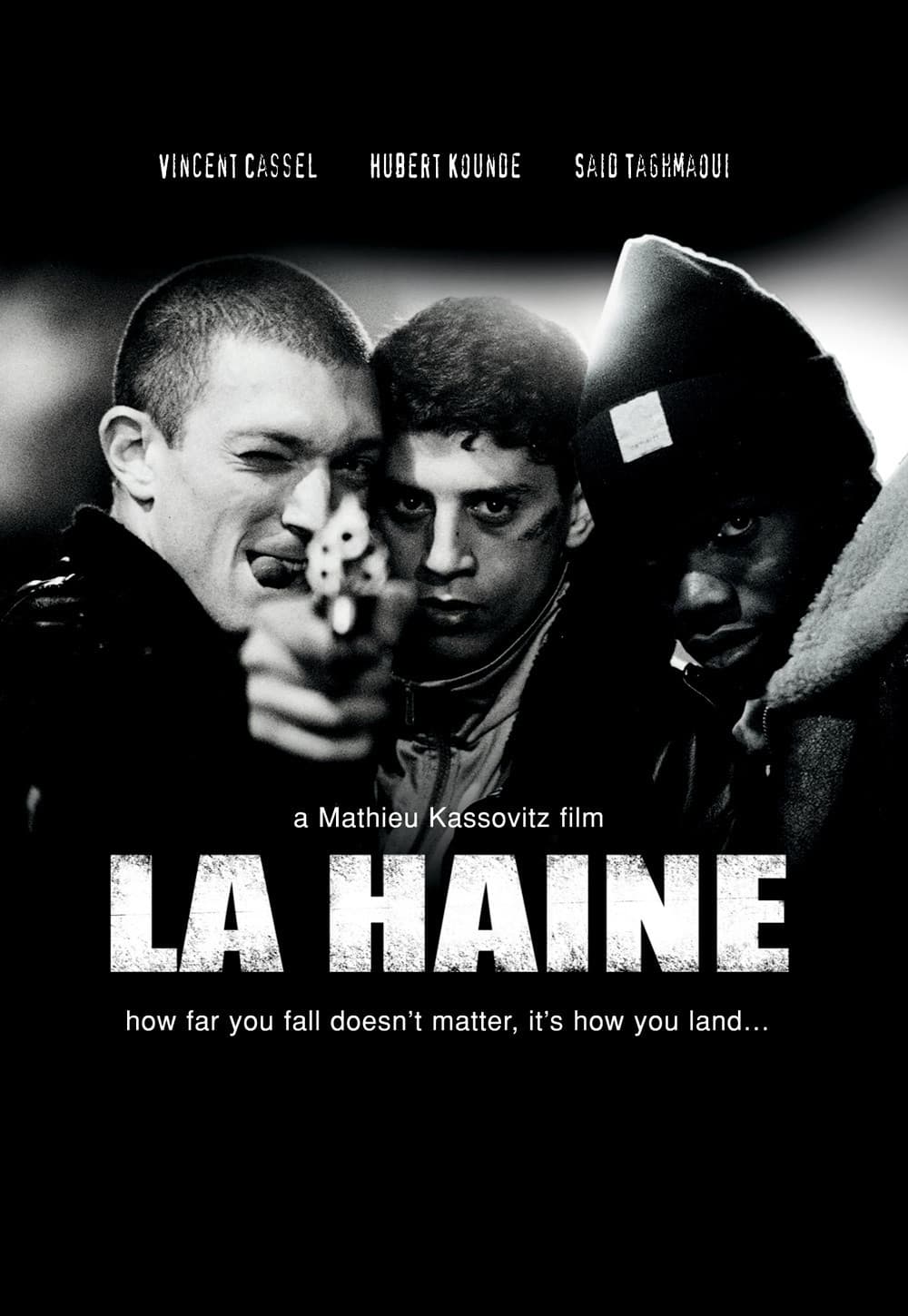
France spent a year arguing over it and the government screened it for ministers: twenty-four hours with three young men in a Paris suburb after a riot.
The greatest trick the Devil ever pulled was convincing the world he didn't exist.
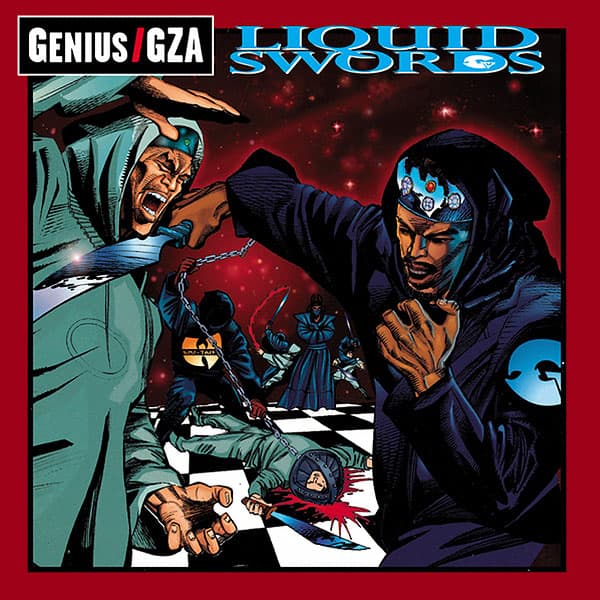
Dialogue from a dubbed samurai film runs between the tracks, spoken by a child, which is where the record gets its atmosphere.
Every instrument on it is D'Angelo's, cut at Battery Studios, and the groove barely bothers to move.
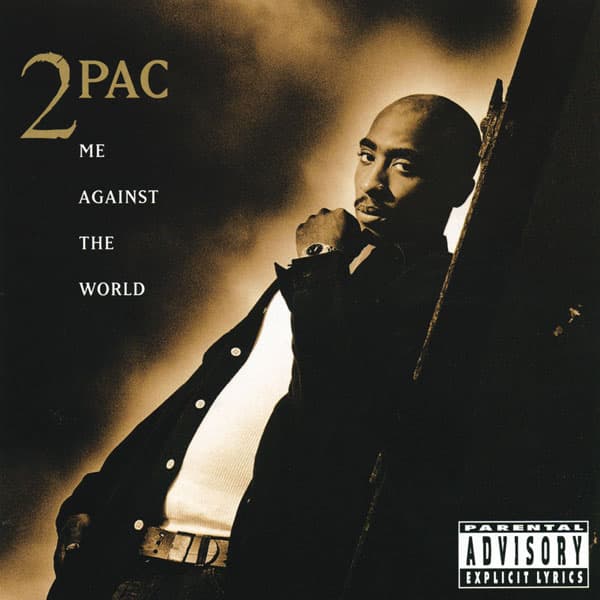
He was in prison when it reached number one, the first artist that had ever happened to. He recorded it before going in.
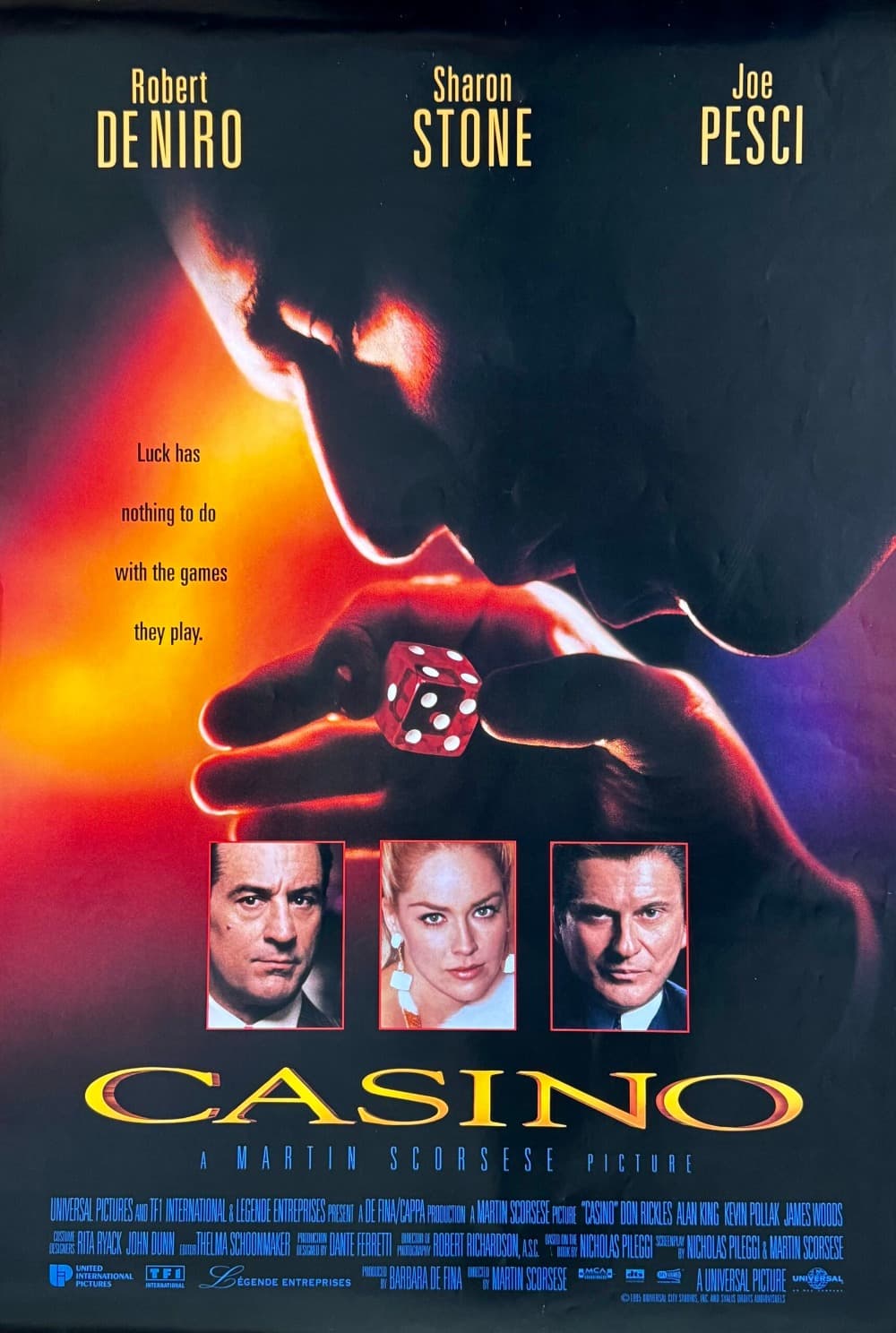
Scorsese's Las Vegas is a machine for taking money and the film shows you every gear: three hours of narration, costumes and a system that eats everyone inside it.

It came out on a purple cassette, and Ghostface Killah appears on so much of it that people argue whose album it really is.

Sebald walks the Suffolk coast, and each mile opens onto herring fleets, the wandering skull of the physician Thomas Browne, a town swallowed by the sea. Essayists have spent thirty years imitating this.
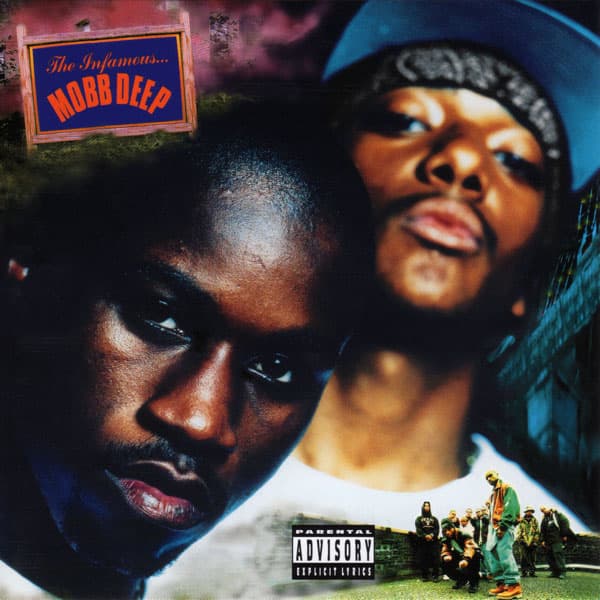
Havoc and Prodigy were nineteen when they made it. Q-Tip helped with the production and is credited on the sleeve under a false name.
A Stevie Wonder interpolation cleared on condition the profanity went, L.V.'s stacked one-man choir, and 1995's biggest-selling single.
A late drive home from Tony Kanal's house, a father's lecture, and Stefani's first song without brother Eric.
Released two days after Shakur's death, Daz Dillinger's loop of DeBarge's A Dream carrying a farewell to lost friends.
Tom Tom Club's Genius of Love, flipped by Dave Hall, and Carey the first woman to debut at number one.
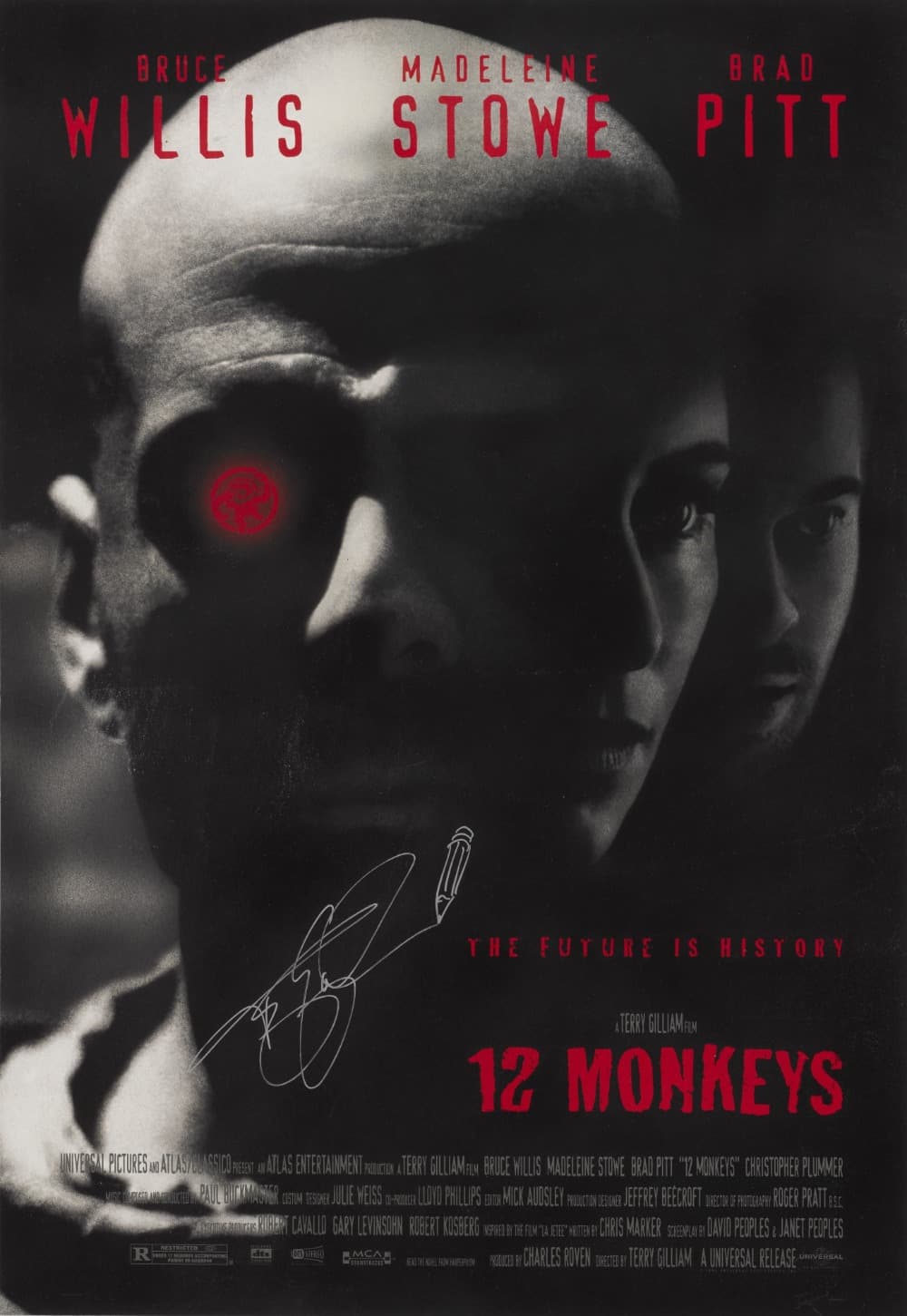
Gilliam built it from La Jetee, a French short told in still photographs: a prisoner is sent up from an underground future to trace a plague, and nobody in 1990 believes a word.
Recut after Eazy-E's death, the elegy spent eight weeks at number one and won the group a Grammy.
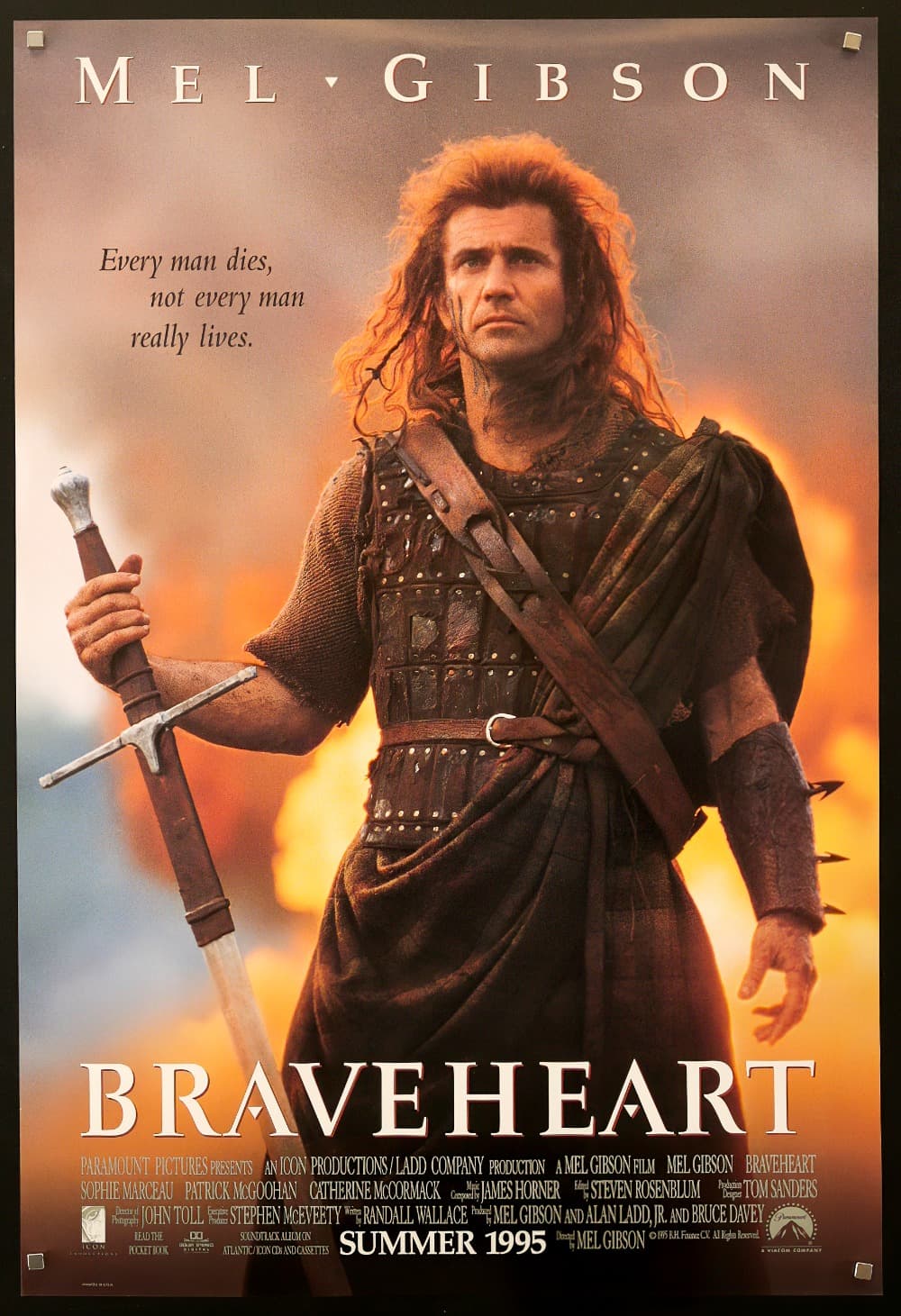
Historians have been correcting it for thirty years and nobody cares: Gibson staged medieval battle with a physical brutality nothing before it had, and the speeches still work on an audience.
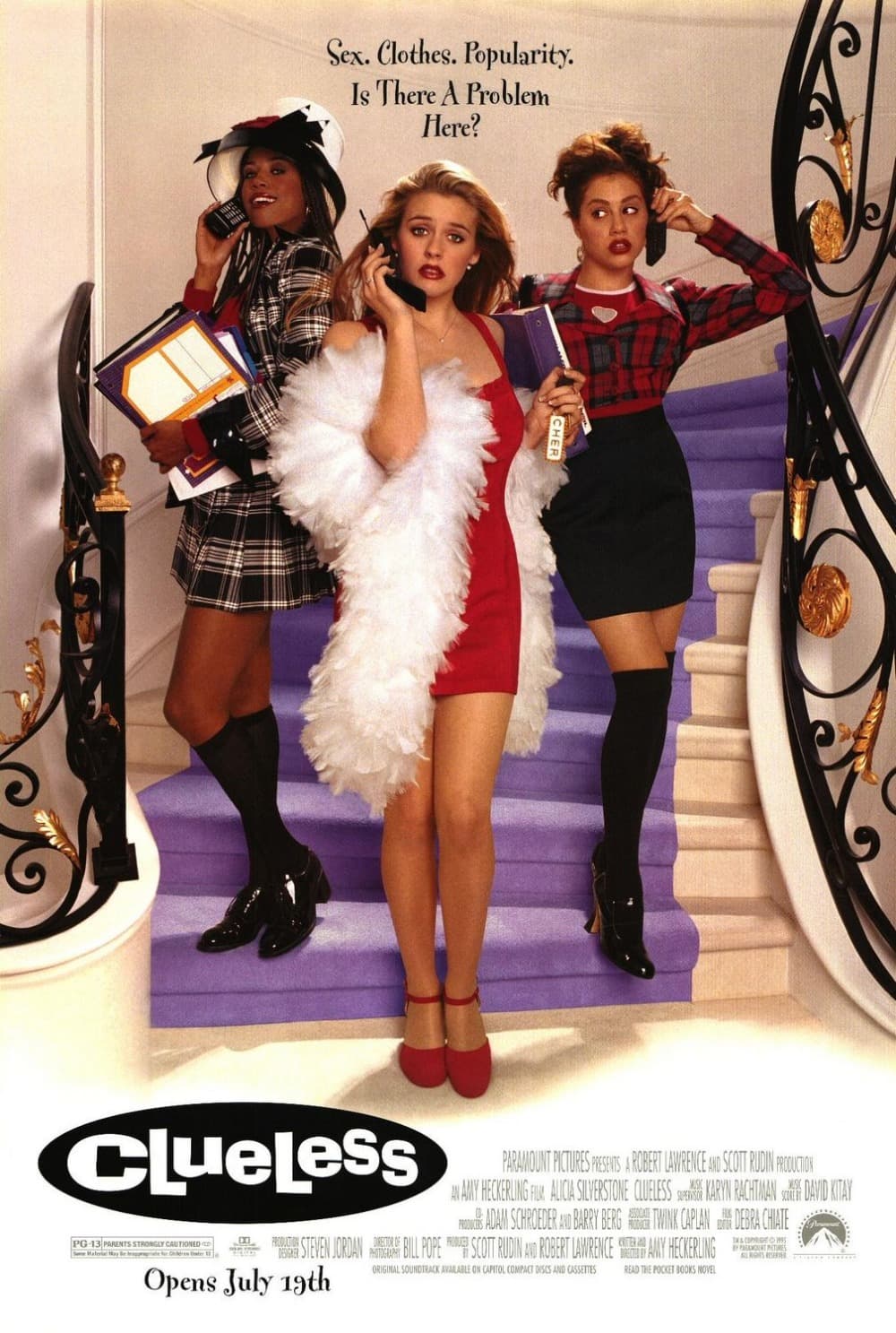
Amy Heckerling relocated Jane Austen's Emma to Beverly Hills without losing a thing: she collected the vocabulary from real teenagers, the film sent it back amplified, and the heroine is never the joke.
Rescued from a 1993 demo the band wrote off as too Rod Stewart, and adored everywhere except by Yorke.
A Club Nouveau hook, Michael Marshall on the chorus, and a Bay Area anthem Jordan Peele later made sinister.
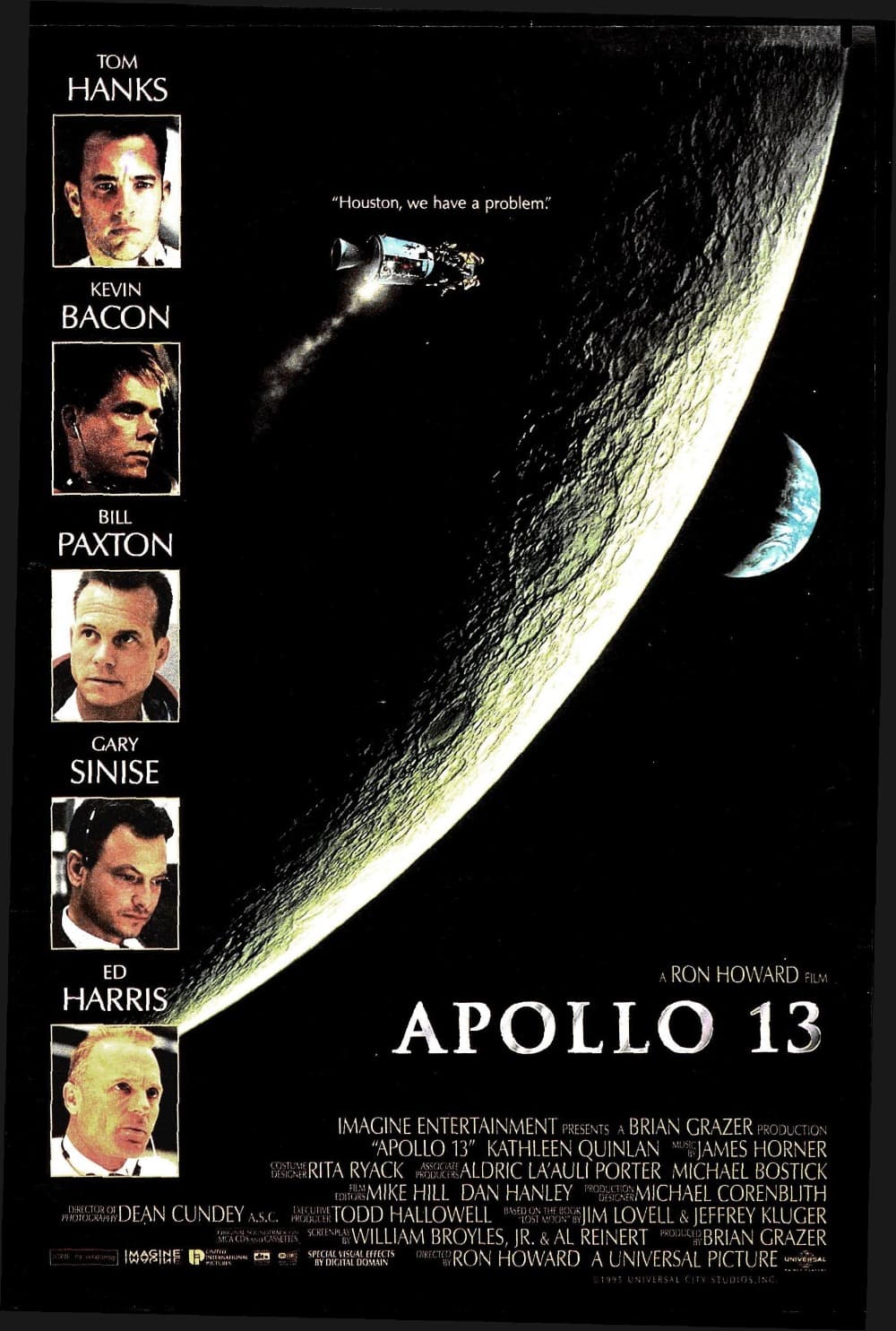
Ron Howard shot the weightless scenes in an aircraft flying parabolas, twenty-three seconds at a time: no effects, real floating, and engineers improvising with only what the crew already had aboard.
Todd Terry's remix pushed a subdued album cut into New York house, then held the Hot 100 for a year.
DJ U-Neek's beat, Cleveland voices harmonizing at double speed, and welfare day reimagined as a neighborhood holiday.
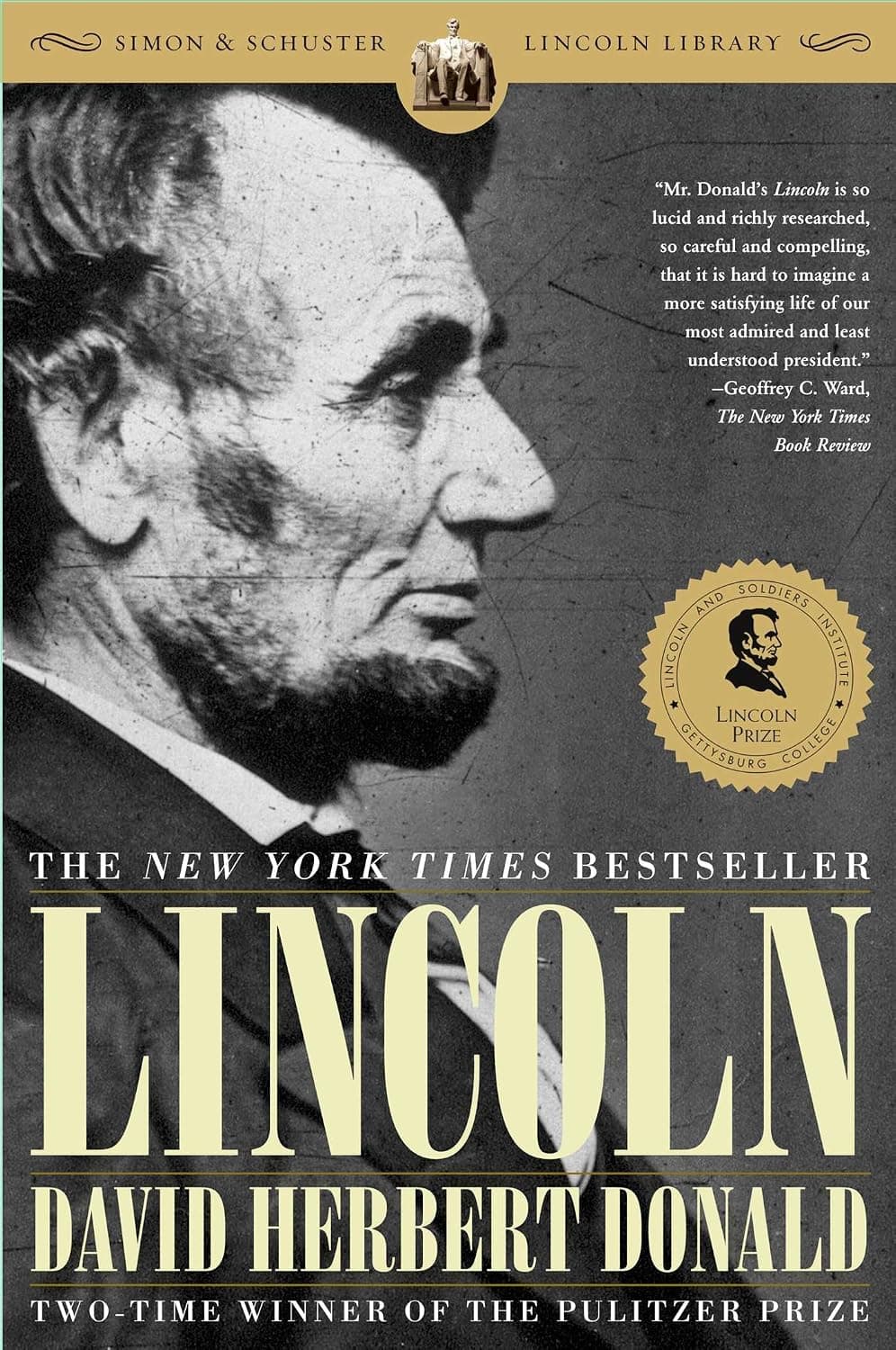
The standard one-volume Lincoln, and the method is severe: Donald allows him only the information he actually had when he acted. Out of it comes colossal ambition joined to a fatalist's passivity.
Ballard produced it, number four on the Hot 100 stands as her highest, and everyone still debates the title.
Cut in September 1994 at bandmate Tony Lash's house, trumpet and harmonica stripped away until only guitar and dread remain.
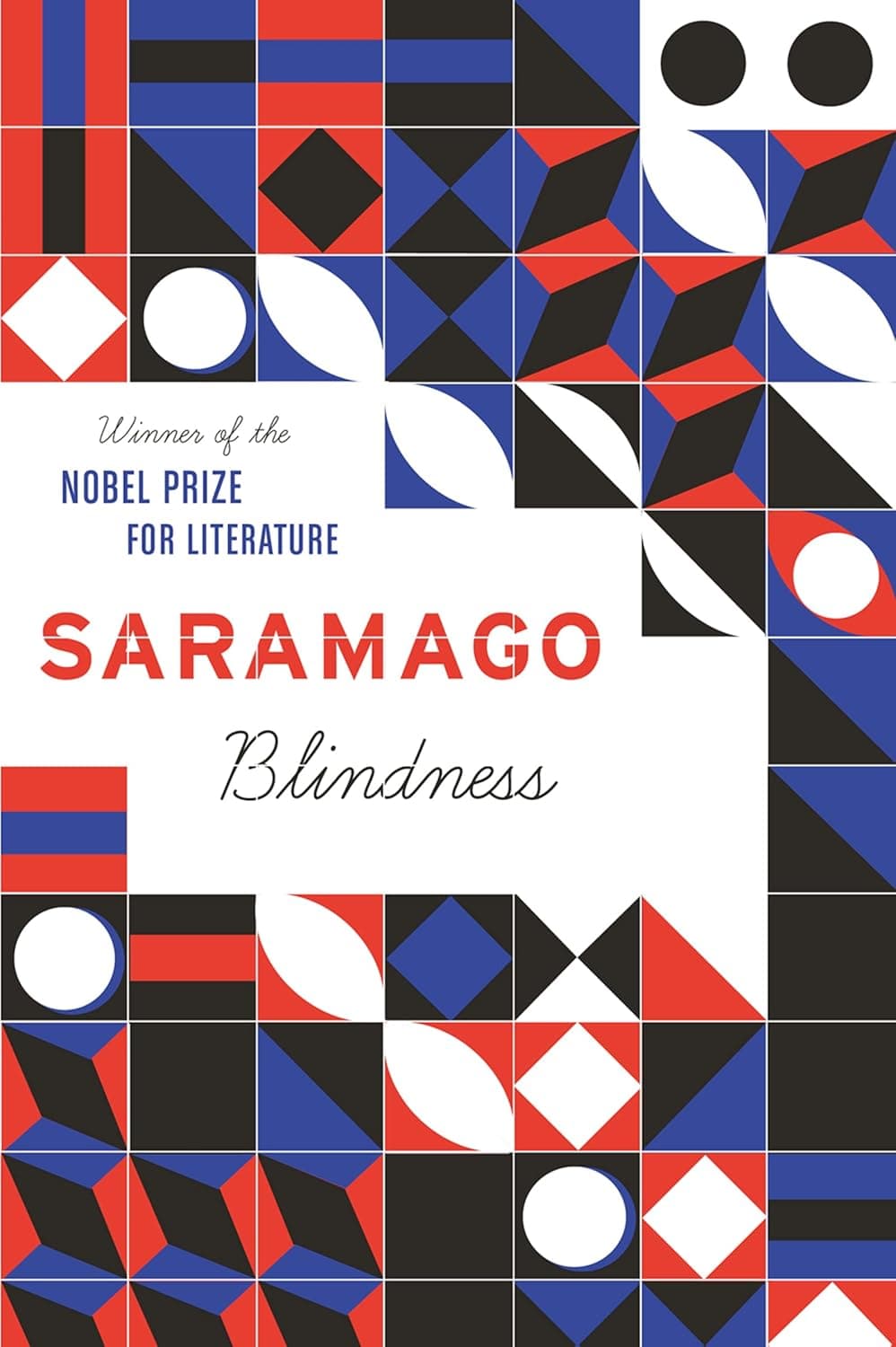
One driver stops at a traffic light and cannot see. Within days the city is blind and quarantined, and one woman who kept her sight watches how fast people stop being people.
Def Jam's first R&B single looped Slick Rick's 'Children's Story' and held number one for seven weeks.
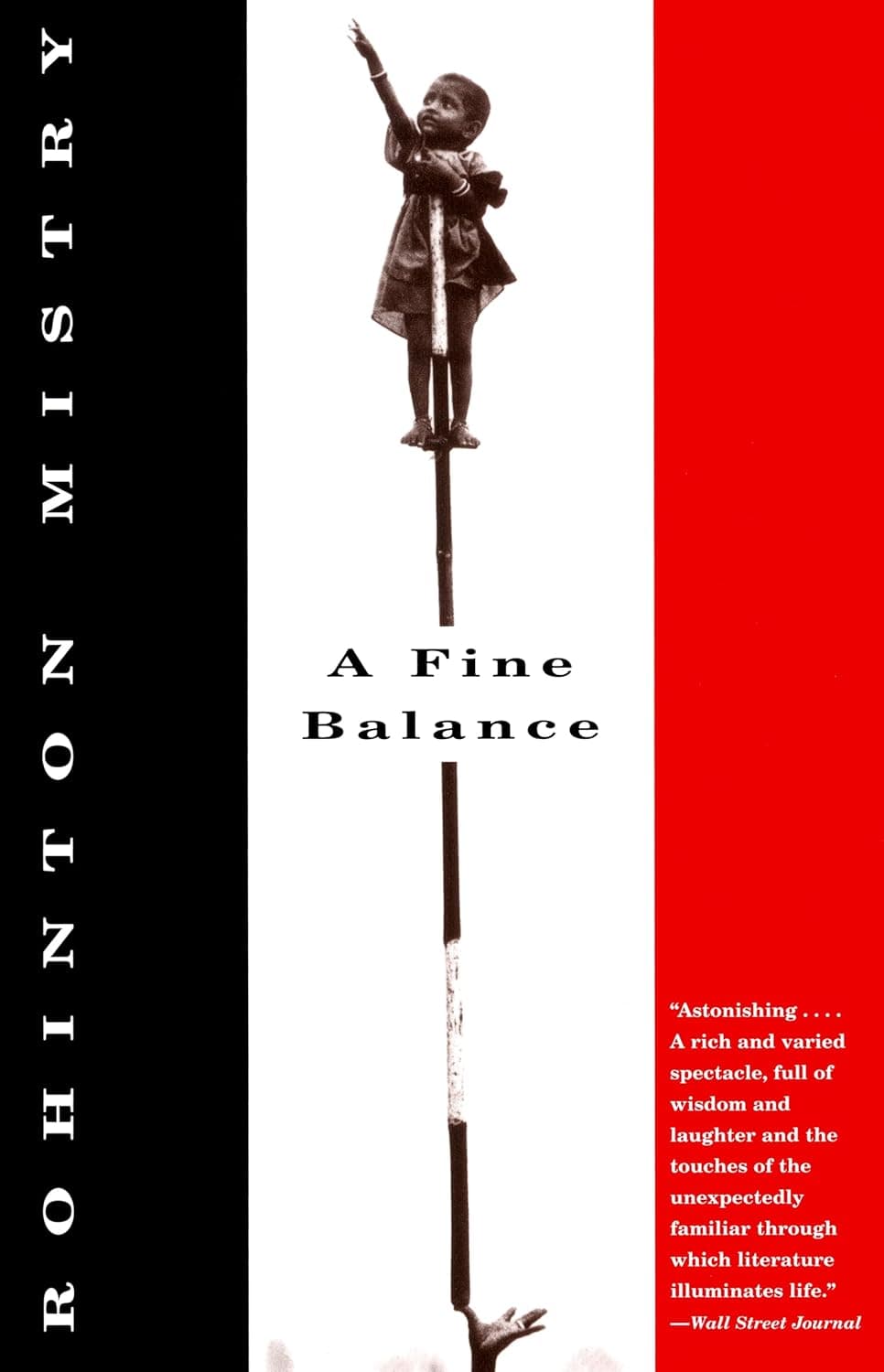
A widow takes in two tailors fleeing caste violence and a student, and under Indira Gandhi's Emergency the four become a family. Mistry lets you love them before the sterilization camps arrive.
A slow descending riff, Armstrong's insomnia, and a segue into Jaded that welded the two songs together permanently.
Dre and Sam Sneed rebuilt The Sequence's Funk You Up as G-funk, Nanci Fletcher singing the hook to number ten.
Harmonica played by Morissette herself, Ballard's warm production, and a rare Jagged Little Pill song that is simply grateful.
Gill started it for Keith Whitley in 1989 and finished it after his half-brother died, Patty Loveless singing harmony.
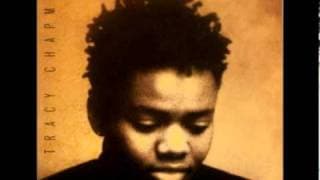
Chapman played it live for seven years before recording it, then a loose blues shuffle became her biggest hit.
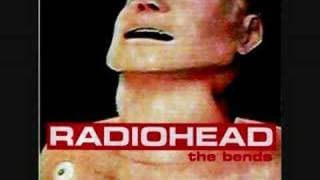
Originally called Planet Xerox until the trademark intervened, drums spliced from other sessions, piano soaked in delay.
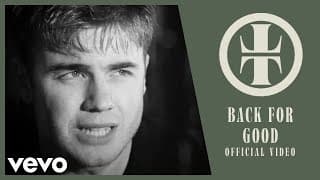
Barlow says it took fifteen minutes to write; the BRIT Awards debut pushed the release forward to an instant number one.
Cut in Corpus Christi with Selena fighting bronchitis, her first take kept, and released months after her murder.
Played live since 1991 and cut twice on record, it rides Boyd Tinsley's violin hook and Beauford's snare.
Larrieux's feathery lead over Bryce Wilson's interpolation of the Mary Jane Girls, and neo soul had its blueprint.