Dear Mama
1995
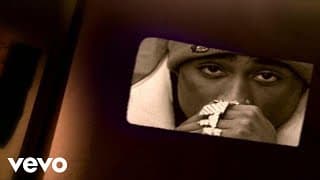
Pizarro built it from a Joe Sample loop and the Spinners' Sadie, and the Library of Congress later archived it.
★ 8.5
 skopia
Pizarro built it from a Joe Sample loop and the Spinners' Sadie, and the Library of Congress later archived it.
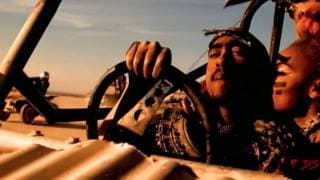
Roger Troutman's talk box over a Joe Cocker sample, and Shakur's first single after Death Row sprang him from prison.
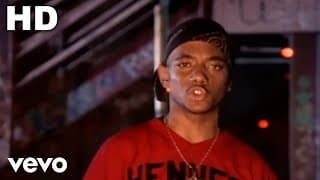
Havoc built the beat in his Queensbridge bedroom from a slowed Herbie Hancock piano figure and a Daly-Wilson drum break.
Barrow looped Isaac Hayes' Ike's Rap II, Utley added the guitar, and Gibbons sings it like a demand.
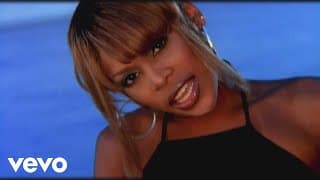
Organized Noize's horns, a million-dollar F. Gary Gray video, and the first number one record to confront AIDS.
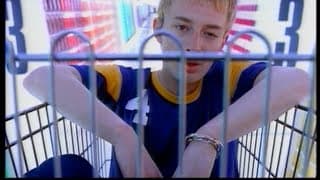
Yorke came straight from a Jeff Buckley gig, sang three takes at RAK, then burst into tears.
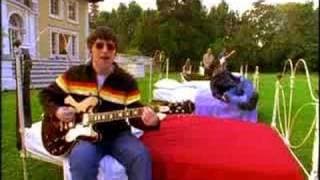
Noel's first lead vocal on an Oasis single, a phrase lifted from a Lennon tape, Manchester's anthem ever since.

Flea on bass and Dave Navarro on guitar, recorded in Glen Ballard's home studio, behind the nineties' fiercest kiss-off.
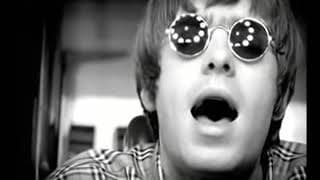
Owen Morris showed Bonehead the root notes for a Mellotron cello, and the track was largely done in a day.
Seven and a half minutes, Paul Weller on lead guitar, and a lyric Noel admits he chose for the rhyme.
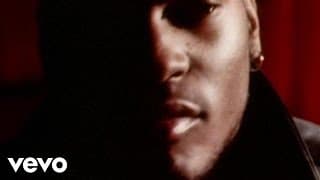
Every instrument on it is D'Angelo's, cut at Battery Studios, and the groove barely bothers to move.
A Stevie Wonder interpolation cleared on condition the profanity went, L.V.'s stacked one-man choir, and 1995's biggest-selling single.
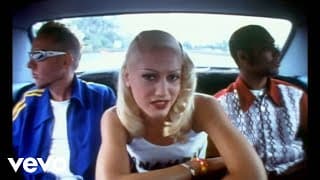
A late drive home from Tony Kanal's house, a father's lecture, and Stefani's first song without brother Eric.
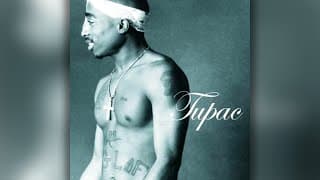
Released two days after Shakur's death, Daz Dillinger's loop of DeBarge's A Dream carrying a farewell to lost friends.
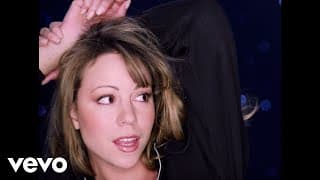
Tom Tom Club's Genius of Love, flipped by Dave Hall, and Carey the first woman to debut at number one.
Recut after Eazy-E's death, the elegy spent eight weeks at number one and won the group a Grammy.
Rescued from a 1993 demo the band wrote off as too Rod Stewart, and adored everywhere except by Yorke.
A Club Nouveau hook, Michael Marshall on the chorus, and a Bay Area anthem Jordan Peele later made sinister.
Todd Terry's remix pushed a subdued album cut into New York house, then held the Hot 100 for a year.
DJ U-Neek's beat, Cleveland voices harmonizing at double speed, and welfare day reimagined as a neighborhood holiday.

Ballard produced it, number four on the Hot 100 stands as her highest, and everyone still debates the title.
Cut in September 1994 at bandmate Tony Lash's house, trumpet and harmonica stripped away until only guitar and dread remain.
Def Jam's first R&B single looped Slick Rick's 'Children's Story' and held number one for seven weeks.
A slow descending riff, Armstrong's insomnia, and a segue into Jaded that welded the two songs together permanently.
Dre and Sam Sneed rebuilt The Sequence's Funk You Up as G-funk, Nanci Fletcher singing the hook to number ten.

Harmonica played by Morissette herself, Ballard's warm production, and a rare Jagged Little Pill song that is simply grateful.
Gill started it for Keith Whitley in 1989 and finished it after his half-brother died, Patty Loveless singing harmony.
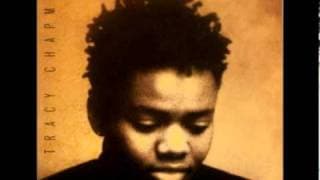
Chapman played it live for seven years before recording it, then a loose blues shuffle became her biggest hit.

Originally called Planet Xerox until the trademark intervened, drums spliced from other sessions, piano soaked in delay.
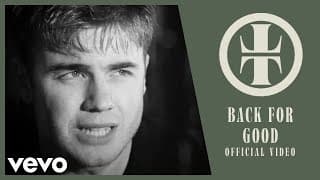
Barlow says it took fifteen minutes to write; the BRIT Awards debut pushed the release forward to an instant number one.
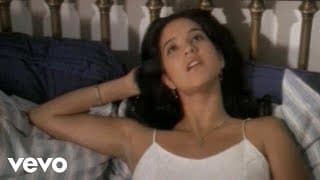
Cut in Corpus Christi with Selena fighting bronchitis, her first take kept, and released months after her murder.
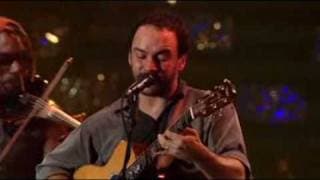
Played live since 1991 and cut twice on record, it rides Boyd Tinsley's violin hook and Beauford's snare.
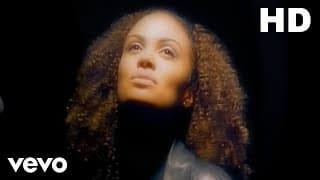
Larrieux's feathery lead over Bryce Wilson's interpolation of the Mary Jane Girls, and neo soul had its blueprint.
Nathan Morris had written nearly the same song for his late road manager, Carey said; sixteen weeks at number one.

Roland Barthes' A Lover's Discourse fed the 1986 original; Lennox and Lipson rebuilt it into a Grammy winner.
A Meters loop under Treach's easiest flow, pulled from the first album ever to win the rap Grammy.
Written at sixteen on a road trip, produced by Ben Keith, from a debut that took two years to break.
Rzeznik twisted tuning pegs until a second high E replaced the B string, and that open ring carries the song.
Wells and Black's first song ever cut by a major star, and Strait took a playground note to number one.
Trackmasters looped Michael Jackson's The Lady in My Life, Boyz II Men sang the hook, and LL won a Grammy.