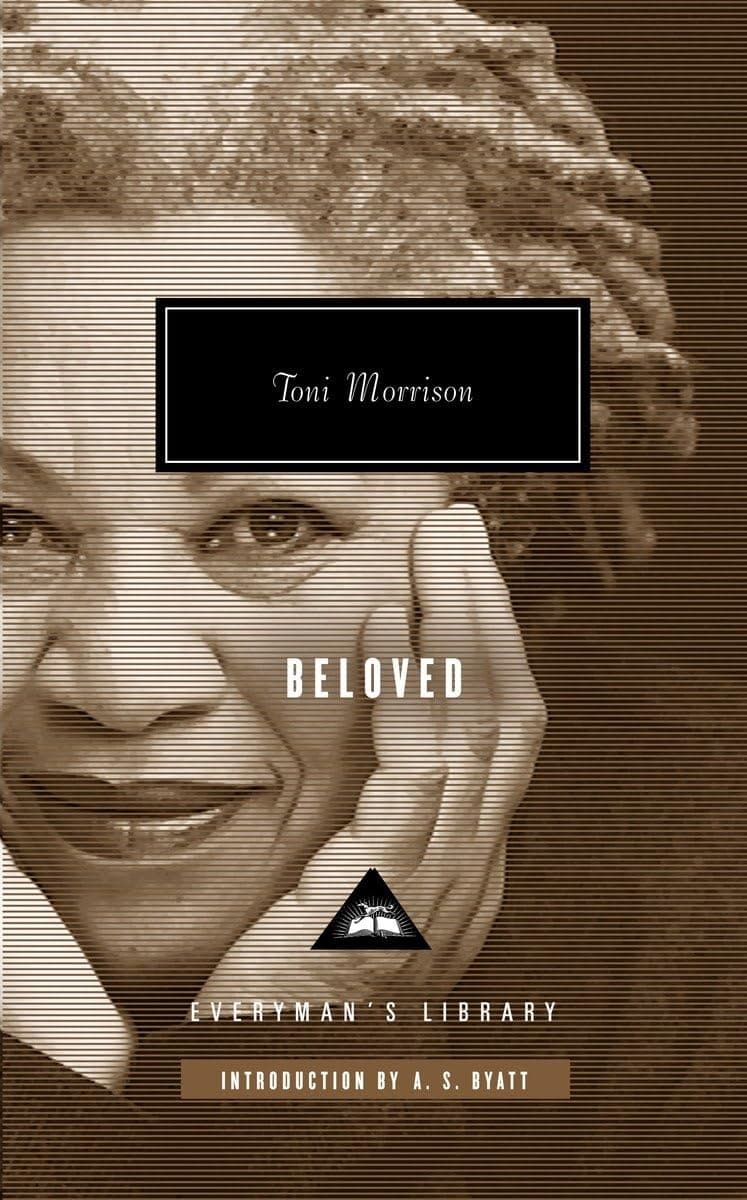
Beloved
1987 · 360 pages
Sethe escaped slavery years ago and cannot escape the daughter she lost, who comes back to the house as a young woman. Morrison writes American history's worst chapter with unbearable tenderness.
★ 9.4
 skopia
Sethe escaped slavery years ago and cannot escape the daughter she lost, who comes back to the house as a young woman. Morrison writes American history's worst chapter with unbearable tenderness.
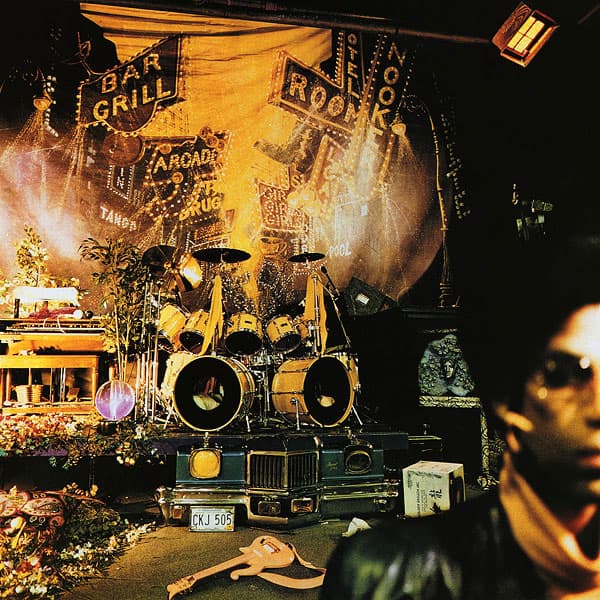
It was meant to be a triple album and the label refused. Some of it is sung by a sped-up alter ego called Camille.

It sold almost nothing for a year until MTV agreed to play Welcome to the Jungle once, at four in the morning. Then it never stopped.
Slash was goofing through a warm-up he called a circus melody; an hour later the band had this.
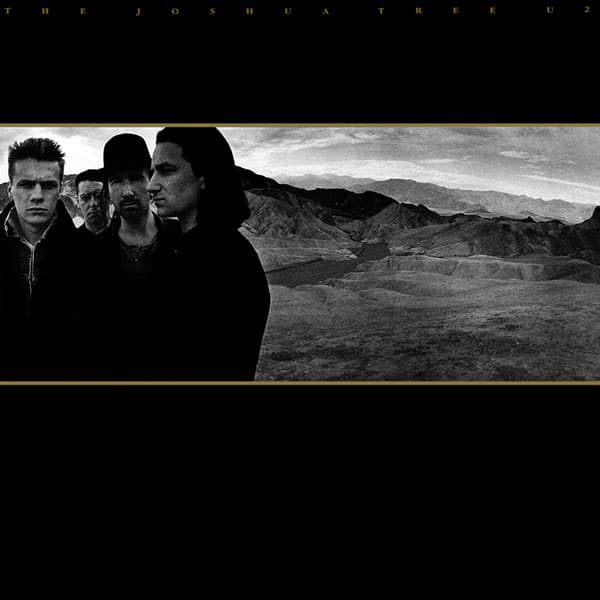
Where the Streets Have No Name took so long to record that Brian Eno considered wiping the tape to force them to start again.
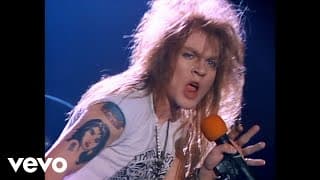
Slash's riff, McKagan's breakdown recycled from his old punk band, and roughly three hours from nothing to finished song.
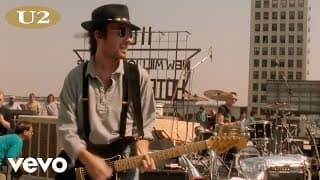
Eno reckoned half the album's sessions went into it and nearly wiped the tape; the Edge's delay does the rest.
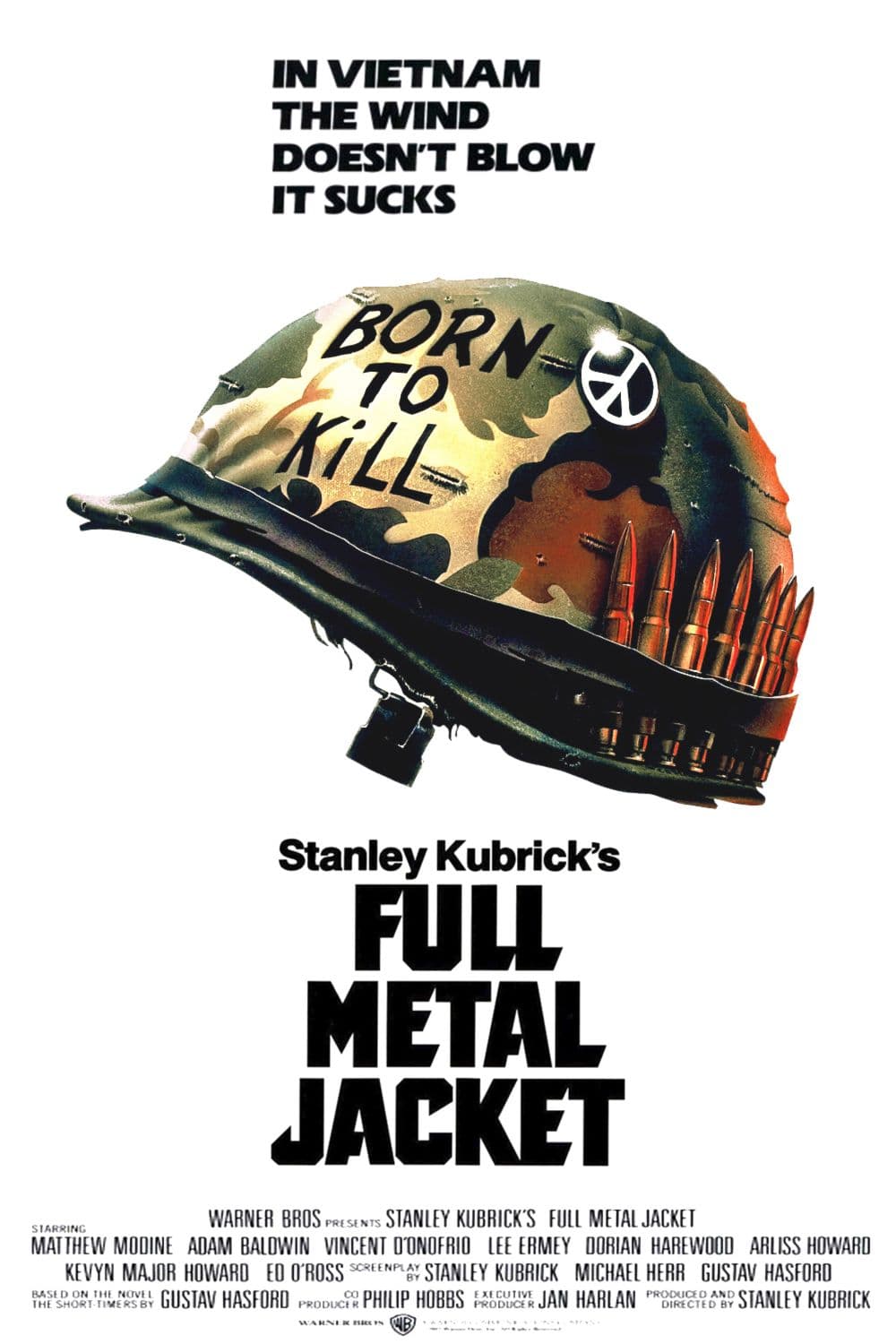
The first half is the most quoted boot camp ever filmed: Kubrick found a real Marine drill instructor, let him write half his own material, and made basic training terrifying.
The Edge was sent a prototype Infinite Guitar by Michael Brook, and U2 had their first American number one.

At a London crossing in 1933 a physicist grasps how a chain reaction could work. Rhodes follows the idea to Los Alamos and Hiroshima, making the physics clear and the human cost unbearable.
Written in a rental van home from San Francisco, and the final two minutes simply double the tempo.
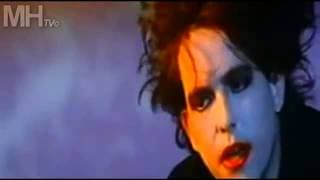
Smith traced it to a day at Beachy Head with Mary Poole; Williams sped the tempo, adding the opening fill.
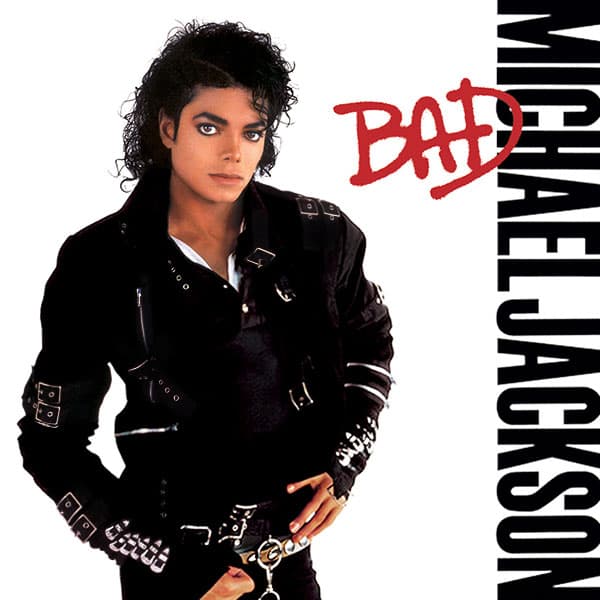
Prince was supposed to sing the title track with Jackson and turned it down. Five singles from it went to number one anyway.
Two years in the making, with MacColl finally singing the woman's part, and it still stalled at number two.
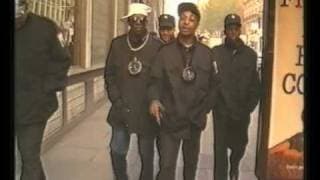
First released on the Less Than Zero soundtrack, it opens with Malcolm X and never stops arguing rap's case.
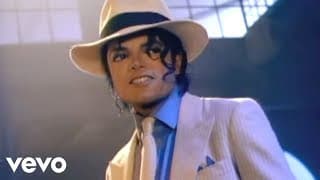
Jackson took the chorus line from a CPR dummy named Annie, and the anti-gravity lean later earned a patent.
A jam demoed under the title The Weather Girls became a gospel hymn about doubt, and U2's second American number one.
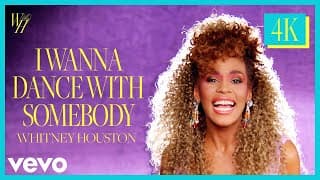
Walden thought the demo too country, funked it up, and Houston cut it while shaking off a bronchial infection.
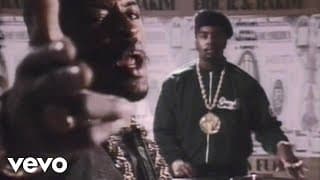
Coldcut took 700 pounds for the remix, added Ofra Haza, and Rakim's minute-long verse reset how rappers rhymed.
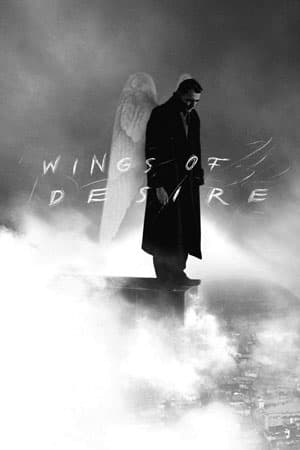
Wenders filmed a divided Berlin two years before the Wall came down and caught something nobody could stage again: angels listening in on what the people below are thinking.
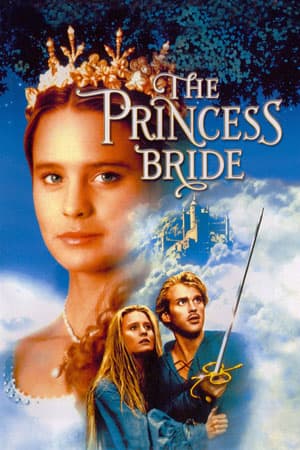
It barely registered in cinemas and built its whole following on video: pirates, giants, a six-fingered man, and a grandfather reading to a boy who does not want the story.
Scorsese shot eighteen minutes in a Brooklyn subway station, and the brass hits point straight back at James Brown.
A church organ quoting Wham!'s Freedom, then Hugh Burns's Bo Diddley rhythm, and four weeks at number one.

Rakim rhymes inside his lines rather than only at the ends of them, and delivers all of it without ever raising his voice.
Hello. My name is Iñigo Montoya. You killed my father. Prepare to die.
A B-side until a San Francisco DJ's remix reached radio, and a first rap Grammy nomination they boycotted.
A Bobby Byrd loop that sent every producer digging for James Brown, and Rakim rhyming coolly off the beat.
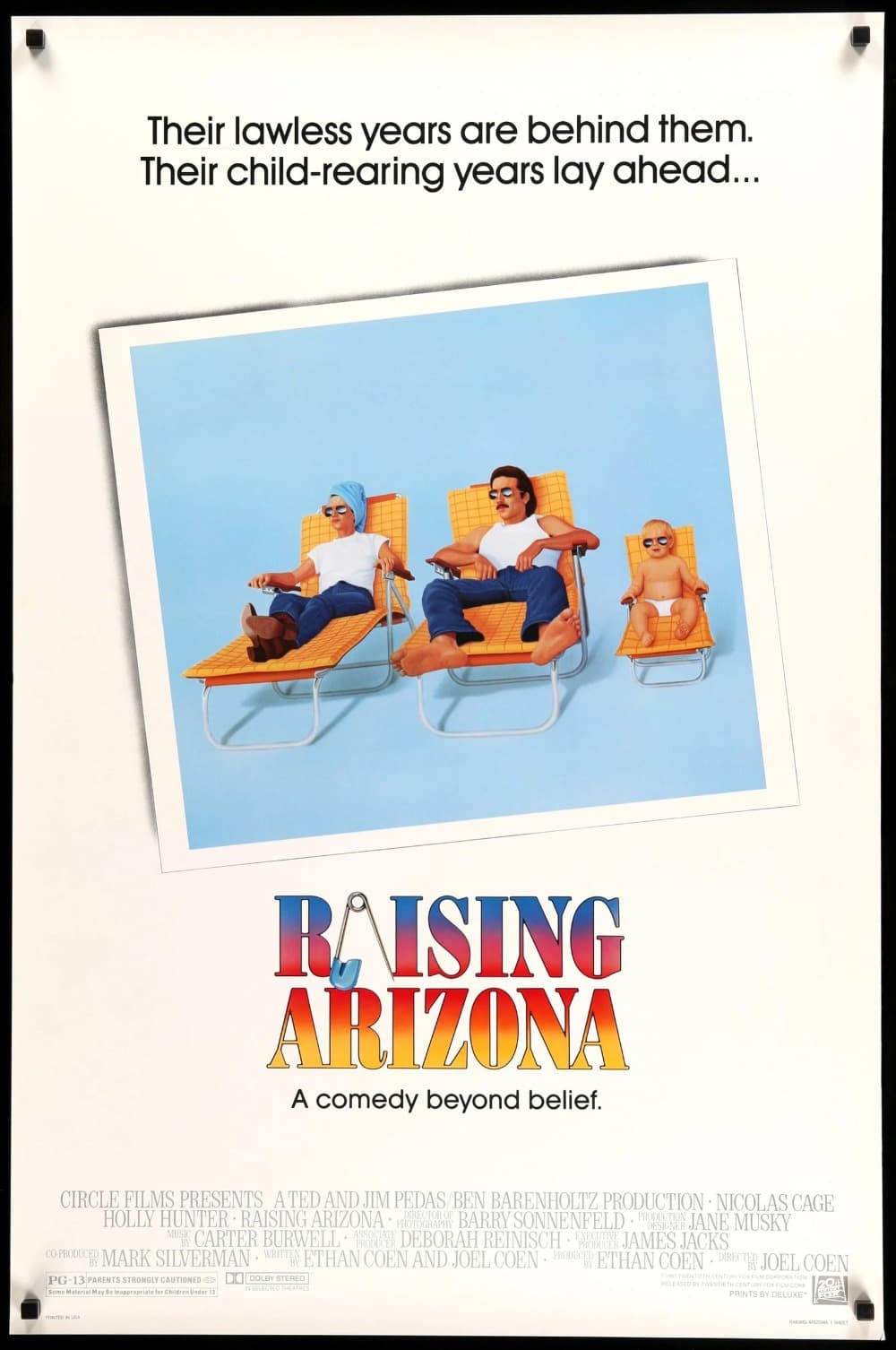
The Coens' funniest film and by some way their fastest: a childless couple steal one of a furniture magnate's quintuplets, and the chase never once slows down afterward.
A cassette demo made while a taxi idled outside, finished in Hong Kong, and INXS's only American number one.
A dream about a party where every guest had Lenny Bruce's initials, sped into Document's headlong disaster list.

Shilts reconstructed the AIDS epidemic's first years and showed the deaths were a political choice, from unfunded research to blood banks that refused to screen. He learned his diagnosis the day he finished.
Ice Cube wrote it for a New York group who walked out; Dre pushed Eazy-E to rap it himself.
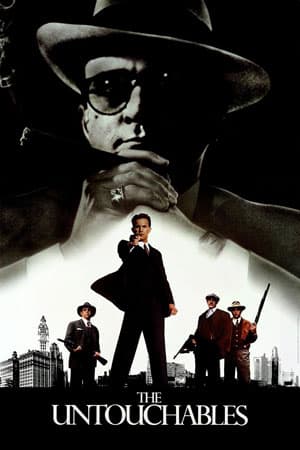
Mamet wrote it and Morricone scored it: De Palma stages a shootout on a station staircase in open tribute to Battleship Potemkin, and turns Prohibition Chicago into pure American myth.