
Blood Meridian
1985 · 337 pages
Scalp hunters ride the Mexican border in 1849, among them a runaway Tennessee boy and the hairless giant Judge Holden. McCarthy writes the violence in Old Testament prose and never once looks away.
★ 9.1
 skopia
Scalp hunters ride the Mexican border in 1849, among them a runaway Tennessee boy and the hairless giant Judge Holden. McCarthy writes the violence in Old Testament prose and never once looks away.
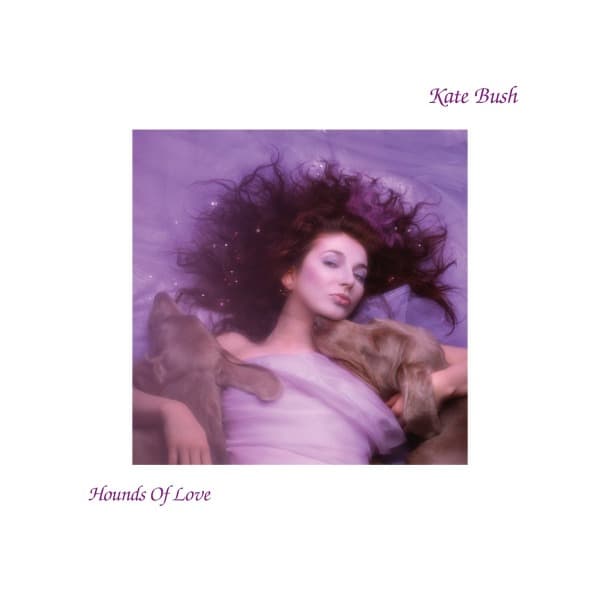
Bush built her own studio at home so nobody could interfere, then gave over an entire side to a woman drowning through one night.
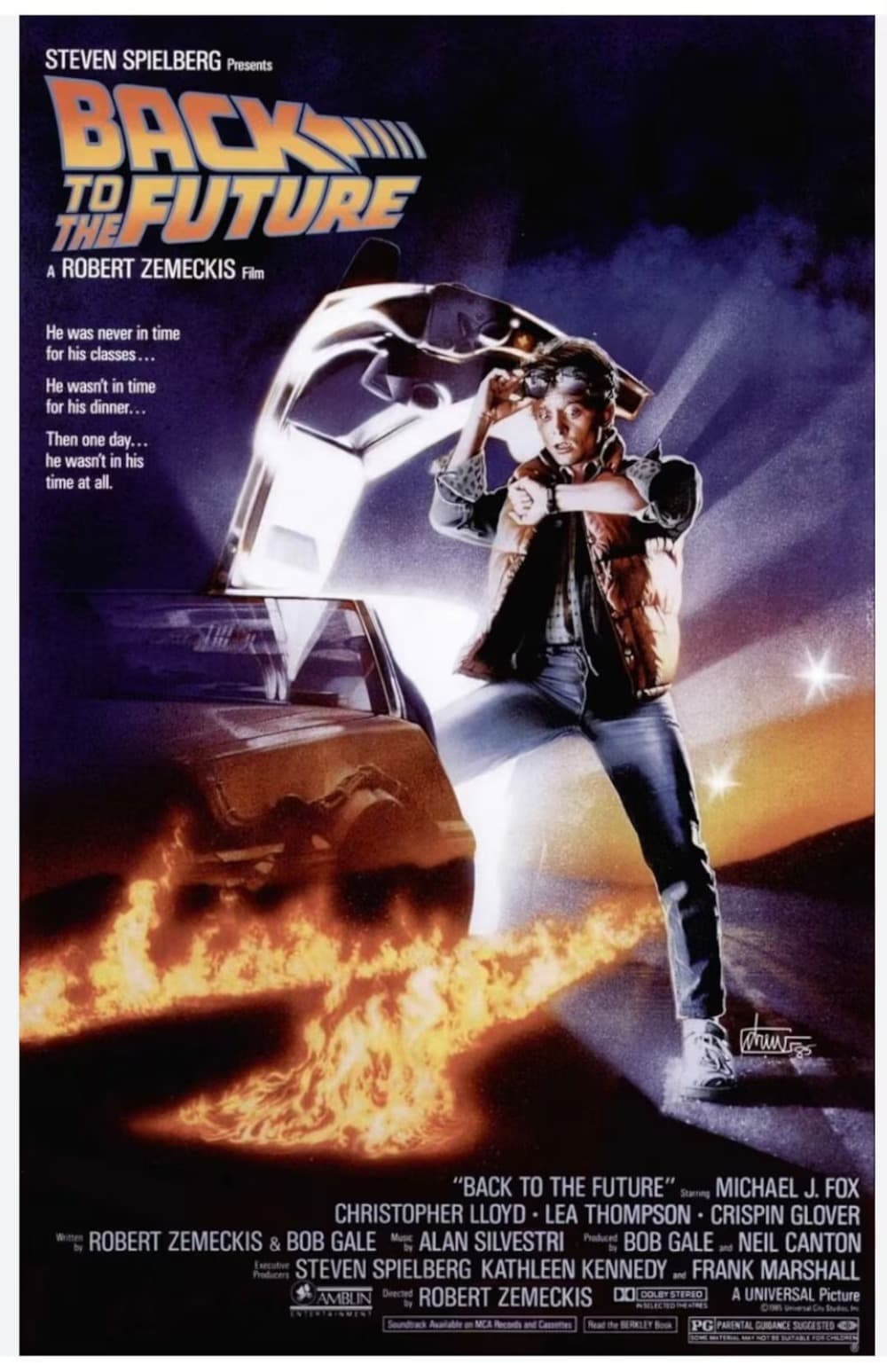
Screenwriting teachers use it as the worked example: every joke and every prop planted early comes back later, and the whole machine runs without a single wasted second.
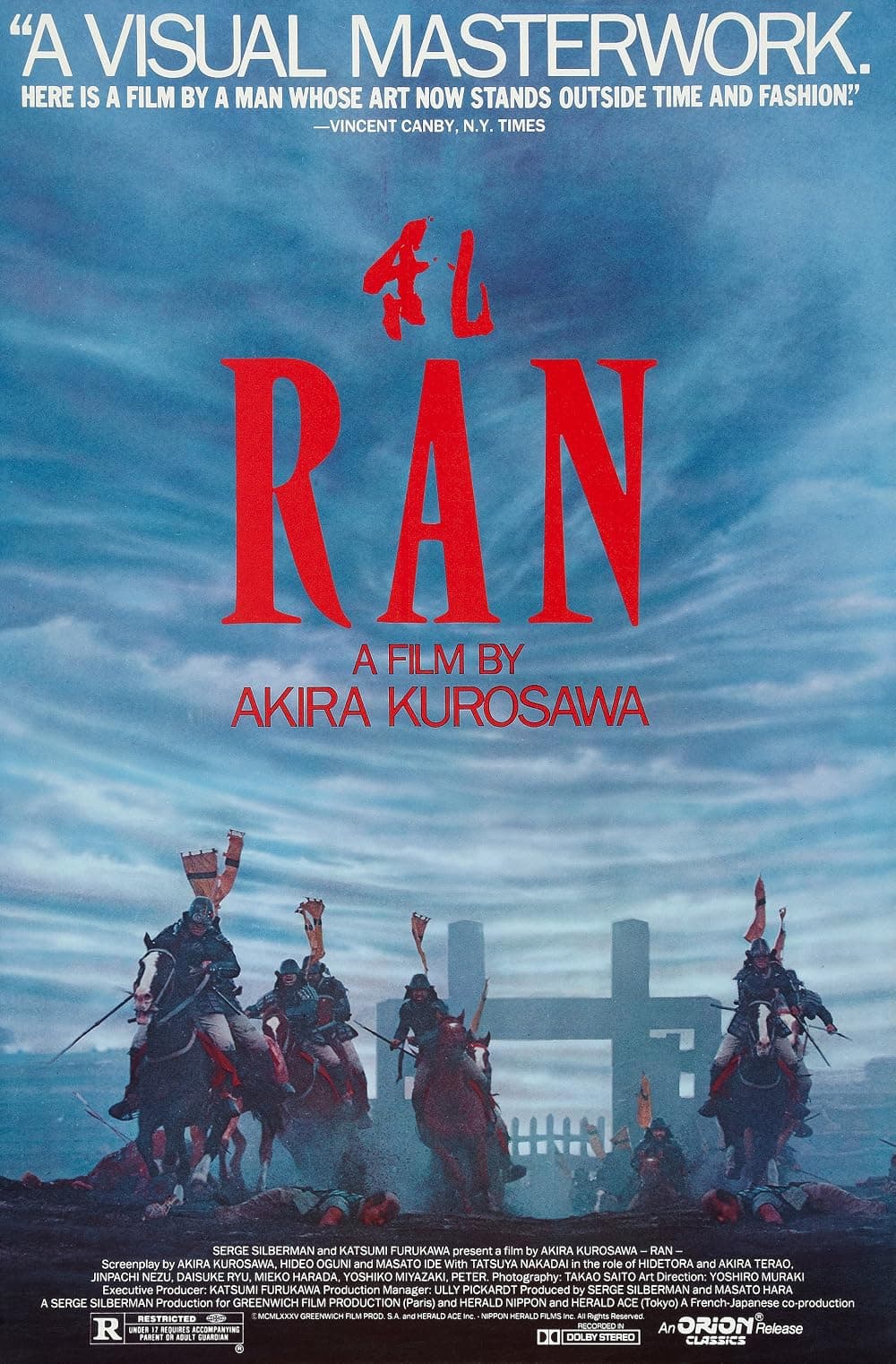
Kurosawa was seventy-five and his eyesight was failing when he made it: King Lear moved to feudal Japan, with a great battle that plays to music and nothing else.
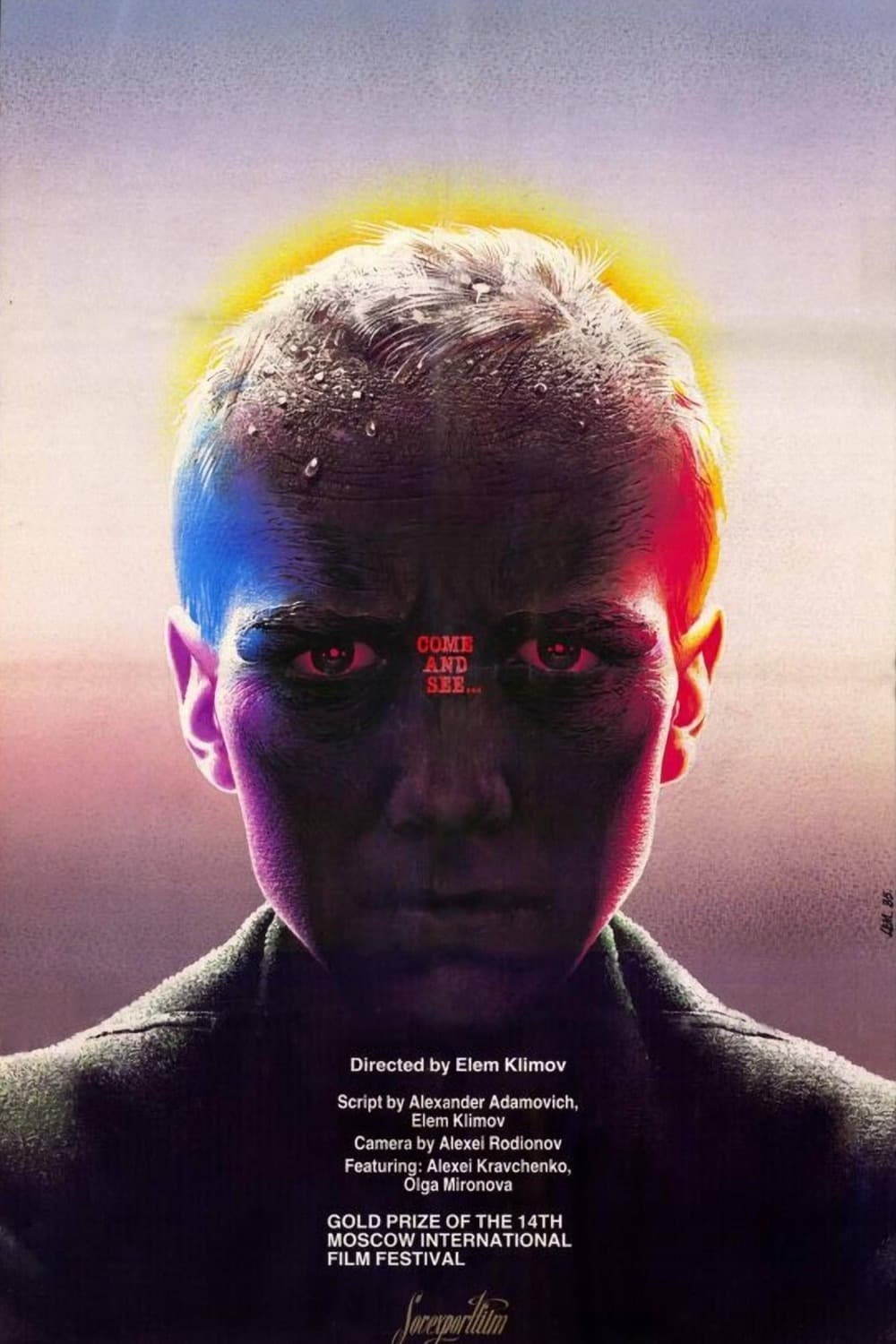
No other war film can follow it: Klimov put a boy's face through the destruction of Belarus and let it age visibly, and nobody watches it twice lightly.

Turned down as a young man, Florentino Ariza waits fifty-one years for the woman he loves to be widowed. García Márquez makes old age more erotic than youth.
Marr's shudder came from four Fender Twins with their tremolos fighting, and Morrissey put a lonely man in a nightclub.

In the theocracy that replaced the United States, fertile women are assigned to powerful men to bear their children. Atwood put nothing in it that had not already happened somewhere.
Two voices and no instruments at all: Doug E. Fresh's beatbox under Slick Rick's storytelling, sampled ever since.
Cut twice, once for Bobby Orlando and again with Stephen Hague, Tennant half-rapping London class anxiety to number one.
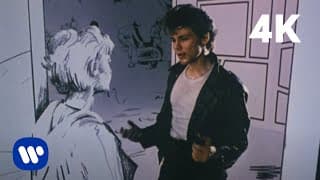
Two releases flopped before the third one broke, Furuholmen's Juno-60 riff intact and a video rotoscoped over sixteen weeks.
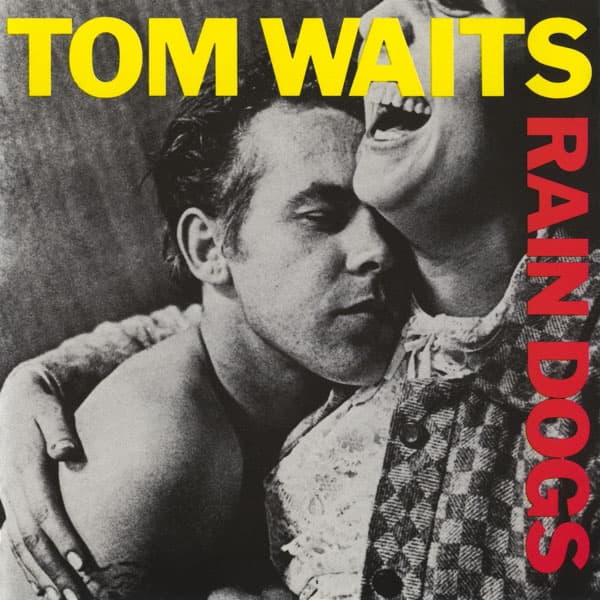
Waits had Marc Ribot play guitar as though he had never been taught, and Keith Richards turns up on three tracks.
It missed the UK top forty, all Fairlight sequencing except Hook's bass, and now every indie disco needs it.
Knopfler borrowed a pen in a New York appliance store to copy down a delivery man's complaints about MTV.

Written for another singer, rebuilt with Stephen Bray for a Desperately Seeking Susan dance scene, then buried on a B-side.
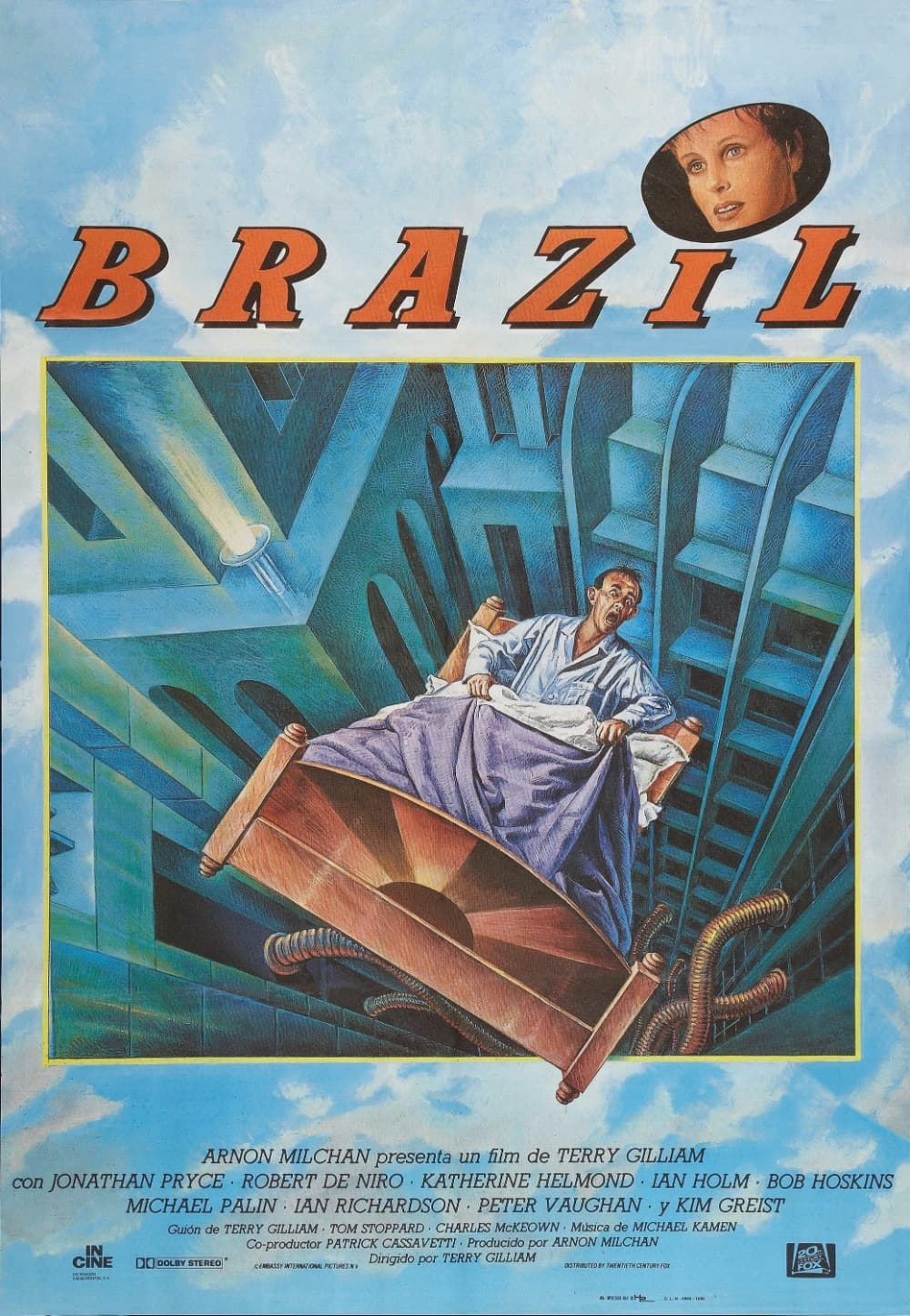
The bleakest comedy ever made about paperwork: Gilliam imagined a state that tortures you politely and misfiles the forms afterward, and had to fight his own studio to release it.

Orzabal found the shuffle alien to the band, Hughes talked him into it anyway, and America made it a number one.
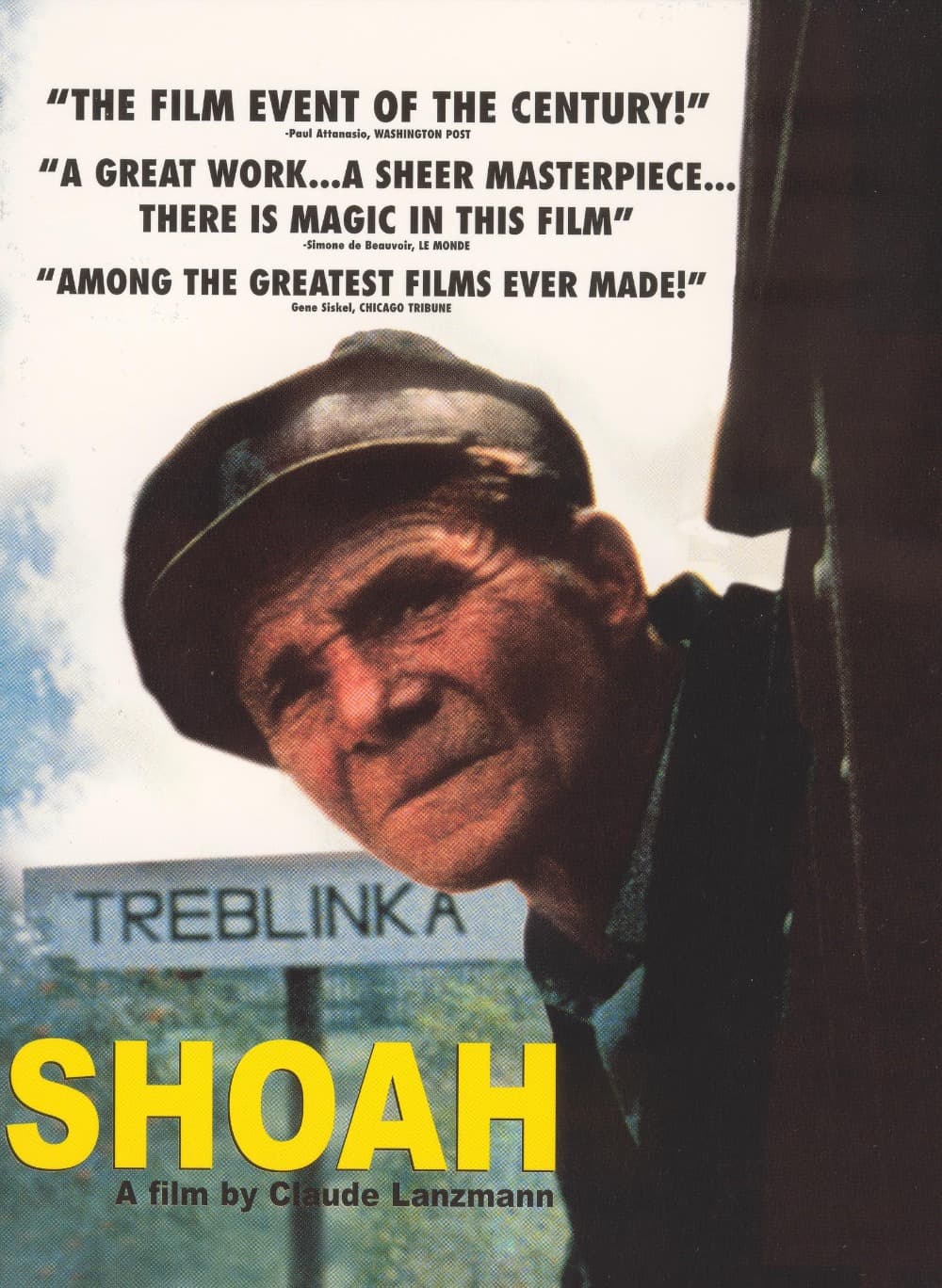
Nine hours long, with no archive footage at all: Lanzmann spent eleven years getting survivors, bystanders and perpetrators to describe what they saw, standing on the actual sites.
Bryan Ferry and Billy Idol passed; Simple Minds cut it reluctantly, then kept the placeholder chant that closes it.
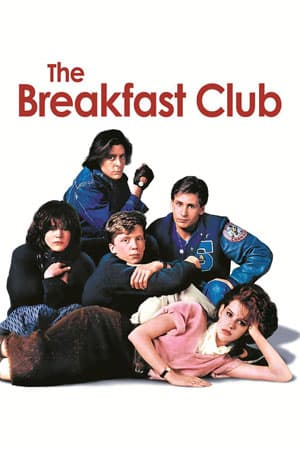
Five teenagers in one room for a Saturday detention, and every teen film since has been rearranging the same five: Hughes let them talk instead of doing anything.
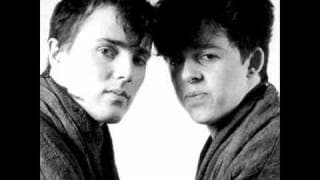
Orzabal wrote it on a small synth as an album track; Stanley heard a worldwide smash and was right.
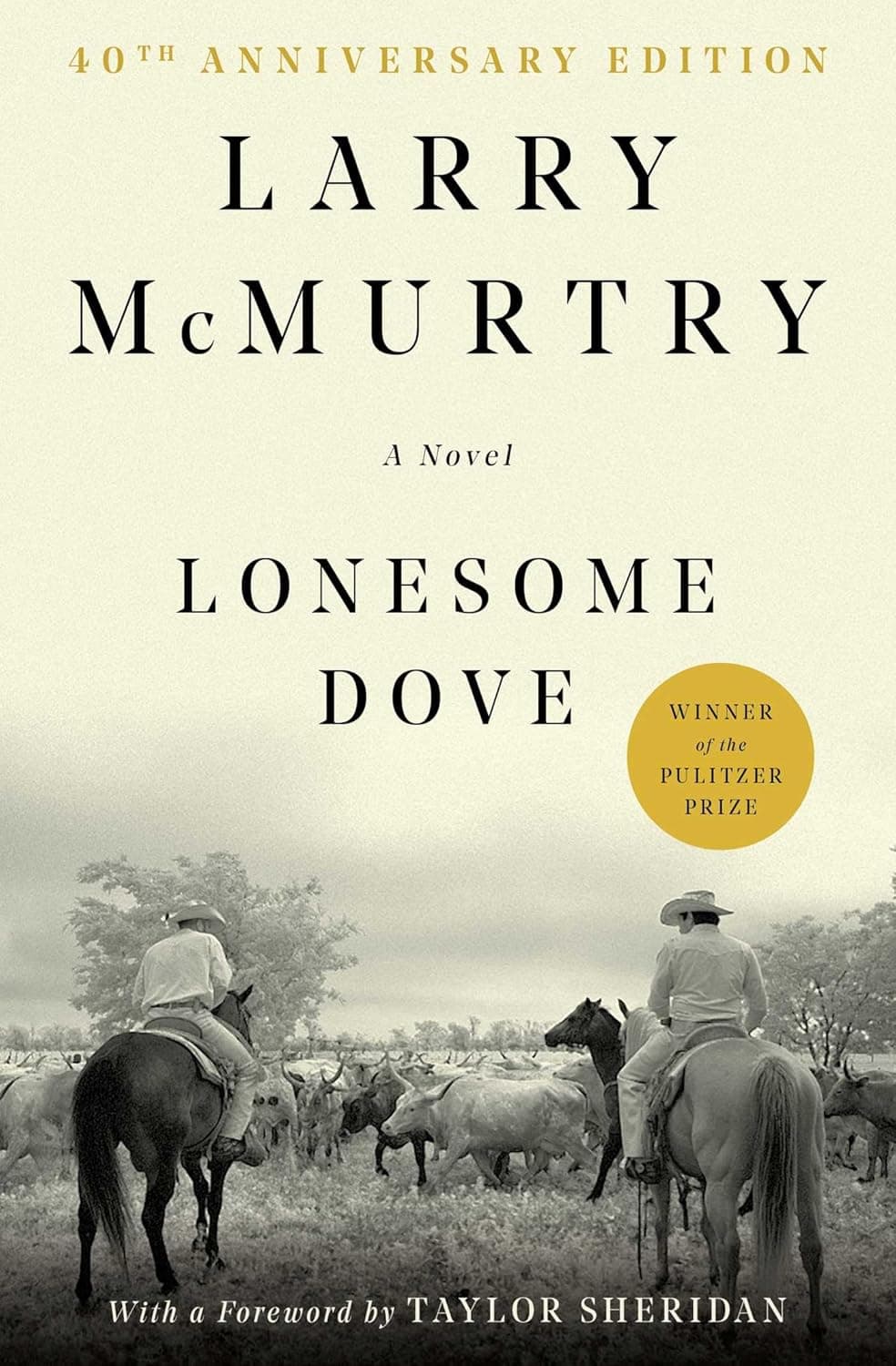
Two aging Texas Rangers drive cattle from the Rio Grande to Montana, one talking constantly and one saying nothing. McMurtry gives the whole crew interior lives, then lets the trail take them.

Orwell feared censors, Postman writes, but Huxley feared an audience too amused to care. Television has turned news and politics into show business, and every argument about screens since has borrowed his terms.

Why does a pane of glass reflect some of the light striking it? Feynman answers with arrows on paper and not one equation, handing quantum electrodynamics whole to readers who never took physics.
Smith's six-string bass, acoustic guitars strummed to a blur, and the Cure's sunniest song about feeling old.

Two stories alternate: a man who encrypts data inside his mind, and a newcomer to a walled town reading dreams from unicorn skulls. Murakami has been returning to that architecture for forty years.
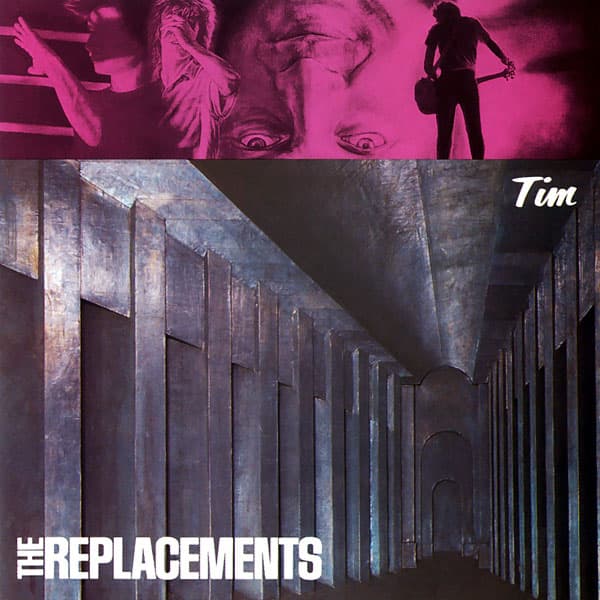
Tommy Ramone produced it, and the band got themselves banned from Saturday Night Live after one drunken appearance a few months later.
Ian Stanley wrote the motif, Orzabal added melody and words, and the chorus arrives like a door kicked open.
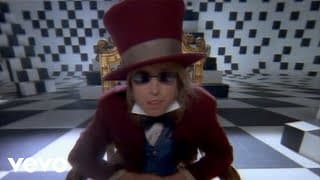
Stewart's electric sitar, a title Stevie Nicks said out loud one night, and Petty at his strangest.

A demo Janet Jackson's camp turned down, which Houston rode to number one over her cousin Dionne Warwick.
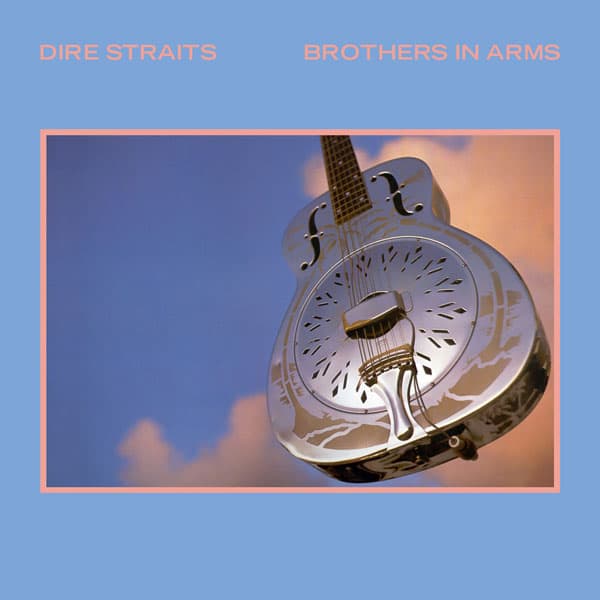
The first album to sell a million copies on compact disc, and one of the first recorded digitally start to finish.

Everybody Wants to Rule the World was written last, in a few days, and the band nearly left it off the record entirely.

Written after a show in Utrecht by the band's own drummer, it walked Latin percussion onto American pop radio.

A music teacher reaches for his wife's head, mistaking it for his hat. Sacks gives twenty-four such patients whole inner lives, more curious about what their minds built than what was lost.