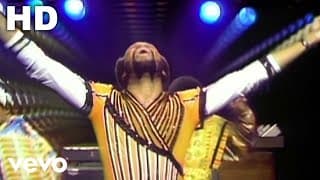
September
1978
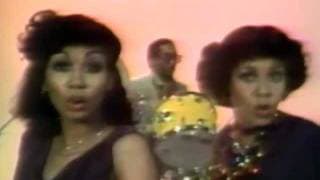
Willis wanted real words instead of ba-dee-ya; White refused, and the groove outlived any lyric she could have written.
★ 8.3
 skopia
Willis wanted real words instead of ba-dee-ya; White refused, and the groove outlived any lyric she could have written.
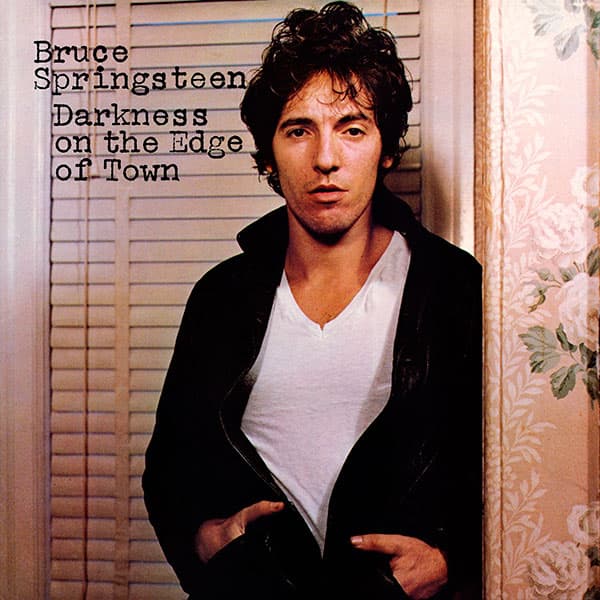
Three years of litigation kept Springsteen out of a studio, and when he got back in he gave away most of the catchy songs.
Buried as a B-side until DJs flipped it, and Gaynor cut the vocal in a back brace after spinal surgery.
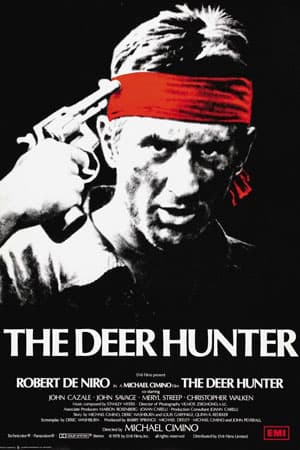
Cimino spends a whole first act on a steel town and a wedding, so that when the war arrives it lands on people you already know by name.
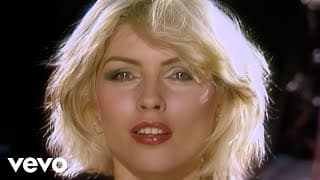
A demo kicked around since the mid-seventies, rebuilt on a Roland drum machine that appalled their punk friends.
Joey wrote it stranded in a shut-down London at Christmas, and Johnny's solo is one note, repeated.
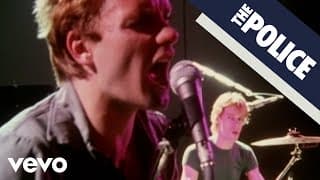
Copeland turned Sting's bossa nova into a tango, and the piano clang at the top was an accident they kept.
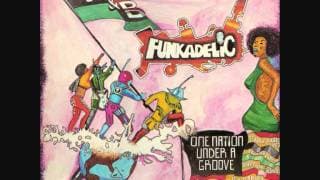
Clinton, Shider and Junie Morrison cut it at United Sound; six weeks at R&B number one, 1978's longest run.
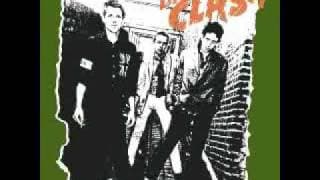
Strummer expected roots rebellion at an all-night Palais reggae bill, got showbiz, and slipped reggae bass into punk.
Four-on-the-floor from a Billy Preston jam, harmonica by Sugar Blue, found busking in Paris, and their last American number one.
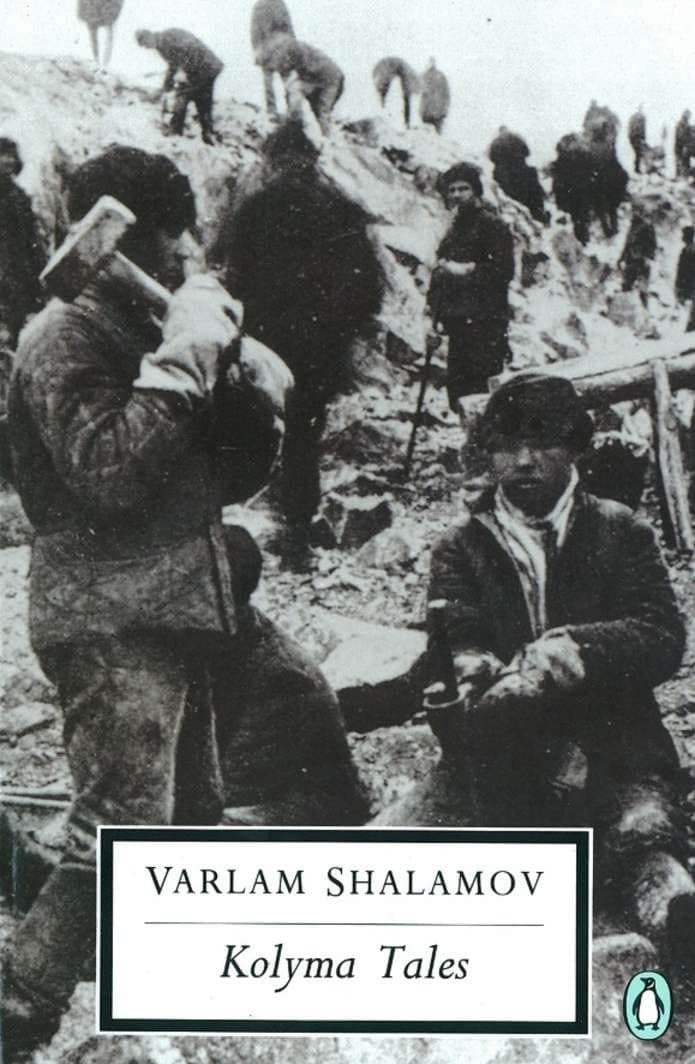
Shalamov spent seventeen years in the Kolyma camps. His stories are short, about frostbite and stolen bread and men too weak to lift a shovel, and he insists that suffering teaches nothing.
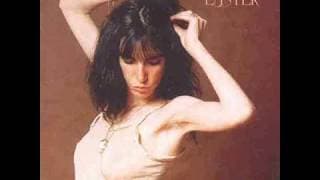
Springsteen abandoned the demo, Iovine passed Smith the cassette, and she wrote the verses waiting on a phone call.
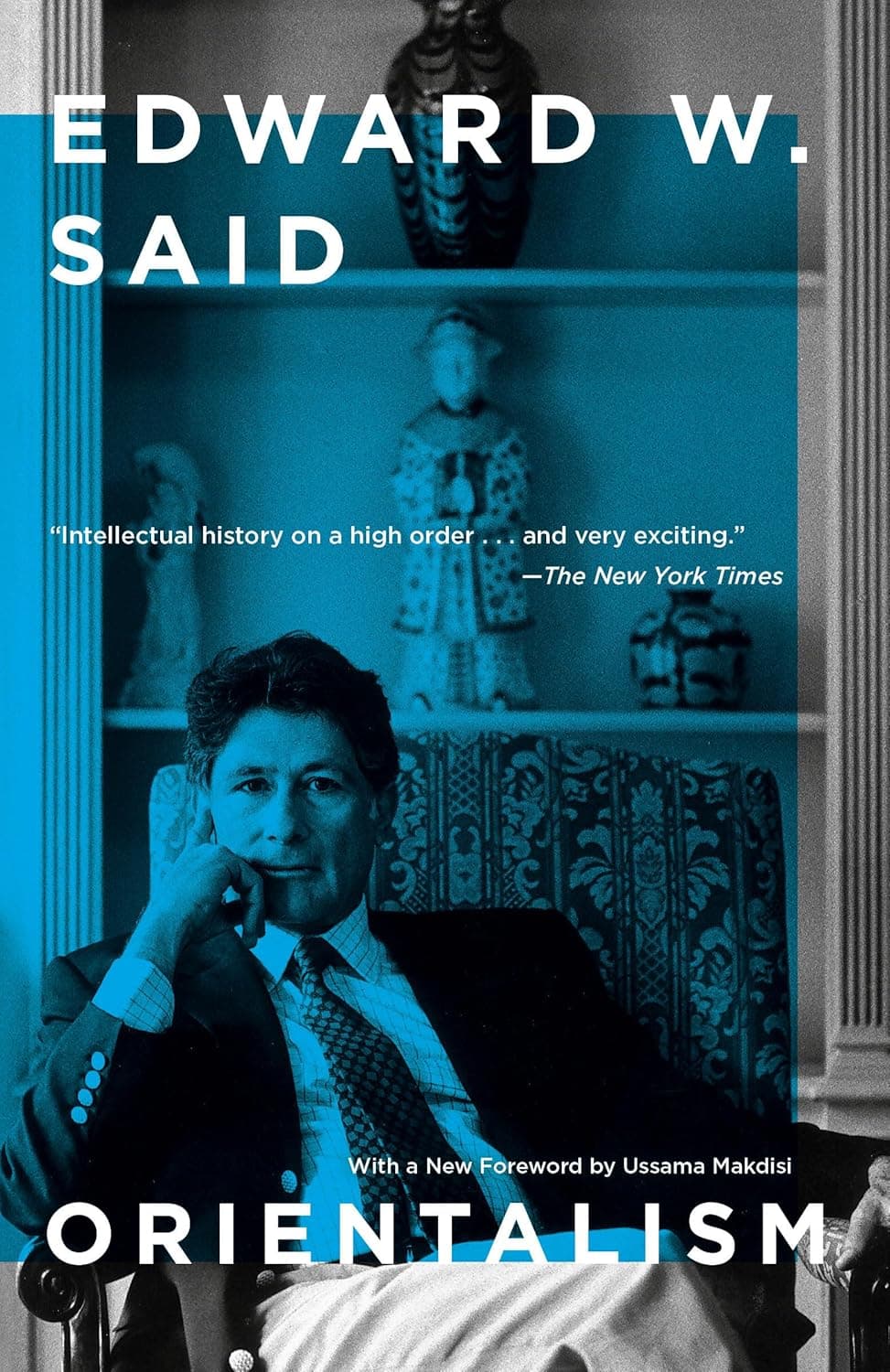
Western scholarship on the East was never neutral, Said argues: scholars and novelists built an exotic, backward Orient that empire could claim to govern. He upended how the West studies everyone it ruled.
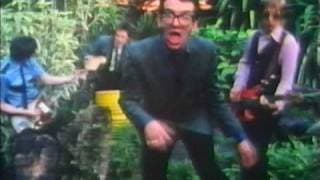
Nick Lowe wrote it for a pub-rock flop, produced Costello's B-side version, then got rich when The Bodyguard covered it.
The Answer to Life, the Universe and Everything...it's Forty-two.

Tuchman holds the fourteenth century up as a mirror to our own: plague killing a third of Europe, a war without end, and one French nobleman whose life ran through all of it.

Take the facade off a Paris apartment house: Perec fills every room with a life and threads them around an Englishman whose fifty-year project is designed to leave no trace on the world.
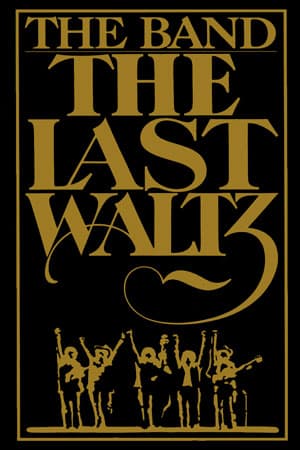
A rock concert storyboarded like a feature and shot on 35mm by seven camera crews: The Band's 1976 farewell is the concert film everything else gets measured against.
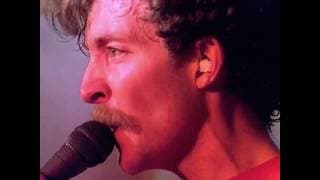
A baritone Mosrite missing its two middle strings, and a party record that talked Lennon out of retirement.
Townshend woke in a Soho doorway after drinking with two Sex Pistols, and Keith Moon's last album took the title.

Costello had been working as a computer operator two years earlier. The sleeve was printed deliberately off-center with the camera and tripod showing.

Human beings want what other people want, Girard argues, and communities discharge the violence by killing one arbitrary victim together. Myth hides that murder. The Gospels expose it by calling the victim innocent.
Two deliberate key changes raise the temperature under a teenager discovering his parents are cooler than he is.
A thank-you note to Jagger for shouldering the band, by Richards' account, with Wood taking the solo.
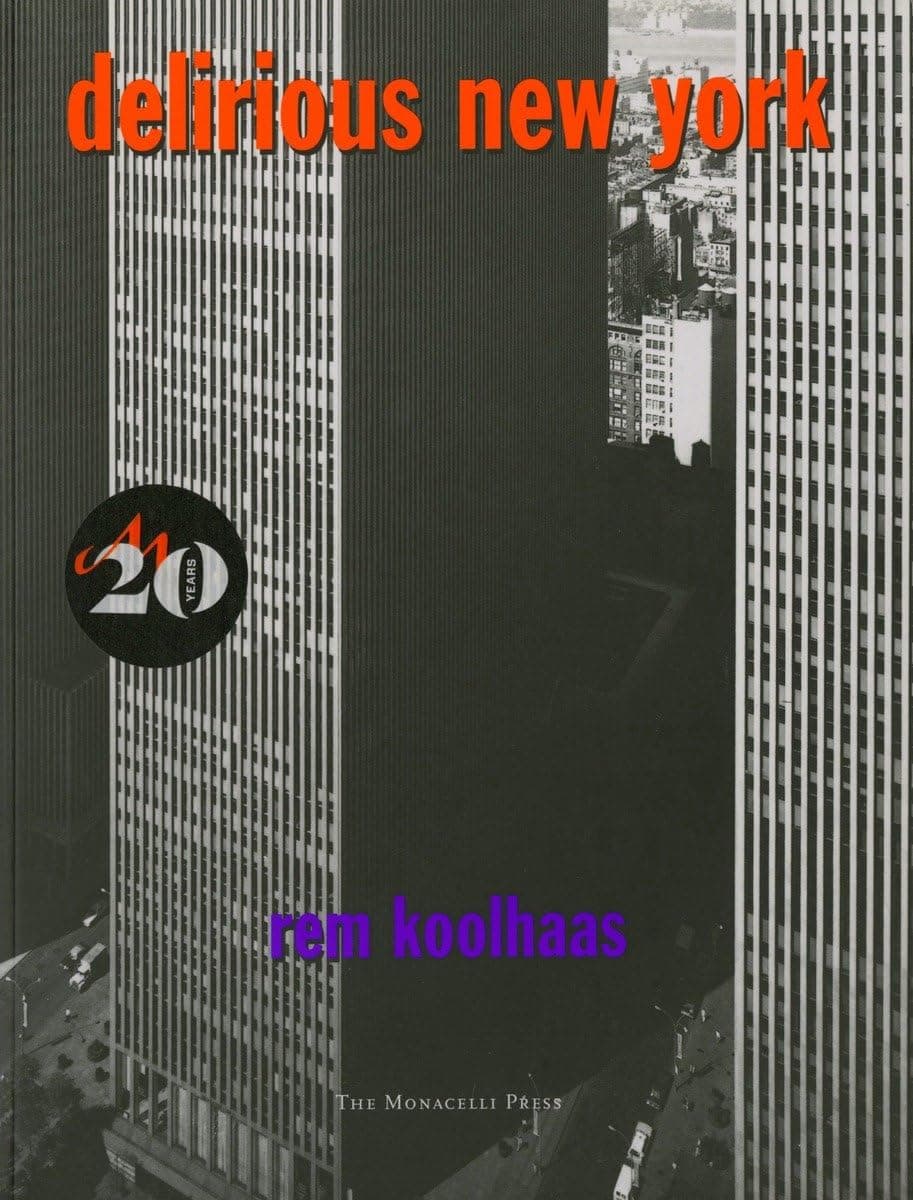
Manhattan built itself without a theory, so Koolhaas supplied one afterward: the grid, the skyscraper, and Coney Island as a culture of congestion. He turned density from planning's disease into architecture's ambition.
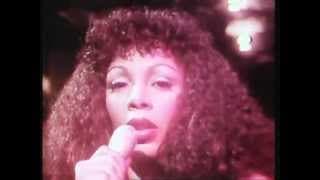
Jabara reportedly locked Summer in a hotel bathroom with a cassette until she agreed; it won the Academy Award.

The title track runs sixteen minutes and was cut with the band playing together in the room, audience noise dubbed on afterward.
Kaya's warmest track went top ten in Britain, and its London video gave a young Naomi Campbell her debut.
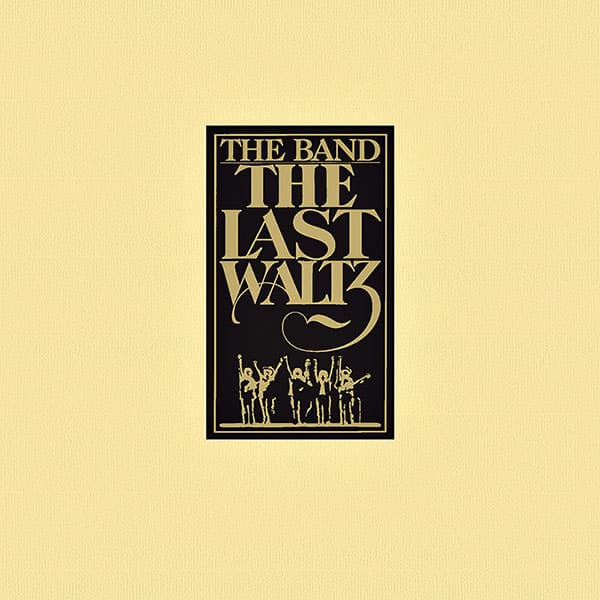
Martin Scorsese shot it with seven cameras and a written shot list keyed to the lyrics. Neil Diamond and Muddy Waters both turn up.
Booked after the Sex Pistols' visas fell through, Costello halted his SNL performance mid-song to play this unreleased attack instead.
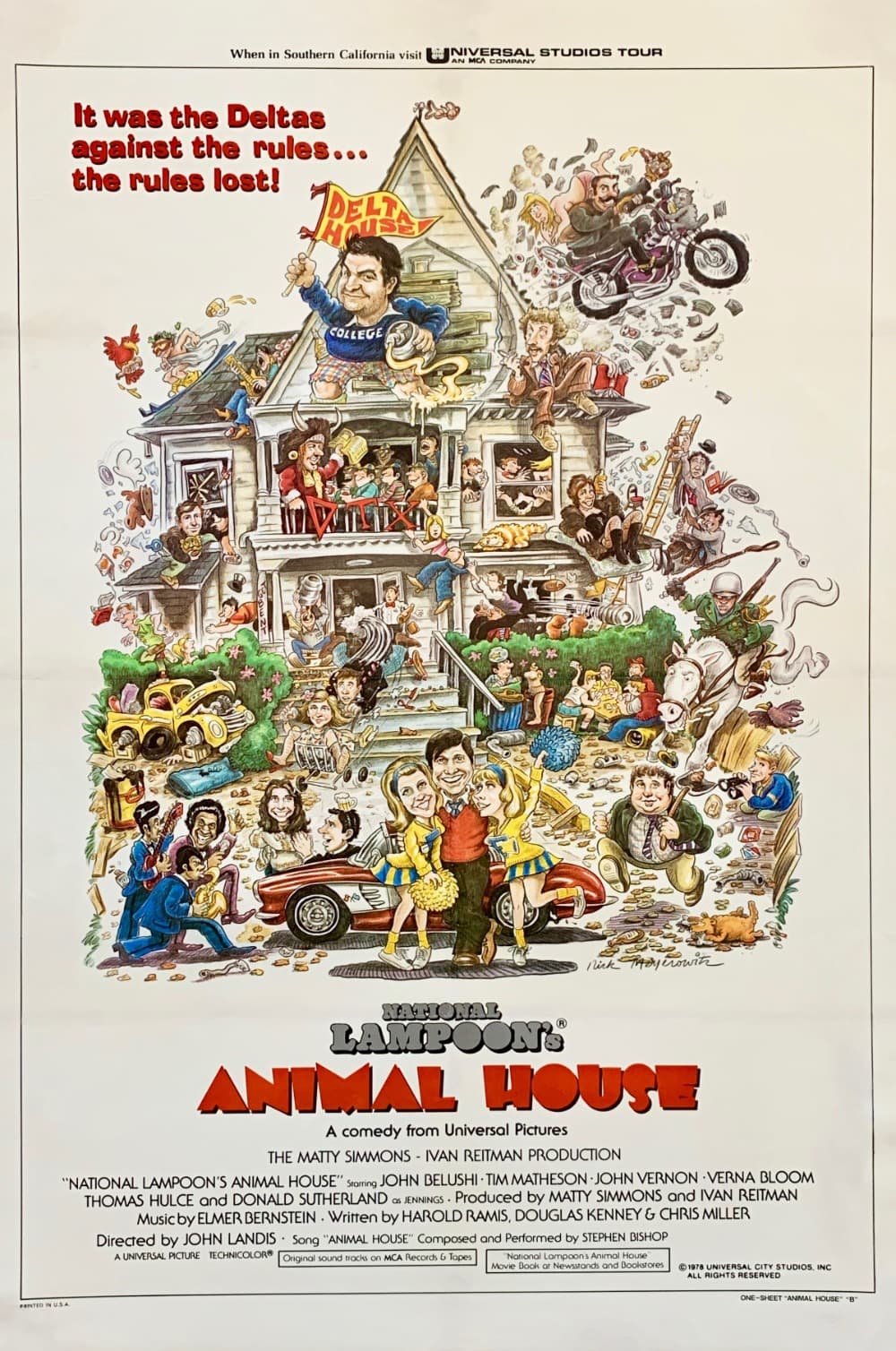
Made for three million and returned more than a hundred: every campus comedy since is a footnote to it, and John Belushi carries whole scenes with almost no dialogue.
Ulvaeus chanted "tck-a-ch" to pace his jogging; it became the a cappella hook on ABBA's seventh UK number one.
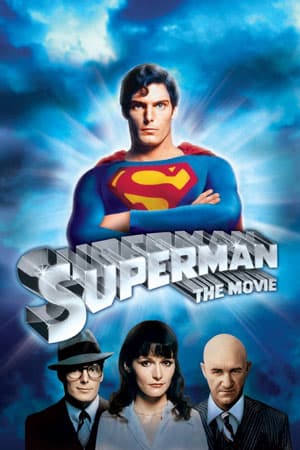
Warner promised audiences they would believe a man could fly, and they did: Christopher Reeve plays both halves so completely that a pair of glasses becomes a plausible disguise.
Cut live at Merriweather Post Pavilion, 1977, David Lindley's lap steel riding a song Browne wrote on his commute.
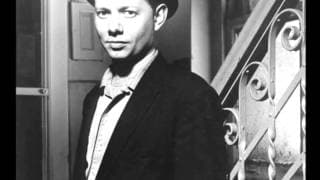
Graham Maby's bass carries the whole thing, a 1978 flop until reissue, and Jackson insisted it was a funny song.

Months after his wife's death, Matthiessen walks deep into the Nepalese Himalaya with a biologist counting blue sheep, studying Zen as he goes and watching for a snow leopard he never sees.
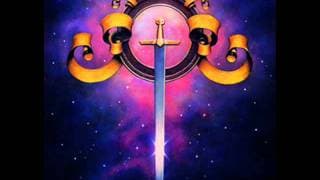
Paich's pounding piano intro, Porcaro's triplet hi-hat, and Lukather's solo, all on a debut single that hit number five.
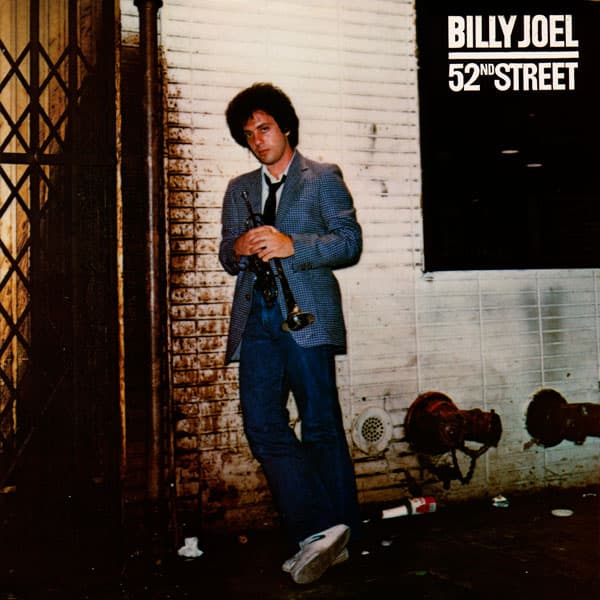
Joel brought in jazz session players and a horn section, and this became the first album anywhere to be released commercially on compact disc.
One riff played idly in Jones's apartment, and Gramm making him stop and play it again.
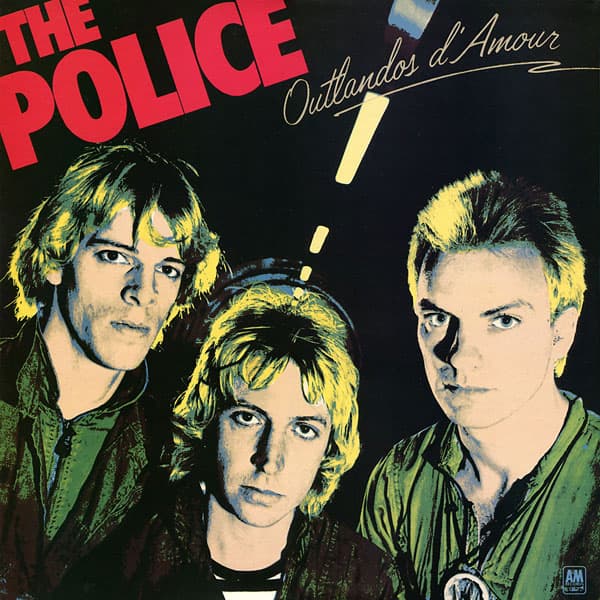
Made in scraps of studio time for about fifteen hundred pounds, and Roxanne is named after a poster the band walked past in Paris.
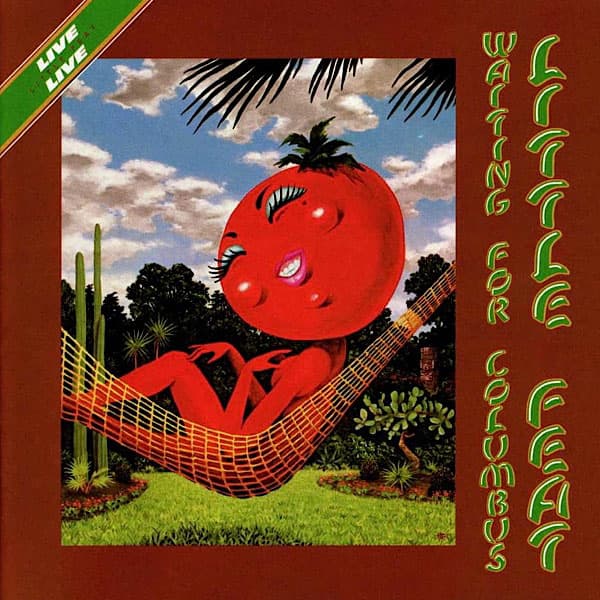
Tower of Power's horn section joined them for these shows, and a good deal of it was quietly fixed in the studio afterwards.
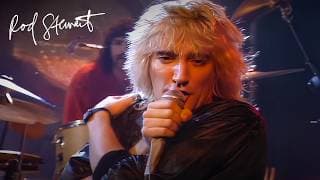
Stewart heard Jorge Ben's Taj Mahal at Rio Carnival, absorbed the melody unwittingly, and signed the royalties over to UNICEF.
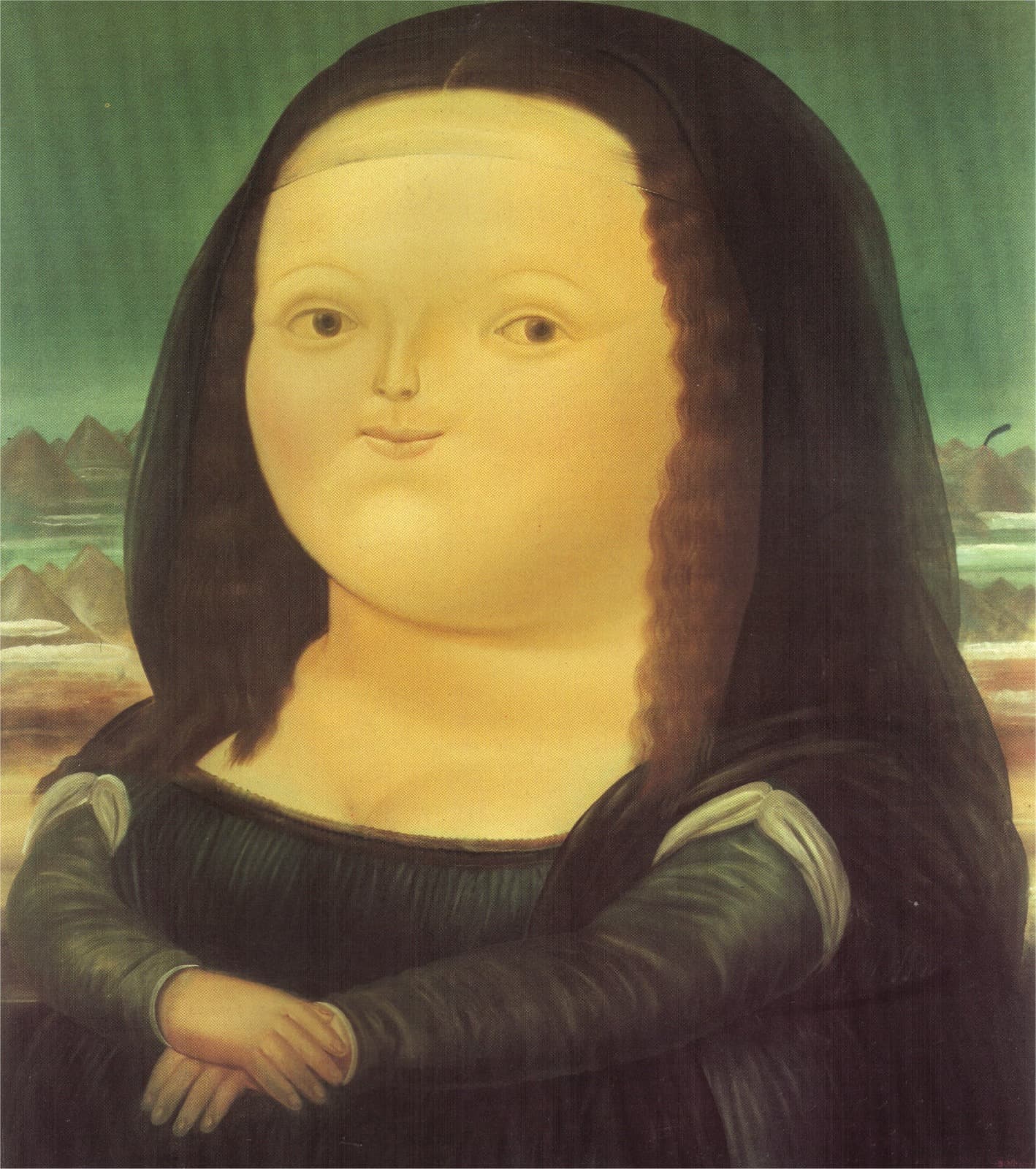
Botero inflated the most famous face in the world until the little mouth vanished into acres of cheek. Affectionate rather than cruel.
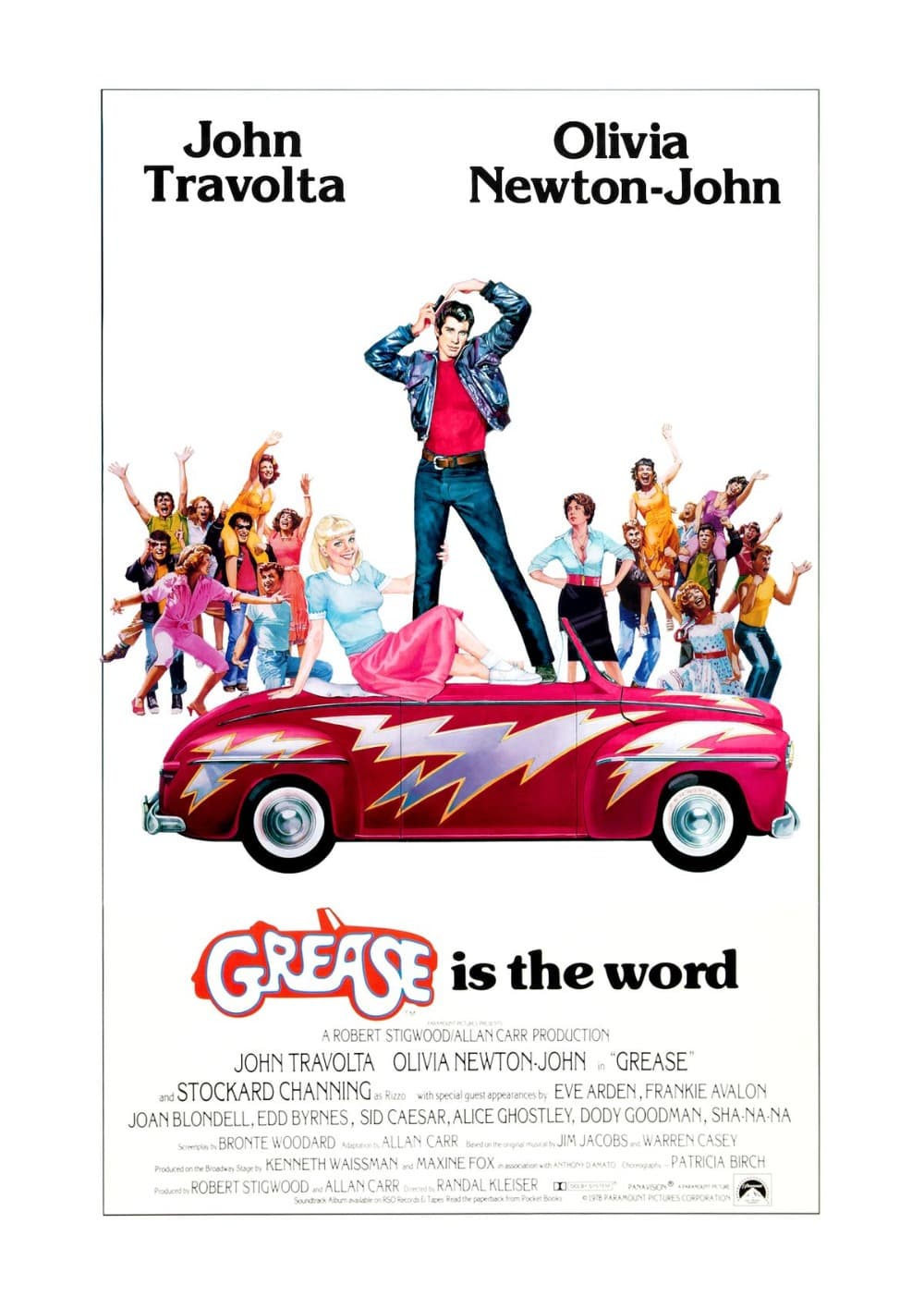
It was the highest-grossing musical ever made for more than twenty years: John Travolta and Olivia Newton-John are both obviously too old for high school, and it has never mattered.
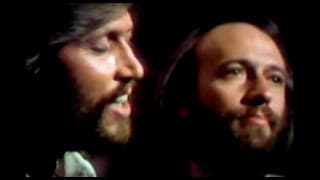
Nine layers of three-part harmony, twenty-seven voices in all, and every publishing royalty signed over to UNICEF.
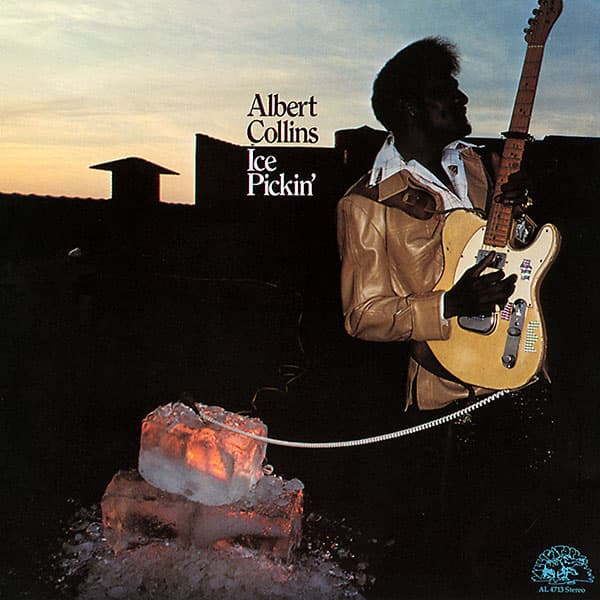
Collins tuned his guitar to a minor chord and moved a capo around it, which no one else did, and it accounts for the sound.
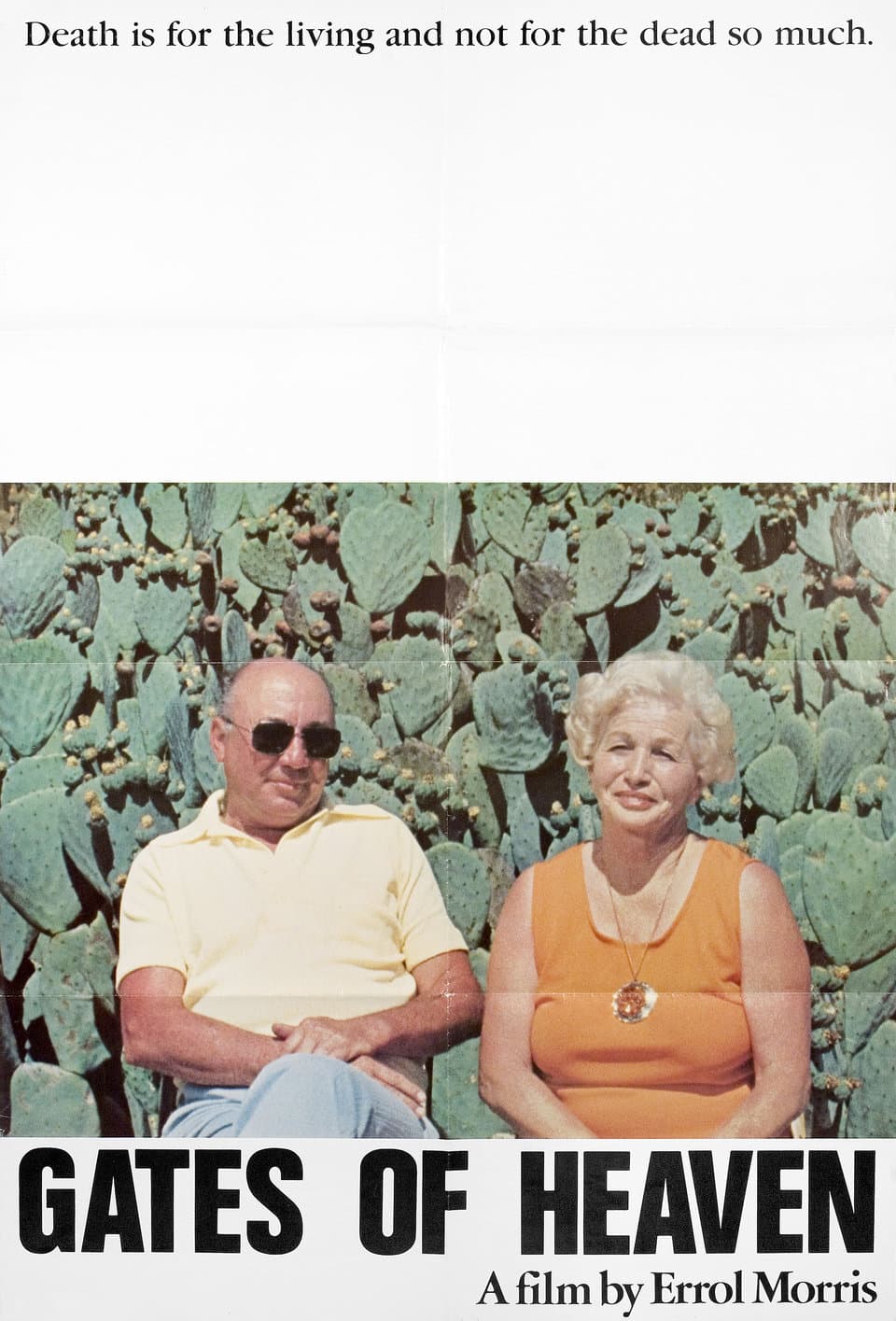
Herzog promised to eat his shoe if Errol Morris ever finished it, then did: two California pet cemeteries, and the people talking about their animals reveal everything about themselves.