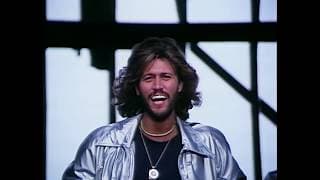
Stayin' Alive
1977 · From Saturday Night Fever Soundtrack
Barry Gibb's falsetto over a drum loop so metronomic that paramedics still use it to time chest compressions.
★ 9.4
 skopia
Barry Gibb's falsetto over a drum loop so metronomic that paramedics still use it to time chest compressions.
Moroder's pulsing synth track, Summer floating above it, and the record Eno reportedly called the sound of the future.
Recorded beside the Berlin Wall, Fripp's feedback howling while Bowie sings himself hoarse over a single defiant day.
Nicks wrote it in a black velvet studio room at Sausalito's Record Plant; it remains the band's only US number one.
Felder demoed it on a four-track in Malibu, and his Les Paul duels Walsh's Telecaster through the outro.
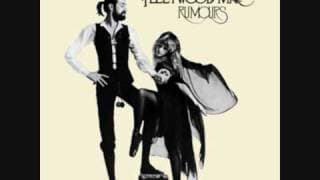
Buckingham aimed Mick Fleetwood at the Street Fighting Man groove, then sang a breakup line Nicks demanded he cut.
Written as "No Future," banned by the BBC, and stuck at number two amid loud suspicion of chart rigging.
A 1965 Studio One ska tune rebuilt for Exodus, with Mayfield credited to keep the borrowing legal.
May came home from a Stafford gig where the crowd sang back, and built a chorus from stomps and claps.
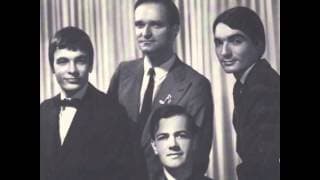
Kraftwerk's rhythm rode a train across Europe, name-checked Bowie and Iggy Pop, then turned up inside Afrika Bambaataa's Planet Rock.
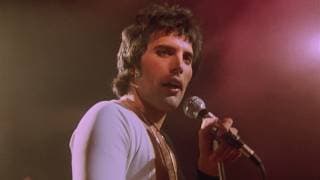
Mercury wrote it with audience participation in mind, and a 2011 study named it the catchiest song in pop.
Razor-blade tape splices turned rejected scraps into the one Rumours song credited to all five, McVie's bass ending it.
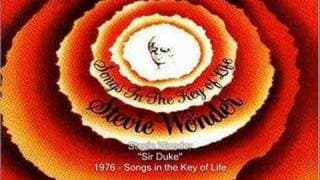
Wonder built it for Ellington after his death in 1974, then handed the melody to horns playing in unison.
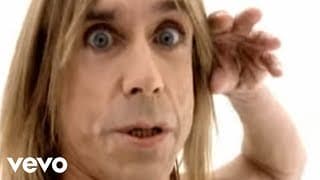
Bowie found the beat in an Armed Forces Network call sign; Hunt Sales hammered it out in Berlin.
Petty cut it on the Fourth of July, 1976, and Roger McGuinn heard the Byrds so clearly he covered it.
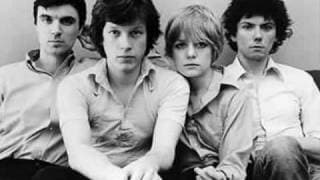
A ballad first, written at art school, until Weymouth's French bridge and bassline turned it feral.
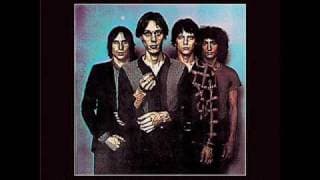
Ten minutes captured in one take; Ficca thought it was a rehearsal and Verlaine refused Andy Johns another go.
Gardiner found the riff wandering under apple blossom, and Bowie sings behind Iggy at Hansa by the Wall.
Bootsy passed on the bass part, so Worrell chained three Minimoogs together and gave Parliament its first R&B number one.
Reportedly inspired by canaries at his Hope Road windowsill, cut in London, and the gentlest reassurance in reggae.
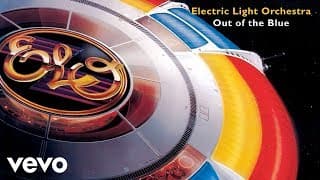
Two weeks of Alpine fog broke, and Lynne wrote this and thirteen more songs, closing it with a vocoder.
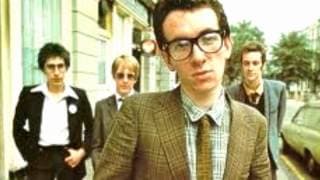
Costello glimpsed a supermarket checkout girl, Clover backed him before the Attractions existed, and one line titled his debut.
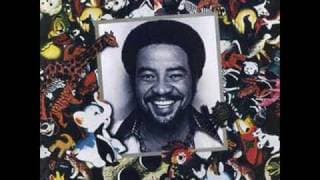
Withers holds the last note for eighteen seconds, Ray Parker Jr. plays guitar, and morning suddenly looks survivable.
Young wrote it on doctor-ordered voice rest, whistling the melody, then chased Sampedro's Stringman chords for eight electric minutes.
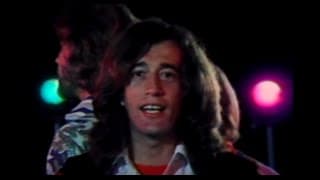
Seventeen weeks in the American top ten, and a ballad Stigwood refused to let them hand to Yvonne Elliman.
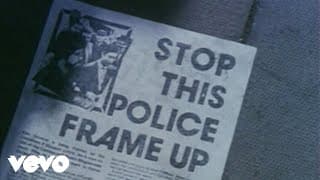
Strummer and Simonon were in the 1976 Notting Hill Carnival riot; the single ran under two minutes and reached thirty-eight.
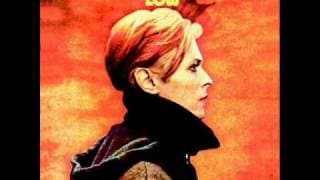
The BBC ran its long instrumental intro under programme trailers, and Bowie's ultimate retreat song went to number three.
Seven-four time, Steve Hunter's Martin triple-tracked at three tape speeds, and Gabriel's first record after walking out of Genesis.

Matlock's riff, lifted off ABBA's "SOS", and the sound of a generation deciding not to care.
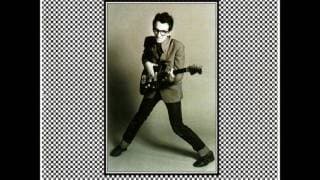
Costello wrote it after a night with the first Clash album; Nieve's piano stalks it like Bernard Herrmann.
A rewrite of a 1959 novelty called "The Beat Generation", with Quine and Julian's guitars turning parody into manifesto.
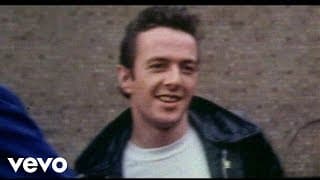
Lee Perry produced it after CBS released a single without the band's consent; Topper Headon's first Clash session.

Nielsen's studio take on In Color went nowhere; the live Japanese version, crowd and all, hit number seven.
Drummer Walter Orange stepped out front, LaPread's bass line did the rest, and funk got a permanent floor-filler.
Richie traced that Sunday-morning ease to the small Alabama town he grew up in; the singer is walking away relieved.
Joey Ramone spliced a jungle-comics heroine with punk's primal charge, and Britain sent it to number twenty-two.
Bebop alto player Phil Woods takes the solo, and the melody Joel dreamed won Record and Song of the Year.
Zawinul named it for the club where he heard Basie, Ellington and Miles, then made an instrumental a hit.
Hall wrote it about a fast-food heir, changed Rich Boy to Rich Girl, and took the duo to number one.
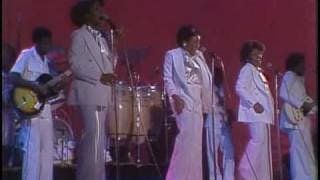
Maurice White and Al McKay wrote it, Earth Wind and Fire's rhythm section played it, and the Hutchinson sisters soared.