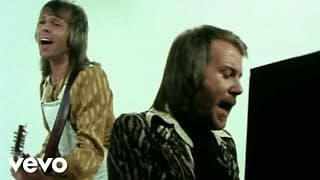
Blood on the Tracks
1975
Dylan finished it, then rerecorded half the songs in Minneapolis with local musicians his brother rounded up, days before it was due out.
★ 9.5
 skopia
Dylan finished it, then rerecorded half the songs in Minneapolis with local musicians his brother rounded up, days before it was due out.
Months of wall-of-sound overdubs poured into one getaway car, and every word still sounds like escape.
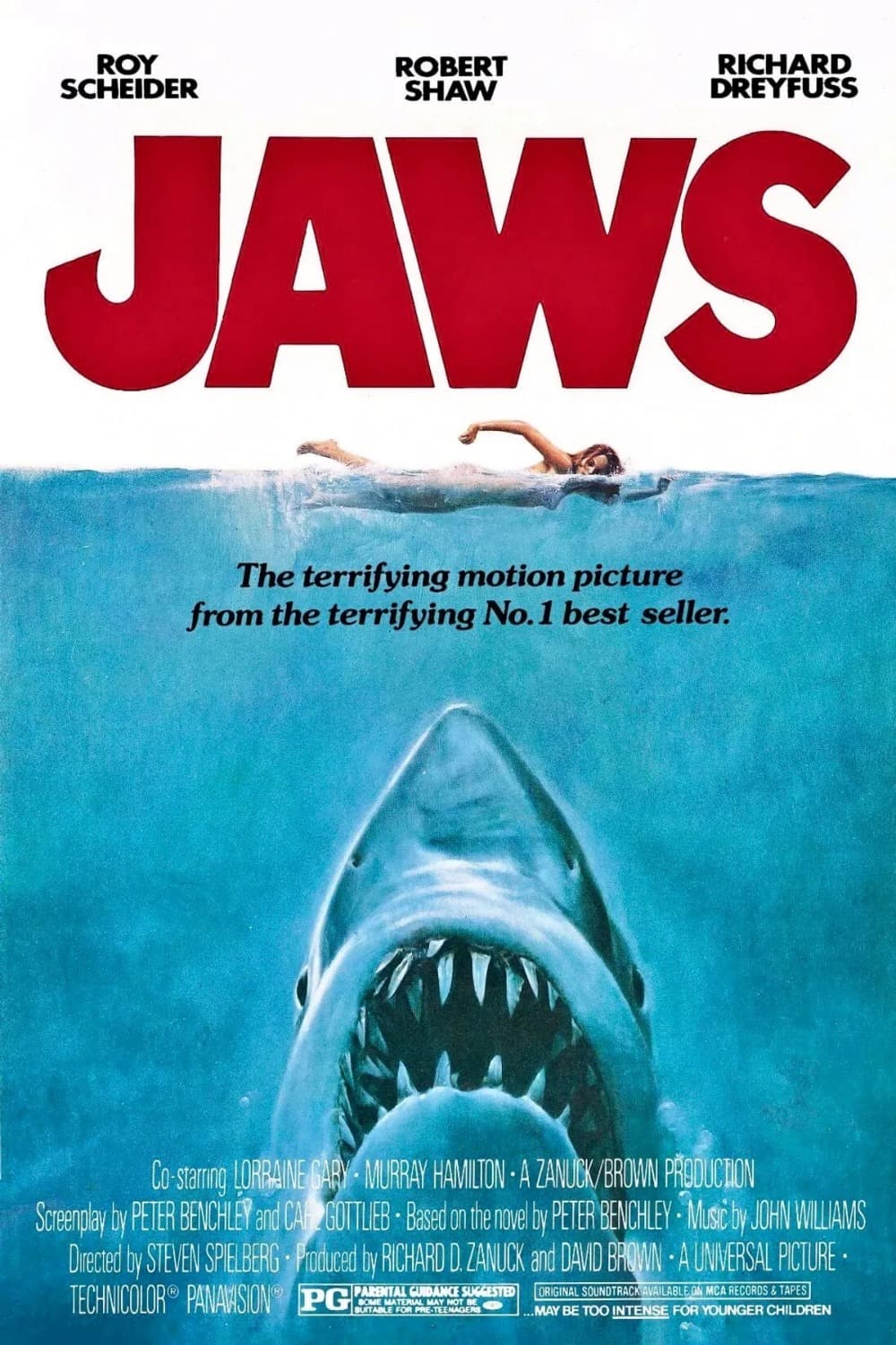
Summer blockbusters start here: the mechanical shark kept breaking, so Spielberg hid it, and accidentally proved that what you cannot see is worse than what you can.
Six minutes with no chorus and so many vocal overdubs the tape wore transparent. Still nothing else like it.

Nicholson against Nurse Ratched is the great screen battle of wills: a convict fakes insanity to serve his time in a hospital, and finds the ward already has a ruler.
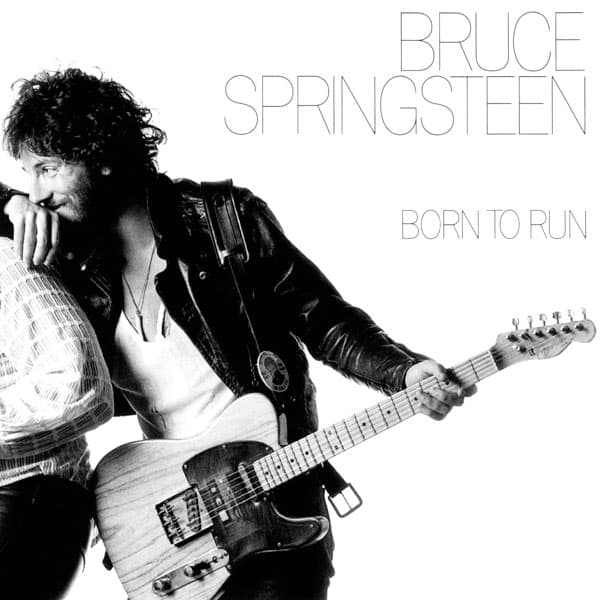
Springsteen spent six months on the title track alone and hated the finished record so much he wanted to throw it in a swimming pool.
Page tuned to DADGAD, Plant wrote it driving through southern Morocco, and none of them had seen Kashmir.
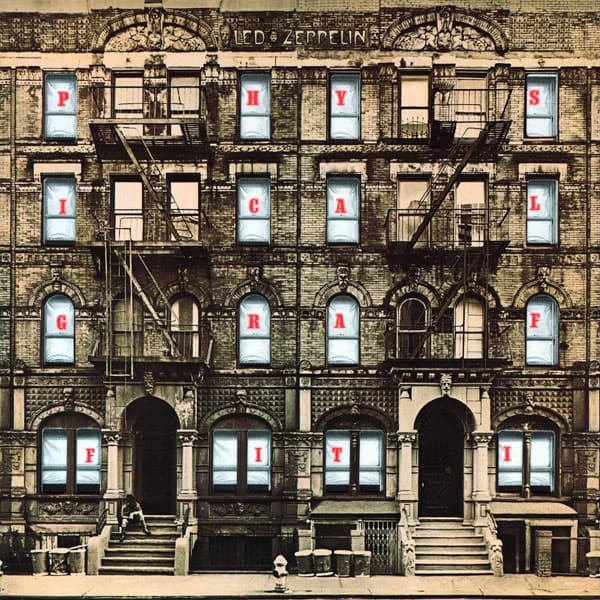
They did not have enough songs for a double album, so they raided outtakes from three earlier records to fill it out.
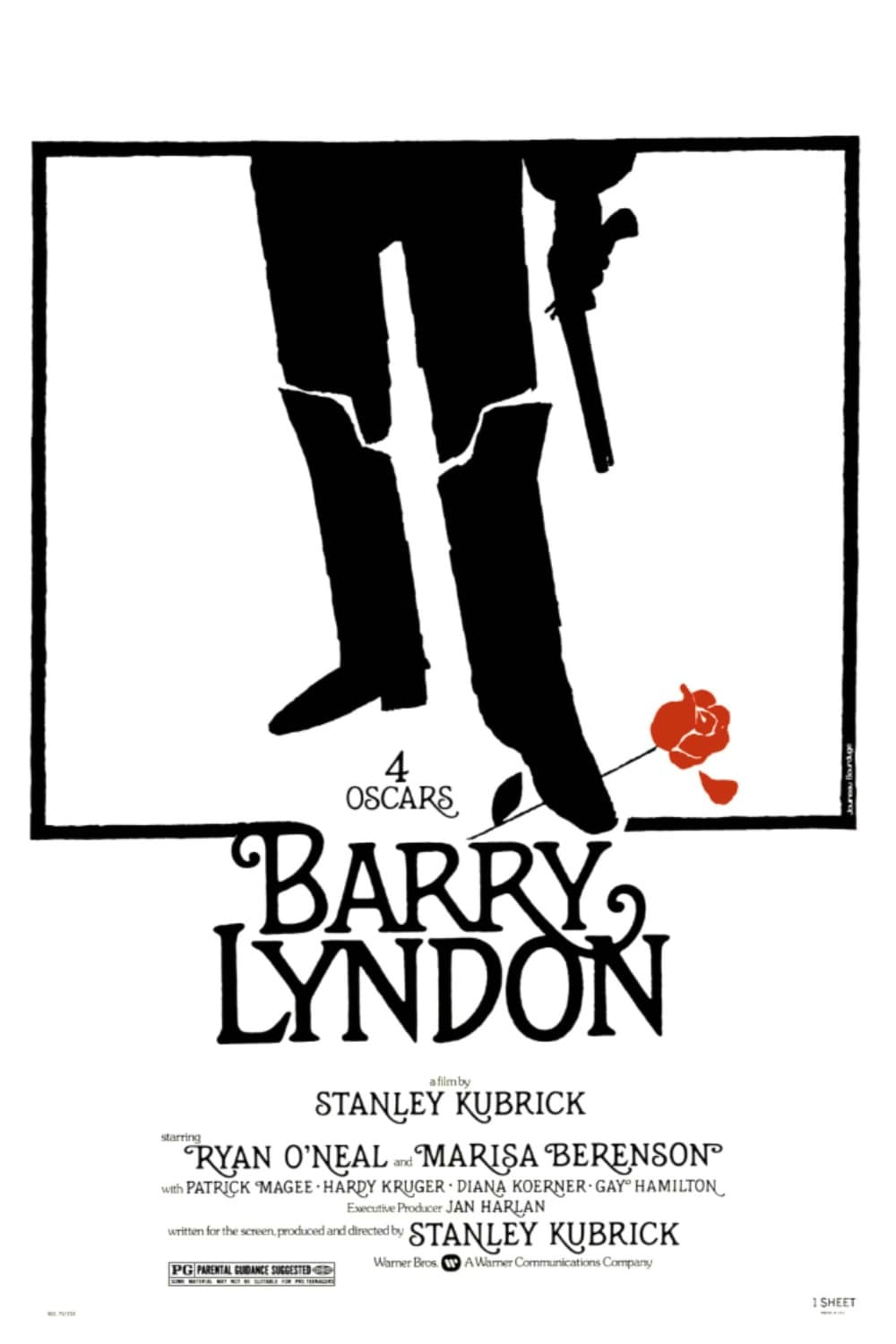
Cinematographers still study every frame: Kubrick lit interiors by candlelight alone using lenses built for NASA, and the result looks like walking through a gallery of paintings.
Bittan's piano, a harmonica, and a screen door slamming; Springsteen lifted the title from a Robert Mitchum film poster.

The most expensive record ever made at the time, and they layered the Bohemian Rhapsody vocals until the tape went nearly transparent.
Dylan recut it in Minneapolis with his brother producing, then spent decades rewriting a story already told out of order.
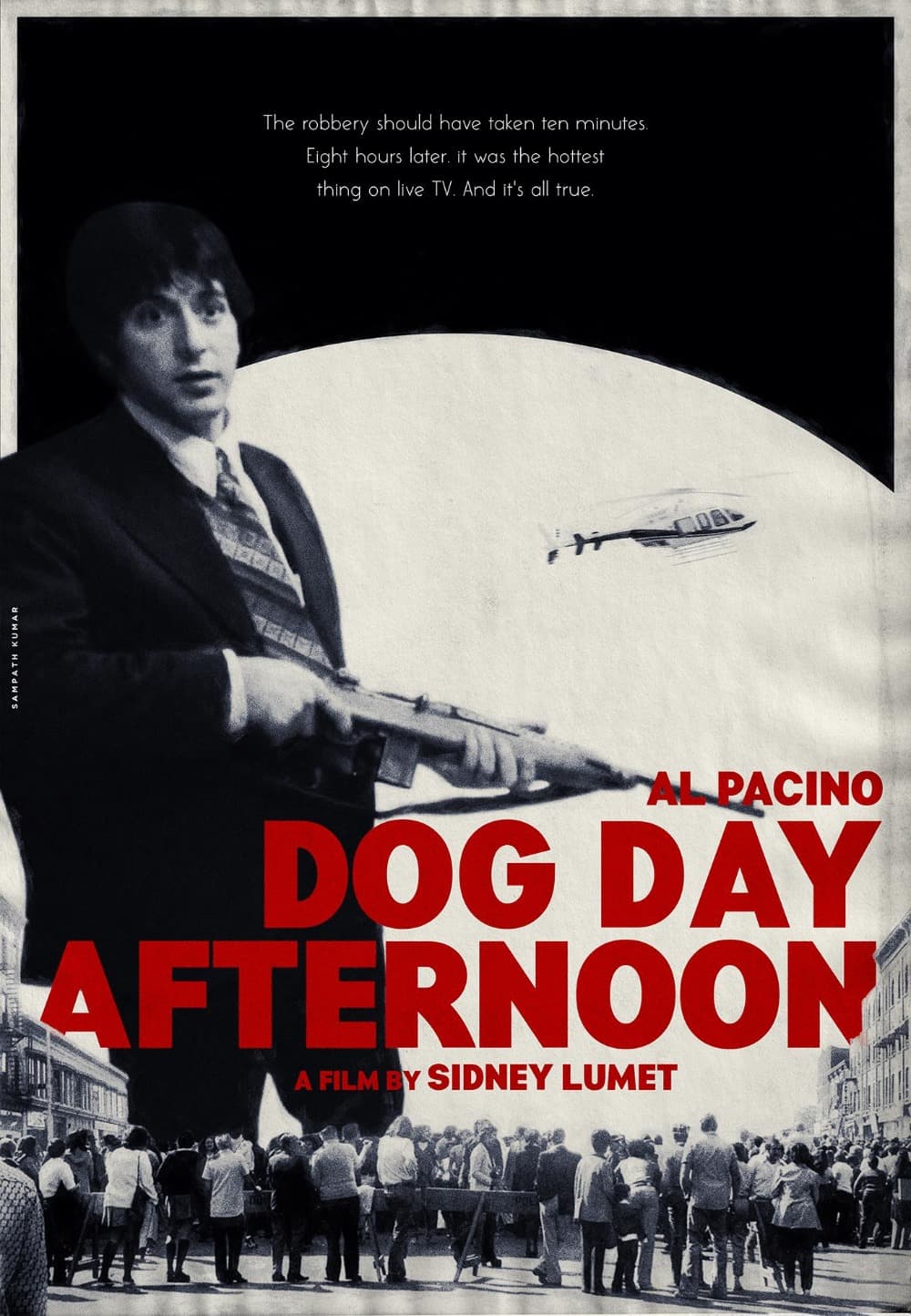
Pacino turned a real 1972 Brooklyn robbery into the most electric performance of the seventies: a bank job collapses in ten minutes and becomes a street carnival.
Gilmour's twelve-string comes through a recorded car radio, and Grappelli's violin sits buried near the very end.

No comedy has been quoted more relentlessly for fifty years: the Pythons could not afford horses, banged coconuts instead, and turned the budget problem into the joke.

Punishment stopped tearing bodies apart in public and became timetables and cells. Foucault explains why: constant watching disciplines better than pain, and the same technique now runs schools and factories.
Aspen in 1974, Nicks weighing whether to quit music, and Buckingham Travis-picking a Martin D-18 underneath.
Bootsy Collins on bass, Fred Wesley and Maceo Parker newly arrived from James Brown, and Parliament's first gold single.
Perry built the riff at a Honolulu soundcheck; Tyler wrote the words on a Record Plant stairwell wall.
Four notes known as Syd's theme, and Barrett himself turning up at Abbey Road mid-session, unrecognized by the band.
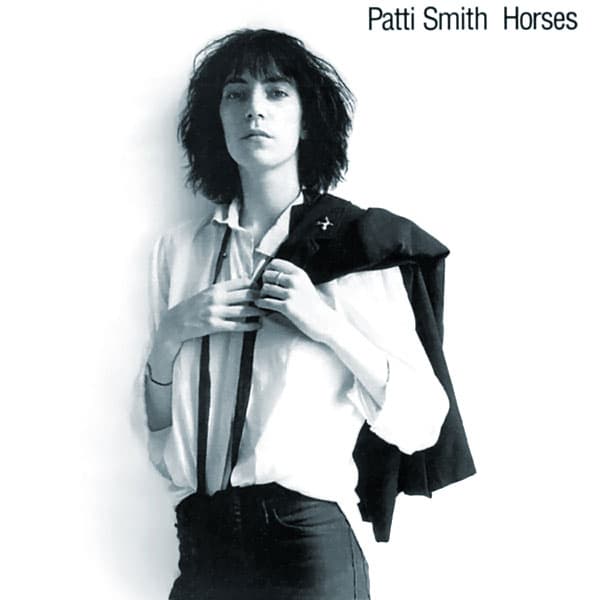
It opens by announcing that Jesus died for somebody's sins but not hers. Robert Mapplethorpe took the cover photograph in a friend's apartment.
A novel called Triad set Nicks going; years later she learned she had described a Welsh goddess exactly.
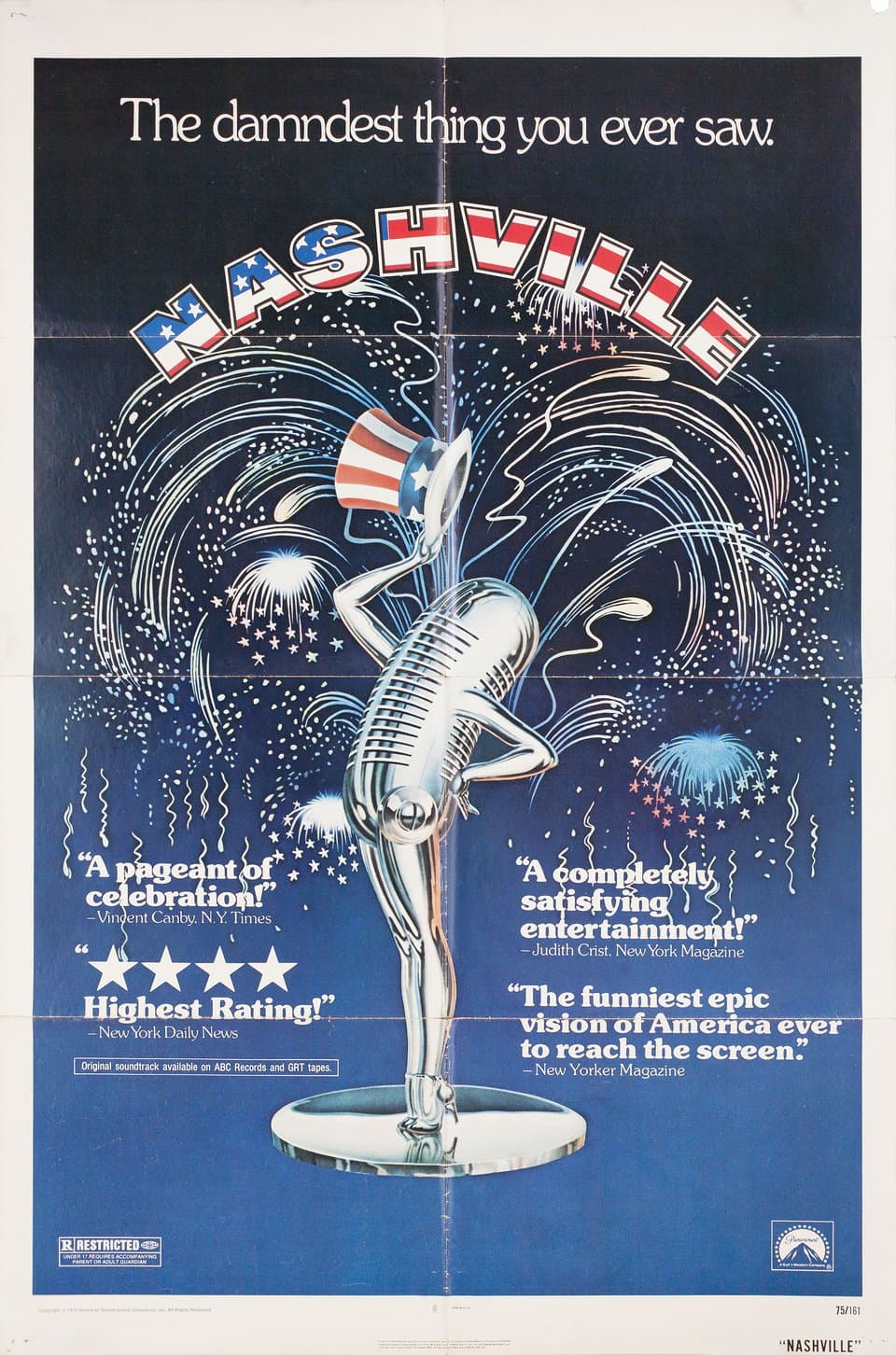
Altman's method arrives here fully formed: twenty-four characters, overlapping microphones, and five days of country music and politics that add up to a portrait of the whole country.

Columbia thought the tapes were demos because it cost twenty thousand dollars and had almost nothing on it but guitar and voice.
Fred Rose wrote it in the forties; Nelson's Texas version had Columbia's boss asking why he'd sent a demo.
Young's tone in double drop D, a blown console that erased the last verse, and a Franco-era Spanish ban.
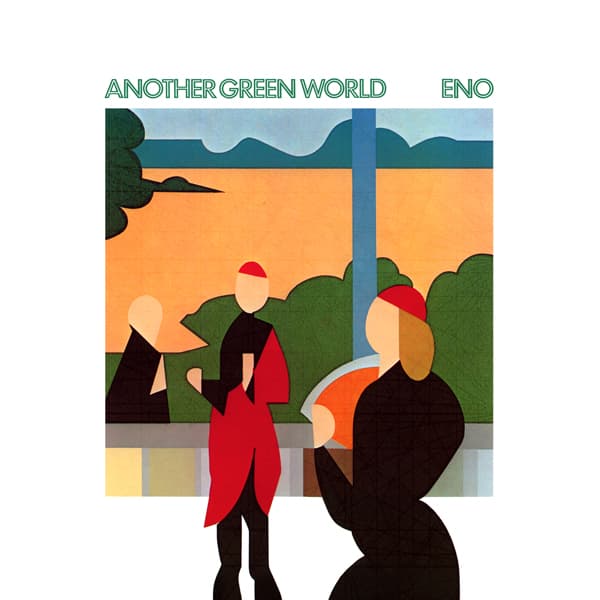
Eno arrived at the studio with nothing written and worked from a deck of cards printed with instructions. Only five tracks ended up with words.
Making money is art and working is art and good business is the best art.
Three sounds in that intro: Hamilton's bass riff, Perry's talk box, a bass marimba. Aerosmith's first Top 40 single.

Virginia's planters learned from the uprising of 1676 that poor whites and enslaved Africans might combine against them, and answered by writing racial contempt into law. Morgan makes freedom and slavery one story.
A night walk at Caribou Ranch gave White the title, and the band their only Hot 100 number one.
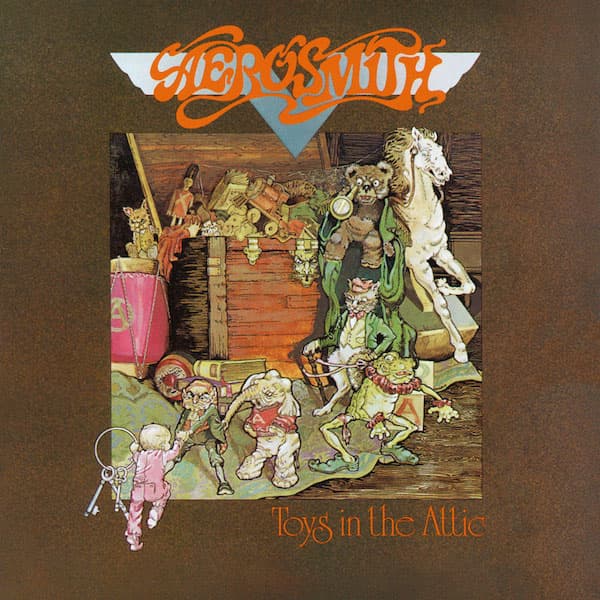
The title of Walk This Way came from a line in Young Frankenstein, which the band went to see during a break in the sessions.
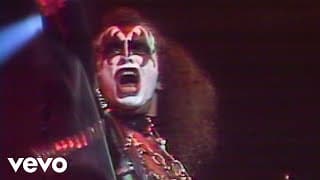
Casablanca's Neil Bogart asked for a party song; Stanley wrote the chorus, and the live take beat the studio single.

The trenches taught the century to speak in irony, Fussell argues, reading Sassoon, Graves, and Owen against the language they inherited. Historians have argued with him for fifty years inside his frame.
Gaudio first wrote it about Prohibition's repeal, then Judy Parker rewrote the lyric and drummer Gerry Polci sang lead.

Huston tried to make this for twenty years and finally got Connery and Caine: two British soldiers walk into Kafiristan intending to be crowned as gods, and the joke gets serious slowly.
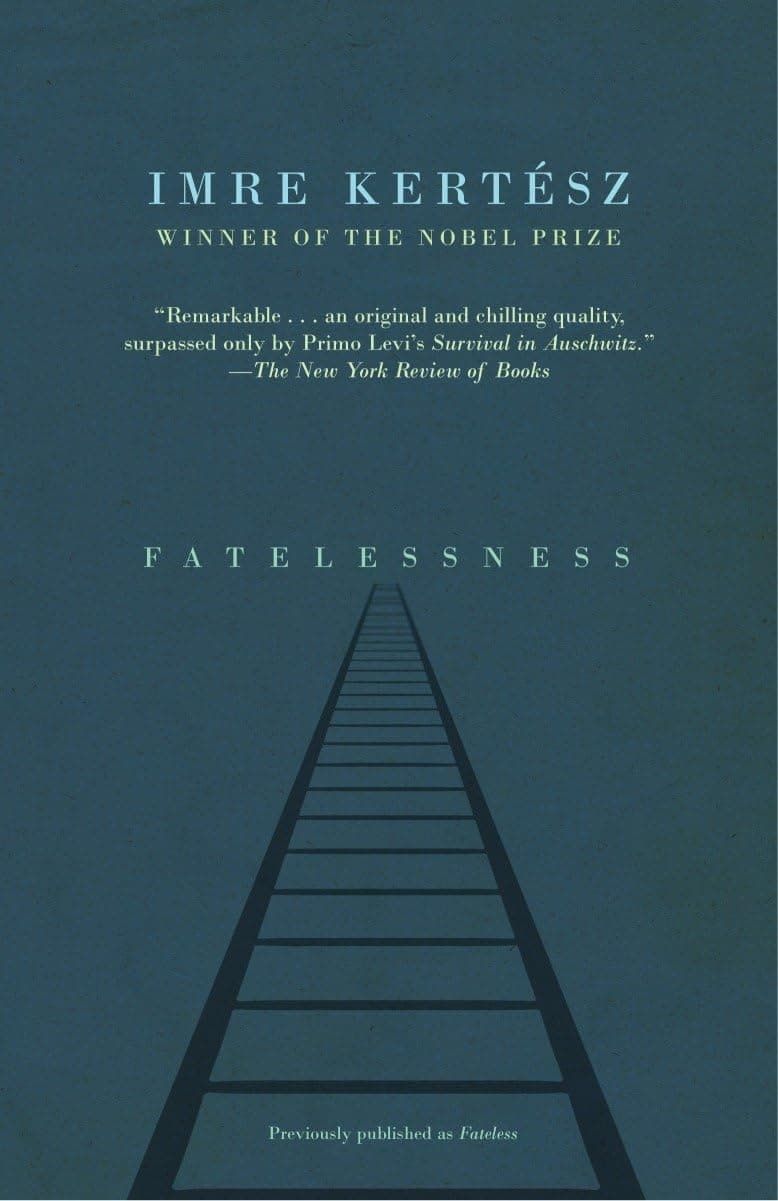
György Köves is fourteen when he is taken from Budapest to Auschwitz, and he reports each stage as it arrives, without hindsight. Back home he tries to explain the camps' happiness.