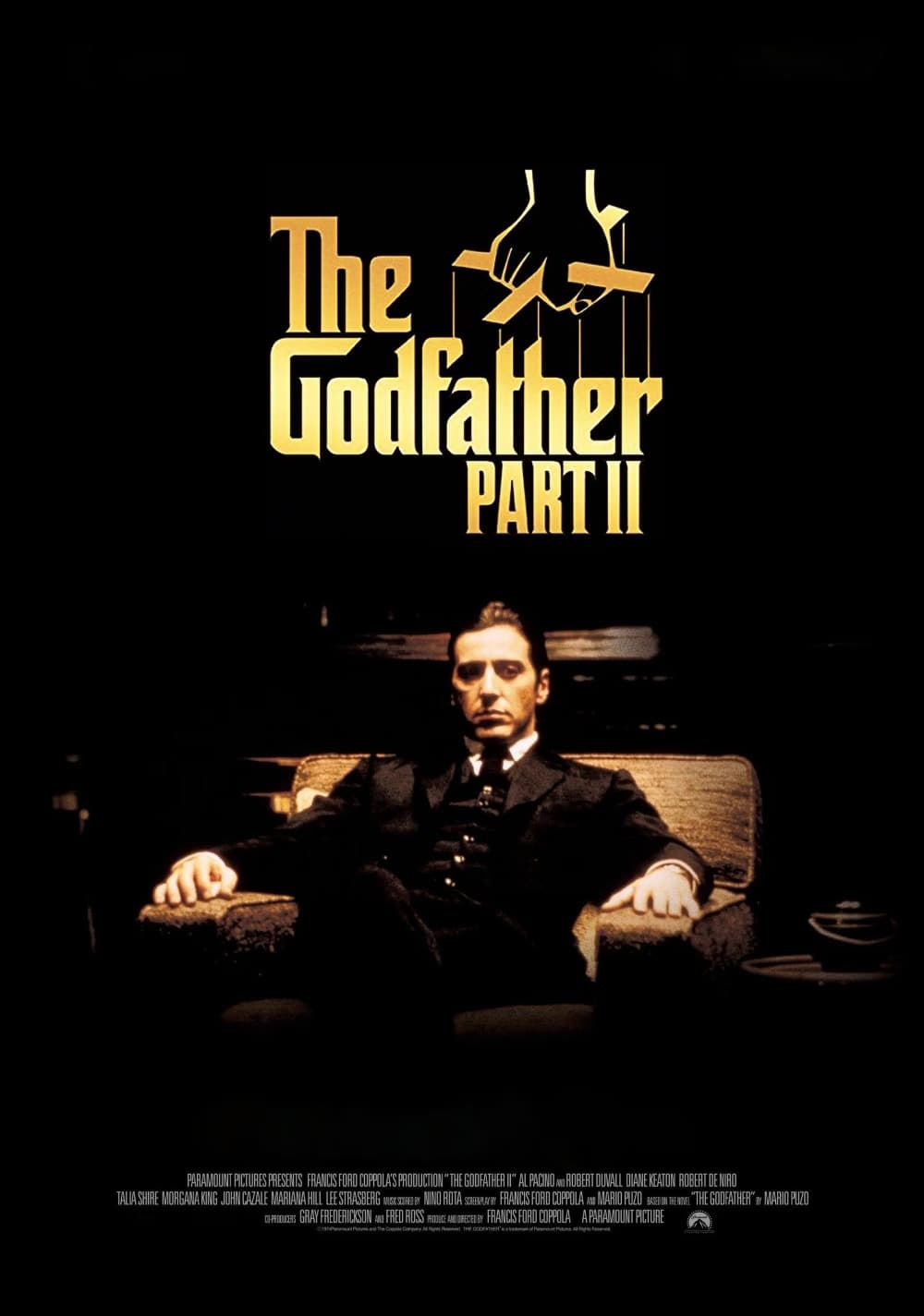
The Godfather: Part II
Directed by Francis Ford Coppola
1974
Coppola did what almost nobody manages, and made a sequel with a real claim to surpassing the original: two eras of one family run side by side, and the colder one wins.
★ 9.8
 skopia
Coppola did what almost nobody manages, and made a sequel with a real claim to surpassing the original: two eras of one family run side by side, and the colder one wins.
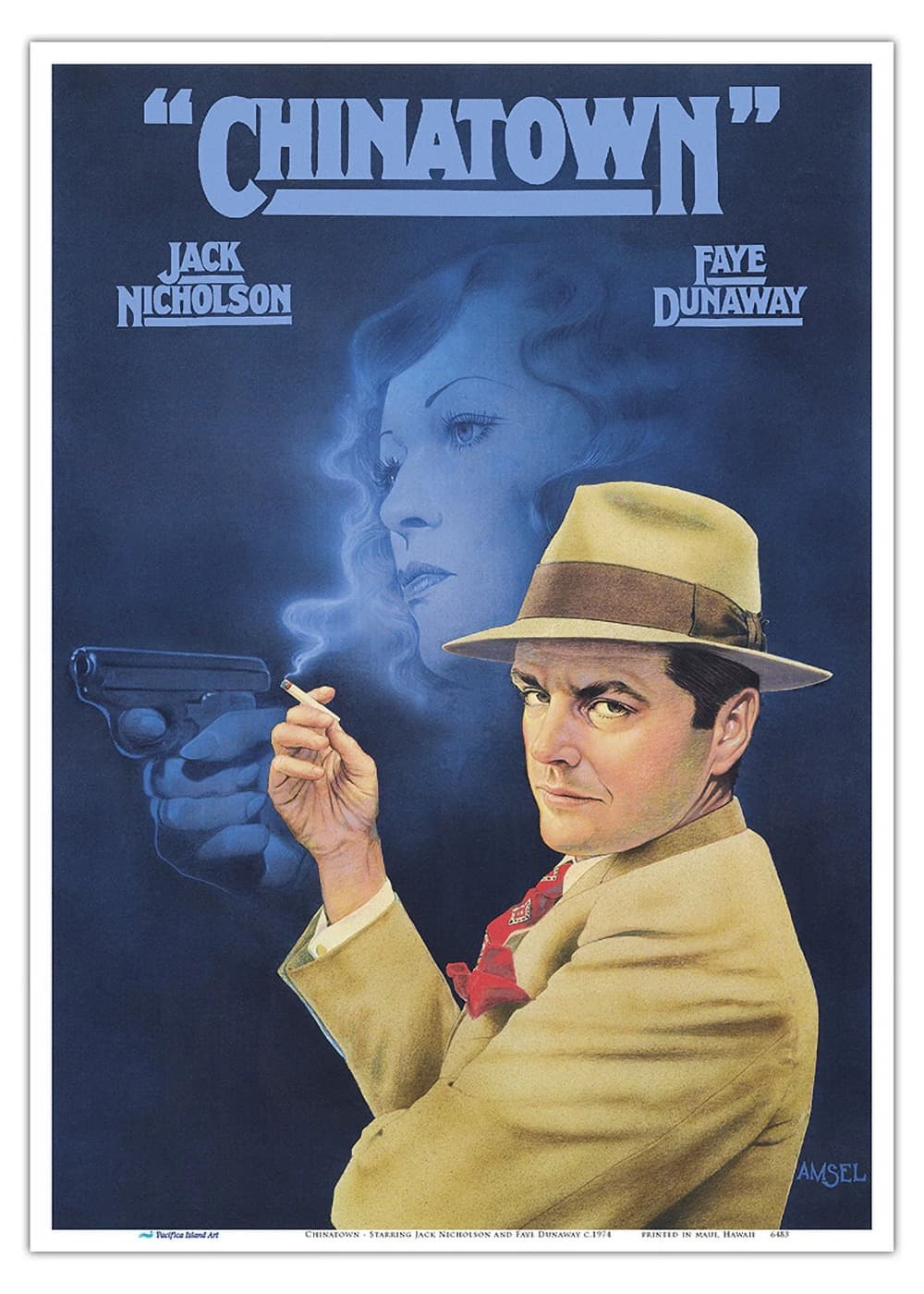
Screenwriters still take this one apart scene by scene to see how it works: Towne and Polanski built a mystery about stolen water that ends without a shred of mercy.
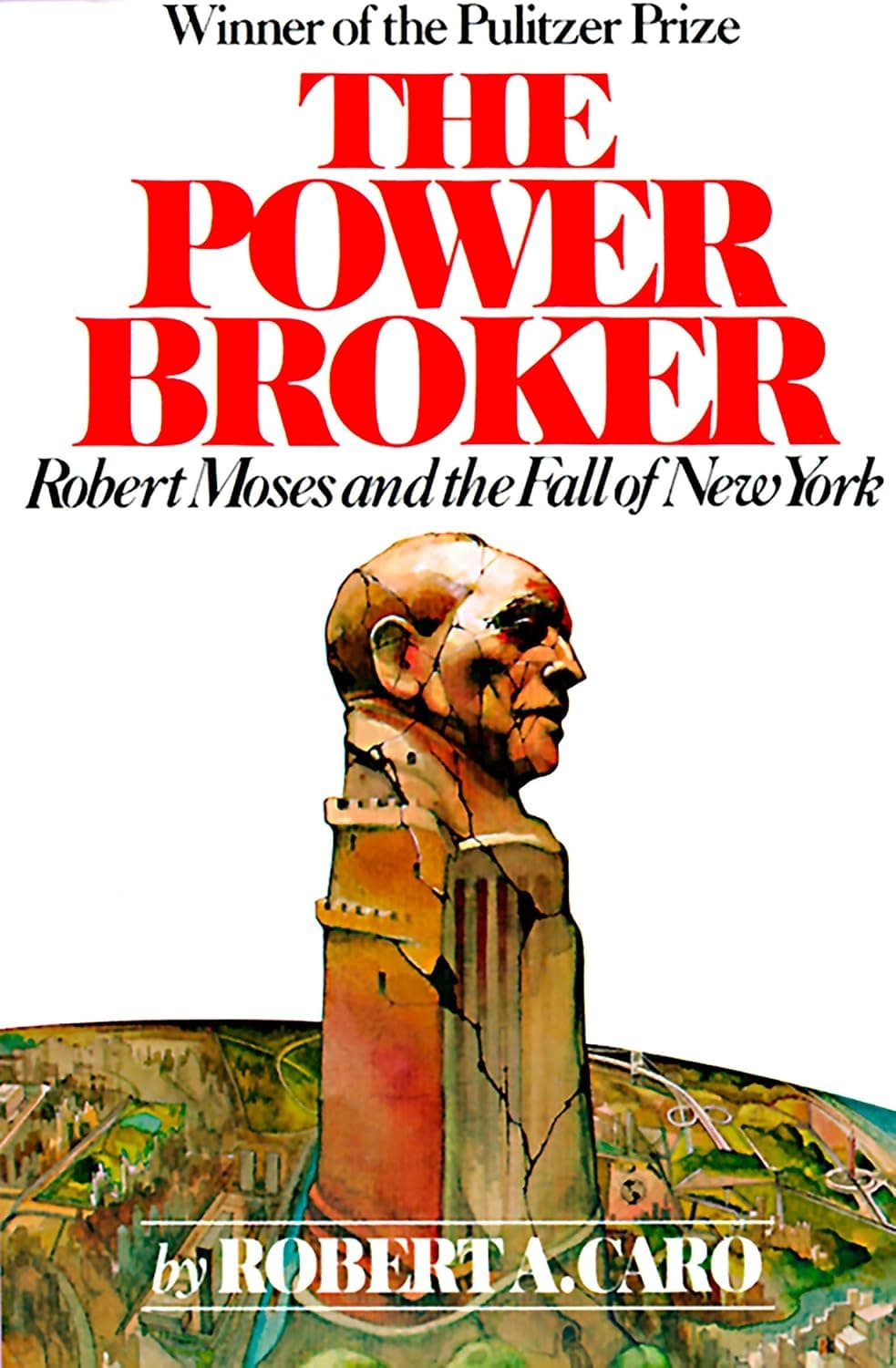
Robert Moses was never elected to anything and remade New York for forty years, throwing up bridges and expressways and flattening the neighborhoods in their way. Caro shows exactly how it was done.
Marley credited it to Tata Ford, whose Trenchtown soup kitchen the royalties kept running; the title means woman, don't cry.
An answer record to Neil Young's "Southern Man," riding Ed King's riff and a name-check for the Muscle Shoals Swampers.
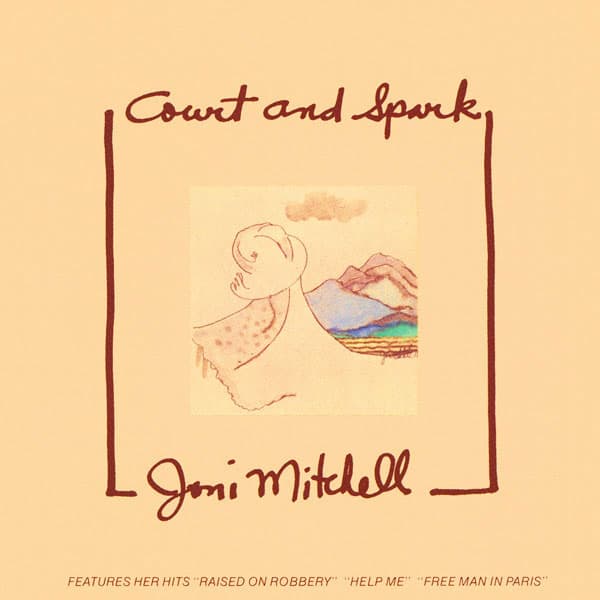
Mitchell hired a working jazz band to back her and made the best-selling record of her life without simplifying a single thing.
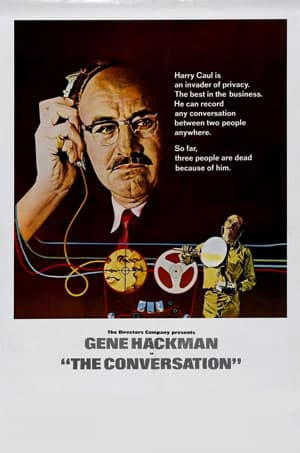
Written years before Watergate and released at its climax, it looked like prophecy: a surveillance expert starts hearing something terrible inside his own recording, and his paranoia does the rest.
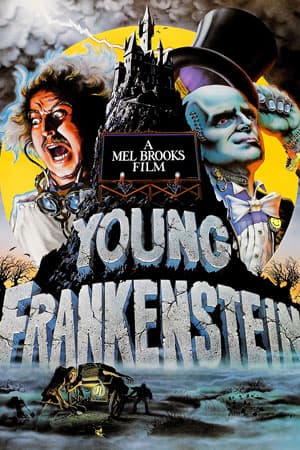
Brooks has called it his best film and he shot it using the original 1931 laboratory equipment: black and white, played completely straight, and funnier for the discipline.
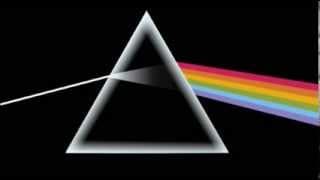
Alan Parsons taped antique-shop clocks as a quadraphonic test; Mason's rototoms follow, and the alarms still land like panic.
The Meters on rhythm at Sea-Saint, Toussaint producing, and Patti LaBelle singing a French hook she did not understand.
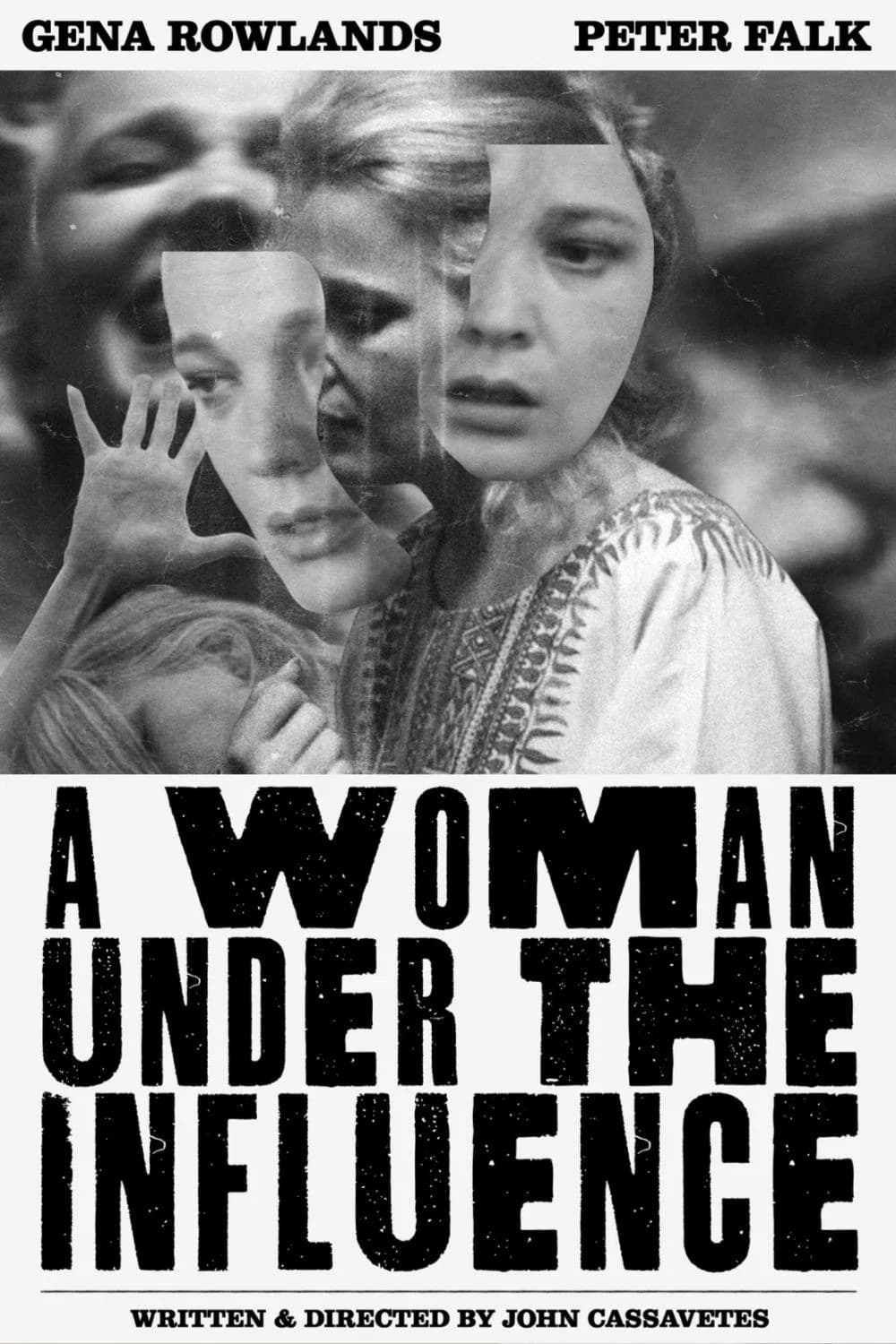
Cassavetes mortgaged his house to finance it, and Gena Rowlands gives the most exposed performance in American film: a marriage where love and damage cannot be separated.
The only Zen you find on the tops of mountains is the Zen you bring up there.
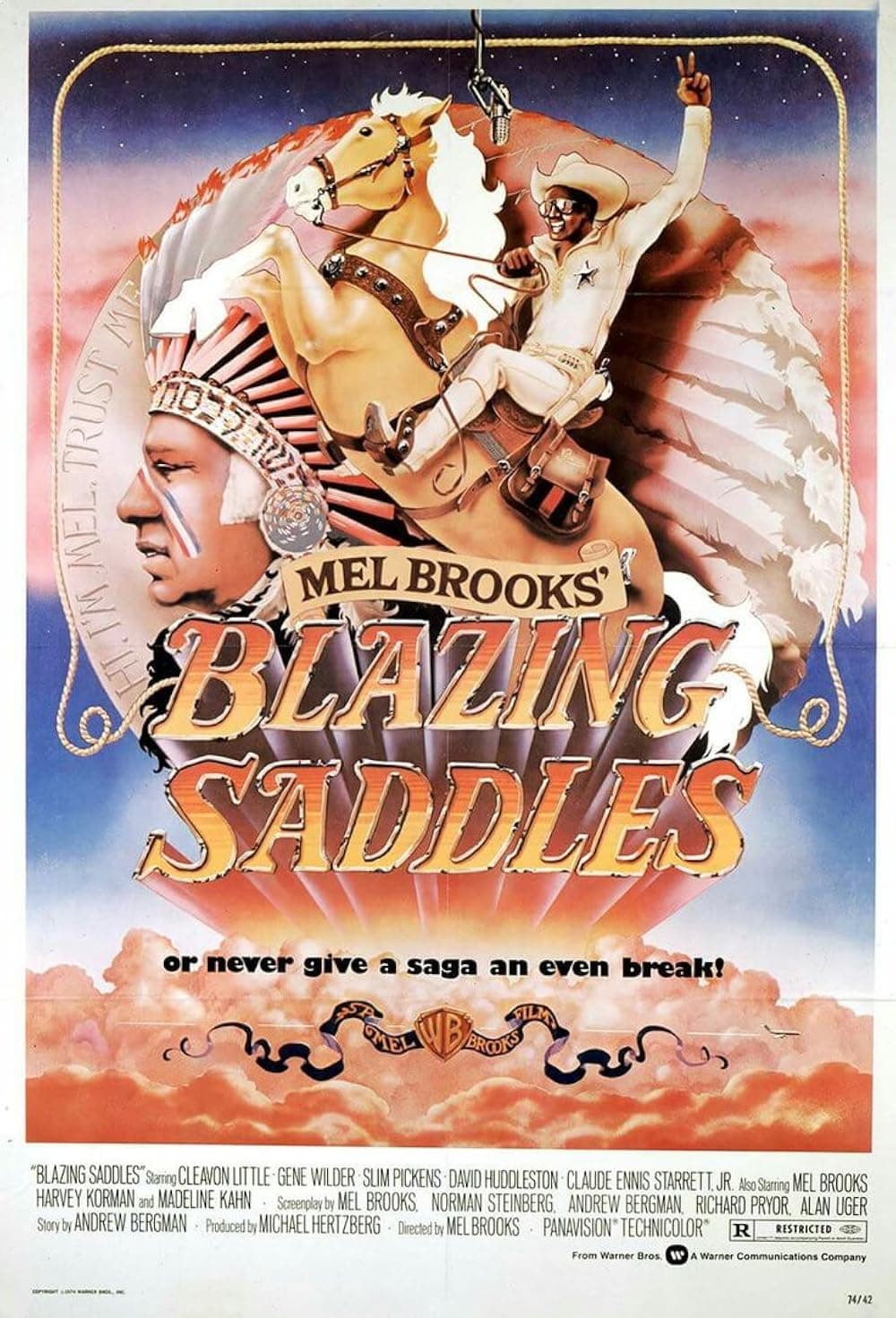
Brooks spent years saying it could not be made today and has since changed his mind: a Black sheriff arrives in a frontier town built on racism, and everybody gets hit.

Seventeen days on a motorcycle carry a father and son from Minnesota to California while he works out what Quality means and recovers the man he was before electroshock erased him.

Pulled out of retirement, George Smiley hunts a Soviet mole at the top of British intelligence, working from old files and older grudges. Le Carré makes treason a matter of friendship and marriage.

Woodward and Bernstein worked doorsteps, phone books, and a source who met Woodward in a parking garage, tracing campaign money into the White House. Journalism has measured itself against this reporting ever since.
Baptism imagery over Willie Mitchell's Memphis groove, and Hi Records never bothered to release Green's version as a single.
Her only American top ten hit, cut with Tom Scott's L.A. Express as she swung folk toward jazz.
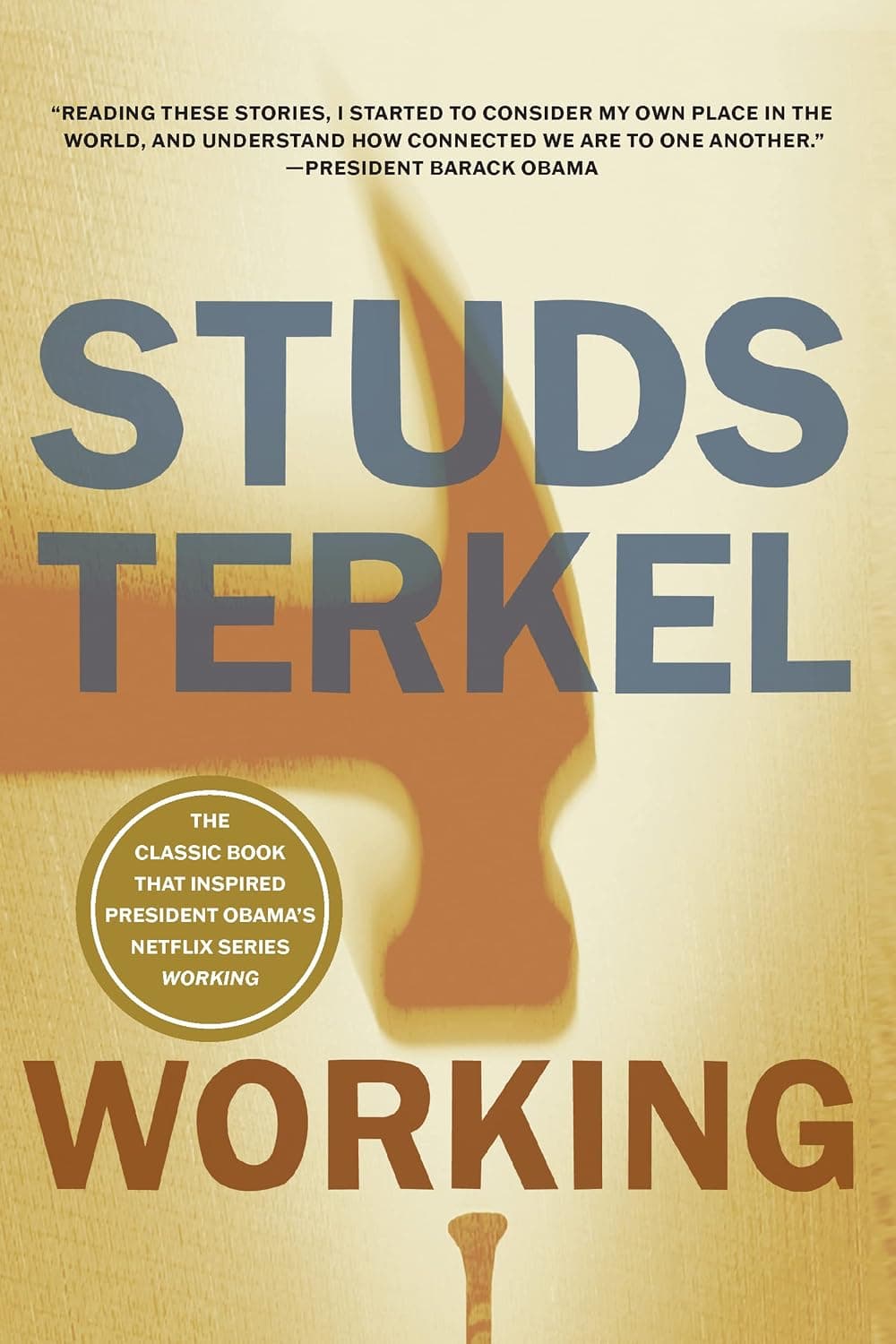
Terkel put a tape recorder before a gravedigger, a receptionist, a steelworker, and asked what the day costs them. Work is violence to the spirit as well as the body, he writes.
Mitchell wrote it for David Geffen after a Paris trip, then set his escape to Jose Feliciano's guitar.

The first record after Tosh and Bunny left, with three women, one of them Marley's wife, singing behind him from then on.

The tabloid Bild-Zeitung had branded Böll a terrorist sympathizer, so he answered with this: a quiet housekeeper spends one night with a wanted man and the papers take her honor apart.
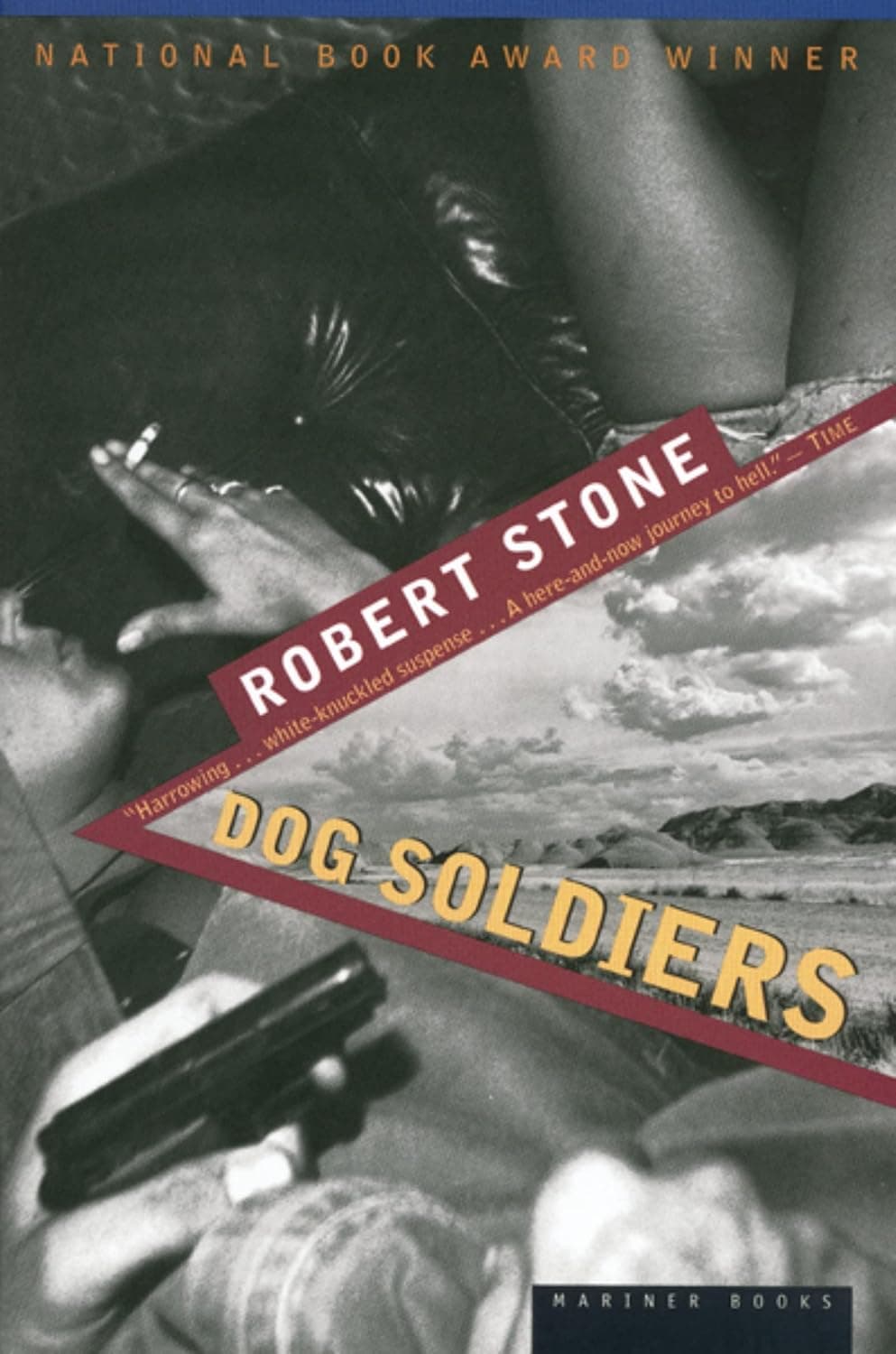
Vietnam comes home in a suitcase. A correspondent buys heroin in Saigon and ships it to his wife in California, where the deal collapses into a chase through a country the war broke.

Life on the plantation seen from the slave quarters outward: Genovese shows how the enslaved turned the master's claim of paternal care into leverage and made Christianity mean what the master never intended.
Individuals have rights, Nozick begins, so a just state shrinks to police, courts, and defense. A million fans paying a basketball star a quarter gave libertarianism its sharpest weapon against redistribution.
A Boston fan's poem, reworked by Parsons, Emmylou Harris on harmony, and an album out four months after his death.

For a year Dillard watches a creek in Virginia's mountains, where a giant water bug drains a frog to an empty skin. She wants to know what kind of God made this world.
Ronstadt rejected the first take as the wrong groove; four days later Andrew Gold's solo sealed her only number one.
Hunter set his lyric in Grosvenor Square, and from 1977 the Dead ran it straight into Fire on the Mountain.

Three days at Gettysburg from inside the men commanding it: Shaara has Longstreet pleading with Lee not to send infantry across open ground, and Chamberlain, out of ammunition, ordering a bayonet charge downhill.

Ronstadt's touring band had already left to become the Eagles by the time this made her the biggest-selling woman in American music.

Tarantino took the color-coded aliases straight from this for Reservoir Dogs: four men hijack a subway car under Manhattan and Walter Matthau negotiates with them by radio, entirely deadpan.
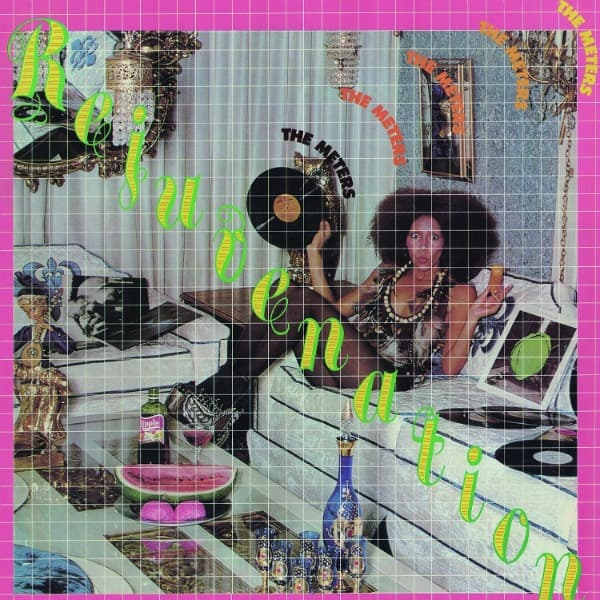
Zigaboo Modeliste's drumming here has been sampled more than almost anyone's, because he leaves gaps where other drummers would put a beat.